
Single Species Mbuna Tanks: Benefits and Setup Guide

Welcome to Aquarium Mastery!
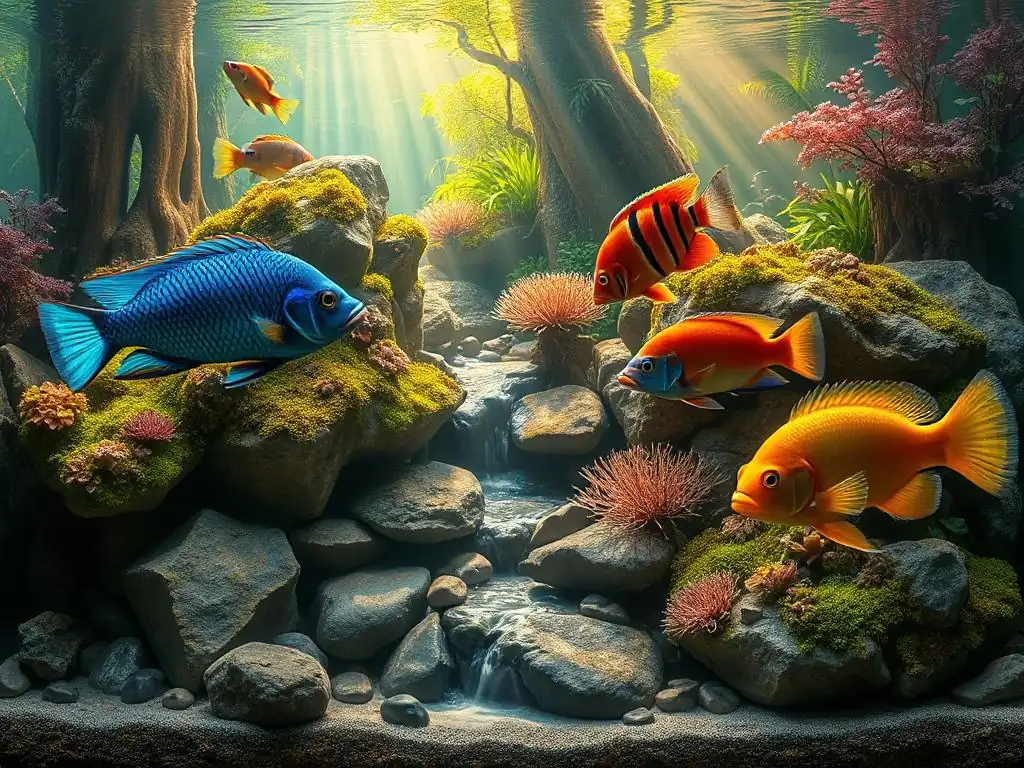
Ever wondered if a single-species aquarium could unlock the true vibrant personality of your fish? Dive into our comprehensive guide on creating a thriving Mbuna tank setup, and discover the surprising benefits of focusing on these captivating African cichlids. Intrigued? Let's explore how you can build the perfect Mbuna habitat, ensuring happy and healthy fish!
- Introduction to Single Species Mbuna Aquariums
- Understanding Mbuna Species for Single-Species Tanks
- Mbuna Tank Setup Guide: Step-by-Step
- Introducing Your Mbuna to Their New Home
- Maintaining Your Single Species Mbuna Aquarium
- Troubleshooting Common Issues in Single Species Mbuna Tanks
- Advanced Mbuna Keeping: Breeding and Fry Care
- Conclusion: Mastering the Art of Single Species Mbuna Tanks
-
Frequently Asked Questions
- What are the primary benefits of setting up a single species Mbuna tank?
- What size tank is generally recommended for a single species Mbuna tank?
- What are the key considerations for water chemistry in a Mbuna tank?
- What type of rockwork is best suited for a Mbuna tank setup?
- What is the recommended stocking density for a single species Mbuna tank?
- Final Reflection: The Enduring Allure of Mbuna Simplicity
- Ignite Your Mbuna Adventure!
Introduction to Single Species Mbuna Aquariums
Why Choose a Single Species Mbuna Tank?
Choosing a single species Mbuna tank is a deliberate decision that significantly enhances the well-being of these vibrant African cichlids and the enjoyment of the aquarist. Mbuna, native to the rocky shores of Lake Malawi, are renowned for their striking colors and active, albeit aggressive, personalities. In a mixed-species community tank, their territorial nature often leads to constant stress, fin nipping, and even fatalities among less dominant or incompatible species. A single-species approach eliminates inter-species aggression, allowing the fish to exhibit more natural behaviors without the constant threat of conflict from different cichlid types.
Furthermore, focusing on a single Mbuna species simplifies the care regimen. Each Mbuna species has specific dietary needs and preferred water parameters, and attempting to cater to multiple species with varying requirements in one tank can be challenging. For example, some Mbuna are strictly herbivorous, while others are omnivorous. A dedicated setup ensures that all inhabitants receive the precise nutrition and environmental conditions they need to thrive, leading to healthier, more robust fish and a more stable aquarium ecosystem, making the Mbuna tank setup guide much more straightforward.
Benefits of a Species-Specific Mbuna Setup
One of the most significant benefits of a species-specific Mbuna setup is the dramatic reduction in aggression-related stress. While Mbuna are inherently territorial, confining them to their own kind within a properly sized and aquascaped environment allows their aggression to be diffused more effectively. Instead of constant battles between different species, any aggression typically occurs within the established hierarchy of the chosen species, often with less severe consequences. This leads to fewer injuries, less fin damage, and a lower incidence of stress-related diseases like Malawi Bloat, which can decimate an entire tank.
Moreover, a species-specific tank allows for optimized water chemistry and diet, tailored precisely to the needs of the chosen Mbuna. For instance, if you select a species like Labidochromis caeruleus (Yellow Labs), which are more omnivorous but still benefit from a high vegetable diet, you can provide food specifically formulated to prevent issues like bloat, common in cichlids fed diets too rich in protein.
Maintaining the specific hard, alkaline water conditions (pH 7.8-8.6, GH 150-300 ppm) that Mbuna require becomes simpler when you are not trying to accommodate species from different biotypes. This dedicated approach is key to any successful Mbuna tank setup guide.
Understanding Mbuna Species for Single-Species Tanks
Popular Mbuna Species for Dedicated Aquariums
When considering a single-species Mbuna tank, certain species stand out due to their relatively manageable aggression levels, vibrant coloration, and availability. Popular choices often include the Labidochromis caeruleus (Yellow Lab Cichlid), known for its striking yellow hue and comparatively peaceful disposition. Another excellent option is the Iodotropheus sprengerae (Rusty Cichlid), recognized by its unique rusty-orange coloration and generally calm temperament. These species are often recommended for aquarists new to Mbuna due to their hardiness and less intense territorial demands, making them ideal subjects for a dedicated Mbuna tank setup guide.
Other suitable candidates include some variants of Cynotilapia afra (Afra Cichlid), such as the "Jalo Reef" or "Likoma Island" populations, which are visually stunning and can thrive in a single-species environment if adequate space and rockwork are provided. While these species still exhibit typical Mbuna behaviors, their aggression is more predictable and manageable within a controlled, single-species setting. Researching the specific characteristics, maximum size (typically 4-6 inches for these species), and social dynamics of each potential candidate is crucial to ensure a harmonious and thriving aquarium.
Labidochromis caeruleus (Yellow Lab) – Care and Considerations
The Labidochromis caeruleus, commonly known as the Yellow Lab Cichlid, is arguably one of the most popular and suitable Mbuna for a single-species setup. Originating from the rocky shores of Lake Malawi, particularly around Lion's Cove, this species reaches an adult size of approximately 4-5 inches (10-12 cm). Their brilliant yellow bodies with varying degrees of black on their fins make them incredibly attractive. Unlike many other Mbuna, Yellow Labs are considered one of the least aggressive species, making them an excellent choice for beginners or those seeking a more tranquil Mbuna display.
In terms of care, Yellow Labs are omnivorous, but their diet should lean heavily towards vegetable matter. High-quality spirulina-based flakes or pellets should form the bulk of their diet, supplemented with occasional protein sources like brine shrimp or mysis shrimp. Avoid feeding high-protein foods frequently, as this can lead to Malawi Bloat.
They thrive in hard, alkaline water with a pH range of 7.8-8.6 and a temperature of 76-82°F (24-28°C). A single-species setup for Yellow Labs typically requires a minimum of a 40-gallon breeder tank (36" L x 18" W x 16" H) to house a small colony of 6-8 individuals, with ample rockwork for caves and territories.
Iodotropheus sprengerae (Rusty Cichlid) – Temperament and Tank Needs
The Iodotropheus sprengerae, or Rusty Cichlid, is another excellent candidate for a single-species Mbuna tank due to its relatively peaceful nature and striking coloration. These fish typically grow to about 3.5-4 inches (9-10 cm) and display a beautiful rusty-orange to brownish-purple hue, which can intensify with age and mood. Hailing from the Malawian waters around Boadzulu Island and Chinyankwazi Island, they are often overlooked in favor of flashier Mbuna but offer a unique aesthetic and less aggressive behavior profile.
Rusty Cichlids are primarily herbivorous, feeding on algae and detritus in their natural habitat. In captivity, a diet rich in spirulina flakes or pellets is essential, supplemented with blanched vegetables like zucchini or spinach. Like other Mbuna, they require hard, alkaline water with a pH between 7.8 and 8.6 and a temperature range of 76-82°F (24-28°C).
A minimum tank size of 40-55 gallons is recommended for a colony of 8-10 Rusty Cichlids, providing them with plenty of rockwork and caves for security and territory establishment. Their calm demeanor makes them a rewarding species for a dedicated Mbuna tank setup guide.
Cynotilapia afra (Afra Cichlid) – Diet and Compatibility
The Cynotilapia afra, known as the Afra Cichlid, is a smaller Mbuna species, typically reaching 3-4 inches (7-10 cm), recognized for its diverse geographical variants, each boasting unique color patterns, often with striking vertical barring. Popular variants include "Jalo Reef," "Likoma Island," and "Hara." While generally more active and sometimes more territorial than Yellow Labs or Rusties, a single-species setup significantly mitigates inter-species aggression, allowing their natural behaviors to flourish without constant conflict.
Afras are micro-predators in the wild, primarily feeding on zooplankton and small invertebrates, as well as scraping algae. In the aquarium, their diet should consist of high-quality cichlid pellets or flakes that are moderately high in protein but also include significant vegetable matter, such as spirulina. Frozen foods like cyclops or daphnia can be offered as occasional treats.
They thrive in water parameters typical of Lake Malawi cichlids: pH 7.8-8.6 and temperatures 76-82°F (24-28°C). For a single species of Afra, a minimum 55-gallon tank is advisable for a group of 8-10 individuals, providing ample rock formations to create numerous territories and hiding spots, which is crucial for a successful Mbuna tank setup guide.
Mbuna Tank Setup Guide: Step-by-Step
Planning Your Mbuna Aquarium
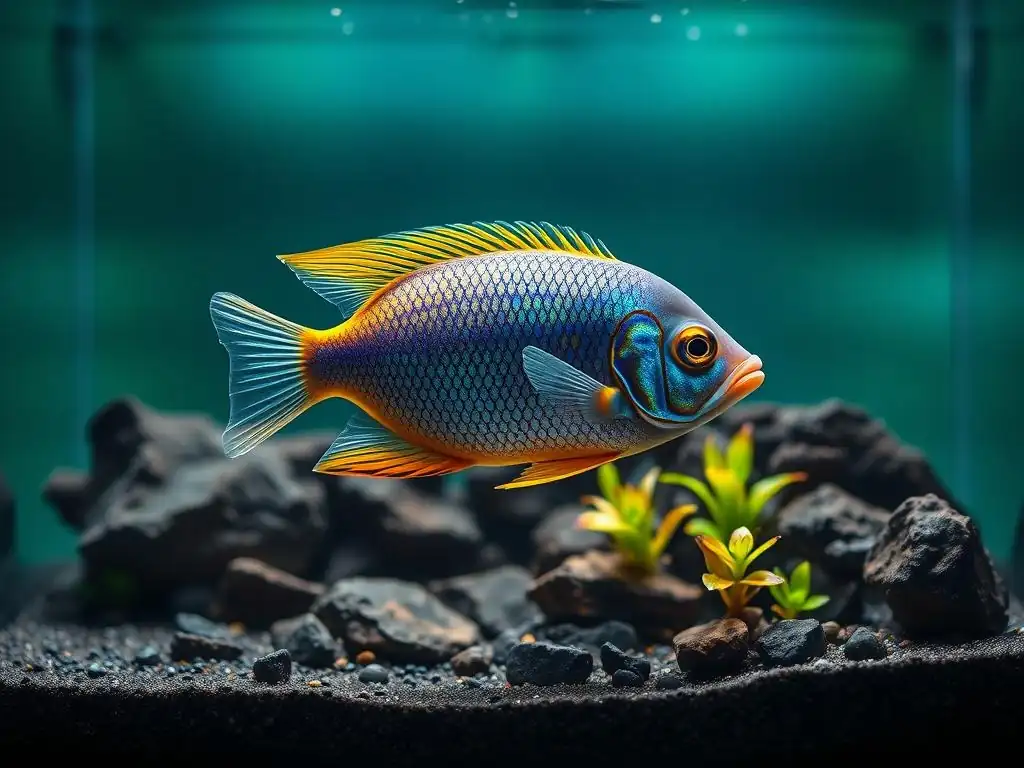
Thorough planning is the cornerstone of a successful Mbuna aquarium. Before purchasing any equipment or fish, consider the optimal location for your tank. It should be on a sturdy, level surface capable of supporting immense weight – a 75-gallon tank filled with water, substrate, and rock can weigh over 800 pounds (approximately 360 kg). Ensure the location is away from direct sunlight, which can cause excessive algae growth and temperature fluctuations, and has easy access to electrical outlets for equipment.
Beyond location, budgeting and species selection are critical. Research the specific Mbuna species you intend to keep to understand their adult size, dietary needs, and social behaviors. This will directly influence the required tank size, filtration capacity, and aquascaping elements. For instance, some species require more rockwork than others. A well-thought-out plan, outlining everything from the initial purchase to long-term maintenance, forms the bedrock of an effective Mbuna tank setup guide.
Tank Size Considerations for Single-Species Mbuna
The tank size is paramount for a successful single-species Mbuna setup, as it directly influences water stability and aggression management. For smaller, less aggressive Mbuna species like Labidochromis caeruleus (Yellow Labs) or Iodotropheus sprengerae (Rusty Cichlids), a minimum tank size of 40 gallons (approximately 150 liters) is often recommended. A 40-gallon breeder tank (36" L x 18" W x 16" H) offers a good footprint for a small group (e.g., 6-8 individuals) to establish territories.
However, for a truly thriving single-species Mbuna tank, especially if you plan to keep a larger colony or slightly more active species, a 75-gallon (approximately 284 liters) or even 125-gallon (approximately 473 liters) tank is highly recommended. A 75-gallon tank (48" L x 18" W x 21" H) provides significantly more swimming space and a larger water volume, which helps dilute waste products and maintain stable water parameters.
This larger volume also allows for a greater number of fish (e.g., 10-15 individuals), which can paradoxically help diffuse aggression by spreading it among more targets, a common strategy in a comprehensive Mbuna tank setup guide.
Essential Equipment for a Thriving Mbuna Tank Environment
Setting up a thriving Mbuna tank requires specific equipment to ensure optimal water quality, temperature, and habitat. The right filtration system, adequate heating and lighting, and appropriate substrate and rockwork are non-negotiable elements for the health and well-being of your Mbuna. Each component plays a vital role in mimicking their natural Lake Malawi environment.
Filtration for Mbuna Tanks: Maintaining Water Quality
Mbuna are known for being messy eaters and producing a significant bioload, making robust filtration absolutely essential. Canister filters are highly recommended for Mbuna tanks due to their large media capacity and powerful flow rates.
For a 75-gallon Mbuna tank, a canister filter rated for 100-150 gallons (e.g., Fluval FX4 or Eheim Professional 4+ 600) is ideal, providing a flow rate of at least 600-900 gallons per hour (GPH) to ensure thorough mechanical, biological, and chemical filtration. Some aquarists even opt for two smaller canister filters or a combination of a large hang-on-back (HOB) filter and a canister filter for redundancy and increased filtration power.
The filtration system should incorporate multiple types of media. Mechanical media, such as sponges and filter floss, removes physical debris and uneaten food. Biological media, like ceramic rings, bio-balls, or specialized porous media (e.g., Seachem Matrix), provides vast surface area for beneficial nitrifying bacteria to colonize, which are crucial for converting toxic ammonia and nitrite into less harmful nitrate. Chemical media, such as activated carbon, can be used intermittently to remove discolorations and odors, though it needs regular replacement. This comprehensive approach to filtration is a cornerstone of any effective Mbuna tank setup guide.
Heating and Lighting for Optimal Mbuna Health
Maintaining a stable water temperature is critical for Mbuna health. These cichlids thrive in warm, consistent conditions similar to their natural Lake Malawi habitat. A high-quality, submersible aquarium heater capable of maintaining a temperature between 76-82°F (24-28°C) is essential. For tanks 55 gallons and larger, it is often advisable to use two smaller heaters (e.g., two 150W or 200W heaters for a 75-gallon tank) rather than one large one. This provides more even heat distribution and offers a crucial backup in case one heater malfunctions, preventing potentially fatal temperature drops.
Lighting for a Mbuna tank is primarily for aesthetic purposes and to allow for viewing your fish. Standard LED aquarium lights are generally sufficient. Avoid excessively bright or long periods of lighting (more than 8-10 hours per day), as this can stress the fish and promote nuisance algae growth. While Mbuna tanks typically don't feature live plants due to the fish's digging habits and herbivorous tendencies, if you do attempt to keep hardy plants like Anubias or Java Fern, ensure the lighting supports their needs without over-lighting the tank for the fish.
Substrate and Rockwork: Creating a Natural Mbuna Habitat
The choice of substrate is vital for a Mbuna tank setup. Fine sand or crushed coral/aragonite is highly recommended. Mbuna are natural diggers and enjoy sifting through the substrate, and fine sand prevents injury to their mouths. Crushed coral or aragonite also provides the added benefit of buffering the water, helping to maintain the high pH (7.8-8.6) and hardness levels characteristic of Lake Malawi. Avoid sharp gravel, which can damage their delicate mouths and gills. Aim for a substrate depth of 1-2 inches (2.5-5 cm).
Rockwork is perhaps the most critical element of a Mbuna tank's aquascape. These fish are rupicolous, meaning they live among rocks, requiring numerous caves, crevices, and visual barriers to establish territories and escape aggression. Use inert rocks such as lava rock, Texas holey rock, slate, or river rocks.
Stack rocks carefully to create stable structures, ensuring they are placed directly on the tank bottom (not on the substrate) to prevent collapses if the fish dig underneath them. Aim for formations that reach close to the water surface, providing both vertical and horizontal territories, which is a key aspect of any comprehensive Mbuna tank setup guide.
Setting Up Your Single Species Mbuna Tank: A Detailed Walkthrough
Successfully setting up your single species Mbuna tank involves a series of methodical steps, each crucial for establishing a healthy and stable environment. Following this detailed walkthrough will ensure your aquarium is prepared to welcome its future inhabitants.
Preparing the Aquarium: Cleaning and Placement
Begin by thoroughly cleaning the empty aquarium. Use only plain water and a clean cloth or sponge; avoid any soaps, detergents, or chemical cleaners, as their residues can be highly toxic to fish. Rinse the tank multiple times to ensure no dust or debris remains. Once clean, carefully place the aquarium on its designated stand in its final location. Double-check that the stand is perfectly level and robust enough to support the substantial weight of the filled tank, which can exceed 10 pounds per gallon.
Ensure the chosen location is away from direct sunlight, which can lead to rapid algae growth and temperature fluctuations. Also, confirm easy access to electrical outlets for your equipment, and plan for drip loops on all power cords to prevent water from traveling down the cords to the outlets, a critical safety measure in any Mbuna tank setup guide.
Installing Equipment: Filters, Heaters, and Lights
With the tank in place, proceed to install your filtration system. For canister filters, position them according to the manufacturer's instructions, typically beneath the tank within the stand. Connect all tubing securely. For hang-on-back filters, place them on the back rim of the tank. Next, securely mount your submersible heaters. It's often recommended to place heaters near the filter outflow to help distribute heated water evenly throughout the tank.
Finally, position your lighting fixture over the tank. Ensure all electrical components are dry and that cords are neatly organized and routed with drip loops. Before plugging anything in, double-check all connections and safety measures.
Adding Substrate and Rockwork: Aquascaping for Mbuna
Before adding substrate, rinse it thoroughly under running water until the water runs clear. This removes dust and fine particles that can cloud your tank water. Once rinsed, spread the substrate evenly across the bottom of the tank, aiming for a depth of 1-2 inches.
Now, carefully arrange your rockwork. As Mbuna are diggers, it is imperative to place all rocks directly on the bare bottom of the tank, before adding substrate. This prevents the fish from undermining the rock structures, which could lead to collapses and potentially injure or kill your fish. Create numerous caves, tunnels, and visual barriers using the rocks. Aim for structures that provide multiple hiding spots and clearly defined territories for your Mbuna, a fundamental aspect of any Mbuna tank setup guide.
Cycling the Tank: Establishing Biological Filtration
The most critical step before adding fish is cycling the tank. This process establishes a colony of beneficial bacteria in your filter media and substrate that convert toxic ammonia (from fish waste and uneaten food) into less toxic nitrite, and then into relatively harmless nitrate. Without a proper cycle, fish will suffer from ammonia and nitrite poisoning, often leading to death.
To cycle your tank, fill it with dechlorinated water and turn on all equipment (filter, heater, light). Add a source of ammonia – you can add a pinch of fish food daily, or use a pure ammonia solution (without surfactants). Test your water parameters daily using a liquid test kit for ammonia, nitrite, and nitrate. You will observe ammonia rising, then nitrite rising as ammonia falls, and finally nitrate rising as nitrite falls to zero.
This entire process typically takes 4-6 weeks. Only when both ammonia and nitrite consistently read 0 ppm can you consider the tank cycled and safe for fish. Using a bacterial starter product can sometimes accelerate this process by a week or two.
Introducing Your Mbuna to Their New Home
Acclimation Process: Minimizing Stress for New Fish
Introducing new Mbuna to their cycled aquarium requires a careful acclimation process to minimize stress and prevent shock from changes in water parameters. Begin by floating the sealed bag containing your new fish in the aquarium for approximately 15-20 minutes. This allows the water temperature in the bag to gradually equalize with the tank water, preventing a sudden temperature shock.
After temperature equalization, open the bag and roll down the edges to create a float. Over the next 30-60 minutes, slowly add small amounts of your aquarium water to the bag, approximately a quarter cup every 5-10 minutes, until the volume of water in the bag has at least doubled. This gradual mixing allows the fish to slowly adjust to the tank's pH and hardness.
Finally, gently net the fish out of the bag and release them into the aquarium, discarding the water from the bag. Never add the bag water to your main tank, as it may contain ammonia or disease pathogens.
Monitoring Water Parameters: Ensuring a Healthy Environment
Consistent monitoring of water parameters is paramount for the long-term health of your Mbuna. Even after the initial cycle, fluctuations can occur, especially with the introduction of new fish or changes in feeding. Use a reliable liquid test kit to regularly check ammonia, nitrite, and nitrate levels. For Mbuna, ammonia and nitrite should always be at 0 ppm. Nitrate levels should be kept below 20 ppm through regular water changes.
Beyond the nitrogen cycle parameters, pay close attention to pH and temperature. Mbuna thrive in hard, alkaline water with a pH between 7.8 and 8.6, and a stable temperature of 76-82°F (24-28°C). Keep a log of your readings to track trends and identify any potential issues early. Any sudden changes or persistent elevated levels of ammonia, nitrite, or nitrate indicate a problem that needs immediate attention, such as an insufficient filter or inadequate water change schedule.
Maintaining Your Single Species Mbuna Aquarium
Regular Water Changes: Maintaining Water Chemistry
Regular water changes are the single most important maintenance task for a healthy Mbuna aquarium. Due to their high bioload and the need to keep nitrates low, weekly water changes are crucial. A standard recommendation is to perform a 25-30% water change every week. This dilutes accumulated nitrates, removes dissolved organic compounds, and replenishes essential minerals that can be depleted over time.
When performing water changes, always use a good quality de-chlorinator or water conditioner to neutralize chlorine and chloramines in tap water, which are toxic to fish. Siphon out debris from the substrate during the process, ensuring not to disturb the beneficial bacteria too much. Ensure the temperature of the new water is as close as possible to the tank water temperature to prevent shocking the fish. Consistent water changes are a fundamental component of any comprehensive Mbuna tank setup guide.
Mbuna Diet and Feeding: Providing Optimal Nutrition
Providing an optimal diet is crucial for the health and vibrant coloration of your single species Mbuna. Most Mbuna are primarily herbivorous or omnivorous with a strong herbivorous inclination, feeding on algae and small invertebrates in the wild. Therefore, their captive diet should largely consist of high-quality cichlid pellets or flakes that are rich in spirulina or other vegetable matter. Avoid foods high in animal protein, such as bloodworms or beef heart, as these can lead to digestive issues like Malawi Bloat, a fatal condition common in Mbuna fed an inappropriate diet.
Feed small amounts 2-3 times a day, only what your fish can consume within 1-2 minutes. Overfeeding not only pollutes the water, contributing to high nitrates and algae, but also significantly increases the risk of Malawi Bloat. Observe your fish during feeding to ensure all individuals, including less dominant ones, are getting enough food.
Observing Mbuna Behavior: Identifying Potential Issues
Regularly observing your Mbuna's behavior is a key aspect of proactive aquarium maintenance. Subtle changes in behavior can often be the first indicators of stress, illness, or underlying water quality issues. Look for signs such as lethargy, clamped fins, rapid or labored breathing, loss of appetite, changes in coloration (e.g., dullness or darkening), or hiding more than usual. These are all red flags that warrant immediate investigation.
Even in a single-species setup, aggression can occur, particularly between males or if the male-to-female ratio is imbalanced. Monitor for excessive chasing, fin nipping, or an individual being constantly harassed. Ensure all fish have access to food and adequate hiding spots. Early identification of these issues allows for prompt intervention, whether it's adjusting water parameters, modifying the diet, or, in rare cases, removing a particularly aggressive individual.
Preventing and Treating Common Mbuna Diseases
Prevention is always better than cure when it comes to Mbuna diseases. The most effective preventative measures include maintaining pristine water quality through regular water changes and robust filtration, providing a species-appropriate diet, and minimizing stress by ensuring adequate space and rockwork. Quarantining new fish for 2-4 weeks in a separate tank before introducing them to your main display tank is also highly recommended to prevent the introduction of pathogens.
Despite best efforts, diseases can sometimes occur. Common Mbuna ailments include Ich (white spot disease), characterized by small white spots on the body and fins, often treated with elevated temperatures and medication. Malawi Bloat is a serious and often fatal digestive disorder, typically caused by an inappropriate diet; treatment involves specialized medications and dietary adjustments. Bacterial infections can manifest as fin rot or body sores and usually require broad-spectrum antibiotics. Prompt diagnosis and treatment are crucial for successful recovery.
Troubleshooting Common Issues in Single Species Mbuna Tanks
Aggression Management in Single Species Mbuna Setups
Even within a single-species Mbuna tank, aggression can manifest, particularly between males competing for territory or mates, or if the male-to-female ratio is not ideal. To manage this, ensure your aquascape provides an abundance of visual breaks and hiding spots. Densely packed rockwork with numerous caves and tunnels allows subordinate fish to escape and establish their own mini-territories, diffusing overall aggression.
Another effective strategy is to maintain a larger group of fish, often referred to as "overcrowding" in a controlled manner. For example, in a 75-gallon tank, keeping 10-15 individuals of a single species (like Yellow Labs) can spread aggression among more targets, preventing any single fish from becoming the sole victim.
Aim for a ratio of 1 male to 3-4 females to reduce male-on-male aggression and provide sufficient breeding outlets. If a single fish becomes overly aggressive, consider temporary removal to a separate tank for a few days to reset its territorial claims, or as a last resort, permanent rehoming.
Algae Control in Mbuna Aquariums
Algae is a common issue in Mbuna tanks, often caused by an imbalance in light, nutrients, or both. Excessive lighting duration (more than 8-10 hours per day) is a primary culprit. Reduce your light cycle to 6-8 hours if you notice persistent algae blooms. Overfeeding also contributes significantly, as uneaten food breaks down into nitrates and phosphates, which fuel algae growth. Ensure you are feeding only what your fish can consume in 1-2 minutes.
High nitrate levels, resulting from insufficient water changes or inadequate filtration, also promote algae. Increase the frequency or volume of your weekly water changes to keep nitrates below 20 ppm. Manual removal of algae during water changes, using an algae scraper, is also effective. While some fish eat algae, adding algae eaters like snails or plecos to a Mbuna tank is generally not advisable, as Mbuna are known to pick at and harass them, often leading to their demise.
Water Quality Problems and Solutions
Water quality problems, such as elevated ammonia, nitrite, or nitrate, are critical issues that can quickly endanger your Mbuna. If ammonia or nitrite levels are above 0 ppm, it indicates an uncycled tank, a filter crash, or significant overfeeding. Immediate action is required: perform a large water change (50% or more) to dilute the toxins, and add a beneficial bacteria supplement. Check your filter for blockages or malfunctions. Reduce feeding temporarily.
High nitrate levels (above 20 ppm) typically point to insufficient water changes or an overloaded biological filter. Increase the frequency or volume of your water changes (e.g., 50% weekly instead of 25%). Ensure your filter media is clean but avoid over-cleaning biological media, which can remove beneficial bacteria. Consider adding more biological media to your filter if your bioload is high. Persistent cloudy water, despite adequate filtration, may indicate a bacterial bloom, often resolved by increased aeration and reduced feeding.
Advanced Mbuna Keeping: Breeding and Fry Care
Creating Breeding Conditions for Your Chosen Mbuna Species
Mbuna are mouthbrooders, meaning the female holds the eggs and then the fry in her mouth until they are free-swimming. They are relatively easy to breed in a single-species setup, often requiring no special intervention beyond maintaining excellent water quality, providing a consistent, appropriate diet, and offering ample rockwork with flat surfaces or caves that can serve as spawning sites. Males will typically display intensified colors and engage in elaborate courtship rituals to entice a female to a chosen spot.
Once a female is receptive, she will lay eggs, and the male will fertilize them. The female then quickly scoops the eggs into her mouth. She will hold them for approximately 21-28 days, during which time she may refuse to eat and become reclusive. Observing a female with a distended buccal (mouth) area is a clear sign she is "holding." While breeding can occur naturally in the main tank, if you wish to maximize fry survival, you may consider moving the holding female to a separate "fry tank" before she releases the fry.
Caring for Mbuna Fry: Ensuring Successful Growth
Once the female releases her fry, they are typically small but fully formed and capable of independent swimming. If the female released the fry in the main tank, their survival rate will be low due to predation by other adult Mbuna.
To ensure a higher survival rate, it is recommended to move the female to a separate "fry tank" (a 10-20 gallon tank with gentle filtration, like a sponge filter) when she is visibly holding. She can be "stripped" of her fry (carefully removed from her mouth) after about 14-20 days, or she can be allowed to release them naturally in the fry tank.
Once the fry are free-swimming, they require frequent feedings of finely crushed high-quality flake food, spirulina powder, or specialized fry food (e.g., Hikari First Bites) several times a day. Small, frequent water changes (10-20% daily or every other day) in the fry tank are crucial to maintain pristine water quality, as the fry are highly sensitive to pollutants. With proper feeding and water conditions, Mbuna fry grow relatively quickly, reaching about one inch in length within 6-8 weeks, at which point they can be introduced to the main single-species tank or moved to a grow-out tank.
Conclusion: Mastering the Art of Single Species Mbuna Tanks
Mastering the art of single species Mbuna tanks is a deeply rewarding endeavor that offers a unique window into the fascinating world of Lake Malawi cichlids. By dedicating an aquarium to a single Mbuna species, aquarists can mitigate the notorious aggression associated with these fish, fostering a healthier and more stable environment where their vibrant colors and natural behaviors truly shine. This comprehensive Mbuna tank setup guide has outlined the critical steps, from meticulous planning and species selection to detailed equipment setup and consistent maintenance.
The benefits of this specialized approach are clear: reduced stress and aggression, optimized water parameters and diet, and a greater opportunity to observe the intricate social dynamics unique to your chosen Mbuna. While Mbuna undeniably possess strong personalities, a well-executed single species Mbuna tank setup guide demonstrates that with the right knowledge, equipment, and dedication, these captivating cichlids can thrive, providing years of vibrant enjoyment for the passionate aquarist.
Frequently Asked Questions
What are the primary benefits of setting up a single species Mbuna tank?
Single species Mbuna tanks reduce aggression and allow for a more natural, species-specific environment. This can lead to better breeding success and overall fish health.
What size tank is generally recommended for a single species Mbuna tank?
A minimum of 75 gallons is often recommended, but larger tanks (e.g., 125 gallons or more) are preferable. The size depends on the specific Mbuna species and the desired number of fish.
What are the key considerations for water chemistry in a Mbuna tank?
Mbuna require alkaline water with a pH between 7.8 and 8.6, and a high level of hardness. Regular water changes are essential to maintain stable water parameters.
What type of rockwork is best suited for a Mbuna tank setup?
Provide plenty of rock caves and crevices to mimic their natural habitat. Use inert rocks that won't alter water chemistry, such as slate or lava rock.
What is the recommended stocking density for a single species Mbuna tank?
Overstocking is common, but aim for around 1 inch of adult fish per gallon of water. This helps to distribute aggression and create a more natural social dynamic within the tank.
Final Reflection: The Enduring Allure of Mbuna Simplicity
The journey into the world of Mbuna cichlids, as we've explored in this Mbuna tank setup guide, reveals more than just the practicalities of aquarium keeping; it unveils a deeper appreciation for the intricate beauty and captivating behavior of these African jewels. The enduring popularity of single-species Mbuna tanks underscores a fundamental desire for focused observation and a controlled environment where their unique personalities can truly shine.
This fascination with Mbuna extends beyond mere aesthetics; it's about creating a miniature ecosystem that reflects the complex social dynamics of the African Rift Lakes. My own experience with these fish has taught me the profound responsibility that comes with shaping their environment, and the immense reward of witnessing their natural behaviors unfold. In the end, we will conserve only what we love; we will love only what we understand; and we will understand only what we are taught.
- Baba Dioum. This quote perfectly encapsulates the importance of understanding and appreciating the delicate balance within a Mbuna tank.
As you embark on your own Mbuna adventure, remember that the true beauty lies not just in the vibrant colors, but in the dedication to providing a thriving habitat. Let this guide serve as a foundation, but allow your own curiosity and observation to shape your approach. Consider how you can contribute to the well-being of these fascinating creatures, and how their vibrant energy can enrich your own life.
Ignite Your Mbuna Adventure!
Thanks for diving into the captivating world of single-species Mbuna tanks! We hope you've gained valuable insights into creating a thriving environment for these vibrant cichlids. Now, let's take action and turn knowledge into reality!
Here are some things you can do now:
- Take the plunge and select your Mbuna species! Research thoroughly and choose a species that resonates with your passion and available tank space.
- Share your newfound Mbuna expertise! Tell your friends about this article and help them discover the joy of keeping these colorful fish.
- Visit a local aquarium shop to begin sketching out your rockscape ideas and getting a feel for what materials might work best!
What single factor will determine the success of your Mbuna tank, and what will you prioritize first to ensure that success?