
Feeding Otocinclus: Ensuring Your "Dwarf Suckers" Get Enough to Eat


Welcome to Aquarium Mastery!
Ever wonder if your adorable Otocinclus are getting enough to eat? These algae-loving "dwarf suckers" can be tricky to feed properly. Dive into our comprehensive guide on Otocinclus feeding schedule tips and unlock the secrets to keeping these fascinating freshwater fish healthy and thriving in your aquarium. Let's explore how to ensure they receive the nutrients they need, beyond just algae, and discover the best practices for a happy and balanced tank!
- Understanding the Dietary Needs of Otocinclus Catfish
- Creating an Effective Otocinclus Feeding Schedule
- Best Foods for Otocinclus: A Comprehensive Guide
- Recognizing the Signs of Underfeeding in Otocinclus
- Preventing Starvation: Strategies for Successful Otocinclus Feeding
- Choosing the Right Algae Wafers and Supplements for Otocinclus
- Tips for Feeding Multiple Otocinclus in a Community Tank
- Dealing with Picky Eaters: Encouraging Otocinclus to Eat
- Long-Term Otocinclus Health Through Proper Feeding
-
Frequently Asked Questions
- What should I feed my Otocinclus if there isn't enough algae in the tank?
- How often should I feed my Otocinclus other than the algae in the tank?
- How can I tell if my Otocinclus are getting enough to eat?
- What are some good blanched vegetables to feed Otocinclus?
- Are Otocinclus strictly algae eaters?
- Final Reflection: Nurturing the Silent Grazers
- Nurture Your Otos: Watch Them Thrive!
Understanding the Dietary Needs of Otocinclus Catfish
The Natural Diet of Otocinclus in the Wild
Otocinclus catfish, often referred to as "dwarf suckers," originate from fast-flowing streams and rivers across South America, particularly in countries like Brazil, Peru, and Colombia. In their natural habitat, their primary food source is periphyton, a complex biofilm that grows on submerged surfaces such as rocks, driftwood, and aquatic plants. This periphyton consists of a rich mix of algae, diatoms, microscopic invertebrates, and decaying organic matter. Their specialized mouthparts are perfectly adapted for rasping these thin layers of biofilm, allowing them to extract essential nutrients.
Unlike many fish that consume distinct meals, Otocinclus are continuous grazers. They spend the majority of their day constantly scraping and consuming this periphyton layer. This constant intake is vital for their metabolism, as the nutritional density of biofilm can be relatively low, necessitating a high volume of consumption to meet their energy requirements. Understanding this continuous grazing behavior is fundamental to developing effective Otocinclus feeding schedule tips for their captive care.
Why Otocinclus Struggle to Get Enough Food in Aquariums
Despite their reputation as excellent algae eaters, Otocinclus often face significant nutritional challenges in the home aquarium. Aquariums, especially those that are newly set up or meticulously clean, typically lack the extensive, mature biofilm layers found in their natural environments. While some algae may be present, it is rarely sufficient to sustain a group of Otocinclus long-term, particularly if the tank houses other algae-eating inhabitants like snails or shrimp.
Furthermore, Otocinclus are small, timid fish, and they can be easily outcompeted for limited food resources by larger or more assertive tank mates. This competition, combined with insufficient natural food, frequently leads to undernourishment and slow starvation, a common issue for new aquarists who rely solely on the Otocinclus to "clean" their tank. This highlights the critical need for a well-planned Otocinclus feeding schedule tips to supplement their diet.
Creating an Effective Otocinclus Feeding Schedule
Determining the Right Amount of Food for Your Otocinclus
Determining the precise amount of food for your Otocinclus involves observation and adjustment. A general guideline is to offer a quantity of food that can be entirely consumed within 2 to 3 hours. For a small group of 4-6 Otocinclus, starting with half to one small algae wafer (e.g., 1-2 cm in diameter) is a reasonable initial portion. This can be supplemented with a blanched vegetable slice every few days. It is always safer to slightly underfeed and observe their response, rather than overfeeding, which can quickly degrade water quality.
Regularly observe your Otocinclus' bellies; they should appear rounded and slightly full, not concave or sunken. If they are constantly and aggressively scavenging every surface of the tank, even immediately after a feeding, it suggests they may be underfed. Conversely, if food remains uneaten for extended periods, the quantity should be reduced. This iterative process of observation and adjustment is crucial for establishing an effective Otocinclus feeding schedule tips.
Recommended Otocinclus Feeding Frequency: How Often to Feed
Given their natural continuous grazing habits, daily feeding is often recommended for Otocinclus in an aquarium setting, especially in tanks where natural algae is scarce. If your tank has an established and visible amount of natural algae, feeding every other day might suffice, but close monitoring is essential. Many experienced aquarists find success by offering a small portion of food once per day, typically in the late evening or just before the tank lights are turned off. This timing helps reduce competition from diurnal fish, allowing the Otocinclus to feed more peacefully.
On days when you offer supplemental foods like blanched vegetables, you might reduce the quantity of algae wafers. For example, you could offer a small algae wafer daily, and provide a blanched slice of zucchini or cucumber 2-3 times per week. The overarching goal is to ensure a consistent, small intake of nutrients rather than large, infrequent meals, mirroring their natural grazing behavior. This consistent approach forms the backbone of successful Otocinclus feeding schedule tips.
Establishing a Consistent Feeding Routine
Establishing a consistent feeding routine is highly beneficial for Otocinclus. Fish, like many animals, thrive on predictability. Feeding your Otocinclus at roughly the same time each day, such as just before lights out, helps them anticipate food and reduces stress. This routine also allows the aquarist to more effectively monitor food consumption, identify any uneaten portions, and make timely adjustments to the feeding regimen.
While consistency is important, the routine should not be rigid. It must be adaptable to the fish's needs and the tank's evolving conditions. For example, if you notice that the Otocinclus are not consuming the offered food, or if significant amounts are left uneaten, it indicates that adjustments are necessary. This could mean changing the type of food, reducing the quantity, or altering the feeding time. A successful routine is one that is responsive and ensures the long-term well-being of your Otocinclus, making it a core aspect of Otocinclus feeding schedule tips.
Best Foods for Otocinclus: A Comprehensive Guide
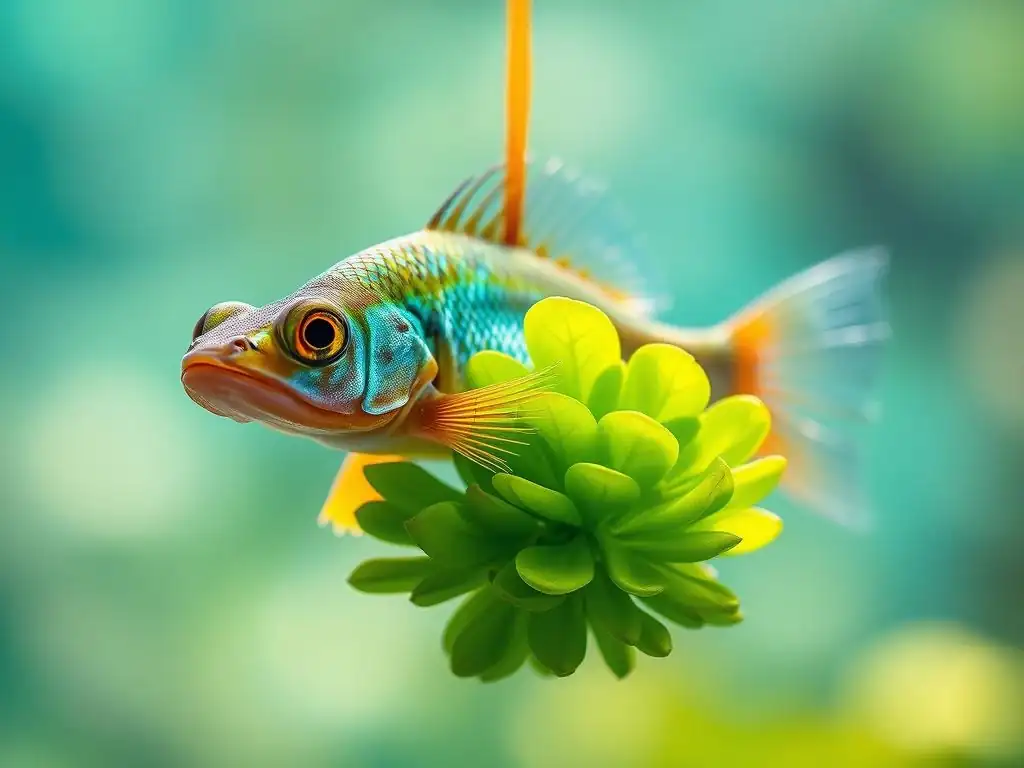
Algae Wafers: A Staple Food for Otocinclus
High-quality algae wafers, specifically formulated for herbivorous bottom feeders, should form the cornerstone of an Otocinclus' diet in captivity. When selecting wafers, look for those where plant-based ingredients such as Spirulina, Chlorella, kelp meal, or alfalfa meal are listed among the first few ingredients. Brands like Hikari Algae Wafers, Omega One Veggie Rounds, or Sera Spirulina Tabs are popular choices known for their palatability and comprehensive nutritional profiles suitable for Otocinclus feeding schedule tips.
To feed, simply drop the wafers into the tank where your Otocinclus typically congregate or near their preferred hiding spots. Since wafers sink quickly, they are readily accessible to these bottom dwellers. For a group of Otocinclus, breaking a single wafer into smaller pieces and scattering them can help distribute the food more evenly and minimize competition. Some aquarists find that briefly pre-soaking the wafers in tank water for a minute or two can soften them, making them easier for the Otocinclus' rasping mouths to consume.
Supplementing Their Diet: Vegetables and Blanched Greens
Preparing Vegetables for Otocinclus Consumption
Many common vegetables make excellent supplements to an Otocinclus' diet, providing essential vitamins and minerals not always abundant in commercial foods. Suitable options include zucchini, cucumber, green beans, blanched spinach, and blanched romaine lettuce. It is crucial to use organic, pesticide-free produce whenever possible. Before offering, vegetables must be blanched (briefly boiled) to soften their cell walls, making them easier for the Otocinclus to rasp and digest. For example, a 1/4-inch thick slice of zucchini can be blanched for 30-60 seconds.
After blanching, allow the vegetables to cool completely. To prevent them from floating, weigh them down using a clean veggie clip, a piece of aquarium-safe rock, or by skewering them with a stainless steel fork. Leave the vegetable in the tank for a few hours (e.g., 4-6 hours), but always remove any uneaten portions promptly to prevent water quality degradation. Offering blanched vegetables 2-3 times a week significantly enhances the dietary variety and nutritional intake, improving your Otocinclus feeding schedule tips.
Protein Sources for Otocinclus: Rounding Out Their Diet
The Role of Protein in Otocinclus Health
While Otocinclus are predominantly herbivorous, their natural diet of periphyton includes microscopic invertebrates, meaning they do consume a small amount of animal protein. This small protein intake is vital for their growth, muscle development, and overall metabolic functions. A diet consisting solely of plant matter, without any protein supplementation, could potentially lead to long-term nutritional deficiencies, impacting their vitality and longevity.
Small amounts of protein can be provided through high-quality sinking pellets or flakes that incorporate a low percentage of animal protein sources like krill or fish meal, ensuring it's not the primary ingredient. Some aquarists have reported success with occasional, very small blanched pieces of bloodworms or brine shrimp. However, these higher-protein foods should be offered very sparingly—perhaps once every week or two—to avoid digestive issues, as their digestive systems are optimized for plant matter. This careful balance is key for comprehensive Otocinclus feeding schedule tips.
Live Foods: A Treat for Your Otocinclus
Live foods, while not a primary dietary component, can serve as an excellent supplemental treat and appetite stimulant for Otocinclus. They mimic the microscopic organisms that Otocinclus would naturally consume as part of their biofilm diet. Infusoria, micro-worms, or newly hatched brine shrimp are small enough for Otocinclus to readily consume and provide a natural foraging experience.
These live foods should be offered sparingly, perhaps once every two weeks, as an enriching supplement rather than a staple. When introducing live foods, ensure they come from a reputable, disease-free source to prevent the introduction of pathogens into your aquarium. This occasional addition of live food can contribute to the overall health and vigor of your Otocinclus, adding a beneficial dimension to your Otocinclus feeding schedule tips.
Recognizing the Signs of Underfeeding in Otocinclus
Identifying a Thin or Sunken Belly
The most reliable visual indicator of an underfed Otocinclus is a thin or sunken belly. A healthy, well-fed Otocinclus should exhibit a visibly rounded, slightly plump abdomen, especially after a recent feeding. If the belly appears concave, pinched, or noticeably hollow, particularly in the area just behind the pectoral fins, it is a definitive sign of chronic undernourishment.
Observe your Otocinclus from both the side and from above. A healthy fish will appear robust and well-conditioned. If multiple fish within your group display this sunken belly, it is a clear and urgent signal that your current Otocinclus feeding schedule tips are insufficient and require immediate adjustment to prevent further health decline or even starvation.
Lethargic Behavior and Reduced Activity
Otocinclus catfish are naturally active grazers, constantly moving across various surfaces within the aquarium in search of food. If you observe your Otocinclus becoming lethargic, sitting motionless for extended periods, or showing a significant reduction in their typical exploratory behavior, it can be a strong indicator of low energy levels resulting from insufficient food intake.
Beyond general lethargy, changes in typical social behavior can also be a red flag. Healthy Otocinclus often exhibit loose schooling behavior, especially when first introduced or if they feel insecure. If they become isolated, hide excessively, or show weak, listless swimming, these behavioral shifts, combined with a sunken belly, strongly suggest stress and underfeeding. Such signs necessitate an immediate review and enhancement of your Otocinclus feeding schedule tips.
Increased Algae Growth Despite Otocinclus Presence
While Otocinclus are renowned for their algae-eating capabilities, a paradoxical situation can arise where, despite their presence, your aquarium experiences a noticeable increase in algae growth. This seemingly contradictory observation can be a subtle yet crucial sign of underfeeding. If your Otocinclus are not receiving adequate supplemental food, they may become too weak, or their numbers might be too few, to effectively control the existing algae growth.
This scenario indicates that the Otocinclus are either not consuming the available natural algae effectively due to their weakened state, or the rate of algae growth significantly outpaces their consumption capacity because their primary nutritional needs are not being met through your current feeding regimen. It's an important, albeit indirect, signal that your Otocinclus feeding schedule tips might not be providing sufficient sustenance.
Preventing Starvation: Strategies for Successful Otocinclus Feeding
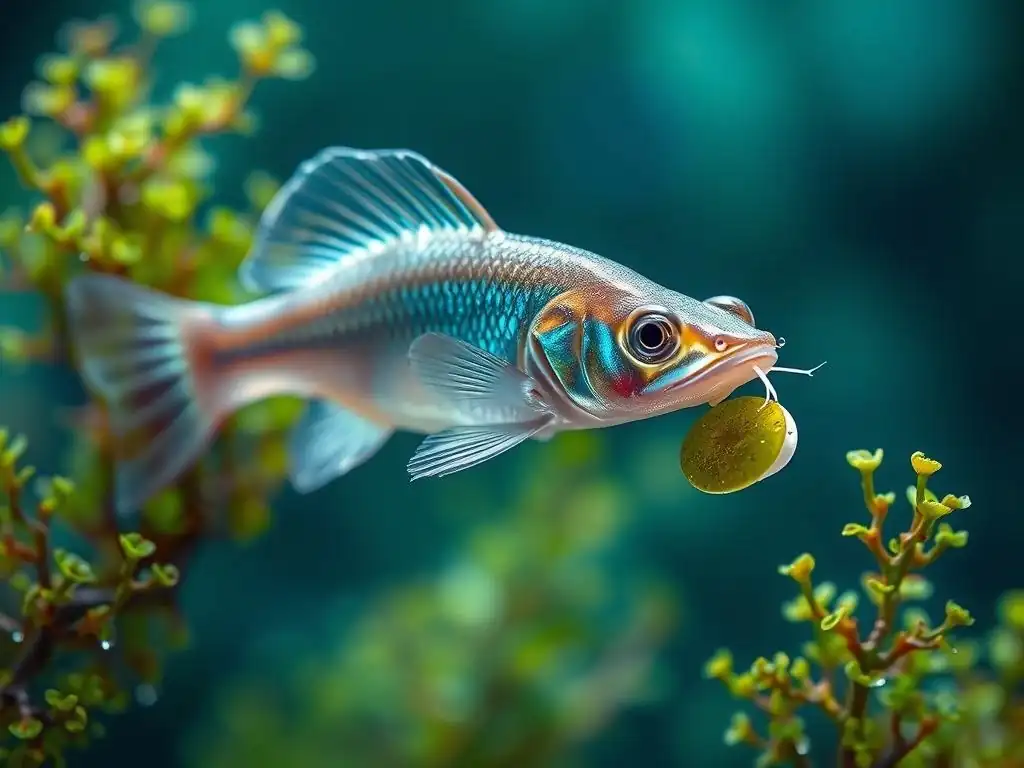
Ensuring Adequate Algae Growth in the Aquarium
While supplemental feeding is paramount, fostering some natural algae growth within the aquarium can provide continuous grazing opportunities, mimicking their natural environment. One effective strategy is to cultivate "algae farms." This can involve placing a small, smooth rock or piece of driftwood in a separate container or a specific area of the tank exposed to strong light for a few days to allow a layer of algae to develop. Once a sufficient biofilm has formed, transfer this "algae rock" into the main aquarium for your Otocinclus to graze upon.
Some aquarists even maintain a small, dedicated "algae farm" tank to continuously cycle in algae-covered surfaces into the main display tank. This method ensures a consistent supply of their natural food source, complementing the commercial foods and blanched vegetables offered as part of your comprehensive Otocinclus feeding schedule tips. It provides both nutrition and natural foraging enrichment.
Introducing Supplemental Feeding Methods
For shy Otocinclus or those in highly competitive community tanks, simply dropping food in might not be enough. Targeted feeding can be highly beneficial. Utilize a long feeding stick, tongs, or a turkey baster to precisely place algae wafers or blanched vegetable slices directly into their preferred hiding spots or areas where they feel most secure. This ensures that even the most timid individuals have direct access to food without being outcompeted.
Furthermore, leveraging their nocturnal tendencies can significantly improve feeding success. Otocinclus are often more active and less inhibited by the presence of other fish after the main tank lights are off. Offering food just before bedtime allows them to graze peacefully on the provided sustenance, minimizing competition from diurnal tank mates. This strategic timing is a critical, yet often overlooked, element of successful Otocinclus feeding schedule tips.
Reducing Competition for Food with Other Tank Mates
Careful selection of tank mates is crucial to minimize competition for food. Avoid housing Otocinclus with large, aggressive, or highly competitive bottom feeders such as larger species of Plecos, some robust Corydoras, or overly active loaches that will easily outcompete them for sinking foods. Ideal tank mates are peaceful, mid-water dwelling fish that do not typically scavenge on the bottom.
Even with appropriate tank mates, competition can still occur. To mitigate this, distribute food across multiple locations in the tank. For example, if feeding algae wafers, drop small pieces in two or three different corners of the aquarium simultaneously. This ensures that all Otocinclus have a chance to access food. Providing ample hiding spots like dense plant cover, driftwood, or small caves also allows them to retreat with food if necessary, further enhancing the efficacy of your Otocinclus feeding schedule tips.
Choosing the Right Algae Wafers and Supplements for Otocinclus
Understanding the Ingredients in Commercial Foods
When selecting commercial algae wafers for your Otocinclus, scrutinize the ingredient list thoroughly. The first few ingredients should ideally be plant-based, reflecting their natural herbivorous diet. Look for components such as spirulina, alfalfa meal, kelp meal, spinach, or various vegetable proteins. It is generally advisable to avoid wafers where fish meal, shrimp meal, or other high-protein animal products are listed as the primary ingredients, as Otocinclus are not designed for a high-protein diet.
Furthermore, a high-quality wafer will include a balanced array of essential vitamins (such as Vitamin C for immune system support) and minerals crucial for overall health. A typical nutritional profile for suitable Otocinclus wafers often falls within 30-40% crude protein (derived predominantly from plant sources), 5-10% crude fat, and a significant fiber content. Understanding these ingredient nuances is a foundational aspect of effective Otocinclus feeding schedule tips.
Opting for High-Quality Algae Wafers
Investing in high-quality algae wafers from reputable brands is crucial for the long-term health of your Otocinclus. Brands like Hikari, Omega One, Sera, and Tetra often produce sinking wafers specifically formulated for herbivorous bottom feeders, known for their palatability and nutritional value. Before purchasing, it's beneficial to check online reviews and forums to gauge other aquarists' experiences regarding fish acceptance and the health outcomes observed.
To ensure optimal nutritional value, always purchase smaller containers of food to maintain freshness. Once opened, commercial fish food begins to lose its vitamin content and palatability over time. Store wafers in a cool, dry place, sealed tightly, away from direct light. Fresh, high-quality food is not only more nutritious but also more appealing to your Otocinclus, directly influencing the success of your Otocinclus feeding schedule tips.
Selecting Supplements that Meet Their Nutritional Needs
Variety in supplemental vegetables is key to providing a broad spectrum of essential vitamins and minerals that might be lacking in commercial foods or natural algae. Don't rely on just one type of vegetable; instead, rotate through options like blanched zucchini, cucumber, spinach, green beans, or even blanched romaine lettuce. Each vegetable offers a unique profile of nutrients; for instance, spinach is rich in iron and Vitamin K, while zucchini provides Vitamin C and potassium.
Always ensure that any vegetables offered are thoroughly washed to remove potential pesticide residues. Avoid starchy vegetables like potatoes, peas, or corn, as well as highly acidic fruits, as these are generally unsuitable for Otocinclus and can lead to digestive issues or negatively impact water quality. Consistent and safe supplementation with a variety of blanched greens is a vital component of robust Otocinclus feeding schedule tips.
Tips for Feeding Multiple Otocinclus in a Community Tank
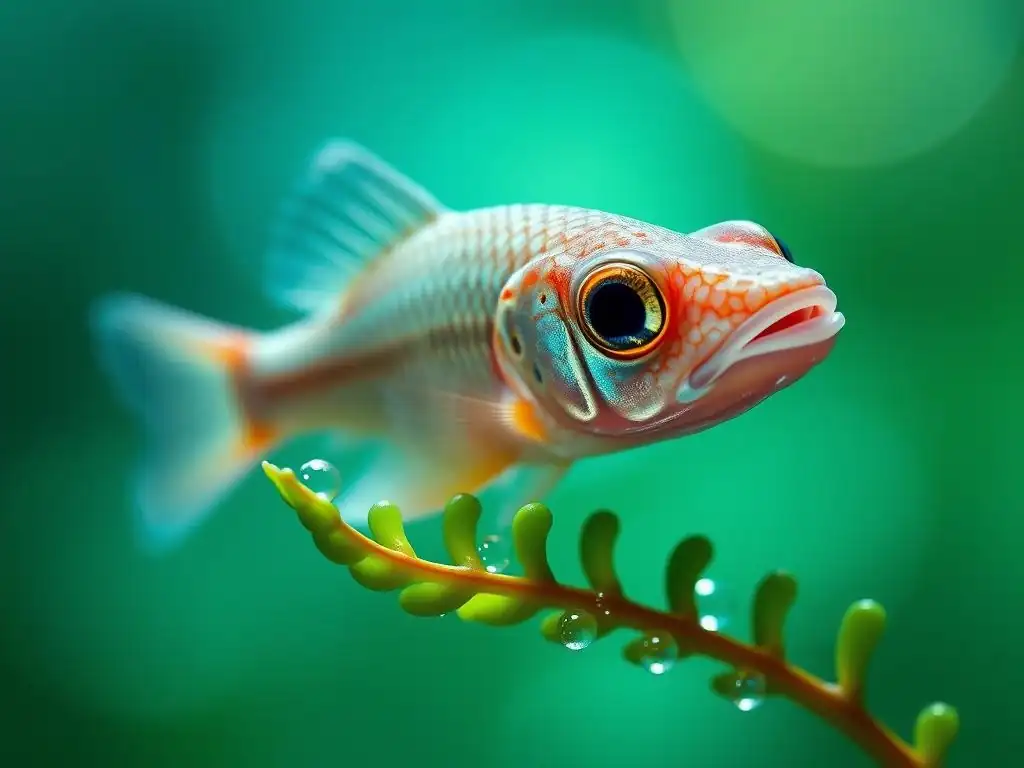
Distributing Food Evenly
When feeding a group of Otocinclus, particularly in a community tank with other bottom-dwelling fish, it's crucial to distribute food evenly to ensure all individuals get a chance to eat. Instead of dropping a single piece of food, break algae wafers into smaller pieces or offer multiple blanched vegetable slices and scatter them across different areas of the tank. For example, for a group of 6 Otocinclus, you might break one wafer into 2-3 pieces and drop them in separate corners or near different hiding spots.
Additionally, observe if any particular Otocinclus are consistently missing out on food due to shyness or competition. If so, consider target feeding them. Using a long pipette or tongs, gently place a small piece of food directly near their preferred resting spot or hiding area, especially after the main tank lights have been turned off. This direct approach helps ensure that even the most timid members of the group receive adequate nutrition, refining your Otocinclus feeding schedule tips.
Monitoring Food Consumption to Avoid Overfeeding
While Otocinclus are continuous grazers, it is essential to monitor food consumption to avoid overfeeding, especially with commercial foods and blanched vegetables. Any uneaten food left in the tank for too long will decompose, leading to ammonia spikes, increased nitrates, and cloudy water, all of which are detrimental to the delicate Otocinclus and overall water quality.
Regularly assess how much food is being consumed within a few hours. For blanched vegetables, remove any uneaten portions after 4-6 hours. For algae wafers, aim for consumption within 2-3 hours. If significant amounts of food are consistently left over, reduce the quantity offered in subsequent feedings. Conversely, if food is gone within minutes and your Otocinclus still appear hungry, slightly increase the portion size. This continuous adjustment is fundamental to maintaining an optimal Otocinclus feeding schedule tips.
Providing Hiding Places to Reduce Competition
Otocinclus are small and delicate fish that can become easily stressed by larger, more boisterous tank mates, particularly during feeding times. Providing ample hiding places is crucial to their well-being and ensures they feel secure enough to feed. Incorporate elements like dense live plant cover (e.g., Java Moss, Anubias, Amazon Swords), driftwood with crevices, rock caves, or even ceramic decorations.
Strategically place food near or within these hiding places. This allows the Otocinclus to feel safe and protected while they graze, reducing stress and increasing their willingness to approach and consume the offered food. A well-scaped tank with plenty of cover not only enhances the aesthetic appeal but also contributes significantly to the success of your Otocinclus feeding schedule tips by creating a secure feeding environment.
Dealing with Picky Eaters: Encouraging Otocinclus to Eat
Offering a Variety of Foods
If your Otocinclus are refusing a particular type of food, it's important not to give up immediately. They can sometimes be finicky or simply unfamiliar with new food items. Try offering a different variety of foods. Some Otocinclus may show a strong preference for blanched zucchini over spinach, or they might prefer one brand of algae wafer over another. Experiment with various high-quality sinking foods and a rotation of blanched vegetables to discover what appeals most to them.
It might take several attempts for Otocinclus to recognize a new food item as edible. Be persistent, offering new foods over a period of a week or two. A diverse diet is inherently beneficial anyway, as it provides a broader spectrum of essential nutrients, reducing the risk of deficiencies. This broad approach to food presentation is a practical and effective component of any Otocinclus feeding schedule tips.
Soaking Wafers to Soften Them
Otocinclus have small, specialized rasping mouths designed for scraping soft biofilm. Hard, dry algae wafers can be challenging for them to consume effectively. A simple yet highly effective trick is to briefly soak algae wafers in a small amount of tank water for one to two minutes before dropping them into the aquarium. This softens the wafer, making it much easier for their delicate mouths to rasp and ingest.
Softened food is also generally easier to digest, which can reduce the risk of digestive upset. This preparatory step can significantly improve the acceptance rate of commercial wafers, especially for newly introduced or stressed Otocinclus. This small adjustment in preparation can make a considerable difference in the success of your Otocinclus feeding schedule tips.
Using Garlic as an Appetite Stimulant
Garlic has a potent aroma that is known to act as a natural appetite stimulant for many fish species, including Otocinclus. You can find commercial fish foods that are pre-infused with garlic, or you can easily add it yourself. A common method is to crush a very small piece of fresh garlic clove and lightly rub it onto an algae wafer or blanched vegetable slice before placing it in the tank.
Only a tiny amount of garlic is needed; too much can potentially foul the water. Observe your fish's reaction to determine the appropriate quantity. Garlic can be particularly useful for encouraging timid, newly acquired, or stressed Otocinclus to begin eating, making it a clever and effective trick to incorporate into your Otocinclus feeding schedule tips when needed.
Long-Term Otocinclus Health Through Proper Feeding
Maintaining a Balanced Diet
Long-term health for Otocinclus extends far beyond merely preventing starvation; it encompasses providing a consistently balanced and diverse diet. This means a strategic combination of high-quality algae wafers, a rotating variety of blanched vegetables, and occasional, very small amounts of appropriate protein sources. This varied dietary approach ensures that your Otocinclus receive all necessary vitamins, minerals, and macronutrients essential for their growth, vitality, and immune function.
A diet that lacks diversity can lead to subtle but significant nutritional deficiencies over time. These deficiencies might manifest as stunted growth, dull coloration, reduced activity levels, or an increased susceptibility to common fish diseases. For instance, a lack of specific vitamins can compromise their immune system, making them more vulnerable to infections like Ich. A well-rounded and consistently applied Otocinclus feeding schedule tips directly contributes to their longevity and overall well-being.
Regular Observation and Adjustment of Feeding Habits
An effective Otocinclus feeding schedule is not a static plan; it is a dynamic process that requires ongoing observation and flexible adjustment. Various factors, such as the maturity of your aquarium (older tanks may have more natural algae), changes in tank mates, or the growth and number of your Otocinclus, will influence their dietary needs. It is crucial to regularly observe their bellies and behavior for any signs of underfeeding (sunken belly, lethargy) or overfeeding (uneaten food, rapid weight gain in other fish).
Be proactive in making adjustments based on your observations. If you notice any signs of stress, illness, or a change in appetite, the first area to review should be their diet. Perhaps a slight increase in food quantity, a change in food type, or an alteration in feeding time is necessary. Proactive adjustments, based on careful and consistent observation, are the cornerstone of ensuring the long-term health and thriving of your "dwarf suckers," making your Otocinclus feeding schedule tips truly effective.
The Impact of Water Quality on Otocinclus Appetite
Excellent water quality is not just beneficial but absolutely paramount for the health and appetite of Otocinclus catfish. They are notoriously sensitive to substandard water conditions, particularly elevated levels of ammonia, nitrite, and even high nitrates. Even if abundant food is available, Otocinclus housed in poor water conditions may refuse to eat, become lethargic, or exhibit signs of severe stress, leading to a rapid decline in health.
The health of your Otocinclus and their willingness to eat are intrinsically linked to the purity of their environment. Regular water changes (e.g., 25% weekly), robust filtration, and consistent monitoring of water parameters (aiming for 0 ppm ammonia, 0 ppm nitrite, and nitrates below 20 ppm) create a pristine environment where Otocinclus feel secure and are more likely to feed actively and thrive. A healthy environment perfectly complements a well-executed Otocinclus feeding schedule tips, ensuring your fish flourish.
Frequently Asked Questions
What should I feed my Otocinclus if there isn't enough algae in the tank?
If algae is scarce, supplement their diet with algae wafers or blanched vegetables like zucchini. Ensure these supplements are readily available and removed after a few hours to avoid water fouling.
How often should I feed my Otocinclus other than the algae in the tank?
Supplement with vegetable-based foods every other day if algae is insufficient. Monitor their belly fullness to gauge if they are getting enough to eat.
How can I tell if my Otocinclus are getting enough to eat?
Observe their belly shape. A sunken belly indicates underfeeding, while a slightly rounded belly suggests they are adequately fed. Also, watch for active grazing behavior.
What are some good blanched vegetables to feed Otocinclus?
Good choices include zucchini, cucumber, and spinach. Ensure they are blanched until slightly softened to make them easier for the Otocinclus to consume.
Are Otocinclus strictly algae eaters?
While they primarily feed on algae, Otocinclus also benefit from a supplementary diet. Providing a varied diet ensures they receive all the necessary nutrients for optimal health.
Final Reflection: Nurturing the Silent Grazers
The insights shared throughout this article highlight the crucial role of mindful feeding in maintaining the health and vitality of Otocinclus catfish. Understanding their dietary needs and implementing a consistent feeding schedule is not just about keeping them alive; it's about fostering a thriving ecosystem within your aquarium. Neglecting their specific requirements can lead to starvation and disease, ultimately diminishing the joy these peaceful algae eaters bring to our aquatic landscapes.
This journey into the world of Otocinclus feeding has underscored the importance of observation and adaptation in aquarium keeping. It's a reminder that responsible fishkeeping extends beyond simply providing food; it requires a deep understanding of the individual needs of each species and a commitment to creating an environment where they can flourish. The best aquarium is not just a display case, but a miniature ecosystem where every creature plays a vital role.
This quote perfectly encapsulates the responsibility we undertake when we bring these creatures into our care.
Now, armed with these Otocinclus feeding schedule tips, I encourage you to reflect on your own aquarium practices. Are you truly meeting the needs of your "dwarf suckers," or could you be doing more to ensure their well-being? Take the time to observe their behavior, adjust their diet as needed, and create a habitat where they can thrive. By doing so, you'll not only be rewarded with healthy, happy Otocinclus, but also with a deeper appreciation for the delicate balance of life within your aquarium.
Nurture Your Otos: Watch Them Thrive!
Thank you for diving deep into the world of Otocinclus care! We hope you've gained a clear understanding of how to keep these algae eaters happy and healthy. Now, let's put that knowledge into action and create a thriving environment for your little algae crew.
- Start with supplemental feeding: Be proactive! Begin offering blanched zucchini or algae wafers even if algae is present, especially for newly acquired Otos.
- Observe and adapt: Spend time observing your Otos during feeding. Adjust the amount and type of food based on their intake and body condition. Don't forget to remove uneaten food after a few hours!
- Share your success: Help other Otocinclus keepers! Post photos of your thriving Otos and share your feeding tips in an online aquarium community.
What's the first supplemental food you'll offer your Otos, and how will you monitor their response?