
Natural Habitat of Severums: Recreating Their Amazonian Home in Your Tank

Welcome to Aquarium Mastery!
Ever wondered how to truly capture the essence of the Amazon in your aquarium? Our guide to creating a Severum tank natural habitat unlocks the secrets to a thriving, authentic environment for these stunning fish. Dive in to discover how to replicate their native waters, from substrate to plant life, and watch your Severums flourish like never before! Ready to embark on this aquatic adventure?
- Understanding the Severum's Natural Environment: Key to Aquarium Success
-
Recreating the Severum's Natural Habitat in Your Aquarium: A Step-by-Step Guide
- Choosing the Right Size Tank for Severums: Space Considerations
- Substrate Selection: Mimicking the Amazon Riverbed
- Decorating Your Severum Tank: Plants, Wood, and Rocks for a Natural Look
- Water Chemistry and Filtration: Maintaining Optimal Conditions for Severums
- Lighting for a Natural Severum Aquarium: Simulating Sunlight
- Severum Tank Mates: Choosing Compatible Species for a Thriving Community
- Maintaining Your Severum's Amazonian Habitat: Routine Care and Water Changes
- Common Mistakes to Avoid When Setting Up a Severum Tank: Ensuring a Healthy Environment
- Troubleshooting Common Severum Tank Issues: Addressing Problems in Your Recreated Habitat
- Conclusion: Creating a Thriving Amazonian Biotope for Your Severum
-
Frequently Asked Questions
- How can I best recreate the natural habitat of Severums in my aquarium?
- What water parameters are essential for a Severum tank to mimic their natural habitat?
- What types of plants are most suitable for a Severum tank aiming to replicate their natural habitat?
- What kind of substrate should I use to mimic the natural habitat of Severums?
- What kind of tank mates should I avoid when attempting to recreate a Severum's natural habitat?
- Final Reflection: Embracing the Severum's Amazonian Spirit
- Transform Your Aquarium into an Amazonian Paradise!
Understanding the Severum's Natural Environment: Key to Aquarium Success
The Amazon Basin: Severum's Native Waters
Severums, scientifically known as Heros efasciatus and closely related species, originate primarily from the vast Amazon River basin in South America. Their natural habitat spans a wide geographical area, including countries like Brazil, Peru, Colombia, and Venezuela. These striking cichlids are typically found in slow-moving or still waters such as tributaries, floodplains, oxbow lakes, and heavily vegetated areas of rivers.
The water in these regions is often characterized by its "blackwater" or "clearwater" nature, influenced by decaying plant matter that releases tannins, staining the water a tea-like color and lowering the pH. This environment is crucial for understanding the ideal Severum tank natural habitat.
In these wild settings, Severums thrive amidst submerged roots, fallen branches, and dense aquatic vegetation. These elements provide ample hiding spots, foraging grounds, and territories for breeding pairs. The complex structure of their Amazonian home protects them from predators and allows them to exhibit natural behaviors. Understanding these environmental nuances is paramount for aquarists aiming to recreate a thriving Severum tank natural habitat, ensuring the well-being and longevity of these beautiful fish.
Water Parameters in the Severum's Natural Habitat: Temperature, pH, and Hardness
The Amazonian waters where Severums naturally occur are known for their specific chemical composition, which is vital to replicate in a home aquarium. Temperatures typically range from 75°F to 82°F (24°C to 28°C), reflecting the tropical climate of the region. Maintaining a consistent temperature within this range is critical for their metabolic processes, immune system health, and overall comfort. Fluctuations outside this range can stress the fish and make them susceptible to disease.
Regarding pH, Severums prefer acidic to neutral water, with a range of 5.5 to 7.0 being ideal. The presence of decaying organic matter, such as leaf litter and driftwood, naturally lowers the pH in their wild Severum tank natural habitat. Water hardness (GH and KH) is also relatively low, typically ranging from 2 to 10 dGH. This soft, acidic water profile is essential for their long-term health, as prolonged exposure to hard, alkaline water can lead to health issues and reduced lifespan. Replicating these parameters is a cornerstone of successful Severum care.
Severum Diet in the Wild: What They Eat in the Amazon
In their native Amazonian environment, Severums are omnivorous, showcasing a diverse diet that reflects the abundant food sources available. Their natural diet primarily consists of plant matter, including various aquatic plants, algae, and fallen fruits that drop into the water from overhanging trees. This strong inclination towards plant-based foods is why they are sometimes referred to as "banded eartheaters" or "herbivore cichlids," although they are not strict herbivores.
Beyond plant material, Severums also consume a variety of small invertebrates, such as insect larvae, worms, and small crustaceans found in the substrate or among the vegetation. This varied diet provides them with the necessary nutrients for growth and vitality. When planning a Severum tank natural habitat, it's crucial to offer a balanced diet in the aquarium that mimics this natural diversity, incorporating high-quality pellets, flakes, fresh vegetables, and occasional live or frozen protein sources to ensure their optimal health and vibrant coloration.
Recreating the Severum's Natural Habitat in Your Aquarium: A Step-by-Step Guide
Choosing the Right Size Tank for Severums: Space Considerations
Selecting an appropriately sized aquarium is the first and most critical step in recreating a suitable Severum tank natural habitat. Severums are relatively large cichlids, reaching lengths of 8 to 10 inches (20-25 cm) as adults. Therefore, a spacious tank is essential to accommodate their size, provide ample swimming room, and minimize stress. For a single adult Severum, a minimum tank size of 75 gallons (approximately 285 liters) is recommended. This allows enough space for the fish to establish a territory and move freely.
However, if you plan to keep a pair or a small group of Severums, which is often preferred for their social dynamics, a significantly larger tank is necessary. A 125-gallon (approximately 475 liters) tank or larger is advisable for a small group to prevent aggression and ensure each fish has adequate personal space. Overcrowding is a common mistake that leads to stunted growth, increased aggression, and poor water quality, undermining the goal of a healthy Severum tank natural habitat. Always prioritize tank volume over aesthetics when considering these magnificent fish.
Substrate Selection: Mimicking the Amazon Riverbed
The choice of substrate plays a significant role in replicating the Severum tank natural habitat and contributing to the overall health of your fish. In their native Amazonian rivers, the riverbeds often consist of fine sand or very smooth, small gravel. This type of substrate is ideal for Severums because, like many cichlids, they enjoy sifting through the substrate in search of food particles and rearranging it to create their preferred territories or breeding pits.
Using fine sand or smooth, small gravel prevents injury to their delicate mouths and gills when they engage in their natural sifting behaviors. Coarse or sharp gravel can cause abrasions, leading to infections. A dark-colored substrate can also help to bring out the Severum's vibrant colors and make them feel more secure, mimicking the darker riverbeds often found in blackwater environments. A layer of about 2-3 inches (5-7.5 cm) is generally sufficient to allow for natural digging behavior without being excessively deep.
Decorating Your Severum Tank: Plants, Wood, and Rocks for a Natural Look
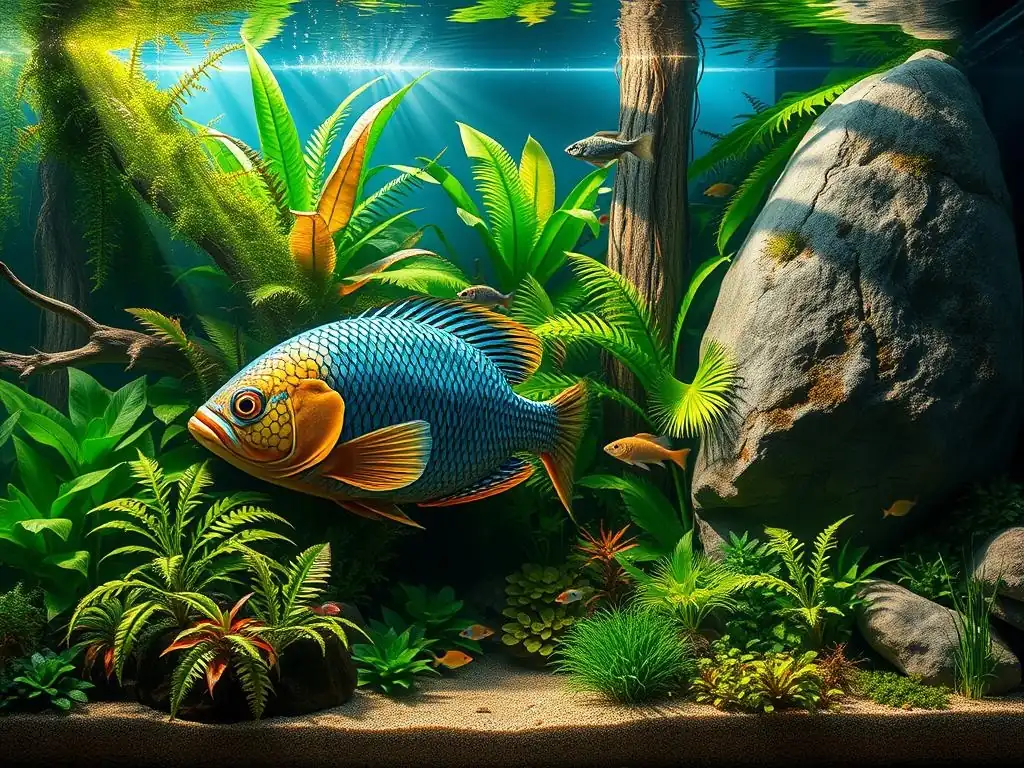
Decorating your Severum tank with appropriate elements is crucial for mimicking their Amazonian home and providing a stimulating environment. The natural habitat of Severums is typically rich in submerged roots, fallen branches, and dense vegetation. Incorporating these elements into your aquarium not only enhances the aesthetic appeal but also provides essential hiding spots, territorial markers, and security for your fish. The goal is to create a complex yet open aquascape that allows for both free swimming and secluded retreats.
When arranging decor, ensure there are plenty of caves, crevices, and visual barriers. Severums, especially when mature or breeding, can be territorial, and these features help diffuse aggression by allowing weaker individuals to retreat. Ensure all decorations are stable and cannot be easily toppled by the fish, as Severums can be quite active. A well-decorated tank contributes significantly to a successful Severum tank natural habitat, promoting natural behaviors and reducing stress.
Selecting Plants for a Severum Tank: Amazon Sword and Other Suitable Species
Choosing the right plants for a Severum tank requires careful consideration, as these cichlids are known to nibble on softer plant leaves. Therefore, robust, hardy plant species that can withstand some attention from the fish are ideal for recreating a Severum tank natural habitat.
The Amazon Sword (Echinodorus amazonicus or similar species) is an excellent choice, as its large, tough leaves can often deter excessive nibbling, and it thrives in similar water conditions to Severums. Other suitable options include Anubias species (e.g., Anubias barteri, Anubias nana), which have very tough leaves and can be attached to driftwood or rocks, making them less accessible for digging.
Java Fern (Microsorum pteropus) is another resilient plant that can be tied to decor and tolerates various water conditions. Cryptocoryne species, with their sturdy root systems, can also work if they are well-established and the Severums are not overly destructive. When planting, ensure roots are well-anchored, perhaps even using plant weights or burying them deeper to prevent them from being uprooted by the Severums' digging activities. Prioritizing hardy plants helps maintain a lush, natural appearance while accommodating the fish's natural behaviors within the Severum tank natural habitat.
Using Driftwood and Rocks to Create Hiding Places and Territories
Driftwood and rocks are indispensable elements for designing a convincing Severum tank natural habitat. In their wild Amazonian home, Severums frequently utilize submerged tree roots and fallen branches for shelter, foraging, and establishing breeding territories. Incorporating large pieces of driftwood, such as Malaysian bogwood, Mopani wood, or Manzanita, provides crucial hiding spots and visual barriers. These elements mimic the complex structure of their native environment, making the fish feel more secure and reducing stress.
Driftwood also has the added benefit of slowly releasing tannins into the water, which can help lower the pH and create the characteristic "blackwater" conditions often found in Severum habitats. Ensure any driftwood used has been properly soaked and leached to prevent excessive discoloration or release of unwanted substances. Smooth, non-porous rocks, like river stones or slate, can be used to create additional caves, ledges, and territorial boundaries. Always arrange rocks securely to prevent them from falling and harming the fish or cracking the tank, especially given the Severums' tendency to dig around them.
Water Chemistry and Filtration: Maintaining Optimal Conditions for Severums
Maintaining precise water chemistry and efficient filtration are paramount for a healthy Severum tank natural habitat. Severums are sensitive to fluctuating water parameters and require consistent, high-quality water to thrive. Regular testing of water parameters is not just recommended, but essential. Aim for the specific ranges known to mimic their Amazonian home, ensuring their long-term health and vitality.
Robust filtration is necessary due to the Severums' size and their relatively high bioload. They produce a significant amount of waste, which, if not properly managed, can quickly degrade water quality. Investing in a high-capacity filter system that provides excellent mechanical, biological, and chemical filtration is a non-negotiable aspect of establishing a successful Severum tank natural habitat.
Achieving Ideal Water Parameters: pH, KH, and GH
Achieving and maintaining the ideal water parameters is fundamental to replicating a Severum tank natural habitat. As previously noted, Severums prefer soft, acidic to neutral water. Aim for a pH range of 5.5 to 7.0. While they can tolerate slightly higher pH levels up to 7.5, consistency is more important than hitting an exact number, provided it's within their comfort zone. To lower pH naturally, you can incorporate peat moss into your filter, use RO (reverse osmosis) water mixed with tap water, or add more tannins through Indian almond leaves or boiled driftwood.
Water hardness, both general hardness (GH) and carbonate hardness (KH), should be kept low. Target a GH of 2-10 dGH and a KH of 1-5 dKH. Low KH is particularly important as it indicates low buffering capacity, allowing the pH to drift more easily. Regularly test these parameters using a reliable liquid test kit. Sudden fluctuations can be stressful, so any adjustments should be made gradually over several days. Consistent monitoring and careful adjustments are key to a stable and healthy Severum tank natural habitat.
Choosing the Right Filter for a Severum Tank: Canister Filters and Sponge Filters
Given the Severum's size and bioload, selecting an appropriate filtration system is crucial for maintaining pristine water quality in their recreated Amazonian habitat. Canister filters are often considered the gold standard for Severum tanks due to their superior capacity for mechanical, biological, and chemical filtration.
They offer large media baskets that can house a variety of filter media, effectively removing particulate matter, converting harmful ammonia and nitrites into less toxic nitrates, and absorbing odors or discolored water. For a tank housing Severums, it's advisable to choose a canister filter rated for a tank size larger than your actual tank volume to ensure ample filtration power and water turnover.
In addition to a primary canister filter, supplementing with a large sponge filter can provide excellent biological filtration and act as a reliable backup, especially during power outages or filter maintenance. Sponge filters are particularly effective at cultivating beneficial bacteria that break down waste. While they might not offer the same mechanical filtration as a canister, their simplicity and reliability make them a valuable addition to a Severum tank natural habitat, ensuring robust water quality management.
Lighting for a Natural Severum Aquarium: Simulating Sunlight
Appropriate lighting plays a significant role in simulating the natural conditions of a Severum tank natural habitat and supporting plant growth. In their native Amazonian rivers, Severums typically inhabit areas with subdued lighting due to dense tree canopies or the tannin-stained waters of blackwater environments. Therefore, overly bright or intense lighting is generally not necessary and can even stress the fish, potentially leading to faded colors or shy behavior.
A moderate lighting system that provides a gentle, diffused illumination is usually sufficient. If you are keeping live plants, particularly those mentioned earlier like Amazon Swords or Anubias, ensure the lighting intensity and spectrum meet their needs, typically a full-spectrum LED light with a timer for 8-10 hours a day. For a blackwater setup, you might even consider lower light levels to enhance the natural feel. The goal is to replicate the dappled, natural light conditions found in their wild Severum tank natural habitat, promoting both fish comfort and plant health.
Severum Tank Mates: Choosing Compatible Species for a Thriving Community
Fish that Thrive with Severums: Compatibility and Temperament
When selecting tank mates for your Severums, it's essential to consider their temperament and size to ensure a peaceful and thriving Severum tank natural habitat. Severums are generally peaceful cichlids, especially when compared to their more aggressive cousins like Oscars, but they can still be territorial, particularly as they mature or during breeding. Therefore, compatible tank mates should be similarly sized, relatively peaceful, and able to tolerate similar water parameters.
Good choices for Severum tank mates include other large, peaceful South American cichlids such as Uaru cichlids, Geophagus species (e.g., Earth Eaters), and certain larger peaceful Acaras. Large, schooling tetras like Silver Dollars, Congo Tetras, or larger Rummynose Tetras can also make excellent companions, as their active swimming helps to break up aggression. Additionally, larger, peaceful catfish such as various Plecostomus species (e.g., Bristlenose Pleco) or Synodontis catfish can cohabitate well, occupying different levels of the tank. Avoid very small fish that could be seen as food, or overly aggressive cichlids that might bully the Severums.
Invertebrates and Other Tank Mates to Consider
While the primary focus for a Severum tank natural habitat often revolves around fish, some invertebrates can potentially be considered, though caution is advised. Large, robust snails, such as Mystery Snails or Nerite Snails, might be able to co-exist, but there's always a risk that Severums, especially larger individuals, might view them as a snack or harass them. Smaller snails will almost certainly be eaten.
When it comes to shrimp, it's generally not recommended to keep them with Severums. Even large Amano Shrimp or Ghost Shrimp are likely to become expensive meals. Severums are opportunistic omnivores, and any invertebrate small enough to fit in their mouth will be considered food. Therefore, for a truly harmonious Severum tank natural habitat, it's best to stick to compatible fish species and avoid introducing invertebrates that could become targets or stress the Severums. The focus should always be on maintaining a balanced and stress-free environment for the Severums themselves.
Maintaining Your Severum's Amazonian Habitat: Routine Care and Water Changes
Regular Water Changes: Maintaining Water Quality
Regular water changes are the single most important aspect of maintaining a healthy and stable Severum tank natural habitat. Due to their size and bioload, Severums produce a significant amount of waste, which, if allowed to accumulate, can lead to dangerous levels of nitrates and other pollutants. High nitrate levels weaken the fish's immune system, leading to stress, disease, and stunted growth.
It is recommended to perform weekly water changes of 25-30% of the tank's volume, or even 50% bi-weekly, depending on the tank size, filtration efficiency, and stocking density. Always use a reliable water conditioner to neutralize chlorine and chloramines in tap water. The temperature of the new water should closely match the tank water to prevent temperature shock. Consistent water changes are far more effective than relying solely on filtration to manage water quality, ensuring the Severum tank natural habitat remains pristine.
Monitoring Water Parameters: Testing for Ammonia, Nitrite, and Nitrate
Consistent monitoring of water parameters is crucial for the long-term health of your Severums and the stability of their Amazonian habitat. Regular testing for ammonia, nitrite, and nitrate levels allows you to detect potential problems before they become critical. Ammonia and nitrite are highly toxic to fish and should always read zero in a cycled aquarium. Any detectable levels indicate a problem with the biological filter or overfeeding, requiring immediate attention, such as a large water change and investigation into the cause.
Nitrates, while less toxic than ammonia and nitrite, still need to be kept low, ideally below 20 ppm (parts per million) for Severums. High nitrate levels, typically above 40 ppm, are a clear indicator that more frequent or larger water changes are necessary. Using a liquid test kit provides the most accurate readings. Establish a routine of testing at least weekly, especially when the tank is new or if you notice any changes in fish behavior. This proactive approach ensures the Severum tank natural habitat remains within optimal parameters.
Feeding Your Severum: Providing a Varied and Nutritious Diet
Providing a varied and nutritious diet is fundamental to the health and vibrant coloration of your Severums, mimicking their natural foraging habits in their Amazonian home. As omnivores, their diet should consist of a balance of high-quality vegetable matter and protein. A good base diet includes high-quality cichlid pellets or flakes specifically formulated for large omnivorous cichlids, ensuring they receive essential vitamins and minerals.
Supplement this staple with fresh or blanched vegetables such as spirulina flakes, spinach, peas, zucchini, and cucumber, which cater to their herbivorous tendencies. Occasional protein sources like bloodworms, brine shrimp, or chopped earthworms can be offered as treats, but should not constitute the majority of their diet. Feed small amounts two to three times a day, only what they can consume within a few minutes, to prevent overfeeding and maintain water quality in the Severum tank natural habitat. A diverse diet not only supports their physical health but also encourages natural foraging behaviors.
Common Mistakes to Avoid When Setting Up a Severum Tank: Ensuring a Healthy Environment
Overcrowding the Tank: The Importance of Adequate Space
One of the most common and detrimental mistakes when setting up a Severum tank natural habitat is overcrowding. Severums are large cichlids that require ample space to thrive. Placing too many fish, or even a single Severum in a tank that is too small (e.g., less than 75 gallons for one adult), leads to a myriad of problems. Overcrowding results in increased aggression due to limited territory, stunted growth, and chronic stress, which severely compromises their immune system, making them highly susceptible to diseases.
Beyond the physical space, an overcrowded tank also experiences a rapid deterioration of water quality. The increased bioload from too many fish overwhelms the filtration system, leading to dangerous spikes in ammonia, nitrite, and nitrate levels. This constant exposure to poor water conditions directly contradicts the goal of recreating a healthy Severum tank natural habitat. Always prioritize the well-being of your fish by providing generous space, adhering to the "gallon per inch of fish" rule, or even exceeding it for these active cichlids.
Neglecting Water Changes: Preventing Poor Water Quality
Neglecting regular water changes is another critical error that can quickly undermine the health of a Severum tank natural habitat. While a robust filtration system is essential, it cannot completely remove all pollutants. Nitrates, a byproduct of the nitrogen cycle, accumulate over time and are primarily removed through water changes. Allowing nitrate levels to climb unchecked creates a toxic environment that stresses Severums, suppresses their immune system, and can lead to various health issues, including fin rot and hole-in-the-head disease.
Infrequent water changes also mean a buildup of organic waste, which can contribute to undesirable algae growth and foul odors. The constant exposure to suboptimal water parameters prevents Severums from exhibiting their natural vibrant colors and active behaviors. Establishing a consistent schedule of 25-50% weekly or bi-weekly water changes is non-negotiable for maintaining the pristine conditions necessary for a thriving Severum tank natural habitat. This routine diligence directly impacts the longevity and vitality of your fish.
Incompatible Tank Mates: Avoiding Aggression and Fin Nipping
Choosing incompatible tank mates is a frequent mistake that can lead to significant stress, injury, and even death for Severums and their companions. While Severums are generally considered peaceful cichlids, they can become stressed or aggressive if housed with fish that are too small, too boisterous, or overly aggressive. Small fish may be perceived as food, leading to predation, while highly aggressive species can bully and fin-nip Severums, causing chronic stress and physical damage.
Conversely, housing Severums with timid or slow-moving species can also be problematic, as the Severums might outcompete them for food or simply stress them out with their active nature. Careful research into the temperament, size, and specific needs of potential tank mates is crucial. Prioritize fish that share similar water parameter requirements, grow to a comparable size, and exhibit a calm yet confident demeanor. A harmonious community is vital for a stress-free and thriving Severum tank natural habitat, promoting the well-being of all inhabitants.
Troubleshooting Common Severum Tank Issues: Addressing Problems in Your Recreated Habitat
Identifying and Treating Common Severum Diseases
Even in a meticulously maintained Severum tank natural habitat, fish can occasionally fall ill. Identifying and treating common Severum diseases promptly is crucial for their recovery. One prevalent issue is Ich (Ichthyophthirius multifiliis), characterized by small white spots resembling salt grains on the body and fins. This is often triggered by stress from poor water quality or temperature fluctuations. Treatment typically involves raising the tank temperature slightly (if safe for tank mates) and using an Ich-specific medication, alongside increased aeration.
Another common ailment is "Hole-in-the-Head" disease (Hexamita), which manifests as pitting or lesions on the head and lateral line. This is often linked to poor water quality, nutritional deficiencies, or stress. Treatment involves improving water conditions through rigorous water changes, enhancing diet with vitamins, and potentially using metronidazole-based medications. Always isolate sick fish if possible, verify diagnosis, and follow medication instructions carefully to minimize stress and promote healing in your Severum tank natural habitat.
Dealing with Algae Growth in Your Planted Tank
Algae growth is a common issue in any aquarium, including a Severum tank natural habitat, especially if it's planted. While some algae is natural, excessive growth can be unsightly and indicate an imbalance in the tank. Common causes include too much light, excess nutrients (from overfeeding or insufficient water changes), or an imbalance in CO2 for planted tanks. Identifying the type of algae (e.g., green spot, hair, black beard) can help pinpoint the cause.
To manage algae, first, address the root cause: reduce lighting duration to 8-10 hours, perform more frequent water changes, and avoid overfeeding. Manual removal by scraping or siphoning is also effective. Introducing algae-eating tank mates like Otocinclus catfish or Bristlenose Plecos can help, but ensure they are compatible with Severums and that the tank is large enough. For persistent issues in planted tanks, adjusting nutrient dosing or CO2 levels may be necessary. Maintaining balance is key to a clean and thriving Severum tank natural habitat without relying on harsh chemicals.
Conclusion: Creating a Thriving Amazonian Biotope for Your Severum
Creating a successful Severum tank natural habitat is a rewarding endeavor that brings a piece of the Amazon into your home. By meticulously recreating their native conditions – from the soft, acidic water parameters and optimal temperatures to the intricate décor of driftwood, rocks, and resilient plants – you provide an environment where these magnificent cichlids can truly thrive. Understanding their dietary needs, choosing compatible tank mates, and adhering to a strict maintenance schedule involving regular water changes and parameter monitoring are all critical components of this commitment.
The effort invested in mimicking their Amazonian home pays dividends in the form of vibrant, healthy Severums that exhibit their natural behaviors, from foraging through the substrate to establishing territories. Avoiding common pitfalls such as overcrowding or neglecting water quality ensures a stable and stress-free environment. Ultimately, a well-planned and diligently maintained Severum tank natural habitat not only showcases the beauty of these fish but also serves as a testament to responsible aquarism, allowing you to enjoy a thriving aquatic ecosystem for years to come.
Frequently Asked Questions
How can I best recreate the natural habitat of Severums in my aquarium?
Recreating the Severum's natural habitat involves mimicking the Amazonian environment. This includes using a soft substrate like sand or fine gravel, and incorporating driftwood and plants for cover and a natural look.
What water parameters are essential for a Severum tank to mimic their natural habitat?
Severums thrive in slightly acidic to neutral water, with a pH between 6.0 and 7.5. Maintaining a stable temperature between 78°F and 84°F (25°C and 29°C) is also crucial for their well-being and mimicking their natural Amazonian waters.
What types of plants are most suitable for a Severum tank aiming to replicate their natural habitat?
Consider hardy plants like Amazon Swords, Java Fern, and Anubias. These plants are native to South America, relatively easy to care for, and can withstand the Severum's potential for digging. Strong root systems are a plus!
What kind of substrate should I use to mimic the natural habitat of Severums?
A soft, sandy substrate is ideal. This mimics the riverbeds of the Amazon and allows the Severums to sift through it naturally while searching for food. Avoid sharp gravel that could injure them.
What kind of tank mates should I avoid when attempting to recreate a Severum's natural habitat?
Avoid aggressive or overly boisterous tank mates that could stress the Severums. Species from different continents or with drastically different water parameter needs are also a bad idea. Focus on peaceful, South American fish with similar requirements.
Final Reflection: Embracing the Severum's Amazonian Spirit
The journey to understand and recreate the Severum's natural habitat is more than just aquarium keeping; it's an act of respect for the delicate ecosystems of the Amazon. By meticulously crafting a tank that mirrors their native environment, we not only enhance the well-being of these magnificent fish, but also foster a deeper appreciation for the biodiversity that our planet holds.
This endeavor extends beyond the glass walls of our aquariums. It's about recognizing the interconnectedness of all living things and understanding our responsibility to protect the fragile environments that support them. In the end, we will conserve only what we love; we will love only what we understand; and we will understand only what we are taught.
- Baba Dioum. This quote perfectly encapsulates the importance of education and understanding in conservation efforts, starting right in our own homes with our aquariums.
Now, consider how you can further embody the spirit of the Amazon in your own life. Reflect on the lessons learned about balance, harmony, and the importance of a thriving ecosystem. Let the Severum's natural habitat inspire you to create your own spaces of tranquility and contribute to the preservation of our planet's precious natural wonders.
Transform Your Aquarium into an Amazonian Paradise!
Thank you for exploring the world of Severums and learning how to create the perfect habitat for these fascinating fish. Now it's time to put that knowledge into action and truly enrich your aquarium!
Here are some ways to bring the Amazonian essence to your tank:
- Prioritize creating a dim, shaded environment with plenty of hiding places. This is crucial for the well-being of your Severums.
- Experiment with different types of driftwood and leaf litter to mimic the natural substrate of their habitat. Observe how your Severums interact with these additions!
- Share your experiences! Upload photos or videos of your Severum's recreated habitat on social media using #AquariumMasterySeverums and inspire other aquarists.
What small change will you make this week to bring your aquarium closer to the Severum's natural home?