
Kreisel, BRT, or Static? Choosing Your Optimal Larval Rearing System

Welcome to Aquarium Mastery!
Ever wondered if your saltwater fry are getting the best possible start? Dive into the fascinating world of larval rearing and discover the secrets to successful fish breeding. In this article, we'll explore the nuances of choosing the optimal larval rearing system, focusing on static larval rearing systems, kreisels, and BRTs. Which one will give your delicate fry the highest chance of survival and a thriving future? Let's unlock the answers together and elevate your aquarium mastery!
- Choosing the Optimal Larval Rearing System: Kreisel, BRT, or Static?
- Understanding Larval Rearing Systems for Saltwater Fish
- Kreisel Tanks for Larval Rearing
- BRT (Biorotator) Systems for Fish Larvae
- Static Larval Rearing Systems
- Comparing Kreisel, BRT, and Static Systems
- Factors to Consider When Choosing a System
- Optimizing Your Chosen Larval Rearing System
- Advanced Techniques for Static System Larval Rearing
- Conclusion: Selecting the Best Larval Rearing Method
-
Frequently Asked Questions
- What is a static larval rearing system and when is it most appropriate?
- How does a static larval rearing system differ from a Kreisel tank?
- What are the key advantages of using a static larval rearing system?
- What are some potential drawbacks of using a static larval rearing system?
- What types of fish larvae are best suited for static larval rearing systems?
- Final Reflection: Cultivating Growth in Static Waters
- Ignite Your Fry-Raising Success!
Choosing the Optimal Larval Rearing System: Kreisel, BRT, or Static?
Understanding Larval Rearing Systems for Saltwater Fish
The Importance of Successful Larval Rearing in Marine Fish Culture
Successful larval rearing is the cornerstone of sustainable marine aquaculture and crucial for the longevity of the saltwater aquarium hobby. The early life stages of marine fish are incredibly delicate and represent the most vulnerable period in their development, often experiencing mortality rates exceeding 90% in natural environments and poorly managed captive systems. Mastering larval rearing significantly reduces reliance on wild-caught specimens, alleviating pressure on natural populations and enabling the propagation of rare or commercially valuable species, from popular clownfish (Amphiprioninae) to challenging tangs (Acanthuridae).
The challenges associated with marine fish larvae are multifaceted, encompassing their minuscule size—many species hatch at less than 2 millimeters—requiring microscopic live feed like rotifers (Brachionus plicatilis) and copepods (e.g., Tisbe, Parvocalanus). Beyond nutrition, maintaining pristine water quality, precise temperature, and appropriate lighting are critical, as even slight fluctuations can lead to mass mortalities. Dedicated larval rearing systems are designed to mitigate these challenges, providing controlled environments that maximize survival and promote robust growth, turning the seemingly impossible task of raising marine fry into a achievable endeavor for aquarists and commercial breeders alike.
Overview of Common Larval Rearing Methods: Kreisel, BRT, and Static
Marine fish aquaculture has evolved several distinct larval rearing methodologies, each with unique advantages and disadvantages tailored to different species and operational scales. The three most prevalent approaches are Kreisel tanks, BRT (Biorotator) systems, and static larval rearing systems. These methods fundamentally differ in how they manage water flow, filtration, and overall environmental stability for the delicate fry.
Kreisel tanks are characterized by their gentle, circular water flow, designed to keep larvae suspended evenly in the water column without mechanical damage. BRT systems, or Biorotator tanks, integrate a rotating biological contactor (RBC) for robust internal biological filtration, aiming for stable water parameters with reduced water changes.
In contrast, a static larval rearing system relies on minimal to no continuous water flow or external filtration, depending heavily on frequent, manual water changes and diligent siphoning to maintain water quality. Understanding the operational principles of each system is paramount for selecting the optimal method for specific larval requirements and available resources.
Kreisel Tanks for Larval Rearing
How Kreisel Tanks Work: Gentle Circulation for Delicate Larvae
Kreisel tanks, German for "spinning top" or "gyroscope," are specialized cylindrical or conical-bottomed tanks meticulously designed to create a gentle, laminar water flow that keeps delicate marine larvae suspended evenly throughout the water column. Water typically enters from a tangential inlet near the bottom, creating a slow, rotational current that prevents larvae from settling on the bottom or becoming trapped in corners, which are common issues in conventional rectangular tanks. This continuous, low-shear flow minimizes physical trauma to the fragile larvae, which often possess undeveloped fins and delicate yolk sacs, ensuring they can access live food distributed uniformly.
The design of a Kreisel tank typically involves clear acrylic or fiberglass construction to allow for easy observation. An internal standpipe or external overflow system is positioned to skim surface oils and remove waste particles while maintaining the gentle circulation.
The precise control of flow rates, often maintained at 1 to 3 tank volumes per hour, is crucial to prevent both stagnation and excessive turbulence. This sophisticated hydrodynamic design is particularly beneficial for pelagic larvae that naturally drift in open water, providing an environment that closely mimics their natural habitat while allowing for precise control over feeding and water quality.
Advantages: Reduced Impact, Even Distribution, and Minimal Dead Zones
One of the primary advantages of Kreisel tanks is their ability to significantly reduce physical impact on highly sensitive larval stages. The gentle, consistent water movement prevents larvae from colliding with tank walls or equipment, leading to higher survival rates for species like yellow tangs (Zebrasoma flavescens) or various gobies, which are notoriously difficult to rear. For instance, successful rearing of yellow tangs in Kreisel systems has shown survival rates for early larvae reaching up to 20%, a significant improvement over other systems where rates might be negligible.
Furthermore, the circular flow ensures an even distribution of live food organisms, such as rotifers and copepods, throughout the tank. This maximizes feeding opportunities for all larvae, reducing competition and promoting uniform growth. The absence of corners and the continuous flow also virtually eliminate "dead zones" where uneaten food and waste can accumulate and decompose, contributing to superior water quality management. This inherent design feature helps maintain more stable parameters, reducing the frequency of water changes compared to static systems and providing a cleaner, healthier environment conducive to optimal larval development.
Disadvantages: Complexity, Space Requirements, and High Initial Cost
Despite their benefits, Kreisel tanks present several notable disadvantages, primarily revolving around their complexity and cost. Constructing or acquiring a true Kreisel system requires specialized fabrication, often involving custom acrylic work to achieve the precise hydrodynamics necessary for optimal performance. This specialized design translates to a significantly higher initial investment; a 200-liter research-grade Kreisel tank can cost upwards of $1,500 to $5,000, excluding pumps, heaters, and other supporting equipment.
Beyond the financial outlay, Kreisel tanks often demand more space for a given rearing volume compared to simpler rectangular tanks, particularly when considering the associated filtration and plumbing systems. Their unique shape and the need to maintain laminar flow can also make cleaning and maintenance more challenging than traditional setups. Any disruption to the flow, such as accumulation of algae or detritus, can compromise the system's effectiveness. Additionally, the continuous operation of pumps at precise flow rates can lead to higher ongoing energy consumption compared to a basic static larval rearing system.
BRT (Biorotator) Systems for Fish Larvae
Principles of Biorotator Technology: Biofilm-Based Water Quality
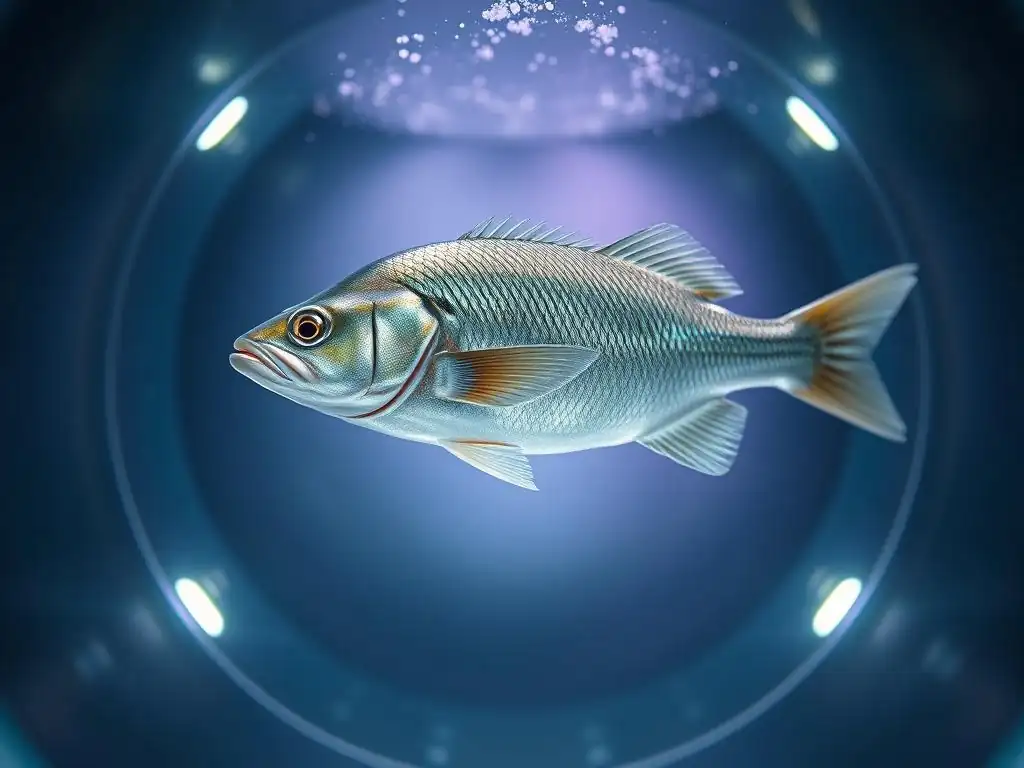
BRT, or Biorotator, systems for fish larvae integrate a unique approach to water quality management by employing a rotating biological contactor (RBC) within or alongside the rearing tank. The core principle involves a slowly rotating disc, drum, or series of media plates partially submerged in the rearing water.
As these media rotate, they are alternately exposed to the water and the air, allowing a robust biofilm of nitrifying bacteria and other microorganisms to develop on their surfaces. This biofilm acts as a highly efficient natural filter, continuously processing dissolved organic waste and converting toxic ammonia and nitrite into less harmful nitrates.
The slow rotation, typically between 1 to 5 revolutions per minute (RPM), ensures optimal oxygenation of the biofilm while maximizing its contact with the water. This continuous biological filtration dramatically stabilizes water parameters, reducing the need for frequent large-volume water changes. In some advanced BRT designs, the biofilm itself can also serve as a supplementary food source for certain larval stages, contributing to a more natural and self-sustaining rearing environment. The system's ability to maintain stable water chemistry without excessive manual intervention makes it an attractive option for both research and commercial aquaculture.
Advantages: Enhanced Water Quality, Nutrient Cycling, and Reduced Water Changes
BRT systems offer significant advantages in terms of water quality stability, which is paramount for sensitive marine larvae. The large surface area provided by the rotating media allows for the development of a highly efficient biological filter, capable of rapidly converting ammonia and nitrite, even with high larval densities and feeding rates. This robust nitrification leads to consistently low levels of harmful nitrogenous compounds, fostering a healthier environment for larval development and reducing stress.
Furthermore, the active biological community within the BRT can contribute to nutrient cycling, potentially breaking down complex organic compounds and contributing to overall system health. This enhanced biological filtration significantly reduces the reliance on large daily water changes, a labor-intensive aspect of static larval rearing systems.
Studies have shown that BRT systems can reduce the volume of water needed for rearing by 50-70% compared to flow-through or static systems, leading to substantial savings in water and heating costs, particularly in large-scale operations. The stable environment also often translates to higher survival rates and more consistent growth among the reared larvae.
Disadvantages: Initial Investment, Maintenance, and Biofilm Management
Despite their benefits, BRT systems come with their own set of drawbacks. The initial investment cost for a complete BRT unit, including the specialized rotating media and motor, can be substantial. Depending on the size and sophistication, a BRT system for larval rearing can range from $500 for smaller hobbyist-grade units to several thousand dollars for commercial-scale installations. This higher upfront cost can be a barrier for small-scale breeders or hobbyists with limited budgets.
Maintenance of a BRT system also requires specific attention, particularly concerning biofilm management. While beneficial, the biofilm needs to be monitored to prevent excessive growth, which can reduce efficiency or even lead to sloughing of large pieces that could clog plumbing or negatively impact water quality.
Mechanical components, such as the motor and bearings, require regular inspection and maintenance to ensure continuous, reliable operation. Power outages can also be a significant concern, as the cessation of rotation can lead to the death of the biofilm, necessitating a complete re-cycling of the system once power is restored, which can be detrimental to delicate larval batches.
Static Larval Rearing Systems
Definition and Components: Simple, Low-Tech Approach
A static larval rearing system is characterized by its simplicity and lack of continuous water flow through external filtration. In its most basic form, it consists of a bare tank or container where larvae are held with minimal or no mechanical filtration or water circulation beyond what is provided by a simple air stone for oxygenation.
The term "static" refers to the absence of a constant flow-through or recirculating system, meaning that water quality is primarily maintained through frequent, manual water changes and diligent siphoning of waste. This approach is often favored for its low cost and ease of setup, making the Static larval rearing system highly accessible to hobbyists and small-scale experimental setups.
The primary components of a typical static larval rearing system are remarkably straightforward: a glass or plastic aquarium (e.g., a 10-gallon tank is common for clownfish larvae), an air pump with an air stone for aeration, a heater to maintain stable temperature, and a light source. Sometimes, a small, air-driven sponge filter might be used intermittently or for very short periods, but the core principle remains minimal flow and reliance on manual intervention. This stripped-down design reduces points of failure and simplifies troubleshooting, allowing the aquarist to focus directly on the larvae and their immediate environment.
Advantages: Simplicity, Cost-Effectiveness, and Ease of Setup
The most compelling advantages of a static larval rearing system lie in its inherent simplicity, remarkable cost-effectiveness, and ease of setup. For hobbyists or those new to marine larval rearing, the initial investment is minimal. A basic 10-gallon tank, air pump, heater, and air stone can be purchased for less than $100, making it an extremely budget-friendly option compared to Kreisel or BRT systems. This low barrier to entry allows more aquarists to experiment with breeding marine fish without significant financial commitment.
The straightforward nature of a static larval rearing system also means it requires less specialized knowledge to set up and operate. There are no complex plumbing systems, specialized pumps, or intricate biological filters to manage. This simplicity translates to fewer potential points of failure and easier troubleshooting. Many home breeders have successfully raised hardy species like clownfish (Amphiprion ocellaris) and damselfish (Pomacentridae) in simple static systems, achieving survival rates of 50-70% with diligent daily care. This accessibility has made the Static larval rearing system a popular choice for educational purposes and small-scale breeding efforts.
Disadvantages: Water Quality Management, Limited Carrying Capacity, and Labor Intensive
Despite its simplicity, a static larval rearing system presents significant challenges, primarily revolving around water quality management. Without continuous filtration or high flow rates, waste products from larvae and uneaten food rapidly accumulate, leading to sharp spikes in ammonia, nitrite, and organic matter. This necessitates extremely frequent and often large-volume water changes—typically 50-100% daily—to maintain acceptable parameters, making the Static larval rearing system incredibly labor-intensive. Failing to perform these daily changes can quickly lead to toxic conditions and mass mortality events.
Furthermore, static systems inherently have a limited carrying capacity compared to flow-through or recirculating systems. The rapid degradation of water quality restricts the number of larvae that can be safely reared per unit volume, often limiting densities to 5-10 larvae per liter for initial stages of many species. This limitation makes static systems impractical for large-scale commercial production.
The lack of water movement also means live food, like rotifers, may not be evenly distributed, potentially leading to uneven feeding and growth among larvae. Manual siphoning of detritus, while necessary, can also be stressful to delicate larvae if not performed with extreme care.
Comparing Kreisel, BRT, and Static Systems
Water Quality Maintenance: Filtration, Water Changes, and Nutrient Control
Water quality maintenance is a critical differentiator among the three larval rearing systems. Kreisel tanks, with their continuous flow, typically rely on external filtration (sumps, protein skimmers, biological filters) to maintain pristine conditions, often requiring daily top-offs and weekly 10-20% water changes. BRT systems excel in internal biological filtration via their rotating media, offering exceptional stability and significantly reducing the need for large, frequent water changes, often down to 10-20% bi-weekly or even monthly, depending on stocking density.
In stark contrast, a static larval rearing system has virtually no active filtration within the rearing vessel itself. Water quality is almost entirely dependent on manual intervention: frequent, often multiple times daily, siphoning of uneaten food and detritus, coupled with extensive daily water changes of 50-100%. This manual approach requires constant vigilance and precise timing to prevent toxic ammonia and nitrite spikes, making nutrient control a continuous battle rather than a system-driven process.
Feeding Strategies: Live Food Density, Enrichment, and Delivery Methods
Feeding strategies vary considerably due to the differing hydrodynamics of each system. In Kreisel tanks, the gentle, uniform circulation ensures that live food organisms, such as rotifers or copepods, are evenly suspended throughout the water column, maximizing the encounter rate for larvae. This allows for precise control over food density (e.g., maintaining 5-15 rotifers/mL) and efficient delivery of enriched live foods.
BRT systems, while providing good biological stability, may have less direct control over food distribution compared to Kreisel tanks, depending on the internal flow patterns. However, the stable environment can support the sustained viability of live foods. For a static larval rearing system, feeding is more challenging.
Without circulation, live food tends to settle or clump, requiring the aquarist to manually stir the water or add food in smaller, more frequent doses to ensure all larvae have access. Maintaining consistent live food density in a Static larval rearing system is difficult, often leading to overfeeding or underfeeding if not carefully managed. Enrichment of live foods with highly unsaturated fatty acids (HUFA) is crucial across all systems, but its effectiveness can be compromised by poor distribution in static setups.
Survival Rates and Growth Rates: Performance Metrics for Each System
Survival rates and growth rates are direct indicators of a larval rearing system's effectiveness and often correlate with the level of environmental control it provides. Kreisel tanks generally yield the highest survival rates for delicate and pelagic species, often exceeding 80% for certain gobies or clownfish, due to their minimal physical trauma and optimal food distribution. This translates to more uniform growth rates among the batch.
BRT systems, with their stable water chemistry and robust biological filtration, also typically achieve high survival rates, often in the 70-90% range for many species, and support consistent growth by minimizing stress from fluctuating water parameters. The Static larval rearing system, while capable of good results for hardy species (e.g., 50-70% survival for clownfish), exhibits more variability in survival and growth. Success in a static system is heavily dependent on the operator's diligence in performing frequent water changes and maintaining water quality, making it less forgiving of errors and potentially leading to higher mortality for more sensitive species.
Cost and Complexity: Initial Investment and Long-Term Maintenance
The initial investment and ongoing complexity are significant factors in choosing a larval rearing system. A static larval rearing system is by far the most cost-effective and least complex, with initial setup costs typically under $100 for a basic setup. Its long-term maintenance primarily involves manual labor for water changes and cleaning, requiring significant time commitment but minimal financial outlay for specialized equipment or high energy consumption.
BRT systems represent a moderate investment, ranging from $500 to several thousand dollars for the unit itself, plus associated plumbing and pumps. Their complexity lies in managing the biological filter and ensuring mechanical reliability, but they offer reduced daily labor compared to static systems due to less frequent water changes. Kreisel tanks are the most expensive and complex, with initial costs often ranging from $1,500 to over $10,000 for custom-built, research-grade units. Their operational complexity involves precise flow control and specialized filtration, requiring higher technical expertise and potentially higher energy consumption for continuous, gentle circulation.
Factors to Consider When Choosing a System
Species-Specific Needs: Larval Size, Behavior, and Sensitivity
The choice of a larval rearing system is profoundly influenced by the specific needs of the fish species being cultured. Larval size at hatching is a critical factor; for instance, clownfish larvae are relatively large at 3-4mm, capable of consuming rotifers immediately, and can tolerate the less dynamic environment of a static larval rearing system. In contrast, many dottyback or wrasse species hatch at less than 2mm, requiring smaller food items like infusoria or specific copepod nauplii, and often benefit from the even distribution provided by Kreisel tanks.
Larval behavior, such as whether they are pelagic (free-swimming) or demersal (bottom-dwelling), also dictates system suitability. Pelagic larvae, like those of many tangs or some gobies, thrive in the continuous suspension offered by Kreisel systems, which prevents them from settling and being damaged.
More robust or demersal larvae might fare well in a static system. The overall sensitivity of the species to water quality fluctuations and physical disturbance is paramount; highly sensitive species typically demand the stable, gentle environments provided by Kreisel or BRT systems, while hardier species might tolerate the less stable conditions inherent in a Static larval rearing system.
Available Resources: Budget, Space, Time, and Technical Expertise
Practical considerations regarding available resources significantly impact the feasibility of each larval rearing system. Budget is often the primary constraint; a hobbyist with limited funds will likely gravitate towards a static larval rearing system due which requires minimal initial investment (under $100 for a basic setup). Commercial operations or research institutions, with larger budgets, can invest in more expensive Kreisel or BRT setups.
Space availability is another key factor. Kreisel tanks, with their unique shape and external plumbing, often require a larger footprint for a given volume compared to a simple static tank. Time commitment is crucial, especially for static systems which demand significant daily labor for water changes and cleaning. Finally, technical expertise plays a vital role. Operating a sophisticated Kreisel or BRT system requires a deeper understanding of hydrodynamics, biological filtration, and system maintenance, whereas a Static larval rearing system is more forgiving for beginners, relying more on diligent manual effort than complex technical skills.
Long-Term Goals: Production Scale, Research, or Conservation
The long-term objectives of the rearing project are fundamental in determining the most appropriate system. For large-scale commercial aquaculture aiming for high production volumes and consistent yields, BRT systems and well-managed Kreisel tanks are often preferred. Their ability to maintain stable water quality and support higher larval densities makes them more efficient for commercial output, potentially yielding thousands of offspring per batch.
For scientific research, the choice depends on the specific study. Kreisel tanks are often chosen for experiments requiring precise control over environmental parameters and minimal larval stress, while static systems might be used for preliminary studies or when testing parameters on very small batches.
Conservation breeding programs, aiming to propagate endangered species, often prioritize maximizing individual survival and genetic diversity, which might lead them to invest in the most controlled environments, such as advanced Kreisel or BRT systems. For hobbyists focused on personal enjoyment or small-scale propagation, the simplicity and cost-effectiveness of a Static larval rearing system often align perfectly with their goals.
Optimizing Your Chosen Larval Rearing System
Water Chemistry Parameters: pH, Salinity, Temperature, and Ammonia
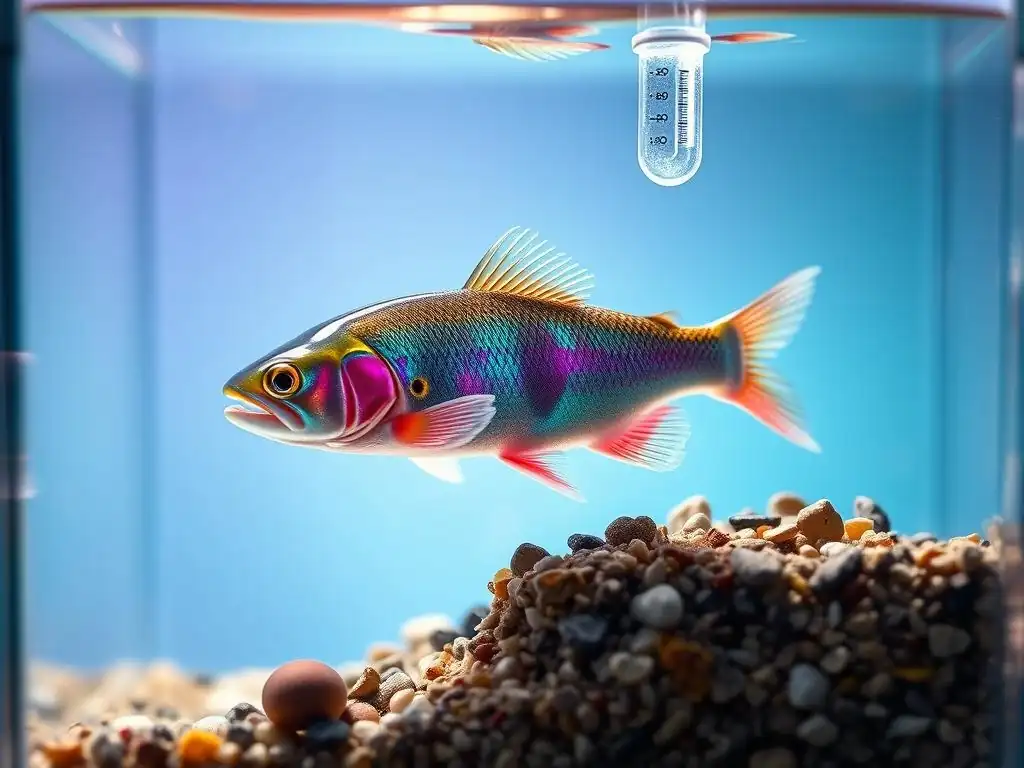
Regardless of the chosen system, meticulous control of water chemistry parameters is paramount for larval survival and development. Maintaining stable salinity between 30-35 parts per thousand (ppt) is critical, as marine larvae are highly sensitive to osmotic stress. Temperature should be kept within a narrow optimal range, typically 26-28°C (79-82°F) for most tropical species, as even slight deviations can impact metabolic rates and developmental timing. pH levels should be consistently maintained between 8.0 and 8.3.
Ammonia and nitrite concentrations must be kept at virtually undetectable levels (ideally 0 ppm), especially for the highly sensitive early larval stages. In Kreisel and BRT systems, robust filtration helps achieve this, but daily monitoring with high-quality test kits is still essential. For a static larval rearing system, daily testing for ammonia is non-negotiable, as even low levels can be lethal. Any detectable ammonia or nitrite necessitates immediate, large-volume water changes to mitigate toxicity, as larvae lack the developed osmoregulation and detoxification mechanisms of adult fish.
Feeding Protocols: Live Food Cultures and Enrichment Strategies
Effective feeding is arguably the most challenging aspect of marine larval rearing. Most marine larvae require live food for their initial weeks due to their small mouthparts and undeveloped digestive systems. Rotifers (Brachionus plicatilis) are the staple first food for many species, typically fed at densities of 5-15 rotifers per milliliter, multiple times a day to ensure constant availability. As larvae grow, they transition to larger live foods like Artemia nauplii, and eventually to finely ground dry foods.
Crucially, these live foods must be nutritionally enriched with highly unsaturated fatty acids (HUFA), particularly DHA and EPA, which are vital for larval development, vision, and immunity. This is achieved by feeding the live cultures with specialized enrichment products for 12-24 hours before they are fed to the larvae. Regardless of the system, whether a Kreisel ensuring even distribution or a Static larval rearing system requiring careful manual dispersion, consistent feeding of high-quality, enriched live food, often every 2-4 hours during daylight hours, is non-negotiable for achieving high survival and robust growth.
Preventing and Managing Disease Outbreaks
Preventing and managing disease outbreaks is critical in larval rearing, where entire batches can be lost rapidly. Strict biosecurity measures are the first line of defense. This includes quarantining new broodstock, sterilizing all equipment between batches, and maintaining impeccable hygiene in the rearing area. All water used should be sterilized (e.g., UV-treated or filtered through fine micron filters) to remove pathogens.
Early detection of disease signs, such as abnormal swimming behavior, lethargy, or visible lesions, is crucial. Regular microscopic examination of larvae and water samples can help identify bacterial blooms, ciliate infestations (e.g., Uronema, Brooklynella), or fungal infections before they become widespread.
While treatments for larval diseases are limited due to their sensitivity, prompt partial water changes, reducing feeding, and in some cases, specific antibiotics or anti-parasitic dips (used with extreme caution and professional guidance) might be employed. Maintaining optimal water quality and minimizing stress are the most effective prophylactic measures in any larval rearing system, from the advanced Kreisel to the basic Static larval rearing system.
Advanced Techniques for Static System Larval Rearing
Enhanced Water Quality Management: Probiotics and Filtration
While a static larval rearing system fundamentally relies on manual water changes, advanced techniques can significantly enhance water quality management. The strategic use of beneficial bacterial probiotics (e.g., certain Bacillus strains) can play a crucial role. These bacteria consume dissolved organic matter and compete with pathogenic bacteria, helping to maintain a healthier microbial balance and reduce the buildup of ammonia and nitrite even in the absence of continuous mechanical filtration. Introducing these probiotics daily can contribute to a more stable environment, potentially extending the time between water changes or allowing for slightly higher stocking densities.
Furthermore, while continuous filtration is absent, some advanced static setups might employ very small, air-driven sponge filters or internal power filters used intermittently, for perhaps 30 minutes to an hour a few times a day, to gently agitate the water and remove suspended particles without creating excessive flow. This intermittent filtration, combined with diligent daily siphoning, helps to remove particulate waste before it decomposes. However, the core principle of a Static larval rearing system still dictates that large, frequent water changes (50-100% daily) remain the cornerstone of effective water quality control.
Effective Feeding Strategies: Culturing Infusoria and Rotifers
Effective feeding in a static larval rearing system requires meticulous attention to both the type and quantity of live food. For extremely small larvae (under 2mm), culturing infusoria (e.g., Paramecium, various ciliates) becomes essential as a first food, as even newly hatched rotifers may be too large. Infusoria can be cultured easily using hay or rice water. Once larvae are able to consume them, high-density rotifer cultures (Brachionus plicatilis) are the primary food source.
In a Static larval rearing system, rotifers must be added frequently, often every 2-3 hours during daylight, to maintain a consistent feeding density (e.g., 5-10 rotifers/mL) without overfeeding and polluting the water. Since there is no continuous flow to distribute food, the aquarist must manually swirl the water gently after adding food to ensure even dispersion. Rigorous enrichment of rotifers with highly unsaturated fatty acids (HUFA) is critical, as this directly translates to the nutritional quality passed on to the larvae, directly impacting their growth, development, and survival in the relatively less stable static environment.
Minimizing Fouling: Regular Cleaning and Water Changes
Minimizing fouling is perhaps the most labor-intensive but critical aspect of managing a static larval rearing system. Without continuous water flow to carry away waste, uneaten food, and larval excretions rapidly accumulate on the tank bottom and sides. This organic matter quickly decomposes, leading to the release of toxic ammonia and the proliferation of harmful bacteria, which can decimate a batch of larvae within hours.
Therefore, meticulous and frequent cleaning is paramount. This involves siphoning the bottom of the tank multiple times a day (e.g., 2-4 times daily) to remove all visible detritus. This siphoning is often performed using a fine airline tubing to minimize disturbance to the delicate larvae.
Following siphoning, large-volume water changes (50-100% daily) are essential to dilute dissolved waste products and replenish critical trace elements. Consistent, precise water changes are the primary defense against fouling and the key to maintaining a healthy environment in a Static larval rearing system, requiring significant dedication and a keen eye for detail from the aquarist.
Conclusion: Selecting the Best Larval Rearing Method
Key Considerations for Choosing a System
Selecting the optimal larval rearing system—Kreisel, BRT, or static—is a multifaceted decision that hinges on a careful evaluation of several key factors. Foremost are the species-specific needs of the larvae; delicate, pelagic species often thrive in the gentle, consistent flow of Kreisel tanks, while hardier, larger larvae might fare well in the simpler static larval rearing system.
Available resources play a significant role, with budget, space, time commitment, and technical expertise dictating what is feasible for an individual or institution. A hobbyist with limited funds and space will likely find a Static larval rearing system to be the most accessible and cost-effective entry point into marine fish breeding.
Finally, the long-term goals of the rearing project should guide the choice. Commercial aquaculture aiming for high survival and consistent production will often invest in more complex and stable systems like Kreisel or BRT. For small-scale breeding, educational purposes, or initial experimentation, the simplicity and low cost of a static system make it an attractive option. Ultimately, there is no single "best" system; the most effective choice is the one that best aligns with the specific larval requirements, the operator's capabilities, and the overall objectives.
Future Trends in Larval Rearing
The field of marine larval rearing is continuously evolving, driven by the increasing demand for sustainable aquaculture and the desire to propagate more challenging species. Future trends are likely to focus on several key areas that will further optimize rearing success. Advances in recirculating aquaculture systems (RAS) technology will allow for even greater water quality control and water conservation, integrating sophisticated filtration and monitoring systems directly into larval rearing units. Automation will play an increasingly significant role, with automated feeding systems, water parameter monitoring, and even robotic cleaning solutions reducing manual labor and improving consistency.
Furthermore, research into larval nutrition will continue to refine live food culture techniques and develop new, more complete artificial diets that can potentially reduce or eliminate the reliance on live feeds. Genetic selection programs will aim to produce more robust, faster-growing larvae with higher survival rates.
The integration of advanced diagnostics, such as molecular tools for early pathogen detection, will allow for proactive disease management. These innovations, while potentially increasing the initial complexity and cost, promise to make marine larval rearing more efficient, sustainable, and accessible, broadening the range of species that can be successfully propagated from the humble Static larval rearing system to large-scale commercial operations.
Frequently Asked Questions
What is a static larval rearing system and when is it most appropriate?
A static larval rearing system is a simple, non-circulating tank used for raising fish larvae. It's best suited for small-scale operations or species that are less sensitive to water quality fluctuations.
How does a static larval rearing system differ from a Kreisel tank?
Unlike Kreisel tanks which rely on a circular flow to keep larvae suspended, static systems have minimal water movement. Kreisel tanks are generally preferred for delicate larvae needing constant suspension and feeding, while static systems are for more robust species.
What are the key advantages of using a static larval rearing system?
The main advantages are its low cost and simplicity. It requires minimal equipment and is easy to set up and maintain, making it accessible for beginners.
What are some potential drawbacks of using a static larval rearing system?
Static systems can suffer from poor water quality due to waste buildup. This requires frequent water changes and careful monitoring to prevent larval mortality. Oxygen depletion can also be an issue.
What types of fish larvae are best suited for static larval rearing systems?
Hardier fish larvae, such as certain freshwater species or those that are more tolerant of varying water conditions, tend to thrive best in static systems. Species with larger yolk sacs that can sustain them longer are also good candidates.
Final Reflection: Cultivating Growth in Static Waters
The preceding exploration of larval rearing systems, particularly the focus on static systems and their nuanced advantages, resonates deeply in today's aquaculture landscape. As we grapple with the need for sustainable and efficient food production, understanding the potential of even seemingly simple methods becomes paramount. The choice between Kreisel, BRT, and static systems isn't just a technical decision; it's a reflection of our commitment to responsible resource management and innovative problem-solving in the face of growing global demands.
This journey through the intricacies of larval rearing has underscored the enduring value of simplicity and adaptability. The realization that a static system, often overlooked, can offer a viable and even superior solution in certain contexts is a powerful reminder that innovation doesn't always require complexity. It challenges us to re-evaluate established norms and consider the specific needs of each species and environment. The greatest obstacle to discovery is not ignorance – it is the illusion of knowledge.
- Daniel J. Boorstin. This quote perfectly encapsulates the importance of questioning assumptions and embracing alternative approaches, like the static system, in our pursuit of optimal larval rearing.
Now, as you consider the future of aquaculture and the role you play within it, I invite you to reflect on the lessons learned. Are you overlooking the potential of simpler solutions in your own work? Are you truly considering the unique needs of the organisms you cultivate? Embrace the spirit of inquiry and experimentation, and remember that sometimes, the most effective path forward lies in the quiet stillness of a well-managed static system. Let this knowledge empower you to cultivate not just larvae, but also a more sustainable and innovative future for aquaculture.
Ignite Your Fry-Raising Success!
Thanks for exploring the fascinating world of larval rearing! We hope you found valuable insights to optimize your approach. Now, let's turn that knowledge into action and elevate your fry-raising game.
Here are a few things you can do right now:
- Design a scaled-down version of your preferred larval rearing system (Kreisel, BRT, or Static) based on your available resources and space – even a small prototype can offer invaluable learning!
- Share your current larval rearing setup and any challenges you're facing in the comments below to spark a conversation and receive personalized advice.
- Experiment with a novel food source – perhaps a readily available, sustainable alternative to traditional live feeds – and document your results.
What's one surprising change you can implement in your larval rearing setup this week based on what you’ve learned?