
Cracking the Code: Successfully Breeding Designer Clownfish Varieties

Welcome to Aquarium Mastery!
Ever dreamt of witnessing the mesmerizing dance of life in your own saltwater tank, specifically the vibrant colours of designer clownfish? Prepare to unlock the secrets to successfully breeding these aquatic gems. Dive in to our detailed guide, "Cracking the Code: Successfully Breeding Designer Clownfish Varieties," and discover how to transform your aquarium into a thriving breeding ground. What unique challenges await, and how can you overcome them to cultivate your own stunning lineage? Let's explore!
- Introduction to Designer Clownfish Breeding
- Selecting Your Clownfish Breeding Pair
- Optimizing the Breeding Environment
- The Clownfish Spawning Process: A Step-by-Step Guide
- Hatching and Larval Rearing of Designer Clownfish
- Nurturing Clownfish Fry: From Larvae to Juveniles
- Genetic Considerations in Designer Clownfish Breeding
- Creating Unique Designer Clownfish Varieties
- Common Challenges and Troubleshooting in Clownfish Breeding
- Advanced Techniques in Clownfish Breeding
- The Future of Designer Clownfish Breeding
- Conclusion: Mastering the Art of Breeding Designer Clownfish Varieties
-
Frequently Asked Questions
- How difficult is it to breed designer clownfish varieties compared to regular clownfish?
- What specific water parameters are crucial for successful designer clownfish breeding?
- What kind of diet promotes optimal breeding condition in designer clownfish?
- What are some common challenges faced when breeding designer clownfish, and how can they be overcome?
- How long does it typically take for designer clownfish eggs to hatch, and what care is required for the newly hatched fry?
- Final Reflection: The Art of Aquatic Innovation
- Unleash Your Inner Breeder!
Introduction to Designer Clownfish Breeding
The Growing Popularity of Designer Clownfish in Aquariums
The marine aquarium hobby has witnessed a significant surge in the popularity of designer clownfish varieties over the past two decades. These captivating fish, characterized by their unique patterns and vibrant colorations, offer a distinct aesthetic appeal that sets them apart from their wild-type counterparts. Varieties such as the Picasso, Snowflake, Black Ice, and Wyoming White clownfish command high interest due to their striking appearance, making them highly sought-after additions to reef tanks globally. This demand has spurred a dedicated segment of the aquaculture industry focused on breeding designer clownfish varieties.
This increased fascination is driven by several factors, including the rise of social media platforms showcasing stunning aquarium setups, and the desire among hobbyists to collect rare and visually distinct specimens. For instance, a high-grade "Frostbite" clownfish, known for its intricate white patterns and deep orange base, can retail for upwards of $150-$250, reflecting the premium placed on these unique genetic expressions. The consistent innovation in breeding designer clownfish varieties ensures a continuous stream of new and exciting morphs for enthusiasts.
Why Breed Your Own Designer Clownfish? [Financial Gains and Contribution to Sustainability]
Successfully breeding designer clownfish varieties offers compelling financial incentives for dedicated aquarists. The high market value of specific morphs means that a productive breeding pair can generate substantial revenue. For example, a single pair of established "Black Ice" clownfish, capable of producing 100-300 viable fry per clutch every two weeks, could potentially yield thousands of dollars annually, significantly offsetting the costs of maintaining a saltwater aquarium hobby or even developing into a profitable home-based business.
Beyond the economic advantages, engaging in the breeding designer clownfish varieties contributes significantly to marine conservation and sustainability. By producing captive-bred fish, hobbyists reduce the demand for wild-caught specimens, thereby alleviating pressure on natural coral reef ecosystems. This practice helps to preserve wild populations and minimizes the ecological footprint associated with the marine ornamental trade, promoting a more ethical and responsible approach to fishkeeping.
Understanding the Basics of Clownfish Reproduction
Clownfish (Amphiprioninae) exhibit a fascinating reproductive strategy known as protandrous hermaphroditism, meaning all individuals are born male but possess the ability to change sex to female. In a group of clownfish, the largest and most dominant individual typically transitions into the functional female, while the second largest matures into the breeding male. This established pair will then form a strong bond and defend a specific territory within the aquarium, often near a suitable spawning substrate.
Once a pair is established, they typically engage in a regular spawning cycle, often laying eggs every 10 to 14 days, particularly under optimal environmental conditions. The female will deposit adhesive eggs onto a cleaned surface, which the male then fertilizes externally. The male assumes primary responsibility for guarding and fanning the eggs until they hatch, a critical period that ensures proper oxygenation and prevents fungal growth, demonstrating the intricate nature of breeding designer clownfish varieties.
Selecting Your Clownfish Breeding Pair
Choosing Healthy and Genetically Diverse Clownfish
The foundation of successful breeding designer clownfish varieties lies in selecting robust and healthy broodstock. Prioritize fish that exhibit vibrant coloration, active swimming behaviors, and are free from any visible signs of disease, such as fin rot, ich spots, or emaciation. It is highly recommended to source potential breeders from reputable aquaculturists or well-maintained local fish stores that can provide information on the fish's origin and health history. Upon acquisition, a strict quarantine period of 4-6 weeks in a separate observation tank is crucial to prevent the introduction of pathogens into your main breeding system.
Genetic diversity is equally important to ensure the long-term viability and vigor of your offspring. Avoid pairing siblings or closely related individuals if possible, as inbreeding can lead to reduced fertility, slower growth rates, increased susceptibility to disease, and a higher incidence of deformities in subsequent generations. Aim to acquire unrelated individuals or establish multiple breeding lines from different genetic pools to maintain a healthy and robust gene pool for future generations of breeding designer clownfish varieties.
Identifying Desirable Traits for Designer Clownfish [Unique Patterns and Intense Colors]
When focusing on breeding designer clownfish varieties, identifying and selecting for specific desirable traits is paramount. For Ocellaris clownfish, popular traits include:
- Picasso: Characterized by irregular, often jagged, white banding that extends into the orange or black body. Higher grades display more extensive and fractured white patterns.
- Snowflake: Features white spots or splashes across the body, with premium specimens exhibiting over 50% white coverage.
- Black Ice: A hybrid appearance resulting from crossing a Darwin Black Ocellaris with a Snowflake or Picasso, displaying a dark body with bright white, irregular patterns.
- Wyoming White: A striking morph that is almost entirely white with orange fins, a result of selective breeding for reduced melanin.
The "intensity" of colors, such as the deep orange of an Ocellaris or the rich black of a Black Percula, along with the coverage and sharpness of white patterns, directly influences the desirability and market value of the offspring. Breeders meticulously select individuals that best exemplify these traits, often culling fry that do not meet the desired standards, ensuring that each successive generation improves upon the previous one in the pursuit of unique and captivating breeding designer clownfish varieties.
Setting Up a Dedicated Clownfish Breeding Tank
A dedicated breeding tank is essential for successful clownfish propagation, providing a stable and controlled environment conducive to spawning and larval rearing. A tank size of 20-40 gallons is generally sufficient for a single pair of Ocellaris or Percula clownfish, offering adequate space without being overly large. The setup should be simple: a small powerhead for circulation, a reliable heater to maintain stable temperatures, and a gentle air stone for oxygenation. Filtration can be minimal, often a simple sponge filter or a small hang-on-back filter, to avoid strong currents that could harm delicate eggs or newly hatched larvae.
The tank should ideally have a bare bottom or a very thin layer of fine sand, which simplifies cleaning and prevents the accumulation of detritus that can harbor pathogens. Providing a suitable spawning substrate is crucial; common choices include half of a terra cotta pot, a smooth ceramic tile, or a flat, unpolished rock. This substrate should be placed in an easily accessible location within the tank, often near the powerhead's outflow to ensure good water circulation over the eggs, optimizing conditions for breeding designer clownfish varieties.
Optimizing the Breeding Environment
Water Chemistry and Parameters for Clownfish Spawning
Maintaining precise and stable water chemistry is paramount for inducing and sustaining clownfish spawning. Key parameters to monitor and maintain include:
- Salinity: 1.023-1.025 specific gravity (SG).
- Temperature: 78-82°F (25.5-27.8°C), with 80°F often being an optimal target.
- pH: 8.0-8.4.
- Alkalinity: 8-12 dKH (carbonate hardness).
- Calcium: 400-450 ppm.
- Magnesium: 1200-1350 ppm.
Consistency is more critical than hitting exact numbers; wild fluctuations can stress the fish and inhibit spawning.
Regular partial water changes, typically 10-20% weekly, using high-quality RO/DI water mixed with a reputable marine salt mix, are essential to replenish trace elements and remove accumulated nitrates and phosphates. Keeping nitrates below 20 ppm and phosphates as low as possible (ideally undetectable) is vital, as excessive levels can lead to algae growth on eggs, hindering their development. Consistent attention to these parameters significantly enhances the success rate when breeding designer clownfish varieties.
Lighting and Temperature Considerations for Breeding Success
Lighting plays a significant role in regulating the natural biological rhythms of clownfish, including their spawning cycles. A consistent day/night cycle, typically 12-14 hours of light followed by 10-12 hours of darkness, should be maintained using moderate intensity LED lights. Avoid sudden or drastic changes in lighting duration or intensity, as this can disrupt the fish's natural rhythm and stress them, potentially delaying or preventing spawning. Some breeders incorporate a brief "moonlight" period after the main lights turn off to simulate natural lunar cycles, which can occasionally encourage spawning.
Temperature stability is equally crucial for successful reproduction. Maintaining a consistent temperature within the optimal range of 78-82°F (25.5-27.8°C) is vital. Fluctuations, even by a few degrees, can cause stress and inhibit spawning activity. While a stable 80°F is often ideal for spawning and typically results in egg incubation periods of 8-9 days, slightly higher temperatures (e.g., 82°F) can sometimes accelerate the incubation process by a day or two. Precise temperature control via a reliable heater is a non-negotiable aspect of breeding designer clownfish varieties.
Providing Suitable Spawning Substrates for Clownfish [Clay Pots and Tiles]
Clownfish are substrate spawners, meaning they require a flat, protected surface on which to lay their eggs. Common and highly effective choices for spawning substrates include:
- Terra cotta pots: Often cut in half or used whole, providing a cave-like structure. A 4-inch diameter pot is a popular size.
- Ceramic tiles: Unglazed, smooth ceramic tiles (e.g., 4x4 inches) provide a flat, easily cleaned surface.
- Smooth rocks: Larger, flat, and stable rocks can also serve as natural spawning sites.
- PVC pipes: Sections of PVC pipe (e.g., 3-4 inches in diameter) can also be used, particularly in systems where ease of removal is desired.
The chosen substrate should be thoroughly cleaned and free of any sharp edges or chemical residues. It should be placed in a relatively quiet and protected area of the breeding tank, often nestled among a few small rocks or in a corner, allowing the pair to feel secure. Positioning the substrate where there is gentle water flow, such as near a powerhead outflow, is beneficial as it aids in oxygenating the eggs, a key factor in ensuring successful hatch rates when breeding designer clownfish varieties.
The Clownfish Spawning Process: A Step-by-Step Guide
Recognizing the Signs of Impending Spawning
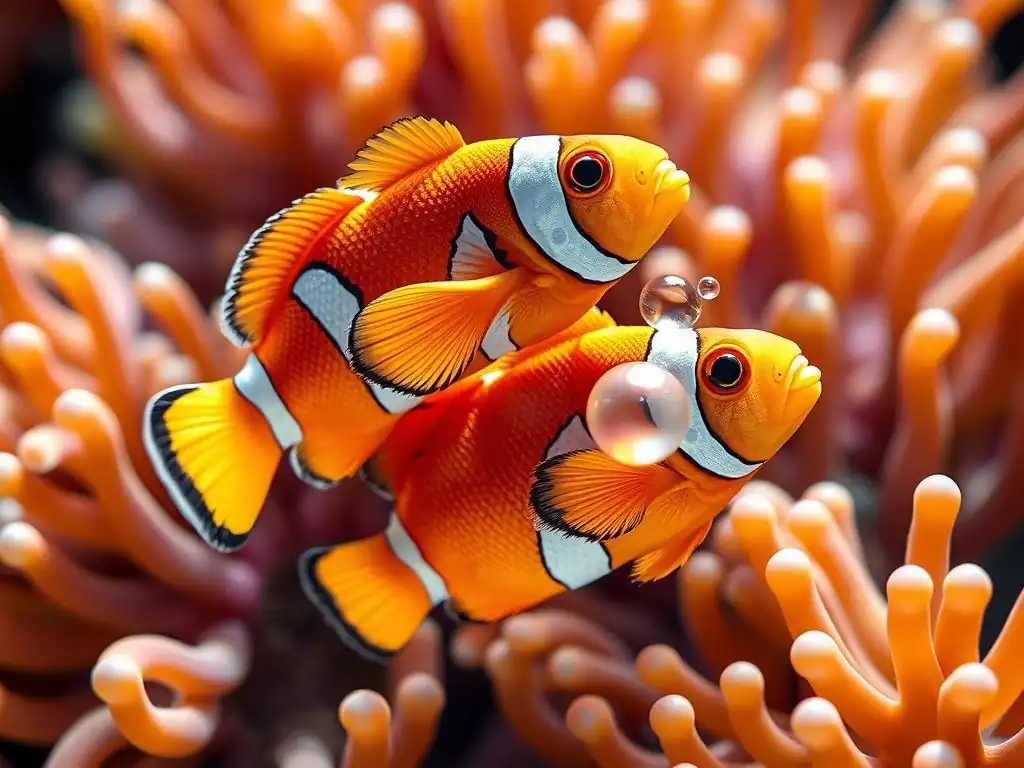
Observing your clownfish pair for specific behavioral cues can indicate that spawning is imminent, often within 24-72 hours. The most prominent sign is an increased focus on cleaning a chosen spawning site. Both the male and female will vigorously mouth, fan, and rub their bodies against the selected surface (e.g., a clay pot or tile), meticulously removing any algae or debris. This cleaning behavior intensifies as spawning approaches, sometimes lasting for several hours.
Additionally, the female's abdomen may appear noticeably distended or swollen, indicating that she is gravid with eggs. The male often becomes more territorial and protective of the chosen site, chasing away any perceived threats. The pair may also engage in characteristic "shaking" or "trembling" behaviors, where they rapidly vibrate their bodies side-by-side. These pre-spawning rituals are a clear signal that egg-laying is about to occur, marking an exciting phase in breeding designer clownfish varieties.
Witnessing the Egg-Laying Process
Once the spawning site is meticulously prepared, the actual egg-laying process begins, typically occurring in the late afternoon or early evening. The female clownfish will make repeated passes over the cleaned surface, adhering rows of tiny, adhesive eggs. These eggs are usually a vibrant orange to reddish color and are laid in a dense, often circular or elliptical clutch. Following closely behind the female, the male will make similar passes, fertilizing the newly laid eggs externally.
This synchronized dance can last for 1 to 2 hours, with the female depositing hundreds to over a thousand eggs, depending on her size, age, and nutritional status. A mature female Ocellaris clownfish can lay an average of 300-600 eggs per clutch, with larger, older females sometimes producing over 1,000. The eggs are typically oval-shaped, about 1-2 millimeters in size, and form a compact, well-organized mass on the substrate. This remarkable display is a testament to the intricate life cycle involved in breeding designer clownfish varieties.
Caring for the Clownfish Eggs: Incubation and Protection
After the eggs are laid and fertilized, the male clownfish assumes primary responsibility for their care and protection. He meticulously guards the clutch, fanning them continuously with his pectoral fins. This fanning action is crucial for two reasons: it provides vital oxygenation to the developing embryos and helps to prevent fungal growth, which can quickly decimate an entire clutch. The male will also periodically "mouth" the eggs, removing any infertile, fungused, or damaged eggs to maintain the health of the clutch.
The incubation period for clownfish eggs typically ranges from 7 to 10 days at a temperature of 80°F (26.7°C). As hatching approaches, usually on day 7 or 8, the eggs undergo a noticeable color change, darkening significantly as the larval eyes develop. Just hours before hatching, the tiny silvery eyes of the developing larvae become clearly visible within each egg, due to the formation of light-reflecting guanine crystals. Hatching almost invariably occurs shortly after the aquarium lights go out, ensuring the delicate larvae emerge under the cover of darkness, a natural adaptation for survival when breeding designer clownfish varieties.
Hatching and Larval Rearing of Designer Clownfish
Setting Up a Larval Rearing Tank
A dedicated larval rearing tank is essential for the successful survival of newly hatched clownfish fry. These tanks are typically small, ranging from 5 to 10 gallons, and are kept bare-bottomed to facilitate cleaning and prevent fry from getting trapped in substrate. Filtration should be minimal and gentle; a small sponge filter or a gentle air stone is usually sufficient to provide oxygenation without creating strong currents that could harm the delicate larvae. Some breeders opt for black-walled tanks or paint the outside of the tank black, as this can help larvae better perceive and locate their microscopic food.
Crucially, the water parameters in the larval rearing tank must precisely match those of the breeding tank (salinity, temperature, pH) to minimize transfer shock. The tank should be prepared and filled with aged, aerated saltwater at least 24 hours prior to the expected hatch, allowing parameters to stabilize. Lighting should be dim initially, gradually increasing over the first few days. Having the rearing tank ready well in advance is a critical step in ensuring high survival rates when breeding designer clownfish varieties.
Providing the First Food: Rotifers and Copepods
Newly hatched clownfish larvae are incredibly small, typically measuring 3-4 millimeters, and require live, microscopic food for their initial survival. Rotifers (Brachionus plicatilis) are the universally accepted first food due to their appropriate size (50-200 microns) and ease of culture. Larvae require a very high density of rotifers, typically maintained at 10-15 rotifers per milliliter, for the first 5-7 days post-hatch. Rotifers should be "gut-loaded" or enriched with high-quality phytoplankton (e.g., Nannochloropsis or Isochrysis) to provide essential fatty acids and nutrients to the fry.
As the larvae grow, usually around day 5-7, some breeders introduce copepods (e.g., Tisbe, Tigriopus). Copepods offer a more diverse nutritional profile and are often considered superior for promoting robust growth and vibrant coloration in developing fry. While rotifers are a good starting point, the inclusion of copepods can significantly improve survival rates and overall health, contributing to the successful development of breeding designer clownfish varieties from their most vulnerable stage.
Maintaining Optimal Water Quality for Larval Development
Maintaining pristine water quality in the larval rearing tank is arguably the most critical factor for high fry survival rates. Due to the high density of live food and the rapid metabolism of the larvae, ammonia and nitrite can quickly accumulate to toxic levels. Daily small water changes, typically 10-20% of the tank volume, are absolutely essential. This should be done carefully using aged, aerated saltwater that precisely matches the tank's parameters, siphoning out any uneaten food or waste from the bare bottom.
Gentle aeration, via a single air stone bubbling slowly, is sufficient to provide oxygenation without creating strong currents that can exhaust or injure the delicate larvae. Strong filtration is generally avoided in early larval stages. Regular monitoring of ammonia and nitrite levels with test kits is paramount; any detectable levels require immediate and decisive action, usually a larger water change. Consistent attention to water quality is the backbone of successful breeding designer clownfish varieties through their fragile larval phase.
Nurturing Clownfish Fry: From Larvae to Juveniles
Weaning Fry onto Prepared Foods
The transition from live foods to prepared foods is a critical milestone in the development of clownfish fry. Around day 10-14 post-hatch, depending on their growth rate, fry are typically ready to be introduced to larger live foods such as newly hatched brine shrimp (Artemia nauplii). Initially, brine shrimp should be offered alongside rotifers, gradually reducing the rotifer density as the fry begin to actively consume the larger brine shrimp. Brine shrimp should also be enriched for maximum nutritional benefit.
By day 20-25, many fry will begin to accept finely crushed high-quality flake food or small, specially formulated pellet foods designed for marine fry. This transition requires patience; start by offering very small amounts multiple times a day. Gradually reduce the reliance on live foods as the fry consistently consume prepared options. Successful weaning onto prepared foods significantly reduces the labor and cost associated with live food cultures, making the process of breeding designer clownfish varieties more sustainable.
Gradual Acclimation to Tank Conditions
Once clownfish fry are actively consuming prepared foods and have developed into robust juveniles (typically around 30-45 days post-hatch, measuring 1-2 cm), they can be gradually acclimated to larger grow-out tanks. This transition must be slow and deliberate to minimize stress. Drip acclimation over several hours, slowly introducing water from the new tank into the rearing tank, is the recommended method. The grow-out tanks should have stable water parameters that match the rearing tank and be equipped with appropriate filtration (e.g., sponge filters or hang-on-back filters) and gentle aeration.
Avoid overcrowding in the grow-out tanks, as this can lead to stress, stunted growth, and increased aggression. Providing some simple hiding spots, such as small PVC pipes or sections of rock, can help reduce stress and establish territories among the developing juveniles. Consistent feeding, clean water, and stable parameters in the grow-out phase are crucial for the continued healthy development and vibrant coloration of your breeding designer clownfish varieties before they are ready for sale or transfer to display tanks.
Preventing Diseases and Parasites in Clownfish Fry
Preventing disease outbreaks is paramount in clownfish fry rearing, as an entire batch can be decimated rapidly. Strict hygiene protocols are non-negotiable:
- Sterilization: All equipment (nets, siphons, buckets) used in larval rearing should be thoroughly cleaned and sterilized between uses.
- Quarantine: Never introduce new fish or live food cultures into the larval system without proper quarantine and sterilization if necessary.
- Water Quality: Maintain pristine water parameters at all times, as poor water quality is a leading cause of bacterial infections.
Common issues in fry include bacterial infections (often presenting as cloudy eyes, frayed fins, or lethargy), external parasites like marine ich (Cryptocaryon irritans), and velvet (Oodinium). Prophylactic treatments are generally discouraged due to the fragility of fry, but early detection and immediate intervention are critical. A UV sterilizer on the grow-out system can help reduce pathogen loads. By minimizing stressors and maintaining impeccable conditions, you significantly increase the chances of successfully breeding designer clownfish varieties to maturity.
Genetic Considerations in Designer Clownfish Breeding
Understanding Inheritance Patterns in Clownfish
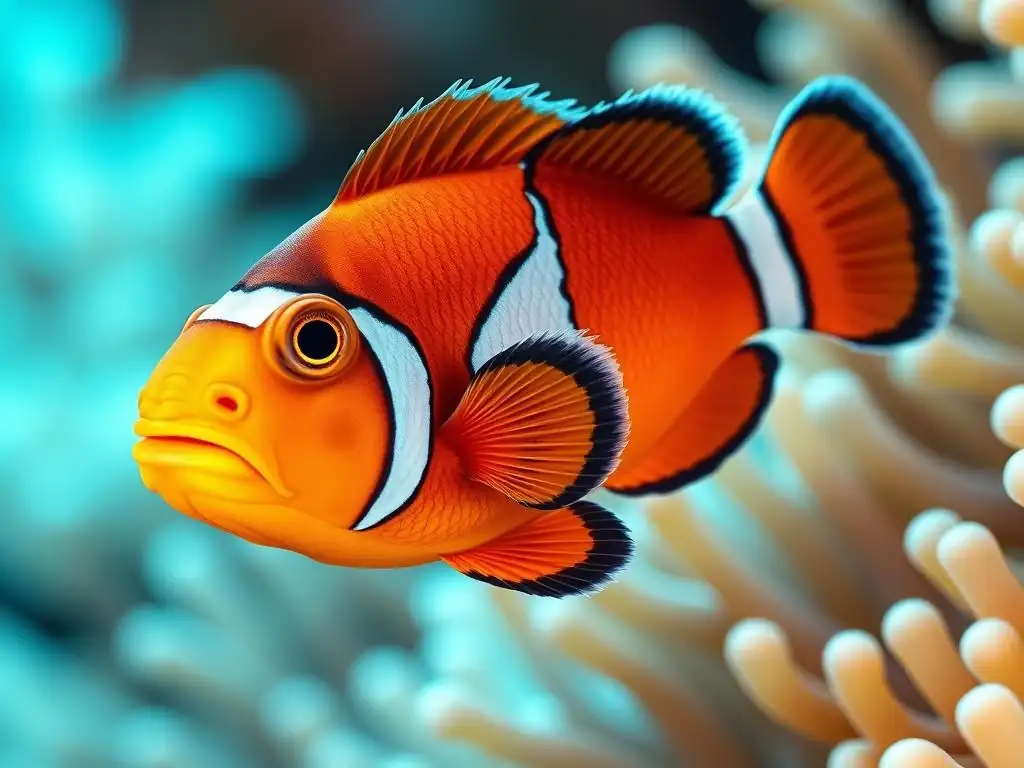
Many of the striking traits observed in breeding designer clownfish varieties follow predictable Mendelian inheritance patterns. For instance, the "Picasso" and "Snowflake" patterns in Ocellaris clownfish are often considered dominant or co-dominant traits. This means that an individual needs only one copy of the "designer" gene to express the trait. For example, a "true" Picasso clownfish is typically heterozygous for the Picasso gene, meaning it carries one copy of the designer gene and one copy of the wild-type gene.
When two heterozygous Picasso clownfish are bred, the offspring can exhibit a predictable ratio of wild-type, Picasso, and "Super Picasso" (homozygous for the Picasso gene) phenotypes, often following a 1:2:1 ratio. Understanding these genetic principles is crucial for breeders aiming to consistently produce specific morphs and predict the outcomes of various crosses. This knowledge allows for strategic pairing to enhance desired traits or combine multiple designer characteristics in the next generation of breeding designer clownfish varieties.
Avoiding Inbreeding and Genetic Bottlenecks
While selective breeding is essential for developing and enhancing designer traits, it carries the inherent risk of inbreeding and genetic bottlenecks if not managed carefully. Continuous breeding from closely related individuals (e.g., siblings or parent-offspring) can lead to "inbreeding depression," which manifests as reduced fertility, slower growth rates, increased susceptibility to diseases, and a higher incidence of deformities or genetic abnormalities in the offspring. This compromises the long-term health and viability of a breeding line.
To mitigate these risks, responsible breeders actively work to maintain genetic diversity within their breeding programs. This involves periodically introducing new, unrelated bloodlines from different sources or exchanging broodstock with other reputable breeders. Meticulous record-keeping of parentage and lineage is crucial to avoid accidental inbreeding and to ensure a broad genetic base, which is vital for the sustained success and robustness of breeding designer clownfish varieties over many generations.
Documenting Pedigrees and Lineage of Designer Clownfish
Thorough documentation of pedigrees and lineage is an indispensable practice for any serious breeder of designer clownfish. Keeping detailed records for each breeding pair, including their unique identifiers, source, and specific designer traits, allows for precise tracking. For each clutch of eggs, record the spawning date, approximate egg count, hatching rate, and the number of fry that successfully reach juvenile size. This data provides invaluable insights into the productivity and genetic viability of specific pairs.
Furthermore, assigning unique batch numbers or individual identifiers to offspring allows breeders to trace the lineage of each fish. This systematic approach is crucial for:
- Selective Breeding: Identifying the most productive and desirable genetic lines for future breeding.
- Avoiding Inbreeding: Ensuring that unrelated individuals are paired.
- Authenticity: Providing verifiable proof of a fish's genetic background, particularly for high-value designer morphs.
These meticulous records are a hallmark of professional breeding designer clownfish varieties and contribute significantly to the integrity and advancement of the hobby.
Creating Unique Designer Clownfish Varieties
Exploring Different Color Morphs and Patterns
The world of breeding designer clownfish varieties is continually expanding, driven by the emergence of new color morphs and patterns. While Ocellaris clownfish (Amphiprion ocellaris) are the most common canvas for these genetic expressions, other species like Percula clownfish (Amphiprion percula) and Maroon clownfish (Premnas biaculeatus) also contribute to the diversity.
- Ocellaris examples: Beyond Picasso and Snowflake, varieties like "DaVinci" (similar to Picasso but with more symmetrical patterns), "Frostbite" (extreme Snowflake with orange accents), "Phantom" (reduced orange, mostly black and white), and "Naked" (lacks all white bands) showcase the spectrum of possibilities.
- Percula examples: "Black Percula" (all black body with white bands) and "Platinum Percula" (all white body with black fin edges) highlight distinct Percula morphs.
- Maroons: The "Lightning Maroon" clownfish, characterized by its intricate, lightning-bolt-like white patterns, demonstrates how unique mutations can arise in other species.
These distinct morphs often arise from spontaneous genetic mutations discovered by observant breeders. Once identified, these mutations are then selectively bred to stabilize the trait and enhance its expression, leading to the stunning array of designer clownfish available today.
Selective Breeding Techniques for Desired Traits
Selective breeding is the cornerstone of creating and refining breeding designer clownfish varieties. This technique involves carefully choosing individuals that exhibit the most desirable traits (e.g., the most extensive white coverage in a Snowflake, the brightest colors, or the most unique pattern complexity) to serve as broodstock for the next generation. The goal is to intensify or stabilize these specific characteristics over successive generations.
The process is iterative and requires patience. For example, to develop a "Super Snowflake" with near-complete white coverage, breeders might select only the top 5% of offspring from each clutch that display the most extensive white patterning. These elite individuals are then raised to maturity and used as future breeders. This continuous selection process, repeated over multiple generations (often 5-10 or more), gradually enhances the desired trait, demonstrating the long-term commitment required for advanced breeding designer clownfish varieties.
Introducing New Genetic Material [Crossbreeding Strategies with Different Ocellaris Lines]
Introducing new genetic material through crossbreeding is a powerful strategy used in breeding designer clownfish varieties to create novel combinations or enhance existing traits. This often involves crossing two different established designer lines of the same species to combine their unique characteristics. A prime example is the creation of the "Black Ice" clownfish, which resulted from crossing a Picasso or Snowflake Ocellaris with a Darwin Black Ocellaris. This cross combines the irregular white patterning of the Picasso/Snowflake with the dark body coloration of the Darwin Black, yielding a striking new variety.
While crossbreeding can open up exciting possibilities, it also requires careful consideration. Early generations of offspring from such crosses may exhibit a wide range of phenotypes, some desirable and some not. Breeders often need to perform "backcrosses" (mating hybrid offspring back to one of the parent lines) to stabilize the desired combined traits and ensure consistent production. This strategic genetic manipulation is key to the ongoing innovation in breeding designer clownfish varieties.
Common Challenges and Troubleshooting in Clownfish Breeding
Egg Fungus and Prevention Methods
Egg fungus, typically caused by water molds like Saprolegnia, is a common challenge that can quickly decimate an entire clutch of clownfish eggs. Fungus primarily attacks infertile or unfertilized eggs, but it can rapidly spread to healthy, developing embryos if left unchecked. Poor water circulation around the egg clutch is a significant contributing factor, as it creates stagnant conditions conducive to fungal growth.
Prevention is key:
- Water Flow: Ensure strong, consistent water flow directly over the egg clutch. This can often be achieved by positioning a small powerhead or air stone to direct a gentle current towards the eggs. The male clownfish's diligent fanning also provides crucial circulation.
- Male Care: A healthy, attentive male is the best defense against fungus, as he will meticulously fan and remove any infertile or fungused eggs. If the male is not performing his duties adequately, manual fanning with an air stone or carefully removing fungused eggs with tweezers may be necessary.
- Water Quality: Maintain pristine water parameters. High nitrates or organic waste can contribute to fungal issues. Some breeders use very low doses of antifungal agents like Methylene Blue in the water, but this must be done with extreme caution as it can impact egg viability or larval health. Consistent vigilance is vital when breeding designer clownfish varieties.
Larval Mortality and Mitigation Strategies
High larval mortality rates are a significant hurdle in clownfish breeding, particularly in the first few days post-hatch. Common causes include:
- Starvation: Insufficient density of appropriate live food (rotifers) is the leading cause. Larvae need a constant, high concentration of food in the water column.
- Poor Water Quality: Rapid accumulation of ammonia, nitrite, or excessive organic waste from uneaten food can be lethal to delicate larvae.
- Physical Trauma: Strong water currents from aeration or filtration can exhaust and kill larvae.
- Bacterial Infections: Pathogens can proliferate rapidly in larval rearing tanks if hygiene is not impeccable.
Mitigation strategies include:
- Consistent Feeding: Maintain rotifer density at 10-15 rotifers/mL for the first 5-7 days.
- Daily Micro Water Changes: Perform 10-20% water changes daily to remove waste. Siphon carefully from the bare bottom.
- Gentle Aeration: Use a single, fine-bubble air stone with minimal flow.
- Strict Hygiene: Sterilize all equipment, avoid cross-contamination.
- Enriched Food: Ensure rotifers are gut-loaded with high-quality phytoplankton.
By addressing these factors, breeders can significantly improve the survival rates of their breeding designer clownfish varieties.
Addressing Aggression in Breeding Pairs
Aggression between clownfish in a breeding pair, or even within a group being conditioned, is a common issue that can lead to injury or death of the less dominant fish. Clownfish are naturally territorial, and while pairing, the male may be subjected to fin nipping or chasing from the larger, dominant female. This aggression can intensify if the tank is too small, if there aren't enough hiding spots, or if one fish is not fully accepting its role.
To address aggression:
- Tank Size: Ensure the breeding tank is appropriately sized (minimum 20 gallons for a pair) to provide sufficient territory.
- Hiding Spots: Even in a breeding tank, provide multiple hiding spots (e.g., small PVC pipes, rock caves) where the male can retreat if feeling threatened.
- Observation: Closely monitor the pair. If aggression is severe (e.g., constant chasing, torn fins, refusal to eat), temporary separation using an egg-crate divider within the tank might be necessary.
- Re-introduction: After a period of separation (days to weeks), re-introduce the fish slowly, monitoring their interaction. Sometimes, introducing a very small, submissive third clownfish can redirect aggression, but this is an advanced technique and not always successful. Persistent severe aggression may necessitate re-pairing. Understanding and managing these behaviors is key to consistent breeding designer clownfish varieties.
Advanced Techniques in Clownfish Breeding
Hormone Induction for Spawning [Use of GnRH Analogs]
For some difficult-to-spawn clownfish species or to synchronize spawning events in commercial aquaculture, hormone induction can be employed. Gonadotropin-releasing hormone (GnRH) analogs are synthetic compounds that mimic the natural hormone responsible for stimulating gonad development and spawning. These analogs are typically administered via intramuscular injection, often in the dorsal musculature of the fish.
The use of GnRH analogs can induce spawning in fish that are otherwise reluctant to breed naturally, or it can be used to coordinate spawning among multiple pairs, allowing for more efficient larval rearing operations. However, this is an advanced technique that requires precise dosing, understanding of fish physiology, and often veterinary consultation. Improper use can stress fish, lead to poor egg quality, or even be lethal. It is primarily utilized in large-scale commercial facilities or research settings to optimize production schedules for breeding designer clownfish varieties.
Cryopreservation of Clownfish Sperm [Long-Term Genetic Storage]
Cryopreservation, the process of freezing biological material, offers a powerful tool for long-term genetic storage in clownfish breeding. Sperm is collected from male clownfish, mixed with cryoprotectants (substances that protect cells during freezing), and then rapidly frozen in liquid nitrogen at extremely low temperatures (-196°C). This allows the sperm to remain viable for extended periods, potentially decades.
The benefits of cryopreservation are significant:
- Genetic Preservation: It safeguards valuable genetic lines from exceptional males, even after their death.
- Genetic Exchange: Facilitates the exchange of genetic material between distant breeding facilities without the risks and costs of shipping live fish.
- Conservation: Offers a means to preserve the genetic diversity of rare or endangered breeding designer clownfish varieties or wild populations.
This highly specialized technique is typically employed in large research institutions or commercial aquaculture operations seeking to manage vast genetic resources.
Genetic Testing and Marker-Assisted Selection
Advancements in molecular biology are beginning to revolutionize breeding designer clownfish varieties through genetic testing and marker-assisted selection (MAS). Genetic testing involves analyzing the DNA of individual clownfish to identify specific genes or genetic markers responsible for desirable traits, such as the unique patterns of Picasso or Snowflake morphs. This allows breeders to confirm the genotype of a fish, rather than relying solely on its visible phenotype, which can sometimes be ambiguous.
Marker-assisted selection takes this a step further. By identifying specific DNA markers that are closely linked to desired traits, breeders can select potential broodstock at a very young age, even before the characteristic patterns or colors fully develop. This significantly accelerates the selective breeding process, as breeders no longer need to raise large numbers of fish to maturity to assess their traits. MAS improves the efficiency and precision of breeding programs, allowing for faster development of new and improved breeding designer clownfish varieties.
The Future of Designer Clownfish Breeding
Emerging Trends and New Varieties
The landscape of breeding designer clownfish varieties is constantly evolving, driven by both market demand and innovative breeding practices. Emerging trends include the continued exploration of increasingly complex and intricate patterns, such as "Gladiator" or "Black Photon" morphs, which push the boundaries of white coverage and black coloration. There is also a growing interest in combining multiple designer traits into single fish (e.g., a "Picasso Snowflake" or a "Frostbite Phantom").
Another area of development involves species other than Ocellaris, with breeders focusing on unique patterns in Percula and Maroon clownfish, such as the "Wyoming White Percula" or further refinement of "Lightning Maroon" lines. While controversial in some segments of the hobby, there is also ongoing research into enhancing biofluorescence or potentially integrating "Glo-fish" genes, though ethical considerations and long-term impacts are subjects of debate within the community. These trends suggest a future where the diversity of breeding designer clownfish varieties will continue to expand.
Sustainable Breeding Practices for Conservation
The growth of captive breeding designer clownfish varieties plays a pivotal role in promoting sustainable practices within the marine aquarium hobby. By producing fish in controlled aquaculture environments, breeders significantly reduce the reliance on wild-caught specimens, thereby alleviating collecting pressures on natural coral reef ecosystems. This shift is crucial for the long-term health and conservation of wild clownfish populations and their associated habitats, some of which are facing threats from climate change and habitat degradation.
Furthermore, responsible breeders prioritize maintaining genetic diversity within their captive lines. This involves careful lineage tracking, avoiding inbreeding, and occasionally introducing new, unrelated bloodlines. Such practices ensure that the captive-bred clownfish are robust, healthy, and genetically resilient, contributing to a sustainable supply that meets hobbyist demand without depleting natural resources. The commitment to ethical and sustainable breeding designer clownfish varieties is a cornerstone of a responsible aquarium community.
The Economic Aspects of Designer Clownfish Propagation
The economic aspects of breeding designer clownfish varieties are highly attractive, making it a viable venture for both dedicated hobbyists and commercial enterprises. The high demand for unique patterns and colors translates into significant market value. While wild-type Ocellaris clownfish might sell for $20-$30, high-grade designer varieties like a "Black Ice" or a "Wyoming White" can command prices ranging from $80 to over $200 per fish. A single productive breeding pair, capable of producing hundreds of fry annually, can generate substantial income.
Initial investments include setting up dedicated breeding tanks, acquiring quality broodstock, and establishing live food cultures. However, the long-term return on investment can be considerable. For example, a pair consistently producing 300 viable fry per year, with an average sale price of $50 per fish, could yield $15,000 in annual revenue. This economic incentive fuels innovation and growth in the aquaculture sector, making breeding designer clownfish varieties a dynamic and profitable niche within the marine aquarium industry.
Conclusion: Mastering the Art of Breeding Designer Clownfish Varieties
Mastering the art of breeding designer clownfish varieties is a rewarding endeavor that combines scientific understanding with dedicated husbandry. From selecting genetically robust broodstock and meticulously optimizing the breeding environment to navigating the complexities of larval rearing and understanding genetic inheritance, each step is critical for success. The journey involves patience, meticulous attention to water quality, and a continuous learning mindset to overcome challenges like egg fungus or larval mortality.
The effort, however, yields significant dividends, not only in the financial potential of producing high-value designer fish but also in the profound satisfaction of contributing to marine conservation. By reducing reliance on wild-caught specimens and promoting genetic diversity, breeders play a vital role in the sustainability of the marine aquarium hobby. As new morphs continue to emerge and advanced techniques become more accessible, the future of breeding designer clownfish varieties remains bright, promising endless possibilities for enthusiasts to crack the code and cultivate truly unique aquatic gems.
Frequently Asked Questions
How difficult is it to breed designer clownfish varieties compared to regular clownfish?
Breeding designer clownfish can be more challenging due to their genetic complexity and potential for lower breeding success rates. Selective breeding plays a huge role.
What specific water parameters are crucial for successful designer clownfish breeding?
Maintaining stable water parameters is essential. Key parameters include temperature (around 80-82°F), salinity (1.025-1.026 specific gravity), and pH (8.1-8.4).
What kind of diet promotes optimal breeding condition in designer clownfish?
A varied diet rich in high-quality protein is crucial. Offer a mix of live foods, frozen foods, and flake foods, ensuring the fish are in optimal health and condition.
What are some common challenges faced when breeding designer clownfish, and how can they be overcome?
Common challenges include infertile eggs, fungal infections, and fry mortality. Overcome these by maintaining pristine water quality, using fungicides if necessary, and providing appropriate first foods for the fry.
How long does it typically take for designer clownfish eggs to hatch, and what care is required for the newly hatched fry?
Designer clownfish eggs usually hatch in 6-11 days. Newly hatched fry require rotifers as a first food and meticulous care to maintain water quality and provide adequate nutrition.
Final Reflection: The Art of Aquatic Innovation
The journey into breeding designer clownfish varieties is more than just a scientific endeavor; it's a testament to our ability to shape and enhance the natural world. The techniques and insights shared throughout this article highlight the meticulous dedication required to unlock the secrets of these vibrant creatures, transforming what was once a niche hobby into a burgeoning field with significant implications for marine conservation and the aquarium trade.
This pursuit has profoundly influenced the aquarium hobby, moving it beyond simple fishkeeping and into a realm of artistic creation and responsible stewardship. The ability to selectively breed for specific traits not only satisfies our aesthetic desires but also fosters a deeper understanding and appreciation for the delicate balance of marine ecosystems. In the end, we will conserve only what we love; we will love only what we understand; and we will understand only what we are taught.
- Baba Dioum. This quote perfectly encapsulates the transformative power of engaging with nature through activities like breeding designer clownfish.
As we close this chapter on cracking the code of clownfish breeding, I invite you to reflect on the potential for innovation within your own passions. Whether you're a seasoned aquarist or simply captivated by the beauty of these underwater gems, consider how you can contribute to a more sustainable and enriching future for the marine world. Embrace the challenge, nurture your curiosity, and let the vibrant colors of the clownfish inspire you to create something truly remarkable.
Unleash Your Inner Breeder!
Thanks for diving into the world of designer clownfish! We hope you've gained some valuable insights and inspiration to start your own breeding journey. Now, it's time to take those learnings and put them into action.
Here's what you can do next:
- Start planning your breeding setup! This is the most crucial step. Consider your space, budget, and the specific needs of your chosen clownfish varieties.
- Explore online forums and communities dedicated to clownfish breeding. Share your plans, ask questions, and learn from experienced breeders. You might even find a mentor!
- Challenge yourself to find one unusual food source to enhance the coloration of your clownfish offspring. Experiment with different options and document your findings.
Ready to become the next clownfish breeding sensation? What's the first designer variety you're planning to breed, and what challenges do you anticipate facing?