
PostMetamorphosis Care: Setting Up Your Newly Transformed Fry for LongTerm Success

Welcome to Aquarium Mastery!
Ever wondered what it really takes to nurture those tiny, newly metamorphosed fry and set them on the path to a thriving future in your saltwater aquarium? Dive in and discover the secrets to newly metamorphosed fry care! We'll guide you through the crucial early stages, ensuring your delicate youngsters not only survive, but flourish. Ready to unlock the keys to long-term success? Let's get started!
- Post-Metamorphosis Care: Clownfish Fry for Long-Term Success
- Understanding the Critical Post-Metamorphosis Period for Clownfish Fry
- Setting Up the Ideal Post-Metamorphosis Fry Tank Environment
- Nutrition and Feeding Strategies for Newly Metamorphosed Clownfish Fry
- Monitoring and Maintaining Water Quality in Fry Tanks
- Identifying and Treating Diseases in Newly Metamorphosed Clownfish Fry
- Gradual Acclimation to Grow-Out Tank Conditions
- Long-Term Care and Growth of Metamorphosed Clownfish Fry
- Troubleshooting Common Issues in Post-Metamorphosis Clownfish Fry Care
- Advanced Techniques for Maximizing Fry Survival Rates
-
Frequently Asked Questions
- How soon after metamorphosis should I start feeding my fry?
- What type of food is best for newly metamorphosed fry?
- How often should I feed my newly metamorphosed fry?
- What water parameters are most critical for newly metamorphosed fry?
- How can I prevent bullying or competition among newly metamorphosed fry?
- Final Reflection: Nurturing Potential, Shaping Futures
- Dive Deeper: Chart Your Fry's Flourishing Future!
Post-Metamorphosis Care: Clownfish Fry for Long-Term Success
Understanding the Critical Post-Metamorphosis Period for Clownfish Fry
Why Post-Metamorphosis Fry Care is Crucial for Clownfish Survival
The period immediately following metamorphosis is arguably the most vulnerable and critical phase in the life cycle of clownfish fry. During this transition, newly metamorphosed fry undergo rapid physiological and behavioral changes, shifting from a pelagic (open water) larval stage to a benthic (bottom-dwelling) juvenile stage. Their delicate bodies, still developing organ systems, and underdeveloped immune responses make them highly susceptible to environmental stressors and pathogens. Without meticulous newly metamorphosed fry care, mortality rates can be exceptionally high, often exceeding 50-80% in home breeding setups.
This phase demands specialized conditions because the fry's gills are still maturing, making them extremely sensitive to even minute concentrations of ammonia or nitrite. Their digestive systems are also adapting, requiring specific food types and sizes to support their incredibly rapid growth. Improper newly metamorphosed fry care can lead to a range of issues, including severe deformities, stunted growth, swim bladder disorders, or immediate death. Successfully navigating this period is the cornerstone of raising healthy, viable clownfish.
Key Challenges in Rearing Newly Metamorphosed Clownfish
One of the foremost challenges in newly metamorphosed fry care is maintaining pristine water quality. Newly metamorphosed fry have a high metabolic rate and produce waste, and their small tank volumes mean that waste products like ammonia accumulate rapidly. Even concentrations as low as 0.1 parts per million (ppm) of ammonia can be lethal to these delicate creatures, causing irreversible gill damage and systemic stress. Nitrite, another toxic compound, also poses a significant threat, impacting oxygen uptake. Constant vigilance and immediate corrective action are paramount.
Nutritional challenges also loom large during this post-metamorphosis phase. While they may have primarily consumed rotifers as larvae, newly metamorphosed fry require a rapid transition to larger, more energy-dense live foods such as newly hatched brine shrimp (Artemia nauplii), and eventually, prepared foods. Failure to provide the correct size and type of food, or to ensure adequate nutritional enrichment of live foods, can lead to severe deficiencies. These deficiencies can manifest as stunted growth, poor coloration, and compromised immune function, directly impacting the long-term success of newly metamorphosed fry.
Setting Up the Ideal Post-Metamorphosis Fry Tank Environment
Tank Size and Dimensions for Newly Metamorphosed Clownfish Fry
For the initial stages of newly metamorphosed fry care, a smaller tank volume is typically more beneficial than a large one. A 5-gallon (approximately 19-liter) to 10-gallon (approximately 38-liter) aquarium is often ideal for a batch of 50-100 newly metamorphosed clownfish fry. This smaller volume allows for precise control over water parameters such as temperature and salinity, and it makes it significantly easier for the delicate fry to locate and consume their food, as the food density remains higher. In contrast, a larger tank can cause food to disperse too widely, leading to starvation among the fry.
When considering dimensions, shallow tanks are generally preferred for newly metamorphosed fry. A tank depth of 8-12 inches (20-30 cm) minimizes the vertical distance fry need to travel to access food or gulp air at the surface, thereby conserving their energy. For example, a standard 10-gallon "breeder" tank (20 inches long x 10 inches wide x 12 inches high, or 50 cm x 25 cm x 30 cm) offers an excellent footprint and shallow depth, optimizing access to resources and reducing stress for the newly metamorphosed fry.
Essential Equipment for Post-Metamorphosis Clownfish Fry Rearing
Beyond the aquarium itself, a few key pieces of equipment are indispensable for effective newly metamorphosed fry care. These include a reliable air pump with an air stone for aeration, a submersible heater with a thermostat to maintain stable temperatures, a thermometer for accurate temperature monitoring, and a specialized filtration system, typically a sponge filter. Additionally, feeding tools like pipettes or turkey basters, and a dedicated set of water testing kits (ammonia, nitrite, nitrate, pH, salinity) are crucial for diligent monitoring. Simplicity and dedication to cleanliness are paramount.
It is also vital to use clean, dedicated equipment specifically for the newly metamorphosed fry tank. This practice minimizes the risk of introducing pathogens or parasites from adult fish tanks, which could devastate a vulnerable batch of fry. For instance, using separate nets, siphons, and buckets for the fry system helps prevent cross-contamination. Such attention to detail in equipment management forms a foundational aspect of successful newly metamorphosed fry care, safeguarding the health of the delicate inhabitants.
Sponge Filtration Systems Optimized for Delicate Fry
Sponge filters are overwhelmingly favored for newly metamorphosed fry care due to their unique advantages. Unlike power filters or hang-on-back filters with strong intakes, sponge filters provide gentle mechanical and biological filtration without the risk of sucking up or harming the tiny, delicate newly metamorphosed fry. The fine pores of the sponge offer a vast surface area for beneficial bacteria to colonize, effectively converting toxic ammonia and nitrite into less harmful nitrate, all while creating minimal water current that won't stress the fry.
To set up a sponge filter, it should ideally be pre-cycled in an established aquarium or a separate cycling setup before introducing the newly metamorphosed fry. This ensures a robust population of nitrifying bacteria is present from day one. Maintenance involves gently rinsing the sponge in old tank water (siphoned during a water change) every few days or weekly. This removes accumulated detritus without killing the beneficial bacteria. For a 10-gallon tank with 50-100 fry, a medium-sized sponge filter (e.g., rated for 20 gallons) provides ample filtration capacity.
LED Lighting Considerations for Healthy Clownfish Fry Development
When it comes to lighting for newly metamorphosed clownfish fry, less is often more. Low-intensity LED lighting is generally sufficient. Overly bright or intense lighting can stress the delicate fry, causing them to hide or exhibit erratic swimming patterns. A simple, low-wattage LED fixture (e.g., 10-20 watts for a 10-gallon tank) positioned above the tank provides adequate illumination for observation and allows for the development of a natural day-night cycle without promoting excessive algae growth.
Maintaining a consistent photoperiod is also crucial for the newly metamorphosed fry's development and feeding behavior. A 12-14 hour light cycle, mimicking natural daylight hours, helps establish a stable rhythm. For example, lights on from 7:00 AM to 9:00 PM. This consistency aids in regulating their metabolism and ensuring they have ample time under light to actively seek and consume food. Stable lighting contributes significantly to a stress-free environment, which is vital for effective newly metamorphosed fry care.
Maintaining Stable Water Parameters for Newly Metamorphosed Clownfish Fry
Stability in water parameters is non-negotiable for the survival and health of newly metamorphosed clownfish fry. The ideal salinity range is 1.020-1.025 specific gravity (SG), or 30-35 parts per thousand (ppt). Temperature should be maintained consistently between 78-82°F (25.5-27.8°C), and pH levels should be stable between 8.0-8.4. Critically, ammonia and nitrite must remain at 0 ppm at all times, and nitrate levels should be kept below 10 ppm. Even slight fluctuations in these parameters can cause severe stress, leading to illness or death in newly metamorphosed fry.
To ensure this stability, a high-quality, reliable heater with an accurate thermostat is essential. Salinity should be measured daily with a calibrated refractometer, and adjustments made with precisely mixed saltwater. The most effective method for maintaining ideal parameters and diluting waste is through frequent, small water changes, as discussed in detail later. Consistent monitoring using accurate test kits and proactive adjustments are the pillars of successful newly metamorphosed fry care, providing the stable environment these vulnerable creatures need to thrive.
Nutrition and Feeding Strategies for Newly Metamorphosed Clownfish Fry
Selecting the Right Rotifer Size and Type for Post-Metamorphosis Growth
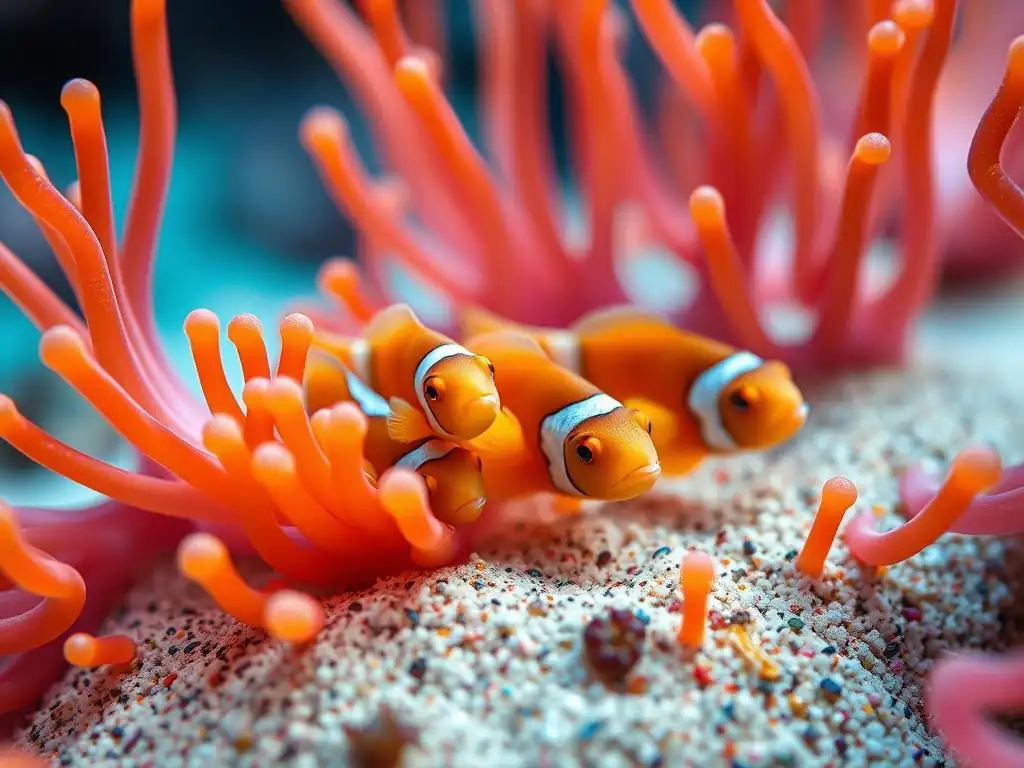
While newly metamorphosed fry are past the initial larval stage, their diet is still rapidly evolving. Immediately post-metamorphosis, they may continue to consume some of the larger rotifers ( Brachionus plicatilis, L-type, typically 100-250 microns) they relied on as larvae, especially during the first few days of the transition. However, their mouths are now large enough to accept significantly larger prey, and their nutritional requirements have increased substantially to support their rapid growth into juveniles.
The primary food source introduced around the time of metamorphosis, typically starting from day 8-10 post-hatch, is newly hatched Artemia nauplii (brine shrimp). These nauplii, measuring approximately 400-500 microns, provide a much more substantial meal than rotifers. They are highly motile, which stimulates the fry's feeding response, and their robust nutritional profile (especially when enriched) supports the accelerated growth rates characteristic of newly metamorphosed fry.
Live Food Enrichment with Selco for Enhanced Nutritional Value
Live foods, particularly newly hatched brine shrimp, are nutritionally incomplete on their own. They lack sufficient levels of essential fatty acids, particularly Docosahexaenoic acid (DHA) and Eicosapentaenoic acid (EPA), which are critical for the neurological development, immune system function, and overall health of newly metamorphosed fry. To address this, live foods must be enriched, or "gut-loaded," with specialized products.
One of the most widely used and effective enrichment products is Selco (or similar lipid-based emulsions). Brine shrimp are typically enriched for 12-24 hours in a separate, aerated container containing a specific concentration of the enrichment product (e.g., 0.5-1.0 gram of Selco per liter of saltwater). This process allows the brine shrimp to ingest the nutrient-rich formula, thereby transferring these vital fatty acids to the newly metamorphosed fry when consumed. This step is non-negotiable for maximizing the health and survival rates of newly metamorphosed fry.
Feeding Schedules and Techniques for Optimal Fry Development
Newly metamorphosed clownfish fry have incredibly high metabolic rates and very small stomachs, meaning they require a constant supply of food. To ensure optimal growth and prevent starvation, frequent feedings are essential. A recommended feeding schedule involves 4-6 small feedings per day, distributed throughout the light cycle, approximately every 3-4 hours. This consistent availability of food ensures that the fry are always fueled for their rapid development.
Feeding techniques also play a crucial role in newly metamorphosed fry care. Instead of simply dumping food into the tank, use a pipette or turkey baster to distribute the live food evenly throughout the water column, allowing all fry ample opportunity to feed. Observe the fry after feeding; their bellies should appear full and rounded, indicating successful consumption. This meticulous approach ensures that every newly metamorphosed fry has access to the nutrition it needs.
Avoiding Overfeeding and Ammonia Spikes in Fry Tanks
While frequent feeding is necessary, overfeeding is one of the quickest ways to crash a newly metamorphosed fry tank. Uneaten live food, particularly brine shrimp, quickly dies and decomposes, rapidly releasing toxic ammonia into the water. Given the small volume of fry tanks, even a seemingly small amount of excess food can lead to a dangerous ammonia spike, which is highly lethal to newly metamorphosed fry.
To prevent this, it is crucial to feed only what the newly metamorphosed fry can consume within 15-30 minutes. After each feeding, meticulously siphon out any uneaten food, detritus, or dead brine shrimp from the bottom of the tank using a small airline tubing. This daily, often multiple-times-a-day, cleaning routine is fundamental to maintaining pristine water quality and preventing ammonia buildup, thereby safeguarding the health of your newly metamorphosed fry.
Monitoring and Maintaining Water Quality in Fry Tanks
Regular Ammonia, Nitrite, and Nitrate Testing and Adjustments for Newly Metamorphosed Fry
Daily, rigorous testing of water parameters is absolutely non-negotiable for successful newly metamorphosed fry care. Ammonia and nitrite levels must consistently register 0 ppm. Even trace amounts, such as 0.25 ppm of ammonia, can cause irreparable gill damage and lead to mass mortality in delicate newly metamorphosed fry. Nitrate levels should be kept below 10 ppm, as higher concentrations can also contribute to stress and susceptibility to disease.
Use reliable liquid test kits, such as those found in a comprehensive saltwater master test kit (e.g., API Saltwater Master Test Kit). If any ammonia or nitrite is detected, immediate action is required, typically in the form of an emergency water change. Consistent, accurate monitoring of these parameters provides critical insights into the health of the system and allows for timely interventions, forming the backbone of effective newly metamorphosed fry care.
Implementing a Daily Water Change Routine for Fry Tanks
Due to the high feeding frequency and the small tank volumes typical for newly metamorphosed fry, a significant percentage of water needs to be replaced daily. A routine of 20-30% daily water changes is commonly recommended to dilute waste products, replenish trace elements, and maintain stable parameters. In some cases, especially with larger batches of fry or during periods of heavy feeding, a 50% daily water change might be necessary.
When performing water changes, always use temperature-matched (78-82°F), properly salinized (1.020-1.025 SG), and dechlorinated saltwater. Gently siphon water from the bottom of the tank to remove detritus and uneaten food, being careful not to suck up any fry. Replenish the water slowly to avoid shocking the newly metamorphosed fry with sudden shifts in temperature or salinity. This diligent daily routine is paramount for the long-term success of newly metamorphosed fry care.
Preventing and Addressing Ammonia Buildup
The most effective strategy for preventing ammonia buildup in newly metamorphosed fry tanks is a proactive approach combining diligent feeding practices, regular detritus removal, and consistent daily water changes. By avoiding overfeeding and meticulously siphoning out any uneaten food after each meal, you eliminate the primary source of ammonia. Furthermore, ensuring that your sponge filter is adequately cycled before introducing fry provides essential biological filtration from day one.
If, despite preventative measures, ammonia is detected, immediate and decisive action is required. Perform a large water change, typically 50% or more, using perfectly matched saltwater. Consider temporarily reducing feeding frequency slightly until water parameters stabilize and ammonia levels return to 0 ppm. While some aquarists use ammonia-binding products in emergencies, these should be considered a last resort and never a substitute for proper newly metamorphosed fry care and meticulous husbandry.
Identifying and Treating Diseases in Newly Metamorphosed Clownfish Fry
Recognizing Early Signs of Brooklynella Hostilis in Clownfish Fry
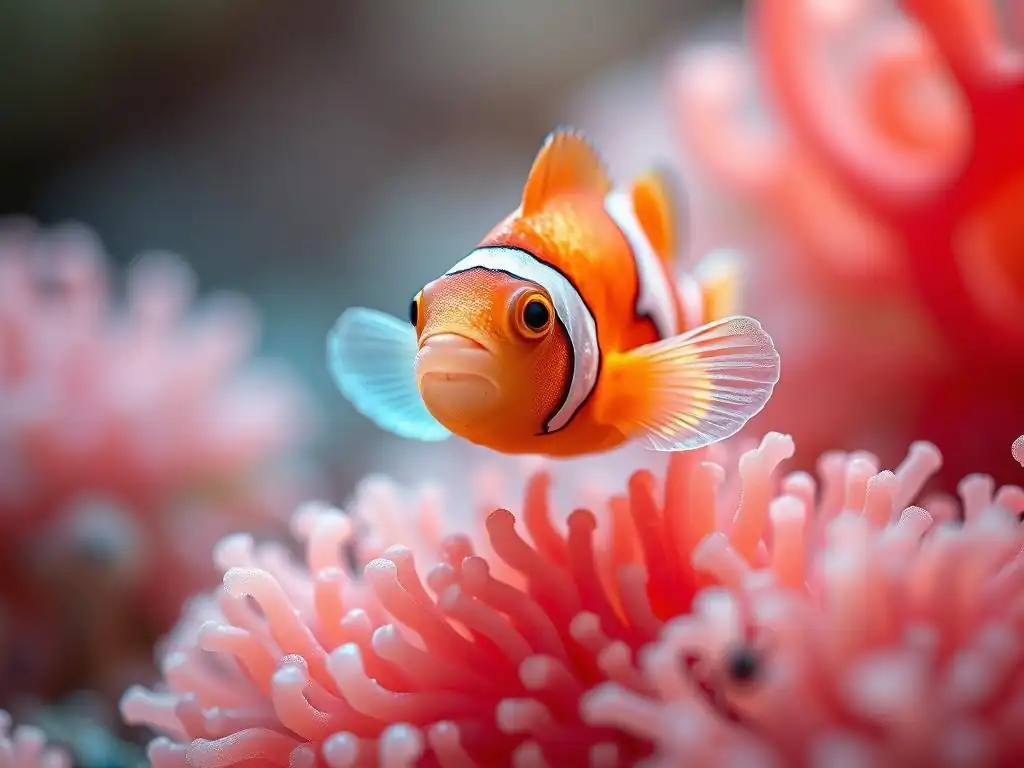
Brooklynella hostilis, commonly known as "Clownfish Disease," is a highly contagious and devastating parasitic infection, particularly lethal for newly metamorphosed fry. Recognizing early signs is critical for intervention. Symptoms include excessive mucus production, giving the fish a slimy or cloudy appearance, rapid and labored breathing (gasping at the surface or flared gills), lethargy, loss of appetite, and flashing or scratching against tank surfaces. White patches or lesions may also develop on the body, fins, and gills.
Due to the rapid progression of Brooklynella, newly metamorphosed fry can succumb to the infection within 24-48 hours of symptoms appearing. Any suspicious behavior or physical changes in the fry should prompt immediate investigation and action. Given their delicate nature, early identification and prompt, appropriate treatment are the only ways to prevent widespread mortality in a batch of newly metamorphosed fry.
Quarantine Procedures for Sick or Suspected Fry
While challenging with the extremely delicate nature of newly metamorphosed fry, isolating sick individuals can be crucial to prevent a widespread outbreak in the main fry tank. A small, bare-bottom container (e.g., a 1-2 gallon plastic bin) with gentle aeration from an air stone can serve as a temporary hospital or quarantine tank. Use water from the main fry tank to fill the quarantine container, minimizing stress from parameter changes.
The goal of quarantine for newly metamorphosed fry is observation and gentle treatment, if necessary. Avoid harsh chemical treatments unless absolutely certain of the diagnosis and dosage, as fry are highly sensitive to medications. Constant monitoring of water parameters in the quarantine tank is essential, as small volumes are prone to rapid degradation. This careful approach to newly metamorphosed fry care can save a batch from total loss.
Copper Treatment and Alternative Options for Common Fry Diseases
Copper-based medications are effective against external parasites like Brooklynella hostilis and marine ich ( Cryptocaryon irritans), but they are also highly toxic to invertebrates and can be stressful for fish, especially newly metamorphosed fry. If copper treatment is deemed necessary, precise dosing is critical; maintain a total copper concentration between 0.15-0.20 ppm using a reliable copper test kit. Formalin dips (e.g., 1 ml of 37% formalin per gallon of water for 30 minutes, with strong aeration) are another effective option for Brooklynella.
Other common issues in newly metamorphosed fry include bacterial infections, which may present as fin rot, cloudy eyes, or general malaise. Broad-spectrum antibiotics can be used, but accurate dosing for such small volumes and delicate creatures is challenging. Ultimately, prevention through pristine water quality, optimal nutrition, and a stress-free environment, as outlined in comprehensive newly metamorphosed fry care protocols, remains the most effective strategy against disease.
Gradual Acclimation to Grow-Out Tank Conditions
Preparing Fry for Transition to a Larger Tank
The transition from a small fry-rearing tank to a larger grow-out tank is a significant milestone in newly metamorphosed fry care. Fry are typically ready for this move when they reach approximately 0.5-1 inch (1.2-2.5 cm) in length, which usually occurs around 3-6 weeks post-metamorphosis, depending on their growth rate and species. Before the transfer, the grow-out tank must be fully cycled, mature, and perfectly stable, mimicking the pristine conditions of the fry tank.
Preparation involves ensuring that the grow-out tank's water parameters—salinity, temperature, and pH—are precisely matched to those of the fry tank. Any discrepancies can cause significant stress or shock to the delicate newly metamorphosed fry. If the grow-out tank has significantly brighter lighting, a gradual acclimation to the new light intensity can also be beneficial, perhaps by starting with lower intensity or shorter photoperiods initially. This meticulous preparation minimizes the shock of transition.
Gradual Introduction to New Tank Mates (Clownfish Only)
For clownfish, "new tank mates" at this stage almost exclusively refers to other clownfish, either from the same batch or different batches being consolidated. It is strongly advised against introducing any other fish species, even seemingly peaceful ones, into a tank with newly metamorphosed fry or young juveniles. Other fish can prey on, outcompete, or simply stress the vulnerable young clownfish, jeopardizing their survival and undermining newly metamorphosed fry care efforts.
The introduction process itself should be slow and gentle. Begin by floating the bag or container holding the fry in the new grow-out tank for 15-20 minutes to equalize temperatures. Then, slowly drip acclimate the fry to the new tank water. This involves gradually adding small amounts of water from the grow-out tank into the fry's container over a period of 30-60 minutes, ensuring a very gradual shift in water chemistry. This slow acclimation is vital for minimizing stress and ensuring successful newly metamorphosed fry care.
Monitoring Fry Behavior During and After Acclimation
Following the transfer, close and continuous observation of the newly metamorphosed fry is paramount. Monitor their behavior for any signs of stress, such as hiding excessively, rapid or labored breathing, refusal to eat, or erratic swimming patterns. The first 24-48 hours after the move are particularly critical as they adjust to their new surroundings, which may include different water flow patterns or a larger open space.
If significant stress is observed, immediately re-check all water parameters in the grow-out tank to ensure stability. Sometimes, providing additional hiding spots (e.g., small PVC pipes or ceramic rings) can help the newly metamorphosed fry feel more secure in their new, larger environment. Adjusting the water flow if it appears too strong can also alleviate stress. Consistent monitoring and swift adjustments are key to ensuring the continued success of newly metamorphosed fry care in their new home.
Long-Term Care and Growth of Metamorphosed Clownfish Fry
Optimizing Diet with Flake Food and Pellets for Continued Growth and Coloration
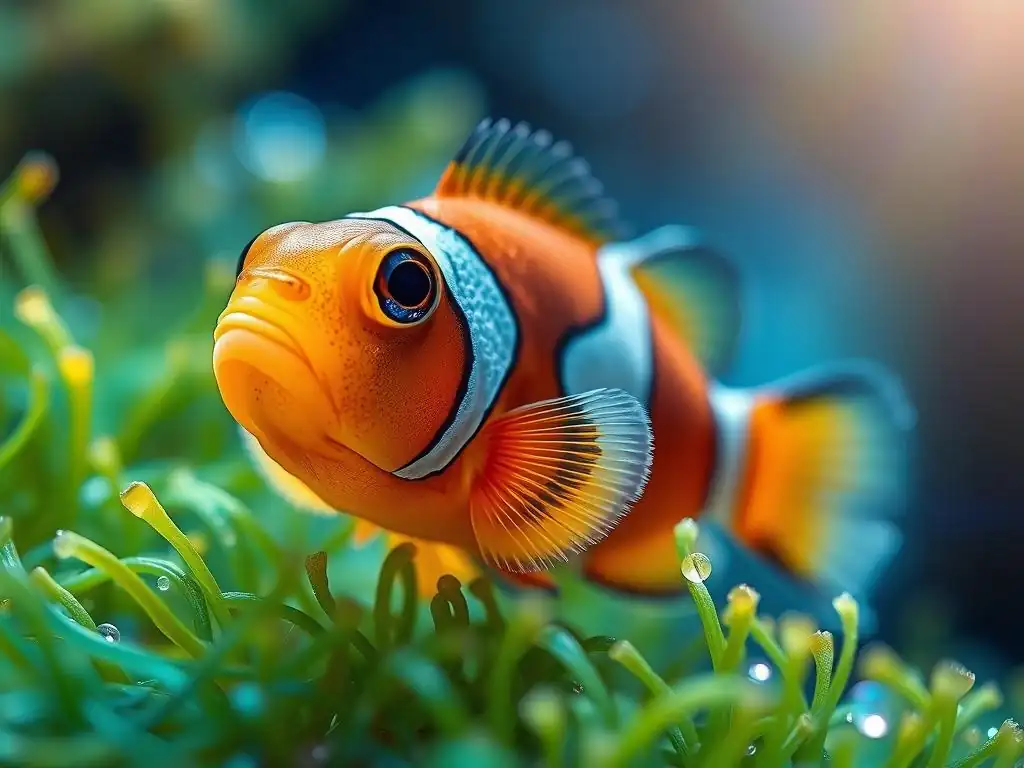
Once newly metamorphosed fry are consistently consuming newly hatched brine shrimp and showing robust growth (typically around 4-6 weeks post-metamorphosis), it's time to gradually transition them to high-quality prepared foods. Begin by finely crushing marine flake foods (e.g., Ocean Nutrition Prime Reef Flakes) or small, high-quality pellets (e.g., TDO Chroma Boost pellets, 0.5mm or 1mm size) and offering them alongside their live food. Over several weeks, gradually increase the proportion of prepared foods while reducing live food offerings.
A varied diet is crucial for ensuring optimal nutrition, vibrant coloration, and robust growth in juvenile clownfish. Supplement the primary diet of flakes and pellets with occasional offerings of frozen mysis shrimp, spirulina-enriched brine shrimp, or finely chopped marine-based frozen foods. This diverse nutritional intake provides all the necessary proteins, fats, vitamins, and minerals required for continued healthy development and the full expression of their natural coloration. This comprehensive approach to their diet is a cornerstone of long-term newly metamorphosed fry care.
Maintaining a Stress-Free Environment for Healthy Development
Continuing to provide a stable, stress-free environment is just as important for growing newly metamorphosed fry as it was in their earliest stages. This involves maintaining consistent water parameters (temperature, salinity, pH, and zero ammonia/nitrite) and ensuring adequate space as they grow. Overcrowding in the grow-out tank can lead to stunted growth, increased aggression among siblings, and a heightened susceptibility to disease due to accumulated waste and stress. A general guideline might be 10-15 juvenile clownfish in a 20-gallon tank.
Social dynamics within the tank also require attention. While clownfish are generally peaceful, juveniles can exhibit aggression towards smaller or weaker siblings, especially as they mature. Ensure there are enough hiding spots (e.g., small rock structures, PVC pipes) to allow less dominant fish to retreat. Regularly monitor for signs of bullying, and be prepared to remove overly aggressive individuals if necessary to protect the health and well-being of the entire batch of newly metamorphosed fry.
Documenting Growth and Development for Future Reference
Maintaining detailed records of your newly metamorphosed fry's growth and development is an invaluable practice for any serious aquarist or breeder. Keep a log that includes the date of hatch, date of metamorphosis, the dates they began accepting different food types (e.g., brine shrimp, then flakes), weekly length measurements, water parameters, and any health issues or treatments administered.
This comprehensive documentation provides critical insights into the effectiveness of your newly metamorphosed fry care protocols. For instance, noting that a particular batch reached 1 inch in length by week 8, or that a specific feeding regimen led to accelerated growth, can help refine future breeding attempts. This data-driven approach allows for continuous improvement in your understanding and execution of newly metamorphosed fry care, leading to higher success rates in the long run.
Troubleshooting Common Issues in Post-Metamorphosis Clownfish Fry Care
Addressing Stunted Growth in Newly Metamorphosed Fry
Stunted growth in newly metamorphosed fry is a common and frustrating issue, often indicative of underlying problems in their care. The primary causes are typically poor nutrition (insufficient food quantity, lack of enriched foods, or inappropriate food size), suboptimal water quality (chronic high nitrates, fluctuating parameters, or persistent low-level ammonia/nitrite), or overcrowding. For example, if your newly metamorphosed fry are not reaching at least 0.5 inches in length by 3 weeks post-metamorphosis, it's a strong indicator of stunting.
To address stunted growth, first review your feeding regimen: increase feeding frequency to 6-8 times daily, ensure live foods are properly enriched with high-quality products like Selco, and confirm that prepared foods are appropriately sized and nutritionally dense. Concurrently, increase water change frequency (e.g., 30-40% daily) to ensure pristine water quality. If overcrowding is suspected, consider splitting the batch into multiple grow-out tanks to provide more space. Promptly addressing these issues is vital for the recovery and long-term health of newly metamorphosed fry.
Dealing with High Mortality Rates in Fry Tanks
High mortality rates in newly metamorphosed fry tanks are often a clear sign of significant problems within the system. The most common culprits include acute disease outbreaks (such as Brooklynella hostilis), sudden and severe water quality degradation (e.g., ammonia or nitrite spikes, sudden temperature swings), starvation due to insufficient or inaccessible food, or genetic deformities. A sudden, unexplained drop in numbers (e.g., 20% loss overnight) typically points to an acute water quality issue or a rapidly progressing disease.
When faced with high mortality, immediate action is required. First, rigorously test all water parameters (ammonia, nitrite, nitrate, pH, temperature, salinity). If any parameter is off, perform an immediate, large water change (50% or more). Next, observe the remaining newly metamorphosed fry closely for any signs of disease. Review your feeding logs to rule out starvation. If water parameters are pristine and symptoms are present, consider a broad-spectrum treatment for common fry diseases, but always prioritize improving overall newly metamorphosed fry care protocols as the foundational solution.
Preventing and Managing Algae Blooms in Fry Environments
Algae blooms in newly metamorphosed fry tanks are a common nuisance, primarily caused by excess nutrients (from uneaten food and fish waste) combined with too much light. While some beneficial microalgae can serve as a supplemental food source for very young fry, excessive blooms can compete for oxygen at night, obscure visibility, and potentially trap or stress delicate newly metamorphosed fry. Green water, brown diatom films, and stringy algae are common forms.
To prevent and manage algae, first, meticulously reduce feeding amounts and diligently siphon out all uneaten food after each feeding. This is the single most effective step. Secondly, adjust your lighting regimen: shorten the photoperiod (e.g., 8-10 hours instead of 14) or reduce the light intensity. Increase the frequency and volume of water changes to export excess nutrients. While a few small, peaceful snails (like Nerite snails) can help control minor algae once fry are larger and less vulnerable, manual removal with a soft brush or scraper is often the most practical solution in sensitive newly metamorphosed fry environments.
Advanced Techniques for Maximizing Fry Survival Rates
Utilizing Probiotics for Gut Health in Fry
Probiotic supplementation is an advanced technique gaining traction in newly metamorphosed fry care, aimed at improving gut health and overall resilience. Specific strains of beneficial bacteria (e.g., Bacillus species) can be incorporated into the fry's diet or directly added to the water column. These probiotics help establish a robust and diverse gut microbiome, which is crucial for efficient digestion, enhanced nutrient absorption, and bolstering the newly metamorphosed fry's developing immune system against pathogenic bacteria. Studies in aquaculture have shown improved growth rates and survival with consistent probiotic use.
Application typically involves enriching live foods, such as brine shrimp, by soaking them in a probiotic solution for an hour or more before feeding. Alternatively, powdered probiotics can be mixed into prepared foods or directly dosed into the fry tank water. This specialized approach to newly metamorphosed fry care contributes to healthier, more robust fry that are better equipped to handle environmental stressors and potential disease challenges, ultimately maximizing survival rates.
Implementing a Refugium System for Enhanced Water Quality
For dedicated breeders, integrating a small refugium system can significantly enhance water quality and stability in newly metamorphosed fry care. A refugium, typically a separate chamber or sump section connected to the fry tank, houses macroalgae (like Chaetomorpha) and beneficial microfauna (such as copepods). The macroalgae effectively absorb nitrates and phosphates from the water, acting as a natural filtration system that outcompetes nuisance algae and helps maintain pristine conditions.
Furthermore, copepods within the refugium can reproduce and provide a continuous, natural source of live, nutritious food for the newly metamorphosed fry. The design must ensure a gentle flow from the fry tank to the refugium and back, without any risk of drawing in the tiny fry. This advanced technique offers a stable, biologically diverse environment that mirrors natural conditions, providing a superior level of newly metamorphosed fry care for long-term success.
Specific Considerations for Ocellaris vs. Percula Clownfish Post-Metamorphosis Care
While Amphiprion ocellaris (Ocellaris clownfish) and Amphiprion percula (Percula clownfish) are the most commonly bred species and share many similarities in their post-metamorphosis care, there are subtle distinctions worth noting. Ocellaris fry are generally considered slightly hardier and more forgiving of minor fluctuations in water parameters or feeding schedules, making them a popular choice for beginner breeders. Percula fry, on the other hand, can sometimes be a bit more delicate and may experience slightly higher initial losses during the metamorphosis phase.
In terms of growth rates and behavior, Ocellaris fry typically grow slightly faster and may begin to exhibit signs of aggression towards siblings at an earlier age compared to Percula fry. Percula fry might also take a few extra days to fully accept prepared foods, requiring a slightly longer reliance on live foods. These subtle differences in their growth and developmental timelines can influence the timing of tank transitions, the introduction of prepared foods, or the need for earlier intervention in managing aggression within a batch, highlighting the nuanced aspects of newly metamorphosed fry care.
Frequently Asked Questions
How soon after metamorphosis should I start feeding my fry?
You should begin feeding your newly metamorphosed fry as soon as they begin actively swimming and searching for food. Usually, this is within 24-48 hours of completing their metamorphosis. Early feeding is crucial for their survival and growth.
What type of food is best for newly metamorphosed fry?
The ideal food for newly metamorphosed fry is something small and easily digestible. This includes live foods like baby brine shrimp, microworms, and rotifers. Alternatively, high-quality powdered fry food specifically formulated for small fish can be used.
How often should I feed my newly metamorphosed fry?
Fry need frequent feedings due to their high metabolism and small stomach size. Aim to feed them small amounts 3-5 times per day. Ensure the food is consumed within a few minutes to prevent water quality issues.
What water parameters are most critical for newly metamorphosed fry?
Maintaining pristine water quality is paramount. Keep the water clean through frequent small water changes (10-20% daily or every other day). Pay close attention to ammonia, nitrite, and nitrate levels, ensuring they are at zero or near-zero.
How can I prevent bullying or competition among newly metamorphosed fry?
Ensure the tank is adequately sized for the number of fry you have and provide plenty of hiding places like plants or decorations. Consistent feeding will also help reduce competition and aggression.
Final Reflection: Nurturing Potential, Shaping Futures
The journey from egg to fully formed fry is a remarkable testament to nature's resilience, but the transition to independent life is where our dedication truly shines. Ensuring the well-being of newly metamorphosed fry is not merely about providing food and shelter; it's about fostering the potential for a thriving future generation. This delicate stage demands a mindful approach, one that recognizes the unique vulnerabilities and needs of these tiny creatures as they navigate their new world.
The impact of diligent post-metamorphosis care extends far beyond the individual fry. It shapes the health and vitality of entire aquatic ecosystems, contributing to biodiversity and the long-term sustainability of our hobby. The commitment we make to these vulnerable creatures reflects our broader responsibility to the natural world. As Jacques Cousteau wisely stated: People protect what they love.
By nurturing these fry, we cultivate a deeper appreciation and commitment to protecting the aquatic environments they represent.
Now, as you reflect on the knowledge shared within these pages, consider the profound impact you can have on the lives of these newly transformed fry. Embrace the challenge of providing optimal care, not just as a task, but as an opportunity to contribute to a healthier, more vibrant aquatic world. Let your dedication be a beacon of hope, illuminating the path towards a future where every fry has the chance to flourish and reach its full potential.
Dive Deeper: Chart Your Fry's Flourishing Future!
Thanks for exploring the crucial stages of post-metamorphosis fry care with us. You've now got the insights to nurture your tiny aquatic wonders! Let's turn that knowledge into action and ensure their long-term success.
Here's what you can do next:
- Implement a meticulously planned feeding schedule using high-quality, varied foods to maximize their growth and vibrancy.
- Delve into advanced filtration techniques. Research specific filter types (sponge, canister, etc.) to optimize water quality beyond the basics.
- Start a photo journal of your fry's development. Capture their incredible transformation and share their journey with the Aquarium Mastery community!
What innovative feeding strategy will you implement first to see a visible improvement in your fry's health?