
Can Oscars Live Alone? The Solitary vs. Community Tank Debate

Welcome to Aquarium Mastery!
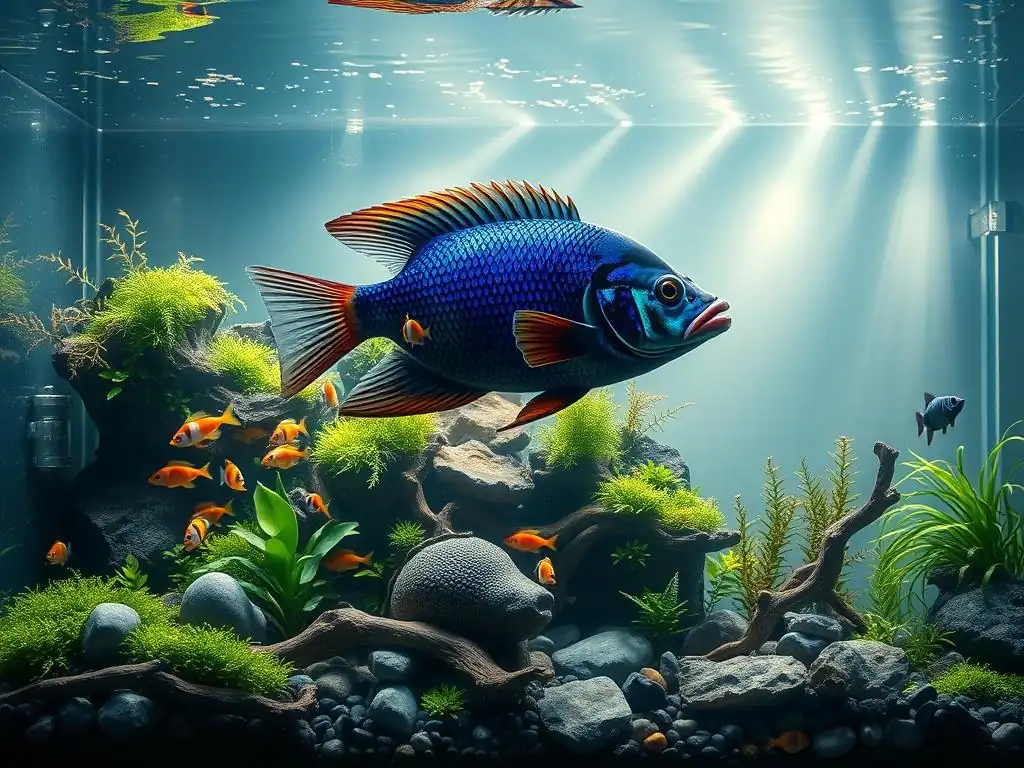
Ever wondered if the majestic Oscar fish truly thrives in solitude? Dive into our latest exploration of the "Oscar fish alone tank" debate and uncover the surprising insights into their social needs and ideal living environments. Get ready to challenge your assumptions and discover the best way to ensure your Oscar flourishes! Ready to unravel the mystery?
- Can Oscars Live Alone? The Solitary vs. Community Tank Debate for Oscar Fish
- Understanding the Oscar Fish: A Profile for Aquarium Keepers
- The "Oscar Fish Alone Tank" Concept: Exploring Solitary Housing
- Oscar Fish Tank Mates: Exploring Community Tank Options
- Oscar Fish Alone vs. Community Tank: A Detailed Comparison
- Setting Up the Ideal Tank for Your Oscar: Whether Alone or with Companions
- Oscar Fish Health and Wellbeing: Monitoring Behavior in Different Tank Setups
- Conclusion: Making the Right Decision for Your Oscar Fish's Needs
-
Frequently Asked Questions
- Can Oscars be kept alone in a tank?
- What are the benefits of keeping an Oscar fish in a solitary tank?
- What size tank is recommended if I choose to keep an Oscar alone?
- Are there any downsides to keeping an Oscar fish alone?
- If I decide to keep my Oscar in a community tank, what are some good tank mates?
- Final Reflection: The Oscar's Echo in Our Choices
- Ignite Your Tank: Discover Oscar's Ideal Habitat!
Can Oscars Live Alone? The Solitary vs. Community Tank Debate for Oscar Fish
Understanding the Oscar Fish: A Profile for Aquarium Keepers
Oscar Fish Natural Habitat and Behavior in the Wild
Oscar fish, scientifically known as Astronotus ocellatus, originate from the slow-moving waters of the Amazon basin, including its tributaries and floodplains, spanning countries like Brazil, Peru, Ecuador, and Colombia. In their natural environment, these cichlids are typically found in calm, murky waters, often near submerged roots, fallen trees, and rocky crevices that provide ample cover for ambush predation. They are opportunistic feeders, preying on smaller fish, insects, crustaceans, and even plant matter.
Their wild size can be quite impressive, with some individuals reaching up to 18 inches (approximately 45 cm) in length, though captive specimens usually grow to 10-14 inches (25-35 cm). This natural inclination for hiding and ambushing prey shapes their territorial instincts, which are crucial when considering an Oscar fish alone tank or a community setup.
The Oscar's natural habitat is characterized by stable water parameters, typically warm temperatures ranging from 74-81°F (23-27°C) and a slightly acidic to neutral pH between 6.0 and 7.5. These conditions contribute to their robust health and growth in the wild. Their behavior often involves patrolling a specific territory, even if loosely defined, especially during breeding periods.
While not strictly solitary, they do not form large schools and are more commonly observed as individuals or in loose pairs, particularly when mature. Understanding these inherent traits is fundamental to providing an optimal environment in an aquarium, whether it's a dedicated Oscar fish alone tank or a more complex community arrangement.
The temperament of an Oscar fish is a primary consideration for any aquarist, as these cichlids are known for their strong personalities and potential for aggression. Unlike schooling fish such as tetras or barbs, Oscars do not exhibit schooling behavior and generally prefer their own space.
While juvenile Oscars may tolerate each other and even form loose groups, adult Oscars often become highly territorial, especially as they mature and approach breeding age. This territoriality can manifest as fin nipping, chasing, or outright aggression towards tank mates, making the concept of an Oscar fish alone tank particularly appealing to many hobbyists.
Despite their independent nature, Oscars are highly intelligent and can form strong bonds with their owners, often recognizing individuals and even begging for food. This interactive quality is one reason they are so popular. However, their social needs within an aquarium setting are minimal when it comes to other fish.
They do not require the company of conspecifics to thrive and often exhibit less stress and better overall health when housed individually. In fact, attempting to house multiple Oscars or other large, aggressive fish in an inadequately sized tank can lead to significant stress, injury, and even death, strongly advocating for the benefits of an Oscar fish alone tank in many scenarios.
The "Oscar Fish Alone Tank" Concept: Exploring Solitary Housing
Benefits of Keeping Oscar Fish in a Single-Species Tank
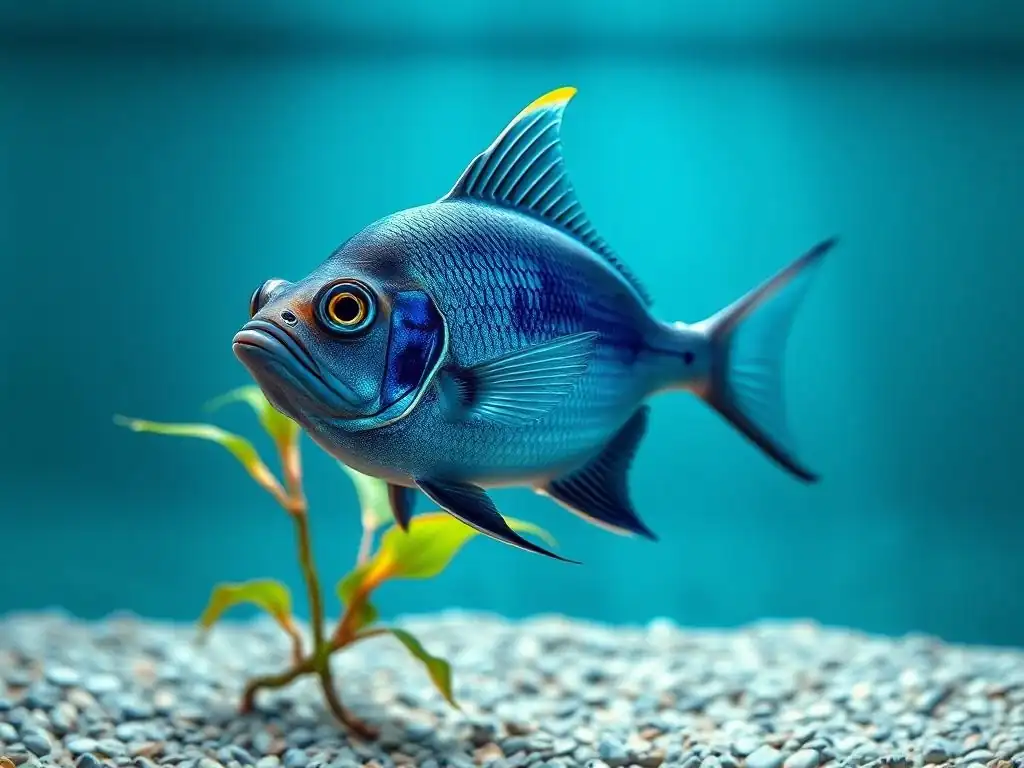
Opting for an Oscar fish alone tank presents several significant advantages for both the fish and the aquarist. Firstly, it drastically reduces the risk of aggression and stress. Oscars are powerful and boisterous fish, and in a community setting, their natural behaviors like digging, rearranging decor, and asserting dominance can stress out or injure other fish.
In a solitary setup, the Oscar is the undisputed king of its domain, leading to a calmer, more predictable environment. This lack of competition for space and resources often results in a more relaxed fish that exhibits its full range of natural behaviors without inhibition.
Secondly, a single-species tank simplifies feeding and water quality management. When an Oscar is housed alone, the aquarist can precisely control the amount of food given, ensuring the fish receives adequate nutrition without competition. This also reduces excess food waste, which in turn minimizes the bio-load on the filtration system.
For instance, a 75-gallon Oscar fish alone tank typically requires weekly water changes of 25-30% to maintain pristine conditions, whereas a community tank of similar size with multiple large fish might necessitate 40-50% weekly changes. This reduced maintenance burden, coupled with the absence of inter-species aggression, often translates to a healthier, faster-growing Oscar with more vibrant coloration and a longer lifespan.
Considerations for a Solitary Oscar Tank Setup: Size and Enrichment
While an Oscar fish alone tank simplifies many aspects of care, careful planning regarding tank size and enrichment is still paramount. An adult Oscar, typically reaching 10-14 inches in captivity, requires a substantial amount of swimming space to thrive. A minimum tank size of 75 gallons (approximately 284 liters) is widely recommended for a single adult Oscar. This volume provides sufficient room for the fish to turn comfortably, establish a territory, and engage in natural swimming patterns without feeling confined. Skimping on tank size can lead to stunted growth, increased stress, and behavioral issues, even for a solitary Oscar.
Beyond volume, the dimensions of the tank are equally important. A longer tank (e.g., 48 inches for a 75-gallon) is generally preferred over a taller, narrower one, as it offers more horizontal swimming space. Enrichment is also vital to prevent boredom and stimulate the Oscar's intelligent mind.
This includes providing sturdy decorations like large pieces of driftwood, smooth rocks, or PVC pipes that the fish can interact with, hide in, and rearrange without risk of injury. Strong filtration, such as a high-capacity canister filter rated for 2-3 times the tank volume, is essential for maintaining water quality in an Oscar fish alone tank, as these fish are messy eaters and produce a significant amount of waste. Regular tank maintenance, including weekly water changes and gravel vacuuming, remains crucial to ensure a healthy and stimulating environment.
Oscar Fish Tank Mates: Exploring Community Tank Options
Selecting Compatible Tank Mates for Oscar Fish: Temperament and Size Considerations
When considering tank mates for Oscar fish, the primary challenge lies in their predatory nature and potential for aggression. Successful community setups require careful selection of fish that can coexist with the Oscar's boisterous and sometimes territorial temperament. Ideal tank mates should generally be of similar size to the Oscar, or at least large enough not to be considered a meal.
A good rule of thumb is that any fish small enough to fit into an Oscar's mouth, regardless of its temperament, is a potential snack. This often means excluding smaller species like neon tetras, guppies, or even medium-sized barbs.
Furthermore, compatible tank mates should be robust, fast-moving, and possess a temperament that can either stand up to the Oscar's assertiveness or simply ignore it. Slow-moving, long-finned, or overly placid fish are usually poor choices, as they are more susceptible to fin nipping or outright bullying. For instance, Angelfish, while cichlids, are generally too delicate and slow to thrive with an Oscar. The water parameters required by potential tank mates must also align with the Oscar's preferences for warm, slightly acidic to neutral water, ensuring a healthy environment for all inhabitants.
Popular Oscar Tank Mate Choices: Silver Dollars, Convict Cichlids, Plecos
Despite their challenging nature, several species are commonly and successfully kept as Oscar tank mates. Silver Dollars (Metynnis argenteus) are a popular choice due to their large size (often reaching 6-8 inches), fast swimming ability, and herbivorous diet, which makes them less likely to be seen as prey. They are schooling fish, so a group of at least 5-6 is recommended, which in turn necessitates a significantly larger tank, typically 150 gallons or more, for an Oscar and a school of Silver Dollars. Their speed and flat body shape make them difficult targets for an Oscar.
Another viable option is the Convict Cichlid (Amatitlania nigrofasciata). While smaller than Oscars, they are incredibly tough, highly territorial, and can hold their own. Their aggressive nature often deters Oscars from bullying them, and their similar water parameter requirements make them suitable. However, their own aggression, especially during breeding, must be considered.
Large Plecos (Pterygoplichthys species), such as the Common Pleco, are also frequently chosen. Their armored bodies, bottom-dwelling habits, and sheer size (often exceeding 12-18 inches) make them largely impervious to an Oscar's aggression. Species like the Sailfin Pleco or Gibby Pleco can provide excellent tank cleaning services while coexisting peacefully. It is crucial to remember that even with these compatible options, a spacious aquarium, typically 125-150 gallons for an Oscar with 2-3 tank mates, is essential to minimize aggression and provide adequate territory for all inhabitants.
Challenges of Keeping Oscars in a Community Tank
While tempting to create a diverse community, housing Oscar fish with tank mates presents several significant challenges that can lead to stress, injury, or even death for the inhabitants. The primary hurdle is the Oscar's inherent aggression and predatory instinct. Even with carefully selected tank mates, there's always a risk that the Oscar will become territorial, especially as it matures, leading to bullying, fin nipping, or outright attacks. Smaller fish, even those considered "tough," can quickly become prey if they fit into the Oscar's surprisingly large mouth. This unpredictability means constant vigilance is required from the aquarist.
Another major challenge lies in maintaining optimal water quality. Adding more large fish to a tank dramatically increases the bio-load, meaning more waste is produced. This necessitates more robust filtration systems and more frequent, larger water changes compared to an Oscar fish alone tank.
For example, a 150-gallon community tank with an Oscar and several large tank mates might require 50% weekly water changes to keep nitrates below 20 ppm, whereas a 75-gallon solitary Oscar tank might thrive with 25-30% weekly changes. Feeding also becomes more complex; ensuring all fish receive adequate nutrition without overfeeding the Oscar or allowing smaller, slower tank mates to be outcompeted requires careful observation and potentially multiple feeding strategies. These challenges often lead aquarists back to the simpler, more stable environment of an Oscar fish alone tank.
Oscar Fish Alone vs. Community Tank: A Detailed Comparison
Tank Size Requirements: Solitary vs. Community Oscar Aquariums
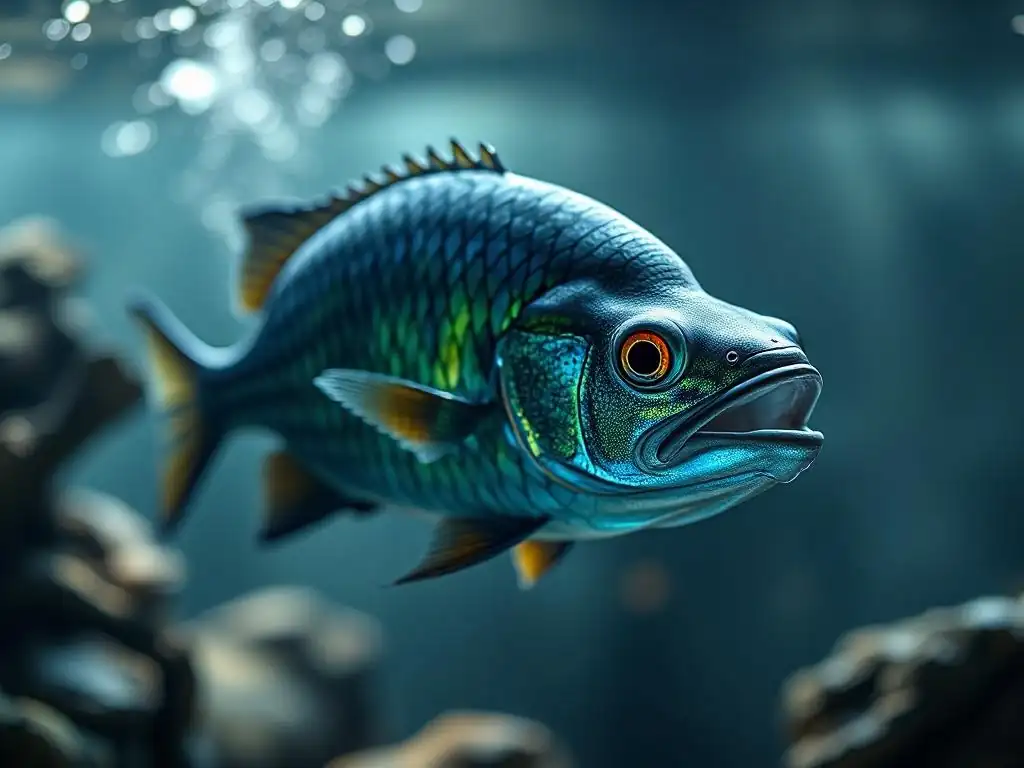
The distinction in tank size requirements is perhaps the most critical factor when deciding between an Oscar fish alone tank and a community setup. For a single adult Oscar, which typically reaches 10-14 inches in captivity, a minimum tank size of 75 gallons (approximately 284 liters) is recommended. This provides sufficient space for the fish to grow to its full potential, swim comfortably, and exhibit natural behaviors without feeling cramped. A 75-gallon tank usually measures around 48 inches in length, offering ample horizontal swimming room, which is crucial for an active fish like the Oscar.
In contrast, a community tank housing an Oscar with compatible tank mates demands significantly more volume. For an Oscar with even one or two appropriate companions like Silver Dollars or large Plecos, a tank of at least 125-150 gallons (approximately 473-568 liters) is generally considered the absolute minimum. This larger footprint (often 60-72 inches in length) allows each fish to establish its own territory, reducing direct conflicts and providing escape routes.
Attempting to house an Oscar in a community setting in a tank smaller than 125 gallons dramatically increases stress levels for all inhabitants, leading to aggression, stunted growth, and a higher risk of disease. The increased bioload from multiple large fish also necessitates the larger volume to help dilute waste products.
Water Parameters and Maintenance: Differences Between Tank Setups
Maintaining stable and pristine water parameters is paramount for Oscar fish, regardless of whether they are housed in an Oscar fish alone tank or a community setup. However, the frequency and volume of maintenance differ significantly between the two. Oscars are notoriously messy eaters and produce a substantial amount of waste, contributing to rapid nitrate accumulation. In a solitary 75-gallon Oscar fish alone tank, a routine of 25-30% weekly water changes is typically sufficient to keep ammonia and nitrite at undetectable levels (0 ppm) and nitrates below 20 ppm, provided adequate filtration is in place.
For a community tank with an Oscar and several large tank mates, the collective bio-load is considerably higher. This increased waste production means that more frequent and larger water changes are often necessary to maintain optimal water quality. A 125-150 gallon community tank might require 40-50% weekly water changes, or even more frequent smaller changes, to prevent nitrate spikes and ensure the health of all inhabitants.
Robust filtration, often involving multiple large canister filters or a wet/dry sump system, becomes even more critical in community setups to handle the increased organic load. Regular testing of ammonia, nitrite, and nitrate levels is essential in both scenarios, but especially so in community tanks where the margin for error is much smaller.
Feeding and Nutrition: Adjusting for Single Oscars and Community Tanks
Feeding an Oscar fish alone tank offers a straightforward approach to nutrition. The aquarist can easily monitor the Oscar's intake, ensuring it receives a balanced diet of high-quality cichlid pellets or sticks, supplemented with occasional treats like krill, earthworms, or feeder insects. Since there's no competition, the Oscar can eat at its own pace, and the precise amount of food can be adjusted based on its size, activity level, and growth stage. This direct feeding method minimizes waste and allows for tailored nutritional programs, which can lead to better growth and vibrant coloration.
In a community tank, feeding becomes a more complex endeavor due to the presence of multiple fish with potentially varying dietary needs and feeding speeds. Oscars are fast and aggressive eaters, often outcompeting slower or more timid tank mates for food. This can lead to some fish being overfed while others are underfed, potentially causing nutritional deficiencies or excessive waste.
To mitigate this, aquarists might need to employ different feeding strategies, such as offering food in multiple locations simultaneously, using different types of food (e.g., sinking pellets for bottom dwellers, floating for Oscars), or even hand-feeding the Oscar to ensure other fish get their share. Careful observation during feeding times is crucial to ensure that all inhabitants in a community setup receive adequate nutrition, highlighting another advantage of the simpler feeding regime in an Oscar fish alone tank.
Observing Oscar Fish Behavior: Solitary vs. Group Dynamics
Observing the behavior of an Oscar fish provides valuable insights into its well-being, and there are notable differences between solitary and community tank dynamics. In an Oscar fish alone tank, the fish often develops a strong bond with its owner, displaying inquisitive behavior, following movements outside the tank, and even "begging" for food.
They tend to be more relaxed, exhibiting their full range of natural behaviors like digging, rearranging substrate, and exploring their environment without the constant stress of social interactions. Signs of stress in a solitary Oscar might include lethargy, clamped fins, or excessive hiding, often indicating poor water quality or insufficient enrichment.
In a community tank, an Oscar's behavior is heavily influenced by its tank mates. While some Oscars might coexist peacefully, others will exhibit territorial aggression, chasing, fin nipping, or even predatory attacks. Observing these interactions is crucial. Signs of stress in a community Oscar might include persistent hiding, rapid breathing, faded coloration, or physical injuries from altercations.
Conversely, tank mates may show signs of stress like clamped fins, rapid breathing, or hiding if they are constantly being bullied. The dynamic nature of a community tank means that the aquarist must be vigilant, constantly assessing the social hierarchy and intervening if aggression becomes excessive. This continuous monitoring is a significant commitment that is largely absent with an Oscar fish alone tank.
Setting Up the Ideal Tank for Your Oscar: Whether Alone or with Companions
Choosing the Right Aquarium Size for an Oscar Fish
The choice of aquarium size is paramount for the health and well-being of an Oscar fish, irrespective of whether it will be housed in an Oscar fish alone tank or a community setup. For a single adult Oscar, which commonly grows to 10-14 inches (25-35 cm) in captivity, a minimum tank size of 75 gallons (approximately 284 liters) is absolutely essential.
This provides ample swimming space and helps dilute the significant waste produced by these large cichlids, contributing to stable water parameters. A tank of this size typically measures around 48 inches in length, which allows for proper horizontal swimming and turning.
If the intention is to keep an Oscar with compatible tank mates, the required tank size increases dramatically. For an Oscar paired with one or two large, robust companions like Silver Dollars or a large Pleco, a minimum of 125-150 gallons (approximately 473-568 liters) is necessary.
This larger volume, often measuring 60-72 inches in length, provides sufficient territory for each fish, reducing aggression and stress. Attempting to house an Oscar in an undersized tank, even an Oscar fish alone tank, can lead to stunted growth, increased susceptibility to disease, and behavioral issues such as aggression, lethargy, or repetitive movements, ultimately compromising the fish's quality of life.
Essential Equipment for Oscar Fish: Filtration, Heating, and Lighting
Proper equipment is critical for any Oscar setup, ensuring a healthy environment regardless of it being an Oscar fish alone tank or a community one. Filtration is arguably the most important piece of equipment. Oscars are heavy bio-load producers, so over-filtration is not just recommended, it's essential.
High-capacity external canister filters are generally preferred, rated for at least 2-3 times the tank volume. For example, a 75-gallon tank should have a filter rated for 150-225 GPH (gallons per hour) or more, providing strong mechanical, biological, and chemical filtration. Some aquarists even run two filters on a single Oscar tank for redundancy and superior water quality.
Heating is also vital, as Oscars are tropical fish requiring stable water temperatures between 74-81°F (23-27°C). Reliable submersible heaters, typically 300 watts for a 75-gallon tank, are necessary, often with two smaller heaters to ensure even heat distribution and provide a backup in case one fails. Lighting for an Oscar tank is less critical for the fish itself, as they prefer subdued environments similar to their natural murky habitats.
Standard fluorescent or LED lighting that enhances fish colors without being overly bright is usually sufficient. Avoid intense lighting that can stress the fish or promote excessive algae growth. A sturdy stand capable of supporting the immense weight of a filled aquarium (a 75-gallon tank weighs over 800 pounds when full) is also non-negotiable for safety.
Decorating the Oscar Fish Tank: Creating a Natural and Enriching Environment
Decorating an Oscar fish tank, whether an Oscar fish alone tank or a community setup, requires careful consideration to provide both aesthetic appeal and a functional, enriching environment for these intelligent cichlids. Oscars are notorious for their tendency to rearrange tank decor, often digging up plants and moving smaller rocks. Therefore, all decorations must be heavy, stable, and securely placed to prevent them from toppling over and potentially injuring the fish or cracking the tank glass. Large, smooth river rocks, secured driftwood, or robust PVC pipes can provide excellent hiding spots and territorial markers.
Substrate choice is also important. Fine sand or smooth, small gravel is preferable to sharp, coarse gravel, as Oscars enjoy sifting through the substrate and can injure their delicate mouths or barbels on rough edges. Live plants are generally not recommended unless they are extremely hardy and securely potted, as Oscars will typically uproot or consume them.
Artificial plants can be a good alternative, provided they are made of fish-safe materials and are weighted down. Creating a varied landscape with open swimming areas, along with caves and crevices for hiding, will stimulate the Oscar's natural instincts and reduce boredom, contributing significantly to the well-being of an Oscar fish alone tank or a bustling community one.
Oscar Fish Health and Wellbeing: Monitoring Behavior in Different Tank Setups
Common Health Issues in Oscar Fish: Prevention and Treatment
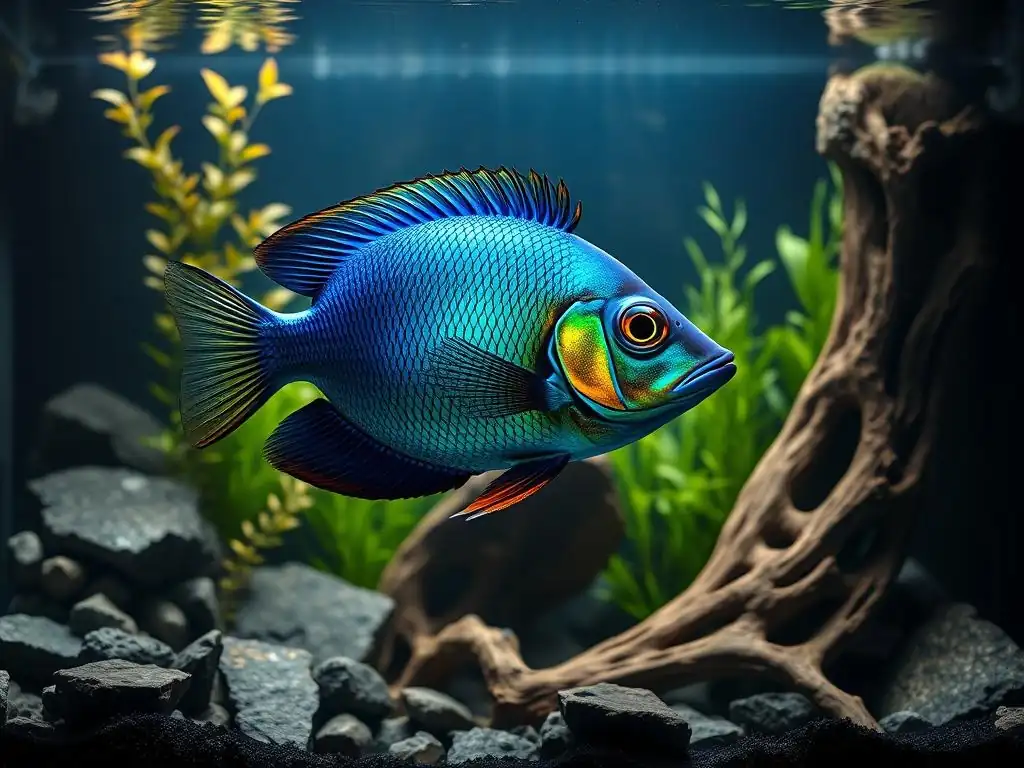
Oscar fish are generally hardy, but like all aquarium inhabitants, they are susceptible to certain health issues, many of which are linked to poor water quality or inadequate nutrition. One of the most prevalent and concerning conditions is Hole-in-the-Head (HITH) disease, characterized by pitting and lesions on the head and lateral line. HITH is often associated with poor water quality (especially high nitrates), nutritional deficiencies (lack of vitamins, particularly C and D), and the presence of activated carbon for too long.
Prevention involves rigorous water maintenance, including consistent weekly water changes of 25-30% for an Oscar fish alone tank, and a varied, high-quality diet. Treatment often involves improving water quality, adding essential vitamins, and sometimes medication.
Other common ailments include fin rot, caused by bacterial infections often exacerbated by poor water conditions or stress from aggression, and Ich (white spot disease), a parasitic infection that manifests as small white spots on the fish's body and fins. Both are treatable with specific aquarium medications, but prevention through stable water parameters, appropriate tank mates (or an Oscar fish alone tank to reduce stress), and proper nutrition is always the best approach.
Observing your Oscar daily for changes in behavior, appetite, coloration, or physical appearance is crucial for early detection and successful treatment, ensuring the long-term health and vitality of your aquatic companion.
Recognizing Signs of Stress in Solitary and Community Tank Oscars
Recognizing signs of stress is vital for the well-being of Oscar fish, as stress can compromise their immune system and lead to various health problems. While the triggers for stress may differ between an Oscar fish alone tank and a community setup, the symptoms are often similar. Common indicators of stress include clamped fins, where the fins are held tightly against the body, faded coloration, a dulling of their vibrant patterns, and rapid gill movement or heavy breathing, signaling poor water quality or oxygen deprivation. Loss of appetite or regurgitation of food are also clear warning signs.
In an Oscar fish alone tank, stress might manifest as lethargy (unusual inactivity), constant hiding (if adequate hiding spots are available), or repetitive swimming patterns (e.g., pacing along the glass), which could indicate boredom or insufficient enrichment. For Oscars in a community tank, additional stress signs include excessive hiding to avoid aggressive tank mates, torn fins or body wounds from altercations, or a dominant Oscar constantly harassing other fish.
Conversely, bullied tank mates will also show signs of stress. Promptly identifying these behaviors and addressing the underlying cause—whether it's poor water quality, inadequate tank size, improper tank mates, or lack of enrichment—is crucial for ensuring the health and happiness of your Oscar fish.
Conclusion: Making the Right Decision for Your Oscar Fish's Needs
Factors to Consider When Deciding Between a Solitary or Community Oscar Tank
The decision of whether to keep an Oscar fish alone tank or integrate it into a community setup hinges on several critical factors, each demanding careful consideration from the aquarist. Firstly, available space is paramount; a solitary Oscar requires a minimum of 75 gallons, while a community tank demands 125-150 gallons or more, making it unsuitable for smaller living spaces. Secondly, time commitment plays a role; community tanks typically require more frequent and larger water changes, increased vigilance for aggression, and more complex feeding strategies compared to the simpler maintenance of an Oscar fish alone tank.
Thirdly, aquarist experience is a significant factor. Managing the dynamics of a large cichlid community tank requires a deeper understanding of fish behavior, water chemistry, and troubleshooting. A less experienced hobbyist might find greater success and fewer complications with a solitary Oscar. Finally, the individual personality of the Oscar itself can influence the decision; some Oscars are inherently more aggressive than others, making them unsuitable for any community setting regardless of tank size or tank mate selection. Weighing these factors carefully will guide you towards the most appropriate and successful housing solution for your unique Oscar fish.
Providing Optimal Care for Oscar Fish: Ensuring a Healthy and Happy Life
Regardless of whether you choose an Oscar fish alone tank or a well-planned community setup, providing optimal care is the cornerstone of ensuring a healthy, happy, and long life for your Oscar. This begins with maintaining impeccable water quality: consistently monitoring ammonia and nitrite levels (both should always be 0 ppm) and keeping nitrates below 20 ppm through regular, substantial water changes (e.g., 25-50% weekly, depending on the setup and bio-load). Robust filtration, often involving high-capacity canister filters, is essential to manage the significant waste produced by these large fish.
Beyond water parameters, a varied and nutritious diet is crucial. High-quality cichlid pellets or sticks should form the staple, supplemented with protein-rich treats like krill, earthworms, or feeder insects, ensuring a balanced intake of essential vitamins and minerals. The tank environment itself must be appropriate: the correct size (75 gallons minimum for a solitary Oscar, 125-150+ gallons for a community), stable heating (74-81°F), and enriching decor that allows for exploration, hiding, and natural behaviors.
Regular observation of your Oscar's behavior, appetite, and physical appearance will enable early detection of any health issues, allowing for prompt intervention. By committing to these fundamental care principles, you can provide an enriching and thriving environment for your Oscar fish, whether it reigns supreme in its own "Oscar fish alone tank" or coexists peacefully in a carefully curated community.
Frequently Asked Questions
Can Oscars be kept alone in a tank?
Yes, Oscars can be kept alone in a tank. They don't require other Oscars or fish to thrive. Keeping them alone can simplify care and prevent aggression issues.
What are the benefits of keeping an Oscar fish in a solitary tank?
A solitary tank eliminates the risk of aggression from tank mates. It also allows you to cater specifically to the Oscar's needs and monitor its health more closely in a stress-free environment.
What size tank is recommended if I choose to keep an Oscar alone?
Even in a solitary setting, Oscars require a substantial tank. A minimum of 75 gallons is recommended, with 125 gallons being even better, to provide ample swimming space.
Are there any downsides to keeping an Oscar fish alone?
Some aquarists believe Oscars can become bored or less stimulated in a completely solitary tank. Providing enrichment through tank decorations and interaction with you can help mitigate this.
If I decide to keep my Oscar in a community tank, what are some good tank mates?
If you choose the community route, select large, robust fish that can't be easily eaten. Avoid aggressive fish that will compete with the Oscar. Good choices include larger Plecos and certain larger Cichlids. Always research compatibility carefully!
Final Reflection: The Oscar's Echo in Our Choices
The debate surrounding whether an Oscar fish thrives best in solitary confinement or within a community tank isn't merely about aquarium keeping; it's a reflection of our own societal choices regarding individualism versus collectivism. Just as we grapple with balancing personal space and social interaction, so too must we consider the needs of these intelligent and complex creatures. The choices we make in their care mirror the broader conversations we have about responsibility, empathy, and the impact of our decisions on others.
The enduring fascination with Oscar fish, and the persistent debate about their ideal living conditions, highlights the ongoing tension between perceived convenience and ethical responsibility. This debate has profoundly influenced how we approach animal husbandry, forcing us to confront the inherent anthropomorphism in our decisions and the very real consequences for the animals in our care. The greatness of a nation and its moral progress can be judged by the way its animals are treated.
- Mahatma Gandhi. This quote resonates deeply, reminding us that our treatment of animals, even those as seemingly simple as a fish, speaks volumes about our own humanity.
Ultimately, the question of whether an Oscar can truly "live alone" prompts us to examine our own lives and the environments we create. Are we fostering spaces that encourage growth, interaction, and well-being, or are we prioritizing isolation and control? Consider the lessons learned from the Oscar's story: how can you create more enriching, compassionate, and interconnected environments, not just for the creatures in your care, but for yourself and those around you? Let the Oscar's echo remind you to choose connection, understanding, and responsible stewardship in all aspects of your life.
Ignite Your Tank: Discover Oscar's Ideal Habitat!
Thanks for diving into the world of Oscars with us! We hope you've gained a clearer understanding of whether these majestic fish thrive best alone or in a community. Now, let's put that knowledge into action.
Here's how you can take the next step:
- Prioritize your Oscar's well-being: Decide whether a solitary or community setup aligns best with its temperament and your tank size.: This is the most crucial decision for their happiness!
- Expand your aquarium horizons: Research compatible tank mates or enrichment ideas to optimize your chosen setup.
- Share your Oscar adventures: Post a photo of your Oscar and its tank on social media with #AquariumMasteryOscar and tell us if it lives solo or with friends.
What's one thing you'll change today about your Oscar's environment, based on what you've learned?