
Signs of a Healthy African Cichlid: What to Look For

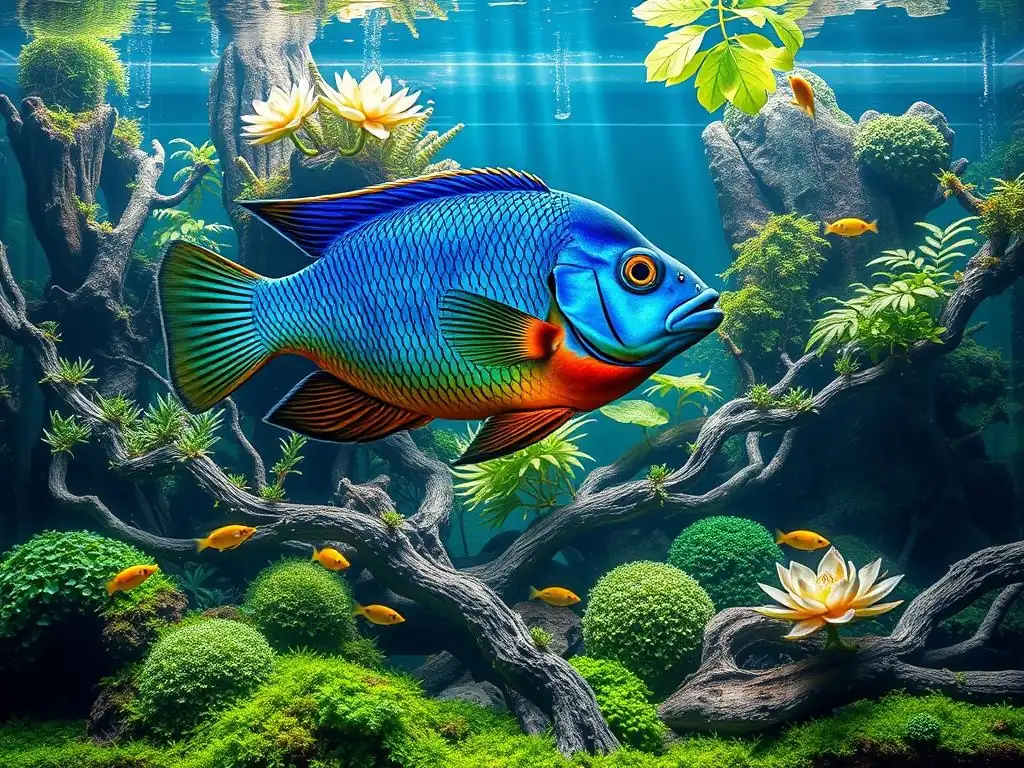
Welcome to Aquarium Mastery!
Ever wondered if your African Cichlid is truly thriving? Dive into the fascinating world of these vibrant fish and unlock the secrets to understanding their healthy coloration patterns and behavior. Discover the tell-tale signs that separate a happy, healthy Cichlid from one in distress. Let's explore the key indicators that will empower you to provide the best possible environment for your aquatic companions, starting right now!
- Introduction: Identifying a Healthy African Cichlid for Your Aquarium
- Vibrant Coloration: A Key Indicator of Cichlid Health
- ### How Diet Affects Cichlid Color Intensity
- ### Recognizing Faded Color as a Sign of Potential Problems
- Active Behavior: Monitoring Cichlid Activity Levels
- ### Healthy Cichlid Feeding Habits and Appetite
- ### Lethargy and Inactivity: When to Be Concerned
- Physical Appearance: Examining Cichlid Body Condition
- ### Checking for External Parasites or Injuries
- ### Recognizing Signs of Bloat or Malnutrition
- Social Interactions: Observing Cichlid Behavior in the Tank
- ### Cichlid Breeding Behavior as a Sign of Health
- ### Identifying Isolated or Bullied Cichlids
- Water Quality and Its Impact on Cichlid Health
- ### The Link Between Poor Water Quality and Cichlid Disease
- ### Testing Your Water Regularly for Ammonia, Nitrite, and Nitrate
- Common Cichlid Diseases and Their Symptoms
- ### Identifying Cichlid Bloat and Its Causes
- ### Understanding the Symptoms of Hole-in-the-Head Disease
- Proactive Measures: Maintaining a Healthy Cichlid Aquarium
- ### Choosing the Right Diet for Optimal Cichlid Health
- ### Regular Water Changes and Tank Maintenance
- Conclusion: Ensuring Long-Term Health and Well-being of Your African Cichlids
-
Frequently Asked Questions
- What are the key indicators of healthy coloration in African cichlids?
- How does behavior contribute to assessing the health of African cichlids?
- What role does water quality play in maintaining healthy cichlid coloration and behavior?
- Can diet affect the coloration and behavior of African cichlids?
- What are some common signs of illness that might affect a cichlid's coloration or behavior, indicating it's not healthy?
- Final Reflection: The Vibrant Future of Cichlid Keeping
- Unleash Your Cichlid's Vibrant Potential!
Introduction: Identifying a Healthy African Cichlid for Your Aquarium
African cichlids, renowned for their dazzling array of colors and complex social structures, are a captivating addition to any freshwater aquarium. However, their vibrant appearance and dynamic behavior can sometimes mask underlying health issues. Recognizing the subtle and overt signs of a healthy African cichlid is paramount for any aquarist aiming to ensure the longevity and well-being of their prized fish. This guide will delve into the critical indicators, from their physical appearance to their interactions, helping you distinguish thriving cichlids from those in distress.
Understanding these key health markers allows for early intervention, preventing minor issues from escalating into severe diseases. By observing your cichlids' daily routines, their feeding habits, and their characteristic "healthy cichlid coloration patterns, behavior," you can develop a keen eye for what constitutes normal and abnormal states. This proactive approach is the cornerstone of successful African cichlid keeping, ensuring your aquatic community remains robust and flourishing for years to come.
Vibrant Coloration: A Key Indicator of Cichlid Health
African cichlids are celebrated for their extraordinary diversity in "healthy cichlid coloration patterns," which are often the first indicator of their well-being. Each species, whether it's a Mbuna, Peacock, or Hap, possesses unique and genetically determined hues that, when healthy, are vivid and intense. For instance, a Pseudotropheus demasoni should display crisp, dark blue and black vertical bars, while an Aulonocara stuartgranti (Ngara Flametail) male will exhibit a brilliant iridescent blue body with fiery orange-red fins. These natural patterns should be sharply defined and consistent across the individual's body.
When observing your cichlids, pay close attention to the richness and depth of these colors. A healthy Labidochromis caeruleus (Electric Yellow) will glow with a brilliant, almost neon yellow, with distinct black accents on its fins. Any deviation from this expected vibrancy, such as dullness or cloudiness in the color, can signal underlying stress or illness. While temporary fading might occur during territorial disputes or initial introduction to a new tank, persistent lack of color intensity is a significant warning sign that the fish is not thriving.
### How Diet Affects Cichlid Color Intensity
The diet plays a pivotal role in maintaining the "healthy cichlid coloration patterns" that make these fish so appealing. Many of the vibrant reds, oranges, and yellows seen in species like Peacock cichlids are derived from carotenoid pigments found in their food. High-quality cichlid pellets and flakes specifically formulated for African cichlids often contain natural color enhancers, such as spirulina, astaxanthin, and krill, which directly contribute to the intensity of these hues. For instance, a diet rich in spirulina is crucial for Mbuna cichlids to maintain their deep blues and yellows, as they are primarily herbivorous.
Conversely, an inadequate or inappropriate diet will invariably lead to faded or lackluster colors, even if other environmental factors are optimal. Feeding a high-protein, meat-based diet to an herbivorous Mbuna, for example, not only risks digestive issues like bloat but also prevents the development of their full natural pigmentation. Similarly, Peacocks and Haps, which are omnivores or carnivores, require a balanced diet that includes both plant matter and protein sources to achieve their most brilliant "healthy cichlid color." Ensuring a species-appropriate and nutritionally complete diet is therefore essential for showcasing their true chromatic potential.
### Recognizing Faded Color as a Sign of Potential Problems
Faded "healthy cichlid coloration patterns" are one of the most immediate and reliable indicators of distress or illness in African cichlids. Unlike temporary color changes during sparring or breeding, persistent dullness, paleness, or a washed-out appearance signals a more serious underlying issue.
This loss of vibrancy can stem from a variety of factors, including poor water quality (e.g., elevated ammonia, nitrite, or nitrate levels), chronic stress due to overcrowding or bullying, inadequate nutrition, or the onset of a disease. For example, a dominant male Melanochromis johannii that suddenly loses its intense blue-black and yellow stripes and appears grayish is likely under severe stress or ill.
When you observe a cichlid whose colors have noticeably dulled, it's crucial to investigate further. This symptom often precedes other, more obvious signs of illness, acting as an early warning system. A fish with faded colors might also exhibit clamped fins, labored breathing, or a reluctance to eat, all indicative of a compromised immune system. Addressing the root cause quickly, whether it's performing a water change, separating aggressive tank mates, or adjusting the diet, can often reverse the fading and restore the fish's natural, healthy coloration.
Active Behavior: Monitoring Cichlid Activity Levels
Observing the "healthy cichlid behavior patterns" in their natural swimming motions provides crucial insights into their well-being. Healthy African cichlids are generally active and alert, exhibiting species-specific movements throughout the tank. Mbuna cichlids, for instance, are often seen actively grazing on algae from rocks, darting between crevices, and engaging in territorial displays, but they should move with purpose and agility. Larger Haps and Peacock cichlids, conversely, tend to cruise more openly in the mid to upper water columns, displaying confident and fluid movements.
Any significant deviation from these typical swimming behaviors warrants attention. Sluggishness, erratic darting, swimming erratically, or constantly rubbing against tank decor are all red flags. A healthy Cyrtocara moorii (Dolphin Cichlid) will gracefully glide through the water, occasionally sifting sand, whereas one that is listless or hiding excessively is likely unwell. Similarly, a fish that remains motionless at the bottom or top of the tank for extended periods, or swims with clamped fins, is showing clear signs of distress and requires immediate assessment of its environment and health.
### Healthy Cichlid Feeding Habits and Appetite
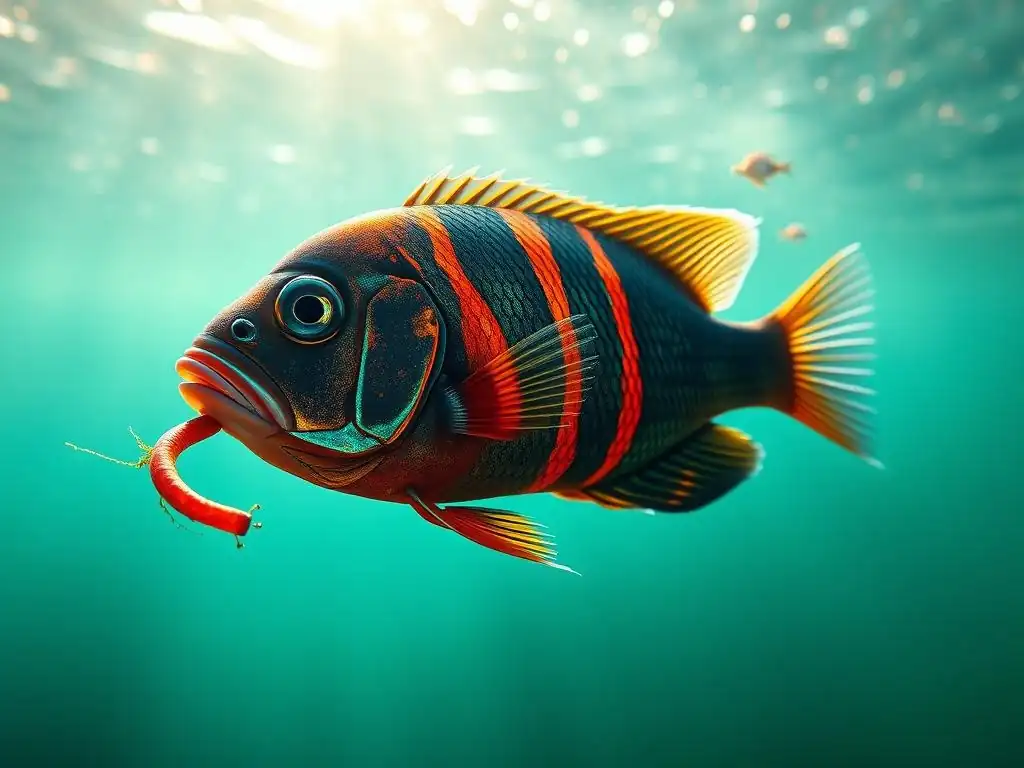
A robust appetite and eager feeding habits are among the most reliable indicators of "healthy cichlid behavior patterns." When food is introduced, healthy African cichlids should respond promptly, often rushing to the surface or sifting through the substrate to consume pellets, flakes, or frozen foods. They should exhibit strong competition for food, a natural behavior in many cichlid species, and consume their portion readily within a few minutes. For instance, a tank of Metriaclima estherae (Red Zebra) cichlids will typically create a feeding frenzy, with each fish actively participating.
Conversely, a sudden loss of appetite, refusal to eat, spitting out food, or hiding during feeding times are serious warning signs. These behaviors often precede other symptoms of illness, such as cichlid bloat or internal parasites. A fish that previously ate vigorously but now ignores food, or chews and then expels it, is likely experiencing digestive issues or systemic illness. Monitoring feeding response daily is a simple yet powerful diagnostic tool that can alert you to problems before they become critical, allowing for prompt intervention to restore the "healthy cichlid behavior patterns" associated with strong feeding.
### Lethargy and Inactivity: When to Be Concerned
Lethargy and prolonged inactivity are critical deviations from normal "healthy cichlid behavior patterns" and should be a cause for immediate concern. While cichlids may occasionally rest or seek shelter, persistent hiding, sitting motionless at the bottom of the tank, or hovering listlessly near the surface are strong indicators of stress, illness, or poor water quality. A healthy Sciaenochromis fryeri (Electric Blue Ahli), for example, is typically an active hunter that patrols its territory; if it suddenly becomes withdrawn and sedentary, it signals a problem.
This type of abnormal behavior often accompanies other symptoms, such as faded "healthy cichlid coloration patterns," clamped fins, or labored breathing. If a cichlid that was previously active and engaged with its environment now spends most of its time hiding in a corner or under decor, it indicates that its immune system is likely compromised. Addressing the underlying cause quickly, whether it's an environmental issue like fluctuating temperatures, a social problem like bullying, or the onset of a disease, is crucial to prevent further deterioration of the fish's health and restore its characteristic active demeanor.
Physical Appearance: Examining Cichlid Body Condition
The condition of a cichlid's eyes and fins provides vital clues about its overall health. Healthy African cichlids should have clear, bright, and alert eyes that are free from cloudiness, haziness, or bulging. Their eyes should track movements outside the tank and show no signs of dullness or sunkenness. For instance, the large, prominent eyes of a healthy Nimbochromis livingstonii (Livingstoni Cichlid) should be perfectly transparent and reflective, indicating good internal health and awareness of its surroundings.
Equally important are the fins, which should be fully extended, erect, and free from tears, fraying, or white spots. The edges should be smooth, and there should be no signs of fin rot (ragged, disintegrating edges) or fungal growth (cottony patches). Clamped fins, where the dorsal, caudal, or anal fins are held tightly against the body, are a universal sign of stress or illness across nearly all fish species, including cichlids. A healthy Placidochromis milomo (Super VC-10) will exhibit full, vibrant fins without any signs of damage or deterioration, showcasing its robust physical condition.
### Checking for External Parasites or Injuries
Regularly inspecting your African cichlids for external parasites or injuries is a fundamental aspect of maintaining their health. Common external parasites include Ich ( Ichthyophthirius multifiliis), which manifests as small white spots resembling salt grains on the body and fins, and Velvet ( Oodinium), appearing as a dusty, golden film. Other potential issues include anchor worms or fish lice, which are visible as small, worm-like or disc-shaped attachments to the fish's body. Early detection of these parasites is crucial for successful treatment and preventing their spread throughout the tank.
Beyond parasites, look for physical injuries such as torn fins, missing scales, open sores, or red lesions. These can result from aggression among tank mates, accidental scrapes against decor, or bacterial infections. For example, a male Maylandia zebra that has been relentlessly chased by a more dominant cichlid might exhibit torn fins and missing scales, indicating chronic bullying. Any visible wound or unusual growth, no matter how small, warrants close observation and potentially isolation or treatment to prevent secondary infections and ensure the fish's long-term well-being.
### Recognizing Signs of Bloat or Malnutrition
Cichlid bloat is one of the most feared and often fatal diseases in African cichlids, and recognizing its signs quickly is paramount. The primary symptom is a severely distended abdomen, making the fish appear unnaturally swollen. This is often accompanied by white, stringy feces, loss of appetite, labored breathing, and lethargy. The stomach of a fish suffering from bloat, such as an Otopharynx lithobates (Sulfur Head), will appear unnaturally large and firm, a stark contrast to the normally sleek body profile.
Conversely, malnutrition presents as an emaciated appearance, with a sunken belly and a generally thin body, often accompanied by stunted growth and dull coloration. This can be caused by an improper diet (e.g., feeding too much protein to herbivorous Mbuna), insufficient food, or internal parasites that prevent nutrient absorption.
A Tropheus duboisi, for instance, should have a robust, rounded body; if it appears pinched behind the gills and has a concave belly, it indicates severe malnutrition or internal issues. Both bloat and malnutrition severely compromise a cichlid's health and require immediate attention, either through dietary correction or specific medical treatment.
African cichlids, particularly Mbuna, are inherently territorial and exhibit a degree of aggression as part of their "healthy cichlid behavior patterns." This normal aggression typically involves brief chases, fin flaring, and displays of dominance, usually without causing significant physical harm. For example, two male Pseudotropheus saulosi might engage in a short, intense sparring match over a preferred cave, but then quickly disengage without injury. Such interactions are a natural part of their social hierarchy and territory establishment in a properly stocked and decorated tank.
However, excessive aggression deviates from these normal patterns and is a clear sign of an unhealthy tank environment or an overly aggressive individual. This manifests as relentless chasing, constant nipping that results in torn fins or scale loss, and prolonged bullying that forces subordinate fish to hide constantly or even jump out of the tank.
If you observe a single fish consistently harassing others, preventing them from eating or displaying faded "healthy cichlid coloration patterns" due to stress, it indicates a problem. Such chronic stress can severely compromise the bullied fish's immune system, making it susceptible to disease, and requires intervention, such as rearranging decor, adding more hiding spots, or rehoming the aggressor.
### Cichlid Breeding Behavior as a Sign of Health
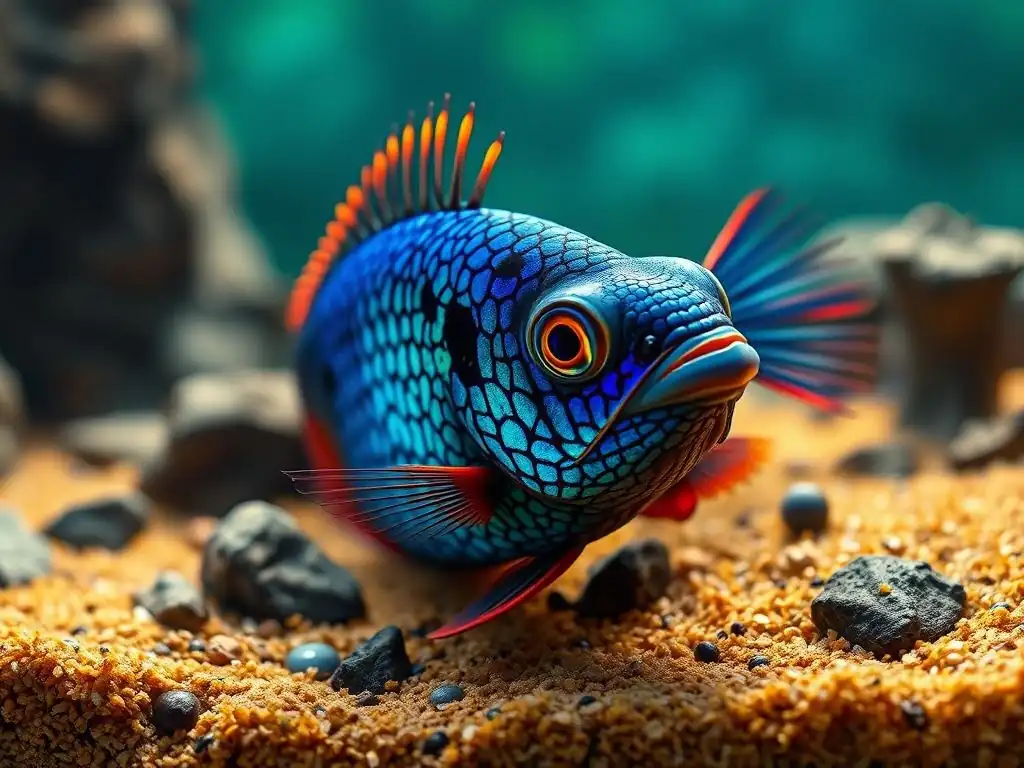
The initiation of breeding behavior is a strong indicator of optimal health and contentment in African cichlids. When fish are thriving in their environment, with stable water parameters, appropriate diet, and minimal stress, they are more likely to engage in courtship and reproduction.
This "healthy cichlid behavior pattern" often involves elaborate displays: males intensify their "healthy cichlid coloration patterns" to attract females, females develop breeding tubes, and mouthbrooders will carry eggs and fry in their mouths. For example, a male Aulonocara baenschi (Benga Yellow) will develop incredibly vibrant yellow and blue hues when ready to breed, actively fanning a chosen spot on the substrate.
Observing these natural reproductive behaviors signifies that your cichlids are not only surviving but flourishing. A female Maylandia callainos (Cobalt Blue Zebra) meticulously collecting eggs and then diligently mouthbrooding them for weeks is a testament to her robust health and the suitability of her environment. The absence of breeding behavior in a mature, mixed-sex group of cichlids, especially after a prolonged period, might suggest that something is amiss in their environment, such as suboptimal water conditions, nutritional deficiencies, or excessive stress from tank mates, preventing them from reaching their full potential.
### Identifying Isolated or Bullied Cichlids
In a healthy African cichlid aquarium, while some territoriality is normal, chronic isolation or persistent bullying of individual fish is a significant red flag. A cichlid that consistently hides, remains in a corner, or darts away whenever another fish approaches is likely being bullied or is severely stressed. This "healthy cichlid behavior pattern" deviation often leads to other physical signs of distress, such as torn fins, missing scales, faded "healthy cichlid coloration patterns," and a reluctance to feed, as the bullied fish feels too unsafe to venture out.
For example, if a typically outgoing Cynotilapia afra (Jalo Reef) is always seen pressed against the glass or hidden among rocks, rarely participating in feeding time, it's a strong indication of chronic stress. This constant state of fear and anxiety severely weakens the fish's immune system, making it highly susceptible to diseases like Ich or bacterial infections. Identifying and addressing the cause of isolation or bullying, whether through tank rearrangement, adding more hiding spots, adjusting stocking levels, or even rehoming the aggressor, is crucial for the well-being of the affected fish and the overall harmony of the aquarium.
Water Quality and Its Impact on Cichlid Health
Maintaining optimal water parameters is the cornerstone of fostering "healthy cichlid coloration patterns, behavior" and overall vitality. African Rift Lake cichlids thrive in hard, alkaline water, distinct from many other freshwater species. The ideal pH range for most Mbuna, Peacock, and Hap species is between 7.8 and 8.6, with a general hardness (GH) of 10-20 dGH and carbonate hardness (KH) of 10-18 dKH. These specific parameters mimic their natural lake environments, which are rich in dissolved minerals. Consistency in these parameters is just as crucial as hitting the target numbers, as rapid fluctuations can cause severe stress.
Beyond pH and hardness, absolute zero levels of ammonia (NH3/NH4+) and nitrite (NO2-) are non-negotiable for cichlid health. Even trace amounts of these nitrogenous compounds are highly toxic and can quickly lead to gill damage, stress, and death. Nitrate (NO3-), the end product of the nitrogen cycle, should be kept below 20 ppm, ideally closer to 10 ppm, through regular water changes. Elevated nitrates, while less acutely toxic than ammonia or nitrite, can cause chronic stress, dull "healthy cichlid color," and suppress the immune system over time, making fish susceptible to various diseases.
### The Link Between Poor Water Quality and Cichlid Disease
Poor water quality is arguably the leading cause of stress and disease in African cichlids, directly impacting their "healthy cichlid coloration patterns, behavior." When ammonia, nitrite, or nitrate levels are elevated, or when pH and hardness fluctuate wildly, cichlids experience severe physiological stress. This stress weakens their immune system, making them highly vulnerable to opportunistic pathogens that are always present in the aquarium environment. For instance, a persistent ammonia spike, even if not immediately fatal, can cause irreversible gill damage and make fish susceptible to bacterial infections and parasitic infestations like Ich.
Furthermore, chronic exposure to suboptimal water conditions can lead to long-term health issues. High nitrate levels, even if not immediately lethal, can result in stunted growth, faded "healthy cichlid color," and a general decline in vigor, often manifesting as lethargy or clamped fins. Diseases like cichlid bloat, while often diet-related, are frequently triggered or exacerbated by poor water quality, as the fish's weakened immune system cannot cope with internal stressors. Therefore, understanding and meticulously maintaining pristine water conditions is fundamental to preventing illness and ensuring the robust health of your African cichlids.
### Testing Your Water Regularly for Ammonia, Nitrite, and Nitrate
Regular and accurate water testing is an indispensable practice for anyone serious about maintaining "healthy cichlid coloration patterns, behavior," and preventing disease. It is highly recommended to test your aquarium water at least weekly, or bi-weekly, using a reliable liquid-based test kit for ammonia, nitrite, and nitrate. These kits provide more accurate and consistent results compared to test strips, which can be prone to inaccuracies and degradation. For example, a weekly test revealing 0 ppm ammonia, 0 ppm nitrite, and 10 ppm nitrate indicates a well-cycled and well-maintained tank.
Beyond the nitrogen cycle parameters, periodic testing for pH, GH, and KH is also crucial, especially if you notice any unusual "healthy cichlid behavior patterns" or color changes. Knowing your baseline parameters allows you to quickly identify any deviations that might be stressing your fish. If test results show elevated toxins, such as ammonia or nitrite, immediate action, typically a large water change (e.g., 50-75%), is required. Consistent monitoring empowers you to make informed decisions about your tank's maintenance schedule and ensures a stable, healthy environment for your African cichlids.
Common Cichlid Diseases and Their Symptoms
Ich, caused by the parasite Ichthyophthirius multifiliis, is one of the most common and recognizable diseases in freshwater aquariums, including those housing African cichlids. The primary symptom is the appearance of small, distinct white spots on the fish's body and fins, resembling grains of salt or sugar. These spots are visible cysts of the parasite. Infected cichlids, such as a Maylandia lombardoi (Kenyi) with Ich, may also exhibit rapid breathing, rubbing or "flashing" against tank decor or substrate to relieve irritation, clamped fins, and a noticeable loss of appetite.
Ich infestations are often triggered by stress, such as sudden temperature fluctuations, poor water quality, or the introduction of new, unquarantined fish. The parasite has a complex life cycle, with a free-swimming stage that infects fish. Early detection is crucial for successful treatment, as the disease can spread rapidly and be fatal if left untreated. Prompt treatment, often involving raising the water temperature (if safe for the species) and using specific Ich medications, is necessary to eradicate the parasite and restore "healthy cichlid coloration patterns, behavior."
### Identifying Cichlid Bloat and Its Causes
Cichlid bloat is a severe, often fatal, internal disease primarily affecting African cichlids, notoriously difficult to treat once advanced. Its most prominent symptom is a visibly distended or swollen abdomen, making the fish appear bloated. This is frequently accompanied by a lack of appetite, white and stringy feces, labored breathing, lethargy, and a general deterioration of "healthy cichlid coloration patterns." A Tropheus moori experiencing bloat might appear unusually plump and refuse its spirulina pellets, a stark change from its usual voracious appetite.
The primary causes of cichlid bloat are typically diet-related, specifically feeding a diet too high in protein or indigestible components to herbivorous or omnivorous species, or sudden changes in diet. Stress from poor water quality, overcrowding, or aggressive tank mates can also weaken the fish's immune system, making it more susceptible. Given the rapid progression and high mortality rate of bloat, immediate action upon noticing symptoms—such as isolating the affected fish, administering specific anti-parasitic or antibiotic treatments, and reviewing the diet—is critical for any chance of recovery.
### Understanding the Symptoms of Hole-in-the-Head Disease
Hole-in-the-Head disease, or HITH, is a condition characterized by pitting lesions and erosions on the head and along the lateral line of fish, though it is less common in African cichlids compared to larger Central American cichlids. The disease often begins as small, pinprick-sized white spots that gradually enlarge and deepen, forming visible pits or craters, particularly around the eyes and on the forehead. Affected fish, such as a large Fossorochromis rostratus, might also exhibit faded "healthy cichlid coloration patterns," a loss of appetite, and stringy white feces, similar to symptoms seen in bloat.
The exact cause of HITH is complex and often multi-factorial, but it is frequently linked to the Hexamita parasite, poor water quality (especially high nitrates or chlorine exposure), nutritional deficiencies (particularly lack of vitamins and minerals), and prolonged use of activated carbon that is not regularly replaced. While treatment can be challenging, addressing the underlying environmental issues and administering appropriate medications (often metronidazole for Hexamita) are crucial steps. Providing a varied, vitamin-enriched diet and maintaining pristine water conditions are key preventative measures against this debilitating disease.
Proactive Measures: Maintaining a Healthy Cichlid Aquarium
A meticulously planned tank setup and robust filtration system are foundational for fostering "healthy cichlid coloration patterns, behavior" and preventing disease in African cichlids. Given their size, activity levels, and bioload, a minimum tank size of 55 gallons is often recommended for a small group of Mbuna, with 75 gallons or larger being preferable for mixed species or larger Haps and Peacocks. Over-filtration is key; canister filters, sumps, or multiple hang-on-back filters are ideal, providing ample mechanical, biological, and chemical filtration to handle the significant waste produced by these fish.
Aquascaping is equally critical for social dynamics and reducing aggression. African cichlids require abundant rockwork, caves, and hiding spots to establish territories and provide refuge for subordinate fish. This not only mimics their natural rocky lake environments but also breaks up lines of sight, which can significantly reduce stress and promote "healthy cichlid behavior patterns." A substrate of sand or crushed coral is preferred, as it helps buffer the water to maintain the high pH and hardness levels essential for their well-being. Proper setup creates a stable and enriching environment, minimizing stress and allowing cichlids to thrive.
### Choosing the Right Diet for Optimal Cichlid Health
Selecting the correct, species-specific diet is paramount for ensuring "healthy cichlid coloration patterns, behavior," and long-term vitality. African cichlids have diverse dietary needs based on their natural feeding habits in the Rift Lakes. Mbuna cichlids, for example, are primarily herbivorous grazers, feeding on algae and plant matter. Their diet should consist mainly of high-quality spirulina-based flakes or pellets, supplemented with blanched vegetables like zucchini or spinach. Feeding them excessive protein can lead to severe digestive issues, most notably cichlid bloat.
Conversely, Peacock cichlids and most Haps are omnivores or carnivores, requiring a diet higher in protein. They thrive on high-quality pellets or flakes designed for omnivorous cichlids, supplemented with occasional frozen foods like mysis shrimp, brine shrimp, or krill. Regardless of the species, avoiding cheap, filler-laden foods and refraining from overfeeding are crucial. Overfeeding not only pollutes the water but also contributes to digestive problems. A balanced, species-appropriate diet directly translates to vibrant "healthy cichlid color," strong immune systems, and active, natural "healthy cichlid behavior patterns."
### Regular Water Changes and Tank Maintenance
Consistent and diligent water changes, coupled with routine tank maintenance, are arguably the most impactful proactive measures for ensuring "healthy cichlid coloration patterns, behavior." African cichlids have a high bioload, meaning they produce a significant amount of waste, necessitating frequent water changes to dilute nitrates and replenish essential minerals. Weekly water changes of 25-50% are typically recommended for most African cichlid setups, depending on stocking density and filtration efficiency. This consistent partial water replacement prevents the buildup of toxins and maintains stable water chemistry.
Beyond water changes, regular maintenance includes siphoning the substrate to remove uneaten food and detritus, which are major contributors to poor water quality. Cleaning filter media regularly (rinsing sponges and polishing pads in old tank water to preserve beneficial bacteria) ensures optimal filtration performance. Wiping down tank glass and decor to remove algae also contributes to a clean environment. This rigorous maintenance schedule directly reduces stress, prevents the onset of diseases, and allows your African cichlids to display their most vibrant "healthy cichlid coloration patterns" and engaging "healthy cichlid behavior patterns."
Conclusion: Ensuring Long-Term Health and Well-being of Your African Cichlids
Ensuring the long-term health and well-being of your African cichlids is a rewarding endeavor that hinges on vigilant observation and consistent, proactive care. By understanding and recognizing the subtle yet critical signs of a healthy cichlid—from their vibrant "healthy cichlid coloration patterns" and active "healthy cichlid behavior patterns" to their pristine physical appearance and harmonious social interactions—you empower yourself to address potential issues before they escalate. A keen eye for detail, coupled with a deep understanding of their specific needs, transforms aquarium keeping from a mere hobby into a science of thriving aquatic life.
The journey to a flourishing African cichlid aquarium is continuous, requiring dedication to maintaining optimal water quality, providing a species-appropriate diet, and ensuring a stable, enriching environment. Regularly testing water parameters, performing routine maintenance, and swiftly addressing any deviations from normal health indicators are not just best practices; they are essential commitments. By embracing these principles, you will not only witness the captivating beauty and dynamic personalities of your African cichlids but also enjoy the satisfaction of providing them with a life of robust health and vitality.
Frequently Asked Questions
What are the key indicators of healthy coloration in African cichlids?
Healthy African cichlids typically display vibrant and intense colors, characteristic of their specific species. Faded or washed-out colors can indicate stress, poor water quality, or disease.
How does behavior contribute to assessing the health of African cichlids?
Active swimming, natural social interactions (depending on the species), and a strong feeding response are all positive signs. Lethargy, hiding excessively, or aggression beyond typical territorial displays can be concerning.
What role does water quality play in maintaining healthy cichlid coloration and behavior?
Poor water quality, such as high ammonia or nitrite levels, directly impacts a cichlid's health. This can lead to faded coloration, stress, and susceptibility to diseases, affecting their behavior.
Can diet affect the coloration and behavior of African cichlids?
Yes, a nutritious and varied diet is crucial. Lack of essential vitamins and minerals can lead to dull coloration, weakened immune systems, and altered behavior patterns, such as loss of appetite.
What are some common signs of illness that might affect a cichlid's coloration or behavior, indicating it's not healthy?
Besides faded colors, look for physical abnormalities like fin rot, bloating, or lesions. Changes in behavior like clamped fins, gasping at the surface, or isolation are also red flags.
Final Reflection: The Vibrant Future of Cichlid Keeping
The insights shared throughout this article, focusing on healthy cichlid coloration and behavior, are more crucial now than ever. As the popularity of these vibrant fish continues to grow, so too does the responsibility of aquarists to ensure their well-being. Understanding these key indicators is not just about aesthetics; it's about providing the optimal environment for these fascinating creatures to thrive.
This journey into the world of healthy African cichlids has underscored the profound connection between observation and responsible care. Witnessing the vibrant colors and dynamic behaviors of a thriving cichlid is a reward in itself, a testament to the dedication of the aquarist. As the saying goes, The best aquarium is a balanced aquarium.
This balance is achieved through diligent observation, informed decision-making, and a genuine commitment to the well-being of these remarkable fish.
Now, armed with this knowledge, I encourage you to reflect on your own practices. Are you truly observing your cichlids, noticing the subtle shifts in their coloration and behavior? Are you providing them with the environment they need to flourish? Let this article serve as a catalyst for deeper understanding and a renewed commitment to the vibrant future of cichlid keeping. Embrace the challenge, observe with intention, and create a thriving ecosystem for these captivating creatures.
Unleash Your Cichlid's Vibrant Potential!
Thank you for diving deep into the world of African Cichlids! We hope you’ve gained valuable insights into ensuring the health and happiness of your finned friends. Now, let's put that knowledge into action!
- Actively observe your cichlids for any changes in behavior or appearance, focusing especially on their appetite, fin condition, and breathing rate. Early detection is key to preventing serious issues.
- Share this article with fellow aquarium enthusiasts who are passionate about keeping cichlids, helping to spread best practices.
- Consider adding a new enrichment activity to your cichlid tank this week, like a new rock formation or plant, and watch how they interact with it.
What specific behavioral change in your cichlids are you planning to monitor more closely in the coming days?