
Documenting Spawning Events: The Key to Repeatable Marine Breeding Success

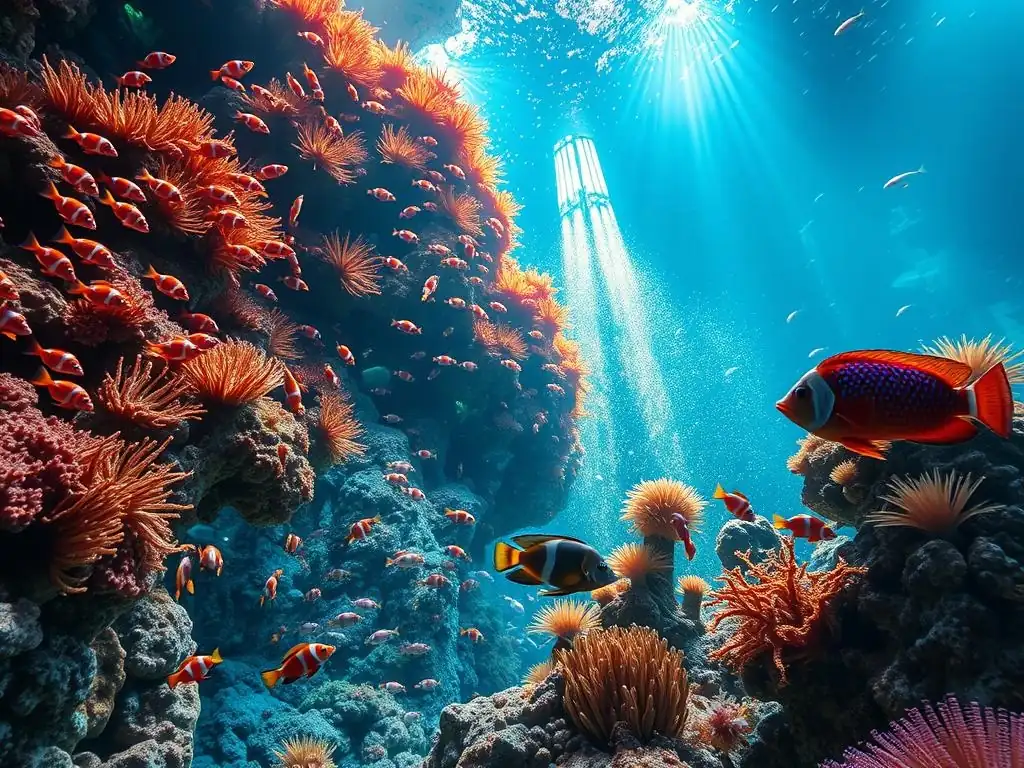
Welcome to Aquarium Mastery, fellow aquarist!
Ever wondered how the pros consistently breed those vibrant marine fish you see in the shops? Unlock the secrets to repeatable success with our deep dive into documenting spawning events. From subtle behavioral cues to meticulous record-keeping, we'll guide you through the crucial steps needed to transform fleeting spawning into a consistent reality. Ready to take your saltwater breeding to the next level? Let's dive in!
- Understanding the Importance of Documenting Marine Fish Spawning
- Essential Elements of a Marine Fish Spawning Guide
- Creating Your Marine Fish Spawning Log: A Step-by-Step Guide
- Analyzing Your Spawning Data: Identifying Patterns and Improving Success
- Case Studies: Documented Spawning Success Stories
- Advanced Techniques for Marine Fish Spawning Documentation
- Troubleshooting Common Spawning Issues Through Documentation
- The Future of Marine Fish Breeding: Data-Driven Approaches
-
Frequently Asked Questions
- How crucial is detailed documentation for successful marine fish spawning?
- What specific types of data should be recorded during a marine fish spawning event?
- How can documenting spawning events help troubleshoot issues in marine breeding?
- What is the benefit of tracking egg development after a spawning event?
- How does understanding water chemistry affect marine fish spawning attempts?
- Final Reflection: Nurturing Future Reefs
- Ignite Your Reef: Document & Breed Like a Pro!
Understanding the Importance of Documenting Marine Fish Spawning
Why Keep a Detailed Marine Fish Spawning Log?
Keeping a meticulously detailed marine fish spawning log is the cornerstone of transitioning from accidental, sporadic breeding successes to a consistently repeatable process. This systematic approach allows aquarists to precisely track every variable influencing a breeding pair, from environmental conditions to dietary changes and observed behaviors. Without a comprehensive log, successful spawns often remain mysteries, making it nearly impossible to replicate the exact conditions that led to the desired outcome. A well-maintained marine fish spawning guide serves as a personal scientific journal, offering invaluable insights into the complex reproductive cycles of marine fish.
Furthermore, a detailed log acts as a powerful diagnostic tool, helping to identify both successful triggers and potential inhibitors. By recording precise data points, breeders can eliminate guesswork, significantly reduce trial-and-error periods, and save considerable time and resources. For instance, if a pair of Banggai Cardinalfish (Pterapogon kauderni) consistently spawns after a specific water change regimen, documenting this allows the breeder to intentionally re-create those conditions. This systematic data collection builds a robust knowledge base, transforming anecdotal observations into actionable strategies for future breeding endeavors.
The Link Between Documentation and Consistent Breeding Results
The direct correlation between thorough documentation and consistent breeding results cannot be overstated. When aquarists diligently log every aspect of their breeding attempts, they create a comprehensive dataset that reveals patterns and correlations. This data allows for precise fine-tuning of environmental parameters, dietary regimens, and even social dynamics within the breeding tank. It moves the breeding process from a hopeful endeavor to a predictable, scientific pursuit, which is crucial for any aspiring marine fish spawning guide.
Consider the example of a pair of Ocellaris Clownfish ( Amphiprion ocellaris). If their marine fish spawning log indicates that they consistently spawn at 27.5°C ( 81.5°F) following a specific feeding schedule of enriched mysis shrimp three times a day for two weeks, this precise information becomes the blueprint for replication. Conversely, undocumented attempts might lead to inconsistent spawns, varying egg viability, or even complete cessation of breeding. Consistent documentation leads to higher egg yields, improved larval survival rates, and reduced stress on parent fish, ultimately enhancing the overall productivity and sustainability of a breeding program.
Essential Elements of a Marine Fish Spawning Guide
Species-Specific Spawning Behavior: Tailoring Your Documentation
Understanding and documenting species-specific spawning behaviors is paramount, as marine fish exhibit a diverse array of reproductive strategies. From substrate spawners like certain gobies that lay eggs in burrows, to pelagic spawners such as many tangs that release eggs into the open water column, each species demands a tailored approach to observation and record-keeping within your marine fish spawning guide. Ignoring these unique behaviors can lead to missed spawning events or an inability to properly collect and rear larvae.
Your documentation should focus on identifying pre-spawning cues, the actual spawning act, and post-spawning care. For example, some blennies might exhibit specific fin flaring or color changes days before spawning, while seahorses engage in an elaborate daily "dance" that culminates in egg transfer. Recording the precise timing, duration, and intensity of these behaviors—such as a female Mandarinfish ( Synchiropus splendidus) performing a distinct "spawning ascend" with the male—provides critical insights into their reproductive rhythm and helps predict future events, making your marine fish spawning guide more accurate.
Environmental Parameters: Key Data Points for Successful Spawning
The precise control and meticulous recording of environmental parameters are non-negotiable for successful marine fish breeding. Even slight deviations from optimal ranges can inhibit spawning, reduce egg viability, or compromise larval development. Key parameters to monitor rigorously include temperature, salinity, pH, alkalinity (dKH), and nutrient levels such as nitrates and phosphates. Consistent monitoring ensures that the aquatic environment remains stable and conducive to reproduction, forming the core of any reliable marine fish spawning guide.
Beyond just maintaining acceptable ranges, consistent logging helps identify the optimal range for a specific breeding pair, which might be narrower than general guidelines suggest. For instance, while a pH of 8.1-8.3 is generally good for marine aquariums, a particular pair of fish might only spawn consistently when the pH is precisely 8.2. Daily, or even hourly, logging during critical periods like pre-spawning and post-spawning phases can reveal subtle trends or fluctuations that significantly impact breeding success, providing crucial data for your marine fish spawning guide.
Temperature Records and Spawning Triggers
Temperature is a primary environmental trigger for spawning in many marine fish species. Specific temperature ranges or even slight, controlled fluctuations can mimic natural seasonal changes, signaling to the fish that conditions are ideal for reproduction. For instance, many clownfish species, such as the Percula Clownfish ( Amphiprion percula), generally prefer a stable temperature between 26.5°C and 28°C ( 79.7°F to 82.4°F) for optimal breeding activity. Deviations outside this narrow window, even by a degree, can halt spawning.
Documenting precise temperature readings, including daily highs and lows, is essential for a comprehensive marine fish spawning guide. Some species, like certain dottybacks, may require a subtle temperature drop of 1-2°C ( 1.8-3.6°F) over a few days, followed by a gradual return to the higher end of their preferred range, to stimulate spawning. This mimics natural cooling and warming cycles. Recording these specific temperature shifts and their correlation with spawning events allows breeders to intentionally induce reproduction, enhancing predictability and success rates.
Salinity Monitoring for Marine Fish Reproduction
Salinity, or the concentration of dissolved salts in the water, is another critical parameter that profoundly impacts marine fish reproduction. Marine fish are highly sensitive to osmotic balance, and optimal salinity for breeding typically falls within a narrow range, often between 1.023 and 1.026 specific gravity (or 33-35 parts per thousand, ppt). Fluctuations outside this range can cause significant physiological stress, hindering gonad development, egg viability, and even the survival of newly hatched larvae.
Consistent and accurate salinity monitoring, documented in your marine fish spawning guide, helps identify the precise level at which a specific species or pair performs best. For example, a breeder might discover that their Seahorse ( Hippocampus erectus) pair consistently produces viable broods only when salinity is maintained precisely at 1.024 SG, whereas values below 1.023 or above 1.026 consistently lead to non-viable eggs or reduced brood size. This level of precision, derived from diligent logging, is vital for repeatable success and underscores the importance of a detailed marine fish spawning guide.
Lighting Conditions and Their Influence on Spawning
Lighting conditions, encompassing both photoperiod (duration of light) and light intensity, play a significant role in regulating the reproductive cycles of many marine fish. Natural light cycles provide crucial environmental cues for spawning, influencing hormone production and behavioral rhythms. A typical photoperiod of 12-14 hours of daylight, often with a gradual dawn and dusk simulation, can be highly effective in encouraging regular spawning in many species.
Documenting the exact photoperiod, the type of lighting used (e.g., LED, T5), and even the light intensity (measured in PAR, Photosynthetically Active Radiation) where applicable, is an important component of a thorough marine fish spawning guide. For instance, some species, such as the Banggai Cardinalfish, are known to respond positively to a gradual dimming and brightening cycle of 30-60 minutes before lights out and after lights on, which closely mimics natural twilight conditions and encourages their courtship behaviors. Precise records allow breeders to replicate these optimal lighting conditions consistently, thereby promoting more frequent and successful spawns.
Dietary Requirements Pre- and Post-Spawning
The nutritional quality and quantity of food provided to breeding marine fish, both before and after spawning, are critical determinants of reproductive success. A high-quality, varied diet rich in essential proteins, lipids (especially highly unsaturated fatty acids or HUFAs), and vitamins is crucial for robust gonad development, egg production, and the overall energy reserves required for spawning. Live foods such as copepods, enriched brine shrimp, and mysis shrimp often play a vital role in conditioning breeding pairs.
Your marine fish spawning guide should meticulously track the feeding regimen, including food types, quantities, and frequency. For example, feeding a broodstock diet with a protein content of 50-60% and a lipid content of 10-15% for 2-4 weeks prior to an anticipated spawn can significantly increase egg production and fertility rates in species like Damselfish ( Pomacentridae). Post-spawning, continued provision of nutrient-dense foods aids in the rapid recovery of the parent fish, ensuring they regain strength and prepare for subsequent spawning cycles. Documenting these dietary nuances allows breeders to fine-tune nutrition for optimal reproductive output.
Creating Your Marine Fish Spawning Log: A Step-by-Step Guide
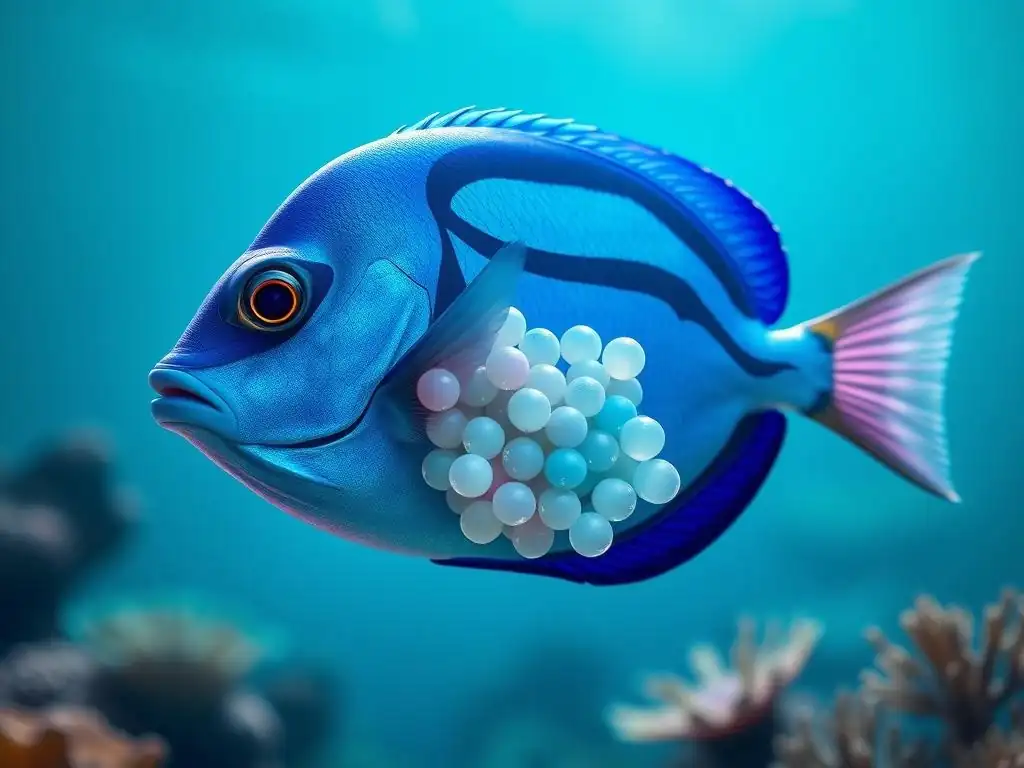
Choosing the Right Format: Digital vs. Physical Logbook
When embarking on the journey of documenting marine fish spawning events, the first step is to choose a suitable format for your logbook. Both physical and digital options offer distinct advantages. A physical logbook, such as a dedicated notebook or binder, allows for quick, on-the-spot jotting of observations and is less dependent on technology. It offers a tangible record that can be easily accessed within the fish room.
Conversely, a digital logbook, typically a spreadsheet (like Microsoft Excel or Google Sheets) or specialized breeding software, provides superior capabilities for data analysis, searchability, and long-term storage. Digital formats facilitate easy sharing of data, allow for automated calculations (e.g., averages, trends), and can be backed up to prevent loss. For beginners, a simple physical notebook might suffice, but for serious breeders aiming to compile a comprehensive marine fish spawning guide, a digital format offers the analytical power needed to identify subtle patterns and optimize breeding protocols over time.
Essential Data Fields for Each Spawning Event
To ensure your marine fish spawning guide is comprehensive and truly useful for analysis, each spawning event must be documented with a standardized set of essential data fields. These fields capture the critical information needed to understand the conditions surrounding a successful or unsuccessful spawn, allowing for future replication or troubleshooting.
These data fields serve as the backbone of your breeding records. By consistently recording information across these categories, you build a robust dataset that allows for meaningful comparison and analysis. This structured approach is fundamental for developing an effective marine fish spawning guide that facilitates continuous improvement in breeding outcomes.
Species Identification (Scientific and Common Name)
Accurate species identification is a fundamental data field in any marine fish spawning guide. While common names are often used in general discourse, they can be ambiguous and refer to multiple distinct species. For instance, "clownfish" can refer to Amphiprion ocellaris, Amphiprion percula, or several other species, each with potentially slightly different breeding requirements.
Using the scientific name (genus and species, e.g., Amphiprion ocellaris) ensures absolute clarity and precision in your records. This is critical for comparing data across different breeding attempts, sharing information with other aquarists or scientific communities, and accurately referencing specific care requirements. Precise identification ensures that the data collected is relevant and applicable to the exact species being bred, making your marine fish spawning guide scientifically sound.
Date and Time of Spawning
The exact date and time of spawning are crucial pieces of information for identifying periodicity and understanding the temporal triggers for reproduction. Many marine fish species exhibit predictable spawning patterns, often occurring at specific times of day or night, or within a certain number of days after a full moon or significant water change.
Recording this precision allows breeders to correlate spawning events with daily environmental shifts, feeding schedules, or even lunar cycles. For instance, if a pair of Royal Grammas ( Gramma loreto) consistently spawns around 6:00 PM daily, this information allows the breeder to prepare larval rearing systems or observe pre-spawning behaviors more effectively. This temporal data is a key element for predicting and preparing for future spawns in your marine fish spawning guide.
Parent Fish Information (Age, Size, Health)
Detailed information about the parent fish themselves is vital for understanding their reproductive performance and overall health. Documenting their estimated age, precise size (length in cm), and any notes on their general health (e.g., fin condition, coloration, activity levels, presence of disease or parasites) provides context for the spawning event.
Mature, healthy fish are more likely to produce high-quality eggs and larvae. For example, a pair of mature Ocellaris Clownfish, typically 2-3 years old and 7-9 cm in length, might produce 500-1000 eggs per spawn. Conversely, younger, undersized, or stressed fish may produce fewer eggs, infertile eggs, or cease spawning altogether. Tracking this data allows breeders to assess the impact of parental condition on reproductive success and make informed decisions about husbandry in their marine fish spawning guide.
Tank Conditions at the Time of Spawning
Recording the precise tank conditions at the moment of spawning is paramount for understanding the direct environmental influences on reproduction. This includes logging specific values for temperature, salinity, pH, alkalinity (dKH), and nutrient levels (ammonia, nitrite, nitrate, phosphate). Any recent changes to the tank environment should also be noted.
For instance, if a pair of Banggai Cardinalfish spawns shortly after a 25% water change that slightly increased alkalinity from 7.5 dKH to 8.0 dKH, this data point becomes a potential trigger to investigate. Other relevant notes include recent equipment changes, modifications to water flow, or the introduction of new tank mates. These detailed records allow breeders to identify the specific parameters or events that directly correlate with successful spawning in their marine fish spawning guide.
Egg Characteristics (Size, Color, Buoyancy)
Visual assessment and documentation of the eggs immediately after spawning provide crucial feedback on their viability and the health of the parents. Key characteristics to record include egg size (e.g., 0.8-1.2 mm for clownfish eggs), color (e.g., clear, amber, opaque white), and buoyancy (pelagic, adhesive, or demersal).
Healthy marine fish eggs typically exhibit a uniform color and appear clear or translucent, indicative of proper development. Abnormalities, such as opaque, white, or fuzzy eggs, often signal infertility, fungal infection, or poor water quality. Documenting these characteristics helps breeders quickly identify potential issues with parental health, fertilization success, or environmental conditions in the spawning tank, guiding troubleshooting efforts within their marine fish spawning guide.
Spawning Behavior Observations
Detailed notes on the observed spawning behavior are invaluable for understanding the reproductive process and identifying key cues. This includes documenting pre-spawning rituals (e.g., chasing, fin flaring, trembling), the actual act of spawning (e.g., egg deposition site, duration of egg release), and any post-spawning parental care.
For example, a pair of Green Mandarin Dragonets ( Synchiropus splendidus) will perform a characteristic "spawning ascend" where they rise together towards the water surface, releasing gametes at the apex of their ascent. Documenting the timing, frequency, and specific actions of these behaviors allows breeders to predict future spawns, prepare larval rearing systems, and even optimize tank setups to facilitate natural courtship and spawning, making this a critical component of any comprehensive marine fish spawning guide.
Photographing and Video Recording Spawning Events
While written documentation forms the backbone of a marine fish spawning guide, supplementing it with photographs and video recordings offers an unparalleled visual record of spawning events. These visual aids capture nuances that are difficult to convey through text alone, providing invaluable context and detail for later analysis.
Photographs can capture the appearance of newly laid eggs, the coloration of breeding fish, or the specific spawning site. Video recordings, even short clips, are particularly useful for documenting dynamic behaviors such as courtship rituals, the act of gamete release, or parental fanning of eggs. For example, a video showing a male Banggai Cardinalfish collecting eggs into his mouth pouch provides a precise record of this unique behavior. These visual records serve as powerful references, enhancing the accuracy and completeness of your marine fish spawning guide, allowing for more precise replication of successful breeding conditions.
Analyzing Your Spawning Data: Identifying Patterns and Improving Success
Recognizing Recurring Spawning Triggers
One of the most significant benefits of maintaining a detailed marine fish spawning guide is the ability to analyze accumulated data and recognize recurring spawning triggers. By reviewing multiple entries, breeders can identify consistent correlations between specific environmental changes or husbandry practices and successful spawning events. This moves beyond anecdotal observation to data-driven insights.
For example, if your log consistently shows that a pair of Clownfish spawns 3-5 days after a 20% water change combined with a significant increase in live food offering (e.g., daily feeding of enriched brine shrimp), these elements become identified triggers. Similarly, a specific temperature fluctuation or the introduction of a new spawning substrate might consistently precede a spawn. Recognizing these patterns allows the breeder to intentionally manipulate conditions to induce spawning more reliably, optimizing their marine fish spawning guide for maximum efficiency.
Identifying and Correcting Environmental Inconsistencies
A comprehensive marine fish spawning guide is not just for celebrating successes; it's also a powerful tool for troubleshooting and identifying the root causes of inconsistent or failed spawning attempts. By comparing periods of successful breeding with those of stagnation or failure, breeders can pinpoint problematic trends or environmental inconsistencies.
For instance, if a breeding pair suddenly stops spawning, reviewing the log might reveal fluctuating parameters such as daily pH swings of 0.2 units, or a gradual decline in alkalinity from 8.5 dKH to 7.0 dKH over several weeks. These inconsistencies, once identified through precise documentation, can be directly addressed. By correcting these environmental discrepancies—perhaps by implementing a stable dosing regimen or increasing water change frequency—breeders can restore optimal conditions and encourage a return to consistent spawning, demonstrating the diagnostic power of a detailed marine fish spawning guide.
Refining Feeding Strategies Based on Spawning Outcomes
The quality and quantity of eggs produced, as well as the frequency of spawning, are often directly linked to the nutritional regimen of the parent fish. By meticulously documenting dietary inputs in your marine fish spawning guide and correlating them with spawning outcomes, breeders can refine their feeding strategies to optimize reproductive health and output.
For example, if the log indicates low egg production or a high percentage of infertile eggs, reviewing the pre-spawning diet might reveal a deficiency. If a pair of Yellow Tangs ( Zebrasoma flavescens) produces few viable eggs and the log shows they were primarily fed dry flakes, incorporating more protein-rich and HUFA-fortified foods, such as spirulina brine shrimp or enriched mysis shrimp, 3-4 times a week for several weeks, could significantly increase egg viability and spawn frequency by 30-40%. This iterative process of documentation, analysis, and adjustment is a cornerstone of a successful marine fish spawning guide, leading to continuous improvement in breeding results.
Case Studies: Documented Spawning Success Stories
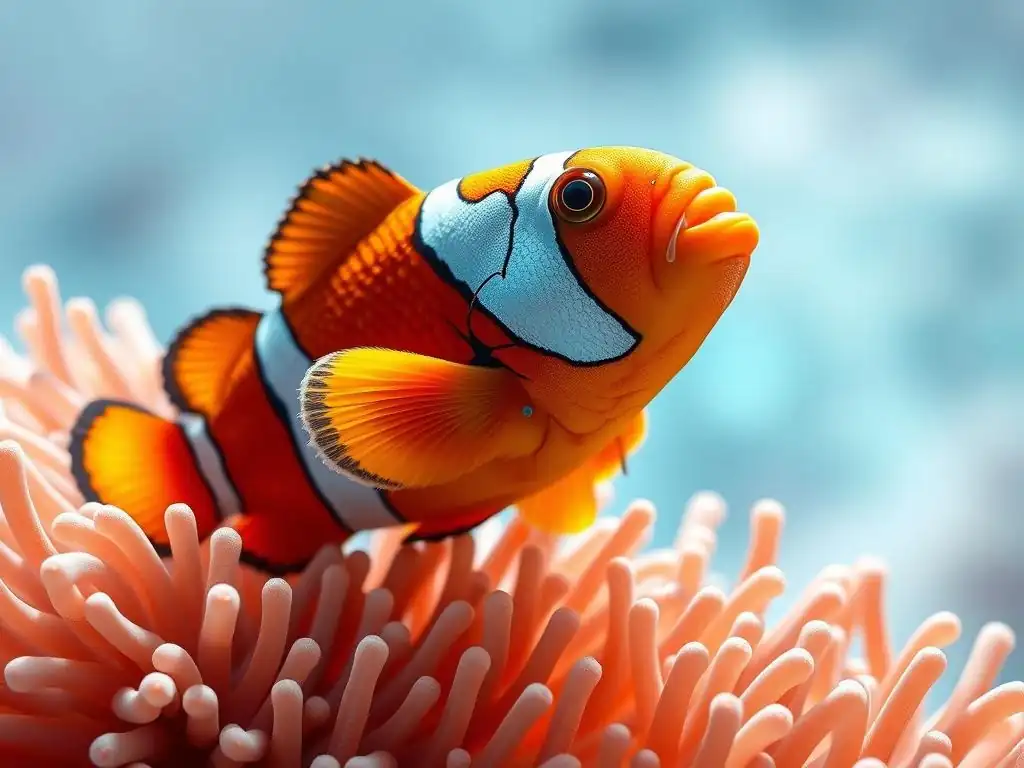
Documenting Ocellaris Clownfish Spawning: A Temperature-Driven Approach
The Ocellaris Clownfish ( Amphiprion ocellaris) is one of the most commonly bred marine fish, and consistent documentation has been key to their widespread success. In one documented case, a breeder maintained a pair of Ocellaris Clownfish and meticulously logged tank parameters for over two years. Their marine fish spawning guide revealed a strong correlation between spawning frequency and a stable water temperature of 27.5°C ( 81.5°F), with daily fluctuations never exceeding 0.5°C.
The log showed that when temperatures dipped below 26.5°C ( 79.7°F) or climbed above 28.5°C ( 83.3°F) for more than 24 hours, spawning either ceased entirely or resulted in significantly reduced egg clutches. By consistently maintaining the optimal 27.5°C, the breeder achieved weekly spawns, yielding 300-500 viable eggs per clutch. This detailed record allowed for precise environmental control, turning a semi-regular occurrence into a highly predictable and productive breeding cycle, a testament to the power of a data-driven marine fish spawning guide.
Documenting Green Mandarin Dragonet Spawning: The Role of Copepod Availability
Breeding Green Mandarin Dragonets ( Synchiropus splendidus) is notoriously challenging, largely due to their specific dietary requirements. A breakthrough success was achieved by a breeder who focused their marine fish spawning guide on meticulously documenting the availability of live copepods in the breeding tank. Beyond standard water parameters, the daily log included estimates of copepod density and specific species of copepods ( Tisbe and Apocyclops).
The documentation revealed that spawning only occurred consistently when the tank's copepod population was maintained above 100 individuals per liter, supplemented by daily additions of live Tigriopus copepods. When copepod levels dropped below this threshold, spawning attempts ceased. This precise correlation, captured in their marine fish spawning guide, highlighted that abundant live copepods were not just a food source but a critical environmental cue and nutritional requirement for successful reproduction in this species. This detailed log transformed a rare event into a repeatable breeding success, demonstrating the impact of focused documentation.
Advanced Techniques for Marine Fish Spawning Documentation
Using Sensors and Data Loggers for Automated Monitoring
For serious marine fish breeders, manual data logging can be labor-intensive and prone to human error. Advanced techniques now involve the integration of automated sensors and data loggers. These devices can continuously monitor and record critical water parameters such as temperature, salinity, pH, and even Oxidation-Reduction Potential (ORP) at predetermined intervals, often every few minutes or hours.
This automated approach provides an incredibly granular and precise marine fish spawning guide, capturing subtle fluctuations that might be missed by manual daily checks. For example, a data logger could reveal a 0.1 pH drop during the night, or a 0.001 specific gravity fluctuation after an auto top-off event, which could be critical for sensitive species. The wealth of continuous data allows for more sophisticated analysis, enabling breeders to identify minute correlations between environmental conditions and spawning events, ultimately leading to more refined and successful breeding protocols.
Implementing a Database for Efficient Data Management
As a marine fish breeding program expands to include multiple pairs or species, managing data effectively becomes a significant challenge for a traditional marine fish spawning guide. Implementing a dedicated database system, whether a custom solution using platforms like Microsoft Access or SQL, or specialized aquarium management software, offers a robust solution for efficient data management.
A well-designed database allows breeders to perform complex queries, generate detailed reports, and conduct sophisticated trend analysis across different variables and breeding pairs. For example, a breeder could quickly query all spawning events for a specific species that occurred when salinity was exactly 1.025 SG, or track the reproductive history of individual parent fish over their lifespan. This level of organization and analytical capability transforms raw data into actionable insights, making the marine fish spawning guide a powerful tool for large-scale operations and research.
Troubleshooting Common Spawning Issues Through Documentation
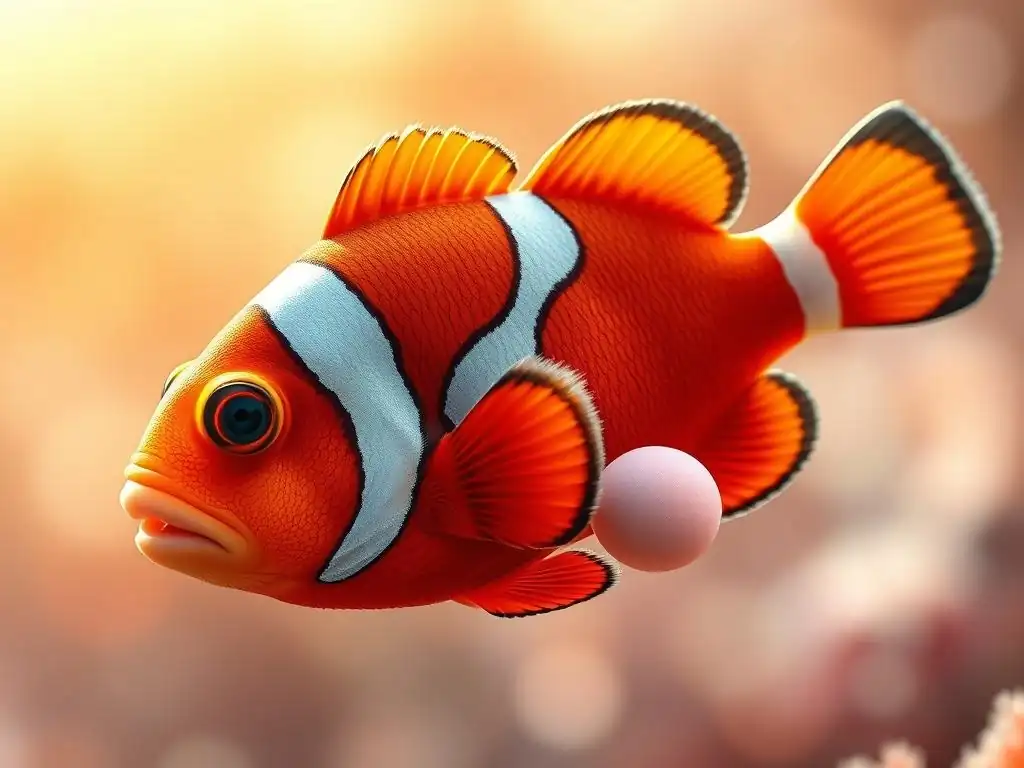
Addressing Inconsistent Spawning Events
Inconsistent spawning events are a common frustration for marine fish breeders, where a pair might spawn regularly for a period and then suddenly cease or become sporadic. A well-maintained marine fish spawning guide is the primary tool for diagnosing and rectifying such issues. By reviewing historical data, breeders can identify any deviations from the conditions that previously led to consistent spawns.
For example, if a pair of Domino Damselfish ( Dascyllus trimaculatus) typically spawns bi-weekly but has stopped, the log might reveal a gradual increase in nitrate levels from 5 ppm to 25 ppm, or a decrease in feeding frequency due to a busy schedule. Identifying these changes through documentation allows the breeder to make targeted adjustments—such as increasing water changes or resuming the optimal feeding regimen—which often leads to a prompt return to consistent spawning within 2-3 weeks, demonstrating the diagnostic power of a detailed marine fish spawning guide.
Identifying Potential Causes of Egg or Larval Mortality
The success of a marine fish breeding program extends beyond just inducing spawning; it critically depends on the viability of eggs and the survival of larvae. When eggs fail to hatch or larvae experience high mortality rates shortly after hatching, a meticulous marine fish spawning guide becomes indispensable for identifying potential causes. The documentation should extend to records of egg development, larval appearance, and conditions in the larval rearing tank.
For instance, if a high percentage of newly laid eggs turn opaque or fail to develop, reviewing the log might reveal a sudden temperature spike (e.g., 29°C or 84.2°F) during the first 24 hours of incubation, or a deficiency in the parent fish's diet (e.g., lack of essential fatty acids) leading to poor egg quality. Similarly, high larval mortality could be linked to specific water parameters in the larval tank (e.g., low pH, high ammonia), or inadequate first foods. By systematically tracking these variables, breeders can pinpoint the exact issues and implement corrective measures, improving overall breeding success as guided by their comprehensive marine fish spawning guide.
The Future of Marine Fish Breeding: Data-Driven Approaches
Utilizing Data Analysis to Enhance Spawning Techniques
The future of marine fish breeding lies increasingly in sophisticated, data-driven approaches. As breeders accumulate vast amounts of information in their marine fish spawning guides, the application of advanced statistical analysis and even machine learning algorithms can unlock deeper insights and significantly enhance spawning techniques. This moves marine fish breeding from an art form to a precise science.
For example, by analyzing years of data, predictive models could be developed to forecast optimal spawning times based on historical trends, lunar cycles, and specific environmental cues. This would allow breeders to precisely time environmental manipulations (e.g., temperature changes, specific feeding increases) and prepare larval rearing systems with unprecedented accuracy. Such data-driven optimization can lead to higher yields, reduced resource consumption, and the ability to consistently breed species previously considered too challenging, making the marine fish spawning guide an even more powerful tool.
The ultimate frontier in marine fish breeding involves the collaborative sharing of spawning data across the global aquarium community. While individual marine fish spawning guides are invaluable, aggregated and anonymized data from numerous breeders could create an unparalleled collective knowledge base. This collaboration can accelerate breakthroughs for species that remain difficult to breed in captivity.
Imagine a centralized, shared database detailing successful spawning conditions for species like the Blue Tang ( Paracanthurus hepatus), which is still a significant challenge for captive breeding. Such a resource, built from the combined contributions of many detailed marine fish spawning guides, could drastically reduce the trial-and-error phase for researchers and hobbyists worldwide. This collaborative, data-sharing approach fosters innovation, promotes sustainable aquaculture practices, and contributes significantly to the conservation of marine species by reducing reliance on wild-caught specimens.
Frequently Asked Questions
How crucial is detailed documentation for successful marine fish spawning?
Detailed documentation is absolutely crucial for repeatability. It allows you to identify patterns and optimize conditions for future spawning events. Without it, you're essentially starting from scratch each time.
What specific types of data should be recorded during a marine fish spawning event?
You should record environmental parameters like temperature, salinity, and lighting. Also, document fish behavior before, during, and after spawning, and the characteristics of the eggs.
How can documenting spawning events help troubleshoot issues in marine breeding?
By comparing data from successful and unsuccessful spawning attempts, you can identify potential causes of failure. This helps you adjust your approach and improve your chances of success.
What is the benefit of tracking egg development after a spawning event?
Tracking egg development helps you monitor the health and viability of the eggs. You can also identify any problems early on, such as fungal infections or poor water quality, and take corrective action.
How does understanding water chemistry affect marine fish spawning attempts?
Water chemistry directly impacts egg fertilization and larval survival. Maintaining optimal water parameters is vital for successful spawning and healthy offspring. Poor water quality can lead to failed attempts.
Final Reflection: Nurturing Future Reefs
The journey of documenting spawning events, as we've explored, isn't just about meticulous record-keeping; it's about unlocking the secrets of marine life and paving the way for sustainable aquaculture. The ability to consistently breed marine fish in captivity holds immense potential for reducing pressure on wild populations and ensuring the long-term health of our coral reefs.
This pursuit has profoundly impacted our understanding of marine ecosystems and continues to shape the future of marine conservation. The dedication required to meticulously document these spawning events reflects a deeper commitment to preserving the beauty and biodiversity of our oceans. In the end, we will conserve only what we love; we will love only what we understand; and we will understand only what we are taught.
- Baba Dioum. This quote encapsulates the essence of our work: through understanding and documentation, we foster a deeper appreciation and, ultimately, a stronger desire to protect these fragile environments.
As you delve deeper into the world of marine breeding, remember that every observation, every recorded detail, contributes to a larger body of knowledge. Let this guide inspire you to not only document spawning events but to become an active participant in the preservation of our marine ecosystems. Your dedication can help ensure that future generations can marvel at the vibrant beauty of our reefs.
Ignite Your Reef: Document & Breed Like a Pro!
Thanks for diving into the world of spawning documentation! Now that you're equipped with the knowledge to track those pivotal moments, let's turn that information into repeatable success.
- Start your breeding log today! Record every detail of your next spawning event, from water parameters to behavioral cues.
- Share your successes (and challenges!) on the Aquarium Mastery forum. Let's learn together!
- Research a species you haven't bred before. What unique factors might influence their spawning, and how could you document them?
What unexpected discoveries will your meticulous notes reveal about your reef inhabitants?