
Advanced Feeding Schedules for Optimal Tetra Fry Growth by Aquarium Mastery

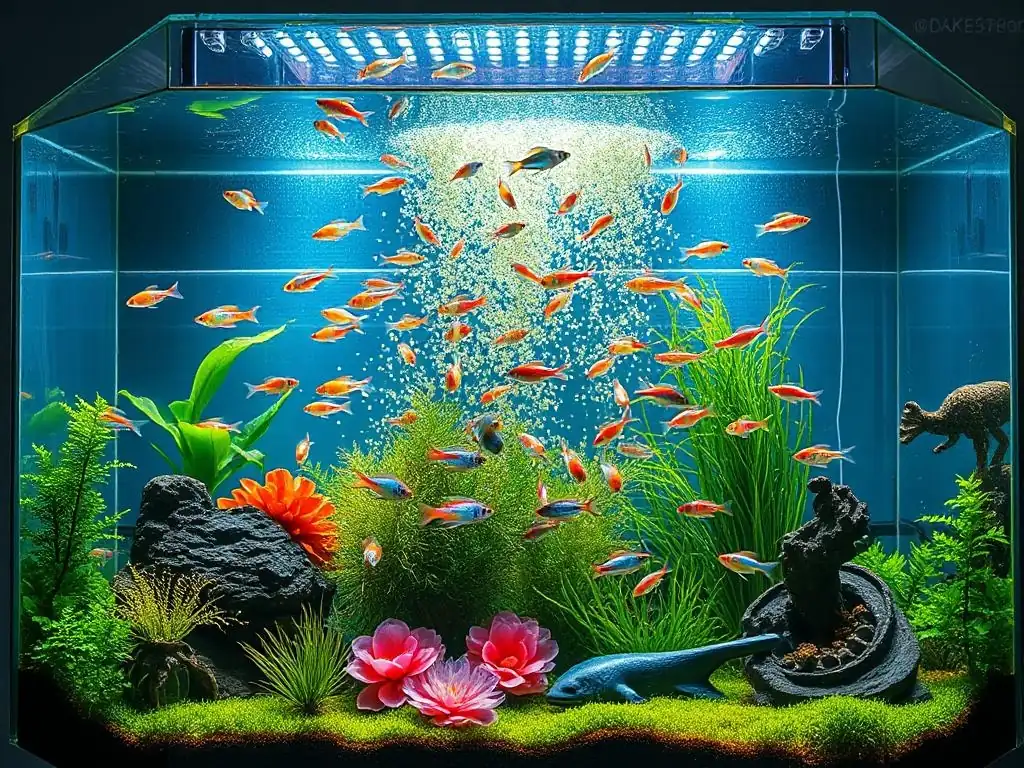
Welcome to Aquarium Mastery, your ultimate guide to thriving aquatic ecosystems!
Ever wondered how to unlock the secrets to raising healthy and vibrant Tetra fry? Unlock the complete guide and discover the advanced feeding schedules that will transform your tiny fry into dazzling jewels of your aquarium. Dive in now and master the art of nurturing your Tetra fry with our in-depth article, "Advanced Feeding Schedules for Optimal Tetra Fry Growth by Aquarium Mastery". Prepare to be amazed at the difference proper nutrition makes!
- Advanced Feeding Schedules for Optimal Tetra Fry Growth
- Understanding Tetra Fry Nutritional Needs
- Crafting the Perfect Tetra Fry Feeding Schedule
- Tetra Fry Feeding Techniques
- Optimizing Tetra Fry Growth
- Troubleshooting Common Tetra Fry Feeding Challenges
- Advanced Tetra Fry Food Options
- Monitoring and Adjusting Your Tetra Fry Feeding Plan
-
Frequently Asked Questions
- How often should I feed Tetra fry according to Aquarium Mastery's recommended schedule?
- What type of food does Aquarium Mastery recommend for optimal Tetra fry growth?
- What is the best way to prepare the food for Tetra fry, according to Aquarium Mastery?
- How long should I follow the advanced feeding schedule outlined by Aquarium Mastery?
- How do I prevent overfeeding my Tetra fry, as per Aquarium Mastery's advice?
- Final Reflection: Nurturing Growth, Shaping Futures
- Ignite Your Tetra Fry's Growth Potential!
Advanced Feeding Schedules for Optimal Tetra Fry Growth
Understanding Tetra Fry Nutritional Needs
The Importance of a Proper Tetra Fry Feeding Schedule
Establishing a precise and consistent tetra fry feeding schedule is paramount for the survival and robust development of newly hatched tetra fry. Unlike adult fish, fry possess extremely limited energy reserves and require a continuous supply of highly nutritious, easily digestible food. A haphazard feeding regimen can lead to stunted growth, increased mortality rates, and a weaker immune system, making them more susceptible to disease. For instance, studies have shown that consistent access to appropriate food in the first 72 hours can increase neon tetra fry survival rates by up to 30% compared to irregular feeding.
Furthermore, the rapid metabolic rate of tetra fry necessitates frequent, small meals to fuel their exponential growth. Their tiny digestive systems are not equipped to handle large quantities of food at once, making overfeeding just as detrimental as underfeeding, as it can quickly foul the water. A well-structured tetra fry feeding schedule ensures that nutrients are continuously available without compromising water quality, laying the foundation for healthy, vibrant adult tetras.
Key Nutrients for Healthy Tetra Fry Development
For optimal development, tetra fry require a diet rich in proteins, essential fatty acids, vitamins, and minerals. Protein is the most critical component, supporting rapid tissue and muscle development. Fry foods often boast protein levels exceeding 45-50%, derived from sources like fish meal, spirulina, and egg products. Without sufficient protein, fry can exhibit stunted growth and deformities.
Essential fatty acids, particularly Omega-3 and Omega-6, are vital for brain and nervous system development, as well as energy storage. These can be found in sources like marine lipids and certain microalgae. Vitamins (such as A, C, D, E, and B-complex) and minerals (like calcium and phosphorus) act as cofactors for various metabolic processes and are crucial for skeletal formation and overall immunity. A balanced diet incorporating these elements through a well-devised tetra fry feeding schedule is non-negotiable for successful rearing.
Nutrient Requirements for Cardinal and Neon Tetra Fry
While generally similar, Cardinal and Neon Tetra fry share a high demand for protein and small particle sizes due to their minute mouths. Both species, originating from soft, acidic waters, benefit immensely from a diet emphasizing high-quality animal and plant-based proteins. For example, newly hatched Cardinal Tetra fry, often measuring less than 2mm, require food particles in the range of 5-50 microns in their first week, with protein content ideally above 50%.
As they grow, their nutritional needs remain protein-centric, with a gradual increase in fat content for energy reserves. For Neon Tetra fry, which are slightly larger at hatching, a similar protein-rich diet supports their fast growth rate. Both species thrive when their tetra fry feeding schedule progressively introduces live foods like baby brine shrimp, which are packed with highly digestible protein and essential fatty acids, mimicking their natural diet in the wild.
Impact of Food Size and Consistency on Tetra Fry Consumption
The size and consistency of food are critical factors directly impacting a tetra fry's ability to consume and digest nutrients. Newly hatched tetra fry possess incredibly small mouths, often only capable of ingesting particles ranging from 5 to 100 microns. Foods that are too large will simply be ignored, leading to starvation, even if food is abundant. This is why microscopic options like infusoria or specialized liquid fry foods are essential in the initial stages of a tetra fry feeding schedule.
As fry grow, typically after 7-10 days, their mouth gape increases, allowing them to consume larger particles such as newly hatched baby brine shrimp (around 400-500 microns) or microworms. The consistency of the food also matters; liquid foods or very fine powders disperse well, allowing timid fry to feed without excessive competition. Conversely, larger, more solid foods are introduced later, requiring the fry to actively bite and chew, which aids in their developmental process.
Crafting the Perfect Tetra Fry Feeding Schedule
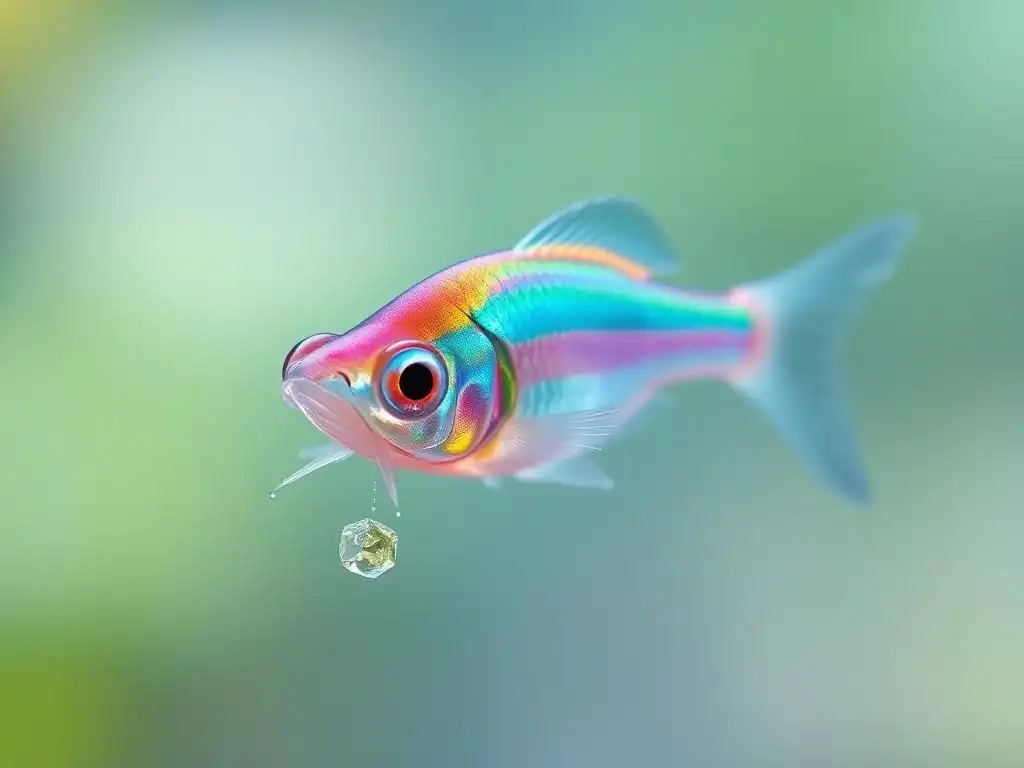
Stage 1: Infusoria and Liquid Fry Food (Days 1-7)
Preparing and Culturing Infusoria for Tetra Fry
Infusoria, microscopic protozoa, are an ideal first food for newly hatched tetra fry due to their incredibly small size (typically 10-200 microns) and high digestibility. Culturing infusoria can be achieved by placing a few pieces of dried banana peel, lettuce leaves, or hay in a jar of aged aquarium water under moderate light. Within 2-3 days, a cloudy appearance indicates a thriving culture. A simple method involves a handful of dried oak leaves in a gallon jar, which can produce a sustainable supply within a week.
To feed, carefully siphon off the top layer of the infusoria culture, avoiding the decaying matter at the bottom, and add small amounts directly to the fry tank. This ensures a continuous supply of live, nutritious food that newly hatched tetra fry can easily consume. The natural movement of infusoria also stimulates the fry's hunting instincts, encouraging them to feed actively.
Selecting the Best Liquid Fry Food for Initial Feeding
Alongside or as an alternative to infusoria, high-quality liquid fry foods are excellent choices for the first week of a tetra fry feeding schedule. These products are typically suspensions of finely ground, highly nutritious particles, often derived from egg yolks, spirulina, or other concentrated protein sources. Look for liquid fry foods specifically formulated for egg-laying fish fry, as these usually have the appropriate particle size (often less than 50 microns) and nutrient profile.
When selecting, check the protein content, which should ideally be above 40%, and ensure it contains essential vitamins and minerals. Brands like Hikari First Bites or Sera Micron are popular choices due to their fine particle size and comprehensive nutritional value. These foods disperse well in the water column, making them accessible to all fry and reducing the chance of uneaten food settling quickly and polluting the tank.
Feeding Frequency and Quantity for Newly Hatched Fry
Newly hatched tetra fry have extremely high metabolic rates and require constant access to food. Therefore, the tetra fry feeding schedule for days 1-7 should involve frequent, small feedings, typically 5-8 times per day. The goal is to keep a continuous, light haze of food particles in the water without clouding it excessively or allowing food to accumulate on the bottom.
Start with a very small amount, such as 1-2 drops of liquid fry food or a few milliliters of concentrated infusoria culture, and observe how quickly it is consumed. Adjust the quantity based on the number of fry and their consumption rate. It's better to slightly underfeed and perform more frequent water changes than to overfeed, which can rapidly degrade water quality and lead to fatal ammonia spikes for delicate fry.
Stage 2: Transitioning to Baby Brine Shrimp and Microworms (Weeks 2-4)
Hatching Baby Brine Shrimp (BBS) for Tetra Fry
Baby brine shrimp (Artemia nauplii) are an exceptionally nutritious live food, typically measuring around 400-500 microns, making them perfect for tetra fry once they are about 7-10 days old. To hatch them, you'll need a brine shrimp hatchery (a simple inverted plastic bottle works), an air pump, and non-iodized salt (approximately 2 tablespoons per liter of water). Add 1/4 to 1/2 teaspoon of brine shrimp eggs per liter.
Maintain the water temperature between 78-82°F (25.5-27.8°C) and provide strong aeration. Hatching usually occurs within 24-36 hours. Once hatched, turn off the air and allow the shells to float and the nauplii to sink. Siphon the orange nauplii from the bottom, rinse them thoroughly with fresh water to remove salt, and then feed them to the fry. A daily fresh hatch ensures maximum nutritional value.
Culturing Microworms as a Supplemental Food Source
Microworms (Panagrellus redivivus) are another excellent live food option for tetra fry during weeks 2-4, offering a good protein source and being relatively easy to culture. They are smaller than baby brine shrimp, typically 50-150 microns, making them suitable for smaller or slower-growing fry. A microworm culture can be started in a shallow plastic container with a mixture of oatmeal and baker's yeast as the substrate.
Simply spread a thin layer of cooked oatmeal (thick consistency) on the bottom, sprinkle a pinch of active dry yeast, and then add a starter culture of microworms. Cover loosely to allow air exchange. Within a few days, worms will migrate up the sides of the container, where they can be scraped off with a clean finger or small brush and rinsed into the fry tank. This provides a continuous supply of wiggling, attractive food for the growing fry.
Gradual Introduction of Live Foods to the Tetra Fry Diet
The transition from infusoria/liquid fry food to live foods like baby brine shrimp and microworms should be gradual to avoid shocking the fry's digestive systems and ensure acceptance. Around day 7-10, begin by offering a small amount of baby brine shrimp or microworms once or twice a day, in addition to their regular liquid fry food or infusoria. Observe the fry's response; if they readily consume the new food, gradually increase the proportion of live food over the next few days.
For example, on day 8, feed 75% liquid fry food and 25% live food. By day 10-12, you can aim for 50% liquid/infusoria and 50% live food. By the end of week 2, live foods can become the primary component of the tetra fry feeding schedule, offered 4-6 times daily. This gradual shift ensures that the fry adapt to the new food source without experiencing nutritional deficiencies or digestive upset.
Stage 3: Introducing Powdered Fry Food and Fine-Crumbled Flakes (Weeks 4-8)
Choosing High-Quality Powdered Fry Food for Continued Growth
As tetra fry reach 4 weeks of age and beyond, their mouths are large enough to accept finely powdered dry foods. When selecting powdered fry food, prioritize products with a high protein content, ideally over 45-50%, and list whole fish meal, spirulina, or krill as primary ingredients. Avoid foods with excessive fillers or low-quality ingredients. Brands like TetraMin Baby or Hikari First Bites (fine grind) are good examples, designed for the rapid growth phase.
The particle size should still be very fine, ensuring it disperses well and remains suspended in the water column for longer, allowing all fry ample opportunity to feed. Consistent use of a high-quality powdered fry food as part of your tetra fry feeding schedule provides a stable and easily manageable nutritional base, complementing any live foods still being offered.
Selecting Fine-Crumbled Flakes Specifically Formulated for Small Fish
Beyond powdered foods, fine-crumbled flakes can be introduced, especially those specifically formulated for small or juvenile fish. Regular adult fish flakes are often too large and thick for young tetra fry, even if crushed. Look for flakes that are softer and more easily broken down into microscopic pieces. Some aquarists manually crush high-quality adult flakes between their fingers or use a mortar and pestle to achieve the desired consistency.
The goal is to produce particles that are small enough to be ingested by fry that are now typically 1/2 to 3/4 inch in length. Introducing these fine flakes gradually, perhaps once or twice a day, allows the fry to acclimate to a different texture and composition, broadening their dietary range and preparing them for a more varied adult diet.
Monitoring Tetra Fry Growth and Adjusting Food Size Accordingly
Continuous monitoring of tetra fry growth is crucial for adjusting the tetra fry feeding schedule effectively. Visually inspect the fry daily; healthy fry should show noticeable growth day by day, appearing plump with full bellies. If fry appear thin, lethargic, or are not growing, it may indicate insufficient food quantity or inappropriate food size.
As the fry grow, their mouths will visibly enlarge, allowing them to consume progressively larger food particles. This is the cue to gradually increase the size of the food offered. For example, transition from very fine powders to slightly coarser powders, then to micro-pellets or finely crushed flakes. This ensures they are always receiving appropriately sized nutrition, maximizing their growth potential and minimizing wasted food.
Tetra Fry Feeding Techniques
Target Feeding Methods for Tetra Fry
Target feeding is a highly effective method for delivering food directly to tetra fry, minimizing waste and ensuring that even shy or smaller fry receive adequate nutrition. Instead of broadcasting food across the entire tank, which can quickly lead to uneaten particles settling and polluting the water, target feeding involves directing small amounts of food to specific areas where fry are congregating. This is particularly useful in larger breeding tanks or tanks with adult fish that might compete for food.
This technique is especially beneficial when using live foods like baby brine shrimp or microworms, as their movement stimulates a feeding response. By concentrating the food, you can observe consumption more closely, allowing for precise adjustments to quantity and frequency within your tetra fry feeding schedule. This method also helps reduce the overall bioload in the tank, contributing to better water quality.
Using a Turkey Baster or Pipette for Precise Food Delivery
A turkey baster or a long pipette is an indispensable tool for precise food delivery to tetra fry. These tools allow aquarists to draw up liquid fry food, infusoria cultures, or rinsed live foods like baby brine shrimp and then gently release them directly into the fry's vicinity. This eliminates the scatter effect of simply pouring food in and ensures that the food is immediately available to the fry before it disperses too widely or settles.
For example, when feeding infusoria, you can draw up a concentrated solution and slowly squirt it into the water column above the fry, creating a localized cloud of food. Similarly, with baby brine shrimp, a baster allows you to deliver a concentrated swarm of live food right where the fry are swimming, maximizing their feeding efficiency and reducing the amount of uneaten food that can degrade water quality.
Preventing Overfeeding and Maintaining Water Quality
Overfeeding is one of the most common and detrimental mistakes when raising tetra fry. Their small bioload capacity means that even a slight excess of food can rapidly lead to elevated ammonia and nitrite levels, which are highly toxic to delicate fry. To prevent overfeeding, adhere strictly to a "little and often" approach, feeding very small amounts multiple times a day. Observe the fry's consumption; if food remains visible after 5-10 minutes, you are feeding too much.
Regularly siphoning off any uneaten food using a small airline tubing or pipette is also crucial. This proactive removal of decaying organic matter is a key component of maintaining pristine water quality. A consistent tetra fry feeding schedule that prioritizes small, frequent meals combined with diligent waste removal is fundamental to preventing water quality crashes and ensuring the survival of your fry.
Water Changes and Their Role in Tetra Fry Health During Feeding
Despite meticulous feeding techniques, the high frequency of feeding required for tetra fry will inevitably lead to some degree of water pollution. Therefore, regular, small water changes are absolutely essential for maintaining optimal water quality and the health of the fry. Daily water changes of 10-20% are often recommended, particularly during the first few weeks when feeding is most intensive.
These frequent water changes dilute accumulated nitrates, remove uneaten food particles that might have been missed, and replenish essential trace elements. When performing water changes, use aged or dechlorinated water that is temperature-matched to the tank to prevent temperature shock. Carefully siphon water from the bottom of the tank to remove settled debris, taking care not to suck up any fry. This diligent water change regimen complements your tetra fry feeding schedule, creating a clean and stable environment for rapid growth.
Optimizing Tetra Fry Growth
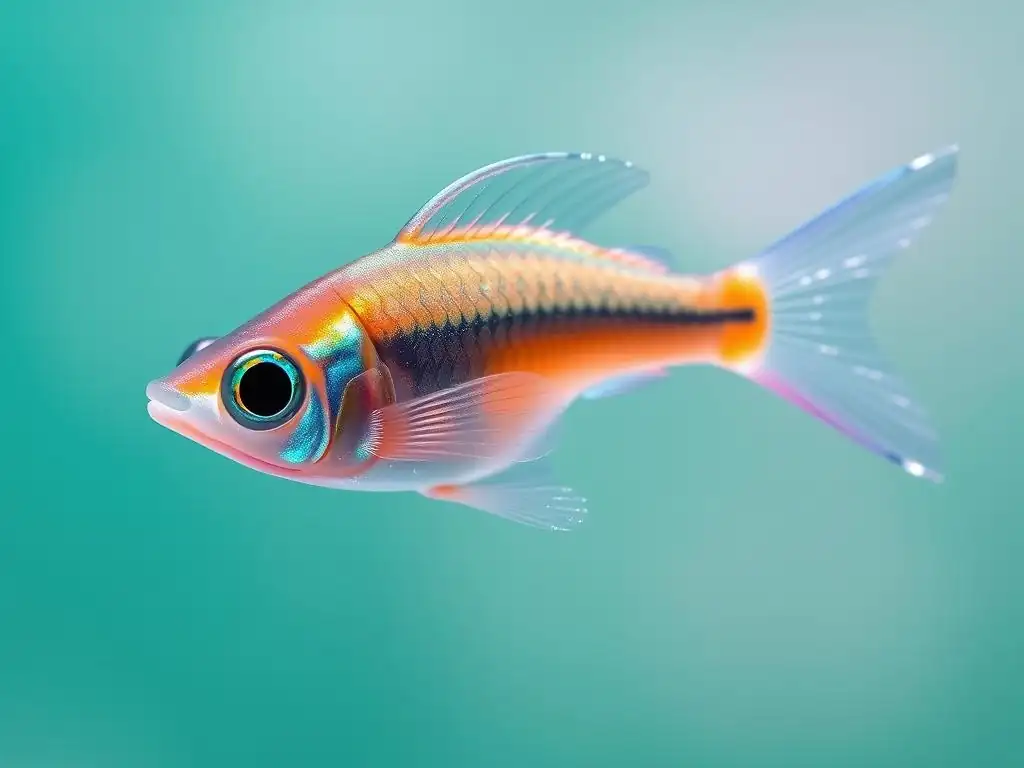
Maintaining Optimal Water Parameters for Tetra Fry Development
Maintaining stable and optimal water parameters is as critical as the feeding schedule for robust tetra fry growth. Fluctuation in parameters like temperature, pH, and hardness can cause significant stress, leading to stunted growth, weakened immune systems, and increased mortality. For most common tetras like Neons and Cardinals, a stable temperature between 75-80°F (24-27°C) and a slightly acidic to neutral pH (6.0-7.0) are ideal.
The presence of ammonia and nitrite must be zero, and nitrates should be kept as low as possible, ideally below 10 ppm. Regular testing with a reliable liquid test kit is vital to monitor these parameters. Any deviation should be addressed immediately through small, targeted water changes or adjustments to filtration, ensuring the fry's environment is consistently pristine.
The Importance of Temperature and pH for Growth and Survival
Temperature directly influences the metabolic rate of tetra fry; warmer water within their optimal range generally leads to faster growth due to increased metabolism and feeding activity. For instance, raising the temperature from 72°F to 78°F (22°C to 25.5°C) can significantly accelerate the growth rate of Neon Tetra fry, potentially shortening the time to reach juvenile size by several days. However, excessively high temperatures can reduce oxygen levels and stress the fry.
pH also plays a crucial role, affecting the solubility of nutrients and the toxicity of waste products. Most tetra species thrive in slightly acidic to neutral water (pH 6.0-7.0). Maintaining a stable pH within this range minimizes stress and optimizes the biological processes necessary for healthy development. Sudden pH swings, even within an acceptable range, are far more detrimental than a consistent pH slightly outside the ideal.
Providing Adequate Lighting for Tetra Fry Activity and Feeding
Adequate lighting is important for tetra fry, influencing their activity levels and feeding behavior. While intense lighting is unnecessary and can even stress delicate fry, a consistent photoperiod of 12-14 hours of moderate, diffused light helps establish a natural day-night cycle. This cycle cues the fry to be active during the "day" for feeding and to rest during the "night."
Proper lighting also supports the growth of beneficial microorganisms and microalgae that can serve as supplementary food sources or contribute to the overall tank ecosystem. It allows aquarists to observe the fry clearly, monitor their feeding activity, and identify any issues like uneaten food or signs of disease, making it easier to fine-tune the tetra fry feeding schedule and overall care.
Implementing a Regular Water Change Schedule
As previously emphasized, a stringent and regular water change schedule is perhaps the single most important factor for optimizing tetra fry growth, alongside their feeding regimen. Due to the frequent feeding and the fry's delicate nature, nitrates and other dissolved organic compounds can accumulate rapidly, even with a good filtration system. Without regular water changes, these compounds inhibit growth and can quickly become toxic.
A common and effective schedule involves performing 10-20% water changes daily or every other day during the first 4-6 weeks. For larger batches of fry or very intensive feeding, even twice-daily small changes might be beneficial. Always ensure the new water is dechlorinated, temperature-matched, and has similar parameters to the tank water. This consistent dilution of pollutants allows the fry to allocate more energy towards growth rather than coping with environmental stress, leading to healthier and larger specimens.
Troubleshooting Common Tetra Fry Feeding Challenges
Identifying and Addressing Slow Growth in Tetra Fry
Slow growth in tetra fry is a common challenge, often indicating underlying issues with their feeding schedule or environment. If fry appear significantly smaller than expected for their age, or if there's a wide disparity in size among the batch, potential causes include insufficient food quantity, inappropriate food size, poor water quality, or excessive competition. For example, if 3-week-old Neon Tetra fry are still under 5mm, their growth is likely stunted.
To address this, first re-evaluate your tetra fry feeding schedule: are you feeding enough, and is the food small enough for all fry to consume? Increase feeding frequency or quantity if necessary. Test water parameters rigorously; elevated ammonia, nitrite, or nitrate levels are major growth inhibitors. Consider increasing water change frequency. Finally, assess competition; if some fry are dominant feeders, ensure food is dispersed widely or consider separating larger fry.
Dealing with Uneaten Food and Potential Water Quality Issues
Uneaten food is a primary contributor to poor water quality in fry tanks, leading to ammonia spikes and bacterial blooms. If you observe food particles accumulating on the bottom or cloudiness in the water, it's a clear sign of overfeeding. The immediate solution is to reduce the amount of food offered at each feeding and increase the frequency of small water changes.
Use a small airline tubing or a pipette to carefully siphon out any visible uneaten food as soon as possible after feeding. This proactive removal prevents decay and subsequent ammonia production. Consider adding a few very small snails (like Ramshorn or Malaysian Trumpet Snails) that won't harm the fry but will consume excess food, though rely on them cautiously as they also add to the bioload. Adjusting your tetra fry feeding schedule to smaller, more frequent meals can largely mitigate this issue.
Preventing Competition for Food Among Tetra Fry
As tetra fry grow, competition for food can become a significant challenge, especially in dense batches. Larger or more aggressive fry can outcompete smaller, shyer individuals, leading to a wide range in sizes and potentially starving some fry. To prevent this, ensure that food is distributed widely across the tank rather than concentrated in one spot.
When feeding, use a baster or pipette to disperse food in multiple areas, allowing all fry access. If live foods like baby brine shrimp are used, their natural movement helps distribute them. For very large batches, consider using a larger rearing tank to provide more space. If size disparity becomes extreme, it may be necessary to separate the largest fry into a different container to give the smaller ones a chance to catch up, ensuring a more uniform growth rate across the batch.
Recognizing and Treating Signs of Malnutrition in Tetra Fry
Recognizing signs of malnutrition early is crucial for successful tetra fry rearing. Malnourished fry may exhibit a pinched or sunken belly, indicating insufficient food intake. They might also appear lethargic, swim weakly, or show abnormal development such as spinal deformities or stunted fins. Their coloration might be dull, lacking the vibrancy of healthy fry.
If malnutrition is suspected, immediately review and adjust your tetra fry feeding schedule. Ensure the food type, size, and quantity are appropriate for their age and species. Increase the frequency of feeding and potentially introduce higher-protein options like freshly hatched baby brine shrimp. Simultaneously, perform extra water changes to rule out water quality issues as a contributing factor. In some cases, adding a liquid vitamin supplement specifically designed for fry can aid recovery, though a balanced diet is the primary solution.
Advanced Tetra Fry Food Options
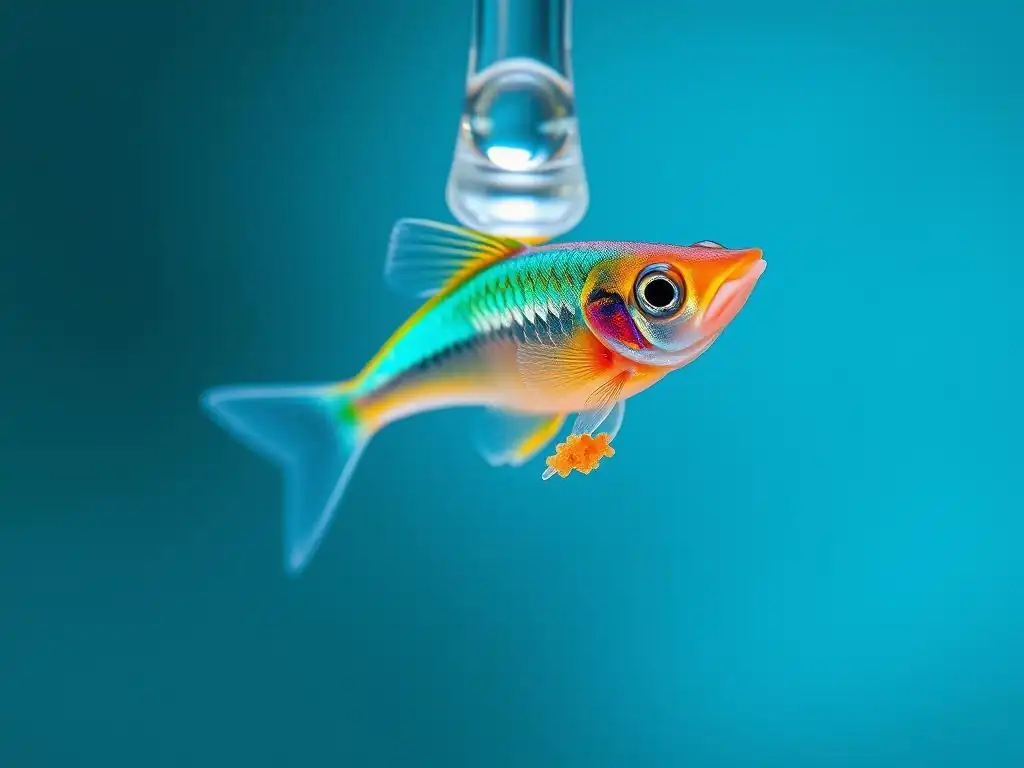
High-Protein Diets for Accelerated Growth Rates
For aquarists aiming for accelerated growth rates in their tetra fry, incorporating high-protein diets beyond standard options is beneficial. Decapsulated brine shrimp eggs, for instance, are a fantastic dry food option. These eggs do not hatch but offer a protein content exceeding 50% and are highly digestible, eliminating the need for hatching and the risk of unhatched cysts causing digestive issues. They are typically around 200-300 microns, suitable for fry from week 2 onwards.
Another excellent choice is specialized micro-pellets or crumbles designed for fry, often boasting protein levels up to 60%. These often contain a blend of marine proteins, spirulina, and essential fatty acids. For example, some brands offer specific fry foods with a minimum of 55% crude protein, significantly boosting growth potential when integrated into a consistent tetra fry feeding schedule.
Natural Food Supplements to Enhance Coloration and Immunity
Beyond basic nutrition, certain natural food supplements can enhance the coloration and boost the immunity of growing tetra fry. Astaxanthin, a powerful antioxidant found in krill, spirulina, and some specialized color-enhancing foods, is particularly effective for developing the vibrant red and orange pigments in species like Neon and Cardinal Tetras. Introducing foods rich in astaxanthin from week 4 onwards can significantly improve their adult coloration.
Beta-glucans, often derived from yeast or fungi, are known immune boosters that can strengthen the fry's natural defenses against disease. Garlic extract, another common supplement, can act as an appetite stimulant and also has some antimicrobial properties. While these are supplements, they should be incorporated naturally into the tetra fry feeding schedule through enriched foods rather than direct dosing.
Homemade Tetra Fry Food Recipes
For dedicated aquarists, crafting homemade tetra fry food can offer precise control over ingredients and freshness. A simple yet effective recipe involves finely pureed hard-boiled egg yolk, which is rich in protein and fat. The yolk must be strained through a fine mesh or cloth to remove all larger particles, creating a slurry suitable for very young fry (50-100 microns). However, egg yolk can foul water quickly, so extreme caution and very small quantities are necessary.
Another option is a blend of spirulina powder, finely ground high-protein fish flakes, and a touch of multivitamin liquid. This mixture can be blended with a small amount of water to form a paste, then spread thinly and allowed to dry before being crushed into a fine powder. While homemade foods offer customization, they require meticulous preparation to ensure sterility and proper particle size, and they generally have a shorter shelf life than commercial products.
Considerations for Breeding Black Skirt, Glowlight, and Neon Tetras
While the general principles of a tetra fry feeding schedule apply to most tetra species, there are subtle considerations for specific types like Black Skirt, Glowlight, and Neon Tetras. Neon and Cardinal Tetras, being smaller at hatching, require the absolute finest initial foods (infusoria, liquid fry food) for a longer period, sometimes up to 10-14 days before consistently accepting baby brine shrimp. Their initial growth is slower, demanding patience and diligent feeding.
Black Skirt and Glowlight Tetras, while still small, tend to be slightly larger at hatching and grow a bit faster. They might transition to baby brine shrimp or microworms a few days earlier, perhaps by day 7-8. All tetra fry, regardless of species, benefit immensely from a consistent high-protein diet and pristine water conditions to reach their full potential. The key is to observe the specific fry's growth and adjust the feeding schedule accordingly.
Monitoring and Adjusting Your Tetra Fry Feeding Plan
Regularly Assessing Tetra Fry Growth and Development
Consistent monitoring is the cornerstone of a successful tetra fry feeding schedule. Regularly assessing their growth and development allows aquarists to make informed adjustments. This involves daily visual inspections: are the fry plump? Are they actively swimming and feeding? Is there a noticeable increase in size each day or week? For example, healthy Neon Tetra fry should reach approximately 10-12mm by 4 weeks and 15-20mm by 8 weeks.
Look for consistency in size among the batch; a wide size disparity can indicate competition or that some fry are not getting enough food. Observing their coloration and fin development also provides clues about their overall health and nutritional status. Keeping a simple log of estimated sizes at weekly intervals can help track progress and identify any periods of stunted growth.
Adjusting Feeding Schedules Based on Observed Growth Rates
The tetra fry feeding schedule should not be a rigid, unchangeable plan but rather a dynamic one, constantly adjusted based on the observed growth rates and behavior of the fry. If fry appear thin or growth is slow, it might be necessary to increase the frequency or quantity of feedings, or introduce a higher-protein food. Conversely, if there's significant uneaten food, the quantity should be reduced.
As fry grow larger, their mouths expand, allowing them to consume bigger food particles. This is the cue to gradually increase the food size, transitioning from infusoria to baby brine shrimp, then to microworms, and finally to powdered fry foods and fine flakes. The goal is to always provide the most nutritious food that the fry can comfortably consume, optimizing their energy intake for growth.
Documenting Feeding Schedules and Results
Maintaining a detailed logbook of your tetra fry feeding schedule and observations is an invaluable practice for successful breeding. Document information such as:
- Date of hatch
- Type of food fed (e.g., infusoria, BBS, microworms, powdered food)
- Feeding frequency and approximate quantity
- Water change schedule and parameters
- Observed growth (e.g., estimated size at weekly intervals)
- Any challenges encountered (e.g., slow growth, disease, water quality issues)
This documentation provides a comprehensive history of your rearing efforts, allowing you to identify what works best for specific tetra species or even individual spawns. It transforms your experience into actionable data, making future breeding attempts more predictable and successful. For example, a log might reveal that feeding baby brine shrimp 6 times a day from day 7 led to a 20% higher survival rate than 4 times a day.
Adapting Your Approach Based on the Specific Tetra Species.
While core principles of the tetra fry feeding schedule are broadly applicable, successful aquarists adapt their approach based on the specific tetra species they are raising. As noted, species like Neon Tetras and Cardinal Tetras are notoriously small at hatching and require finer initial foods for a longer duration compared to slightly larger species like Black Skirt or Congo Tetras. Their delicate nature also often necessitates even more stringent water quality control.
Researching the natural diet and habitat of your specific tetra species can provide further insights. For instance, some tetras might have a higher preference for live foods, while others adapt more readily to dry preparations. Observing the unique feeding behaviors and growth rates of your particular fry batch will ultimately guide the most effective adjustments to your advanced tetra fry feeding schedule, ensuring the best possible outcome for your young tetras.
Frequently Asked Questions
How often should I feed Tetra fry according to Aquarium Mastery's recommended schedule?
Tetra fry require frequent feedings due to their rapid growth. Aquarium Mastery suggests feeding them small amounts 4-6 times a day. This ensures they have constant access to nutrients.
What type of food does Aquarium Mastery recommend for optimal Tetra fry growth?
Aquarium Mastery emphasizes the importance of high-protein foods for Tetra fry. Ideal options include infusoria, liquid fry food, and newly hatched brine shrimp.
What is the best way to prepare the food for Tetra fry, according to Aquarium Mastery?
The food needs to be appropriately sized for the fry to consume. Aquarium Mastery recommends crushing larger foods or using liquid fry food specifically designed for their small mouths.
How long should I follow the advanced feeding schedule outlined by Aquarium Mastery?
Continue the frequent feeding schedule until the Tetra fry are large enough to eat larger food particles, usually around 2-3 weeks old. Then, you can gradually reduce the frequency of feedings.
How do I prevent overfeeding my Tetra fry, as per Aquarium Mastery's advice?
Monitor the tank closely and remove any uneaten food after each feeding to prevent water quality issues. Aquarium Mastery stresses that water quality is crucial for fry survival.
Final Reflection: Nurturing Growth, Shaping Futures
The insights shared throughout this article on advanced tetra fry feeding schedules are not merely about optimizing growth rates; they are about cultivating the potential within each tiny life. In a world increasingly focused on efficiency and results, understanding the nuances of nurturing these delicate creatures serves as a powerful reminder of the care and dedication required to foster any form of growth, whether in the aquarium or beyond.
This journey into the world of tetra fry has underscored the profound impact of consistent, informed action. Witnessing the transformation from fragile hatchlings to vibrant, thriving fish has been a testament to the power of attentive care and strategic planning. The best time to plant a tree was 20 years ago. The second best time is now.
This ancient proverb resonates deeply, reminding us that even small, consistent efforts, like meticulously following a tetra fry feeding schedule, can yield remarkable results over time.
As you close this article, consider how the principles of attentive care and strategic planning can be applied to other areas of your life. What potential are you nurturing? What consistent actions can you take to foster growth and development, not just in your aquarium, but in your own personal journey? Embrace the dedication required to cultivate potential, and watch as your own efforts blossom into something truly extraordinary.
Ignite Your Tetra Fry's Growth Potential!
Thank you for diving into the world of tetra fry care! We hope you've gained valuable insights into optimizing their growth. Now, let's put that knowledge into action and see your tiny tetras thrive.
Here are a few things you can do right now:
- Implement a tailored feeding schedule based on your fry's age and observed growth rate, adjusting portions as needed for optimal development.
- Explore creating your own DIY fry food using readily available ingredients, experimenting with recipes to cater to their specific nutritional needs.
- Share your fry's growth journey and any unique feeding strategies you discover on the Aquarium Mastery community forum.
What unexpected ingredient have you found to boost your tetra fry's vibrancy and growth?