
The Perfect Parent Tank: Aquarium Mastery on Designing for Minimal Intervention Breeding

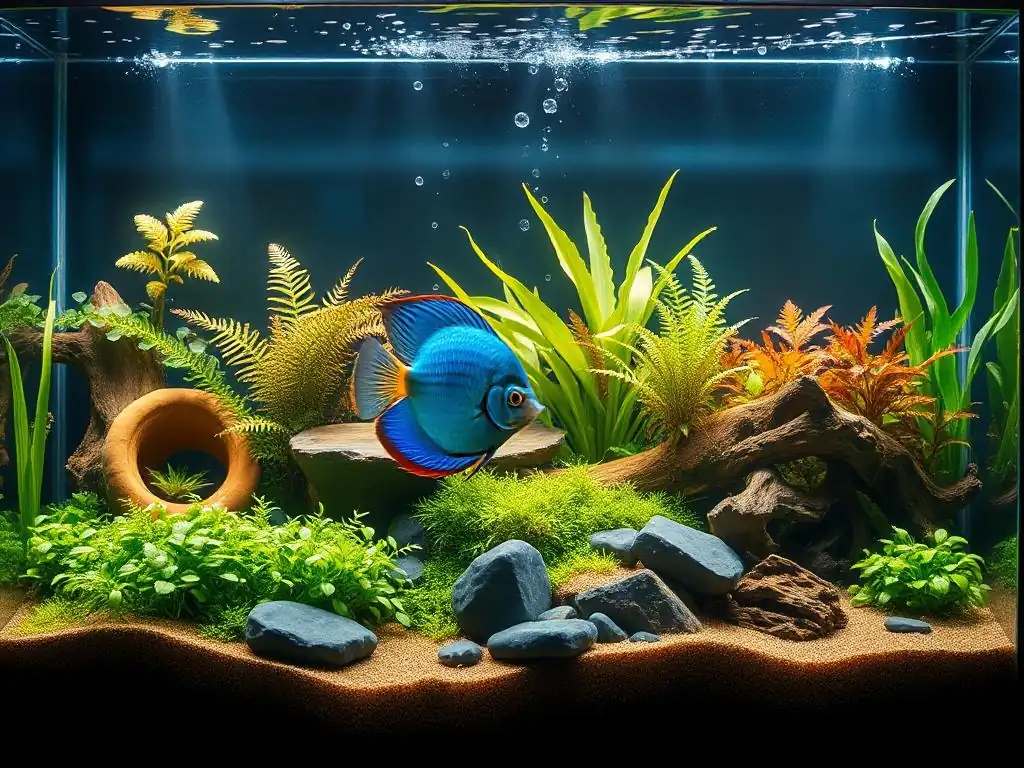
Welcome to Aquarium Mastery, your ultimate guide to thriving aquatic ecosystems! Ever wondered how to create the perfect environment for your fish to breed with minimal intervention? Dive in! This article unravels the secrets of designing the ideal breeding fish parent tank, kicking off your journey to successful and stress-free spawning. Let's explore how to cultivate a haven where new life flourishes... and discover what makes a parent tank truly masterful.
- Breeding Angelfish: Designing a Low-Intervention Parent Tank for High Success
- Understanding the Importance of a Dedicated Angelfish Breeding Tank
- Selecting the Ideal Parent Tank Size and Dimensions for Angelfish Breeding
- Essential Equipment for a Successful Angelfish Breeding Tank
- Water Parameters for Breeding Success: Achieving the Perfect Chemical Balance for Angelfish
- Setting Up the Angelfish Breeding Tank: A Step-by-Step Guide
- Low-Intervention Techniques for Breeding Angelfish: Letting Nature Take Its Course
- Optimizing Fry Survival Rates in the Angelfish Breeding Tank
- Common Mistakes to Avoid When Setting Up an Angelfish Breeding Tank
- Advanced Techniques for Angelfish Breeding
- Troubleshooting Common Breeding Problems in Angelfish Tanks
- Maintaining Long-Term Success with Your Angelfish Breeding Tank
-
Frequently Asked Questions
- How does a parent tank differ from a regular aquarium?
- What are the key considerations when selecting fish for a breeding parent tank?
- Why is water chemistry so crucial in a breeding parent tank?
- What role do plants play in a breeding parent tank?
- How often should I perform water changes in a breeding parent tank?
- Final Reflection: Cultivating Aquatic Ecosystems
- Ignite Your Aquarium: Breed Like a Pro!
Breeding Angelfish: Designing a Low-Intervention Parent Tank for High Success
Understanding the Importance of a Dedicated Angelfish Breeding Tank
Why Separate Angelfish Breeding Tanks are Crucial for Success
For aspiring angelfish breeders, establishing a dedicated breeding fish parent tank is not merely a recommendation but a foundational step towards achieving consistent and high success rates. In a community aquarium, eggs and newly hatched fry face immense predation pressure from other tank inhabitants, including the parent angelfish themselves if not properly conditioned or if stressed.
Studies and long-term breeder observations indicate that fry survival rates in a community tank rarely exceed 10-20%, whereas a well-designed, isolated breeding angelfish parent tank can elevate these rates to over 70-80% for the initial delicate stages. This dedicated environment minimizes external stressors, ensures stable water parameters tailored specifically for breeding, and provides a safe haven for the vulnerable eggs and fry.
Moreover, a separate angelfish breeding tank allows for precise control over environmental factors critical for spawning. Unlike a general display tank, a dedicated breeding setup can be optimized for specific temperature fluctuations, lighting cycles, and water chemistry that trigger spawning behaviors and promote egg viability. For instance, a slight drop in temperature followed by a gradual increase, mimicking natural rainy seasons, can often induce spawning.
Without the ability to fine-tune these conditions in a separate breeding fish parent tank, breeders are largely reliant on chance, leading to infrequent spawns and lower overall productivity from their breeding pairs. This controlled setting is paramount for consistent breeding outcomes.
Key Considerations for Designing a Low-Intervention Angelfish Breeding Setup
Designing a low-intervention angelfish breeding setup hinges on creating an environment where the angelfish pair can spawn naturally with minimal human disturbance, and where fry can develop safely, reducing the need for constant monitoring or intervention. The core principle is to establish a self-sustaining ecosystem as much as possible, focusing on stability and natural processes.
This begins with selecting the right filtration system, such as mature sponge filters, which provide gentle water movement and excellent biological filtration without posing a risk to delicate fry. A stable filter reduces the need for frequent, large water changes that could disturb eggs or fry.
Furthermore, a low-intervention breeding angelfish parent tank design incorporates specific features that cater to the angelfish's natural spawning habits. Providing suitable vertical spawning substrates, like slate, PVC pipes, or broad-leafed plants such as Amazon Swords, encourages the pair to deposit eggs in a preferred location, making parental care more effective.
Adequate tank dimensions, allowing the pair sufficient space to establish territory and perform their spawning dance without feeling confined, also contributes significantly to reducing stress and the likelihood of egg consumption. By proactively addressing these environmental needs during the initial setup, breeders can foster a more hands-off approach, allowing the angelfish to thrive and reproduce with greater success.
Selecting the Ideal Parent Tank Size and Dimensions for Angelfish Breeding
Determining the Appropriate Tank Size Based on Angelfish Pair Size and Spawning Frequency
The selection of an appropriately sized breeding fish parent tank is a critical factor influencing the success and frequency of angelfish spawning. While a minimum of a 10-gallon (approximately 38 liters) tank is sometimes suggested for a single angelfish pair, this size often proves too restrictive for consistent breeding and optimal fry development, especially for larger varieties like the Veiltail or Marble Angelfish which can reach up to 6 inches (15 cm) in height.
A 20-gallon long tank (approximately 76 liters, dimensions around 30"x12"x12") is widely considered a more suitable starting point for most angelfish pairs, providing ample swimming space, reducing territorial aggression between the pair, and allowing for better water stability.
For breeders aiming for higher productivity or working with particularly large or aggressive angelfish strains, a 29-gallon (approximately 110 liters) or even a 40-gallon breeder tank (approximately 150 liters, dimensions around 36"x18"x16") offers significant advantages. These larger volumes dilute waste products more effectively, contributing to more stable water parameters, which in turn encourages more frequent spawning cycles.
Anecdotal evidence from experienced angelfish breeders suggests that pairs housed in tanks 30 gallons or larger often exhibit less stress-related egg eating and produce larger, healthier clutches of eggs, sometimes spawning every 10-14 days under optimal conditions, compared to less frequent spawns in smaller setups.
Optimizing Tank Dimensions for Angelfish Spawning Behavior and Fry Survival
Beyond mere volume, the dimensions of the breeding angelfish parent tank play a crucial role in facilitating natural spawning behavior and maximizing fry survival. Angelfish are known for their preference for vertical surfaces to deposit eggs. Therefore, a tank with a good height, such as a 20-gallon high (approx.
24"x12"x16") or a 29-gallon tank (approx. 30"x12"x18"), can be beneficial, providing ample vertical space for spawning sites. However, a "long" tank style (e.g., 20-gallon long or 40-gallon breeder) often offers a superior footprint, allowing the breeding pair more horizontal swimming space, which can reduce stress and aggression, particularly after spawning when one parent might guard the eggs more aggressively than the other.
The wider footprint of a "long" tank also provides more surface area for the placement of spawning cones, slate, or broad-leafed plants, giving the angelfish pair options for their preferred spawning site. This wider base also offers more room for newly hatched fry to disperse and hide among gentle plants or decor, enhancing their survival prospects by providing cover from potential predation by the parents, especially if the parents are new to breeding.
A tank with dimensions that balance both height for spawning and a generous footprint for general movement and fry safety is ideal for a low-intervention breeding fish parent tank, promoting a more natural and successful breeding cycle.
Essential Equipment for a Successful Angelfish Breeding Tank
Sponge Filtration: Maintaining Pristine Water Quality in the Angelfish Breeding Tank
When setting up an angelfish breeding tank, the choice of filtration is paramount, and sponge filters are overwhelmingly favored by experienced breeders for several compelling reasons. Unlike power filters or hang-on-back (HOB) filters with strong intakes, sponge filters operate by drawing water through a porous sponge using an air pump, providing gentle water movement that is safe for delicate angelfish eggs and newly hatched fry. The slow flow rate ensures that fry are not accidentally sucked into the filter or buffeted by strong currents, which can cause stress or injury.
Moreover, sponge filters excel at providing exceptional biological filtration. The vast surface area of the sponge material offers an ideal substrate for beneficial nitrifying bacteria to colonize, efficiently converting harmful ammonia and nitrites into less toxic nitrates.
Maintaining pristine water quality, with ammonia and nitrite levels consistently at 0 ppm, is absolutely critical for the health and survival of angelfish eggs and fry. A mature sponge filter, ideally pre-cycled in an established tank, ensures this essential biological balance from day one, significantly reducing the risk of water quality issues that could lead to egg fungus or fry mortality in the breeding angelfish parent tank.
Adjustable Heater and LED Lighting: Creating the Optimal Environment for Breeding and Fry Development
Precise temperature control is a non-negotiable element for successful angelfish breeding. An adjustable heater is essential to maintain a stable water temperature, typically within the range of 78-82°F (25.5-27.8°C), which is optimal for inducing spawning and ensuring proper embryonic development. Fluctuations in temperature can stress angelfish, suppress spawning, or even lead to egg fungus and poor hatch rates. A reliable heater, ideally with a thermostat, will prevent such issues, allowing the breeder to set and forget the temperature, contributing to a truly low-intervention breeding fish parent tank.
LED lighting, while perhaps not as critical as temperature or filtration, plays a significant role in creating a natural and comfortable environment for angelfish. While angelfish do not require intense lighting for breeding, a moderate LED light allows for observation of spawning behavior and fry development without disturbing the fish.
Furthermore, a consistent light cycle (e.g., 12 hours on, 12 hours off) helps regulate the angelfish's circadian rhythm, which can influence their spawning frequency and overall health. Some breeders prefer a dimmable LED light to simulate dawn and dusk, further reducing stress and encouraging natural behavior within the breeding angelfish parent tank.
Vertical Spawning Substrates: Encouraging Natural Angelfish Spawning Behaviors
Angelfish are substrate spawners, meaning they deposit their eggs on a chosen surface, and they overwhelmingly prefer vertical or steeply angled surfaces. Providing appropriate vertical spawning substrates is therefore a fundamental requirement for a successful angelfish breeding tank. Common and effective options include:
- Slate: Pieces of natural slate, often 6-8 inches tall, cleaned thoroughly, provide a rough, non-toxic surface that angelfish readily use.
- PVC Pipe Sections: A 4-inch diameter PVC pipe, cut vertically in half to create a concave surface, or a full section placed vertically, is also highly effective and easy to clean.
- Spawning Cones: Specifically designed ceramic or plastic cones offer a perfect angle and texture for egg deposition, making collection easier if artificial rearing of fry is desired.
- Broad-Leafed Plants: Live plants like large Amazon Swords (Echinodorus bleheri) or Anubias barteri provide natural, aesthetically pleasing spawning sites, though eggs can be harder to observe.
The presence of these preferred substrates encourages the angelfish pair to select a specific site for spawning, reducing the likelihood of them depositing eggs directly on the tank glass or equipment where they might be less secure or harder to manage. Offering multiple options within the breeding fish parent tank can also cater to the pair's preference, leading to more frequent and successful spawns.
Water Parameters for Breeding Success: Achieving the Perfect Chemical Balance for Angelfish
Understanding the Specific Water Parameter Requirements for Angelfish Breeding
Achieving the correct water parameters is perhaps the most critical factor for successful angelfish breeding, even more so than for general angelfish keeping. While angelfish can tolerate a relatively wide range of parameters in a community tank, specific conditions are necessary to trigger spawning, ensure egg viability, and support fry development. The ideal pH for angelfish breeding typically falls within a slightly acidic to neutral range, specifically 6.5 to 7.2. Values outside this range can stress the fish and significantly reduce egg hatch rates. For instance, in water with a pH above 7.5, egg fertilization and development can be severely hampered, leading to infertile eggs or high rates of deformities.
Equally important are water hardness parameters: General Hardness (GH) and Carbonate Hardness (KH). For breeding purposes, angelfish prefer soft to moderately hard water. A GH range of 3-8 dGH (50-140 ppm) and a KH range of 1-4 dKH (18-70 ppm) are generally recommended. Low KH is particularly important as it contributes to a lower pH and softer water, which mimics the natural conditions of the Amazon basin where angelfish originate. In excessively hard water, the egg casing can become too rigid, making it difficult for fry to hatch, leading to a phenomenon known as "shell shock" or "lock-in" where fully developed fry cannot break free.
Monitoring and Adjusting pH, KH, GH, and Temperature for Optimal Angelfish Breeding
Consistent monitoring and precise adjustment of water parameters are essential for maintaining the optimal breeding environment in the angelfish breeding tank. Regular testing using reliable liquid test kits for pH, GH, KH, ammonia, nitrite, and nitrate should be performed at least weekly, and more frequently if any issues arise or adjustments are being made.
For example, if the pH consistently creeps up, the use of peat moss in a filter bag or specialized pH-lowering buffers can help, though these should be introduced gradually to avoid shocking the fish. Similarly, a reverse osmosis (RO) unit mixed with a small percentage of tap water (or remineralized RO water) is often used to achieve the desired GH and KH levels, especially in areas with naturally hard tap water.
Temperature is another vital parameter that requires precise control. As mentioned, a stable temperature between 78-82°F (25.5-27.8°C) is ideal for spawning. However, some breeders report that a slight temperature increase (e.g., from 78°F to 80°F) can sometimes trigger spawning activity in a conditioned pair. Conversely, for egg hatching, maintaining the temperature steadily at the higher end of the range (around 80-82°F) can accelerate development and reduce the window of vulnerability to fungus. Any adjustments to these parameters must be made slowly and incrementally over several hours or days to prevent stress and ensure the well-being of the angelfish pair in their dedicated breeding fish parent tank.
Setting Up the Angelfish Breeding Tank: A Step-by-Step Guide
Preparing the Tank and Substrate for Angelfish Spawning
The initial preparation of the angelfish breeding tank is crucial for long-term success. Begin by thoroughly cleaning the empty tank using only warm water and a clean sponge or cloth; avoid any soaps or detergents, which can leave harmful residues. Once cleaned, place a thin layer of fine sand or bare bottom for easy cleaning. Many breeders prefer a bare bottom tank for hygiene, as it simplifies the removal of uneaten food and waste, preventing the build-up of nitrates and ensuring consistent water quality, which is vital for fry survival.
Next, position your chosen vertical spawning substrates. Options like a ceramic spawning cone, a piece of slate, or a section of PVC pipe should be thoroughly rinsed and placed securely in the tank. It's often beneficial to place these substrates in a corner or against the back glass to provide a sense of security for the spawning pair.
Ensure that the substrate is stable and won't tip over. Consider adding a small, smooth rock or two for additional visual interest and to provide a "territory marker" for the angelfish, but avoid sharp or rough decor that could injure the fish.
Introducing Live Plants and a Spawning Cone for a Natural Environment
While a bare bottom tank is often preferred for hygiene in a breeding angelfish parent tank, the strategic introduction of live plants can significantly enhance the environment and encourage natural behaviors. Broad-leafed plants like Amazon Swords, Anubias, or even Java Fern can serve as excellent alternative spawning sites, and their presence provides visual barriers that can reduce aggression between the breeding pair, especially if one fish is more dominant. These plants also contribute to water quality by absorbing nitrates, though their primary role here is behavioral. Ensure plants are quarantined and free of pests or diseases before introduction.
A dedicated spawning cone, while not strictly a "plant," is an invaluable addition. Its design specifically caters to the angelfish's preference for vertical egg deposition. Placing one prominently in the tank provides the pair with a clear, stable surface. The presence of both natural plant options and a dedicated spawning cone offers the angelfish pair choices, often leading to them selecting the most comfortable and secure location, which can increase the likelihood of a successful spawn in the breeding fish parent tank.
Acclimating the Angelfish Breeding Pair to the New Tank
Proper acclimation of the angelfish breeding pair to their new dedicated tank is paramount to minimize stress and ensure a smooth transition. Stress can inhibit spawning and even lead to aggression or illness. The drip acclimation method is highly recommended for angelfish due to its gentle nature. This involves slowly introducing water from the new breeding tank into the bag containing the angelfish over an extended period (typically 1-2 hours) until the water volume in the bag has quadrupled. This gradual change allows the fish to adjust slowly to the new water parameters (temperature, pH, hardness).
Once acclimated, gently net the angelfish and release them into the breeding tank. Avoid pouring them directly from the bag, as this can introduce undesirable water from the transport bag into your carefully prepared breeding fish parent tank. Keep the tank lights dim for the first few hours after introduction to further reduce stress. Observe the pair closely for signs of stress or aggression. Providing a quiet, low-traffic environment around the tank for the first few days will also help the angelfish settle in and begin to explore their new breeding grounds.
Low-Intervention Techniques for Breeding Angelfish: Letting Nature Take Its Course
Reducing Stress and Interference During the Spawning Process
The cornerstone of a low-intervention angelfish breeding strategy is minimizing stress and human interference, particularly during the critical spawning process. Angelfish are sensitive to disturbances, and excessive peering, sudden movements, or loud noises near the breeding fish parent tank can cause them to become skittish, abandon their eggs, or even consume them. To reduce stress, locate the breeding tank in a quiet area away from high traffic. Consider covering the sides and back of the tank with a dark background to make the angelfish feel more secure.
During the actual spawning, which can last for several hours, it is best to leave the pair undisturbed. Avoid opening the tank lid, performing water changes, or making any significant adjustments. Observe from a distance, using a dim light if necessary. Feeding should be minimal during this period, just enough to sustain the parents without polluting the water. By creating a calm and predictable environment, you empower the angelfish to follow their natural instincts, increasing the likelihood of successful egg laying and parental care in the breeding angelfish parent tank.
Allowing Natural Fry Development and Parental Care
A true low-intervention approach embraces the natural parental instincts of angelfish. Unlike some other fish species, angelfish are often excellent parents, diligently fanning their eggs to ensure oxygenation and prevent fungus, and later guarding their free-swimming fry. Allowing the parents to raise their own fry within the breeding fish parent tank offers several benefits.
Firstly, it reduces the need for the breeder to artificially hatch eggs, which can be challenging and prone to failure for beginners. Secondly, the presence of the parents can provide a sense of security for the fry, and the parents will actively defend them from perceived threats.
To facilitate natural fry development, ensure the tank is free of any potential predators or competitive tank mates. The breeding angelfish parent tank should ideally house only the breeding pair and their offspring.
Once the fry become free-swimming (typically 5-7 days after hatching), ensure they have access to appropriate first foods, such as newly hatched brine shrimp. While some breeders choose to remove the parents after the fry are free-swimming to maximize fry survival, a low-intervention strategy allows the parents to remain, observing their care and only intervening if aggression towards the fry becomes apparent, which is rare but can occur with inexperienced pairs.
Optimizing Fry Survival Rates in the Angelfish Breeding Tank
Providing Newly Hatched Brine Shrimp for Fry Growth and Development
The first food offered to angelfish fry is paramount for their survival and rapid growth, and newly hatched brine shrimp (Artemia nauplii) are widely considered the gold standard. These tiny crustaceans are highly nutritious, swim actively, and are the perfect size for angelfish fry, which are very small when they first become free-swimming (typically 5-7 days post-hatch).
It is crucial to start hatching brine shrimp eggs approximately 24-36 hours before the fry are expected to be free-swimming to ensure a continuous supply. A simple brine shrimp hatchery setup, consisting of a bottle, air pump, and salt water, can yield thousands of nauplii daily.
Fry should be fed small amounts of newly hatched brine shrimp multiple times a day, ideally 3-5 times, to support their rapid metabolism and growth. Overfeeding should be avoided as it quickly fouls the water, but consistent availability of food is key. For example, a batch of 1/4 teaspoon of brine shrimp eggs can yield enough nauplii for a few hundred fry for a day. As the fry grow, typically after 2-3 weeks, they can be gradually transitioned to finely crushed flake food or micro-pellets, but brine shrimp remain an excellent staple for robust growth.
Controlling Water Quality and Preventing Disease Outbreaks in the Fry Tank
Maintaining impeccable water quality is non-negotiable for optimizing angelfish fry survival rates in the breeding fish parent tank. Fry are extremely sensitive to ammonia, nitrite, and nitrate, and their high metabolism combined with frequent feedings means waste products accumulate quickly. Daily small water changes are often necessary, typically 10-20% of the tank volume, siphoning carefully from the bottom to remove uneaten food and waste without disturbing the fry. A siphon hose with a small diameter or an air line tubing can be used for precision.
Beyond daily water changes, consistent monitoring of water parameters (ammonia, nitrite, nitrate, pH, temperature) is vital. Ammonia and nitrite should always be 0 ppm. The sponge filter should be gently cleaned in old tank water every few days to maintain its biological effectiveness without destroying the beneficial bacteria. Preventing disease outbreaks is largely achieved through excellent water quality and avoiding overfeeding. Introducing new fish or plants without proper quarantine should be strictly avoided to prevent bringing pathogens into the delicate fry environment.
Minimizing Predation and Competition within the Tank
Even in a dedicated breeding angelfish parent tank, minimizing predation and competition is crucial for maximizing fry survival. The primary "predators" in such a setup are often the parents themselves, especially if they are new to breeding or become stressed. While many angelfish pairs are excellent parents, some may consume their eggs or fry. Providing ample hiding spots for fry, such as a thick mat of Java Moss or fine-eled plants, can offer refuge.
If the parents exhibit signs of eating the fry, or if the goal is to maximize the yield from a very valuable spawn, breeders often choose to remove the parents after the fry become free-swimming. This eliminates the risk of parental predation entirely. If the parents are left in, ensure they are well-fed to reduce their predatory instincts.
Competition among the fry themselves for food can also be an issue in very large spawns. Ensuring multiple feeding points and adequate food supply can help mitigate this. Overcrowding should also be avoided; once fry reach a certain size (e.g., 1 inch), they may need to be moved to larger grow-out tanks to prevent stunting and improve survival rates.
Common Mistakes to Avoid When Setting Up an Angelfish Breeding Tank
Overcrowding the Tank and Compromising Water Quality for Angelfish
One of the most common and detrimental mistakes in setting up an angelfish breeding tank is overcrowding. While it might seem tempting to house multiple pairs or a large number of fry in a single breeding fish parent tank to maximize space, this inevitably leads to compromised water quality and increased stress. Angelfish pairs require adequate territory to feel secure enough to spawn; cramming them into a small space with other fish leads to constant aggression, suppressed spawning, and potential injury.
For fry, overcrowding is even more critical. A high density of fry quickly exhausts oxygen levels and rapidly pollutes the water with waste, leading to elevated ammonia and nitrite levels, even with regular water changes.
This toxic environment causes stunted growth, weakened immune systems, and high mortality rates. For example, a 20-gallon long breeding tank is suitable for one pair and their initial spawn, but a batch of 500 newly hatched fry will quickly outgrow this space, requiring transfer to larger grow-out tanks (e.g., 40-gallon or larger) once they reach approximately 0.5-1 inch in size to maintain optimal water parameters and growth.
Using Incompatible Tank Mates That May Prey on Angelfish Fry
A dedicated breeding angelfish parent tank should, ideally, be a species-only tank, housing only the breeding pair and their offspring. Introducing any other tank mates, even seemingly docile ones, is a significant mistake that can lead to the consumption of eggs or fry. While some small, peaceful bottom dwellers like Corydoras catfish might be considered for cleaning up uneaten food, even they can accidentally consume eggs or newly hatched fry. Any fish larger than the angelfish fry, or those with even a slight predatory instinct, will view eggs and fry as a food source.
Even if the intention is to only house the breeding pair, sometimes novice breeders mistakenly believe that adding a "cleanup crew" or other small fish will help maintain the tank. This is a critical error. The presence of other fish, even if they don't actively hunt, can stress the breeding angelfish pair, causing them to abandon or eat their own eggs. The safest and most effective strategy for a breeding fish parent tank is strict isolation, ensuring that the only inhabitants are the angelfish parents and their precious offspring.
Neglecting Water Changes and Regular Maintenance
Underestimating the importance of consistent water changes and regular maintenance is a frequent oversight that leads to breeding failures in angelfish tanks. Despite having a good filtration system, a breeding angelfish parent tank, especially one with fry, produces a significant bioload. Uneaten food, fish waste, and the metabolic byproducts of hundreds of tiny fry rapidly degrade water quality, leading to a build-up of nitrates and potentially ammonia and nitrite if the biological filter is overwhelmed.
Neglecting daily or every-other-day small water changes (10-20% for a tank with fry) will inevitably result in poor water parameters, which directly cause stunted growth, deformities, and high mortality rates among fry. Furthermore, sponge filters, while excellent, need to be gently rinsed in old tank water periodically (e.g., weekly) to prevent clogging and maintain optimal flow. Skipping these routine tasks, even for a few days, can turn a promising angelfish breeding project into a frustrating failure. Consistent maintenance is the bedrock of long-term success.
Advanced Techniques for Angelfish Breeding
Conditioning Breeding Pairs with High-Quality Food
For angelfish breeding, the adage "you are what you eat" holds true, particularly for conditioning breeding pairs. Providing a varied diet of high-quality, protein-rich foods is an advanced technique that significantly enhances the health, vitality, and breeding readiness of angelfish. Beyond standard flakes, incorporate a range of live, frozen, and freeze-dried foods several times a day. Excellent choices include:
- Live Brine Shrimp: Highly nutritious and stimulates natural hunting instincts.
- Frozen Bloodworms: Rich in protein, a favorite among angelfish.
- Frozen Mysis Shrimp: Another excellent protein source, often preferred by larger angelfish.
- High-Quality Pellets: Ensure they are specifically formulated for carnivorous or omnivorous fish, with a good protein content (e.g., 40% or higher).
This robust diet not only promotes overall health but also ensures that the female develops a healthy batch of eggs and the male produces viable milt. Well-conditioned angelfish are more likely to spawn frequently, produce larger clutches of eggs (sometimes 500-1000 eggs per spawn for a mature pair), and exhibit better parental care. This investment in nutrition is a key factor in maximizing reproductive success in a breeding fish parent tank.
Separating Parents After Free-Swimming Stage to Maximize Fry Survival
While a low-intervention approach often involves allowing parents to raise their fry, an advanced technique to further maximize fry survival rates is to separate the parents from the fry shortly after the fry become free-swimming. This decision is often made when aiming for the highest possible yield from a particular spawn, or if the parents have a history of occasionally consuming their own fry. Fry typically become free-swimming around 5-7 days post-hatch.
At this stage, the parents' primary role of guarding the eggs and initial fry is complete, and the fry are self-sufficient enough to seek out food. By carefully siphoning the fry into a separate, dedicated grow-out tank (which should be pre-cycled and have identical water parameters), all risk of parental predation is eliminated.
This allows the fry to grow without competition or stress from the adults, often leading to significantly higher survival rates (e.g., from 70% with parents to 90%+ in a dedicated grow-out tank) and potentially faster growth. The parents can then be rested and re-conditioned for their next spawn in the breeding angelfish parent tank.
Using Air Stones for Oxygenation During Egg Hatching
Proper oxygenation is critical for the successful development and hatching of angelfish eggs, especially in a breeding fish parent tank where water flow might be minimal to protect newly hatched fry. An advanced technique to ensure optimal oxygen levels around the eggs, and to prevent fungus, is the strategic placement of a small air stone. While the parents typically fan the eggs with their fins to provide circulation, an air stone offers a consistent and gentle flow.
A small air stone, connected to an air pump, should be placed a few inches away from the spawning site, directing a gentle stream of bubbles towards the eggs. The key is to ensure the bubbles are fine and the flow is not so strong that it dislodges the eggs or creates excessive turbulence.
This constant, gentle aeration helps to keep the eggs clean, provides vital oxygen for embryonic development, and discourages the growth of fungus, which thrives in stagnant, low-oxygen conditions. This simple addition can significantly improve hatch rates, especially in cases where parents might be less diligent fanners or in larger clutches of eggs.
Troubleshooting Common Breeding Problems in Angelfish Tanks
Addressing Egg Fungus and Low Hatch Rates in Angelfish
Egg fungus and low hatch rates are among the most common and frustrating problems encountered in angelfish breeding. Fungus typically appears as white, cotton-like growth on infertile or unfertilized eggs, but it can quickly spread to healthy eggs. Low hatch rates, even without visible fungus, often point to underlying issues.
- Causes:
- Poor Water Quality: High nitrates, ammonia, or inconsistent parameters are primary culprits.
- Unfertilized Eggs: If the male is infertile, inexperienced, or the pair is incompatible, many eggs won't be fertilized and will quickly fungus.
- Hard Water: Excessively hard water (high GH/KH) can prevent fry from breaking out of the egg casing.
- Lack of Oxygen/Circulation: Stagnant water around the eggs promotes fungal growth.
- Solutions:
- Water Changes: Implement daily small water changes (10-20%) to maintain pristine conditions in the breeding fish parent tank.
- Water Parameters: Ensure pH is 6.5-7.2, GH 3-8 dGH, and KH 1-4 dKH. Use RO water if tap water is too hard.
- Air Stone: Place a small air stone near the eggs for gentle circulation and oxygenation.
- Methylene Blue: In a separate hatching tank (if artificially hatching), a very dilute solution of methylene blue can prevent fungus. This is generally not recommended in the main breeding tank with parents.
- Observe Pair: Ensure the male is actively fertilizing the eggs. If not, consider re-pairing or conditioning the male.
Managing Aggression Among Angelfish Breeding Pair
While angelfish typically form strong pair bonds, aggression can sometimes arise, especially in confined spaces or with inexperienced pairs. This aggression often manifests as one fish relentlessly chasing or nipping the other, potentially leading to stress, injury, or even death.
- Causes:
- Insufficient Space: A breeding fish parent tank that is too small (e.g., under 20 gallons) can heighten territorial disputes.
- Incompatible Pair: Some angelfish simply don't bond well, or one fish is significantly more dominant.
- Stress: External disturbances, poor water quality, or lack of hiding spots can exacerbate aggression.
- Post-Spawn Aggression: One parent may become overly aggressive towards the other after spawning, particularly if one is guarding the eggs and the other is not.
- Solutions:
- Larger Tank: Upgrade to a larger breeding angelfish parent tank (e.g., 29 or 40-gallon breeder) to provide more territory.
- Visual Barriers: Add tall plants (real or artificial) or decor to break up lines of sight and provide hiding spots.
- Temporary Divider: In extreme cases, a temporary tank divider can be used for a few days to allow the fish to calm down, though this is a last resort.
- Re-Pairing: If aggression persists and is severe, the pair may be incompatible and might need to be separated and re-paired with different individuals.
- Remove Eggs: If aggression occurs post-spawn, removing the eggs for artificial hatching can sometimes diffuse the situation, as the primary source of contention (the eggs) is gone.
Resolving Issues with Fry Mortality and Stunted Growth in Angelfish
High fry mortality and stunted growth are clear indicators that something is amiss in the angelfish breeding tank, often pointing to environmental issues or inadequate feeding.
- Causes:
- Poor Water Quality: This is the leading cause. High levels of ammonia, nitrite, or nitrate are lethal to fry.
- Insufficient/Inappropriate Food: Fry need constant access to tiny, nutritious food like newly hatched brine shrimp. Lack of food or food that is too large will lead to starvation and stunting.
- Overcrowding: Too many fry in a small space leads to competition for food and space, and rapid water degradation.
- Disease: Bacterial or parasitic infections, often introduced by contaminated food or poor hygiene.
- Genetic Issues: Less common, but sometimes weak genetics can lead to high mortality.
- Solutions:
- Daily Water Changes: Implement rigorous daily water changes (10-20%) to keep parameters pristine. Siphon carefully to remove uneaten food.
- Consistent Feeding: Feed newly hatched brine shrimp 3-5 times a day. Ensure every fry gets food. Transition to micro-pellets or finely crushed flakes as they grow.
- Appropriate Tank Size: Move growing fry to larger grow-out tanks as they increase in size and number (e.g., 100 fry in a 20-gallon tank will need a 40-gallon within 3-4 weeks).
- Hygiene: Maintain strict tank hygiene. Clean sponge filters gently in old tank water. Avoid introducing external contaminants.
- Temperature Stability: Keep temperature stable at 78-82°F (25.5-27.8°C) for optimal metabolism and growth.
Maintaining Long-Term Success with Your Angelfish Breeding Tank
Regular Water Changes and Sponge Filter Cleaning for Optimal Conditions
Long-term success in angelfish breeding hinges on unwavering commitment to routine maintenance, with regular water changes and sponge filter cleaning at the forefront. For a dedicated breeding fish parent tank, especially one housing fry, daily small water changes (10-20%) are often necessary to dilute nitrates, replenish essential minerals, and remove organic waste. This consistent replenishment of fresh, treated water mimics natural environments and prevents the accumulation of toxins that can stress angelfish, suppress spawning, or harm delicate fry.
Alongside water changes, routine cleaning of the sponge filter is crucial. While sponge filters provide excellent biological filtration, they can become clogged with detritus over time, reducing flow and efficiency. Approximately once a week, gently remove the sponge filter from the tank and rinse it thoroughly in a bucket of old tank water siphoned during a water change.
Never rinse sponge filters under tap water, as the chlorine and chloramines can kill the beneficial bacteria vital for the nitrogen cycle. This simple, consistent maintenance regimen ensures the breeding angelfish parent tank remains a stable, healthy environment conducive to continuous breeding cycles.
Monitoring Angelfish Health and Addressing Potential Issues Early
Proactive health monitoring is a cornerstone of long-term breeding success. Regularly observe your angelfish breeding pair for any subtle signs of stress, illness, or changes in behavior. Healthy angelfish should exhibit vibrant coloration, active swimming, clear eyes, and a good appetite. Watch for indicators such as clamped fins, labored breathing, loss of appetite, dull coloration, or unusual spots or lesions. Early detection of issues can prevent them from escalating into widespread problems that might affect future spawns or the health of the entire breeding stock.
If any issues are noted, prompt action is essential. This might involve isolating the affected fish if possible, performing additional water changes, adjusting water parameters, or, if necessary, administering appropriate medications. However, it's crucial to understand that many medications can be harmful to beneficial bacteria in the breeding fish parent tank or to sensitive eggs and fry. Therefore, preventative measures, such as maintaining pristine water quality and providing a nutritious diet, are always preferred. Keeping a close eye on the angelfish allows for timely intervention, ensuring the continued health and productivity of your breeding pair.
Documenting Your Angelfish Breeding Successes and Learning from Your Experiences.
For any serious angelfish breeder, meticulous documentation is an invaluable tool for long-term success and continuous improvement. Keeping detailed records of each spawn provides a wealth of data that can be analyzed to identify patterns, troubleshoot problems, and refine breeding techniques. Key information to document includes:
- Date of Spawn: When eggs were laid.
- Parent Pair Identification: Which male and female were involved.
- Water Parameters: pH, GH, KH, temperature at the time of spawning and throughout egg/fry development.
- Hatch Rate: Approximate percentage of eggs that hatched.
- Fry Survival Rate: Number of fry at different stages (e.g., free-swimming, 1-month, 2-months).
- Feeding Regimen: What foods were given and how often.
- Observations: Any unusual behaviors, aggression, or health issues.
- Interventions: Any treatments, water changes, or adjustments made.
By reviewing these records, breeders can identify optimal conditions for their specific angelfish strains, understand what triggers successful spawns, and pinpoint potential causes for low hatch rates or fry mortality. For example, if records show consistent low hatch rates when KH is above 4 dKH, it highlights a need to adjust water softness. This systematic approach to documentation transforms each breeding attempt, successful or not, into a valuable learning experience, paving the way for more consistent and higher yields in your breeding angelfish parent tank.
Frequently Asked Questions
How does a parent tank differ from a regular aquarium?
A parent tank is specifically designed to maximize breeding success and minimize intervention. This often involves features like reduced water flow and specialized substrates to protect eggs and fry.
What are the key considerations when selecting fish for a breeding parent tank?
Consider fish that are compatible, have similar water parameter requirements, and are likely to breed in a captive environment. Research the specific needs of your chosen species thoroughly.
Why is water chemistry so crucial in a breeding parent tank?
Stable and optimal water chemistry is essential for successful breeding. Fluctuations can stress the fish and harm eggs or fry. Regular testing and adjustments are vital.
What role do plants play in a breeding parent tank?
Plants can provide hiding places for fry, improve water quality, and offer surfaces for egg deposition. Choose plant species that are safe for the fish and easy to maintain.
How often should I perform water changes in a breeding parent tank?
Water changes should be regular but gentle, typically smaller and more frequent than in a regular aquarium. This helps maintain water quality without disturbing the breeding process or the fry.
Final Reflection: Cultivating Aquatic Ecosystems
The journey into designing the perfect breeding fish parent tank, as we've explored, isn't just about technical specifications; it's about fostering an environment where life thrives with minimal human intervention. This pursuit of natural balance resonates profoundly in a world increasingly aware of the delicate ecosystems around us. It's a microcosm of the larger challenge: how can we create spaces, both aquatic and terrestrial, that nurture life and require less constant management?
This exploration has deeply influenced my perspective on the interconnectedness of life and the power of thoughtful design. Understanding the subtle needs of fish, from water parameters to social dynamics, has highlighted the importance of empathy and observation in all aspects of creation. The best way to find yourself is to lose yourself in the service of others.
- Mahatma Gandhi. This quote, though often applied to human relationships, rings true here as well. By focusing on the needs of our aquatic inhabitants, we unlock a deeper understanding of ourselves and our role in the grand tapestry of life.
Now, I invite you to consider the principles we've discussed – balance, observation, and minimal intervention – and apply them to your own endeavors. Whether you're setting up a breeding tank, tending a garden, or simply navigating your daily life, ask yourself: how can I create an environment where life flourishes naturally, requiring less constant control and more mindful support? The answer, I believe, lies in embracing the beauty of self-sustaining systems and trusting in the inherent resilience of nature.
Ignite Your Aquarium: Breed Like a Pro!
Thank you for exploring the art of minimal intervention breeding! We hope you've found inspiration and practical insights to elevate your aquarium experience. Now, let’s transform that knowledge into action.
Here's how you can take the next step:
- Design Your Dream Breeding Tank: Start planning your minimal intervention breeding setup today! Consider substrate, plants, and filtration to create a thriving ecosystem.
- Share Your Vision: Post your breeding tank design ideas on social media with #AquariumMastery and inspire others.
- Explore Advanced Techniques: Delve deeper into specific species breeding requirements and tailor your approach for optimal success.
What unique ecosystem feature will you incorporate into your breeding tank to minimize intervention and maximize breeding success?