
Show Stoppers: Your Ultimate Guide to Majestic Angelfish & Dazzling Discus

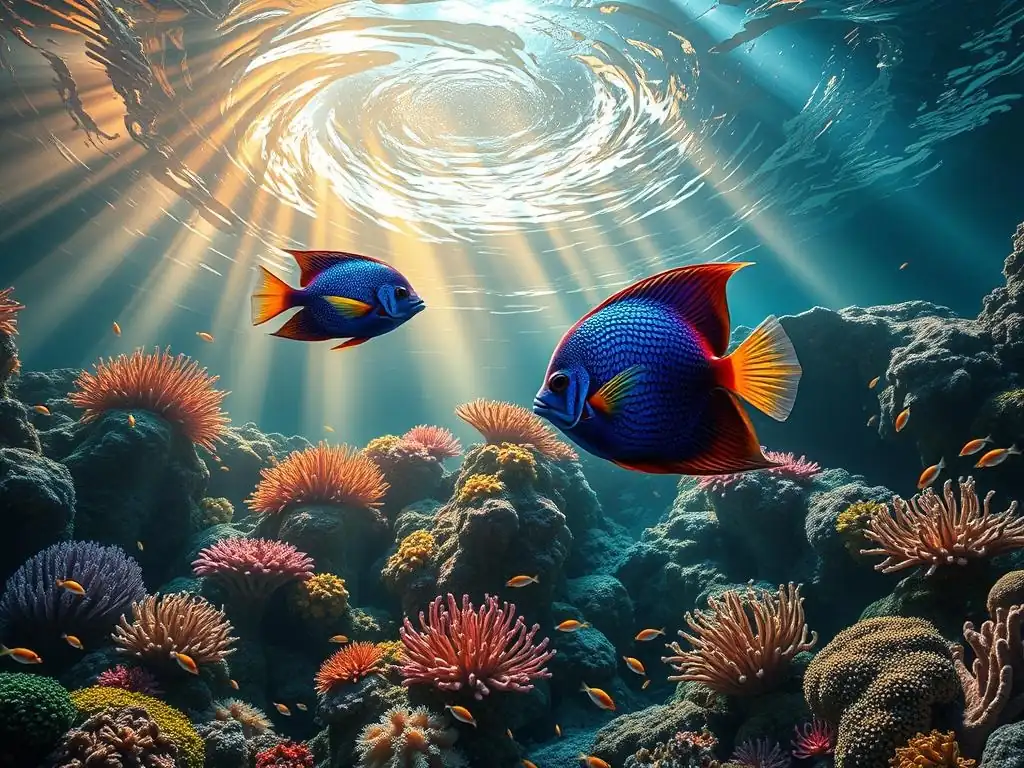
Welcome to Aquarium Mastery!
Ever dreamt of a freshwater haven shimmering with the beauty of Majestic Angelfish and the vibrant colors of Discus? Dive in! We'll guide you through the secrets to creating a thriving ecosystem where these stunning showstoppers not only survive, but flourish. Get ready to unlock the ultimate guide to majestic angelfish & dazzling discus care, and discover how to transform your aquarium into a breathtaking underwater masterpiece. But what about water parameters? And can they really coexist? Let's find out!
- Show Stoppers: Your Ultimate Guide to Angelfish & Discus
- Understanding the Allure of Angelfish and Discus
- Creating the Perfect Aquarium Habitat for Angelfish and Discus
- Angelfish Care: A Comprehensive Guide
- Discus Care: Mastering Discus Keeping
- Tank Mates for Angelfish and Discus: Creating Harmony
- Breeding Angelfish: A Step-by-Step Guide
- Breeding Discus: The Challenges and Rewards
- Angelfish and Discus Health: Prevention and Treatment
- Advanced Angelfish and Discus Keeping Techniques
- Troubleshooting Common Problems
- Showcasing Angelfish and Discus: Final Thoughts
-
Frequently Asked Questions
- How compatible are Majestic Angelfish and Discus in the same aquarium?
- What are the ideal water parameters for keeping both Majestic Angelfish and Discus?
- What specific foods do Majestic Angelfish and Discus require for optimal health?
- What tank size is recommended if attempting to keep both Majestic Angelfish and Discus together?
- What are some common health issues that can arise from keeping Majestic Angelfish and Discus in the same tank?
- Final Reflection: Embracing the Majesty of Aquatic Worlds
- Unleash the Vibrant Reef Within: Dive Deeper Now!
Show Stoppers: Your Ultimate Guide to Angelfish & Discus
Understanding the Allure of Angelfish and Discus
Why Choose Angelfish and Discus for Your Freshwater Tank?
Choosing angelfish and discus for a freshwater aquarium transforms it into a living masterpiece, captivating viewers with their unique forms and graceful movements. Unlike many smaller, more common freshwater species, these cichlids possess a majestic presence, often becoming the undisputed focal point of any well-designed tank.
Angelfish, with their striking triangular bodies and flowing fins, can reach an impressive height of up to 6 inches, while discus, known for their perfectly round, flattened shape and vibrant patterns, can grow to 8 inches in diameter. Their distinct silhouettes and the sheer variety of color morphs make them truly "show stoppers" that elevate the aesthetic appeal of an aquatic display.
The decision to embark on majestic angelfish discus care is often driven by the rewarding challenge it presents. While they demand more specific attention to water quality and diet than some hardier species, the successful cultivation of these fish is a testament to an aquarist's dedication and skill.
The extensive genetic work over decades has resulted in hundreds of stunning varieties; for angelfish, popular strains include the Platinum, Marble, and Koi, showcasing intricate patterns. Discus, on the other hand, boast an incredible spectrum of hues in strains like Pigeon Blood, Blue Diamond, and Red Melon, ensuring that each aquarium can feature a truly unique and dazzling collection.
Exploring the Beauty and Unique Charms of Angelfish
Angelfish (Pterophyllum scalare), originating from the slow-moving waters of the Amazon basin, are quintessential examples of aquatic elegance. Their iconic triangular body, accentuated by long, flowing dorsal and anal fins, gives them a distinctive, almost ethereal profile as they glide through the water. Beyond the classic silver, breeders have developed a myriad of captivating color morphs such as black, marble, koi, and albino, each offering unique visual appeal. An adult angelfish can develop a fin span exceeding 8 inches, making them a significant visual presence in a moderately sized tank.
These graceful cichlids are not only beautiful but also possess interesting social behaviors. While generally peaceful, angelfish can exhibit territorial tendencies, particularly when establishing dominance or during breeding. Keeping a group of 5-6 juvenile angelfish in a 55-gallon tank or larger allows them to form a natural pecking order, which often reduces individual aggression and promotes a more harmonious environment. They are relatively undemanding feeders, readily accepting a variety of high-quality flake, pellet, and frozen foods, and their active feeding response makes them engaging to observe, further enhancing the appeal of majestic angelfish discus care.
Unveiling the Elegance and Demands of Discus
Discus fish (Symphysodon spp.) are widely celebrated as the "King of the Aquarium" due to their unparalleled beauty and serene demeanor. Their perfectly round, laterally compressed bodies serve as a canvas for an astonishing array of vibrant colors and intricate patterns, ranging from brilliant reds and blues to yellows and turquoises, often adorned with striking striations or spots.
While wild discus from the Amazon River system typically display more muted browns and greens, captive breeding has unlocked this spectacular spectrum of hues. A mature discus typically measures between 6 to 8 inches in diameter, making them a commanding focal point.
However, the regal status of discus comes with a higher demand for precise environmental conditions. Unlike many common freshwater fish, discus require very stable and pristine water quality to thrive. Their ideal parameters typically include a narrow pH range of 6.0-7.0, very soft water (1-5 dGH), and consistently warm temperatures between 82-86°F (28-30°C).
For young discus, daily water changes of 25-50% are often recommended to maintain low nitrate levels (ideally below 10 ppm) and ensure optimal growth and health. This meticulous attention to detail is a cornerstone of successful majestic angelfish discus care, setting them apart as a species for dedicated aquarists.
Creating the Perfect Aquarium Habitat for Angelfish and Discus
Essential Tank Setup Requirements for Angelfish and Discus
Establishing the correct habitat is fundamental for the health and well-being of both angelfish and discus. A robust filtration system is paramount, with external canister filters or large hang-on-back filters being highly recommended to efficiently remove waste and maintain crystal-clear water.
For instance, a 75-gallon tank housing these species would ideally utilize a filter rated for a flow rate of 375-525 gallons per hour (GPH) to ensure adequate biological and mechanical filtration. Stable heating is equally critical; a reliable heater or multiple heaters capable of consistently maintaining the specific temperature range required by these sensitive fish is essential to prevent stress and illness.
Beyond filtration and heating, the physical layout of the tank significantly impacts the fish's comfort and behavior. A fully cycled aquarium, where beneficial bacteria have established colonies to process ammonia and nitrite, is non-negotiable before introducing these valuable fish; this cycling process typically takes 4-6 weeks.
Incorporating tall plants, such as Amazon swords (Echinodorus amazonicus) or Vallisneria, along with pieces of driftwood or smooth rocks, provides essential hiding spots and visual barriers. These elements mimic their natural riverine habitats, reducing aggression among tank inhabitants and offering a sense of security, which is a key component of effective majestic angelfish discus care.
Tank Size Considerations
Appropriate tank size is a critical factor influencing the growth, health, and social dynamics of angelfish and discus. For a pair of adult angelfish, a minimum of a 29-gallon aquarium (approximately 30 inches long) is recommended, providing sufficient swimming space and territory.
However, to keep a small group of 4-6 angelfish, a 55-gallon tank (48 inches long) or larger is far more suitable, allowing them to establish a stable hierarchy without excessive territorial disputes. Discus, being larger and schooling fish, have even more stringent space requirements; a minimum of a 55-gallon tank is needed for a small group of 3-4 juveniles, while a 75-gallon or 125-gallon tank is vastly superior for a thriving group of 5-6 adult discus, ensuring each fish has at least 10-15 gallons of water volume.
Failing to provide adequate tank size can lead to severe consequences, including stunted growth, increased aggression, and chronic stress due to poor water quality from concentrated waste products. For example, discus kept in undersized tanks often exhibit "stunted" growth, where their body remains small but their eyes appear disproportionately large—a clear sign of environmental stress.
Conversely, a spacious environment promotes natural schooling behaviors, reduces stress, and allows these majestic fish to reach their full potential in size and coloration. A larger water volume also provides greater stability in water parameters, which is a cornerstone of successful majestic angelfish discus care, making it easier to maintain pristine conditions.
Water Parameter Perfection
Achieving and maintaining precise water parameters is perhaps the most critical aspect of caring for angelfish and discus, as they are particularly sensitive to fluctuations. Angelfish generally thrive in temperatures between 76-82°F (24-28°C), a pH range of 6.5-7.5, and soft to moderately hard water (3-10 dGH). Discus, however, demand warmer water, ideally 82-86°F (28-30°C), slightly more acidic conditions with a pH of 6.0-7.0, and very soft water (1-5 dGH). While there is some overlap, the higher temperature and specific softness requirements of discus are the primary considerations when planning to house them, especially if considering cohabitation.
To ensure these precise parameters are consistently met, regular and accurate water testing is indispensable. Aquarists should use a reliable liquid test kit to monitor ammonia, nitrite, nitrate, pH, and general hardness (GH) and carbonate hardness (KH) weekly. For angelfish, weekly water changes of 25-50% are typically sufficient, depending on stocking density and filtration efficiency.
Discus, particularly juveniles, often require more frequent and larger water changes, sometimes daily or every-other-day changes of 30-50%, to keep nitrate levels below 10 ppm and ensure optimal health and vibrant coloration. Utilizing a reverse osmosis (RO) unit or a mix of RO water with dechlorinated tap water can be necessary to achieve the specific softness required for discus, highlighting the detailed nature of majestic angelfish discus care.
Angelfish Care: A Comprehensive Guide
Dietary Needs of Angelfish
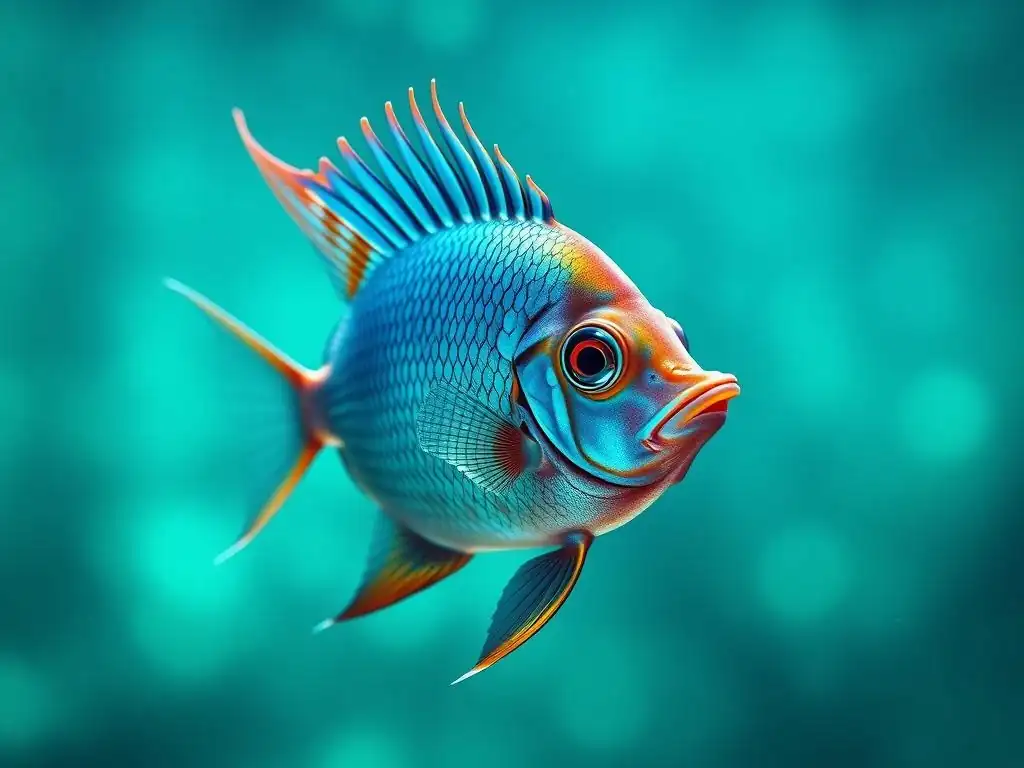
Proper nutrition is vital for the health, coloration, and longevity of angelfish. They are omnivores with a preference for protein-rich foods, and a varied diet is key to preventing deficiencies and promoting robust growth. High-quality flake foods and small pellets formulated for cichlids should form the staple of their diet, providing essential vitamins and minerals. For instance, flakes with a protein content of 40-45% are suitable. Supplementing this with frozen or live foods several times a week significantly enhances their diet; popular choices include bloodworms, brine shrimp, daphnia, and Mysis shrimp.
Feeding angelfish two to three times daily in small portions that they can consume within 2-3 minutes is ideal. Overfeeding can quickly lead to poor water quality and digestive issues. For example, a group of six juvenile angelfish in a 55-gallon tank might consume a pinch of flake food and a small cube of frozen bloodworms per feeding. Observing their feeding response helps gauge appetite and ensures all fish are getting enough. A well-fed angelfish will display vibrant colors and active swimming, showcasing the positive outcomes of diligent majestic angelfish discus care.
Maintaining Optimal Water Conditions
Maintaining pristine water conditions is fundamental to angelfish health, directly impacting their stress levels, disease resistance, and overall vitality. While angelfish are somewhat more tolerant than discus, they still thrive in stable environments. The ideal temperature range is 76-82°F (24-28°C), with a pH of 6.5-7.5, and soft to moderately hard water (GH 3-10 dGH). Consistent monitoring of these parameters using a reliable liquid test kit is crucial; weekly checks for ammonia, nitrite, and nitrate levels should show zero ammonia and nitrite, and nitrates below 20 ppm.
Regular water changes are the most effective method for maintaining water quality and removing accumulated nitrates and other pollutants. A weekly water change of 25-30% of the tank volume is generally recommended for an established angelfish tank. For example, in a 55-gallon tank, changing 14-17 gallons of water weekly is a good practice. Always use a dechlorinator to treat tap water before adding it to the tank. Consistent water changes, paired with efficient filtration and appropriate stocking levels, are non-negotiable for successful majestic angelfish discus care and preventing common health issues.
Recognizing and Treating Common Angelfish Diseases
Angelfish are generally hardy, but like all fish, they can fall prey to various diseases if water quality deteriorates or they experience stress. Recognizing early signs of illness is crucial for prompt treatment and recovery. Common ailments include Fin Rot, characterized by frayed or disintegrating fins, often caused by poor water conditions or bacterial infections. Ich (White Spot Disease), a parasitic infection, appears as small white spots resembling salt grains on the body and fins, typically triggered by temperature fluctuations or stress.
Treatment protocols vary depending on the disease. For Fin Rot, improving water quality through larger, more frequent water changes (e.g., 50% daily for several days) and using broad-spectrum antibacterial medications like Furan-2 or Maracyn can be effective. For Ich, slowly raising the tank temperature to 84-86°F (29-30°C) over 24 hours (if no discus are present) and using an Ich-specific medication containing malachite green or formalin, such as API Super Ick Cure, is standard.
Always follow product instructions carefully and remove activated carbon during treatment. Proactive majestic angelfish discus care through diligent maintenance significantly reduces the risk of these common diseases.
Discus Care: Mastering Discus Keeping
Discus Diet and Feeding Strategies
Mastering the diet of discus is paramount to their vibrant coloration, robust growth, and overall health, as they have specific nutritional needs. Discus are primarily carnivores, and their diet should be rich in protein, with a preference for high-quality frozen or live foods. While a good quality discus pellet or flake can serve as a base, it should be heavily supplemented. Specially formulated frozen discus foods, often containing beef heart, spirulina, and various vitamins, are highly recommended. Other excellent options include frozen bloodworms, Mysis shrimp, and blackworms.
Feeding frequency and portion size are critical for discus. Juveniles should be fed small amounts 4-6 times a day to support rapid growth, while adults can be fed 2-3 times daily. Each feeding should be consumed within 5-10 minutes to prevent uneaten food from fouling the water. For example, a group of five adult discus might consume a quarter to half a cube of frozen food per feeding, along with a pinch of high-protein pellets. Regular feeding of high-quality, varied foods is a cornerstone of successful majestic angelfish discus care, directly impacting their vitality and disease resistance.
Maintaining Pristine Water Quality
Pristine water quality is non-negotiable for discus, as they are exceptionally sensitive to pollutants and fluctuating parameters. They require consistently warm temperatures (82-86°F or 28-30°C), slightly acidic pH (6.0-7.0), and very soft water (1-5 dGH). The most critical aspect of water quality for discus is maintaining extremely low nitrate levels, ideally below 10 ppm, and absolutely zero ammonia and nitrite. This necessitates rigorous and frequent water changes, often more so than any other freshwater ornamental fish.
For juvenile discus, daily water changes of 30-50% are common practice to ensure rapid, healthy growth and prevent stunting. For adult discus, 25-50% water changes every other day or every two days are often required, depending on stocking density and feeding regimen. Using a gravel vacuum to thoroughly clean the substrate during water changes helps remove accumulated waste. Many dedicated discus keepers utilize reverse osmosis (RO) water, sometimes remineralized, to achieve the precise softness and purity required. This commitment to water purity is the single most important factor in mastering majestic angelfish discus care.
Addressing Common Discus Diseases and Health Issues
Discus are susceptible to a range of diseases, often triggered by stress, poor water quality, or improper nutrition. Recognizing symptoms early is vital for effective treatment. Common issues include "Hole-in-the-Head" disease (HITH), characterized by pitting and lesions on the head and lateral line, often linked to nutritional deficiencies (especially lack of vitamins and minerals like calcium) or internal parasites. Internal bacterial infections can manifest as loss of appetite, darkening of color, stringy white feces, and lethargy. Parasitic infections, such as those caused by Hexamita, are also common and present similar symptoms.
Treatment for discus diseases often requires a multi-pronged approach. For HITH, improving diet with vitamin-rich foods and supplementing with medications containing Metronidazole (if protozoan related) are common. Internal bacterial infections may require antibiotics like Seachem Kanaplex or Metronidazole, administered via medicated food or water. For parasitic infestations, specific antiparasitic medications, such as those containing praziquantel or metronidazole, are used. Always quarantine new discus for at least 4-6 weeks to prevent introducing diseases to the main tank. Diligent observation and prompt action are key components of successful majestic angelfish discus care when facing health challenges.
Tank Mates for Angelfish and Discus: Creating Harmony
Compatible Fish Species for Angelfish
Selecting appropriate tank mates for angelfish is crucial for maintaining a peaceful and thriving community. Angelfish, while generally peaceful, can be semi-aggressive, especially when breeding, and their long fins can be tempting targets for fin-nippers. Ideal tank mates are peaceful, non-nipping, and thrive in similar water parameters. Good choices include various species of peaceful tetras (e.g., Neon Tetras, Cardinal Tetras, Rummy-Nose Tetras), which are too fast for angelfish to bother and won't nip fins. A school of 10-15 Rummy-Nose Tetras, for instance, adds vibrant activity without posing a threat.
Other suitable companions include larger, peaceful bottom dwellers like Corydoras catfish (e.g., Panda Corys, Bronze Corys), which occupy a different water column and won't interfere with angelfish. Bristlenose Plecos are also excellent algae eaters and remain relatively small and unobtrusive. Avoid very small fish like Endler's Livebearers, as they might be seen as food by adult angelfish, and steer clear of known fin-nippers such as Tiger Barbs. Thoughtful selection of tank mates is essential for harmonious majestic angelfish discus care.
Suitable Tank Companions for Discus
Finding suitable tank companions for discus requires even more careful consideration due to their specific high temperature, soft water, and pristine water quality requirements. The best tank mates are those that share these demanding parameters and are extremely peaceful, non-aggressive, and do not compete for food aggressively. Small schooling tetras like Cardinal Tetras (Paracheirodon axelrodi) are often considered ideal; their vibrant colors contrast beautifully with discus, and they thrive in the same warm, soft, acidic water. A school of 20-30 Cardinal Tetras can add dynamic movement to a discus tank.
Other excellent choices include peaceful, smaller species of Corydoras catfish, such as Corydoras sterbai, which tolerate higher temperatures well and act as efficient bottom cleaners. Small, peaceful L-number Plecos that do not grow too large (e.g., L046 Zebra Pleco if budget allows, or smaller Ancistrus species) can also be suitable. It is vital to avoid any fast-moving, boisterous, or aggressive fish that could stress discus, outcompete them for food, or introduce diseases. Ensuring compatibility is a key aspect of comprehensive majestic angelfish discus care.
Avoiding Aggressive Tank Mates
The primary rule when selecting tank mates for both angelfish and discus is to avoid any species known for aggression, fin-nipping, or overly boisterous behavior. Aggressive fish can stress angelfish and discus, leading to suppressed immune systems and increased susceptibility to disease. For angelfish, this means avoiding species like Tiger Barbs (Puntius tetrazona), which are notorious fin-nippers and will relentlessly harass the angelfish's long, flowing fins, causing damage and stress. Similarly, larger, more aggressive cichlids, such as Convict Cichlids or Jack Dempseys, are entirely unsuitable as they will bully and potentially kill angelfish.
For discus, the strict avoidance of aggressive or fast-moving species is even more critical. Any fish that causes stress, even subtle chasing, can lead to discus becoming withdrawn, refusing to eat, and eventually succumbing to illness. This includes most larger barb species, active rainbowfish, and any cichlid not specifically known for extreme peacefulness. Furthermore, fish that require significantly different water parameters, such as hard water or cooler temperatures, should also be avoided, as compromising the discus's ideal environment will inevitably lead to health issues. Careful tank mate selection is a cornerstone of responsible majestic angelfish discus care.
Breeding Angelfish: A Step-by-Step Guide
Setting Up a Breeding Tank
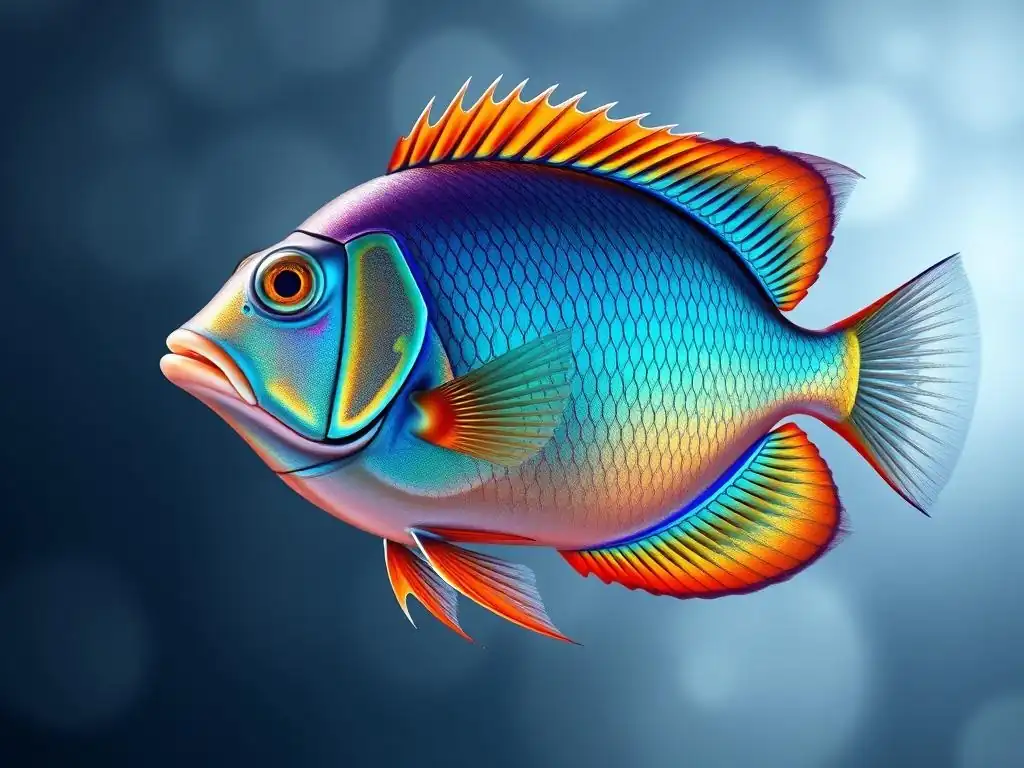
To successfully breed angelfish, setting up a dedicated breeding tank is highly recommended, as it provides a controlled environment free from the stresses of a community tank. A 20-gallon long or 29-gallon tank is typically sufficient for a single breeding pair. The tank should be equipped with a sponge filter, which provides gentle filtration and a large surface area for beneficial bacteria, without creating strong currents that could disturb eggs or fry. A reliable heater is necessary to maintain a stable temperature of 80-82°F (27-28°C).
The breeding tank should also include suitable spawning sites. Common choices include a smooth, vertically oriented surface such as a terracotta spawning cone, a broad-leafed plant like an Amazon sword, or even a piece of slate placed vertically. Dim lighting can help reduce stress for the breeding pair. Water parameters should be slightly soft (GH 3-8 dGH) and slightly acidic to neutral (pH 6.5-7.0), mimicking their natural breeding conditions. Cleanliness is paramount, with daily small water changes (10-20%) to keep nitrates low, crucial for the delicate process of majestic angelfish discus care during breeding.
Identifying Breeding Pairs and Spawning Behavior
Identifying a true breeding pair of angelfish can be challenging as there are no distinct external sexual differences until they are ready to spawn. Often, hobbyists purchase a group of 5-6 juvenile angelfish and allow them to pair off naturally as they mature. Once a pair forms, they will typically become territorial, chasing other fish away from a chosen spawning site. Prior to spawning, both the male and female will clean the chosen surface meticulously, rubbing their bodies against it.
During spawning, the female will extend her ovipositor (a blunt, tubular organ) and lay a row of eggs on the prepared surface, followed immediately by the male, who extends his smaller, pointed papilla to fertilize them. This process is repeated until hundreds of eggs (often 200-500) are laid in neat rows. The parents will then diligently guard and fan the eggs, creating a gentle current to prevent fungal growth. This fascinating behavior is a highlight of majestic angelfish discus care for those interested in propagation.
Raising Angelfish Fry
Once angelfish eggs hatch, typically within 2-3 days at 80°F, the fry (known as "wrigglers") remain attached to the spawning surface, absorbing their yolk sacs. At this stage, they are still reliant on parental care. After another 4-7 days, they will become free-swimming and begin their search for food. This is the critical juncture for feeding. Their initial diet must be microscopic; newly hatched brine shrimp nauplii are considered the gold standard due to their high nutritional value and appropriate size.
Feed the free-swimming fry 3-5 times a day in small amounts. As they grow, typically after 2-3 weeks, they can be transitioned to finely crushed high-quality flake food or micro-pellets. Maintaining impeccable water quality is paramount for fry survival; daily small water changes (10-15%) are essential to remove waste and prevent disease, as fry are highly sensitive to nitrates. A successful rearing process, which can yield hundreds of healthy angelfish, is a deeply rewarding aspect of advanced majestic angelfish discus care.
Breeding Discus: The Challenges and Rewards
Creating the Ideal Breeding Environment
Breeding discus is a challenging yet highly rewarding endeavor that requires an even more precise and stable environment than general discus keeping. A dedicated breeding tank, typically 29-40 gallons, is essential. This tank should be bare-bottomed for easy cleaning and equipped with a sponge filter for gentle, efficient filtration. A heater must maintain a consistent temperature of 82-86°F (28-30°C). The most crucial element is a spawning cone or a piece of vertical slate, which provides the preferred surface for egg laying.
Water parameters for breeding discus must be exceptionally soft (0-3 dGH) and acidic (pH 5.5-6.5), often achieved through the use of reverse osmosis (RO) water with minimal remineralization, or RO water mixed with blackwater extract to mimic their natural Amazonian breeding grounds. Daily water changes of 20-30% are critical to maintain pristine conditions and stimulate spawning. The cleanliness and stability of this environment are the cornerstones of successful majestic angelfish discus care for breeding purposes.
Understanding Parental Care and Fry Development
Discus exhibit strong parental care, with both male and female participating in guarding and fanning the eggs. Eggs typically hatch within 2-3 days at optimal temperatures. The newly hatched fry, or "wrigglers," will remain attached to the spawning cone, absorbing their yolk sacs, for another 3-4 days. Once they become free-swimming, the truly unique aspect of discus parental care begins: the fry feed directly off a nutritious mucous secretion produced on the parents' skin.
This "discus milk" provides essential antibodies and nutrients for the fry's initial growth and development. The fry will cling to the parents, moving between them for feeding. After about 2-3 weeks, as the fry grow, they can begin to supplement their diet with newly hatched brine shrimp nauplii. At this stage, the parents' mucous production will naturally decrease. Careful observation of this intricate parental behavior is one of the most fascinating aspects of majestic angelfish discus care for breeders.
Optimizing Water Parameters
Optimizing water parameters is paramount throughout the entire discus breeding and fry-rearing process. For spawning, very soft and acidic water (pH 5.5-6.5, GH 0-3 dGH) is critical to ensure egg fertility and prevent fungal growth. Post-hatching, maintaining these parameters, alongside immaculate water quality, is vital for fry development. High levels of nitrates or sudden parameter shifts can be fatal to delicate discus fry.
Daily water changes are non-negotiable, typically 20-30% of the breeding tank volume, to remove waste and replenish essential minerals without drastic shifts. Many breeders use drip systems for continuous, slow water changes to ensure maximum stability. Temperature must remain consistently high (82-86°F) to support the fry's rapid metabolism and prevent disease. The precision required in water management underscores the advanced nature of majestic angelfish discus care when focusing on breeding.
Angelfish and Discus Health: Prevention and Treatment
Recognizing Early Signs of Illness
Early detection of illness is crucial for successful treatment and preventing the spread of disease in an angelfish or discus tank. Vigilant daily observation of your fish's behavior, appearance, and feeding habits is paramount. Subtle changes can indicate the onset of a problem. Look for signs such as clamped fins, labored breathing (rapid gill movement, often over 60 breaths per minute), loss of appetite, dulling of colors, or abnormal swimming patterns (e.g., darting, rubbing against decor, listlessness).
Physical changes to watch for include white spots (Ich), frayed fins (Fin Rot), cloudy eyes, visible lesions, or unusual growths. A change in waste, such as stringy white feces, can indicate internal parasites. For discus, darkening of the body color (known as "discus plague" or general stress response) is a significant warning sign. Any deviation from normal healthy behavior warrants immediate investigation into water parameters and potential causes. Proactive monitoring is a key element of effective majestic angelfish discus care.
Common Aquarium Diseases
Angelfish and discus, despite being beautiful, are susceptible to several common aquarium diseases, especially when stressed or housed in suboptimal conditions. Ichthyophthirius multifiliis, commonly known as Ich or White Spot Disease, is a highly prevalent parasitic infection characterized by small, salt-like white spots on the body and fins. It's often triggered by sudden temperature drops or poor water quality. Fin Rot, a bacterial infection, causes the fins to appear frayed, tattered, or to disintegrate, usually due to poor sanitation or bullying.
Other common ailments include internal flagellates (like Hexamita), which can cause "Hole-in-the-Head" disease in discus, characterized by pitting around the head and lateral line, often accompanied by white, stringy feces and loss of appetite. Bacterial infections, both internal and external, can manifest as bloating, red streaks, ulcers, or general lethargy. Fungal infections, appearing as white, cotton-like growths, typically attack damaged tissue. Understanding these common threats is vital for comprehensive majestic angelfish discus care.
Effective Treatment Options
Effective treatment for angelfish and discus diseases requires accurate diagnosis and prompt action. For Ich, a common approach involves slowly raising the tank temperature to 84-86°F (29-30°C) for several days (if no heat-sensitive species are present) combined with an Ich-specific medication containing malachite green or formalin, such as Seachem Paraguard or API Super Ick Cure. For Fin Rot and other external bacterial infections, broad-spectrum antibacterial medications like Furan-2, Maracyn, or API Melafix are often effective, alongside significant improvements in water quality.
Internal parasitic infections, such as those caused by Hexamita, typically respond well to medications containing Metronidazole, which can be administered by soaking food or directly to the water. For internal bacterial infections, stronger antibiotics like Kanamycin (e.g., Seachem Kanaplex) or Erythromycin may be necessary, often best delivered through medicated food. Always follow the manufacturer's instructions for dosage and duration, and remove activated carbon from the filter during treatment. Post-treatment, continue monitoring and maintain impeccable water quality to aid recovery, reinforcing the importance of diligent majestic angelfish discus care.
Advanced Angelfish and Discus Keeping Techniques
CO2 Injection for Planted Tanks
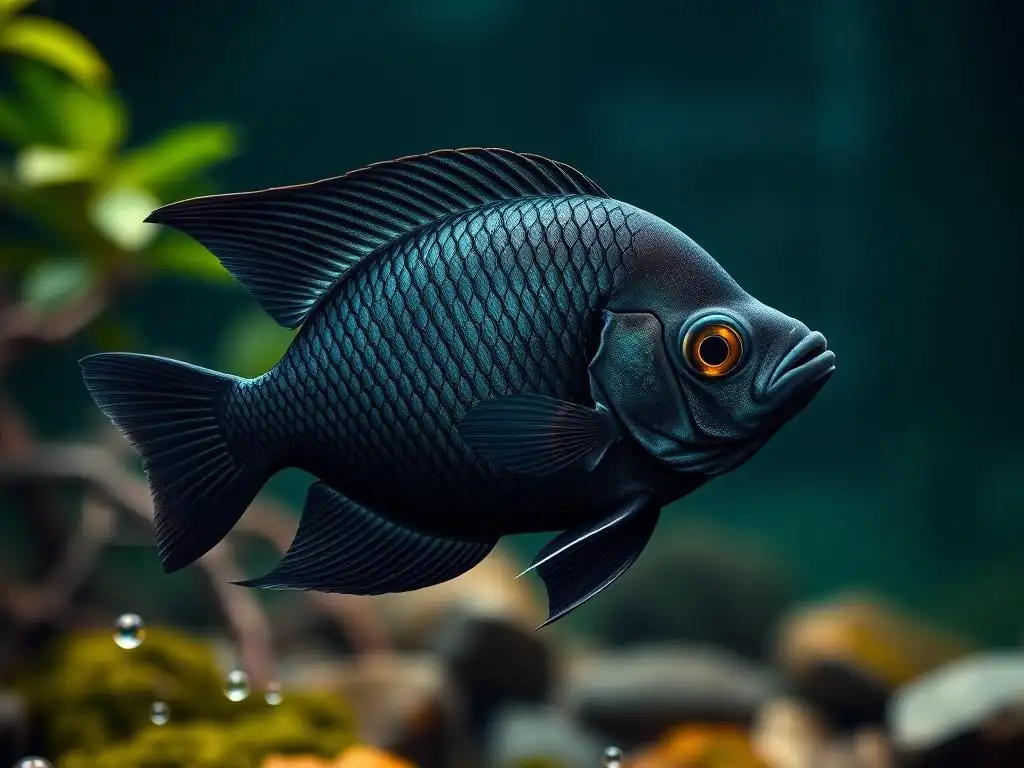
For aquarists aiming to create a lush, natural habitat for their angelfish and discus, CO2 injection is an advanced technique that can significantly enhance plant growth. While not strictly necessary for fish health, a thriving planted tank offers numerous benefits: it provides natural hiding spots, helps absorb nitrates, and creates a more aesthetically pleasing environment. CO2 (carbon dioxide) is a vital nutrient for aquatic plants, and supplementing it allows plants to photosynthesize more efficiently, leading to faster, healthier growth and vibrant coloration.
Implementing CO2 injection involves specialized equipment, including a CO2 cylinder, regulator, solenoid valve, diffuser, and a drop checker to monitor CO2 levels. A common goal is to achieve 20-30 ppm of CO2 in the water. For example, in a 75-gallon planted tank with discus, a professional CO2 system might deliver 1-2 bubbles per second during the photoperiod. Proper monitoring is crucial, as excessively high CO2 levels can lower pH too rapidly and harm fish. When managed correctly, CO2 injection elevates the visual appeal and ecological balance of a tank, contributing to advanced majestic angelfish discus care.
Using Peat Moss to Soften Water
For aquarists aiming to replicate the soft, acidic water conditions preferred by discus and some angelfish varieties, particularly for breeding, using peat moss is an effective natural method. Peat moss, when placed in the filter or directly in the tank, slowly releases humic acids and tannins, which naturally lower pH and soften the water by binding with calcium and magnesium ions. This also imparts a natural "blackwater" tint, which can reduce stress and enhance the colors of blackwater-adapted fish.
To use peat moss, it should be thoroughly rinsed and then placed in a media bag within the filter, or in a dedicated sump compartment. The amount needed varies based on the desired pH and the initial hardness of the tap water. For instance, a small bag (e.g., 250g) in a 55-gallon tank might reduce pH by 0.5-1.0 and soften GH by 2-3 degrees over a few days.
Regular monitoring of pH and GH is essential to prevent over-softening or excessive pH drops. This organic method is a safe and natural way to fine-tune water parameters for optimal majestic angelfish discus care.
Quarantine Protocols for New Arrivals
Implementing a strict quarantine protocol for all new angelfish and discus arrivals is perhaps the most critical advanced technique for maintaining a disease-free main display tank. New fish, even if appearing healthy, can carry pathogens (bacteria, viruses, parasites) that may not manifest symptoms until they are stressed or exposed to a new environment. Introducing an infected fish directly into a thriving community can devastate existing healthy stock.
A dedicated quarantine tank, typically 10-20 gallons for a few new fish, should be set up with a heater, sponge filter, and minimal decor. The new fish should be housed in this tank for a minimum of 4-6 weeks. During this period, observe them closely for any signs of illness, feed them well, and perform regular water changes.
Many experienced aquarists also administer prophylactic treatments for common parasites (e.g., praziquantel) or bacterial infections (e.g., general antibiotic) during quarantine, even if no symptoms are visible, as a precautionary measure. This rigorous preventative measure is a hallmark of responsible and successful majestic angelfish discus care.
Troubleshooting Common Problems
Addressing Fin Rot and Bacterial Infections
Fin Rot is a common bacterial infection affecting angelfish and discus, characterized by frayed, ragged, or disintegrating fins, often with a white or red edge. It's almost always a secondary infection, meaning it's triggered by underlying stress factors such as poor water quality (high nitrates, ammonia, nitrite), overcrowding, or physical injury. Addressing the root cause is paramount for successful treatment. For instance, a 50% water change daily for several days can significantly improve water quality and reduce bacterial load.
Once water quality is optimized, specific treatments can be applied. Mild cases of Fin Rot often resolve with pristine water conditions alone. More advanced cases require broad-spectrum antibacterial medications like Furan-2, Maracyn, or Kanaplex, administered according to product instructions. For example, a 10-day treatment with a Furan-2 equivalent can be effective. During treatment, remove activated carbon from the filter. Preventing Fin Rot through consistent maintenance and avoiding stressors is key to majestic angelfish discus care.
Managing Parasitic Infestations
Parasitic infestations are a frequent challenge in angelfish and discus keeping, with Ich (White Spot Disease) and internal flagellates (like Hexamita) being among the most common. Ich manifests as small, white, salt-like spots on the fish's body and fins, often accompanied by flashing (rubbing against objects) and rapid gill movement. Hexamita, prevalent in discus, causes symptoms like "Hole-in-the-Head," darkening, listlessness, and white, stringy feces.
Treatment for Ich typically involves slowly raising the tank temperature to 84-86°F (29-30°C) over 24 hours (if compatible with all tank inhabitants) and applying an Ich-specific medication containing malachite green or formalin (e.g., API Super Ick Cure). For Hexamita and other internal flagellates, Metronidazole is the drug of choice, often administered via medicated food (e.g., Seachem MetroPlex mixed with food) or directly to the water.
Always complete the full course of treatment, even if symptoms disappear, to eradicate the parasites. Diligent quarantine of new fish is the best defense against introducing such issues, a crucial aspect of majestic angelfish discus care.
Solving Algae Issues
While not directly harmful to angelfish or discus, excessive algae growth can be an unsightly nuisance and an indicator of imbalanced tank conditions. Common types include green spot algae, hair algae, and brown diatom algae. Algae blooms are typically caused by an imbalance of light, nutrients (particularly nitrates and phosphates), and CO2 levels. For example, an aquarium with too much light (over 8-10 hours a day) and high nitrate levels (above 20 ppm) is prone to algae outbreaks.
Solving algae issues involves identifying and correcting the underlying imbalance. Reduce lighting duration to 6-8 hours daily. Increase the frequency and volume of water changes (e.g., 50% weekly) to lower nitrate and phosphate levels. Ensure adequate filtration and flow. Introducing algae-eating tank mates like Bristlenose Plecos or Otocinclus catfish (compatible with angelfish) can help, though they are not a substitute for addressing the root cause. Manual removal of algae during maintenance sessions is also effective. A balanced ecosystem is vital for both fish health and aesthetics, contributing to overall majestic angelfish discus care.
Showcasing Angelfish and Discus: Final Thoughts
Appreciating the Beauty
The journey of keeping angelfish and discus culminates in the profound appreciation of their unparalleled beauty and grace. These "show stoppers" transform a simple glass box into a dynamic, living art piece, captivating anyone who gazes upon them. Observing the intricate patterns of a Pigeon Blood Discus as it glides through the water, or the elegant sweep of a Koi Angelfish's fins, provides a daily dose of tranquility and wonder. Their vibrant colors, unique shapes, and serene demeanor truly make them the jewels of the freshwater aquarium.
Beyond their individual beauty, the interaction within a well-maintained community of angelfish or discus, whether it's a schooling group of Cardinals alongside a mature pair of Blue Diamonds, or a diverse collection of angelfish morphs, creates a mesmerizing display. The dedication involved in providing precise majestic angelfish discus care is richly rewarded by the privilege of witnessing these magnificent creatures thrive, displaying their full potential in terms of size, color, and natural behavior.
Continuing Your Journey
Aquarium keeping, especially with species as demanding and rewarding as angelfish and discus, is a continuous learning process. The initial success in establishing a healthy tank and maintaining pristine conditions is merely the beginning of a lifelong hobby filled with discovery. As you gain experience, you might explore more advanced topics such as breeding specific color morphs, setting up intricate planted aquascapes to mimic their natural habitats, or even delving into the genetics behind their stunning variations.
There are always new techniques to learn, new equipment to try, and new insights to gain into the complex world of aquatic ecosystems. Embrace the challenges as opportunities for growth and deeper understanding. The commitment to providing optimal majestic angelfish discus care ensures not only the well-being of your fish but also your continuous development as a skilled and knowledgeable aquarist.
Resources for Further Learning
To further enhance your expertise in majestic angelfish discus care, a wealth of resources is available. Online forums and dedicated social media groups provide platforms for connecting with experienced hobbyists, sharing insights, and troubleshooting specific issues. Websites like AquariumMastery.com offer detailed articles on water chemistry, species profiles, and troubleshooting guides, serving as comprehensive references.
Books written by renowned aquarists and scientific publications can offer in-depth knowledge on the biology, breeding, and disease management of angelfish and discus. Visiting local fish stores and attending aquarium club meetings can also provide invaluable hands-on advice and networking opportunities. Continuous learning and engagement with the broader aquarist community will undoubtedly enrich your journey with these truly majestic fish.
Frequently Asked Questions
How compatible are Majestic Angelfish and Discus in the same aquarium?
Majestic Angelfish and Discus have different environmental needs. Discus require warmer temperatures and pristine water quality that may be difficult to maintain alongside the more adaptable Angelfish, potentially leading to stress and disease.
What are the ideal water parameters for keeping both Majestic Angelfish and Discus?
Discus thrive in very warm water (82-86°F) with a low pH (6.0-7.0). Angelfish tolerate a slightly wider range but prefer cooler temperatures (78-84°F) and a slightly higher pH. Compromising on these parameters may negatively impact both species.
What specific foods do Majestic Angelfish and Discus require for optimal health?
Discus need a diet rich in protein, including high-quality flakes, granules, and frozen foods like beef heart. Angelfish are less picky but also benefit from a varied diet of flakes, frozen foods, and the occasional live food. However, competing for food can be a source of stress.
What tank size is recommended if attempting to keep both Majestic Angelfish and Discus together?
A very large tank, ideally 75 gallons or more, is necessary to provide adequate space and dilute waste. This helps maintain water quality and minimize aggression. However, even in large tanks, compatibility is not guaranteed.
What are some common health issues that can arise from keeping Majestic Angelfish and Discus in the same tank?
Discus are particularly susceptible to diseases like Hexamita (Spironucleus), which can be exacerbated by stress from less-than-ideal water conditions. Angelfish may also become stressed, leading to fin rot or parasitic infections.
Final Reflection: Embracing the Majesty of Aquatic Worlds
The vibrant colors and intricate patterns of majestic angelfish and dazzling discus, as explored throughout this guide, are not merely aesthetic wonders; they represent a profound connection to the delicate balance of our aquatic ecosystems. These captivating creatures, demanding as their care may be, serve as ambassadors for the underwater realm, reminding us of the beauty and fragility that we must strive to protect.
The journey of understanding and providing proper majestic angelfish discus care has been deeply rewarding, fostering a greater appreciation for the complexities of life beneath the surface. It's a commitment that extends beyond the confines of our aquariums, influencing our awareness of environmental responsibility and the interconnectedness of all living things. In one drop of water are found all the secrets of all the oceans.
- Kahlil Gibran. This quote encapsulates the profound depth of knowledge and responsibility that comes with caring for these aquatic gems.
Now, as you embark on your own journey of nurturing these magnificent fish, consider the profound impact you can have. Let the dedication and knowledge gained from this guide inspire you to not only create thriving aquatic environments but also to become advocates for the preservation of our planet's precious water resources. Let the dazzling beauty of your angelfish and discus serve as a constant reminder of the responsibility we all share in safeguarding the future of our oceans and freshwater ecosystems.
Unleash the Vibrant Reef Within: Dive Deeper Now!
Thank you for exploring the captivating world of Angelfish and Discus with us! We hope you’ve gained valuable insights to elevate your aquarium experience. Ready to transform your tank into a living masterpiece?
Here's how to take the next step:
- Begin your journey by researching the specific Angelfish or Discus species that best suits your aquarium's size and water parameters. Understanding their individual needs is key to their long-term health and happiness.
- Delve further into the art of aquascaping! Experiment with creating a harmonious environment that mimics their natural habitat using plants, rocks, and driftwood.
- Share your newfound knowledge! Spark a conversation with fellow aquarium enthusiasts on social media or in local fishkeeping forums, showcasing your passion and inspiring others.
What's the first vibrant addition you'll make to your aquarium, and how do you envision transforming your underwater world?