
The Role of Tannins in Tetra Health & Breeding: An Advanced Look from Aquarium Mastery

Welcome to Aquarium Mastery!
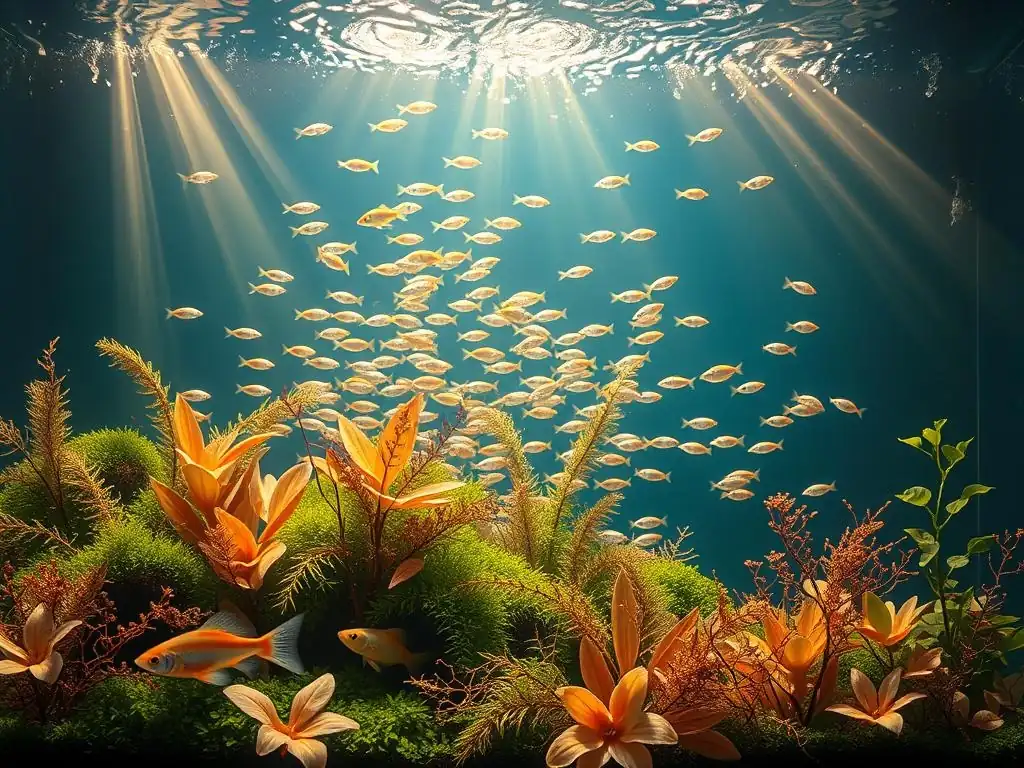
Ever wondered how to unlock the secrets to thriving tetra breeding? We're diving deep into the fascinating world of tannins and their crucial role in creating the perfect environment for your tetras to flourish. Discover how these natural compounds can significantly enhance your breeding success – and it all starts here. Keep reading to uncover the advanced techniques and insights that will elevate your aquarium game!
- Understanding Tannins: A Key to Tetra Health in the Aquarium
- Tannins and Tetra Breeding: Unlocking Reproductive Success
- Sourcing and Utilizing Tannins in Your Tetra Aquarium
- Maintaining Tannin Levels for Optimal Tetra Health and Breeding
- Tannins and Tetra Coloration: Enhancing Natural Beauty
- Tannins and the Prevention of Tetra Diseases
- Advanced Considerations: Tannins and Specific Tetra Species
- Conclusion: Mastering Tannins for Thriving Tetra Aquariums
-
Frequently Asked Questions
- ### How do tannins specifically benefit tetra breeding?
- ### What is the best way to introduce tannins into my tetra aquarium?
- ### Are there any risks associated with adding too many tannins to my tetra tank?
- ### What species of tetras benefit the most from tannins in the water?
- ### How do tannins affect water clarity in a tetra aquarium?
- Final Reflection: Unlocking Tetra Potential Through Tannins
- Ignite Your Tetra Breeding Success!
Understanding Tannins: A Key to Tetra Health in the Aquarium
What are Tannins and Where Do They Come From?
Tannins are a class of naturally occurring polyphenolic compounds found in plants. In the aquarium context, they are primarily released from decaying organic matter such as leaves, wood, and peat. When these plant materials break down in water, they leach these complex organic molecules, imparting a characteristic amber or tea-like tint to the water, often referred to as "blackwater." This coloration is a direct visual cue of their presence.
These compounds are essentially the byproduct of the decomposition of lignin, humic substances, and fulvic acids. For instance, a common source like Indian Almond (Catappa) leaves, when submerged, will slowly release their stored tannins and humic acids over several weeks. The rate and intensity of release depend on the specific material, its age, and the water parameters, contributing to the unique chemical signature of natural aquatic environments.
The Natural Habitat Connection: Tannins and Tetra Origins
Many popular tetra species, including the iconic Neon Tetra ( Paracheirodon innesi), Cardinal Tetra ( Paracheirodon axelrodi), and Ember Tetra ( Hyphessobrycon amandae), originate from the blackwater rivers and tributaries of the Amazon basin, such as the Rio Negro. These natural habitats are characterized by extremely soft, acidic water with very low mineral content and a distinctive dark brown hue due to the high concentration of dissolved tannins and humic substances.
In these environments, tannins play a crucial role in buffering the water, maintaining a stable low pH (often between 4.0 and 6.0), and reducing the impact of sudden environmental shifts. Tetras have evolved over millennia in these conditions, developing physiological adaptations that thrive in water parameters that would be stressful or even fatal to fish from other regions. Replicating these conditions in an aquarium, particularly the presence of tannins, is fundamental to their long-term health and well-being.
Benefits of Tannins for Tetra Health: Beyond the Basics
Beyond simply mimicking natural aesthetics, tannins provide tangible health benefits for tetras. Their mild antiseptic and antibacterial properties can help inhibit the growth of harmful bacteria and fungi in the water column, contributing to a cleaner and safer environment. This can reduce the incidence of common ailments like fin rot and fungal infections, which are often triggered by stress or poor water quality.
Furthermore, the presence of tannins is known to reduce stress in tetras by closely replicating their native environment. Lower stress levels translate directly to a more robust immune system, allowing the fish to better resist diseases and adapt to their captive surroundings. The slightly acidic, soft water conditions fostered by tannins are ideal for tetras' osmoregulation, reducing the physiological strain on their kidneys and gills, which in turn promotes overall vitality and longevity.
Tannins and Tetra Breeding: Unlocking Reproductive Success
Replicating Blackwater Conditions: The Role of Tannins in Spawning
For many tetra species, successful breeding hinges on replicating the precise environmental cues found in their natural blackwater habitats. Tannins are indispensable in this regard, as they contribute significantly to the characteristic soft, acidic water that triggers spawning behavior. The subtle reduction in light penetration caused by the tinted water also provides a sense of security and privacy, encouraging shy species to engage in courtship and egg-laying.
Breeders often observe that when tannins improve tetra breeding success, it's largely due to these combined factors. For instance, Cardinal Tetras are notoriously difficult to breed in standard community tanks but show remarkable success rates when introduced to dedicated breeding setups with a pH consistently below 6.0 and very low hardness (GH < 3 dGH), conditions readily achieved and maintained with the consistent addition of tannin sources. The presence of these compounds signals to the fish that the environment is optimal for the delicate process of reproduction and the subsequent survival of their fry.
Tannins and Water Chemistry: Creating Optimal Breeding Parameters
The primary chemical impact of tannins relevant to tetra breeding is their ability to acidify and soften water. They act as natural ion exchangers and release humic acids, which lower the pH and reduce the carbonate hardness (KH) and general hardness (GH). Many tetra species require a pH range of 5.5 to 6.5 and a GH of less than 5 dGH for successful spawning and egg development. These parameters are often challenging to achieve and maintain consistently without the buffering capacity provided by tannins.
The stability that tannins bring to these critical water parameters is paramount. Fluctuations in pH or hardness can stress breeding fish and negatively impact egg viability. By creating a stable, soft, and acidic environment, tannins ensure that the eggs are not subjected to osmotic shock and that the sperm remain viable for fertilization. This precise control over water chemistry is a key reason why tannins improve tetra breeding outcomes, leading to higher fertilization rates and healthier clutches.
The Impact of Tannins on Egg Development and Fry Survival
One of the most significant contributions of tannins to tetra breeding lies in their protective effects on eggs and newly hatched fry. Tetra eggs, particularly those of blackwater species, are highly susceptible to fungal infections in harder, more alkaline water. The mild antifungal properties of tannins help to inhibit the growth of common water molds, such as Saprolegnia, which can rapidly consume an entire clutch of eggs.
Furthermore, the reduced bacterial load in tannin-rich water provides a safer environment for the delicate fry. Newly hatched tetra fry are extremely small and vulnerable, and the presence of tannins helps to suppress harmful bacteria that could otherwise cause infections or lead to high mortality rates. The lower TDS (Total Dissolved Solids) in tannin-infused water also benefits fry osmoregulation, as their undeveloped kidneys are less stressed when managing fluid balance in softer water, thereby significantly improving overall fry survival rates.
Sourcing and Utilizing Tannins in Your Tetra Aquarium
Natural Sources of Tannins: Leaves, Wood, and Extracts
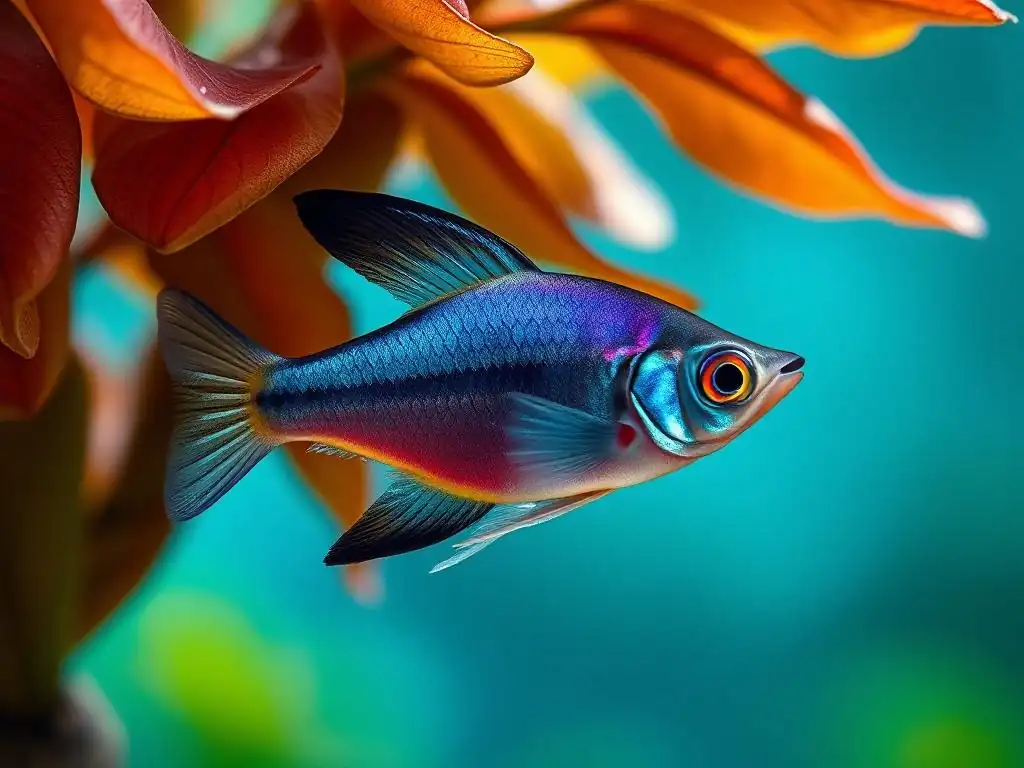
There are several effective ways to introduce beneficial tannins into your tetra aquarium, primarily through natural organic materials. The most common natural sources include dried leaves, various types of driftwood, and peat. Indian Almond leaves ( Catappa leaves) are perhaps the most popular choice, known for their consistent tannin release and mild antiseptic properties. Oak leaves, guava leaves, and even dried banana leaves can also be used.
Driftwood, particularly types like Malaysian driftwood, Mopani wood, and Manzanita, will leach tannins for an extended period, often for many months or even years, gradually tinting the water. Peat, whether used as a substrate additive or in a filter bag, is another potent source, capable of significantly lowering pH and releasing humic substances. Each source offers a different rate of release and visual effect, allowing aquarists to choose based on their specific needs and aesthetic preferences.
Recommended Tannin Sources: Catappa Leaves, Alder Cones, and Blackwater Extract
For precise control and consistent results, specific tannin sources are highly recommended. Catappa leaves are widely favored due to their ease of use and well-documented benefits. A single large Catappa leaf can effectively tint a 10-gallon aquarium for 2-4 weeks, slowly releasing tannins and humic acids. They are also known for their mild medicinal properties, which further support fish health.
Alder cones are another excellent option, being smaller but highly potent. They release tannins quickly and are ideal for smaller tanks or for making rapid adjustments to water parameters. Typically, 1-2 alder cones per 5 gallons can achieve a noticeable tint and pH drop within days. For those seeking immediate effects and precise dosing without the organic debris, commercial blackwater extracts offer a concentrated solution of humic acids and tannins. These liquid supplements provide instant coloration and water conditioning, making it easier to maintain specific parameters, especially when aiming for conditions where tannins improve tetra breeding.
Preparing and Introducing Tannins to the Aquarium: A Step-by-Step Guide
Proper preparation of natural tannin sources is crucial to avoid introducing unwanted pathogens or excessive organic matter. For leaves, it is generally recommended to rinse them thoroughly under running water to remove any surface debris. Some aquarists choose to briefly boil leaves for 5-10 minutes to sterilize them and help them sink faster, though this can result in a more immediate and intense release of tannins. Driftwood should be soaked for several days to weeks, or even boiled, to leach out some of the initial heavy tannins and help it become waterlogged.
Once prepared, introduce the tannin sources gradually into the aquarium. For leaves, start with one leaf per 10-20 gallons, observing the water color and pH over a few days before adding more if desired. Leaves can be placed directly in the tank, tied into a bunch, or placed in a filter media bag within the filter.
Alder cones can be simply dropped into the tank. Blackwater extracts should be dosed according to the manufacturer's instructions, often starting with half the recommended amount and increasing gradually. Always monitor your tetras' behavior and water parameters closely during the introduction phase to ensure a smooth transition.
Maintaining Tannin Levels for Optimal Tetra Health and Breeding
Monitoring Tannin Levels: Testing and Adjustment Strategies
Maintaining optimal tannin levels for tetra health and breeding involves a combination of visual assessment and water parameter testing. While there isn't a direct "tannin test kit" for aquariums, the color of the water provides a good visual indicator; a light amber hue is often desirable, deepening for breeding setups. More importantly, monitoring pH and KH (carbonate hardness) is essential, as tannins directly influence these parameters. A consistent pH in the target range (e.g., 5.5-6.5 for many tetras) is a strong sign that tannin levels are appropriate.
If the water color fades too much or the pH begins to rise, it indicates that the tannins are depleting, and new sources need to be added. Conversely, if the water becomes excessively dark or the pH drops too low, it suggests an excess of tannins, and some sources may need to be removed or water changes performed. Regular testing, ideally weekly, allows for proactive adjustments, ensuring the environment remains stable and beneficial for your tetras, especially when aiming for conditions where tannins improve tetra breeding success.
Avoiding Common Mistakes When Using Tannins in Tetra Tanks
Several common pitfalls can occur when introducing tannins to a tetra aquarium. One significant mistake is adding too many tannin sources too quickly, leading to a drastic and sudden drop in pH. This rapid change can shock fish and cause severe stress or even fatalities. Always introduce tannins gradually and monitor parameters closely. Another error is neglecting to properly prepare natural sources; unrinsed leaves or unsoaked wood can introduce unwanted debris, pesticides, or even pathogens.
Furthermore, some aquarists mistakenly believe that adding tannins negates the need for regular tank maintenance. Tannins are organic compounds, and while beneficial, they also contribute to the organic load. Failing to perform routine water changes can lead to an accumulation of nitrates and other undesirable compounds, negating the positive effects of tannins. Always remember that tannins are a supplement to good husbandry, not a replacement for it.
Water Changes and Tannins: Maintaining Stability
Regular water changes are an indispensable part of aquarium maintenance, even in a tannin-rich setup. However, they do remove dissolved tannins, which means levels will need to be replenished. The key is to perform smaller, more frequent water changes (e.g., 10-15% weekly) rather than large, infrequent ones, to avoid shocking the fish with sudden parameter shifts. When performing a water change, it's advisable to prepare the new water to match the existing tank parameters as closely as possible, especially pH and temperature.
To maintain consistent tannin levels, you can either add new tannin sources (e.g., a fresh Catappa leaf) after each water change or use a liquid blackwater extract to dose the replacement water. For example, if you remove 10 gallons of water from a 50-gallon tank, you would add enough extract to treat approximately 10 gallons of new water. This systematic approach ensures that the beneficial properties of tannins are continuously present, providing a stable and healthy environment that tannins improve tetra breeding in, and for the general well-being of your fish.
Tannins and Tetra Coloration: Enhancing Natural Beauty
The Impact of Tannins on Tetra Pigmentation
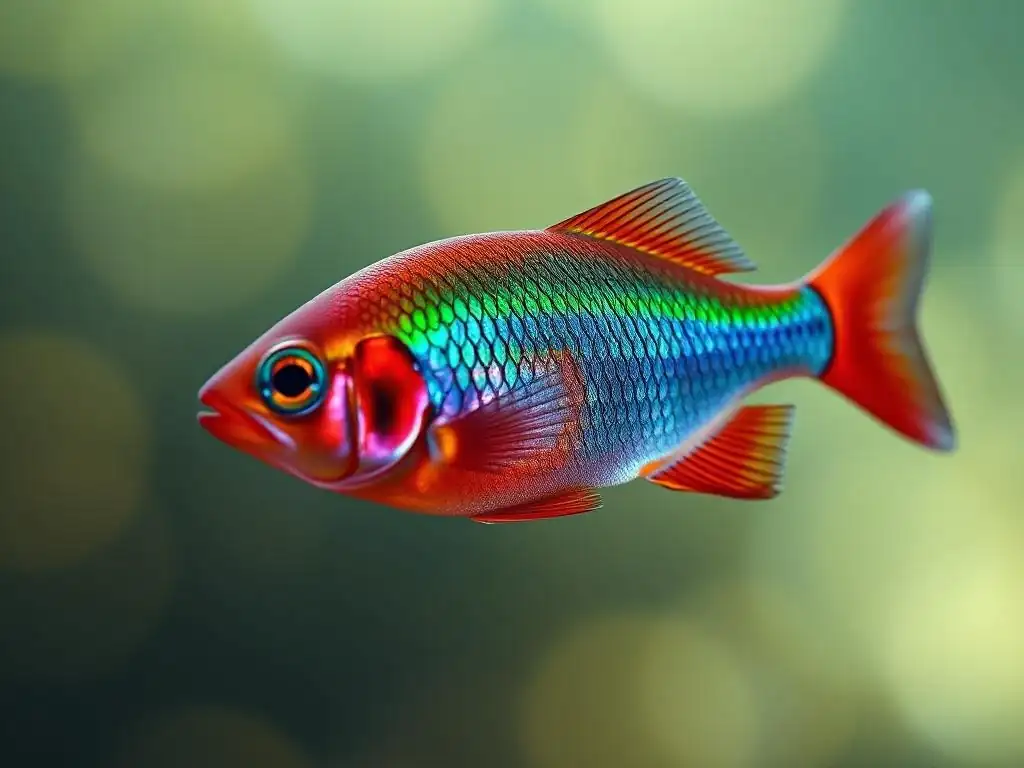
One of the visually striking benefits of using tannins in a tetra aquarium is their profound impact on fish coloration. Tetras kept in water conditions that closely mimic their natural blackwater habitats tend to display more vibrant, intense, and natural pigmentation. This is largely due to the reduction of stress; when tetras are comfortable and thriving in their preferred environment, their colors become more pronounced as a sign of health and well-being. For instance, the iridescent blues and reds of Neon and Cardinal Tetras become exceptionally vivid against the amber backdrop of tannin-stained water.
The specific chemical interactions are complex, but it's understood that the mild acidity and the presence of humic substances help to optimize the physiological processes within the fish that contribute to pigment development and display. While tannins don't directly add color to the fish, they create the ideal conditions under which the fish's genetic potential for brilliant coloration can fully express itself. This natural enhancement is far superior to any artificial means, resulting in truly stunning displays.
Tannins as a Natural Water Conditioner for Vibrant Colors
Tannins act as a natural water conditioner, transforming tap water into an environment that promotes vibrant colors in tetras. By lowering the pH and softening the water, tannins reduce the presence of harsh minerals and chemicals that can stress fish and dull their coloration. Hard water, for example, can contribute to scale and fin issues, which in turn affect the fish's overall appearance and vibrancy.
Moreover, the slightly tinted water itself can enhance the visual pop of certain colors. The warm, amber hue of tannin-rich water provides a contrasting background that makes the reds, blues, and silvers of tetras stand out more dramatically than against clear water. This aesthetic benefit, combined with the physiological advantages, makes tannins an invaluable tool for aquarists aiming to showcase the natural beauty and full potential of their tetra collection.
Tannins and the Prevention of Tetra Diseases
Tannins' Antibacterial and Antifungal Properties
The protective qualities of tannins extend significantly to disease prevention in tetra aquariums. Tannins contain polyphenolic compounds that possess mild but effective antibacterial and antifungal properties. These compounds work by inhibiting the growth and reproduction of various common aquatic pathogens. For instance, they can help suppress the proliferation of certain bacteria responsible for fin rot, columnaris (mouth fungus), and common fungal infections that often afflict fish in suboptimal conditions.
While tannins are not a cure for established severe infections, their continuous presence in the water column creates an environment that is less conducive to the initial establishment and rapid spread of these pathogens. This prophylactic effect means that tetras are less likely to fall ill in the first place, reducing the need for harsh chemical treatments and contributing to a more stable and healthier ecosystem overall. This is a crucial aspect of overall fish health, especially for delicate species.
Using Tannins to Create a Healthier Aquarium Environment for Tetras
Beyond their direct antimicrobial actions, tannins contribute to a healthier aquarium environment for tetras by reducing general stress and mimicking their natural habitat. A low-stress environment is fundamental to a robust immune system in fish. When tetras are comfortable and their physiological needs are met by appropriate water parameters (soft, acidic water), their natural defenses are stronger, making them more resilient to disease.
The presence of tannins also helps to chelate heavy metals and other pollutants that might be present in tap water, making them less harmful to fish. By creating a stable, slightly acidic, and low-pathogen environment, tannins significantly reduce the overall disease load in the tank. This holistic approach to water conditioning, where tannins improve tetra breeding conditions and general health, results in a thriving community of fish that are less susceptible to illness and better equipped to recover if they do encounter a pathogen.
Advanced Considerations: Tannins and Specific Tetra Species
Cardinal Tetras and Tannin Preferences
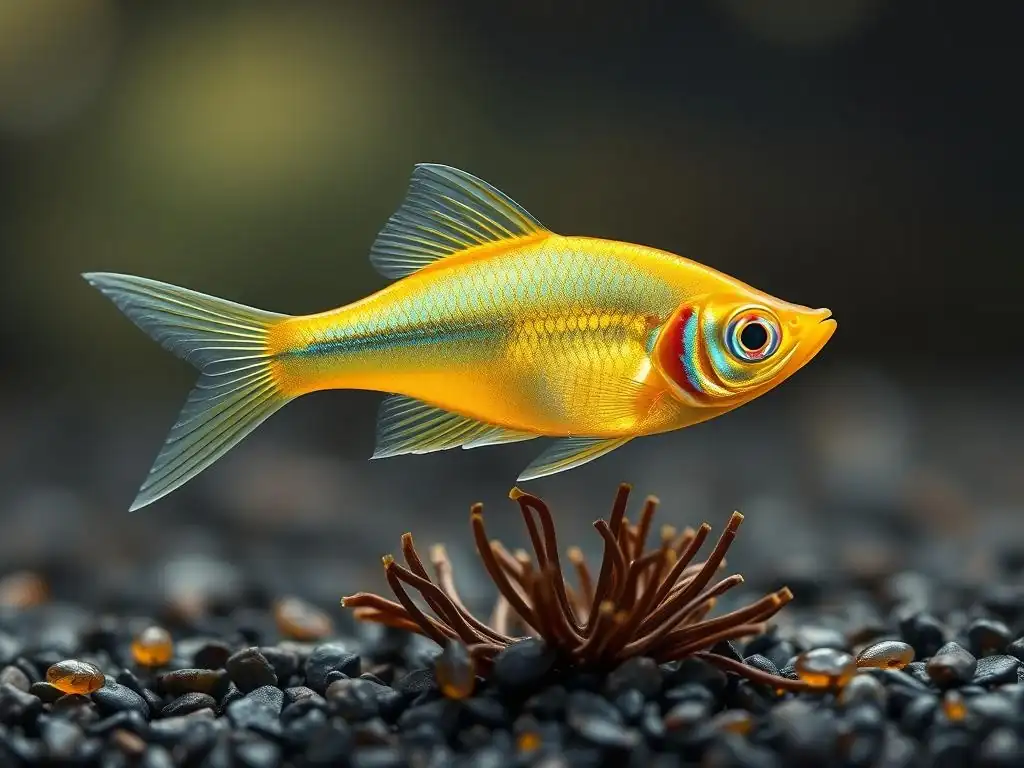
Cardinal Tetras ( Paracheirodon axelrodi) are perhaps the quintessential blackwater fish, originating from the Rio Negro and its tributaries. Their strong preference for soft, acidic water with significant tannin content (pH typically 4.5-6.5, GH 0-4 dGH) means that tannins are not just beneficial but almost essential for their long-term health, vibrant coloration, and successful breeding. Without sufficient tannins to buffer and acidify the water, Cardinals often appear stressed, lose their brilliant red and blue coloration, and become highly susceptible to disease.
For breeding Cardinal Tetras, a dedicated setup with heavy tannin staining, extremely soft water (often using RO/DI water re-mineralized to very low GH/KH), and a pH consistently below 6.0 is critical. The presence of tannins helps to protect their delicate eggs from fungal infections, which are a common issue in harder water. Experienced breeders consistently report that tannins improve tetra breeding success rates for Cardinals by providing the precise conditions that trigger spawning and ensure fry survival.
Black Skirt Tetras and Tannin Tolerance
Black Skirt Tetras ( Gymnocorymbus ternetzi) are more adaptable than some of their blackwater counterparts, originating from a wider range of habitats across South America, including clear and white water rivers, in addition to blackwater. While they can tolerate a broader pH range (typically 6.0-7.5) and slightly harder water, they still benefit significantly from the mild presence of tannins. Moderate tannin levels can reduce their stress, enhance their immune system, and contribute to their overall vitality, even if they don't strictly require the extreme blackwater conditions of Cardinals.
The stress-reducing and mild antiseptic properties of tannins are advantageous for Black Skirt Tetras, helping to prevent common ailments and promoting a more active and robust display of their natural schooling behavior. While excessive tannin levels might not be necessary or preferred for this species, a light amber tint to the water can certainly contribute to a healthier and more comfortable environment, indirectly supporting their general well-being and potentially reducing aggression within the school.
Ember Tetras and Tannin Requirements
Ember Tetras ( Hyphessobrycon amandae) are another small, popular tetra species that thrives in tannin-rich environments. Native to clear and blackwater tributaries of Brazil, they prefer soft, acidic water with a pH range of 5.0-7.0 and GH between 2-8 dGH. Their tiny size and delicate nature make them particularly susceptible to stress and disease in suboptimal conditions. The consistent presence of tannins helps to stabilize their preferred water parameters, creating a comfortable and secure habitat.
For Ember Tetras, tannins improve tetra breeding outcomes and contribute significantly to their long-term health and display.
Conclusion: Mastering Tannins for Thriving Tetra Aquariums
The strategic use of tannins represents an advanced yet accessible technique for any aquarist committed to the optimal health and breeding success of their tetras. From mimicking their ancestral blackwater habitats to providing tangible health benefits like stress reduction, disease prevention, and enhanced coloration, tannins play a multifaceted role in creating a thriving aquatic environment. By carefully sourcing, preparing, and maintaining tannin levels, aquarists can unlock the full potential of their tetra species.
Understanding the nuanced impact of tannins on water chemistry, egg development, and fry survival is key to mastering their application. Whether aiming to intensify the vibrant hues of Cardinal Tetras or to achieve successful spawning with delicate Ember Tetras, the consistent and informed use of tannins is a powerful tool. Embracing this natural approach not only fosters healthier fish but also transforms the aquarium into a more authentic and visually stunning representation of these fascinating fish's natural world.
Frequently Asked Questions
### How do tannins specifically benefit tetra breeding?
Tannins create a more natural and stimulating environment for tetras. This encourages spawning behavior and increases the likelihood of successful egg fertilization.
### What is the best way to introduce tannins into my tetra aquarium?
You can add tannins using natural botanicals like Indian Almond Leaves or driftwood. Alternatively, you can use commercially available tannin extracts.
### Are there any risks associated with adding too many tannins to my tetra tank?
Yes, excessive tannins can lower the pH too drastically, potentially harming your fish. Monitor water parameters carefully and adjust accordingly.
### What species of tetras benefit the most from tannins in the water?
Many tetra species enjoy the benefits of tannins, particularly those from blackwater habitats like Cardinal Tetras and Black Skirt Tetras.
### How do tannins affect water clarity in a tetra aquarium?
Tannins can cause the water to turn a tea-like brown color. This is normal and generally not harmful, but some aquarists may prefer to use activated carbon to reduce the color.
Final Reflection: Unlocking Tetra Potential Through Tannins
The journey we've undertaken in exploring the intricate role of tannins in tetra health and breeding underscores a vital truth: understanding the natural environment is key to unlocking the full potential of these captivating fish. The evidence presented clearly demonstrates that tannins, far from being a mere aesthetic addition to the aquarium, are a fundamental component in replicating the conditions that promote vibrant health and successful reproduction in tetras. This knowledge is not just academic; it's a practical tool for any aquarist seeking to elevate their tetra keeping to a new level.
This exploration has profoundly impacted my own understanding of aquarium keeping, highlighting the importance of mimicking natural habitats. Witnessing the positive effects of tannins firsthand, from improved coloration to increased breeding success, has solidified my belief in the power of natural solutions. It's a reminder that we are, in essence, curators of miniature ecosystems, and our responsibility lies in providing the optimal environment for our aquatic charges to thrive. In nature, nothing exists alone.
- Rachel Carson. This quote perfectly encapsulates the interconnectedness of the aquarium environment and the crucial role tannins play within it.
Now, I invite you to reflect on your own aquarium practices. Consider how you can incorporate the principles we've discussed to create a more natural and beneficial environment for your tetras. Embrace the power of tannins, not just as a water conditioner, but as a key to unlocking their vibrant health and breeding potential. Let's strive to create aquariums that not only showcase the beauty of these fish but also honor their natural needs, ensuring their well-being and perpetuating their captivating presence for generations to come.
Ignite Your Tetra Breeding Success!
Thank you for diving into the world of tannins and their incredible benefits for your tetras. You've now unlocked the secrets to creating a healthier and more natural environment for your fish to thrive. Ready to put this knowledge into action?
Here are a few ways to continue your journey:
- Experiment with botanical extracts: Carefully introduce blackwater extract or natural alternatives like almond leaves to mimic the tetras' natural habitat.
- Share your discoveries! Post pictures of your blackwater aquarium transformations in online forums or social media groups. Let's learn together and inspire others!
- Dive deeper into related topics! Read more on AquariumMastery.com.
What specific botanical are you most excited to try in your tetra aquarium, and what results are you hoping to achieve?