
Advanced DIY Fry Food Recipes for Discerning Tetras by Aquarium Mastery

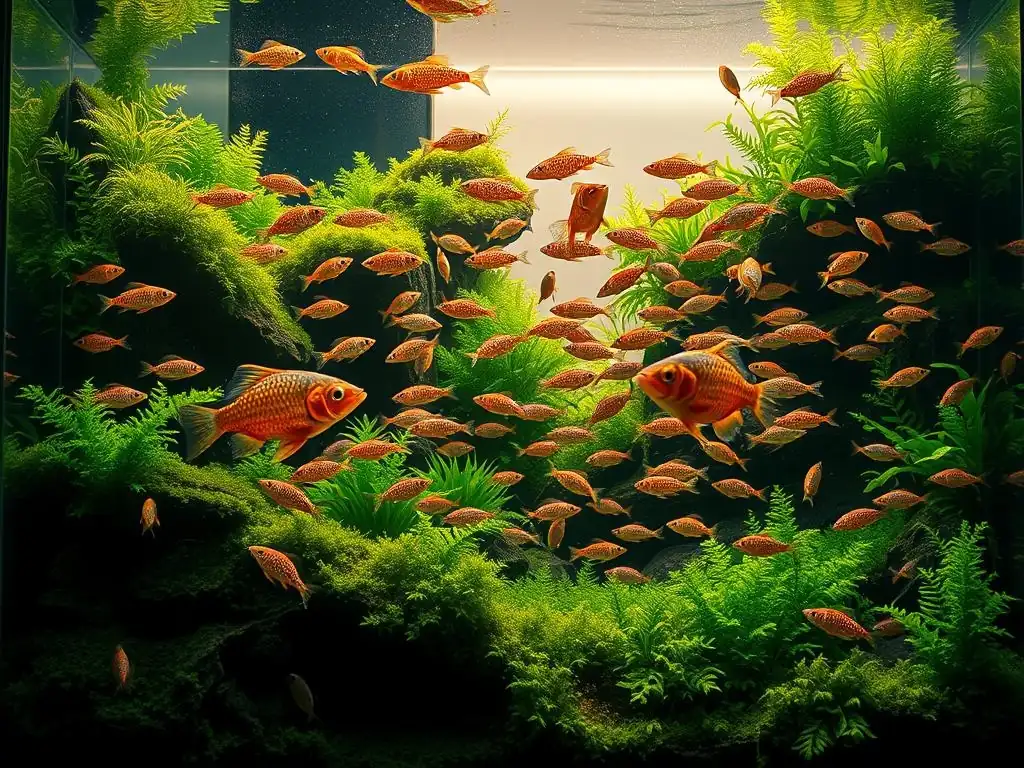
Welcome to Aquarium Mastery, where your aquatic dreams become reality!
Dive in and discover the secrets to a thriving aquarium ecosystem. Are you ready to nurture the next generation of your dazzling tetras? Our latest guide, "Advanced DIY tetra fry food Recipes for Discerning Tetras," unveils expert-level formulas to ensure your tiny swimmers get the perfect start. Intrigued? Let's unlock the secrets to raising healthy, vibrant tetra fry together!
- Introduction to DIY Tetra Fry Food: Why Homemade is Best
- Understanding Tetra Fry: A Nutritional Overview
- DIY Tetra Fry Food Recipes: Step-by-Step Guides
- Advanced Techniques for Enhancing Your DIY Tetra Fry Food
- Troubleshooting Common Issues with DIY Tetra Fry Food
- Alternative Live Food Options for Tetra Fry
- Transitioning Tetra Fry to Adult Food
- Conclusion: Mastering DIY Tetra Fry Food for Optimal Growth
-
Frequently Asked Questions
- How can I make my own food specifically for tetra fry?
- What are the benefits of using DIY tetra fry food over commercially available options?
- What are some common ingredients used in DIY tetra fry food recipes?
- How do I prepare infusoria culture for feeding my tetra fry?
- How often should I feed my tetra fry with DIY food, and how much should I give them?
- Final Reflection: Nurturing the Next Generation
- Transform Your Tetras' Diet Today!
Introduction to DIY Tetra Fry Food: Why Homemade is Best
The Nutritional Needs of Tetra Fry
Newly hatched tetra fry are incredibly delicate and have very specific nutritional requirements that differ significantly from adult fish. Their rapid growth rate in the first few weeks, often seeing them double in size within 7 to 10 days, necessitates a diet exceptionally rich in protein and essential fatty acids. Unlike adult tetras, which can consume a wider variety of foods, fry require microscopic particles that are easily digestible and packed with concentrated nutrients to support their rapid cellular development and organ formation.
Beyond protein, tetra fry need a balanced array of vitamins and minerals for proper skeletal development, immune system function, and metabolic processes. Deficiencies in critical nutrients during this early stage can lead to stunted growth, deformities, or increased susceptibility to disease. For instance, while adult tetras might thrive on a diet with 35-40% protein, fry often require a diet where protein constitutes 45-55% of the dry weight, alongside crucial elements like DHA and EPA for neurological development and vision.
Benefits of Making Your Own Tetra Fry Food
Creating your own DIY tetra fry food offers unparalleled control over the ingredients, ensuring the freshest and most nutrient-dense meals for your delicate fry. Commercial fry foods, while convenient, often contain fillers or preservatives that may not be ideal for the sensitive digestive systems of young tetras. By making it yourself, you can guarantee the absence of unwanted additives, providing a pure and unadulterated diet tailored precisely to their needs.
Furthermore, preparing homemade tetra fry food is often significantly more cost-effective in the long run. A small amount of common ingredients, such as a single egg yolk, can provide enough sustenance for hundreds of fry for several days, whereas specialized commercial fry foods can be quite expensive per serving. This DIY approach also allows for customization, enabling aquarists to incorporate specific supplements for enhanced color development or immune support, which are often absent in off-the-shelf options.
Understanding Tetra Fry: A Nutritional Overview
Protein Requirements for Healthy Tetra Fry Growth
Protein is the cornerstone of a tetra fry's diet, essential for the rapid cell division and tissue development that characterizes their early life stage. Without sufficient high-quality protein, fry will experience stunted growth, weakened musculature, and an inability to develop properly. For optimal growth, the diet for most small fish fry, including tetras, should typically contain between 45% and 60% protein on a dry weight basis, significantly higher than the requirements for adult fish.
Sources of high-quality protein for DIY tetra fry food include hard-boiled egg yolk, pure spirulina powder, and live foods like newly hatched brine shrimp. These ingredients offer a complete amino acid profile, crucial for building new tissues and enzymes. It is also vital that the protein sources are highly digestible, as the digestive systems of tetra fry are still developing and cannot efficiently process complex or large protein molecules.
Essential Vitamins and Minerals for Tetra Fry Development
Beyond protein, a comprehensive diet for tetra fry must include a full spectrum of essential vitamins and minerals to support their intricate biological processes. Vitamins such as A, C, D, E, and the B-complex vitamins play critical roles in vision, immune function, bone formation, and energy metabolism. For example, Vitamin A is crucial for eye development, while Vitamin C supports collagen synthesis and acts as an antioxidant, bolstering the immune system.
Minerals like calcium and phosphorus are vital for skeletal development, preventing deformities such as bent spines. Iron is necessary for oxygen transport, and zinc supports enzyme function. While some of these can be found naturally in ingredients like egg yolk or spirulina, ensuring a balanced intake often involves careful selection of ingredients or, in some advanced cases, the judicious addition of specific mineral supplements. For instance, a diet lacking calcium can lead to skeletal issues within the first two weeks of life.
The Importance of Gut-Loading Live Food for Tetra Fry
Gut-loading refers to the practice of feeding live food organisms a nutrient-rich diet shortly before offering them to your tetra fry. This process significantly enhances the nutritional value of the live food, transferring essential fatty acids, vitamins, and minerals directly to the fry upon consumption. For instance, newly hatched brine shrimp, while nutritious, can have their nutritional profile boosted by over 50% in certain fatty acids and vitamins if fed phytoplankton for 12-24 hours prior to feeding.
This technique is particularly important for fry that rely heavily on live foods, as it ensures they receive a more complete and balanced diet. Methods for gut-loading can include culturing microworms or daphnia on specific media enriched with spirulina powder, brewer's yeast, or specialized liquid nutrients. By consuming these enriched live foods, tetra fry gain access to a broader range of nutrients that might be difficult to deliver directly through powdered or liquid DIY tetra fry food.
DIY Tetra Fry Food Recipes: Step-by-Step Guides
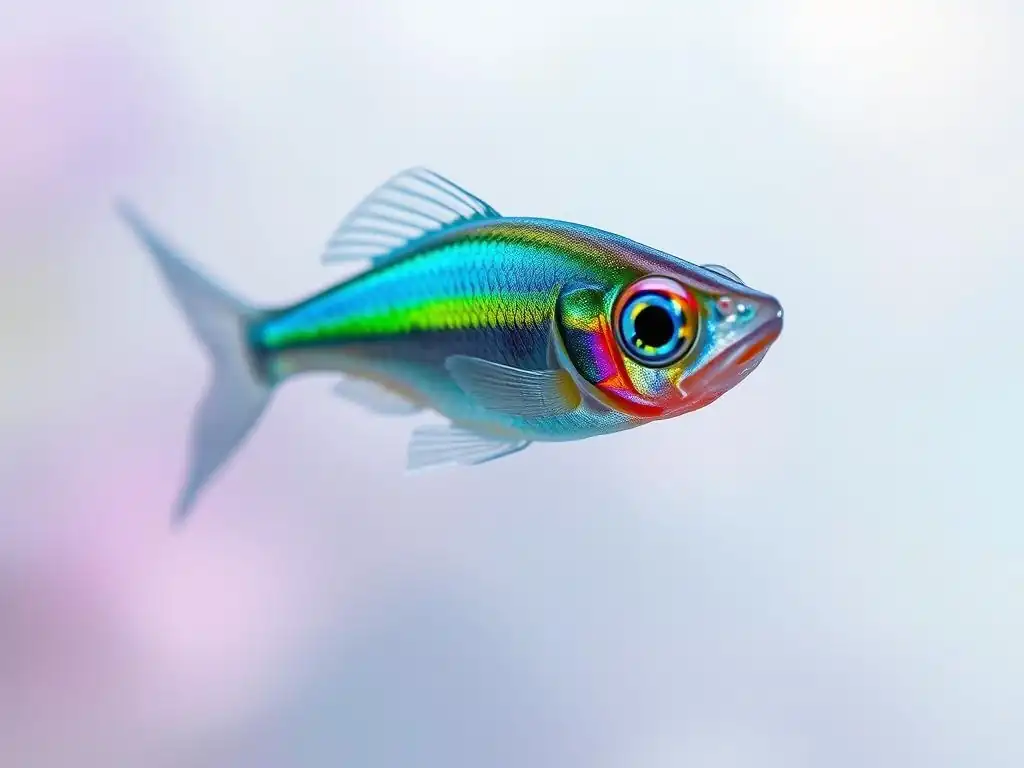
Recipe 1: The Egg Yolk Infusion Method for Tetra Fry
The egg yolk infusion method is a classic and highly effective way to provide high-protein nutrition for newly hatched tetra fry due to its fine particle size and digestibility. This DIY tetra fry food is particularly useful for the first 1-2 weeks of life when fry are at their most vulnerable.
Ingredients and Equipment Needed for Egg Yolk Infusion
- 1 hard-boiled egg yolk (freshly prepared)
- Small bowl or container
- Fine mesh net or strainer (e.g., a brine shrimp net, typically 50-micron mesh)
- Eyedropper or pipette
- Small amount of aged or dechlorinated tank water
Step-by-Step Instructions for Preparing Egg Yolk Infusion
- Prepare the Egg Yolk: Hard-boil an egg for at least 10-12 minutes to ensure the yolk is firm. Separate a tiny portion of the yolk (about the size of a pea) into the small bowl. The rest can be stored in the refrigerator for up to 3 days.
- Create the Suspension: Add a few drops of aged or dechlorinated tank water to the egg yolk. Use the back of a spoon or your finger to gently mash and mix the yolk with the water, creating a milky, uniform suspension.
- Strain for Fineness: Pour the milky suspension through the fine mesh net into another clean container. This step is crucial to remove any larger, undigested particles that could foul the water or be too large for the fry to consume. The goal is to achieve a liquid that is cloudy but free of visible clumps.
- Load and Dispense: Use an eyedropper or pipette to draw up the strained egg yolk infusion. Slowly dispense tiny amounts directly into the fry tank, aiming for areas where the fry are congregating.
Feeding Schedule for Tetra Fry with Egg Yolk Infusion
For optimal growth, tetra fry should be fed small amounts of egg yolk infusion 3 to 5 times daily during their first week to ten days. Each feeding should be just enough for the fry to consume within 1-2 minutes, leaving no excess food to decompose. Overfeeding is a common cause of water quality issues and fry mortality. Observe the fry's bellies; they should appear slightly rounded after feeding. Due to the high organic content of egg yolk, daily small water changes of 10-15% are highly recommended to maintain pristine water conditions.
Recipe 2: The Green Water Culture for Tetra Fry
Green water, a suspension of microscopic algae and other single-celled organisms, is an excellent initial food source for newly hatched tetra fry, especially those too small for even egg yolk particles. It provides a constant supply of natural, easily digestible food.
Creating and Maintaining a Green Water Culture
To create green water, fill a clear container (such as a 1-gallon glass jar or plastic bottle) with dechlorinated water. Add a small nutrient source; this can be a few drops of liquid plant fertilizer, a tiny pinch of fish food flakes, or a minuscule amount of organic compost tea. Place the container in a location with indirect sunlight or under a low-wattage LED light for 12-16 hours a day. Within 3-7 days, the water should turn noticeably green as algae multiplies. Maintain the culture at a temperature between 75-80°F (24-27°C) for faster growth.
Introducing Green Water to Tetra Fry Tanks
Once your green water culture is thriving, gently pour a small amount directly into the tetra fry tank. Start with about 1/4 cup per 5 gallons of tank water and observe how quickly it clears. The goal is to maintain a light green tint in the fry tank, indicating a consistent food supply. The microscopic organisms in green water, including various protozoans and phytoplankton, are perfectly sized for the smallest fry (0-5 days old) and provide continuous grazing opportunities.
Monitoring Water Quality in Green Water Cultures
While beneficial, green water cultures require monitoring to prevent issues. If the culture becomes too dense or starts to smell putrid, it may be crashing, turning clear or brown as algae die off. To maintain a healthy culture, periodically add small amounts of your chosen nutrient source and perform partial water changes in the culture container if it becomes excessively cloudy. In the fry tank, regularly test for ammonia and nitrite, as a heavy green water load can contribute to the organic burden if not managed with consistent small water changes.
Recipe 3: The Powdered Spirulina and Yeast Fry Food
This DIY tetra fry food blend offers a highly nutritious, shelf-stable option for growing tetra fry. Spirulina provides abundant protein and vitamins, while brewer's yeast adds crucial B vitamins and amino acids, making it a comprehensive homemade tetra fry food.
Sourcing High-Quality Spirulina and Brewer's Yeast
For the best results, use human-grade, pure spirulina powder. Look for products that are 100% spirulina, free from additives or fillers, as it boasts an impressive protein content of up to 60-70% and is rich in essential fatty acids, carotenoids, and a wide array of vitamins and minerals. For the yeast component, obtain nutritional yeast or inactive brewer's yeast, which is a fantastic source of B vitamins vital for metabolism and growth. Ensure it is unflavored and unsweetened.
Mixing the Perfect Powdered Fry Food Blend
Start with a ratio of 3 parts spirulina powder to 1 part brewer's yeast. For example, combine 3 teaspoons of spirulina with 1 teaspoon of brewer's yeast. The key to this DIY tetra fry food is achieving an extremely fine powder. Use a mortar and pestle or a dedicated spice grinder to grind the mixture until it feels like talcum powder, with particles ideally less than 50 microns in size for newly hatched fry. Store the blend in a small, airtight container in a cool, dark place to preserve freshness.
Feeding Techniques for Powdered Tetra Fry Food
When feeding, take a tiny pinch of the powdered blend between your fingers and gently sprinkle it onto the water surface. For very young fry, you can first mix a minuscule amount with a drop of tank water to create a suspension, then use an eyedropper to disperse it. Feed 2-3 times daily, providing only what the fry can consume within a few minutes. Overfeeding can quickly foul the water, so always err on the side of less food and more frequent feedings.
Recipe 4: Infusoria Culture for Tetra Fry
Infusoria are microscopic protozoa that serve as an excellent first food for the tiniest newly hatched tetra fry, particularly those too small to consume even finely powdered foods. Culturing them at home is a simple and rewarding process.
Setting Up an Infusoria Culture
To set up an infusoria culture, fill a clear glass jar (e.g., a quart or half-gallon jar) with dechlorinated water. Add a small amount of organic material to serve as a food source for the infusoria. Good options include a few dried banana peels, a handful of dried oak leaves, a pinch of hay, or a few grains of rice. Place the jar in a warm location (70-78°F or 21-26°C) with dim, indirect light. Within 3-7 days, the water should become slightly cloudy, indicating a thriving culture of microorganisms.
Harvesting Infusoria to Feed Tetra Fry
Once the culture is established, you can harvest infusoria to feed your tetra fry. Use a pipette or eyedropper to carefully draw clear water from just below the surface of the culture, avoiding the settled debris at the bottom. This water will be teeming with microscopic infusoria. Gently dispense a few drops into the fry tank 2-4 times daily. Observe the fry; their bellies should appear slightly fuller after feeding, and the water should clear within an hour, indicating consumption.
Maintaining a Healthy Infusoria Culture
To maintain a continuous supply of infusoria, periodically add a small amount of fresh organic material (e.g., a few more grains of rice or a tiny piece of banana peel) to the culture every few days. If the culture begins to smell foul or becomes excessively cloudy and milky rather than clear with suspended particles, it may be crashing due to an imbalance. In such cases, it's best to start a new culture with fresh materials. Consistent temperature and avoiding direct sunlight help ensure a stable culture.
Advanced Techniques for Enhancing Your DIY Tetra Fry Food
Incorporating Probiotics into Your Tetra Fry Diet
Incorporating probiotics into your DIY tetra fry food can significantly boost their gut health and overall immune system. Probiotics are beneficial bacteria that aid in digestion, improve nutrient absorption, and can help suppress the growth of harmful pathogens in the digestive tract. A healthy gut microbiome is crucial for young fish, as it reduces susceptibility to common fry diseases and improves their ability to thrive.
To add probiotics, you can use a high-quality, unflavored probiotic powder designed for human consumption or, ideally, an aquatic-specific probiotic product. A tiny amount, such as 1/16th of a teaspoon, can be mixed into a batch of liquid DIY tetra fry food like egg yolk infusion or dusted onto live foods like brine shrimp before feeding. This advanced DIY tetra fry food technique supports robust growth and disease resistance from an early age.
Adding Garlic Extract for Immune System Support
Garlic extract is renowned in aquaculture for its natural immune-boosting properties and its ability to act as an appetite stimulant. The active compound, allicin, possesses antimicrobial effects that can help protect delicate tetra fry from various bacterial and parasitic infections. Its strong aroma can also encourage hesitant fry to feed, ensuring they receive vital nutrition.
When preparing your DIY tetra fry food, add a single drop of pure, unflavored garlic extract to every 10ml of liquid food suspension or mix it thoroughly into a batch of powdered food. Ensure the extract contains no harmful additives, oils, or preservatives. This subtle addition can make a significant difference in the vitality and disease resistance of your growing tetra fry, contributing to a healthier and more resilient population.
Using Natural Color Enhancers for Vibrant Tetra Fry
To ensure your tetra fry develop into vibrant, beautifully colored adults, incorporating natural color enhancers into their diet is an advanced technique worth considering. These enhancers typically contain carotenoids, pigments that fish absorb and deposit in their skin cells. This is particularly relevant for species like Neon Tetras or Cardinal Tetras, whose brilliant hues are a major appeal.
Natural sources of carotenoids include high-quality spirulina (already a staple in many DIY tetra fry food recipes), krill meal (finely powdered), or even a minuscule amount of pure paprika powder. For example, adding 0.5-1% astaxanthin by weight to a powdered DIY tetra fry food blend can significantly enhance red and orange pigmentation. These ingredients should be introduced as the fry grow slightly larger and are able to consume more varied foods, typically from the second or third week onwards.
Troubleshooting Common Issues with DIY Tetra Fry Food
Preventing Overfeeding and Water Contamination
Overfeeding is arguably the most common cause of fry loss in the aquarium, leading to rapid water contamination and ammonia spikes. Uneaten DIY tetra fry food quickly decomposes, consuming vital oxygen and releasing toxic ammonia and nitrites, which are deadly to delicate fry. Even small amounts of excess food can overwhelm the limited biological filtration in a fry tank.
To prevent this, feed very tiny amounts of food multiple times a day—only what the fry can consume entirely within 1-2 minutes. Implement daily small water changes, typically 10-20% of the tank volume, to dilute any accumulating toxins and remove uneaten food. Using a small turkey baster or siphon to gently remove any visible uneaten food within 15-30 minutes after feeding is also a crucial practice. Consistent monitoring of ammonia and nitrite levels using a test kit is highly recommended, especially in the first few weeks.
Addressing Slow Growth Rates in Tetra Fry
If your tetra fry are exhibiting slow growth rates, it's a clear indicator that something in their environment or diet needs adjustment. This can be due to insufficient food quantity, inadequate nutritional content, or poor water quality. Healthy tetra fry should show noticeable growth daily, often reaching 0.5-0.75 inches within 3-4 weeks if conditions are optimal.
First, re-evaluate the particle size of your DIY tetra fry food; if it's too large, the fry may not be able to consume it effectively, leading to starvation despite apparent feeding. Increase feeding frequency to ensure a constant supply of nutrients throughout the day. Enriching the diet with higher protein options like newly hatched brine shrimp or gut-loaded microworms can also accelerate growth. Crucially, check water parameters: even trace amounts of ammonia or nitrite can stunt growth and compromise the health of young fry.
Poor diet and suboptimal water quality, often stemming from issues with DIY tetra fry food management, can weaken the immune systems of fry, making them highly susceptible to various diseases. Common ailments include fungal infections (appearing as fuzzy white growths), bacterial infections (leading to lethargy, clamped fins, or fin rot), and parasitic infestations. "Shimmering disease," characterized by a loss of coordination and a shimmering appearance, can sometimes be linked to specific nutritional deficiencies.
Immediate action involves improving water quality through significant partial water changes and ensuring that future feedings are meticulously managed to prevent overfeeding. If specific symptoms of bacterial or fungal infections appear, a broad-spectrum antibiotic or antifungal treatment designed for sensitive fish or fry may be necessary, always following dosage instructions carefully. However, the primary focus should always be on providing a varied, nutrient-rich DIY tetra fry food and maintaining pristine water conditions to prevent diseases from taking hold.
Alternative Live Food Options for Tetra Fry
Brine Shrimp Nauplii: A Classic Fry Food
Brine shrimp nauplii (Artemia salina) are a cornerstone live food for raising many types of fish fry, including tetras. Their high protein content, typically around 50-60% dry weight, combined with their active swimming motion, makes them an irresistible and highly nutritious meal for developing fry. They are relatively easy to hatch from dormant cysts, providing a fresh, live food source on demand.
A simple brine shrimp hatchery involves a cone-shaped container, saltwater (approximately 1.020-1.025 specific gravity), and an air stone for aeration. Cysts typically hatch within 24-36 hours at temperatures between 78-82°F (25.5-27.8°C). Newly hatched nauplii are the most nutritious and are small enough for many tetra fry to consume once they are a few days old, offering an excellent supplement or alternative to DIY tetra fry food recipes.
Microworms: An Easy-to-Culture Live Food
Microworms (Panagrellus redivivus) are tiny nematodes, typically ranging from 50 to 200 microns in length, making them an ideal first food for newly hatched tetra fry that may be too small for brine shrimp nauplii. They are exceptionally easy to culture at home, providing a continuous supply of live food with minimal effort.
A basic microworm culture involves a shallow container (e.g., a plastic deli cup) with a substrate of cooked oatmeal mixed with a small amount of brewer's yeast. The culture thrives at room temperature and reproduces continuously. Microworms tend to crawl up the sides of the container, making them easy to harvest by simply wiping them off with a finger or a cotton swab and rinsing them into the fry tank. This continuous supply of live food is a fantastic complement to any DIY tetra fry food regimen.
Vinegar Eels: A Tiny Live Food Option
Vinegar eels (Turbatrix aceti) are another excellent live food choice for the smallest of tetra fry, often even tinier than microworms, typically measuring around 50-200 microns. What makes them particularly unique is their ability to thrive in acidic conditions, meaning they can be cultured in a simple mixture of apple cider vinegar and water.
To culture vinegar eels, combine equal parts unpasteurized apple cider vinegar and dechlorinated water in a clear container. Add a small piece of apple or a few grains of rice as a food source. Vinegar eels are non-parasitic and live suspended in the water column, rather than on the surface or substrate. They are easily harvested by drawing water from the culture with a pipette, making them a perfect, continuous source of microscopic live food for the most discerning tetra fry.
Transitioning Tetra Fry to Adult Food
When to Start Introducing Adult Food
The transition from a specialized DIY tetra fry food diet to adult flake or pellet food is a critical developmental stage. Tetra fry are typically ready to begin this transition when they have grown to approximately 0.5-0.75 inches in length, which usually occurs between 3 to 6 weeks of age, depending on the specific tetra species and their growth rate. At this stage, their mouths are large enough to comfortably consume finely crushed adult food particles.
Key indicators that your fry are ready include actively schooling, showing more defined adult coloration, and exhibiting curiosity towards larger food items. Observe them closely; if they are attempting to pick at small crushed flakes or micro-pellets, it's a good sign they are ready for the next step in their dietary progression. Introducing adult food too early can lead to starvation, as their digestive systems may not be prepared for the change.
Gradual Transition Methods to Avoid Stress
A gradual transition is paramount to avoid stressing the fry and to ensure their digestive systems can adapt to the new diet. Do not abruptly switch from DIY tetra fry food to adult food. Instead, begin by mixing a very small amount of finely crushed adult flakes or micro-pellets into their regular fry food, perhaps one feeding per day.
Over the course of several days to a week, slowly increase the proportion of adult food while simultaneously decreasing the amount of fry food. For example, for the first few days, feed 75% fry food and 25% crushed adult flakes; then, transition to a 50/50 mix, followed by 25% fry food and 75% adult food, until they are entirely on adult food. Continuing to offer occasional live foods like brine shrimp nauplii or daphnia during this transition can also bridge nutritional gaps and encourage feeding.
Recommended Adult Food Options for Tetras
For adult tetras, a high-quality, balanced flake food designed for tropical fish should form the staple of their diet. Look for flakes with a protein content of 35-45% and natural color enhancers to maintain their vibrant hues. Fine-grained micro-pellets are also an excellent choice, as they sink slowly, allowing all tetras in the water column to feed.
To ensure a complete and varied diet, supplement their staple food with freeze-dried bloodworms, daphnia, or spirulina flakes, which can be crushed into smaller pieces for smaller tetra species. Occasional offerings of live foods like daphnia or small bloodworms will also provide additional enrichment and nutrients. Varying their diet not only ensures they receive a full spectrum of nutrients but also keeps them engaged and healthy in the long term.
Conclusion: Mastering DIY Tetra Fry Food for Optimal Growth
The Long-Term Benefits of Homemade Fry Food
Mastering the art of preparing DIY tetra fry food offers profound long-term benefits for both your fish and your experience as an aquarist. By investing the time and effort into homemade nutrition, you significantly increase the chances of successfully raising healthier, more robust, and faster-growing tetra fry. This meticulous approach to their diet leads to stronger immune systems, vibrant coloration, and ultimately, a much higher survival rate compared to relying solely on commercial options.
Beyond the tangible health benefits for your fish, the process of creating your own DIY tetra fry food fosters a deeper connection to your aquarium hobby. It provides an intimate understanding of the nutritional needs of your fish at their most vulnerable stage, translating into more informed and effective overall aquarium husbandry. The satisfaction of seeing a thriving batch of fry, grown from your dedicated efforts, is immensely rewarding.
Continuous Learning and Experimentation in Tetra Fry Care
The journey of raising tetra fry is one of continuous learning and experimentation. While the DIY tetra fry food recipes and techniques outlined provide a strong foundation, every batch of fry and every aquarium setup is unique. We encourage aquarists to continue researching, experimenting with different ingredient combinations, and refining their feeding techniques to discover what works best for their specific tetra species and breeding goals.
Observation remains your most valuable tool: meticulously watching how your fry respond to different foods, monitoring their growth rates, and adjusting their diet accordingly. This iterative process of trying new methods, noting the outcomes, and making informed adjustments is essential for becoming a truly advanced aquarist. Embrace the challenge, and you will unlock the full potential of your tetra breeding endeavors, ensuring your "DIY tetra fry food" efforts lead to stunning success.
Frequently Asked Questions
How can I make my own food specifically for tetra fry?
Making your own food allows you to control the nutrient content and particle size, critical for tiny tetra fry. DIY recipes often use readily available ingredients like egg yolk or infusoria cultures.
What are the benefits of using DIY tetra fry food over commercially available options?
DIY food can be fresher and cheaper. You can also tailor the food's composition to meet the specific needs of your tetra fry, especially regarding protein content and essential fatty acids.
What are some common ingredients used in DIY tetra fry food recipes?
Frequently used ingredients include boiled egg yolk, spirulina powder, baker's yeast, and infusoria cultures. These provide essential nutrients for growth and development.
How do I prepare infusoria culture for feeding my tetra fry?
Infusoria cultures are created by letting organic matter like vegetable scraps decompose in water. The resulting microorganisms provide a nutritious first food source for newly hatched fry.
How often should I feed my tetra fry with DIY food, and how much should I give them?
Feed your tetra fry small amounts several times a day (3-5 times is typical). Ensure the food is consumed within a few minutes to prevent water quality issues in the fry tank.
Final Reflection: Nurturing the Next Generation
The journey into crafting DIY tetra fry food reveals more than just recipes; it highlights our dedication to the delicate ecosystems within our aquariums and the responsibility we bear towards the tiny lives thriving within them. The meticulous care and attention to detail required in creating these specialized diets reflect a deeper understanding of the interconnectedness of life, even within the confines of a glass tank.
This pursuit of optimal nutrition for tetra fry has profoundly influenced the aquarium hobby, shifting the focus from mere maintenance to active participation in the life cycle of these fascinating creatures. It underscores the importance of informed choices and personalized care in fostering healthy and vibrant aquatic environments. The greatest service we can render to any creature, living or dying, is to help it to live and die well.
This quote reminds us that even in the seemingly small world of aquariums, our actions have significant consequences.
Now, take a moment to consider the lessons learned from this exploration of DIY tetra fry food. How can you apply this same level of dedication and attention to detail in other areas of your life? Let the commitment to nurturing these tiny lives inspire you to cultivate growth and well-being in all your endeavors, recognizing that even the smallest actions can have a profound impact.
Transform Your Tetras' Diet Today!
Thanks for diving into the world of advanced fry food! We hope you're now equipped with the knowledge to nourish your discerning Tetras like never before. Ready to put that knowledge into action?
- Start small: Experiment with one new recipe this week, observing your fry's reaction.
- Dive deeper: Research alternative ingredients based on your local availability and your Tetras' specific needs.
- Share your discoveries: Post photos of your fry enjoying their homemade meals and tag Aquarium Mastery on social media!
What unique ingredient will you add to your next batch of Tetra fry food to give it that extra boost?