
Dwarf Gourami Filtration Needs: Gentle Flow for Happy Fish

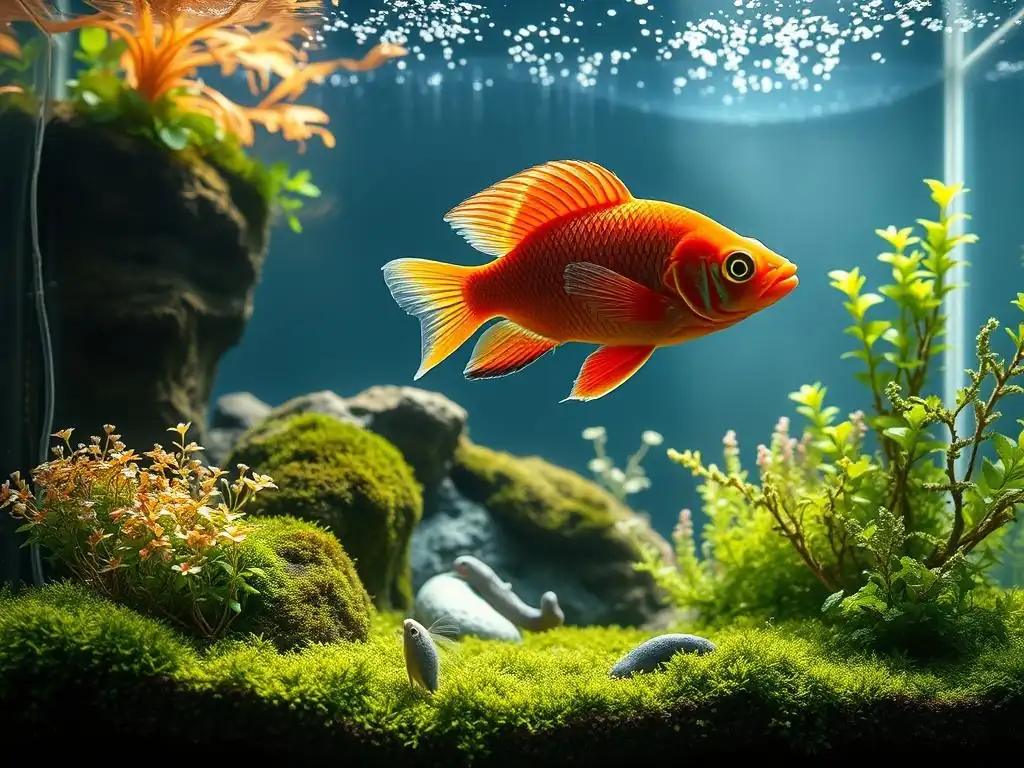
Welcome to Aquarium Mastery!
Ever wondered how to create the perfect aquatic haven for your Gentle Flow Dwarf Gourami? These beautiful fish thrive in specific conditions, and understanding their needs is key to their well-being. Dive in and discover everything you need to know about filtration, tank setup, and creating a thriving environment where your gouramis can truly flourish. Ready to unlock the secrets to a happy and healthy gourami tank?
- Understanding Dwarf Gourami Habitat and Natural Environment
- The Importance of Filtration for Dwarf Gourami Aquariums
- Choosing the Right Filter for Your Dwarf Gourami Tank
- Optimizing Water Flow in a Dwarf Gourami Tank
- Signs of Stress in Dwarf Gouramis Due to Strong Currents
- Maintaining Your Filtration System for Dwarf Gouramis
- Recommended Filtration Setups for Dwarf Gourami Tanks
- Troubleshooting Filtration Issues in Dwarf Gourami Tanks
- Achieving Optimal Water Quality and Flow for Your Dwarf Gourami
-
Frequently Asked Questions
- How important is gentle water flow for Dwarf Gourami?
- What type of filter is best suited for a Dwarf Gourami aquarium?
- Can too much filtration be harmful to Dwarf Gourami?
- What are the signs that my Dwarf Gourami is stressed by the water flow?
- How can I reduce the water flow in my Dwarf Gourami aquarium?
- Final Reflection: The Tranquil Current of Care
- Nurture Your Gourami: Create the Perfect Aquatic Haven!
Understanding Dwarf Gourami Habitat and Natural Environment
The Natural Habitat of Dwarf Gouramis: Slow-Moving Waters
Dwarf gouramis (Trichogaster lalius), native to South Asia, primarily inhabit the slow-moving rivers, streams, and densely vegetated floodplains of India, Pakistan, Bangladesh, and Nepal. These environments are characterized by calm, often stagnant or very gently flowing waters, rich in aquatic vegetation such as water hyacinths, lotus plants, and various grasses. They often seek refuge among the roots and stems of these plants, which provide cover from predators and shelter from any existing currents. Their natural preference for such tranquil conditions is a key factor in designing an optimal aquarium setup.
The water in these native habitats is typically warm, ranging from 72°F to 82°F (22°C to 28°C), and slightly acidic to neutral, with a pH usually between 6.0 and 7.5. The abundance of decaying plant matter and leaf litter contributes to the soft, often tannin-stained water. This calm, sheltered environment allows dwarf gouramis to conserve energy, forage for small insects and plant matter, and build their characteristic bubble nests without disruption, highlighting why a gentle flow dwarf gourami setup is paramount for their well-being in captivity.
Why Gentle Current is Crucial for Dwarf Gourami Health
Strong water currents are highly detrimental to dwarf gouramis. Unlike fast-swimming fish, their body shape and fin structure are not adapted for navigating turbulent waters. When exposed to excessive flow, dwarf gouramis experience constant physical stress, struggling to swim and maintain their position. This continuous exertion leads to exhaustion, which can manifest as rapid breathing (gasping at the surface or increased gill movement), clamped fins, and lethargy. Studies on fish stress indicate that chronic physical stressors can significantly elevate cortisol levels, weakening the immune system.
Prolonged exposure to strong currents can lead to a cascade of health issues, including increased susceptibility to common fish diseases like fin rot, ich, and bacterial infections due to a compromised immune system. Their delicate labyrinth organ, used for breathing atmospheric air, can also be negatively impacted by surface agitation from strong currents, making it harder for them to access the air they need. Ultimately, an environment lacking a gentle flow dwarf gourami setup can drastically shorten their lifespan and diminish their vibrant coloration and natural behaviors.
The Importance of Filtration for Dwarf Gourami Aquariums
Maintaining Water Quality for Dwarf Gouramis: The Role of Filtration
Filtration is the cornerstone of a healthy aquarium, crucial for breaking down harmful waste products produced by fish, uneaten food, and decaying plant matter. It encompasses three main types: mechanical filtration, which physically removes particles; chemical filtration, which removes dissolved impurities and odors (e.g., activated carbon); and biological filtration, which is the most critical. Biological filtration relies on beneficial bacteria that colonize filter media to convert toxic ammonia (from fish waste) into less harmful nitrite, and then nitrite into relatively harmless nitrate, completing the nitrogen cycle.
For dwarf gouramis, maintaining pristine water quality is vital. They are sensitive to fluctuations in water parameters and elevated levels of ammonia, nitrite, or nitrate. A well-functioning filtration system ensures that these toxins remain at undetectable or very low levels. Optimal water parameters for dwarf gouramis include ammonia and nitrite at 0 ppm, nitrates below 20 ppm, a pH between 6.0 and 7.5, and a consistent temperature of 72-82°F (22-28°C). Effective filtration, combined with regular partial water changes, creates the stable, clean environment necessary for a gentle flow dwarf gourami to thrive.
Balancing Filtration and Gentle Flow: A Delicate Act
Achieving effective filtration while simultaneously maintaining a gentle flow dwarf gourami environment presents a unique challenge for aquarists. Many powerful filters, such as large hang-on-back (HOB) or canister filters, are designed to process large volumes of water quickly, often resulting in strong currents that are unsuitable for these delicate fish. The goal is to provide robust mechanical and biological filtration without creating turbulent conditions that stress the gouramis.
This balance requires careful consideration of filter type, size, and placement. High flow rates can cause constant stress, leading to exhaustion and increased susceptibility to disease, even if the water parameters are chemically perfect. Therefore, the selection and setup of the filtration system must prioritize the creation of calm, stable water conditions. This delicate act ensures that the dwarf gouramis receive the benefits of clean water without the detrimental effects of excessive current, making the gentle flow dwarf gourami principle central to their care.
Choosing the Right Filter for Your Dwarf Gourami Tank
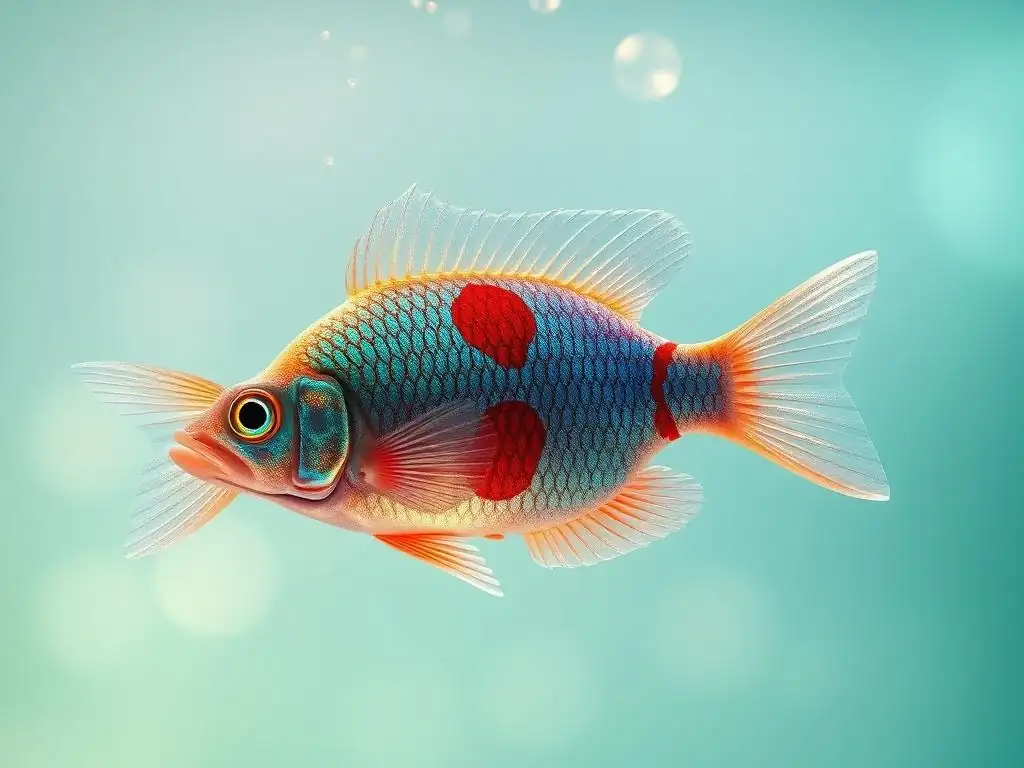
Sponge Filters: An Ideal Choice for Dwarf Gourami Aquariums
Sponge filters are widely considered an excellent choice for dwarf gourami aquariums, particularly for smaller tanks (up to 20 gallons) or breeding setups. They operate by using an air pump to draw water through a porous sponge, which provides a vast surface area for beneficial bacteria to colonize, performing highly effective biological filtration. Mechanical filtration is also achieved as particles are trapped within the sponge material.
The primary advantage of sponge filters is their exceptionally gentle flow dwarf gourami output. The water movement they create is minimal, mimicking the calm, slow-moving waters of the gourami's natural habitat. They are also inexpensive, easy to set up, and simple to maintain, requiring only periodic rinsing in old tank water. For a 10-gallon tank housing a single dwarf gourami, a medium-sized sponge filter like the AquaClear QuickFilter or similar generic brands can provide sufficient filtration while ensuring a tranquil environment.
Internal Filters with Adjustable Flow for Dwarf Gouramis
For aquariums larger than 10-15 gallons, or where a sponge filter alone might not provide sufficient mechanical filtration, internal power filters with adjustable flow rates can be a viable option for dwarf gouramis. These filters are submerged within the tank and often come with a dial or lever to control the water output. This adjustability is crucial for tailoring the flow to the specific needs of a gentle flow dwarf gourami environment.
When selecting an internal filter, look for models that allow for significant reduction in flow, ideally to the lowest possible setting. Brands like Fluval U-series or some Marina models offer good adjustability. Even at their lowest setting, the outflow might still be too direct, in which case additional baffling methods (discussed later) will be necessary. The goal is to ensure that while filtration is robust, the overall water movement throughout the tank remains soft and non-turbulent.
Avoiding Strong Currents: Filter Selection Considerations
When choosing a filter for a dwarf gourami tank, it is critical to avoid systems that inherently produce strong currents without easy modification. Large hang-on-back (HOB) filters, especially those with high GPH (gallons per hour) ratings, and powerful canister filters are often problematic. While canister filters offer excellent filtration capacity, their high flow rates can create a washing machine effect in smaller or moderately sized tanks, which is highly unsuitable for a gentle flow dwarf gourami habitat.
Even if a filter boasts excellent mechanical and biological capabilities, if it generates excessive current, it will be detrimental to your dwarf gourami's health. For instance, a HOB filter rated for 100 GPH in a 10-gallon tank would create a turnover rate of 10 times per hour, far too strong for these fish. Prioritize filters that either naturally have low output, like sponge filters, or those that offer precise flow control and can be easily baffled to achieve the necessary tranquil conditions.
Optimizing Water Flow in a Dwarf Gourami Tank
Baffle Techniques for Reducing Water Flow
Even with adjustable filters, the direct outflow can sometimes be too strong for dwarf gouramis. Baffle techniques are simple, effective ways to diffuse and reduce water flow. For hang-on-back (HOB) filters, a common method is to place a pre-filter sponge over the intake tube and a piece of filter floss or a small, clean plastic bottle (with holes cut into it) over the outflow spout. This disperses the water, turning a concentrated jet into a gentle cascade.
Another effective baffle for HOBs or internal filters is to direct the outflow against a tank wall or a large piece of decor, such as a sturdy piece of driftwood or a large rock. This breaks the direct force of the water, allowing it to dissipate more naturally into the tank. For canister filters, installing a spray bar that runs along the back or side of the tank, pointed towards the glass or angled slightly downwards, significantly reduces the direct current and creates a more gentle flow dwarf gourami environment.
Positioning Filters to Minimize Current Impact
Strategic placement of your filtration system can significantly mitigate strong currents. For internal filters, positioning them near the surface or angling their outflow towards a tank wall rather than directly into the open swimming space can help diffuse the flow. If you have a hang-on-back filter, ensure its outflow is directed towards a part of the tank where dense planting or decor can help break up the current immediately.
In larger tanks utilizing a canister filter with a spray bar, position the spray bar along the back wall, perhaps just below the water surface, with the holes pointed towards the glass. This creates a gentle ripple effect across the surface and a more distributed, less direct current throughout the tank, ensuring that the gentle flow dwarf gourami requirement is met even with powerful filtration. Avoid placing filters in the middle of the tank or pointing directly at open swimming areas.
Using Plants and Decorations to Break Up Water Flow
Beyond filter modifications, the strategic use of aquatic plants and decorations is an excellent way to naturally break up and diffuse water flow, creating pockets of calm water that dwarf gouramis adore. Densely planted areas, especially with tall, broad-leaved plants like Amazon Swords, Cryptocorynes, or Vallisneria, can act as natural current breakers. Floating plants, such as Frogbit or Dwarf Water Lettuce, also help by creating a calm surface and providing shade, mimicking their natural habitat.
Hardscape elements like driftwood and rocks can also be positioned to obstruct and redirect flow. A large piece of driftwood placed strategically in the path of a filter's outflow can effectively create a sheltered, low-current zone behind it. By incorporating a rich tapestry of plants and decor, you not only enhance the aesthetic appeal of your aquarium but also create a more complex and naturalistic environment that ensures a gentle flow dwarf gourami habitat throughout the tank, offering them numerous places to rest and feel secure.
Signs of Stress in Dwarf Gouramis Due to Strong Currents
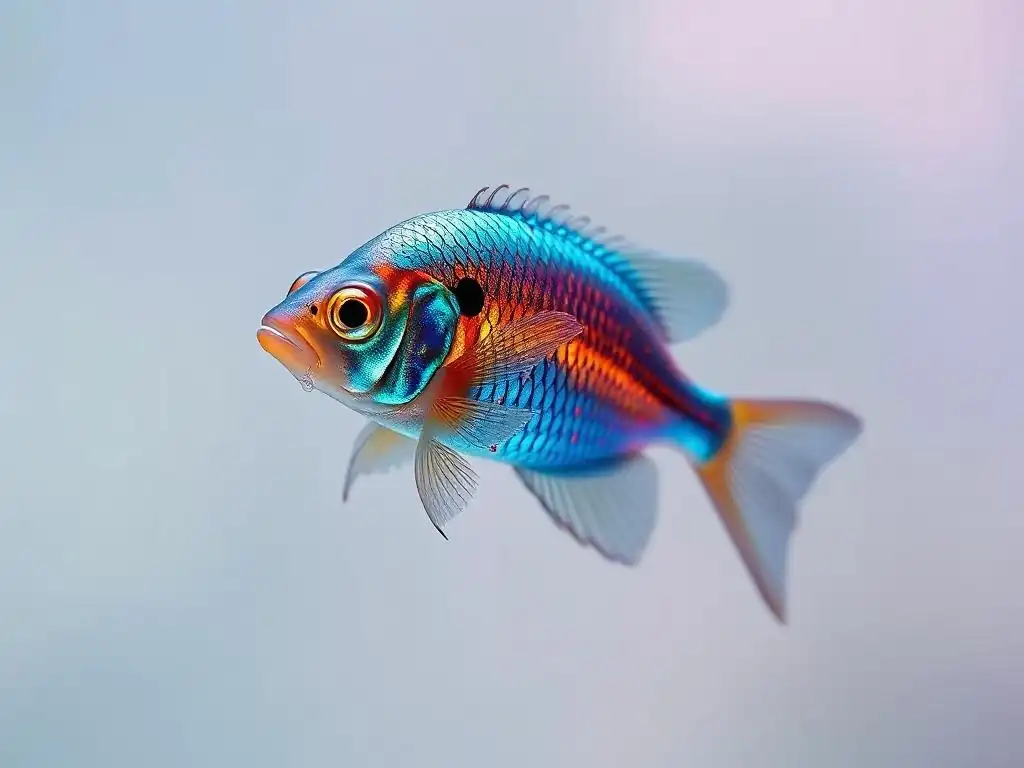
Identifying Stress Symptoms: Rapid Breathing and Hiding
Observing your dwarf gouramis regularly is crucial for identifying signs of stress caused by excessive water current. One of the most common physiological indicators is rapid gill movement or gasping at the surface, which suggests the fish is struggling to breathe or is exhausted from constantly fighting the current. Healthy dwarf gouramis exhibit calm, rhythmic gill movements. Another key behavioral sign is excessive hiding; stressed gouramis will often retreat to corners, behind decorations, or cling to plants, avoiding open water areas where the current is strongest.
Other symptoms include clamped fins (fins held close to the body rather than fanned out), a dulling or loss of their vibrant coloration, and a general lethargy or lack of activity. Unlike healthy dwarf gouramis that are curious and explore their environment, stressed individuals may appear listless and uninterested in food. If you observe these symptoms, especially if they are sustained, it is a strong indication that your aquarium's water flow is too intense and needs immediate adjustment to create a gentle flow dwarf gourami environment.
Addressing Current Issues to Improve Gourami Health
Upon identifying signs of stress due to strong currents, immediate action is necessary to prevent long-term health complications. The first step is to assess your filtration system. If you have an adjustable filter, reduce its flow rate to the lowest effective setting. If using a hang-on-back filter, implement a baffle technique, such as placing a pre-filter sponge on the intake or directing the outflow against the tank wall. For canister filters, ensure a spray bar is installed and properly positioned to disperse the flow.
Beyond filter adjustments, consider adding more dense planting or larger decorations strategically to break up existing currents and create sheltered zones. For instance, a large Amazon Sword plant placed directly in the path of a filter outflow can significantly reduce its impact. Continuously monitor your dwarf gouramis after making these changes; within a few days, you should observe a return to normal behavior, including vibrant coloration, active swimming (without struggling), and regular feeding, confirming that you have successfully established a gentle flow dwarf gourami habitat.
Maintaining Your Filtration System for Dwarf Gouramis
Regular Filter Maintenance: Cleaning and Media Replacement
Consistent and proper filter maintenance is paramount for ensuring both optimal water quality and a gentle flow dwarf gourami environment. For sponge filters, gently squeeze and rinse the sponge in a bucket of old tank water (removed during a water change) every 2-4 weeks. This removes trapped detritus without destroying beneficial bacterial colonies. Never rinse sponge filters under tap water, as chlorine can kill these vital bacteria.
For hang-on-back (HOB) or canister filters, mechanical media like filter floss or sponges should be rinsed weekly or bi-weekly in tank water to prevent clogging and maintain flow. Chemical media, such as activated carbon, typically needs replacement every 2-4 weeks as its adsorptive capacity diminishes. Biological media (e.g., ceramic rings, bio-balls) should only be gently rinsed if absolutely necessary, and never all at once, to preserve the bacterial bed. This routine ensures the filter operates efficiently without causing unnecessary turbulence.
Monitoring Water Parameters: Ensuring a Healthy Environment
Regular monitoring of water parameters serves as a crucial feedback mechanism for the effectiveness of your filtration system and overall tank health. For dwarf gouramis, weekly testing for ammonia and nitrite (which should always be 0 ppm) and nitrate (ideally below 20 ppm) is recommended. Consistent readings of 0 ppm for ammonia and nitrite indicate a robust biological filtration system, while rising nitrates suggest the need for more frequent or larger partial water changes.
Additionally, checking pH (6.0-7.5) and temperature (72-82°F or 22-28°C) ensures stability, which is vital for gourami well-being. Any significant deviations in these parameters could indicate a filtration issue, such as a clogged filter reducing flow, or a crash in the nitrogen cycle. Promptly addressing these issues, often by adjusting maintenance routines or increasing water changes, helps maintain the stable, clean, and gentle flow dwarf gourami conditions they require to thrive.
Recommended Filtration Setups for Dwarf Gourami Tanks
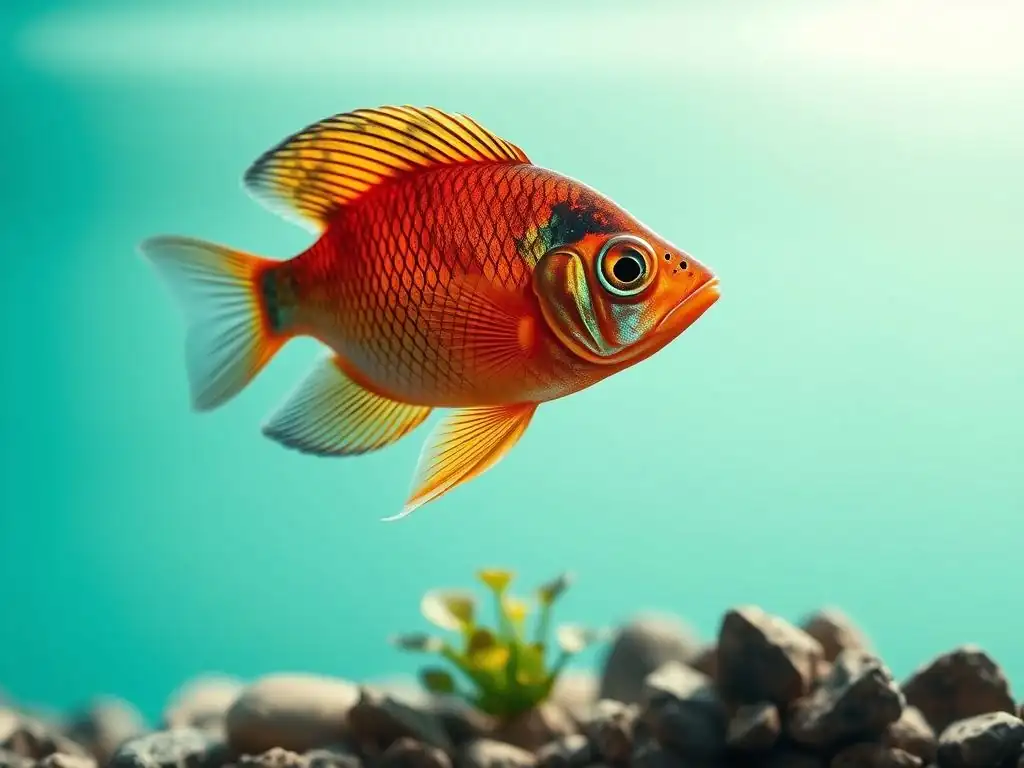
Small Tank Filtration Solutions for Dwarf Gouramis (5-10 Gallons)
For a single dwarf gourami in a small tank, typically 5 to 10 gallons, simplicity and gentleness are key. An air-driven sponge filter is often the most ideal solution. A medium-sized sponge filter, such as an XY-2831 or a similar model designed for tanks up to 15 gallons, provides ample biological filtration surface area and creates virtually no current, perfectly aligning with the gentle flow dwarf gourami requirement. These filters are also very quiet and energy-efficient, running off a small air pump.
Alternatively, a very small internal filter with an extremely adjustable flow rate, set to its lowest possible output, can be used. However, even these may require additional baffling, such as a pre-filter sponge over the intake and aiming the output at the tank wall. The primary goal in these smaller setups is to prioritize the gourami's comfort by ensuring the water movement is as minimal and diffused as possible.
Larger Tank Filtration Options for Dwarf Gouramis (20+ Gallons)
For larger dwarf gourami tanks, such as 20 gallons or more, a more robust filtration system is typically needed to handle the waste load, while still maintaining gentle flow dwarf gourami conditions. A popular and effective setup involves a combination of filter types. A hang-on-back (HOB) filter, like an AquaClear 30 or Fluval AquaClear 50, can provide excellent mechanical and chemical filtration. However, it is crucial to equip these with an outflow baffle or a spray bar attachment to diffuse the strong current.
Supplementing the HOB with an air-driven sponge filter can enhance biological filtration significantly and provide additional areas of very calm water. Alternatively, a small to medium-sized canister filter, such as a Fluval 107 or Eheim Classic 250, can be used, but it is absolutely essential to use a spray bar directed towards the tank glass or a dense plant area to spread out the flow and prevent a strong current. The key is to achieve high filtration capacity without creating turbulent water movement throughout the tank.
Troubleshooting Filtration Issues in Dwarf Gourami Tanks
Addressing Clogged Filters and Reduced Flow
A common issue in aquarium filtration is reduced water flow, often a sign of a clogged filter. For dwarf gourami tanks, this can lead to decreased water quality and, paradoxically, sometimes even stronger, more concentrated currents if only a small part of the outflow is blocked. The primary cause is typically accumulated detritus and algae in the mechanical filter media (sponges, floss) or debris in the impeller housing of power filters.
To address this, first unplug the filter. For sponge filters, gently remove and rinse the sponge in old tank water. For HOB or canister filters, open the filter and thoroughly clean or replace mechanical media. Inspect the impeller and its housing for any blockages (e.g., plant leaves, snails) and clean them carefully. Ensure all connections are secure and the filter is properly primed before restarting. Regular cleaning, ideally weekly for mechanical media, will prevent most flow issues and maintain a consistent gentle flow dwarf gourami environment.
Dealing with Excessive Algae Growth Due to Improper Filtration
Excessive algae growth in a dwarf gourami tank is often a symptom of an imbalance, frequently linked to improper or insufficient filtration. If the biological filtration is inadequate or the mechanical filtration is not removing enough particulate waste, nutrient levels (especially nitrates and phosphates) can climb, providing fuel for algae blooms. Overfeeding, which leads to more waste, also contributes significantly to this problem.
To combat algae, first ensure your filter is clean and operating at peak efficiency, effectively removing waste and converting ammonia/nitrite. Increase the frequency of mechanical filter cleaning. Next, perform larger or more frequent partial water changes (e.g., 25-30% twice a week instead of 25% once a week) to reduce dissolved nutrients. Reduce feeding amounts to only what your gouramis can consume in 2-3 minutes. Additionally, evaluate your lighting duration; reducing it to 8-10 hours a day can help. A well-functioning filter and proper maintenance are key to maintaining a clear tank and a healthy gentle flow dwarf gourami habitat.
Achieving Optimal Water Quality and Flow for Your Dwarf Gourami
Creating a Balanced and Thriving Aquarium Ecosystem
Achieving optimal water quality and flow for your dwarf gourami requires a holistic approach that integrates appropriate filtration with thoughtful tank design and diligent maintenance. Understanding their natural habitat—calm, densely vegetated, slow-moving waters—is the guiding principle for all setup decisions. This means selecting filters that provide robust biological and mechanical filtration without creating turbulent currents, often necessitating the use of sponge filters, adjustable internal filters, or baffled external filters.
Beyond filtration, the strategic placement of plants, driftwood, and rocks plays a crucial role in diffusing water movement and creating sheltered zones. Regular maintenance, including consistent filter cleaning and weekly water changes, ensures stable water parameters. By meticulously balancing these elements, you create a truly balanced and thriving ecosystem where your dwarf gouramis exhibit their natural behaviors, display vibrant colors, and live long, healthy lives, reveling in the perfectly tailored gentle flow dwarf gourami environment you've provided.
Frequently Asked Questions
How important is gentle water flow for Dwarf Gourami?
Gentle water flow is crucial for Dwarf Gourami health. They are not strong swimmers and strong currents cause stress, leading to illness. A filter with adjustable flow is highly recommended.
What type of filter is best suited for a Dwarf Gourami aquarium?
A sponge filter or a canister filter with adjustable flow is often preferred. These filters provide adequate filtration without creating strong currents. Aim for a flow rate appropriate for your tank size, but prioritize gentle water movement.
Can too much filtration be harmful to Dwarf Gourami?
Yes, excessive filtration can create too strong a current, even if the filter itself is appropriate. Monitor your fish for signs of stress, like hiding or struggling to swim. Adjust the filter output or add flow diffusers if necessary.
What are the signs that my Dwarf Gourami is stressed by the water flow?
Signs include lethargy, hiding, refusing to eat, and gasping at the surface. You might also notice them being pushed around by the current or struggling to maintain their position.
How can I reduce the water flow in my Dwarf Gourami aquarium?
You can use baffles or spray bars to diffuse the output of your filter. Positioning plants and decorations to break the current can also help. Finally, consider using a smaller filter or one with adjustable flow settings.
Final Reflection: The Tranquil Current of Care
The delicate dance of water flow within an aquarium is not merely a technical consideration, but a fundamental aspect of creating a thriving ecosystem, especially for sensitive species like the dwarf gourami. Understanding and implementing gentle flow is paramount to their well-being, directly impacting their health, behavior, and overall quality of life in captivity. Neglecting this crucial element can lead to unnecessary stress and ultimately, a diminished lifespan.
The impact of proper filtration and gentle flow extends beyond the individual fish; it reflects our commitment to responsible aquarium keeping and a deeper understanding of the interconnectedness within a closed aquatic environment. My own experiences observing the subtle nuances of dwarf gourami behavior in various flow conditions have solidified my belief in the profound influence of environmental factors on their well-being. The best aquarium is not just a container for fish, but a miniature ecosystem where every element plays a vital role.
This quote perfectly encapsulates the holistic approach required to truly provide for these beautiful creatures.
Now, I invite you to reflect on your own aquarium practices. Consider the current within your tank, not just as a force of nature, but as a vital element shaping the lives of your aquatic companions. Are you providing the gentle, nurturing environment that allows your dwarf gouramis to thrive? By embracing the principles of gentle flow, you can unlock a new level of appreciation for these fascinating fish and contribute to a more compassionate and sustainable approach to aquarium keeping.
Nurture Your Gourami: Create the Perfect Aquatic Haven!
Thank you for diving into the world of Dwarf Gouramis and their unique filtration needs! We hope you've gained valuable insights into creating the ideal environment for these beautiful fish. Now, let's put that knowledge into action!
- Gently upgrade your current filter to a sponge filter or adjust your existing filter to significantly reduce the flow rate. Your gouramis will thank you!
- Share your gourami setup tips in the comments below. What filtration methods have worked best for you?
- Consider adding live plants like Java Moss near the filter outlet to further diffuse the current and provide hiding spots.
Ready to transform your aquarium into a Dwarf Gourami paradise? What specific steps will you take this week to improve your tank's water flow and create a more comfortable environment for your fish?