
Lake Tanganyika's Unique Trio: A Guide to Shell Dwellers, Featherfins & Cyprichromis

Welcome to Aquarium Mastery!
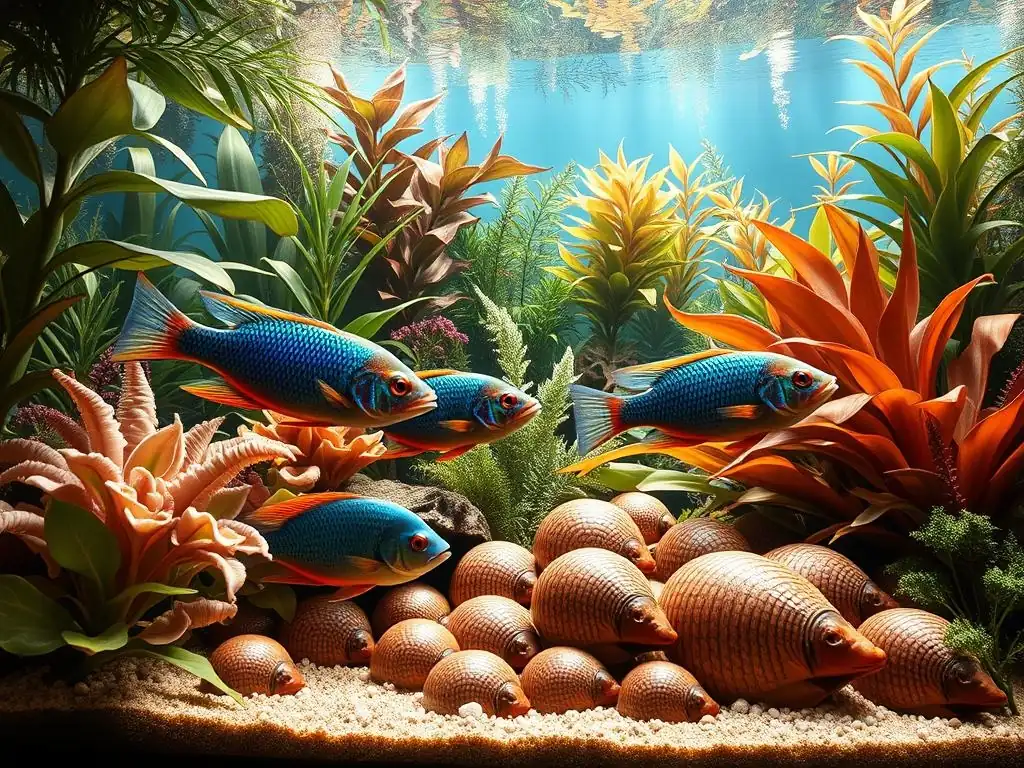
Dive into the fascinating world of Lake Tanganyika! Are you ready to unlock the secrets to successfully keeping Tanganyika shell dwellers? This guide unveils the intricacies of these captivating little fish, alongside their ideal tank mates, the graceful Featherfins and shimmering Cyprichromis. Discover the keys to creating a thriving ecosystem in your own home aquarium and witness the unique behaviors of these remarkable species. Intrigued? Let's get started!
- Lake Tanganyika Cichlids: Shell Dwellers, Featherfins & Cyprichromis
- Understanding Lake Tanganyika Cichlids
- Tanganyika Shell Dweller Care
- Featherfins: Cyathopharynx and Related Species
- Cyprichromis: Schooling Cichlids
- Maintaining a Tanganyikan Cichlid Community
-
Frequently Asked Questions
- What are Tanganyika shell dwellers and why are they popular aquarium inhabitants?
- What are the key water parameters needed for successful Tanganyika shell dweller care?
- What type of substrate and decor should be used in a Tanganyika shell dweller aquarium?
- What are some common health issues that affect Tanganyika shell dwellers and how can they be prevented?
- What are good tank mates for Tanganyika shell dwellers, and what species should be avoided?
- Final Reflection: Appreciating Lake Tanganyika's Delicate Balance
- Unleash the Tanganyikan Aquarium Expert Within!
Lake Tanganyika Cichlids: Shell Dwellers, Featherfins & Cyprichromis
Understanding Lake Tanganyika Cichlids
Exploring the Biodiversity of Lake Tanganyika
Lake Tanganyika, nestled in the heart of Africa, stands as one of the world's most ancient and deepest freshwater lakes, second only to Lake Baikal in depth. Its immense size – approximately 420 miles (676 km) long and 30 miles (48 km) wide – combined with its geological isolation, has fostered an unparalleled level of biodiversity, particularly among cichlid fish. This ancient rift lake is home to an estimated 250-300 cichlid species, with a staggering 98% of these being endemic, meaning they are found nowhere else on Earth.
The unique limnology of Lake Tanganyika, characterized by stable water parameters, high alkalinity, and distinct ecological zones (rocky shores, sandy flats, open water), has driven the remarkable adaptive radiation of its cichlids. Each species has evolved specialized feeding habits, breeding strategies, and social structures perfectly suited to its niche. This ecological diversity translates into a fascinating array of forms and behaviors that captivate aquarists worldwide, making these fish a centerpiece for advanced freshwater aquarium setups.
Popularity of Tanganyikan Cichlids Among Aquarists
Tanganyikan cichlids hold a special allure for aquarists due to their unique behaviors, intricate social dynamics, and often subtle yet captivating coloration. Unlike the more boisterous and brightly colored Mbuna cichlids from Lake Malawi, Tanganyikan species often exhibit a more refined beauty and complex social interactions, from the colonial breeding of shell dwellers to the schooling elegance of Cyprichromis. Their specialized adaptations, such as the shell-dwelling habit or the open-water schooling, provide endless opportunities for observation and study within the aquarium environment.
The appeal of keeping Tanganyikan cichlids extends beyond their aesthetic qualities; it lies in the challenge and reward of creating a biotope aquarium that meticulously replicates their natural habitat. Aquarists are drawn to these fish for their fascinating reproductive strategies, including various forms of mouthbrooding and substrate spawning, and the opportunity to witness complex social hierarchies unfold. This deep engagement with their natural history makes Tanganyika shell dweller care, along with the care of other Tanganyikan species, a highly rewarding aspect of the freshwater aquarium hobby.
Tanganyika Shell Dweller Care
Understanding Shell Dwellers and Their Habitat
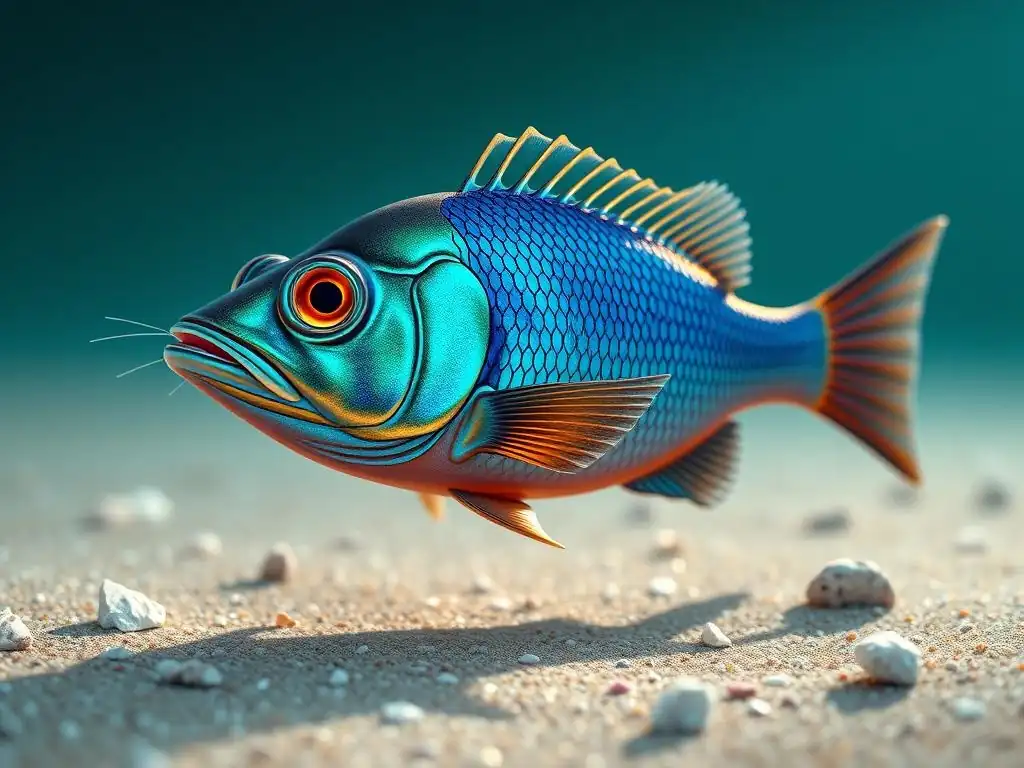
Shell dwellers are a fascinating group of small cichlids from Lake Tanganyika that have evolved a unique symbiotic relationship with the empty shells of native snails, primarily Neothauma tanganyicense. These shells serve as their primary shelter, breeding sites, and territorial markers, offering protection from predators like larger cichlids. In their natural habitat, these fish inhabit vast sandy or muddy plains of the lake, where empty snail shells are abundant, sometimes forming dense shell beds.
Their adaptation to shell living has profoundly influenced their behavior and social structures. Many species, like Neolamprologus multifasciatus, are colonial, forming large communities around clusters of shells, while others, such as Lamprologus ocellatus, are more solitary or pair-bonded, fiercely defending a single shell. Understanding these natural behaviors is fundamental to successful Tanganyika shell dweller care, as it dictates tank setup and species compatibility.
Shells as Habitat for Neolamprologus multifasciatus
Neolamprologus multifasciatus, often affectionately called "Multies," are perhaps the most well-known colonial shell dwellers. In their natural environment, these tiny cichlids live in dense colonies, with each individual or small family unit claiming one or more empty snail shells as its home. The shells provide crucial refuge from predators and are the exclusive sites for egg laying and fry rearing. Males will often defend a territory encompassing several shells to attract multiple females.
Within an aquarium setting, replicating this shell-rich environment is paramount for optimal Tanganyika shell dweller care. Providing an abundance of empty shells, ideally more than the number of fish, encourages their natural colonial behavior and reduces aggression. The shells are not just shelter; they are the heart of their social structure, where intricate hierarchies and breeding rituals play out, making them one of the most engaging species for observation.
Setting Up a Shell Dweller Aquarium
Tank Size and Substrate
For successful Tanganyika shell dweller care, selecting the appropriate tank size is crucial. While a small colony of Neolamprologus multifasciatus can be housed in a 10-gallon (approximately 38 liters) aquarium, a 20-gallon long (approximately 75 liters) tank is generally recommended for a thriving colony or for mixing with other small, compatible Tanganyikan species. For solitary or pair-bonding species like Lamprologus ocellatus, a 5-gallon (approximately 19 liters) tank might suffice for a single pair, but larger is always better to ensure stability.
The substrate is equally vital. A fine, soft sand, such as play sand or pool filter sand, is absolutely essential. Shell dwellers are avid diggers; they will rearrange the sand to bury shells, create burrows, and establish territories. A depth of at least 2-3 inches (5-7.5 cm) allows them to exhibit these natural behaviors fully, contributing significantly to their well-being and the authenticity of the Tanganyika shell dweller care setup.
Water Parameters for Shell Dwellers
Maintaining stable and appropriate water parameters is a cornerstone of effective Tanganyika shell dweller care. Lake Tanganyika's water is naturally hard and alkaline, and replicating these conditions is vital for the health of these cichlids. The ideal temperature range for shell dwellers is between 75-80°F (24-27°C). Fluctuations should be minimized, as they can cause stress and weaken the fish's immune system.
The pH level is perhaps the most critical parameter, ideally ranging from 7.8 to 9.0, with many aquarists aiming for a stable pH of 8.2-8.6. High general hardness (GH) of 10-20 dGH and carbonate hardness (KH) of 10-15 dKH are also necessary to buffer the pH and provide essential minerals. Regular testing with a reliable kit is indispensable to ensure these parameters remain consistent, preventing stress and disease.
Tank Decorations and Shell Placement
The most crucial decoration for a shell dweller aquarium, as implied by their name, is an ample supply of clean, empty shells. Suitable options include escargot shells, turbo snail shells, or specialized ceramic cichlid shells designed to mimic the native Neothauma shells. It is recommended to provide at least 2-3 shells per fish, or even more, to allow for territorial disputes and provide ample hiding and breeding spots.
Shells can be arranged in clusters, scattered across the sandy substrate, or placed to create distinct territories, depending on the species. For colonial species like N. multifasciatus, grouping shells together encourages their natural social structure.
While shells are the primary décor, a few smooth, inert rocks can be added to break up the lines of sight and provide additional visual interest, though care should be taken not to introduce anything that could alter water chemistry. Sparse, hardy plants like Anubias or Java Fern can also be anchored to rocks or driftwood if desired, though they are not typical of a pure shell dweller biotope.
Choosing Shell Dweller Species
Neolamprologus multifasciatus
Neolamprologus multifasciatus, commonly known as "Multies," are the smallest and arguably most popular of the colonial shell dwellers, making them an excellent choice for beginners in Tanganyika shell dweller care. They typically reach an adult size of only 1.5-2 inches (3.8-5 cm), with males being slightly larger than females. Their distinctive vertical brown stripes against a lighter body, though subtle, become more pronounced with age.
Multies are renowned for their highly social and prolific breeding habits. They form bustling colonies where multiple generations can coexist, with older fry often assisting in the care of younger siblings. Their constant digging and shell rearranging provide endless entertainment, making them a dynamic addition to a dedicated shell dweller setup.
Lamprologus ocellatus
Lamprologus ocellatus, often referred to as "Ocellatus" or "Ocellated Lamprologus," is another popular shell dweller, known for its striking iridescent blue or gold coloration around its eyes, resembling an ocellus. Growing slightly larger than Multies, they typically reach 2-2.5 inches (5-6.3 cm) in length. Unlike the colonial Multies, L. ocellatus tends to be more solitary or pair-oriented, fiercely defending a single shell.
A fascinating behavior of L. ocellatus is their ability to almost completely bury themselves in the sand, leaving only their eyes exposed, a defense mechanism against predators. While they can be more aggressive towards conspecifics than Multies, a pair can thrive in a smaller, dedicated tank with ample shells and territory. Their unique personality and appearance make them a captivating subject for Tanganyika shell dweller care.
Other Shell Dweller Species
Beyond N. multifasciatus and L. ocellatus, a variety of other shell dweller species offer unique characteristics for the dedicated aquarist. Lamprologus brevis, for instance, is known for its pair-bonding nature, with the male and female often sharing a single shell for breeding and refuge. They are relatively peaceful and grow to about 2.5 inches (6.3 cm), making them suitable for smaller setups.
Another intriguing species is Lamprologus callipterus, where the males are significantly larger than females and collect multiple shells, often larger than themselves, to create elaborate nests to attract mates. Neolamprologus similis is visually similar to N. multifasciatus but features more distinct vertical stripes and tends to be less colonial, often forming smaller family groups. Each of these species offers a slightly different approach to Tanganyika shell dweller care, requiring specific consideration of their social structures and territorial needs.
Feeding Shell Dwellers
Recommended Food Types
Providing a balanced and appropriate diet is a critical component of successful Tanganyika shell dweller care. In their natural habitat, shell dwellers are primarily carnivorous, feeding on small invertebrates and zooplankton. In the aquarium, a high-quality cichlid flake or small pellet food should form the staple of their diet. Look for foods that are rich in protein and spirulina to ensure comprehensive nutrition.
To supplement their diet and provide essential nutrients, incorporate a variety of frozen foods. Excellent choices include brine shrimp, Mysis shrimp, daphnia, and cyclops. While bloodworms can be offered occasionally as a treat, they should be fed sparingly due to their higher fat content. Live foods, such as small worms or cultured daphnia, can also be offered periodically to encourage natural hunting behaviors and provide additional enrichment.
Feeding Schedule and Portion Control
When it comes to feeding shell dwellers, consistency and moderation are key to optimal Tanganyika shell dweller care. It is generally recommended to feed them 1-2 times daily, offering small amounts of food that can be consumed within 2-3 minutes. Overfeeding is a common mistake that can lead to significant water quality issues, including elevated nitrates and phosphates, which can stress fish and encourage algae growth.
Portion control is vital to prevent digestive problems and maintain pristine water conditions. Any uneaten food should be promptly removed from the tank to avoid decay. A balanced feeding schedule not only keeps your shell dwellers healthy and active but also contributes significantly to the overall stability and cleanliness of their aquatic environment.
Creating Breeding Territories
Breeding shell dwellers is one of the most rewarding aspects of Tanganyika shell dweller care, often occurring naturally in a well-maintained aquarium. The primary requirement for successful breeding is the provision of ample, appropriately sized shells, which serve as the fish's breeding territories. For colonial species like N. multifasciatus, a dense cluster of shells encourages colony breeding, allowing multiple pairs to spawn simultaneously within the same area.
For pair-bonding species such as L. ocellatus or L. brevis, providing individual shells, often one per fish plus a few extras, allows pairs to select their preferred breeding site and establish a secure territory. Stable water parameters, a high-quality diet, and a sense of security in their environment are also essential triggers for spawning behavior. Slightly increasing the water temperature by 1-2°F (0.5-1°C) can sometimes stimulate breeding activity.
Recognizing Breeding Behavior
Observing the breeding behavior of shell dwellers is a fascinating experience. These cichlids are substrate spawners, with the female typically entering a chosen shell to lay her eggs on the inner surface. The male then fertilizes the eggs, either by entering the shell himself or by fertilizing them from the outside. The female usually takes on the primary role of guarding the shell entrance and fanning the eggs.
Key signs of breeding behavior include increased territoriality and aggression directed towards other fish that approach the chosen shell. The female may become more secretive, spending extended periods inside the shell. Males will often display their fins and bodies to entice females, and once a pair has bonded, their interactions around the shell become noticeably more focused and protective.
Raising Fry
One of the most appealing aspects of Tanganyika shell dweller care is the relative ease of raising their fry. After approximately 7-10 days, depending on the water temperature, the fry will emerge from the shells. They are surprisingly large and well-developed at hatching, making them capable of consuming newly hatched brine shrimp or finely crushed high-quality flake food almost immediately.
The parents, particularly the female, provide excellent parental care, diligently guarding their offspring. The fry will often retreat into the safety of the shells when threatened. In a well-established colony tank with plenty of hiding spots and consistent feeding, a significant number of fry will survive and grow, allowing aquarists to witness multiple generations thrive within the same aquarium.
Shell Dweller Diseases and Treatments
Identifying Symptoms of Illness
Despite robust Tanganyika shell dweller care, fish can occasionally fall ill. Early identification of symptoms is crucial for successful treatment. Common signs of illness include lethargy, diminished appetite, clamped fins, ragged or frayed fins, and unusual swimming patterns. White spots on the body or fins often indicate Ich (Ichthyophthirius multifiliis), while fuzzy white or gray patches can point to fungal infections.
More severe symptoms might include abdominal swelling, often associated with "Malawi Bloat" (though less common in Tanganyikans, it can occur from stress or improper diet), or white, stringy feces, which can indicate internal parasites or bacterial infections. Any changes in color, especially darkening or fading, can also be a sign of stress or disease. Prompt observation and diagnosis are vital for effective intervention.
Quarantine and Treatment Options
A proactive approach to Tanganyika shell dweller care includes a strict quarantine protocol for all new fish, ideally for 2-4 weeks, in a separate tank before introducing them to the main aquarium. This helps prevent the introduction of diseases. If a fish in the main tank becomes ill, it should be moved to a dedicated hospital tank for treatment to avoid medicating the entire display tank, which can harm beneficial bacteria in the filter.
Treatment depends on the diagnosed ailment. For Ich, a common treatment involves gradually raising the water temperature (if compatible with tank mates) and using an Ich medication according to the manufacturer's instructions. Bacterial infections may require broad-spectrum antibiotics, while fungal infections can be treated with antifungal medications. Throughout any treatment, maintaining pristine water quality through frequent small water changes is paramount to support the fish's recovery and reduce stress.
Introduction to Featherfin Cichlids
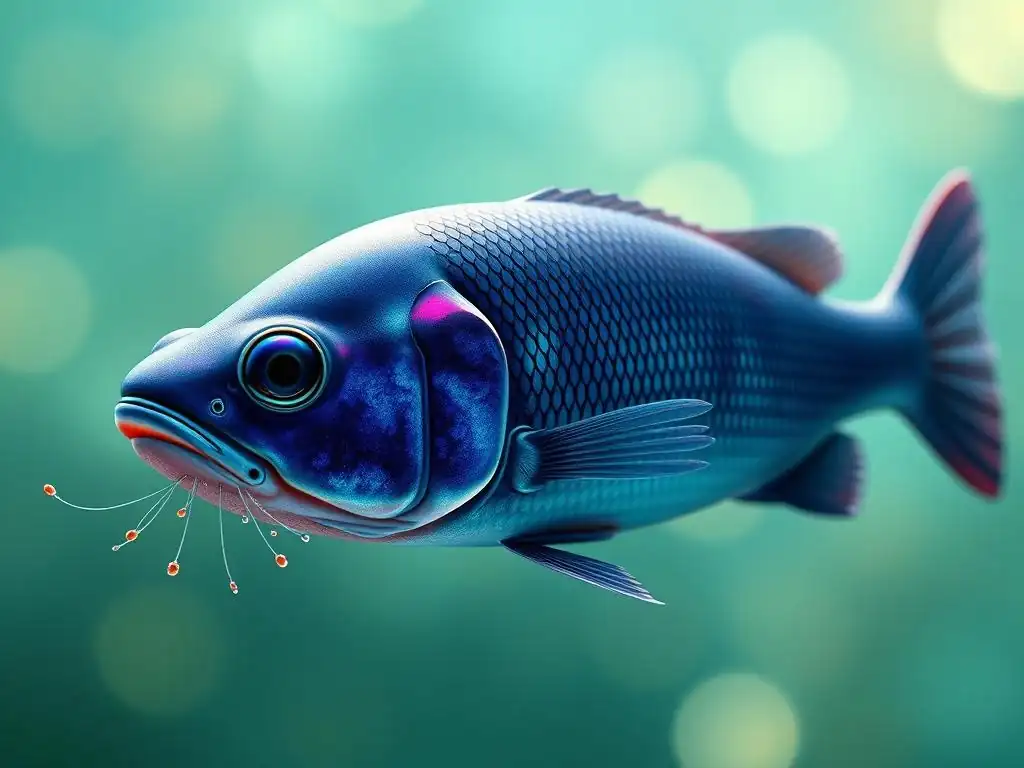
Featherfin cichlids, primarily represented by the genus Cyathopharynx, are among Lake Tanganyika's most elegant open-water inhabitants. Their name derives from the exceptionally long, flowing dorsal and anal fins, especially prominent in mature males, which they display to attract mates. These cichlids possess elongated, streamlined bodies, often adorned with iridescent scales that shimmer with blues, greens, and purples under optimal lighting.
In their natural habitat, Featherfins are found in the open water column, often near rocky outcrops, where they feed on plankton. They are maternal mouthbrooders, with females carrying the eggs and fry in their mouths for several weeks. Their graceful swimming and striking finnage make them a captivating addition to larger Tanganyikan community tanks, offering a stark contrast to the bottom-dwelling shell dwellers.
Featherfin Cichlid Care: Tank Requirements and Compatibility
Water Flow and Oxygenation
Featherfin cichlids, being open-water species, thrive in aquariums that replicate the well-oxygenated, flowing water conditions of their natural lacustrine environment. Adequate water flow and high oxygenation are crucial for their health and activity levels. This can be achieved through robust filtration systems, such as large canister filters, and by incorporating powerheads to create gentle, consistent currents throughout the tank.
Aim for a water turnover rate of at least 5-10 times the tank volume per hour to ensure sufficient oxygen saturation and to prevent stagnant areas. Good water movement not only mimics their natural habitat but also helps to keep the water clean and clear, essential for their well-being.
Choosing Tank Mates
When selecting tank mates for Featherfin cichlids, compatibility is key to a harmonious community. Featherfins are generally peaceful for their size but can be intimidated by overly aggressive or boisterous species. Ideal tank mates are other similarly sized, peaceful open-water or mid-water Tanganyikan cichlids that will not compete directly for the same swimming space or resources.
Good choices include other Cyprichromis species, which also appreciate open water and schooling environments. Some larger, less aggressive Julidochromis species can work if the tank is sufficiently large to provide distinct territories. Avoid mixing them with very small, timid fish that could be stressed, or highly territorial rock-dwelling cichlids that might harass them, especially if the tank lacks ample space.
Featherfin Cichlid Feeding: A Balanced Diet
Featherfin cichlids are primarily planktivores in the wild, meaning their diet consists mainly of small organisms suspended in the water column. In the aquarium, their diet should reflect this natural preference. High-quality flake foods and small pellets specifically formulated for cichlids, particularly those with a spirulina or vegetable base, should form the core of their diet.
To ensure a balanced nutritional intake, supplement their staple diet with a variety of frozen foods. Excellent choices include Mysis shrimp, brine shrimp, cyclops, and finely chopped krill. These provide essential proteins, fats, and vitamins. Due to their active nature and schooling habits, it is often beneficial to feed Featherfins small amounts multiple times a day rather than one large meal, ensuring all individuals get enough to eat.
Cyprichromis: Schooling Cichlids
Understanding Cyprichromis leptosoma: Appearance and Behavior
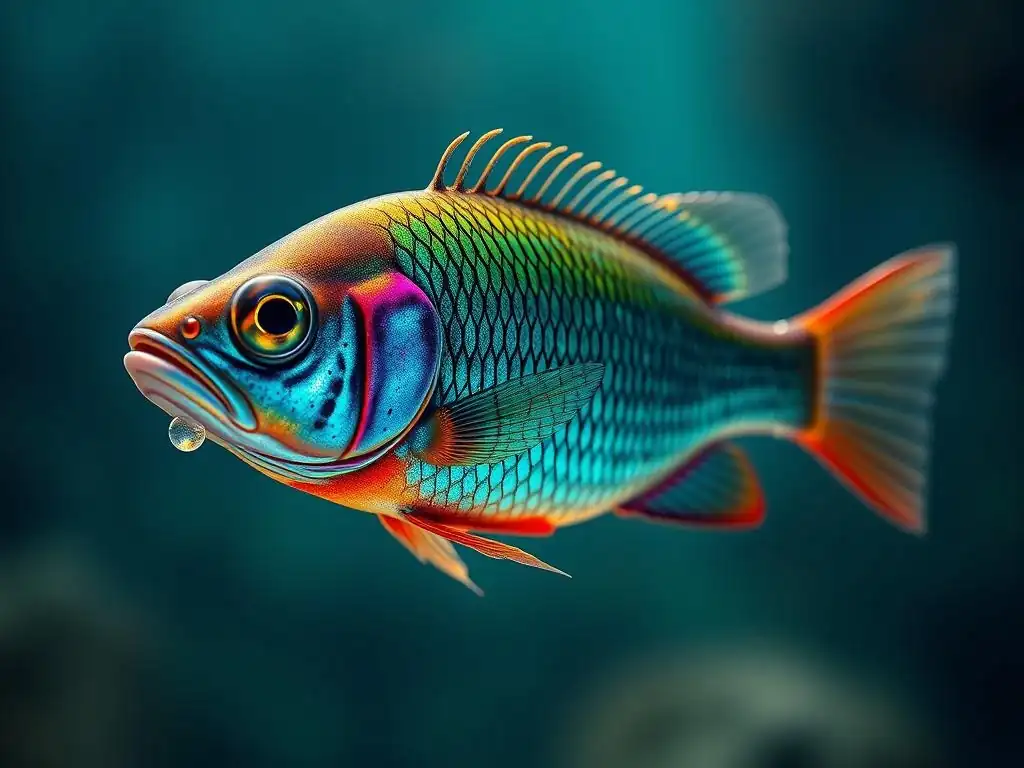
Cyprichromis leptosoma, often simply called "Cyps," are perhaps the most iconic of Lake Tanganyika's schooling cichlids. They possess a distinctive slender, torpedo-shaped body, perfectly adapted for life in the open water column. Males are particularly vibrant, displaying a dazzling array of colors, including blues, yellows, and oranges, which intensify during breeding displays. Females are typically more subdued in coloration.
In their natural habitat, Cyprichromis form large, impressive schools, sometimes numbering in the thousands, hovering over rocky reefs or in open water. This strong schooling instinct is a fundamental aspect of their behavior, providing safety in numbers from predators and facilitating their unique spawning aggregations. They are peaceful, active fish that primarily inhabit the upper to mid-levels of the aquarium, adding dynamic movement and color.
Cyprichromis Care: Creating a Schooling Environment
Importance of School Size
One of the most critical aspects of Cyprichromis care is understanding their obligate schooling nature. These fish thrive and display their most natural behaviors when kept in large groups. A minimum school size of 8-10 individuals is recommended, but a group of 15 or more is ideal. Keeping them in smaller numbers can lead to increased stress, timidity, and a reluctance to exhibit their characteristic schooling patterns.
A larger school also helps to diffuse aggression among males, as their territorial displays and courtship rituals are spread across more individuals, reducing the focus on any single fish. This social structure contributes significantly to their overall health and well-being, making group size a primary consideration in Cyprichromis care.
Tank Dimensions
Given their schooling behavior and active nature, Cyprichromis require spacious aquariums with ample open swimming space. A minimum tank size of 55 gallons (approximately 208 liters) is recommended for a small school, but larger tanks are significantly better. A 75-gallon (approximately 284 liters) or even a 125-gallon (approximately 473 liters) tank allows for a more substantial school and provides the necessary length for them to swim freely.
The length of the tank is more important than its depth or height for Cyprichromis, as they utilize horizontal swimming space. Tall tanks with plenty of open water are also beneficial, as they prefer to hover in the upper half of the water column. Providing a large, unobstructed swimming area is key to successful Cyprichromis care and allows them to exhibit their natural schooling and display behaviors.
Cyprichromis Diet: Feeding Habits
In their natural environment, Cyprichromis are primarily zooplankton feeders, sifting small organisms from the water column. In the aquarium, their diet should mimic this, focusing on small, high-quality foods. A good staple diet consists of premium flake foods, particularly those with a spirulina or vegetable base, and small cichlid pellets that can be easily ingested.
Supplementing their diet with a variety of frozen foods is crucial for their health and vibrant coloration. Excellent choices include Mysis shrimp, brine shrimp, cyclops, and finely chopped krill. Due to their active metabolism and schooling habits, it is best to feed Cyprichromis small amounts multiple times a day rather than one large meal. This ensures all fish get adequate nutrition and minimizes uneaten food decaying in the tank.
Maintaining a Tanganyikan Cichlid Community
Water Quality Management
Regular Water Changes and Filtration
Maintaining impeccable water quality is paramount for the long-term health and vibrancy of any Tanganyikan cichlid community, including those focused on Tanganyika shell dweller care. Regular water changes are the single most effective way to keep nitrate levels low and replenish essential minerals. A weekly water change of 20-30% of the tank volume is highly recommended, using dechlorinated water that matches the tank's temperature and pH as closely as possible.
Robust filtration is equally crucial. A combination of mechanical, chemical, and biological filtration is ideal. Large canister filters, powerful hang-on-back filters, or sump systems with ample media capacity are excellent choices. Mechanical filtration removes particulate matter, chemical filtration (e.g., activated carbon) removes dissolved organics and odors, and biological filtration converts harmful ammonia and nitrite into less toxic nitrate.
Monitoring Water Parameters
Consistent monitoring of water parameters is a non-negotiable aspect of responsible Tanganyikan cichlid community management. Regular testing for pH, ammonia, nitrite, and nitrate levels using a reliable liquid test kit is essential. The goal is to maintain a stable pH between 7.8 and 9.0, with zero ammonia (0 ppm) and zero nitrite (0 ppm). Nitrate levels should ideally be kept below 20 ppm through diligent water changes.
Furthermore, monitoring general hardness (GH) and carbonate hardness (KH) is vital for Tanganyikan cichlids, as they thrive in hard, alkaline water. Aim for a GH of 10-20 dGH and a KH of 10-15 dKH. Consistent parameters minimize stress and contribute significantly to the fish's immune system strength, reducing susceptibility to disease.
Preventing Aggression in a Mixed Tanganyikan Tank
Providing Space and Hiding Places
Aggression can be a significant challenge in a mixed Tanganyikan cichlid tank, but it can be largely mitigated through thoughtful tank design and stocking. Overcrowding is a primary trigger for aggression; therefore, ensuring the tank is appropriately sized for the adult size and number of fish is fundamental. A general guideline is to allow ample swimming space per fish, especially for larger species.
Creating distinct territories and providing numerous hiding places is crucial. For shell dwellers, an abundance of shells allows for individual territories. For rock dwellers, strategically placed rock formations with caves and crevices break up lines of sight and offer retreat options. For open-water species like Cyprichromis, clear swimming lanes are important. This thoughtful arrangement allows fish to establish their own spaces and retreat when stressed or during territorial disputes.
Choosing Compatible Species
Careful selection of compatible species is paramount to preventing aggression in a mixed Tanganyikan cichlid community. Research the temperament, adult size, and preferred habitat zone (e.g., bottom-dwelling, mid-water, top-water) of each species before introducing them. Avoid mixing highly aggressive or overly territorial species with very timid or much smaller fish.
Consider the different ecological niches within Lake Tanganyika. For instance, combining bottom-dwelling shell dwellers with mid-water rock dwellers and upper-water schooling Cyprichromis can minimize direct competition for space. Introducing all fish at once or adding juvenile fish together can sometimes help establish a pecking order with less conflict than adding new fish to an already established community.
Troubleshooting Common Issues
Even with meticulous Tanganyika shell dweller care and excellent overall maintenance, issues can arise in a Tanganyikan cichlid community. One common problem is persistent aggression, which can be addressed by assessing tank size, re-evaluating species compatibility, adding more hiding places, or, in extreme cases, rehoming a particularly aggressive individual. Observing which fish are instigating conflict and which are being harassed is key to finding a solution.
Another frequent challenge involves maintaining stable water parameters, especially pH and hardness. Fluctuations can stress fish. If parameters are unstable, increase the frequency of small water changes, ensure the buffer capacity (KH) is adequate, and avoid introducing elements that drastically alter water chemistry. For common diseases like Ich or bacterial infections, prompt diagnosis, isolation of affected fish in a hospital tank, and appropriate medication, combined with pristine water quality, are essential for successful recovery. Patience and consistent monitoring are vital for a thriving Tanganyikan cichlid aquarium.
Frequently Asked Questions
What are Tanganyika shell dwellers and why are they popular aquarium inhabitants?
Tanganyika shell dwellers are small cichlids from Lake Tanganyika that uniquely live and breed within empty snail shells. They are popular due to their small size, interesting behaviors, and suitability for smaller tanks.
What are the key water parameters needed for successful Tanganyika shell dweller care?
Maintaining stable water parameters is crucial. They require hard, alkaline water with a pH between 7.8 and 9.0, and a temperature range of 76-82°F (24-28°C). Regular water changes are essential.
What type of substrate and decor should be used in a Tanganyika shell dweller aquarium?
A sandy substrate is best to allow them to dig and move shells. Provide plenty of empty snail shells for them to inhabit and claim as their own territory, arrange them to create distinct zones.
What are some common health issues that affect Tanganyika shell dwellers and how can they be prevented?
Common issues include Ich and bacterial infections, often triggered by poor water quality. Prevent these by maintaining excellent water quality through regular testing and water changes.
What are good tank mates for Tanganyika shell dwellers, and what species should be avoided?
Good tank mates include Cyprichromis and certain Featherfin species that occupy different areas of the tank. Avoid aggressive or large fish that may harass or prey on the shell dwellers.
Final Reflection: Appreciating Lake Tanganyika's Delicate Balance
The intricate world of Lake Tanganyika's shell dwellers, featherfins, and Cyprichromis, as we've explored, is far more than just a niche hobby; it's a microcosm reflecting the fragility and beauty of specialized ecosystems. Understanding their unique needs and behaviors is crucial not only for successful aquarium keeping but also for appreciating the broader challenges facing biodiversity in our rapidly changing world. The lessons learned in providing proper Tanganyika shell dweller care extend beyond the glass tank, urging us to consider the impact of our actions on delicate natural environments.
This journey into the depths of Lake Tanganyika's aquatic life has underscored the importance of responsible stewardship. Witnessing the complex social structures and specialized adaptations of these fish has deepened my appreciation for the interconnectedness of life. It reminds us that even seemingly small actions, like choosing ethically sourced fish or supporting conservation efforts, can have a significant impact. In the end, we will conserve only what we love; we will love only what we understand; and we will understand only what we are taught.
- Baba Dioum. This quote perfectly encapsulates the responsibility we have to educate ourselves and others about the wonders of the natural world.
As you close this guide, I invite you to reflect on the lessons learned about Tanganyika shell dweller care. Consider how you can apply this newfound knowledge to not only create a thriving aquarium environment but also to become a more conscious and responsible steward of our planet.
Let the vibrant colors and intricate behaviors of these remarkable fish inspire you to advocate for the preservation of their natural habitat and to champion the cause of biodiversity conservation. The future of these unique creatures, and indeed, the health of our planet, depends on our collective commitment to understanding and protecting the delicate balance of nature.
Unleash the Tanganyikan Aquarium Expert Within!
Thank you for diving deep into the wonders of Lake Tanganyika with us! We hope you’ve gained valuable insights into the captivating world of shell dwellers, featherfins, and Cyprichromis. Now, it's time to put that knowledge into action and bring a piece of this African paradise into your own home.
- Start planning your Tanganyikan biotope aquarium! Research tank size, water parameters, and compatible species to ensure a thriving environment for your new aquatic friends.
- Share your newfound knowledge! Spread the word about the unique beauty of Lake Tanganyika's fish by discussing them with fellow aquarium enthusiasts online or at your local fish store.
- Consider supporting conservation efforts! Learn about organizations dedicated to preserving Lake Tanganyika and its inhabitants, and explore ways you can contribute.
What fascinating aspect of Lake Tanganyika's fish will you explore further in your own aquarium journey?