
Medicated Baths for Saltwater Larvae: When and How to Use Them Safely & Effectively

Welcome to Aquarium Mastery!
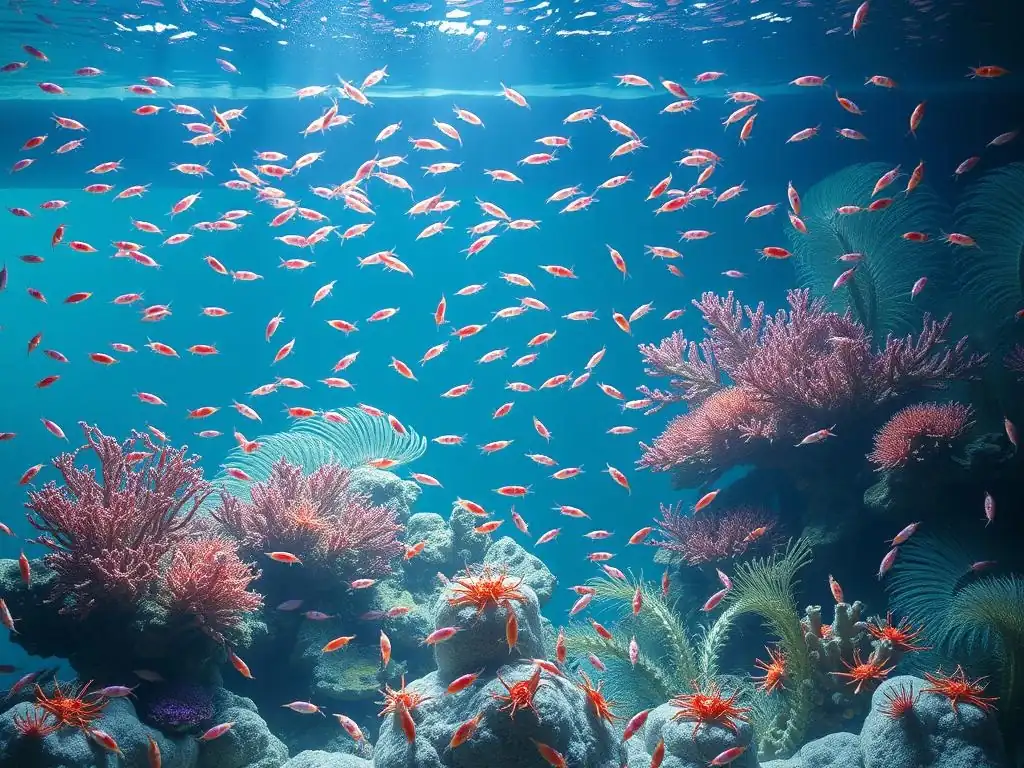
Ever wondered if a medicated bath could be the key to unlocking healthier, thriving saltwater larvae? Dive in to discover the secrets of using these treatments safely and effectively. We'll explore everything you need to know about Saltwater larvae medicated bath, from identifying when they're necessary to mastering the techniques that can make all the difference. Ready to nurture your future reef inhabitants? Let's begin!
- Formalin and Hydrogen Peroxide Baths for Marine Fish Larvae: Safe and Effective Use
- Understanding the Need for Therapeutic Baths in Marine Larval Rearing
- Choosing Formalin or Hydrogen Peroxide for Marine Larvae Baths
- Preparing a Safe and Effective Marine Larval Bath
- Step-by-Step Guide to Administering a Marine Larvae Bath
- Post-Treatment Care and Monitoring of Marine Larvae
- Preventing Future Disease Outbreaks in Marine Larval Rearing
- Safety Precautions When Handling Formalin and Hydrogen Peroxide
- Troubleshooting Common Issues with Marine Larvae Baths
- Advanced Techniques for Enhancing Treatment Effectiveness
- Conclusion: Mastering Therapeutic Baths for Healthy Marine Larvae
-
Frequently Asked Questions
- What are medicated baths used for in saltwater larvae rearing?
- When should I consider giving my saltwater larvae a medicated bath?
- How do I choose the right medication for a saltwater larvae bath?
- What are the key factors to consider when administering a medicated bath to saltwater larvae?
- Are there any potential risks associated with medicated baths for saltwater larvae?
- Final Reflection: Safeguarding the Future of Marine Life
- Transform Your Larval Rearing with Proactive Care!
Formalin and Hydrogen Peroxide Baths for Marine Fish Larvae: Safe and Effective Use
Understanding the Need for Therapeutic Baths in Marine Larval Rearing
The Delicate Nature of Marine Fish Larvae and Disease Susceptibility
Marine fish larvae are extraordinarily fragile organisms, particularly during their early developmental stages. Their immune systems are often undeveloped, making them highly susceptible to a wide array of pathogens that would typically be managed by adult fish. Compounded by their minute size and high metabolic rates, any physiological stress or disease can rapidly lead to catastrophic mortality rates.
In intensive rearing systems, where larvae are kept at high densities, diseases can spread with alarming speed. Common challenges include bacterial infections caused by opportunistic pathogens like Vibrio spp., leading to conditions such as vibriosis, which manifests as lethargy, fin erosion, and internal hemorrhaging. Parasitic infestations, such as those by Amyloodinium ocellatum (Marine Velvet Disease) or Cryptocaryon irritans (Marine Ich), can also decimate entire larval batches. Without swift intervention, mortality rates in affected batches can easily exceed 50%, and in severe outbreaks, often reach 90% or more within 24-48 hours.
Why Proactive Measures are Crucial for Marine Larval Survival
While prevention is always the cornerstone of successful aquaculture, the inherent vulnerabilities of marine larvae often necessitate proactive therapeutic measures, such as a targeted saltwater larvae medicated bath. The economic implications of larval mortality are significant; a single batch of high-value ornamental species like Yellow Tangs ( Zebrasoma flavescens) or food fish like Cobia ( Rachycentron canadum) can represent tens of thousands of dollars in potential revenue.
Early and decisive intervention with a therapeutic bath can dramatically alter the outcome of a disease outbreak. Unlike adult fish, where systemic treatments (e.g., medicated feeds) are often viable, the minute size and rapid development of larvae mean that external, rapid-acting treatments are frequently the most effective. A timely saltwater larvae medicated bath can halt the progression of bacterial or parasitic infections, reducing mortality, improving larval health, and significantly increasing overall survival rates and yield in a rearing cycle.
Identifying Parasitic and Bacterial Issues Requiring Treatment in Marine Fish Larvae
Accurate identification of the underlying issue is paramount before administering any saltwater larvae medicated bath. Signs of bacterial infections in larvae often include reduced feeding, lethargy, swimming abnormally (e.g., spiraling or head-down), cloudy eyes, or visible lesions like fin rot or reddening of the body. These symptoms can progress rapidly, leading to mass mortalities if left untreated.
Parasitic infections, while sometimes less immediately visible, can be equally devastating. Larvae may exhibit flashing (rubbing against tank surfaces), scratching, rapid gill movements, or visible white spots if the parasite is large enough (e.g., Cryptocaryon). Microscopic examination is crucial for definitive diagnosis. For instance, the presence of Amyloodinium ocellatum trophonts on the gills or body surface, or bacterial aggregations in gut smears, confirms the need for a specific medicated bath for saltwater larvae. A confirmed diagnosis ensures the correct chemical and concentration are chosen for optimal efficacy against the identified pathogen.
Choosing Formalin or Hydrogen Peroxide for Marine Larvae Baths
Formalin and Hydrogen Peroxide: A Comparative Overview for Marine Larval Treatment
Formalin (typically a 37% solution of formaldehyde by weight) and Hydrogen Peroxide (H2O2, commonly available as 3% or 35% solutions) are two of the most widely used chemicals for medicated baths in aquaculture. Formalin has a long history of use, primarily as an external parasiticide and disinfectant. It works by denaturing proteins and nucleic acids, effectively "fixing" the cells of target organisms.
Hydrogen Peroxide, an oxidizing agent, has gained popularity due to its effectiveness against a broader range of external pathogens, including bacteria and parasites, and its environmental advantage of breaking down into water and oxygen, leaving no harmful residues. While Formalin is highly effective, it is also highly toxic and carcinogenic, requiring stringent safety precautions. Typical concentrations for a short saltwater larvae medicated bath range from 15-25 ppm for Formalin and 50-100 ppm for Hydrogen Peroxide, depending on the species and duration.
Understanding the Mode of Action of Each Chemical on Common Larval Pathogens
Formalin's primary mode of action involves cross-linking with biological molecules, particularly proteins and nucleic acids, disrupting their normal function and leading to cell death in pathogens. This makes it highly effective against external protozoan parasites such as Amyloodinium ocellatum and Cryptocaryon irritans by damaging their surface structures and internal cellular machinery. It also has some efficacy against external bacterial infections by disrupting bacterial cell walls and membranes.
Hydrogen Peroxide, as a strong oxidizer, generates reactive oxygen species (ROS) such as hydroxyl radicals. These free radicals cause widespread oxidative damage to cell membranes, proteins, and DNA of pathogens, leading to rapid cellular dysfunction and death. This broad-spectrum oxidative action makes H2O2 effective against a wide range of external bacteria (e.g., Vibrio spp. and Flexibacter spp.) and external parasites. Its rapid breakdown into harmless byproducts (water and oxygen) makes it a preferred choice in many larval rearing scenarios.
Selecting the Appropriate Treatment Based on the Specific Larval Disease
The choice between Formalin and Hydrogen Peroxide for a saltwater larvae medicated bath hinges on accurate diagnosis. If microscopic examination confirms a severe parasitic infestation, such as an Amyloodinium outbreak, both chemicals are highly effective. Formalin has historically been a strong choice for protozoan parasites due to its potent "fixing" action, but H2O2 is increasingly favored due to its broader spectrum and safer residue profile.
For confirmed bacterial issues like fin rot or generalized systemic bacterial infections without clear parasitic signs, Hydrogen Peroxide is often the preferred choice due to its strong antibacterial properties and the rapid breakdown of residues. Species sensitivity also plays a critical role; some delicate larval stages or species (e.g., certain seahorse larvae) may be more sensitive to Formalin and tolerate H2O2 better.
For example, Lates calcarifer (Barramundi) larvae have shown good tolerance to H2O2 at 75 ppm for 30 minutes for Amyloodinium control, while similar doses of Formalin might be more stressful for other species. Always consult species-specific literature or conduct small-scale trials if unsure.
Preparing a Safe and Effective Marine Larval Bath
Calculating the Correct Concentration of Formalin or Hydrogen Peroxide
Accurate calculation of the chemical concentration is critical for the safety and effectiveness of a saltwater larvae medicated bath. An overdose can be lethal, while an underdose may be ineffective. The general formula for calculating the required volume of a stock solution is:
Volume of Stock Solution (ml) = (Desired Concentration in ppm * Volume of Bath in Liters) / (Concentration of Stock Solution in ppm)
For example, to achieve a 50 ppm Hydrogen Peroxide bath in 10 liters of water using a 3% H2O2 stock solution (which is 30,000 ppm), you would need: (50 ppm * 10 L) / 30,000 ppm = 0.0167 L, or 16.7 ml of the 3% H2O2 solution. Similarly, for a 20 ppm Formalin bath in 10 liters using a 37% Formalin stock solution (approx.
370,000 ppm), you would need: (20 ppm * 10 L) / 370,000 ppm = 0.00054 L, or 0.54 ml. Always use high-quality, calibrated measuring tools like pipettes or graduated cylinders for precise measurements, as even slight errors can have significant consequences for delicate larvae.
Setting Up a Separate Treatment Container for Therapeutic Baths
A dedicated treatment container is essential to ensure precise chemical concentrations and prevent contamination of the main rearing system. This container should be made of a non-reactive material such as food-grade plastic or glass, and be appropriately sized for the batch of larvae being treated, allowing for sufficient water volume without overcrowding. For a few hundred clownfish larvae, a 5-liter bucket might suffice, while larger batches of commercial species may require a 20-liter tub or larger.
Fill the treatment container with water directly from the main larval rearing tank, or with newly prepared saltwater that precisely matches the rearing tank's parameters (temperature, salinity, pH). This minimizes osmotic or thermal shock during transfer. Ensure the water is clean and free of organic matter, as excessive organic load can neutralize the active chemicals, reducing the effectiveness of the saltwater larvae medicated bath.
Ensuring Adequate Aeration and Temperature Control During Treatment
Maintaining optimal environmental conditions within the treatment bath is crucial for larval survival. Both Formalin and Hydrogen Peroxide can deplete dissolved oxygen levels, especially H2O2 as it breaks down and oxidizes organic matter. Therefore, gentle but consistent aeration from an air stone or diffuser is absolutely necessary to ensure oxygen saturation throughout the treatment period. This prevents hypoxia, which can stress or kill larvae independently of the chemical's effects.
Furthermore, the temperature of the treatment water must precisely match that of the main rearing tank, ideally within ±0.5°C. Rapid temperature fluctuations are a significant stressor for marine larvae, potentially leading to shock and mortality. Use a reliable submersible heater and a high-quality thermometer to maintain a stable and consistent temperature throughout the entire duration of the saltwater larvae medicated bath. For example, if your larval clownfish are reared at 27°C, the bath water must also be maintained at 27°C.
Step-by-Step Guide to Administering a Marine Larvae Bath
Gently Transferring Marine Larvae to the Treatment Container
The transfer of marine larvae to the treatment container must be executed with utmost care to minimize physical stress and injury. Avoid using coarse nets or exposing larvae to air for any extended period. The preferred method typically involves using a very soft, fine-mesh net (e.g., an artemia sieve or a specialized larval net) or a wide-bore siphon tube. When using a net, gently scoop the larvae with plenty of water, ensuring they are always submerged.
For larger batches or more delicate species, siphoning larvae from the rearing tank into an intermediate collection vessel, then carefully transferring them to the treatment bath, can reduce stress. It is crucial to minimize the amount of water transferred from the original rearing tank into the medicated bath, especially if the rearing water is compromised or contains residues that could affect the precise concentration of the saltwater larvae medicated bath.
Monitoring Larval Behavior During the Bathing Process
Continuous and vigilant monitoring of larval behavior is paramount throughout the entire duration of the saltwater larvae medicated bath. Observe for any signs of distress or adverse reactions, which may indicate that the chemical concentration is too high, the duration is too long, or the larvae are overly sensitive. Signs of stress include erratic or spiraling swimming, loss of equilibrium, rapid gill movements, lethargy, or larvae settling to the bottom.
If severe distress is observed in a significant portion of the larvae (e.g., more than 5-10% showing clear signs of distress within the first few minutes), immediate action is required. Promptly transfer the affected larvae to a large volume of clean, fresh, well-aerated, and temperature-matched saltwater. This rapid intervention can often save the batch from mass mortality. Maintain a detailed log of observations, noting the time of onset of any stress signs.
Determining the Appropriate Duration of the Bath for Marine Fish Larvae
The duration of a saltwater larvae medicated bath is a critical factor and depends on the specific chemical used, its concentration, the target pathogen, and the sensitivity of the larval species and developmental stage. Generally, therapeutic baths for marine larvae are short-term dips, typically ranging from 15 to 60 minutes. Longer exposures are rarely recommended for larvae due to their extreme fragility and limited tolerance to chemicals.
For Formalin, a common treatment for external parasites like Amyloodinium might involve 15-25 ppm for 30-60 minutes. Hydrogen Peroxide baths often range from 50-100 ppm for 15-30 minutes, depending on the specific pathogen and species. For instance, a common practice for combating bacterial issues might be 75 ppm H2O2 for 20 minutes. Always err on the side of caution; if you are unsure of the exact tolerance of your specific larval species, start with the lower end of the recommended concentration range or a shorter duration, and observe closely.
Post-Treatment Care and Monitoring of Marine Larvae
Returning Marine Larvae to the Rearing Tank
Once the specified duration of the saltwater larvae medicated bath is complete, the larvae must be gently returned to their main rearing tank. The transfer process should be as gentle as the initial transfer into the bath, using fine-mesh nets or siphon tubes to minimize physical stress. If the parameters (temperature, salinity, pH) of the treatment bath were precisely matched to the rearing tank, direct transfer is usually acceptable.
However, if there were any slight discrepancies in water parameters between the bath and the main tank, or if the larvae appear particularly stressed, a slow acclimation process may be beneficial. This could involve slowly dripping water from the main rearing tank into the container holding the treated larvae over a period of 10-20 minutes, allowing them to gradually adjust before full transfer. This minimizes osmotic or thermal shock, which can be a significant stressor post-treatment.
Observing Marine Larvae for Signs of Recovery and Stress
Immediate and ongoing observation of the larvae after a medicated bath is crucial. Within the first few hours, you should ideally see a return to normal swimming patterns, increased feeding activity, and a general reduction in any visible signs of disease. For instance, if the bath was for Amyloodinium, you might observe larvae no longer flashing, and a subsequent microscopic examination should show a significant reduction or absence of active trophonts.
Continue daily observations for several days following the treatment. Look for sustained improvements in health and behavior, and monitor mortality rates closely. A successful saltwater larvae medicated bath will typically result in a noticeable decrease in mortality within 24-48 hours, followed by a sustained period of improved health. Any resurgence of symptoms or continued high mortality may indicate the need for further treatment, a different approach, or underlying water quality issues.
Implementing Water Changes and Maintaining Water Quality Post-Treatment
Implementing significant water changes immediately after a saltwater larvae medicated bath is often a critical step, especially when using chemicals like Formalin that can leave residues or byproducts. A 50-75% water change in the rearing tank shortly after the larvae are returned can help dilute any residual chemicals, remove dead pathogens, and replenish dissolved oxygen. Even with Hydrogen Peroxide, which breaks down into water and oxygen, a water change helps remove any organic load that might have been oxidized.
Beyond immediate post-treatment changes, maintaining pristine water quality in the rearing tank is paramount for larval recovery and preventing secondary infections. Regularly monitor and maintain optimal levels of ammonia, nitrite, nitrate, pH, and alkalinity. Consistent small daily water changes (e.g., 20-30%) for several days following treatment can further aid recovery by continuously removing waste products and providing fresh, clean water, significantly contributing to the long-term success of the larval batch.
Preventing Future Disease Outbreaks in Marine Larval Rearing
Implementing Strict Quarantine Procedures for New Marine Broodstock
The most effective strategy for preventing disease outbreaks in marine larval rearing begins long before the larvae hatch: implementing strict quarantine procedures for all new marine broodstock. New fish are primary vectors for introducing novel pathogens into a pristine rearing system. A minimum 30-day quarantine period in a separate, isolated system is highly recommended, with 60-90 days being ideal. During this time, broodstock should be observed meticulously for any signs of disease and undergo prophylactic treatments for common parasites (e.g., copper or praziquantel) and bacteria.
The quarantine system should have its own dedicated equipment (nets, buckets, siphon tubes) to prevent cross-contamination. Only after broodstock are confirmed to be robust, healthy, and free of visible parasites or bacterial infections should they be introduced to the breeding system. This rigorous approach significantly reduces the risk of introducing pathogens that could later necessitate a saltwater larvae medicated bath for their offspring.
Maintaining Optimal Water Quality and Hygiene in Larval Tanks
Consistent maintenance of optimal water quality and rigorous hygiene practices are non-negotiable for successful marine larval rearing and disease prevention. Stable parameters, including temperature, salinity (typically 30-35 ppt), pH (8.0-8.4), alkalinity (7-11 dKH), and crucially, zero ammonia and nitrite, are essential. Suboptimal water quality stresses larvae, compromising their nascent immune systems and making them highly vulnerable to opportunistic pathogens. Regular water testing, ideally daily, and prompt corrective actions are vital.
Beyond parameters, physical hygiene is paramount. Daily siphoning of uneaten food and detritus from the tank bottom prevents the buildup of organic matter that can fuel bacterial growth. All equipment (nets, feeding tubes, air lines) should be thoroughly cleaned and sterilized regularly, perhaps daily with bleach or a peracetic acid solution, and rinsed completely. Biofilms on tank surfaces can harbor pathogenic bacteria, necessitating regular gentle cleaning of tank walls. These practices drastically reduce the environmental pathogen load, often negating the need for a saltwater larvae medicated bath.
Utilizing Prophylactic Measures Judiciously in Marine Larval Culture
While not a substitute for excellent husbandry, certain prophylactic measures can be judiciously employed to further reduce pathogen loads in marine larval culture. Ultraviolet (UV) sterilizers, when properly sized and maintained, can effectively reduce the number of free-swimming bacteria, viruses, and parasites in the water column by up to 99.9%. Placing UV sterilizers on water lines entering larval tanks is a common practice in commercial hatcheries.
Ozone generators, used with caution and precise monitoring of oxidation-reduction potential (ORP), can also help maintain water clarity and reduce microbial counts. However, ozone is highly reactive and can be toxic to larvae if not managed carefully (typical ORP targets for larval systems might be 250-350 mV).
Some facilities might also use very low-dose, continuous treatments with chemicals like Hydrogen Peroxide as a general antibacterial measure, but this requires extensive research and careful monitoring to avoid developing resistance or harming the larvae. These measures serve as an additional line of defense, reducing the overall pathogen pressure and thus the frequency of needing a full-strength saltwater larvae medicated bath.
Safety Precautions When Handling Formalin and Hydrogen Peroxide
Protecting Yourself from Exposure to Chemicals
When handling Formalin and concentrated Hydrogen Peroxide, paramount importance must be placed on personal safety due to their hazardous nature. Always wear appropriate Personal Protective Equipment (PPE). This includes chemical-resistant gloves (nitrile or neoprene are generally suitable), full eye protection (goggles or a face shield), and protective clothing to prevent skin contact. Formalin, in particular, emits strong, irritating fumes that are a known carcinogen, necessitating the use of a respirator with an appropriate cartridge for organic vapors (e.g., NIOSH-approved) and working in a well-ventilated area or under a fume hood.
In case of accidental skin contact, immediately flush the affected area with copious amounts of water for at least 15 minutes. For eye contact, flush with water for a minimum of 15 minutes and seek immediate medical attention. Always have an eyewash station readily accessible. It is advisable to work with a partner when handling concentrated chemicals, especially Formalin, to ensure assistance is available in an emergency.
Proper Disposal of Chemicals and Contaminated Water
Responsible disposal of Formalin and Hydrogen Peroxide, as well as the water from a saltwater larvae medicated bath, is crucial to protect the environment and comply with regulations. Concentrated Formalin is classified as a hazardous waste and must never be poured down the drain. It requires collection and disposal by a licensed hazardous waste management contractor. Check local environmental regulations for specific guidelines.
Water from a medicated bath, even if diluted, may still contain residual chemicals or dead pathogens. While Hydrogen Peroxide breaks down into water and oxygen, large volumes of bath water should still be handled carefully. For Formalin bath water, it should ideally be treated (e.g., with activated carbon to adsorb residual formaldehyde) or collected for proper hazardous waste disposal, particularly in commercial aquaculture operations. For small hobbyist volumes of highly diluted H2O2 bath water, disposal into a sanitary sewer system might be permissible after confirming complete breakdown, but caution and adherence to local regulations are always advised.
Storing Chemicals Safely and Securely
Proper storage of Formalin and Hydrogen Peroxide is essential to maintain their efficacy and prevent accidents. Always store these chemicals in their original, tightly sealed containers in a cool, dark, and well-ventilated area, away from direct sunlight, heat sources, and incompatible materials. Formalin should be kept separate from strong oxidizers, acids, and bases. Hydrogen Peroxide should be stored away from organic materials, metals, and reducing agents, as these can catalyze its decomposition.
Ensure that all containers are clearly labeled with their contents, concentration, and hazard warnings. Store chemicals in a secure location, out of reach of children, pets, and unauthorized personnel. Maintaining Safety Data Sheets (SDS) for all chemicals is mandatory, and all individuals who handle these substances should be familiar with the SDS information, including first aid, spill procedures, and handling guidelines.
Troubleshooting Common Issues with Marine Larvae Baths
Addressing Overdose and Toxicity Issues
One of the most critical issues that can arise during a saltwater larvae medicated bath is an overdose or toxicity event. Signs of overdose are often immediate and severe, including rapid larval mortality, complete cessation of movement, or extreme signs of distress (e.g., larvae lying motionless at the bottom, spiraling uncontrollably). This typically results from a miscalculation of the chemical concentration, an error in measuring the stock solution, or using an overly sensitive batch of larvae.
If an overdose is suspected, immediate action is required. The priority is to rapidly transfer the affected larvae to a large volume of clean, fresh, well-aerated, and temperature-matched saltwater. Perform multiple large water changes (e.g., 80-90%) in the new container to dilute any residual chemical rapidly. For Formalin, activated carbon can be used in the new water to help adsorb residual formaldehyde. For Hydrogen Peroxide, dilution is the primary remedy, as it rapidly breaks down. Continuous monitoring of the larvae in the fresh water is essential for several hours following the emergency transfer.
Managing Water Quality Changes During Treatment
While a saltwater larvae medicated bath is short-term, the chemicals used can induce temporary changes in water quality. Formalin, being slightly acidic, can cause a minor drop in pH in unbuffered water, though this is usually insignificant in short baths with well-buffered marine water. Hydrogen Peroxide, through its oxidative processes, can temporarily deplete dissolved oxygen levels, especially if there is a high organic load in the bath water.
To manage these changes, continuous monitoring of pH and dissolved oxygen levels in the treatment bath is recommended. Ensuring vigorous, but gentle, aeration throughout the bath is crucial to counteract any oxygen depletion caused by H2O2. If a significant pH drop is observed with Formalin (though rare in marine systems), it might indicate insufficient buffering capacity in the water, and future baths should use water with higher alkalinity. Post-treatment water changes are vital to restore optimal water quality and remove any chemical byproducts.
Dealing with Secondary Infections Following Treatment
Larvae are often stressed after undergoing a medicated bath, which can compromise their already delicate immune systems and make them susceptible to secondary infections. This is particularly true if the initial pathogen was parasitic, leaving open wounds or weakened tissues, or if the water quality in the rearing tank is suboptimal post-treatment. Bacterial infections (e.g., Vibrio spp.) are common secondary invaders.
To prevent secondary infections, maintaining impeccable water quality in the rearing tank immediately following the saltwater larvae medicated bath is paramount. This includes rigorous daily water changes, siphoning of detritus, and ensuring optimal water parameters. In very high-risk scenarios, or if secondary bacterial issues emerge, very low-dose, short-term prophylactic antibacterial treatments might be considered, but this should be approached with extreme caution to avoid the development of antibiotic resistance and further stress to the larvae. Often, simply providing a pristine environment allows the larvae to recover naturally.
Advanced Techniques for Enhancing Treatment Effectiveness
Optimizing Salinity and pH for Treatment Efficacy
While the primary goal during a saltwater larvae medicated bath is to match the rearing tank's salinity and pH to minimize stress, some advanced aquaculture practices explore slight adjustments to these parameters to enhance treatment efficacy against specific pathogens. For instance, the toxicity of certain chemicals like Formalin can be subtly influenced by pH, with slightly lower pH potentially increasing its efficacy against some parasites, although this must be balanced against increased stress on larvae. Hydrogen Peroxide's oxidative power is generally robust across typical marine pH ranges.
However, any deliberate alteration of salinity or pH during a larval bath carries significant risks. Larvae are highly sensitive to osmotic and ionic changes. Research into species-specific tolerances and pathogen vulnerabilities is essential before attempting such modifications. For example, some studies suggest that very brief freshwater dips (minutes, not part of a chemical bath) can dislodge certain ectoparasites from marine fish, but this is an extreme stressor and generally not combined with a chemical saltwater larvae medicated bath for larvae.
Using Microscopic Analysis to Monitor Treatment Success
Microscopic analysis is an indispensable tool for both diagnosing larval diseases and, crucially, for monitoring the success of a saltwater larvae medicated bath. After treatment, taking a small, non-lethal sample of larvae (if possible) or water from the tank for microscopic examination allows for direct verification of the treatment's effectiveness. For parasitic infections, this means observing a significant reduction or complete absence of active parasites (e.g., Amyloodinium trophonts) on the larval body or gills. For bacterial issues, a reduction in visible bacterial aggregations or improved larval tissue integrity might be observed.
Beyond post-treatment verification, continuous microscopic monitoring of larval batches, even before visible signs of disease, is an advanced proactive technique. Identifying incipient infections at their earliest stages allows for more timely, and often less aggressive, interventions. This approach can prevent a full-blown outbreak, reducing the need for intensive medicated baths and improving overall larval survival rates.
Implementing Continuous Flow-Through Treatment Systems
For large-scale commercial marine larval aquaculture, continuous flow-through treatment systems represent an advanced technique for maintaining low, therapeutic concentrations of chemicals over extended periods. Unlike a short-term medicated bath, which involves a discrete exposure, flow-through systems utilize precise dosing pumps to continuously introduce a very low concentration of a chemical into the incoming water, maintaining a constant therapeutic level in the rearing tanks.
This approach can be highly effective for managing chronic low-level pathogen loads, such as persistent bacterial issues, without the stress of repeated batch treatments. Challenges include the need for extremely precise dosing equipment, careful monitoring of chemical levels in the water, and managing the environmental impact of continuous discharge. While less common for the most delicate larval stages due to the inherent risks, some hatcheries employ very low-dose Hydrogen Peroxide flow-through systems for general water quality and bacterial control, reducing the reliance on episodic saltwater larvae medicated bath treatments.
Conclusion: Mastering Therapeutic Baths for Healthy Marine Larvae
The Importance of Responsible Chemical Use in Marine Aquaculture
Mastering the use of medicated baths for marine fish larvae is a crucial skill in advanced aquaculture, but it comes with a significant responsibility. Chemicals like Formalin and Hydrogen Peroxide are powerful tools that, when used correctly, can save entire batches of larvae from devastating disease outbreaks. However, their misuse or overuse can lead to severe consequences, including direct harm to the delicate larvae, the development of pathogen resistance, and negative impacts on the environment through improper disposal.
Therefore, a deep understanding of the chemicals' properties, precise dosage calculations, and meticulous application techniques are paramount. A saltwater larvae medicated bath should always be a targeted intervention based on accurate diagnosis, not a routine prophylactic measure without justification. Responsible chemical use is a cornerstone of sustainable and ethical marine aquaculture practices.
Continuously Learning and Adapting Your Approach to Larval Health Management
The field of marine larval rearing is dynamic, with constant advancements in understanding larval physiology, pathogen biology, and treatment methodologies. Successful aquarists and breeders must embrace a philosophy of continuous learning and adaptation. Pathogens can evolve resistance, new diseases may emerge, and research may reveal more effective or safer treatment protocols. Staying updated with the latest scientific literature, attending aquaculture workshops, and engaging with experienced professionals are vital for refining your approach to larval health management.
Meticulous record-keeping of all treatments, including dosages, durations, observed larval responses, and outcomes, is invaluable. This data allows for the systematic evaluation of different strategies, enabling breeders to fine-tune their saltwater larvae medicated bath protocols for specific species and pathogens, ultimately leading to higher larval survival rates and healthier fish.
Further Resources for Marine Larval Rearing and Disease Prevention
For those dedicated to advancing their skills in marine larval rearing and disease prevention, a wealth of resources exists beyond the scope of this article. Academic institutions with aquaculture programs, such as those at the University of Florida's Tropical Aquaculture Laboratory or the Oceanic Institute in Hawaii, often publish comprehensive guides and research findings. Peer-reviewed scientific journals like "Aquaculture" or "Diseases of Aquatic Organisms" provide the latest research on larval health and disease management.
Professional aquaculture organizations and forums offer opportunities for networking and knowledge exchange with experienced marine aquaculturists. Specific areas for further study might include advanced diagnostic techniques (e.g., PCR for pathogen identification), the intricate life cycles of marine parasites, the role of larval nutrition in immune system development, and comprehensive biosecurity protocols for hatchery operations. By continuously expanding your knowledge, you can ensure the highest standards of care and success in the challenging yet rewarding endeavor of marine larval rearing.
Frequently Asked Questions
What are medicated baths used for in saltwater larvae rearing?
Medicated baths are used to prevent or treat bacterial, fungal, and parasitic infections in delicate saltwater larvae. They help improve survival rates during the critical early stages of development.
When should I consider giving my saltwater larvae a medicated bath?
Medicated baths should be considered when you observe signs of illness or infection in your larvae, such as lethargy, unusual swimming behavior, or visible lesions. Prophylactic baths can also be used in systems with a history of disease.
How do I choose the right medication for a saltwater larvae bath?
The appropriate medication depends on the suspected pathogen. Consider factors like the larvae's age, species, and sensitivity to the medication. Always consult reliable sources or a veterinarian experienced with aquatic animals.
What are the key factors to consider when administering a medicated bath to saltwater larvae?
Key factors include accurate dosage, bath duration, water quality (temperature, salinity, pH), and gentle handling of the larvae. Close observation during and after the bath is crucial.
Are there any potential risks associated with medicated baths for saltwater larvae?
Yes, potential risks include toxicity to the larvae, disruption of the beneficial microbiome, and the development of antimicrobial resistance. It's essential to use medications judiciously and follow established protocols.
Final Reflection: Safeguarding the Future of Marine Life
The intricacies of raising saltwater larvae, as we've explored, are undeniably complex, and the responsible use of medicated baths is a critical tool in ensuring their survival. The health and vitality of these delicate creatures directly impact the biodiversity of our oceans, a reality that demands our unwavering attention and commitment to best practices. Understanding when and how to administer these treatments safely and effectively is not just about aquaculture; it's about preserving the foundation of a healthy marine ecosystem for generations to come.
This journey into the world of saltwater larvae and medicated baths has underscored the delicate balance between intervention and preservation. It's a reminder that our actions, however small, can have profound consequences on the health of our oceans. The responsibility we bear as stewards of this environment is significant, and continuous learning and adaptation are crucial. The sea, once it casts its spell, holds one in its net of wonder forever.
- Jacques Cousteau. This quote encapsulates the profound connection we have with the ocean and the imperative to protect its inhabitants.
As you navigate the challenges and rewards of raising saltwater larvae, remember the lessons we've uncovered. Reflect on the importance of preventative measures, the careful application of medicated baths, and the ongoing pursuit of knowledge. Let this guide serve as a foundation for your efforts, and may your dedication contribute to a thriving and resilient marine future. Embrace the responsibility, continue to learn, and let your actions be a testament to your commitment to the health of our oceans.
Transform Your Larval Rearing with Proactive Care!
Thank you for diving into the world of medicated baths for saltwater larvae! We hope this article has equipped you with valuable insights to boost your success. Now, let's put that knowledge into action and take your larval rearing to the next level.
Here are a few immediate steps you can take:
- Plan Your First Medicated Bath: Start by selecting one species you're familiar with and carefully calculate the correct dosage based on our recommendations.
- Explore alternative treatments, expanding your understanding of larval diseases and proactive care.
- Share this article with fellow aquarists on your favourite forum or social media and start a conversation!
What specific challenge are you hoping to overcome with medicated baths, and what safeguards will you put in place to ensure the health of your larvae?