
Choosing Wrasses for SPS Dominant Tanks: A Careful Selection for Fragile Ecosystems

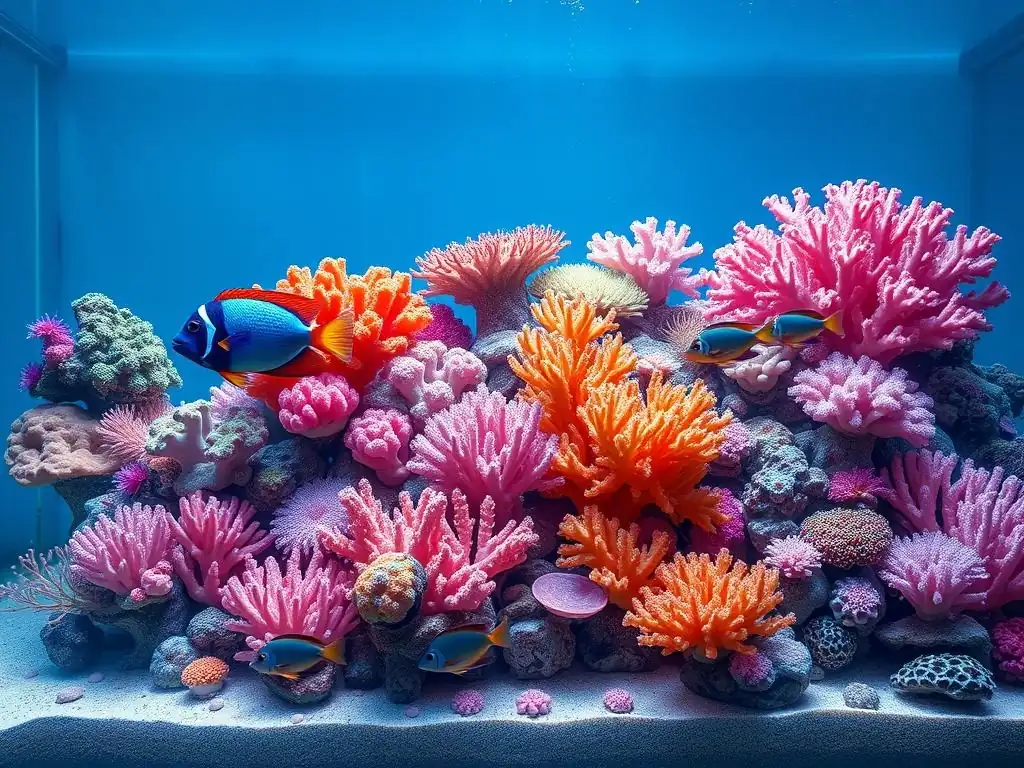
Welcome to Aquarium Mastery!
Ever wondered if those vibrant, reef-safe wrasses you admire can really thrive alongside your delicate SPS corals? Dive into our detailed guide, " Choosing Wrasses for SPS Dominant Tanks: A Careful Selection for Fragile Ecosystems," and unlock the secrets to creating a harmonious reef environment. Discover which wrasses are the perfect fit and avoid costly mistakes that could jeopardize your entire ecosystem. Ready to build your dream reef? Let's get started!
- Understanding SPS Coral Sensitivity and Wrasse Compatibility
- Key Considerations for SPS Wrasse Tank Selection
- Top Wrasse Species for SPS Reefs: Recommended Options
- Setting Up Your SPS Wrasse Tank for Success
- Introducing Wrasses to an Established SPS Reef
- Troubleshooting Common Issues: Wrasses and SPS Incompatibility
- Conclusion: Responsible SPS Wrasse Tank Selection for a Thriving Reef
-
Frequently Asked Questions
- How can SPS wrasses impact the delicate ecosystem of a reef tank?
- What are the key considerations when selecting wrasses for an SPS dominant tank?
- Are there specific wrasse species that are generally considered safe for SPS tanks?
- What are some common mistakes aquarists make when adding wrasses to their SPS tanks?
- How can I ensure my SPS wrasses get the appropriate nutrition without harming my corals?
- Final Reflection: Cultivating Harmony in Reef Aquariums
- Transform Your SPS Tank: Start Thriving Today!
Understanding SPS Coral Sensitivity and Wrasse Compatibility
The Delicate Balance of SPS Reef Aquariums
Small Polyp Stony (SPS) corals, such as Acropora, Montipora, and Seriatopora, are the cornerstone of many advanced reef aquariums, prized for their intricate growth forms and vibrant colors. However, their beauty comes with a demand for pristine and highly stable environmental conditions.
These corals thrive under specific parameters: high intensity lighting (often 400-500 PAR at the coral tips), strong, turbulent water flow (around 20-40 times tank volume per hour), and consistent water chemistry, including alkalinity maintained between 7-9 dKH, calcium at 400-450 ppm, and magnesium at 1300-1400 ppm. Even minor fluctuations can lead to stress, tissue recession, or bleaching, which can be devastating for these slow-growing organisms.
An SPS-dominant tank is essentially a living sculpture where these corals are the primary inhabitants, often forming dense, interconnected structures. Maintaining this delicate balance requires vigilant monitoring and consistent husbandry. The success of such a system hinges on preventing any element from disrupting the established equilibrium. The introduction of new inhabitants, particularly fish, must be carefully considered to ensure they do not inadvertently harm the corals, either through direct interaction, competition for resources, or by introducing stress factors to the meticulously maintained water column.
Why Wrasse Selection Matters in SPS Tanks
Wrasses are a popular choice for reef aquariums due to their diverse array of colors, active swimming patterns, and often beneficial pest control capabilities. However, their natural behaviors, which include foraging, nipping, and sometimes territorial displays, can pose significant risks to the delicate polyps and tissue of SPS corals. Therefore, meticulous SPS wrasses tank selection is not merely about aesthetics; it's a critical decision that directly impacts the health and longevity of your coral colonies. An ill-suited wrasse can undo years of careful coral growth and investment.
The wrong wrasse can cause irreparable damage. For instance, a species known to pick at rockwork in search of micro-invertebrates might inadvertently, or intentionally, nip at the polyps of an Acropora colony. Even if the damage seems minor initially, repeated stress can lead to localized tissue necrosis, which can quickly spread, especially in stressed corals. This underscores the importance of thoroughly researching a wrasse's specific dietary habits, temperament, and natural behaviors before introducing it to an SPS-dominant environment, making SPS wrasses tank selection a foundational aspect of reef keeping.
Potential Risks: Wrasses and SPS Coral Health
The primary risk posed by certain wrasse species to SPS corals is direct physical damage. This often manifests as polyp nipping, where the wrasse actively picks at the coral's polyps, causing them to retract or leading to tissue recession.
For example, some Halichoeres wrasses, while excellent for pest control, are known to occasionally nip at coral polyps, particularly if underfed or if their natural food sources are scarce. Another risk involves wrasses that extensively dig or sift through the sand bed, potentially dislodging small coral frags or covering the bases of lower-lying SPS colonies with sand, leading to tissue necrosis.
Beyond direct physical harm, some wrasses can introduce indirect stress. Highly active or boisterous species might constantly dart around corals, causing polyps to retract due to perceived disturbance. Aggressive wrasses can also stress other tank inhabitants, leading to a general decline in the overall tank's health and stability, which in turn negatively impacts SPS corals. Stressed corals are significantly more susceptible to diseases like Rapid Tissue Necrosis (RTN) or Slow Tissue Necrosis (STN), which can wipe out entire colonies in a matter of days or weeks, transforming a vibrant reef into a barren landscape.
Key Considerations for SPS Wrasse Tank Selection
Temperament Assessment: Choosing Peaceful Wrasse Species
When considering SPS wrasses tank selection, temperament is paramount. The goal is to choose a species that is active and engaging but fundamentally peaceful, ensuring it coexists harmoniously with the tank's primary inhabitants – the corals – and other fish. Many wrasses are known for their high activity levels, but this does not inherently translate to aggression or coral damage. Species that exhibit continuous, graceful swimming patterns, rather than erratic, darting movements or overt territorial displays towards corals, are generally preferred. It is crucial to avoid highly territorial or overly boisterous species that could stress the delicate SPS environment.
To assess temperament, observe the wrasse in the fish store. Look for individuals that appear calm and inquisitive, rather than those constantly chasing other fish or exhibiting highly aggressive posturing. While individual personalities can vary, certain genera like Cirrhilabrus and Paracheilinus are broadly known for their peaceful dispositions. As a general guideline, many species that remain relatively small, typically under 6-7 inches (approximately 15-18 cm) as adults, tend to be less prone to aggression in home aquariums compared to their larger counterparts, though size alone is not the sole determinant of temperament.
Identifying Reef-Safe Wrasses: A Species Guide
A "reef-safe" wrasse, in the context of an SPS-dominant tank, refers to a species that does not actively consume or damage corals, nor does it disturb the substrate in a manner that would negatively impact coral health. The vast majority of Cirrhilabrus (Fairy Wrasses) and Paracheilinus (Flasher Wrasses) species are widely considered reef-safe and are among the top recommendations for SPS wrasses tank selection. Their diets primarily consist of zooplankton and small invertebrates found in the water column, rather than benthic organisms associated with coral structures.
Other genera also contain reef-safe options, though often with caveats. For example, some Pseudocheilinus species, like the Six-Line Wrasse ( P. hexataenia), are generally reef-safe and excellent for pest control, but individual specimens can sometimes be territorial towards smaller, more docile tank mates. It is always essential to conduct thorough research on the specific species you are considering, as even within a "reef-safe" genus, there can be exceptions or individual variations in behavior. Consulting multiple reputable sources and hobbyist experiences is crucial for informed SPS wrasses tank selection.
Avoiding Nippers: Wrasses Known to Damage SPS Corals
Successfully navigating SPS wrasses tank selection involves a clear understanding of which species to avoid due to their propensity for nipping or otherwise disturbing corals. Prominent among these are many species within the Halichoeres genus (commonly known as "Hogfish" or "Coris Wrasses"), Thalassoma species, and larger Coris species. While some Halichoeres species are touted for their pest control abilities (e.g., against flatworms), their natural foraging behavior of picking at live rock and coral can extend to nipping at coral polyps, leading to significant tissue damage over time.
The mechanism of damage often involves the wrasse's search for small crustaceans or worms that may reside on or near coral tissue. For instance, a Yellow Coris Wrasse ( Halichoeres chrysus) might repeatedly pick at the base of an Acropora colony, inadvertently causing tissue recession that leaves the skeleton exposed and vulnerable to algae or infection.
Similarly, larger, more robust wrasses like those in the Thalassoma genus can be too boisterous for a delicate SPS environment, potentially knocking over frags or stressing corals through their rapid movements. For a dedicated SPS reef, these species present an unacceptable risk and should be excluded from SPS wrasses tank selection.
Top Wrasse Species for SPS Reefs: Recommended Options
Cirrhilabrus Fairy Wrasses: A Safe Bet for SPS Tanks
Cirrhilabrus wrasses, commonly known as Fairy Wrasses, are arguably the most popular and safest choice for SPS-dominant reef aquariums. Renowned for their spectacular, often iridescent coloration and relatively peaceful demeanor, they add dynamic visual interest without posing a significant threat to corals. These wrasses are active swimmers, gracefully navigating the water column, and primarily feed on zooplankton and small invertebrates, rarely showing interest in coral polyps. Their diet, coupled with their generally non-aggressive nature, makes them an ideal fit for the meticulous environment of an SPS reef.
The suitability of Fairy Wrasses for SPS tanks is further cemented by their typically non-burrowing behavior (most species sleep in rocky crevices) and their moderate adult sizes, generally ranging from 4 to 6 inches (approximately 10-15 cm). This size range allows them to be comfortably housed in tanks upwards of 75 gallons (approximately 280 liters), providing ample swimming space without being overly dominant. Their consistent popularity among advanced reef keepers is a testament to their reliability as a reef-safe SPS wrasses tank selection.
Cirrhilabrus jordani (Jordan's Fairy Wrasse): Profile and Care
The Jordan's Fairy Wrasse ( Cirrhilabrus jordani) is a highly sought-after species, native to the Hawaiian Islands. Males display a striking palette of vibrant red and orange hues across their bodies, often accented with iridescent blue lines or spots, particularly along the dorsal fin. This species typically reaches an adult size of about 4.5 inches (approximately 11 cm). It is known for its active yet peaceful temperament, making it an excellent candidate for a community reef tank. They are constantly on the move, adding a lively presence to the aquarium.
In terms of care, Cirrhilabrus jordani thrives in a well-established reef environment with stable water parameters consistent with SPS coral requirements. A secure lid is essential, as like many wrasses, they are prone to jumping when startled. Their diet should consist of a variety of high-quality frozen foods, such as mysis shrimp, enriched brine shrimp, and finely chopped seafood, offered 2-3 times daily.
This species is not known to bother corals or other fish, solidifying its reputation as a top-tier SPS wrasses tank selection for its beauty and compatibility. A minimum tank size of 75 gallons (approximately 280 liters) is recommended to provide adequate swimming space.
Cirrhilabrus laboutei (Laboute's Fairy Wrasse): Profile and Care
The Laboute's Fairy Wrasse ( Cirrhilabrus laboutei) is another exquisite member of the Cirrhilabrus genus, originating from the Coral Sea region. Males exhibit a breathtaking combination of colors, including deep blues, rich reds, and bright yellows, often with intricate patterns and elongated fins that enhance their visual appeal. Similar in size to C. jordani, it typically grows to about 4.5 inches (approximately 11 cm). This wrasse is valued for its active swimming and generally peaceful disposition, making it a captivating addition to a reef aquarium.
Care requirements for Cirrhilabrus laboutei are similar to other Fairy Wrasses, emphasizing stable water chemistry and a varied diet. They are enthusiastic eaters and will readily accept a range of small, meaty frozen foods, supplemented with live copepods if possible. Like all wrasses, a snug-fitting lid is crucial to prevent escapes. Its non-aggressive nature towards corals and other tank inhabitants, combined with its stunning coloration, positions the Laboute's Fairy Wrasse as an ideal and visually spectacular choice for SPS wrasses tank selection. A tank size of at least 75 gallons (approximately 280 liters) is advised.
Paracheilinus Flashers: Vibrant Color Without the Coral Nip
Paracheilinus wrasses, commonly known as Flasher Wrasses, are celebrated for the males' astonishing, fleeting color displays, or "flashing," during courtship or territorial interactions. These vibrant bursts of color are among the most spectacular sights in a reef tank. Generally smaller than Fairy Wrasses, Flasher Wrasses are highly active, peaceful, and almost exclusively planktivorous, making them exceptionally safe for SPS-dominant systems. Their small mouthparts further reduce any potential risk of coral damage, as they are not equipped for nipping at polyps.
Flasher Wrasses typically remain quite small, with most species growing to only 3-4 inches (approximately 7-10 cm) in length. This diminutive size makes them suitable for slightly smaller reef tanks, often as compact as 50 gallons (approximately 190 liters), while still providing ample swimming room for their energetic nature. Their constant movement, coupled with their dazzling, though brief, color shows, adds immense visual appeal and activity to an SPS reef without posing any threat to the delicate corals, making them an excellent choice for careful SPS wrasses tank selection.
Paracheilinus carpenteri (Carpenter's Flasher Wrasse): Profile and Care
The Carpenter's Flasher Wrasse ( Paracheilinus carpenteri) is a highly popular and relatively hardy species, originating from the Western Pacific. Males are particularly striking, exhibiting vibrant red, orange, and blue coloration, especially during their namesake "flashing" displays, where their elongated dorsal fins become prominent. This species typically reaches an adult size of about 3.5 inches (approximately 9 cm). It is known for its peaceful demeanor and constant activity, making it a charming and non-disruptive inhabitant for reef aquariums.
Caring for Paracheilinus carpenteri involves providing a secure lid, as they are jumpers, and a varied diet of small, high-quality frozen foods such as mysis shrimp, enriched brine shrimp, and finely chopped seafood. They thrive in mature reef environments with stable water parameters. Their small size and strictly planktivorous diet ensure they pose no threat to SPS corals, making them an ideal and safe option for SPS wrasses tank selection. A minimum tank size of 50 gallons (approximately 190 liters) is generally recommended to accommodate their active swimming.
Paracheilinus mccoskeri (McCosker's Flasher Wrasse): Profile and Care
McCosker's Flasher Wrasse ( Paracheilinus mccoskeri) is another stunning example of the Flasher Wrasse genus, found throughout the Indo-Pacific. Males are celebrated for their intense iridescent blue and orange coloration, which becomes even more pronounced during their flashing displays. This species is slightly smaller, typically reaching around 3 inches (approximately 7.5 cm) in length. It shares the characteristic active and peaceful nature of other Flasher Wrasses, darting gracefully through the water column.
Care requirements for Paracheilinus mccoskeri are similar to those for P. carpenteri. A secure lid is essential. They require a diverse diet of small, meaty frozen foods, offered frequently throughout the day due to their high metabolism. Known for their hardiness once acclimated, they adapt well to a well-maintained reef system with stable parameters.
Their small size and completely reef-safe nature make them an exceptional choice for even densely packed SPS tanks, adding brilliant flashes of color without any risk to the corals. This species exemplifies responsible SPS wrasses tank selection for a thriving reef. A tank of 50 gallons (approximately 190 liters) or larger is suitable.
Other Reef-Friendly Wrasse Choices for SPS Dominance
Pseudojuloides cerasinus (Candy Hogfish): Profile and Care
Despite its common name, the Candy Hogfish ( Pseudojuloides cerasinus) is indeed a true wrasse, known for its distinctive appearance and generally peaceful nature. This species is characterized by its slender body and striking uniform yellow-orange coloration, often with a contrasting white belly. Originating from the Indo-Pacific, it typically reaches an adult size of about 5 inches (approximately 12.5 cm). The Candy Hogfish is a relatively shy and peaceful inhabitant, making it a unique and viable option for SPS wrasses tank selection.
For care, the Candy Hogfish requires a fine sand bed of at least 2-3 inches (approximately 5-7.5 cm) deep, as it burrows into the sand at night or when startled for protection. Its diet should consist of a variety of small meaty foods, such as mysis shrimp, brine shrimp, and finely chopped seafood, offered multiple times a day. While generally considered reef-safe, some individual specimens might occasionally pick at very small polyps if underfed or if there's a scarcity of natural food in the tank, though this behavior is rare.
Its unique coloration and calm demeanor make it an intriguing choice for a well-established SPS system. A minimum tank size of 75 gallons (approximately 280 liters) is recommended.
Setting Up Your SPS Wrasse Tank for Success
Tank Size and Aquascaping for Wrasse Wellbeing
The successful integration of wrasses into an SPS-dominant tank begins with appropriate tank size and thoughtful aquascaping. A minimum tank size of 75 gallons (approximately 280 liters) is generally recommended for most of the smaller, reef-safe wrasse species, with larger tanks (120+ gallons or 450+ liters) being ideal for housing multiple wrasses or for the slightly larger species. Adequate tank volume provides ample swimming space for these active fish and, equally important, contributes to greater water volume stability, which is crucial for maintaining the precise parameters demanded by SPS corals. Larger volumes also help dilute waste products more effectively.
Aquascaping should prioritize both the needs of the wrasses and the SPS corals. Create plenty of open swimming areas, especially in the upper and middle water columns, which wrasses frequently utilize. Simultaneously, incorporate numerous stable rock crevices, caves, and overhangs where wrasses can retreat for rest, security, or sleeping.
For wrasses that burrow into the sand (like Pseudojuloides), a sufficiently deep sand bed of at least 2-3 inches (approximately 5-7.5 cm) of fine-grained sand is essential. Ensure all rockwork is extremely stable and securely placed to prevent accidental collapses, which could occur from active wrasses darting around or from regular maintenance, potentially damaging corals or injuring fish.
Water Parameters: Maintaining Stability for SPS and Wrasses
Maintaining exceptionally stable water parameters is paramount for the health and vibrancy of both SPS corals and wrasses in a mixed reef system. For SPS corals, this means unwavering consistency in salinity (1.025-1.026 specific gravity), temperature (76-79°F or 24-26°C), and pH (8.1-8.4). Crucially, the major elements – alkalinity (dKH 7-9), calcium (400-450 ppm), and magnesium (1300-1400 ppm) – must be kept within their narrow optimal ranges with minimal daily fluctuations, typically achieved through automated dosing systems or precise manual supplementation.
While wrasses are generally more adaptable to slight parameter shifts than SPS corals, their long-term health, robust immune systems, and vibrant coloration are directly linked to stable, high-quality water. Fluctuations in temperature or salinity can cause significant stress to fish, making them susceptible to disease and leading to faded colors or lethargy. Therefore, regular and accurate testing of all key water parameters (at least weekly, and daily for alkalinity in a high-demand SPS tank) is non-negotiable. Consistent water changes, typically 10-20% bi-weekly, also contribute to overall water quality and parameter stability, essential for a thriving SPS-dominant tank featuring wrasses.
Feeding Requirements: Ensuring Proper Nutrition for Wrasses
Wrasses are highly active fish with fast metabolisms, necessitating a robust and consistent feeding regimen to maintain their health and prevent undesirable behaviors. They typically require multiple small feedings throughout the day, ideally 2-3 times minimum, to meet their energetic demands. Their diet should be varied and high-quality, comprising a mix of nutritious frozen foods such as mysis shrimp, enriched brine shrimp, finely chopped seafood (e.g., clams, scallops), and nutrient-dense pellets or flakes specifically formulated for marine fish. Supplementing with live foods like copepods can also encourage natural hunting behaviors and provide additional nutritional benefits.
Insufficient or improper feeding can lead to several problems, including aggression towards other tank inhabitants, increased stress, and, critically, the potential for wrasses to begin nipping at corals out of hunger or desperation for food. For example, a wrasse that is consistently underfed might start to actively forage for micro-invertebrates directly on coral tissue, leading to damage that would not occur in a well-nourished specimen.
Ensuring proper nutrition not only keeps the wrasses healthy and vibrant but also minimizes the risk of them developing behaviors detrimental to the delicate SPS corals, reinforcing the importance of balanced nutrition in SPS wrasses tank selection.
Introducing Wrasses to an Established SPS Reef
Quarantine Procedures: Preventing Disease Introduction
The introduction of any new fish into an established SPS-dominant reef tank, especially a wrasse, absolutely necessitates a thorough quarantine procedure. A dedicated quarantine tank (QT) is a non-negotiable tool for preventing the introduction of common marine diseases such as Marine Ich ( Cryptocaryon irritans), Marine Velvet ( Amyloodinium ocellatum), or bacterial infections. Introducing a diseased fish directly into your main display tank can decimate your entire fish population and, by stressing the system, indirectly harm your sensitive SPS corals, creating a crisis that is incredibly difficult to resolve in a coral-filled environment.
A typical quarantine period for new fish is 4-6 weeks, allowing ample time to observe the wrasse for any signs of illness, parasites, or unusual behavior. During this period, the fish can be proactively treated for common ailments if necessary, using medications that would be harmful to invertebrates or beneficial bacteria in the display tank.
This controlled environment minimizes stress on the new wrasse and ensures it is healthy and robust before joining your established reef ecosystem. By adhering to strict quarantine protocols, you safeguard years of investment in your SPS corals and maintain the overall health of your entire system.
Acclimation Strategies: Minimizing Stress for New Wrasses
Once a wrasse has successfully completed its quarantine period, proper acclimation to the display tank is crucial to minimize stress and shock. The preferred method is drip acclimation, which slowly equalizes temperature, pH, and salinity over a period of 30-60 minutes. This gradual process prevents osmotic shock, which can be fatal to fish. During acclimation, keep the lights dim or off to reduce visual stress, and avoid sudden movements or loud noises that could startle the wrasse.
Upon transfer from the acclimation container, introduce the wrasse to the display tank with the main lights off or significantly dimmed. This allows the new fish to quietly explore its new surroundings, locate hiding spots, and gradually become accustomed to its new environment without immediate harassment from existing tank mates.
Some advanced aquarists even float the acclimation bag in the sump for 15-20 minutes before introducing the wrasse into the display tank, allowing it to adjust to the specific smells and subtle environmental cues of the main system. This careful acclimation process significantly increases the chances of a successful and stress-free integration.
Observing Interactions: Monitoring Wrasse Behavior with SPS Corals
After introducing a wrasse to your established SPS reef, continuous and diligent observation of its behavior, particularly its interactions with your SPS corals and other tank inhabitants, is paramount for the first few days and weeks. Look for any signs of nipping at coral polyps, excessive darting or harassment near coral colonies, or aggression directed towards other fish. Pay close attention to your SPS corals' polyp extension; if polyps are consistently retracted, or if new signs of tissue recession appear on previously healthy corals, the newly introduced wrasse might be the culprit.
Document your observations, noting which corals are affected, the specific areas of damage, and any correlating wrasse behavior. For instance, if you observe a Cirrhilabrus wrasse repeatedly "flashing" or rubbing against a specific Acropora colony, and that colony subsequently shows signs of stress or tissue loss, it's a strong indicator of an issue. Early detection of undesirable behaviors allows for timely intervention, whether it's adjusting feeding schedules, modifying the aquascape to provide more hiding spots, or, if necessary, considering rehoming the wrasse before significant and irreversible damage occurs to your valuable SPS collection.
Troubleshooting Common Issues: Wrasses and SPS Incompatibility
Identifying Signs of Coral Stress Caused by Wrasses
Recognizing the subtle signs of coral stress caused by wrasses is vital for prompt intervention and preventing extensive damage in an SPS-dominant tank. Key indicators include persistent polyp retraction, particularly on the tips or edges of SPS colonies, which can be a direct response to physical irritation or nipping. Another clear sign is localized tissue loss or "balding" spots on coral branches, especially if the underlying skeleton becomes visible. Additionally, an increase in unusual slime production on coral surfaces or a noticeable dulling of coral coloration, where the vibrant pigments appear faded, can signal stress.
To pinpoint the wrasse as the cause, it's crucial to observe the specific areas of damage and correlate them with the wrasse's activity. For example, if a Cirrhilabrus wrasse, generally considered reef-safe, begins to frequently rub against a specific Montipora plate, and that area subsequently develops retracted polyps or tissue loss, it suggests a behavioral issue rather than a water parameter problem. Documenting these observations, including the affected corals and the wrasse's specific interactions, helps differentiate wrasse-induced stress from other common issues like nutrient deficiencies or lighting problems.
Strategies for Addressing Aggression or Coral Nipping
If a wrasse exhibits aggression towards other tank mates or, more critically, begins nipping at your SPS corals, several strategies can be employed before resorting to rehoming. First, ensure the wrasse is adequately fed with a rich, varied diet; hunger can sometimes exacerbate aggressive or foraging behaviors. Increasing feeding frequency to 3-4 times daily with small, meaty foods can satiate the wrasse and reduce its impulse to pick at corals.
Second, consider modifying your aquascape to provide more hiding spots or to break up lines of sight, which can reduce territorial disputes among fish. Adding a new, larger piece of live rock specifically for the wrasse to explore might also divert its attention from corals.
For persistent nipping, some aquarists have had limited success with temporary isolation using a fish trap within the display tank for a day or two. This can sometimes "reset" the wrasse's behavior, though it is not a guaranteed solution. In rare cases where a generally reef-safe wrasse develops a taste for coral, it might be due to an individual personality quirk or a specific nutrient deficiency. While these strategies can be helpful, it's important to recognize that some behaviors are ingrained, and if they pose a significant threat to your SPS corals, alternative solutions may be necessary.
Rehoming Options: When a Wrasse Isn't Working Out
Despite all efforts to mitigate aggressive or coral-damaging behaviors, there are instances where a wrasse simply proves incompatible with an SPS-dominant tank. In such cases, rehoming the fish is the most responsible and often necessary step to protect your valuable SPS corals and maintain the overall health and harmony of your reef system. Continuing to house an incompatible fish will inevitably lead to ongoing coral damage, chronic stress for other tank inhabitants, and a compromised environment that is far from thriving.
Several options exist for rehoming. The most common approach is to contact your local fish store; many are willing to accept fish returns or offer trade-ins, especially for healthy specimens. Another viable option is to sell or donate the wrasse to another hobbyist who has a more suitable tank environment, such as a fish-only or mixed-reef tank without delicate SPS corals.
Public aquariums or educational institutions may also accept donations, though this is less common for individual fish. The priority should always be to find a new, appropriate home where the wrasse can thrive without posing a threat to corals, ensuring its welfare while safeguarding your reef.
Conclusion: Responsible SPS Wrasse Tank Selection for a Thriving Reef
The meticulous SPS wrasses tank selection process is fundamental to the long-term success and vibrancy of a reef aquarium dominated by Small Polyp Stony corals. As we've explored, the inherent sensitivity of SPS corals demands a proactive and informed approach to choosing tank mates.
Opting for truly reef-safe and peaceful wrasse species, such as those from the Cirrhilabrus (Fairy Wrasses) and Paracheilinus (Flasher Wrasses) genera, while diligently avoiding known coral nippers, forms the cornerstone of this responsible selection. Beyond species choice, providing optimal tank conditions—including appropriate tank size, thoughtful aquascaping, stable water parameters, and precise feeding—is equally critical in fostering a harmonious environment.
Ultimately, a thriving SPS-dominant reef with the added dynamism and beauty of wrasses is an achievable goal, but it requires careful planning, thorough research into individual species profiles, and consistent monitoring post-introduction. This detailed and proactive approach ensures the long-term health and spectacular growth of both your corals and your fish. By prioritizing compatibility and diligently managing the intricate needs of an SPS system, you can cultivate a truly harmonious and breathtaking marine ecosystem that stands as a testament to responsible reef keeping.
Frequently Asked Questions
How can SPS wrasses impact the delicate ecosystem of a reef tank?
SPS wrasses can impact a reef tank by consuming beneficial invertebrates like copepods and amphipods, which are vital food sources for other inhabitants. They can also disturb the substrate while hunting, stressing sensitive corals. Careful species selection is crucial to minimize these risks.
What are the key considerations when selecting wrasses for an SPS dominant tank?
Key considerations include the wrasse's adult size, temperament, and dietary requirements. Choosing species known to be reef-safe and less prone to disturbing corals is essential for maintaining a healthy SPS environment.
Are there specific wrasse species that are generally considered safe for SPS tanks?
Some wrasse species like the Fairy Wrasses (Cirrhilabrus) and certain Flashers (Paracheilinus) are often considered safer choices. They are generally smaller, less aggressive, and less likely to nip at corals.
What are some common mistakes aquarists make when adding wrasses to their SPS tanks?
A common mistake is introducing incompatible species that compete for food or territory, leading to stress and aggression. Another is failing to quarantine new arrivals, potentially introducing diseases to the established reef environment.
How can I ensure my SPS wrasses get the appropriate nutrition without harming my corals?
Provide a varied diet of high-quality frozen and live foods, including small crustaceans and meaty items. Target feeding can also help ensure wrasses get enough food without overfeeding the tank and impacting water quality or coral health.
Final Reflection: Cultivating Harmony in Reef Aquariums
The delicate balance of an SPS-dominant reef aquarium hinges on informed choices, and selecting compatible wrasses is paramount to its long-term success. Understanding the specific needs and behaviors of these vibrant fish, as we've explored, is not merely a matter of aesthetics, but a crucial responsibility for any aquarist striving to create a thriving, sustainable ecosystem.
This careful consideration extends beyond the confines of our glass boxes, influencing the broader understanding of responsible reef keeping. The commitment to researching and understanding the impact of our choices, both on the captive environment and the wild reefs from which these creatures originate, is a testament to our dedication as stewards of these fragile ecosystems. In the end, we will conserve only what we love; we will love only what we understand; and we will understand only what we are taught.
- Baba Dioum. This quote perfectly encapsulates the journey of learning and appreciation that responsible reef keeping demands.
As you contemplate the addition of wrasses to your SPS tank, remember that your choices have far-reaching consequences. Let this guide serve as a reminder to prioritize research, observation, and ethical sourcing. Embrace the challenge of creating a harmonious environment, and you will be rewarded with the breathtaking beauty and profound satisfaction that comes from nurturing a thriving reef ecosystem.
Transform Your SPS Tank: Start Thriving Today!
Thank you for diving into the world of wrasses and their impact on SPS coral ecosystems! We hope you now feel empowered to make informed decisions about adding these vibrant fish to your reef tank. Let's turn knowledge into action.
Here's how you can bring balance and beauty to your SPS dominant aquarium:
- Prioritize observation: Closely monitor your existing tank inhabitants for signs of stress or aggression before introducing any new wrasse species.
- Expand your knowledge:Delve deeper into the specific dietary needs of the wrasse species you're considering and ensure you can consistently meet those requirements.
- Share your insights: Start a discussion on Aquarium Mastery's forum about your wrasse selection experiences and contribute to the collective knowledge of reef keeping!
What crucial observation will you make in your tank today that will inform your next wrasse selection decision?