
Feeding Your Moray Eel: Tips, Tricks, and Essential Dietary Needs

Welcome to Aquarium Mastery!
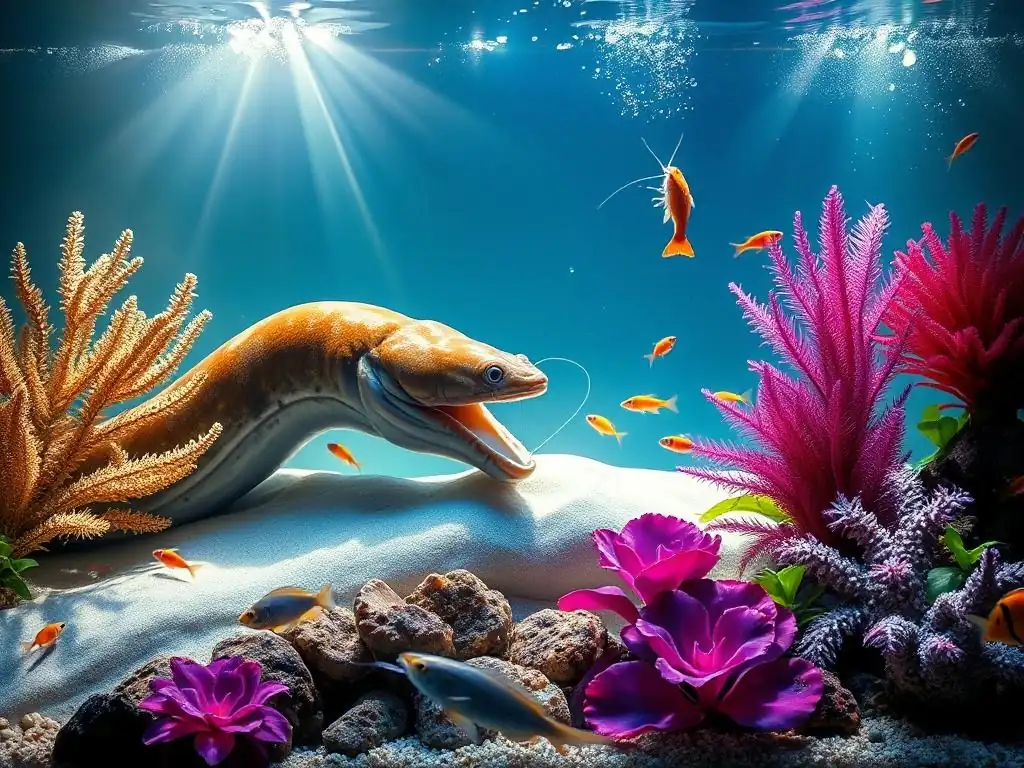
Ever wondered how to keep your enigmatic moray eel thriving? Dive in! Our Moray Eel Feeding Guide unveils the secrets to a healthy and happy eel, from optimal meal choices to essential dietary needs. What are you waiting for? Unlock the mysteries and ensure your slithery friend gets the best possible care!
- Feeding Your Snowflake Eel: Tips, Tricks, and Essential Dietary Needs
- Understanding Snowflake Eel Dietary Needs: A Comprehensive Feeding Guide
- Choosing the Right Food for Your Snowflake Eel
- Snowflake Eel Feeding Frequency and Portion Sizes: A Detailed Guide
- Snowflake Eel Feeding Techniques: Tips and Tricks for Success
- Maintaining Water Quality During and After Snowflake Eel Feeding
- Potential Snowflake Eel Feeding Problems and Solutions
- Supplementing Your Snowflake Eel's Diet: Vitamins and Minerals
- Long-Term Snowflake Eel Health Through Proper Feeding Practices
- Frequently Asked Questions
- Final Reflection: The Enigmatic Eel and Our Responsibility
- Unleash Your Moray Eel's Feeding Potential!
Feeding Your Snowflake Eel: Tips, Tricks, and Essential Dietary Needs
Understanding Snowflake Eel Dietary Needs: A Comprehensive Feeding Guide
The Natural Diet of Snowflake Eels: What They Eat in the Wild
Snowflake eels ( Echidna nebulosa ) are fascinating inhabitants of coral reefs and rocky shorelines across the Indo-Pacific, where their natural diet primarily consists of the crustaceans and small fish they encounter within their intricate habitats. These nocturnal predators spend their days hidden in crevices and rockwork, emerging at night to hunt.
Their keen sense of smell allows them to detect prey even in low light conditions. Studies on the stomach contents of wild Echidna nebulosa have revealed a significant preference for crustaceans, with crabs and shrimp making up approximately 70-80% of their diet, supplemented by smaller fish and mollusks.
Their unique dentition, featuring blunt, molar-like teeth, is perfectly adapted for crushing the hard exoskeletons of crabs and the shells of various mollusks. This specialization means that while they will consume fish, their primary dietary inclination in the wild leans heavily towards invertebrates. Observing this natural preference is key to understanding how to provide a comprehensive snowflake eel feeding guide for captive environments, ensuring their nutritional needs are met as closely as possible to their wild counterparts.
Why Replicating Natural Feeding Habits is Crucial for Snowflake Eel Health
Replicating the natural feeding habits of snowflake eels in a home aquarium is not merely about providing sustenance; it is fundamental to their long-term health, vitality, and behavioral well-being. A diet that closely mirrors their wild intake ensures they receive a complete spectrum of essential nutrients, including specific proteins, fats, vitamins, and minerals that are vital for proper growth, immune function, and vibrant coloration. For instance, the chitin found in the exoskeletons of crustaceans is believed to aid in digestion and provide valuable roughage.
Deviating significantly from their natural diet can lead to various health issues, such as nutritional deficiencies, digestive problems, and a compromised immune system, potentially shortening their lifespan. While snowflake eels can live for 10-15 years in well-maintained aquariums, this longevity is highly dependent on a consistent, appropriate diet. For example, relying solely on a single type of food, such as silversides, can lead to deficiencies in essential fatty acids and certain vitamins, manifesting as lethargy or dull coloration over time. A varied diet, rich in diverse marine proteins, is therefore a cornerstone of effective snowflake eel care.
Choosing the Right Food for Your Snowflake Eel
Best Food Options for Snowflake Eels: A Nutritional Breakdown
Providing a diverse and nutritionally balanced diet is paramount for the health of your snowflake eel. The best food options will primarily be marine-based and offer a variety of protein sources, mimicking their natural consumption of crustaceans and small fish. A comprehensive snowflake eel feeding guide emphasizes rotation among several high-quality food types to ensure all essential nutrients are covered.
Frozen Food for Snowflake Eels: Benefits and Considerations
Frozen foods are often the staple for captive snowflake eels due to their convenience, availability, and reduced risk of introducing parasites or diseases compared to live feeds. High-quality frozen options include various marine proteins such as mysis shrimp, krill, squid, silversides, clam meat, and scallops. These should be thawed thoroughly before feeding to prevent digestive issues and ensure palatability. A key benefit is the ability to easily supplement these foods with vitamins.
However, a consideration with frozen foods is potential nutrient degradation over time, especially if not stored or thawed correctly. For instance, repeated thawing and refreezing can significantly reduce the vitamin content. To counteract this, it's advisable to soak frozen foods in a marine-specific vitamin supplement, such as Selcon or Vita-Chem, for 15-30 minutes before feeding. A rotation of at least 3-4 different frozen food types, like a mix of shrimp, squid, and silversides, is recommended over relying on just one, ensuring a broader nutritional profile.
Live Food for Snowflake Eels: When and How to Offer It
Live food can be a valuable addition to a snowflake eel's diet, particularly for stimulating natural hunting instincts, encouraging picky eaters, or during initial acclimation to a new environment. Suitable live options include ghost shrimp, small marine feeder shrimp, or occasionally small, robust marine feeder fish like mollies (which are adaptable to saltwater). When offering live food, it's crucial to ensure it is healthy and, if possible, gut-loaded with nutritious foods beforehand to pass on beneficial nutrients to the eel.
Live food should be offered sparingly and with caution due to the potential risk of introducing parasites or diseases into the aquarium. For example, freshwater feeder fish like goldfish or rosy reds are generally unsuitable as live food due to their poor nutritional value, high-fat content, and the presence of thiaminase, an enzyme that can destroy Vitamin B1 (thiamine) in the eel. If live food is used, it should be quarantined in a separate tank for a period (e.g., two weeks) to observe for signs of illness before being introduced to the main display tank.
Preparing Food for Snowflake Eels: Cutting and Supplementing
Proper food preparation is essential for snowflake eels, ensuring both safety and optimal nutrient absorption. For smaller eels or during initial feeding, food items should be cut into bite-sized pieces that are easily consumed without struggle. As the eel grows, larger chunks can be offered, encouraging a more natural tearing motion. For instance, a 6-inch juvenile might need a silverside cut into two or three pieces, while a 15-inch adult can typically handle a whole silverside or larger chunks of squid.
Supplementing the diet, especially with frozen foods, is crucial to compensate for any nutrient loss. Marine-specific vitamin and mineral supplements are readily available. The most effective method is to soak the thawed food in the liquid supplement for about 15-30 minutes before feeding. This ensures the nutrients are absorbed directly into the food item, making them readily available to the eel upon consumption. Aim to supplement 2-3 times per week to ensure a consistent intake of vital vitamins like A, D3, and E, and minerals such as iodine, which are critical for overall health and preventing common deficiencies.
Foods to Avoid When Feeding Your Snowflake Eel: Preventing Health Problems
To ensure the long-term health of your snowflake eel, it is equally important to know which foods to avoid. The most significant items to exclude from their diet are freshwater feeder fish such as goldfish or rosy reds. These fish are nutritionally poor, often high in fat, and, crucially, contain thiaminase. Thiaminase is an enzyme that breaks down thiamine (Vitamin B1), which is essential for neurological function. Consistent feeding of thiaminase-rich fish can lead to severe B1 deficiency, manifesting as neurological disorders, loss of appetite, and eventually, death.
Furthermore, avoid feeding terrestrial meats like chicken, beef, or pork. These meats are not digestible by marine fish, contain inappropriate fat profiles, and can lead to fatty liver disease or other internal organ damage. They also rapidly foul aquarium water, contributing to ammonia spikes and poor water quality. Similarly, excessive amounts of a single food type, even if appropriate (e.g., only silversides), should be avoided as this can lead to nutritional imbalances and deficiencies over time. A varied diet is the best preventative measure against these feeding-related health problems.
Snowflake Eel Feeding Frequency and Portion Sizes: A Detailed Guide
Determining the Ideal Feeding Schedule for Your Snowflake Eel
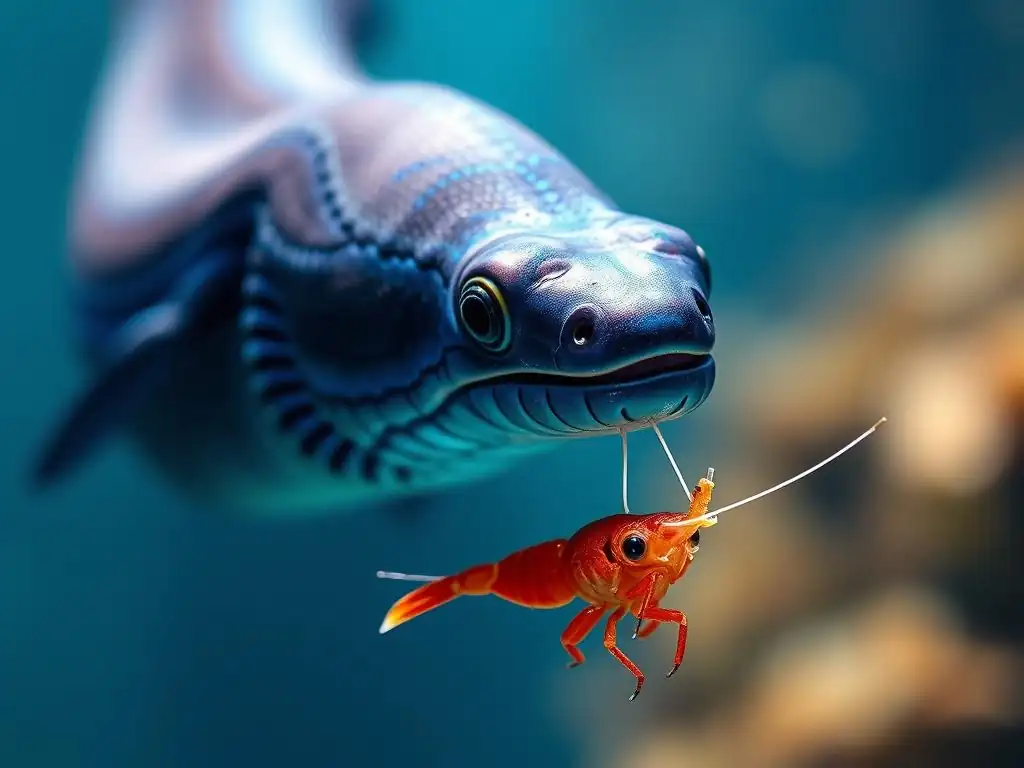
Establishing an ideal feeding schedule for your snowflake eel depends largely on its age, size, and activity level. Juvenile snowflake eels, typically under 10-12 inches, have higher metabolic rates and require more frequent feedings to support their rapid growth. For these smaller eels, feeding every 2-3 days is generally appropriate. As they mature and grow larger, their metabolic rate slows down, and they can be fed less frequently.
Adult snowflake eels, over 12-15 inches, typically thrive on a feeding schedule of 2-3 times per week. Overfeeding can lead to obesity, digestive issues, and significant water quality degradation, making a consistent and appropriate schedule vital. Observing your eel's body condition and behavior will help fine-tune this schedule; a healthy eel should appear well-rounded but not bloated, and remain active and alert in its environment.
Calculating Appropriate Portion Sizes for Snowflake Eels Based on Size and Activity Level
Calculating the appropriate portion size for your snowflake eel is crucial for their health and the stability of your aquarium's water parameters. A general guideline is to offer an amount of food roughly equivalent to the size of the eel's head, or what it can consume entirely within 1-2 minutes. For a medium-sized snowflake eel (12-18 inches), this might translate to 2-3 pieces of silverside, or an equivalent volume of mixed marine proteins like shrimp and squid.
Adjustments should be made based on the eel's body condition and activity. If the eel appears thin or has sunken eyes, it may need slightly larger portions or more frequent feedings. Conversely, if it looks bloated or leaves uneaten food, the portion size should be reduced. While precise caloric needs are hard to measure for home aquarists, striving for a lean, muscular body condition is the goal. For example, a very active eel in a large tank may require slightly more food than a more sedentary one in a smaller enclosure.
Recognizing Signs of Overfeeding or Underfeeding in Snowflake Eels
Recognizing the signs of overfeeding or underfeeding is critical for maintaining your snowflake eel's health. Overfeeding typically manifests as a visibly bloated abdomen, lethargy, or frequent regurgitation of food. More subtly, it will lead to rapid deterioration of water quality, with elevated ammonia, nitrite, and nitrate levels, as excess food decays and the eel produces more waste. For instance, a sudden spike in nitrates from 10 ppm to 40 ppm after a feeding cycle could indicate overfeeding.
Conversely, an underfed snowflake eel may appear thin, with a noticeable indentation behind its head or a concave stomach. Its eyes might seem sunken, and it may exhibit reduced activity or increased aggression towards tank mates due to hunger. A healthy snowflake eel should have a well-rounded, muscular body. Consistent observation of your eel's physical appearance and its aquarium's water parameters will provide the best indicators for adjusting its feeding regimen.
Snowflake Eel Feeding Techniques: Tips and Tricks for Success
Target Feeding Snowflake Eels: Ensuring They Get Enough Food
Target feeding is an indispensable technique when keeping snowflake eels, especially in a community tank where faster, more aggressive fish might outcompete them for food. By directly offering food to your eel, you ensure it receives its full portion and reduce wasted food that could foul the water. This method also allows you to closely monitor your eel's appetite and consumption, providing early detection of any feeding issues.
To target feed, use a long pair of feeding tongs or a feeding stick to present the thawed food directly to the eel's hiding spot or as it emerges. Gently wiggle the food to attract its attention. Many eels will quickly learn to associate the tongs with mealtime and become eager to take the food. In tanks with multiple hungry fish, target feeding ensures that the snowflake eel, which can sometimes be shy or slower to react to food, gets its share, potentially preventing up to 80% of its intended meal from being snatched by tank mates.
Using Feeding Sticks or Tongs for Safer Feeding
Using feeding sticks or tongs is not just a technique; it's a crucial safety measure when feeding snowflake eels. These eels possess numerous small, razor-sharp teeth and can deliver a surprisingly strong bite if they mistake a finger for food. A bite from a snowflake eel, while typically not life-threatening, can be painful and may require medical attention due to the presence of bacteria in their mouths.
A pair of tongs, ideally 12-18 inches long, provides a safe distance between your hand and the eel's mouth. This allows you to precisely place food without risk. Beyond safety, tongs offer greater control, enabling you to present food naturally and even encourage a reluctant eater by wiggling the food in front of them. This tool is a fundamental component of any safe snowflake eel feeding guide.
Dealing with Picky Eaters: Encouraging Your Snowflake Eel to Eat
A snowflake eel refusing to eat can be a concerning issue, but it's often a sign of stress, new surroundings, water quality problems, or an unsuitable diet. When faced with a picky eater, the first step is to thoroughly check all water parameters (ammonia, nitrite, nitrate, salinity, temperature, pH) to rule out environmental stress. For example, an ammonia level above 0.25 ppm can immediately suppress appetite.
If water parameters are stable, try varying the food offered. A snowflake eel might be accustomed to a specific type of prey. Offer a mix of frozen options like mysis shrimp, krill, squid, and silversides.
Live ghost shrimp can often entice a reluctant eater due to their natural movement, stimulating the eel's hunting instincts. Soaking food in appetite stimulants like garlic extract (e.g., Seachem Garlic Guard) can also be highly effective, with some aquarists reporting success in up to 60% of cases for stimulating feeding response in finicky eaters. Ensure the eel has plenty of hiding spots to feel secure, as stress from exposure can also lead to appetite loss.
Maintaining Water Quality During and After Snowflake Eel Feeding
The Impact of Feeding on Aquarium Water Parameters
Feeding, especially with larger, predatory fish like snowflake eels, has a direct and significant impact on aquarium water parameters. Any uneaten food quickly decays, releasing ammonia, a highly toxic compound, into the water. Even consumed food contributes to the bioload, as the eel's waste products also break down into ammonia, then nitrite, and finally nitrate. Overfeeding is one of the quickest ways to cause an ammonia spike, which can severely stress or even kill aquarium inhabitants.
For example, a single uneaten silverside left to decompose in a 50-gallon tank can elevate ammonia levels by 0.5 ppm within 24 hours, creating an immediate toxic environment. Regular monitoring of ammonia, nitrite, and nitrate levels is therefore paramount, particularly within 12-24 hours after a significant feeding, to catch and address any potential issues before they become critical.
Effective Water Changes and Filtration for Snowflake Eel Tanks
Given the substantial bioload produced by snowflake eels and their feeding habits, robust filtration and consistent water changes are non-negotiable for maintaining optimal water quality. A high-quality filtration system, combining mechanical, biological, and chemical filtration, is essential. Mechanical filtration (filter socks, sponges) removes particulate waste, while biological filtration (live rock, bio-media) converts toxic ammonia and nitrite into less harmful nitrate. Chemical filtration (activated carbon) helps remove dissolved organic compounds and odors.
Regular partial water changes are equally vital. For a snowflake eel tank, performing 20-25% water changes weekly is a good starting point, though more frequent changes might be necessary depending on tank size, bioload, and feeding frequency. This dilutes accumulated nitrates and replenishes essential trace elements.
For instance, a consistent weekly 20% water change can help keep nitrates below 20 ppm, a healthy level for most marine inhabitants, compared to tanks with less frequent changes that might see nitrate levels climb to 50 ppm or higher. Additionally, a protein skimmer is highly recommended for saltwater eel tanks, as it efficiently removes organic waste before it breaks down, significantly reducing the burden on the biological filter.
Monitoring Water Quality After Feeding: Preventing Ammonia Spikes
Proactive monitoring of water quality is a critical aspect of responsible snowflake eel care, especially in the period immediately following feeding. Ammonia and nitrite should always be at 0 ppm in a healthy, cycled saltwater aquarium. Nitrate levels should be kept as low as possible, ideally below 20 ppm. After feeding, particularly if a larger portion was offered or if any food was left uneaten, it's wise to test your water parameters within 12-24 hours.
If even a trace of ammonia or nitrite is detected, it signals that the biological filter is overwhelmed or that too much organic waste is present. In such cases, an immediate partial water change (e.g., 25-50%) is necessary to dilute the toxins. Reducing the amount of food offered at the next feeding is also crucial. Consistent monitoring with reliable test kits provides the data needed to adjust feeding schedules and maintenance routines, preventing dangerous ammonia spikes that can be lethal to your snowflake eel and other tank inhabitants.
Potential Snowflake Eel Feeding Problems and Solutions
Snowflake Eel Refusing to Eat: Troubleshooting Common Causes
A snowflake eel refusing to eat is a common concern for aquarists and can stem from several factors. The most frequent causes include stress due to a new environment, fluctuating water parameters, or bullying from tank mates. For example, a sudden drop in temperature by 3-5°F or a shift in salinity can immediately put an eel off its food. Illness, such as internal parasites or bacterial infections, can also lead to a loss of appetite.
To troubleshoot, first, meticulously check all water parameters: ammonia, nitrite, nitrate, pH, salinity, and temperature. Ensure they are stable and within optimal ranges (e.g., salinity 1.023-1.025, temperature 75-82°F). If parameters are fine, observe the eel for any signs of disease like lesions, cloudy eyes, or labored breathing. Offer a variety of preferred foods, including live options if the eel is newly acquired or particularly stubborn. Providing ample hiding spots can reduce stress, encouraging the eel to feel secure enough to eat. If the refusal persists despite optimal conditions and varied food, consider consulting a marine fish veterinarian.
Snowflake Eel Aggression During Feeding: Managing Tank Dynamics
Snowflake eels are generally considered semi-aggressive, and their behavior during feeding can sometimes escalate to aggression, especially if they are highly food-driven or feel competitive with tank mates. This aggression might manifest as nipping at other fish or lunging more forcefully at tongs. Hunger can exacerbate this behavior; an underfed eel might become more territorial or predatory.
To manage aggression during feeding, target feeding is paramount. This ensures the eel gets its meal directly and quickly, reducing the need to compete. Feeding the eel at a slightly different time than other tank inhabitants can also minimize competition.
Ensure your tank is adequately sized (at least 50 gallons for one snowflake eel) and provides sufficient hiding spots for the eel and other tank mates, reducing overall stress and territorial disputes. If aggression towards tank mates becomes a consistent issue outside of feeding, it might indicate that the tank is too small or that the tank mates are incompatible.
Snowflake Eel Regurgitation: Identifying the Cause and Finding a Solution
Regurgitation, where a snowflake eel expels previously eaten food, is a clear sign of a digestive issue or stress. Common causes include overfeeding, food items being too large for the eel to properly digest, rapid changes in water parameters (e.g., sudden temperature or salinity swings), or internal health problems like parasites or bacterial infections. Regurgitation often occurs within 30 minutes to 2 hours after a meal.
To address regurgitation, first, reduce the portion size and ensure food items are cut into smaller, more manageable pieces. Immediately check all water parameters for any sudden shifts. If the problem persists, observe the eel closely for other signs of illness such as lethargy, abnormal swimming, or changes in coloration. If other symptoms are present, or if regurgitation is chronic despite proper feeding techniques, it may indicate an internal parasitic or bacterial infection requiring specific medication, and a consultation with a marine fish veterinarian is advisable.
Supplementing Your Snowflake Eel's Diet: Vitamins and Minerals
Essential Supplements for Snowflake Eel Health and Growth
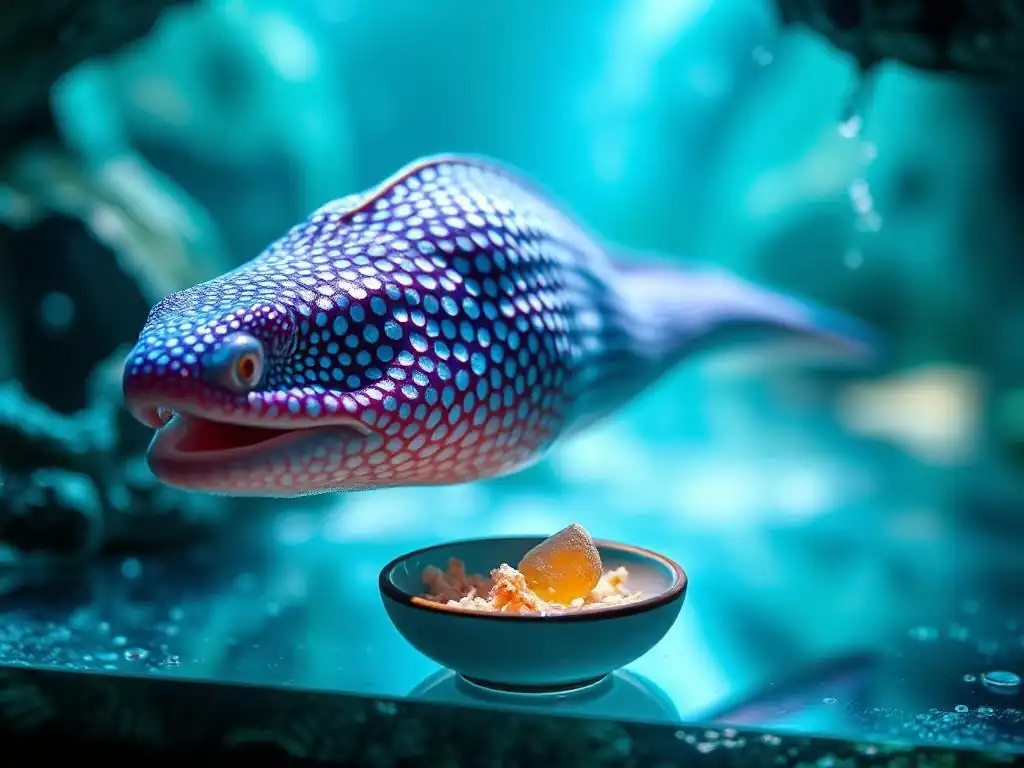
Even with a varied diet of high-quality frozen foods, supplementing your snowflake eel's diet with essential vitamins and minerals is crucial for their long-term health and vibrant coloration. Frozen foods can lose some of their nutritional value during processing and storage. Key vitamins include Vitamin A (for vision and immune function), Vitamin D3 (critical for calcium absorption and bone health, preventing metabolic bone disease), and various B vitamins (for metabolism and nervous system function).
Important minerals often supplemented include iodine, which is vital for thyroid function and proper growth, and selenium. Deficiencies in these micronutrients can lead to stunted growth, weakened immune systems, poor skin and slime coat health, and susceptibility to diseases. For example, iodine deficiency can sometimes manifest as a goiter-like swelling in the throat area of marine fish. Therefore, a comprehensive snowflake eel feeding guide always emphasizes the regular use of a high-quality marine vitamin and mineral supplement.
How to Properly Administer Supplements to Your Snowflake Eel
Proper administration of supplements ensures your snowflake eel receives the full benefit without negatively impacting water quality. The most effective method is to soak thawed frozen foods in a liquid marine vitamin supplement. This allows the nutrients to be absorbed directly into the food item, which the eel then consumes. Avoid simply adding supplements directly to the tank water, as they will quickly disperse and be less effectively absorbed by the eel, potentially also contributing to nutrient levels in the water column.
Follow the dosage instructions provided by the supplement manufacturer carefully; typically, a few drops per serving of food, soaking for 15-30 minutes, is sufficient. Over-supplementation can be harmful. Aim to supplement your eel's meals 2-3 times per week. Consistent, targeted supplementation ensures your snowflake eel receives a balanced intake of all necessary micronutrients, contributing significantly to its overall health, growth, and disease resistance.
Long-Term Snowflake Eel Health Through Proper Feeding Practices
The Importance of a Varied and Balanced Diet for Snowflake Eels
The cornerstone of long-term health for snowflake eels lies in providing a consistently varied and balanced diet. Relying on a single food item, no matter how high-quality, will inevitably lead to nutritional deficiencies over time. A diet that mimics their natural intake of crustaceans and small fish, incorporating different types of marine proteins, ensures a broad spectrum of amino acids, fatty acids, vitamins, and minerals.
For example, a diet rotating between mysis shrimp, krill, pieces of squid, and silversides, along with regular supplementation, provides a far more complete nutritional profile than feeding only silversides. Eels fed a consistently varied diet show better growth rates, more vibrant coloration, and a significantly lower incidence of common captive ailments. This comprehensive approach to the snowflake eel feeding guide is vital for supporting their immune system, promoting proper organ function, and extending their lifespan in the aquarium.
Adapting Feeding Strategies as Your Snowflake Eel Grows
As your snowflake eel grows from a juvenile to a mature adult, its feeding requirements and strategies will naturally evolve. Younger, smaller eels have higher metabolic rates and require more frequent feedings, typically every 2-3 days, with food cut into smaller, easily digestible pieces. For instance, a 6-inch snowflake eel might thrive on three small meals a week.
As the eel matures and reaches its full size (often 18-24 inches), its metabolic rate slows, and it will require less frequent feedings, typically 2-3 times per week. At this stage, larger chunks of food or even whole small prey items (like a whole silverside) can be offered, encouraging a more natural tearing behavior. Constantly observing your eel's body condition, activity levels, and water parameters will allow you to fine-tune its feeding schedule and portion sizes, ensuring optimal health throughout its life.
Frequently Asked Questions
What is the ideal diet for a moray eel in an aquarium?
A moray eel's ideal diet consists primarily of meaty foods such as squid, shrimp, and fish. Varying their diet is important to ensure they receive all the necessary nutrients. You should also avoid feeding them goldfish or feeder fish due to parasite risks.
How often should I feed my moray eel?
Generally, moray eels should be fed 2-3 times per week, depending on their size and activity level. Juvenile eels may require more frequent feedings than adults. Overfeeding can lead to health problems.
What is the best way to present food to my moray eel?
Moray eels have poor eyesight, so it's best to hand-feed them using tongs or a feeding stick. This prevents other tank inhabitants from stealing the food and ensures the eel gets its share. Avoid using your bare hands to prevent getting bitten.
What are some signs that my moray eel is not eating properly?
Signs of a moray eel not eating properly include weight loss, lethargy, and a lack of interest in food. Check your water parameters and ensure the eel isn't being bullied by other tank mates. A change in diet might also be necessary.
Can I feed my moray eel frozen food?
Yes, frozen food is a perfectly acceptable and often recommended option. Be sure to thaw the food completely before feeding. Frozen food can be a convenient way to provide a variety of food items.
Final Reflection: The Enigmatic Eel and Our Responsibility
The journey into understanding the dietary needs of moray eels, as we've explored, reveals more than just feeding schedules and preferred foods. It highlights the delicate balance between our fascination with these captivating creatures and our responsibility to provide them with appropriate care, especially when they reside within the artificial confines of our aquariums. The insights shared throughout this guide are not merely suggestions, but essential considerations for anyone choosing to keep a moray eel.
This exploration of moray eel nutrition underscores the profound impact we have on the lives of these animals. It reminds us that responsible pet ownership extends far beyond simple provision; it demands a deep understanding of their natural behaviors and needs. The greatness of a nation and its moral progress can be judged by the way its animals are treated.
- Mahatma Gandhi. This quote resonates deeply when considering the complex requirements of a creature like the moray eel, urging us to approach their care with empathy and informed dedication.
Now, armed with this knowledge, I encourage you to reflect on your own role in the lives of the animals around you. Whether you're a seasoned aquarist or simply curious about the natural world, consider how you can contribute to a more informed and compassionate approach to animal care. Let this "Moray Eel Feeding Guide" be a stepping stone towards a greater understanding and appreciation for the intricate lives of these fascinating creatures, and a commitment to ensuring their well-being.
Unleash Your Moray Eel's Feeding Potential!
Thank you for diving deep into the world of moray eel nutrition! We hope you've gained valuable insights to keep your aquatic friend thriving. Now, let's put that knowledge into action!
Here are some ways to further enhance your moray eel's feeding experience:
- Strategize a varied feeding schedule with at least 3 different types of food each week to closely mimic their natural diet.
- Share your unique moray feeding successes or funny failures in the comments below! Let's learn from each other's experiences.
- Consider slightly dimming the tank lights during feeding time to stimulate their natural hunting instincts.
What innovative feeding technique are you most excited to try with your moray eel this week?