
Breeding for Beauty vs. Biology: The Ethics & Economics of the Ornamental Fish Industry

Welcome to Aquarium Mastery!
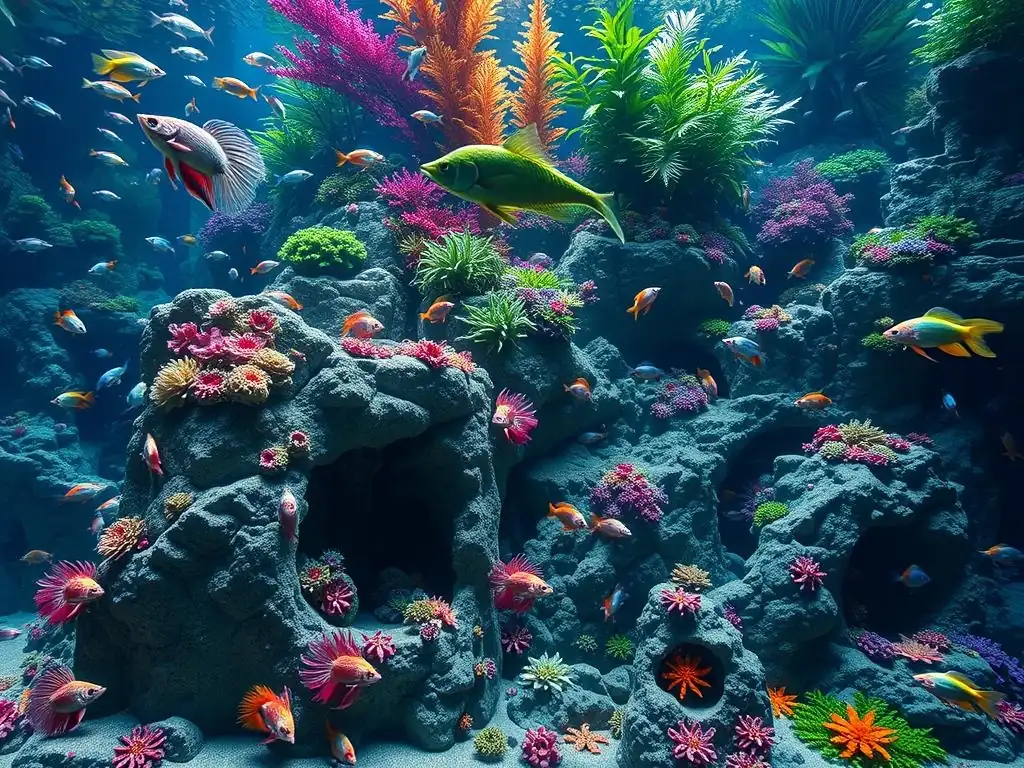
Ever wondered about the hidden world behind that shimmering school of fish in your tank? Dive into the complex and fascinating debate surrounding ornamental fish breeding ethics. Is beauty worth the potential compromise to biology? Explore our in-depth analysis of the economics and ethics involved, and discover how responsible choices can shape a more sustainable future for the hobby we love. Intrigued? Let's explore the depths together...
- Introduction: The Allure and Impact of Ornamental Fish
- The Economics of Ornamental Fish Breeding
- Selective Breeding for Aesthetics: The Pursuit of Beauty
- Biological Consequences of Selective Breeding in Ornamental Fish
- Ethical Considerations in Ornamental Fish Breeding
- Conservation Implications of the Ornamental Fish Trade
- Case Studies: Examining Specific Ornamental Fish Breeding Practices
- Regulations and Standards in the Ornamental Fish Industry
- Consumer Awareness and Responsible Aquarium Keeping
- The Future of Ornamental Fish Breeding: Balancing Beauty and Biology
- Conclusion: Towards a More Ethical and Sustainable Ornamental Fish Industry
-
Frequently Asked Questions
- What are the primary ethical concerns surrounding ornamental fish breeding?
- How does the demand for "unique" or "rare" ornamental fish impact ethical breeding practices?
- What role does AquariumMastery.com play in promoting ethical ornamental fish breeding?
- What are some signs that an ornamental fish might have been bred unethically?
- What can consumers do to support ethical ornamental fish breeding?
- Final Reflection: Navigating the Murky Waters of Beauty
- Dive Deeper: Transform Your Aquarium Passion into Action!
Introduction: The Allure and Impact of Ornamental Fish
A Glimpse into the Global Ornamental Fish Trade
The global ornamental fish trade is a vast and intricate network, spanning continents and involving millions of individuals. This multi-billion dollar industry, estimated to be worth approximately USD 5-6 billion annually, supplies aquarists worldwide with a dazzling array of aquatic life. From tiny neon tetras to majestic discus, these fish journey from their points of origin, often in Southeast Asia or South America, to hobbyists in North America, Europe, and beyond. The trade encompasses both wild-caught specimens, collected from natural habitats, and increasingly, captive-bred fish from specialized farms.
The sheer scale of this trade highlights its significant economic footprint and reach. It supports livelihoods in many developing nations, providing income for collectors, breeders, transporters, and retailers. Key exporting nations like Indonesia, Thailand, and Singapore contribute substantially to the global supply, while countries such as the United States, Japan, and Germany are major importers. This global exchange underscores the widespread appeal of aquatic pets and the complex logistics required to bring them to market, making the discussion around ornamental fish breeding ethics ever more relevant.
The Growing Demand for Exotic and Novel Fish Species
The demand for ornamental fish continues to surge, driven by the enduring fascination with aquatic ecosystems and the desire for unique, aesthetically pleasing pets. Hobbyists are constantly seeking out new species, rare color morphs, and novel genetic variations to enhance their aquariums. This quest for novelty is amplified by social media platforms, where stunning tank setups and unique fish species gain widespread visibility, inspiring others to acquire similar specimens.
This escalating demand fuels innovation and, at times, controversial practices within the breeding sector. Breeders strive to meet consumer preferences for vibrant colors, exaggerated finnage, and unusual body shapes, often pushing the boundaries of what is naturally possible. The pursuit of "designer fish" has become a significant trend, leading to intensive selective breeding programs and, in some cases, the development of genetically modified or artificially colored species. This relentless drive for the exotic directly impacts ornamental fish breeding ethics, as aesthetic goals can sometimes overshadow biological well-being.
Ornamental Fish Breeding Ethics: A Complex Balancing Act
The practice of breeding ornamental fish presents a complex ethical dilemma: how to balance the aesthetic desires of hobbyists with the biological integrity and welfare of the fish themselves. On one hand, responsible breeding can reduce pressure on wild populations and provide healthy, robust animals for the aquarium trade. On the other, the pursuit of extreme or novel traits can lead to severe health issues, deformities, and a diminished quality of life for the fish.
Navigating this intricate landscape requires a deep understanding of genetics, animal welfare, and market forces. The core of ornamental fish breeding ethics lies in questioning whether certain breeding practices, while economically lucrative, are justifiable when they compromise the well-being of a living creature. This article will delve into these intertwined ethical and economic dimensions, exploring the motivations, methods, consequences, and potential solutions within the ornamental fish industry.
The Economics of Ornamental Fish Breeding
The Financial Incentives Driving Selective Breeding Programs
The ornamental fish industry thrives on novelty and exclusivity, and these factors provide powerful financial incentives for extensive selective breeding programs. Fish with unique color patterns, exaggerated finnage, or unusual body shapes can command significantly higher prices than their standard counterparts. For instance, a common guppy might sell for a few dollars, while a rare, show-quality guppy from a champion bloodline could fetch hundreds. Similarly, specific strains of discus or bettas with highly desirable traits can be sold for hundreds, sometimes even thousands, of dollars per pair.
This potential for high returns motivates breeders to invest considerable time, resources, and expertise into developing new strains. The initial investment in acquiring superior broodstock, maintaining optimal breeding conditions, and meticulously tracking genetic lines is offset by the promise of lucrative sales. The ability to consistently produce fish with sought-after characteristics ensures a steady market and premium pricing, making selective breeding a cornerstone of economic success in this niche market.
Ornamental Fish Farming: A Lucrative Industry Overview
Ornamental fish farming has evolved into a highly lucrative and specialized sector, largely overshadowing the wild-caught trade for many popular freshwater species. Countries like Singapore, Thailand, Indonesia, and the United States (particularly Florida, which accounts for over 90% of U.S. domestic ornamental fish production) are major hubs for aquaculture. These farms range from small, family-run operations to large, industrial-scale facilities, each contributing to the global supply chain.
The profitability of these farms stems from their ability to produce large quantities of fish efficiently and consistently, year-round, regardless of seasonal variations in wild populations. Many common aquarium species, such as guppies, mollies, platies, and various cichlids, are almost exclusively farm-raised. This controlled environment allows for selective breeding programs aimed at specific traits, disease management, and optimized growth, ensuring a steady supply to meet consumer demand and bolstering the economic viability of the industry.
Economic Impacts on Local Communities and Global Trade
The ornamental fish industry has profound economic impacts, particularly in regions where breeding and collection are primary activities. In many developing countries, the trade provides vital employment opportunities in rural areas, offering alternatives to less sustainable livelihoods. Thousands of individuals are employed as fish farmers, collectors, packers, and transporters, contributing significantly to local economies. For example, in parts of Southeast Asia, ornamental fish farming is a key agricultural export, generating substantial foreign exchange revenue.
Globally, the economic ripple effect extends far beyond the direct sale of fish. It supports a vast ancillary industry, including manufacturers of aquarium tanks, filters, heaters, specialized fish foods, medications, and decorative items. Logistics companies, veterinarians, and scientific researchers also play crucial roles. The constant demand for new and improved products, driven by the ornamental fish trade, fosters innovation and creates a complex economic ecosystem, illustrating the widespread influence of this niche market.
Selective Breeding for Aesthetics: The Pursuit of Beauty
Defining "Beauty" in Ornamental Fish: Color, Shape, and Pattern
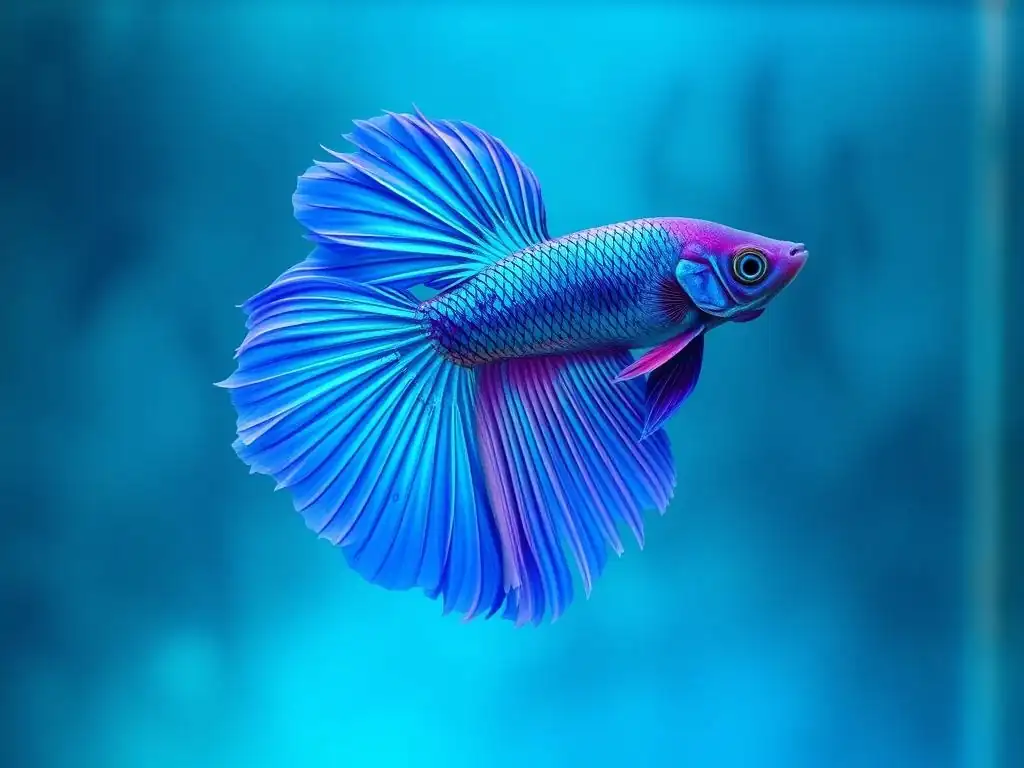
In the world of ornamental fish, "beauty" is often defined by a combination of vibrant colors, striking patterns, and unique body or fin shapes. Aquarists and breeders alike seek out fish that exhibit intense reds, electric blues, iridescent golds, or complex marbling and spotting. The aesthetic appeal also extends to exaggerated finnage, such as the flowing tails of veil-tail angelfish or the elaborate fin arrays of show-quality bettas. These traits are highly prized and become the primary targets for selective breeding programs.
The perception of what constitutes "beautiful" is subjective and can vary across different cultures and hobbyist trends. For instance, while some prefer the natural, streamlined appearance of wild-type fish, others are drawn to the dramatically altered forms of balloon mollies or fancy goldfish. This diverse demand drives breeders to pursue a wide range of aesthetic goals, from enhancing naturally occurring colors to creating entirely novel forms through generations of careful selection, all within the evolving landscape of ornamental fish breeding ethics.
Techniques in Selective Breeding: From Line Breeding to Hybridization
Selective breeding employs various techniques to achieve desired aesthetic traits. Line breeding is a common method, involving the careful inbreeding of related individuals (e.g., father to daughter, brother to sister) to fix specific genes within a population. This intensifies desired characteristics like color saturation or fin length but can also lead to reduced genetic diversity and potential health issues if not managed carefully. Conversely, outcrossing involves introducing unrelated individuals to a breeding line to bring in new genetics, enhance vigor, and prevent excessive inbreeding depression.
Another technique, often more controversial, is hybridization, which involves crossing two different species to create novel offspring. This is seen in fish like the Flowerhorn Cichlid, a hybrid of several Cichlid species, or the Blood Parrot Cichlid, a cross between Midas and Red Devil Cichlids. While hybrids can exhibit unique appearances not found in nature, they are often sterile and may display unusual behaviors or health problems due to their mixed genetic heritage. The ethical implications of creating these interspecies crosses are a significant part of the discussion on ornamental fish breeding ethics.
The Rise of Designer Fish: Genetically Modified and Artificially Colored Species
The pursuit of extreme aesthetics has led to the rise of "designer fish," some of which are created through advanced biotechnology or unethical artificial means. Genetically modified (GM) fish, such as the popular GloFish, are a prime example. Introduced in 2003, GloFish were the first GM animals marketed as pets in the United States.
These fish (originally zebra danios, now also tetras, barbs, and sharks) contain genes from jellyfish or sea anemones, causing them to fluoresce under blue light. While proponents argue they are harmless and simply a novelty, critics raise concerns about the ethics of altering an organism's fundamental biology for aesthetic purposes and the potential environmental risks if they were to escape into natural waterways.
Even more concerning are artificially colored fish, which undergo painful and often fatal procedures to achieve temporary, vibrant hues. Practices include injecting dyes directly into the fish's body, "painting" them with corrosive chemicals, or starving them and then feeding them high-pigment foods to temporarily alter their color. Common examples include "painted" glassfish or "dyed" parrot cichlids.
These methods cause immense stress, compromise the fish's immune system, and drastically shorten their lifespan, often leading to death within weeks or months. Such practices are widely condemned by ethical aquarists and animal welfare organizations as a severe violation of ornamental fish breeding ethics.
Biological Consequences of Selective Breeding in Ornamental Fish
Genetic Bottlenecks and Reduced Biodiversity in Ornamental Fish Populations
Intensive selective breeding, particularly when focused on narrow aesthetic traits, often results in significant genetic bottlenecks. This occurs when a breeding program relies on a small number of individuals or closely related lines to propagate desired characteristics, leading to a drastic reduction in genetic diversity within the population. Over generations, this inbreeding can fix specific genes but also eliminate beneficial genetic variations that contribute to overall health and resilience.
The long-term consequence of such reduced biodiversity is a weakened gene pool. Populations become less adaptable to environmental changes, more susceptible to specific diseases, and may exhibit decreased fertility or vigor. For instance, certain highly inbred show strains of guppies or bettas are notoriously delicate and prone to health issues that their wild counterparts would easily overcome, posing a critical challenge to ornamental fish breeding ethics.
Increased Susceptibility to Disease and Deformities in Selectively Bred Fish
One of the most severe biological consequences of prioritizing aesthetics over health is the increased susceptibility to disease and the prevalence of deformities in selectively bred fish. Many exaggerated traits, while visually appealing, compromise the fish's physiological functions. For example, the "balloon" body shape, achieved by shortening the spine, leads to compressed internal organs and common issues like swim bladder disorders, digestive problems, and a significantly reduced lifespan in species like balloon mollies or balloon rams.
Furthermore, fish bred for extreme finnage, such as longfin varieties of bettas, angelfish, or tetras, often suffer from fin rot, tears, or difficulty swimming. Their compromised mobility can make them vulnerable to bullying from tank mates and hinder their ability to feed efficiently. Similarly, highly inbred strains frequently exhibit weakened immune systems, making them more prone to common aquarium diseases like ich or bacterial infections, highlighting a major ethical concern in ornamental fish breeding.
The Impact on Natural Behaviors and Ecological Roles
Selective breeding for specific aesthetic traits can inadvertently alter or suppress natural behaviors essential for a fish's well-being and, hypothetically, its survival in the wild. For example, the elaborate fins of some show bettas can impede their natural agility and ability to display complex territorial behaviors or perform intricate courtship rituals effectively. Similarly, fish bred for extreme docility might lose their natural instincts for foraging or predator avoidance.
While most ornamental fish are kept in controlled aquarium environments, the potential impact on their natural behaviors raises questions about their overall quality of life. If these altered traits were ever to be introduced into wild populations (e.g., through accidental release of fertile, selectively bred fish), there could be unforeseen ecological consequences. Altered behaviors could affect their ability to compete for resources, reproduce, or interact within their natural food web, though this is a less common concern for sterile hybrids.
Ethical Considerations in Ornamental Fish Breeding
Animal Welfare Concerns: Prioritizing Aesthetics Over Health
At the heart of ornamental fish breeding ethics lies a fundamental animal welfare concern: the practice of prioritizing human aesthetic preferences over the inherent health and well-being of the fish. When breeding targets extreme physical traits, such as drastically shortened spines, excessively large eyes, or impaired swimming capabilities, the fish's quality of life is severely compromised. These modifications can lead to chronic pain, reduced mobility, difficulty feeding, and a significantly shortened lifespan.
For instance, goldfish bred for "bubble eyes" have fluid-filled sacs that impair vision and are easily ruptured, while "celestial eye" goldfish have upward-pointing eyes that limit their ability to see forward. Such deliberate creation of debilitating traits for visual novelty raises serious questions about the moral responsibility of breeders and consumers. Ensuring that selective breeding focuses on enhancing health and vigor, rather than introducing detrimental deformities, is a cornerstone of responsible ornamental fish breeding ethics.
The Debate Around Genetic Manipulation and Artificial Coloring
The use of genetic manipulation and artificial coloring in ornamental fish breeding sparks intense ethical debates. Genetically modified fish, like GloFish, are engineered to express fluorescent proteins, creating an unnatural glow. While proponents argue that the fish are healthy and their modification is benign, critics voice concerns about the long-term effects on the fish's physiology, the precedent of altering living organisms for mere novelty, and the potential ecological risks if these modified genes were to enter wild populations. The fundamental question is whether it is ethically permissible to engineer a living creature solely for human entertainment.
Even more egregious are practices involving artificial coloring, such as dyeing or injecting pigments into fish. These methods are widely condemned due to the immense suffering they inflict. Fish are subjected to harsh chemicals, painful injections, and often die within a short period due to stress, infection, or organ damage. Such practices are not only cruel but also deceptive to consumers, who may not be aware of the abuse involved. Promoting awareness and actively rejecting such products are crucial steps in upholding ornamental fish breeding ethics.
Responsible Breeding Practices: Minimizing Harm and Maximizing Fish Wellbeing
Responsible ornamental fish breeding practices prioritize the health, longevity, and natural behaviors of the fish above extreme aesthetic novelty. Ethical breeders focus on maintaining genetic diversity within their lines to prevent inbreeding depression and produce robust, resilient offspring. They select for traits that enhance the fish's natural beauty and vigor, rather than creating deformities that compromise their welfare. This involves careful record-keeping, understanding genetic principles, and a commitment to the long-term health of the species.
Furthermore, responsible breeders ensure optimal husbandry conditions throughout the breeding process, providing clean water, appropriate nutrition, and spacious environments that minimize stress. They are transparent about their breeding methods and the lineage of their fish, allowing consumers to make informed choices. By adhering to these principles, breeders can contribute to a more sustainable and ethical ornamental fish industry, demonstrating a true commitment to ornamental fish breeding ethics.
Conservation Implications of the Ornamental Fish Trade
The Impact of Wild-Caught Fish on Natural Ecosystems
While captive breeding has grown significantly, a substantial portion of the ornamental fish trade still relies on wild-caught specimens, particularly for marine species and certain freshwater varieties like discus or wild bettas. The collection methods, if unregulated or unsustainable, can have severe negative impacts on natural ecosystems. Destructive practices like cyanide fishing, used to stun reef fish, poison coral reefs and non-target species, causing widespread habitat degradation. Overcollection of popular species can deplete wild populations, disrupting ecological balances and potentially leading to localized extinctions.
For example, certain regions have seen significant declines in populations of highly sought-after species due to intensive collection. Beyond the direct removal of fish, the associated activities like habitat disturbance, accidental bycatch, and the introduction of non-native species through escapees further compound the environmental damage. Addressing these issues is paramount for the long-term sustainability of both wild populations and the ornamental fish trade, deeply intertwining with ornamental fish breeding ethics.
The Role of Captive Breeding in Reducing Pressure on Wild Populations
Captive breeding plays a crucial role in mitigating the environmental impact of the ornamental fish trade by reducing the demand for wild-caught specimens. For many popular freshwater species, such as guppies, mollies, platies, and most cichlids, captive breeding has become the dominant source, virtually eliminating the need to collect them from their natural habitats. This shift alleviates pressure on wild populations, allowing them to recover and thrive undisturbed.
Successful captive breeding programs not only provide a stable and reliable supply of fish but also offer advantages like disease resistance (due to controlled environments) and adaptability to aquarium conditions. Furthermore, some breeding initiatives focus on endangered species, contributing to conservation efforts by maintaining assurance colonies and even reintroducing fish to the wild. This positive contribution highlights how responsible ornamental fish breeding can align with conservation goals.
Sustainable Aquaculture Practices: A Path Towards Ethical Sourcing
Sustainable aquaculture practices are essential for ensuring a more ethical and environmentally responsible ornamental fish industry. These practices aim to minimize the ecological footprint of fish farming while maintaining economic viability and social equity. Key elements include responsible water management (e.g., closed-loop recirculating aquaculture systems that reduce water usage and effluent discharge), sustainable feed sources, and effective waste management.
Moreover, sustainable aquaculture emphasizes the prevention of disease outbreaks, avoidance of harmful chemicals, and proper containment to prevent escapees from impacting local ecosystems. Certification programs and industry best practices are emerging to promote these standards, providing consumers with the ability to identify ethically sourced fish. By supporting farms that adhere to these principles, consumers can directly contribute to the conservation of natural habitats and the advancement of ornamental fish breeding ethics.
Case Studies: Examining Specific Ornamental Fish Breeding Practices
Case Study 1: The Balloon Molly - Skeletal Deformities and Health Issues
The "balloon" molly (Poecilia sphenops) stands as a stark example of how selective breeding for extreme aesthetics can severely compromise fish welfare. Breeders have selectively bred mollies to achieve a drastically shortened and curved spine, which gives the fish a distinctive, rounded "balloon" shape. While this body shape is considered novel and appealing by some aquarists, it comes at a significant biological cost.
The compressed spine leads to a cascade of health problems. The internal organs are cramped and displaced, often resulting in chronic digestive issues and swim bladder disorders, making it difficult for the fish to maintain buoyancy. Their distorted body shape also impairs their swimming ability, making them less agile and more prone to stress. Consequently, balloon mollies often have a significantly reduced lifespan compared to their naturally shaped counterparts, making them a primary subject in discussions about ornamental fish breeding ethics.
Case Study 2: Genetically Modified GloFish - Consumer Demand and Environmental Risk
GloFish represent a unique intersection of consumer demand, biotechnology, and ethical debate. Introduced commercially in 2003, these genetically modified fish (initially zebra danios, later tetras, barbs, and other species) contain genes from naturally fluorescent marine organisms. This modification causes them to glow vibrantly under certain lights, catering to a market seeking novel and visually striking pets. Their popularity underscores the strong consumer demand for unique aquatic aesthetics.
However, the creation and sale of GloFish have raised significant ethical and environmental concerns. Critics question the ethics of altering an animal's fundamental genetic makeup solely for aesthetic purposes. Furthermore, there are ongoing debates about the potential ecological risks if these GM fish were to escape into natural waterways. While studies suggest a low risk of establishing wild populations, the potential for gene transfer to native species or competition with them remains a theoretical concern, fueling discussions around the broader implications of ornamental fish breeding ethics when it involves genetic engineering.
Case Study 3: Longfin Varieties - Increased Predation Risk and Fin Damage
Longfin varieties of popular aquarium fish, such as longfin angelfish, bettas, and various tetras, are bred for their aesthetically pleasing, exaggerated finnage. These flowing fins add grace and drama to an aquarium, making them highly desirable among hobbyists. However, these extended fins, while beautiful, come with several biological disadvantages that impact the fish's well-being.
The large, delicate fins are highly susceptible to damage. They are easily torn by tank decorations, nipped by aggressive tank mates, or prone to bacterial and fungal infections like fin rot, which can be difficult to treat. Moreover, the increased drag from long fins significantly impairs the fish's swimming ability, making them less agile and slower than their short-finned counterparts. In a natural environment, this would dramatically increase their susceptibility to predation, highlighting how an aesthetic trait can compromise a fundamental survival mechanism and raising questions for ornamental fish breeding ethics.
Regulations and Standards in the Ornamental Fish Industry
Current Legislation and Enforcement Challenges
The ornamental fish industry operates within a complex and often fragmented regulatory landscape. Legislation concerning animal welfare, trade, and environmental protection varies significantly from country to country, and even between states or provinces. Some regions have robust animal welfare laws that apply to all animals, including fish, while others have minimal or no specific regulations for aquatic species. This patchwork of laws creates considerable challenges for enforcement, particularly in an industry characterized by intricate international supply chains.
The sheer volume of fish traded, coupled with the difficulty of monitoring practices in diverse breeding and collection environments, makes comprehensive oversight challenging. For instance, while certain harmful practices like artificial dyeing are illegal in some jurisdictions, they persist in others where enforcement is weak or non-existent. This lack of consistent, robust regulation leaves many aspects of ornamental fish breeding ethics unaddressed and unchecked.
The Need for Stronger Animal Welfare Regulations
There is a growing consensus among animal welfare advocates and responsible aquarists about the urgent need for stronger, more specific animal welfare regulations within the ornamental fish industry. These regulations should address key areas such as breeding practices that lead to severe deformities, the prohibition of harmful artificial alterations (like dyeing or injecting), and minimum standards for housing, transport, and sale conditions. Such legislation would provide a legal framework to prevent the most egregious forms of abuse and neglect.
Moreover, effective regulations would necessitate rigorous enforcement mechanisms, including regular inspections, penalties for non-compliance, and educational initiatives for breeders and retailers. By establishing clear, enforceable standards, governments can play a pivotal role in elevating the welfare of ornamental fish and fostering a more ethical industry. This is a critical step in advancing ornamental fish breeding ethics globally.
Promoting Transparency and Traceability in the Supply Chain
Promoting transparency and traceability throughout the ornamental fish supply chain is essential for empowering consumers and encouraging ethical practices. Consumers often have little information about the origin, breeding methods, or health history of the fish they purchase. A transparent supply chain would provide details such as whether a fish is wild-caught or captive-bred, its specific farm of origin, and the breeding practices employed.
Traceability systems, perhaps through digital tagging or certification programs, could allow fish to be tracked from their source to the retail tank. This not only helps combat illegal trade but also enables consumers to verify that their fish were sourced from operations adhering to high welfare and environmental standards. By making this information readily available, the industry can foster greater accountability and allow market forces to favor suppliers committed to best practices in ornamental fish breeding ethics.
Consumer Awareness and Responsible Aquarium Keeping
Educating Consumers About Ethical Choices
Consumer awareness is a powerful driver for change in the ornamental fish industry. Many hobbyists, especially newcomers, may be unaware of the ethical implications of certain breeding practices or the welfare issues associated with particular fish varieties. Therefore, comprehensive education is crucial. This involves informing consumers about the potential health problems of highly selectively bred fish (e.g., balloon mollies, telescope eye goldfish) and the cruelty involved in practices like dyeing.
Educational initiatives can take many forms, including detailed articles on websites like Aquarium Mastery, informative labels at pet stores, and community outreach programs. By empowering consumers with knowledge, they can make more informed and ethical purchasing decisions, shifting demand away from products associated with poor welfare and towards those that uphold high standards of ornamental fish breeding ethics.
Supporting Breeders Committed to Animal Welfare
One of the most direct ways consumers can influence the ornamental fish industry is by actively supporting breeders who demonstrate a genuine commitment to animal welfare. This means seeking out breeders who prioritize the health, longevity, and natural vigor of their fish over extreme aesthetic traits. Such breeders typically maintain diverse genetic lines, provide optimal living conditions for their broodstock, and are transparent about their practices.
Consumers can identify these breeders through word-of-mouth within the hobbyist community, reputable online forums, or by asking detailed questions about breeding origins and husbandry. By directing their purchasing power towards ethical suppliers, consumers send a clear message to the market that demand exists for responsibly bred fish, thereby encouraging more breeders to adopt practices aligned with strong ornamental fish breeding ethics.
Identifying Sustainable and Ethical Suppliers
Identifying sustainable and ethical suppliers is key to responsible aquarium keeping. While certifications specifically for ornamental fish are still developing, consumers can look for several indicators. Suppliers who clearly state that their fish are "aquaculture certified" or "farm-bred" are generally preferable to those selling wild-caught specimens, especially for species known to be overcollected. Reputable retailers often provide information about the origin of their fish and can answer questions about their breeding practices.
Consumers should also observe the conditions in the retail store: are the fish healthy, active, and housed appropriately? Do staff seem knowledgeable and prioritize fish welfare? Asking questions about a fish's specific needs, expected lifespan, and common health issues can reveal a supplier's commitment to responsible practices. By being discerning and proactive, hobbyists can ensure their passion for aquariums contributes to a more ethical and sustainable industry, reinforcing the importance of ornamental fish breeding ethics.
The Future of Ornamental Fish Breeding: Balancing Beauty and Biology
Exploring Alternative Breeding Techniques with Reduced Impact
The future of ornamental fish breeding lies in exploring and adopting alternative techniques that minimize negative impacts on fish welfare while still allowing for the appreciation of their beauty. This involves a shift from breeding for extreme, debilitating traits to focusing on enhancing natural beauty and robustness. For example, selective breeding could prioritize vibrant, naturally occurring colors and patterns, or slightly elongated fins that do not impede swimming or health.
Furthermore, responsible breeders can focus on maintaining genetic diversity within their breeding lines through careful outcrossing and managing lineage. This proactive approach helps prevent the genetic bottlenecks and inbreeding depression that lead to weakened immune systems and deformities. By embracing these more ethical breeding strategies, the industry can demonstrate a commitment to both aesthetics and the inherent biological integrity of ornamental fish.
The Potential of Biotechnology for Sustainable Aquaculture
Biotechnology holds immense potential for sustainable aquaculture beyond merely creating fluorescent fish. For instance, genetic research could lead to the development of fish strains with enhanced disease resistance, reducing the need for antibiotics and improving overall health. It could also facilitate more efficient feed conversion ratios, leading to less waste and a smaller environmental footprint in fish farming.
Moreover, biotechnology could be used to develop sterile fish for specific purposes, such as preventing invasive species issues if accidental escapes occur, or to produce single-sex populations for commercial efficiency. However, any application of biotechnology must be approached with extreme caution, subject to rigorous ethical review, and prioritize animal welfare and environmental safety above all else. The responsible integration of such advancements could significantly bolster ornamental fish breeding ethics and sustainability.
Fostering a Culture of Respect for Fish and their Natural Environment
Ultimately, the future of ornamental fish breeding hinges on fostering a deeper culture of respect for fish as sentient beings and for their natural environments. This paradigm shift means moving beyond viewing fish merely as decorative objects and instead appreciating them as complex creatures with specific needs, behaviors, and inherent value. It involves recognizing that their welfare should not be compromised for fleeting aesthetic trends.
This culture of respect encourages responsible stewardship, where hobbyists, breeders, and retailers alike commit to practices that support the health and well-being of fish throughout their lives. It also extends to a commitment to protecting the natural habitats from which many species originate, ensuring that the passion for aquariums contributes positively to conservation rather than negatively. By embracing these values, the ornamental fish industry can evolve towards a more harmonious balance between the pursuit of beauty and the imperative of biological integrity, guided by strong ornamental fish breeding ethics.
Conclusion: Towards a More Ethical and Sustainable Ornamental Fish Industry
Frequently Asked Questions
What are the primary ethical concerns surrounding ornamental fish breeding?
The main ethical concerns revolve around selective breeding practices that prioritize aesthetics over the health and well-being of the fish. This can lead to genetic weaknesses and deformities.
How does the demand for "unique" or "rare" ornamental fish impact ethical breeding practices?
The demand often drives breeders to use risky or unethical methods to produce novel colorations or body shapes. This can involve inbreeding and hybridization that compromises the fish's health.
What role does AquariumMastery.com play in promoting ethical ornamental fish breeding?
AquariumMastery.com provides educational resources and guidance on responsible fishkeeping, including choosing ethically bred fish and supporting sustainable practices. We encourage aquarists to prioritize the health of their fish.
What are some signs that an ornamental fish might have been bred unethically?
Signs include physical deformities, a compromised immune system leading to frequent illness, and unnatural colorations achieved through artificial means or harmful breeding techniques.
What can consumers do to support ethical ornamental fish breeding?
Consumers can research breeders and retailers to ensure they prioritize fish health and welfare. They should also be willing to pay a fair price for ethically bred fish and avoid supporting the demand for unhealthy "novelty" fish.
The vibrant colours and captivating forms of ornamental fish have undeniably captured the hearts of aquarists worldwide, fueling a multi-billion dollar industry. However, as we've explored, the pursuit of aesthetic perfection in ornamental fish breeding often comes at a cost, raising serious ethical concerns about animal welfare and environmental sustainability. The discussion surrounding ornamental fish breeding ethics is not just an academic exercise; it's a crucial conversation that demands immediate attention as the industry continues to expand and its impact becomes increasingly pronounced.
The allure of the exotic and the desire to possess unique beauty has, unfortunately, often overshadowed the biological realities and ethical responsibilities inherent in breeding living creatures. This disconnect between consumer demand and ethical production practices is a challenge we must actively address, fostering a greater understanding and appreciation for the well-being of these animals. The greatness of a nation and its moral progress can be judged by the way its animals are treated.
- Mahatma Gandhi. This quote serves as a stark reminder that our treatment of ornamental fish reflects our broader values and our commitment to a more compassionate world.
Ultimately, the future of the ornamental fish industry hinges on our collective willingness to prioritize ethical considerations alongside economic gains. Let us all, as consumers, breeders, and enthusiasts, reflect on the choices we make and strive to support practices that promote the health, welfare, and sustainability of these fascinating creatures. By demanding transparency, advocating for responsible breeding programs, and educating ourselves and others, we can ensure that the pursuit of beauty does not come at the expense of biology, and that the vibrant world of ornamental fish thrives for generations to come.
Dive Deeper: Transform Your Aquarium Passion into Action!
Thank you for exploring the intricate world of ornamental fish breeding with us. Now that you're equipped with insights into the ethics and economics at play, it's time to turn knowledge into meaningful action. Let's make a difference, one decision at a time.
- Commit to researching the origins of your next fish. Prioritize breeders and suppliers with transparent and ethical practices.
- Share this article to spark crucial conversations. Let's collectively influence the industry toward more sustainable and humane approaches.
- Consider supporting organizations dedicated to protecting wild fish populations and promoting responsible aquaculture.
What small change will you make today to support a more ethical ornamental fish industry?