
EcoSmart Aquariums: Championing Sustainability in Your Fishkeeping Journey

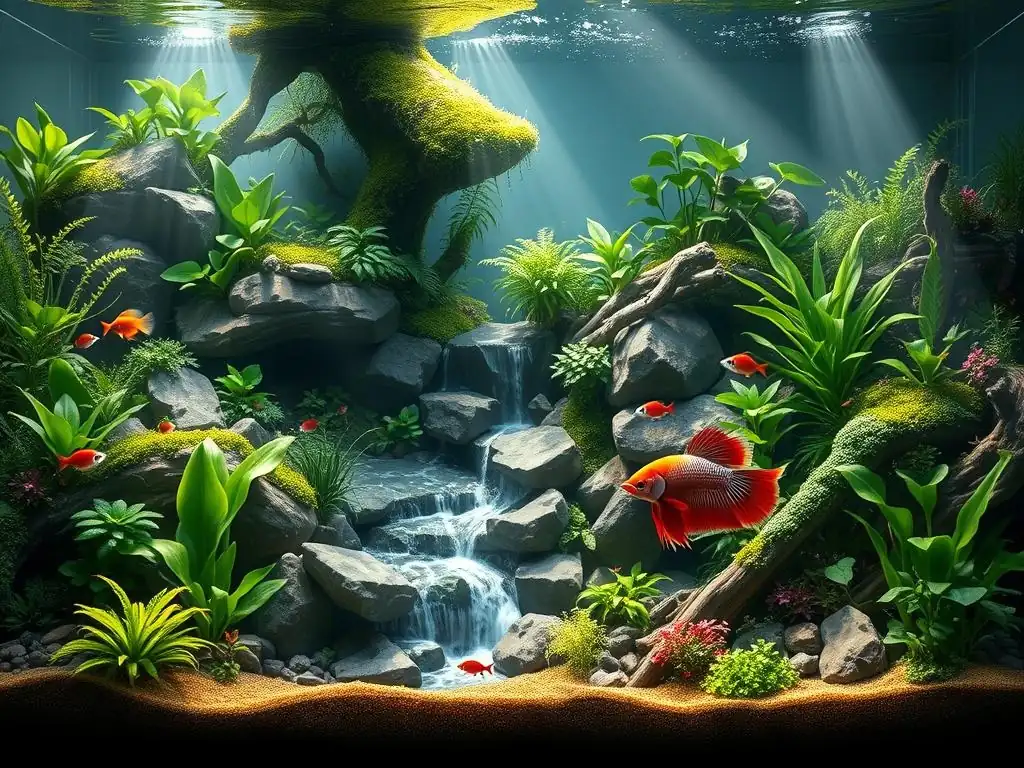
Welcome to Aquarium Mastery!
Dive in and discover how to create a thriving underwater world that's as kind to the planet as it is beautiful. Are you ready to learn how to build an EcoSmart Aquarium? Our Sustainable Freshwater Aquarium Setup Guide is your starting point for championing sustainability in fishkeeping. Let's explore how to create an aquarium that's both stunning and ecologically responsible, together!
- Sustainable Reef Aquariums: Cultivating Marine Ecosystems Responsibly
- Introduction: Building a Thriving Reef While Protecting Our Oceans
- Understanding the Environmental Impact of Reef Keeping
-
Sustainable Reef Aquarium Setup Guide: A Holistic Approach
- Planning Your Eco-Conscious Reef: Size, Location, and Livestock Considerations
- Choosing Sustainable Aquarium Equipment: Energy-Efficient Pumps, Lights, and Skimmers
- Substrate Selection: Opting for Aragonite and Live Sand
- Aquascaping with Sustainability in Mind: Using Reef-Safe Rock
- Water Chemistry and Sustainable Maintenance Practices
- Selecting Sustainable Coral and Fish Species for Your Reef Aquarium
- Sustainable Feeding Practices for Reef Inhabitants
- The Role of Algae in a Sustainable Reef Aquarium
- Implementing Sustainable Water Management Techniques
- Advanced Techniques for Eco-Friendly Reef Aquariums
- Troubleshooting Common Issues in Sustainable Reef Aquariums
- The Future of Sustainable Reef Keeping: Innovations and Trends
- Conclusion: Creating a Thriving, Eco-Friendly Reef Aquarium
-
Frequently Asked Questions
- How does a Sustainable Freshwater Aquarium Setup Guide differ from a standard aquarium setup guide?
- What are some key components of an EcoSmart Aquarium that contribute to its sustainability?
- What types of fish are best suited for a Sustainable Freshwater Aquarium Setup?
- How can I ensure the water chemistry in my EcoSmart Aquarium remains balanced without relying heavily on chemical additives?
- What are some common mistakes to avoid when setting up a Sustainable Freshwater Aquarium?
- Final Reflection: Cultivating a Conscious Aquatic World
- Dive Deeper: Cultivate Your Sustainable Aquarium Oasis!
Sustainable Reef Aquariums: Cultivating Marine Ecosystems Responsibly
Introduction: Building a Thriving Reef While Protecting Our Oceans
The allure of a vibrant reef aquarium, teeming with colorful corals and diverse marine life, is undeniable. However, as the popularity of reef keeping grows, so does the awareness of its potential environmental impact. Cultivating a thriving reef system responsibly means embracing practices that minimize our footprint on the planet, mirroring the intricate balance found in natural ocean ecosystems. This article serves as a comprehensive guide to establishing and maintaining a sustainable reef aquarium, ensuring both the beauty of your tank and the health of our global oceans.
Understanding the Environmental Impact of Reef Keeping
Before diving into sustainable practices, it's crucial to acknowledge the various ways traditional reef keeping can affect the environment. From energy consumption to the sourcing of livestock, every aspect has an ecological footprint that responsible aquarists must consider. Understanding these impacts is the first step towards mitigating them and fostering a truly eco-conscious hobby.
The Carbon Footprint of Reef Aquarium Equipment and Supplies
Reef aquariums are inherently energy-intensive. Equipment such as lighting, pumps, heaters, and chillers operate continuously, leading to significant electricity consumption. For instance, a typical 120-gallon reef tank, equipped with high-output LED lighting (around 200W), multiple circulation pumps (100W combined), a return pump (75W), a protein skimmer (50W), and a heater (300W), can easily consume over 700 watts per hour. This translates to approximately 16.8 kWh per day, or over 6,100 kWh annually, which can contribute substantially to a household's carbon emissions depending on the energy source.
Beyond operational energy, the manufacturing process of aquarium equipment and supplies also carries a carbon footprint. The production of plastics for tanks and sumps, the mining and processing of metals for pumps and light fixtures, and the chemical synthesis of water additives all require energy and resources. For example, the creation of a single large acrylic aquarium can involve significant energy expenditure in molding and transportation, while the production of synthetic salt mixes requires various raw materials and industrial processes, adding to the overall environmental burden.
Coral Sourcing and the Impact on Wild Reefs: Ethical Considerations
The origin of corals in the hobby is a critical ethical consideration. Historically, a large proportion of corals were wild-harvested, often involving destructive collection methods like breaking off pieces of living reef or using chemicals to stun fish, which can severely damage delicate coral ecosystems. This practice contributes to the degradation of natural reefs, which are already under immense pressure from climate change, pollution, and overfishing. For example, some studies estimate that certain wild coral populations have declined by over 50% in specific regions due to a combination of factors including unsustainable collection.
While regulations like CITES (Convention on International Trade in Endangered Species of Wild Fauna and Flora) aim to control the trade of endangered species, enforcement can be challenging, and the demand for unique or rare specimens continues to fuel collection pressures. Ethical reef keeping prioritizes aquacultured corals—those grown in captivity—which significantly reduces the impact on wild populations. This shift not only protects natural habitats but also often results in healthier, more robust corals that are already adapted to aquarium conditions, leading to higher success rates for hobbyists.
Water Usage and Waste Management in High-Demand Reef Systems
Maintaining pristine water quality in a reef aquarium often necessitates regular water changes and the use of reverse osmosis/deionization (RO/DI) systems for purified top-off water. RO/DI units, while essential for removing impurities that could harm sensitive marine life, produce a significant amount of waste water. Typically, for every gallon of purified water produced, an RO/DI unit can generate anywhere from one to four gallons of concentrate (waste) water, meaning a hobbyist making 10 gallons of RO/DI water might waste 10-40 gallons in the process.
Furthermore, the disposal of nutrient-rich waste water from water changes presents another environmental consideration. This water contains nitrates, phosphates, and other dissolved organics that, if improperly disposed of, could contribute to local water pollution. For instance, a 50-gallon weekly water change from a large reef tank means discarding 2,600 gallons of potentially nutrient-laden water annually. Responsible waste management involves considering how this water can be repurposed or disposed of in an environmentally friendly manner, minimizing its impact on local ecosystems.
Sustainable Reef Aquarium Setup Guide: A Holistic Approach
Creating a sustainable reef aquarium involves conscious decisions at every stage, from initial planning to equipment selection and ongoing maintenance. A holistic approach considers energy efficiency, ethical sourcing, and resource conservation as interconnected components of a truly eco-friendly system. This detailed sustainable reef aquarium setup guide will walk you through the essential steps to build a thriving, responsible marine habitat.
Planning Your Eco-Conscious Reef: Size, Location, and Livestock Considerations
The planning phase is crucial for minimizing your reef tank's environmental footprint. Starting with a manageable tank size is often the most impactful decision. A 75-gallon reef tank, a popular choice for many hobbyists, typically requires significantly less energy for heating, cooling, and water movement compared to a 200-gallon system, potentially reducing electricity consumption by 30-50%. Smaller tanks also demand less salt mix and RO/DI water for maintenance, translating to lower resource consumption over time.
Strategic placement of your aquarium can further reduce energy needs. Locating the tank away from direct sunlight or heating/cooling vents helps maintain stable water temperatures, reducing the workload on heaters and chillers by an estimated 10-15%. Additionally, careful livestock considerations are paramount.
Researching the adult size, compatibility, and specific needs of marine species before purchase prevents overstocking, which is a major contributor to nutrient imbalances and increased maintenance. For example, a 30-gallon nano reef might only comfortably house a single clownfish and a few small coral frags, whereas a 120-gallon system could support a small school of anthias and various LPS corals without stressing the system, potentially reducing the need for emergency interventions and excessive water changes.
Choosing Sustainable Aquarium Equipment: Energy-Efficient Pumps, Lights, and Skimmers
Selecting energy-efficient equipment is a cornerstone of a sustainable reef aquarium setup. Modern technology offers significantly more efficient options than those available a decade ago, allowing hobbyists to maintain healthy tanks with a reduced energy footprint. Prioritizing equipment with lower wattage ratings and smart features can lead to substantial long-term savings in both energy consumption and operational costs.
When evaluating pumps, look for DC-powered variable speed models. These pumps, such as those from Ecotech Marine or Abyzz, allow you to precisely control flow rates and consume far less electricity than older AC models.
For instance, a high-efficiency DC return pump for a 100-gallon tank might consume only 30-50 watts, compared to 80-120 watts for an older AC equivalent, leading to annual savings of hundreds of kilowatt-hours. Similarly, modern protein skimmers with efficient DC pumps (e.g., from Bubble Magus or Reef Octopus) can effectively remove organic waste with minimal power draw, often operating below 20 watts for medium-sized tanks.
Energy-Efficient Reef Lighting Options: LED Spectrum and Intensity
LED lighting technology has revolutionized reef keeping, offering superior energy efficiency compared to traditional T5 fluorescents or metal halide fixtures. High-quality LED units, such as those from Radion or Kessil, can provide the necessary spectrum and intensity for coral growth while consuming 50-70% less energy than their predecessors. For a 4-foot reef tank, a pair of LED fixtures might draw around 150-200 watts, whereas a comparable T5 setup could easily draw 300-400 watts, and metal halides even more.
Beyond raw energy savings, many LED fixtures offer programmable features that allow hobbyists to fine-tune spectrum, intensity, and photoperiods. This precision control ensures that corals receive optimal light for photosynthesis, preventing wasted energy from excessive or inappropriate light. Utilizing features like sunrise/sunset simulations and lunar cycles can further mimic natural conditions, promoting coral health and potentially reducing stress, leading to more robust growth and less need for intervention.
Selecting a Low-Wattage Heater and Chiller for Temperature Stability
Maintaining stable water temperature is vital for reef inhabitants, but heaters and chillers can be significant energy consumers. For heaters, selecting the correct wattage for your tank size is important; oversized heaters can lead to rapid temperature swings if they malfunction. Look for models with accurate thermostats and quality construction, such as titanium heaters, which offer excellent durability and efficiency. Insulating your sump can also help retain heat, reducing the heater's runtime.
Chillers are often the largest energy draw in a reef system, especially in warmer climates. To minimize their use, ensure your tank is placed in a consistently cool room, away from direct sunlight or heat-generating appliances. Adequate air circulation around the tank and sump can also help dissipate heat.
If a chiller is essential, opt for an appropriately sized, high-efficiency model with a digital thermostat for precise control. For example, a 1/4 HP chiller might be sufficient for a 75-gallon tank, consuming around 200-300 watts when active, but its run time can be drastically cut by passive cooling measures, potentially reducing its operational hours by 20-30% daily.
Substrate Selection: Opting for Aragonite and Live Sand
The choice of substrate plays a vital role in the biological stability and sustainability of a reef aquarium. Aragonite, a naturally occurring form of calcium carbonate, is the preferred substrate for marine tanks due to its ability to buffer pH by slowly dissolving and releasing calcium and alkalinity. This natural buffering helps maintain stable water chemistry, reducing the need for chemical additives and frequent adjustments.
Sustainable Substrate Options: Promoting Beneficial Bacteria
Using aragonite directly harvested from ancient, inland deposits (like those in the Caribbean) rather than freshly collected ocean sand minimizes disruption to existing marine ecosystems. Furthermore, opting for "live sand" – sand that comes pre-inoculated with beneficial bacteria – can significantly accelerate the cycling process of a new tank. This rapid establishment of a healthy bacterial colony reduces the initial period of instability, minimizing potential losses of livestock and the need for corrective measures, thus contributing to a more sustainable and stable start for your reef.
The porous structure of aragonite also provides a vast surface area for beneficial nitrifying and denitrifying bacteria to colonize. A deep sand bed (DSB) of 4-6 inches can create anaerobic zones that facilitate natural denitrification, converting harmful nitrates into harmless nitrogen gas. This natural process significantly reduces nitrate accumulation, lessening the reliance on chemical nitrate removers or frequent large water changes, thereby conserving water and salt mix resources.
Aquascaping with Sustainability in Mind: Using Reef-Safe Rock
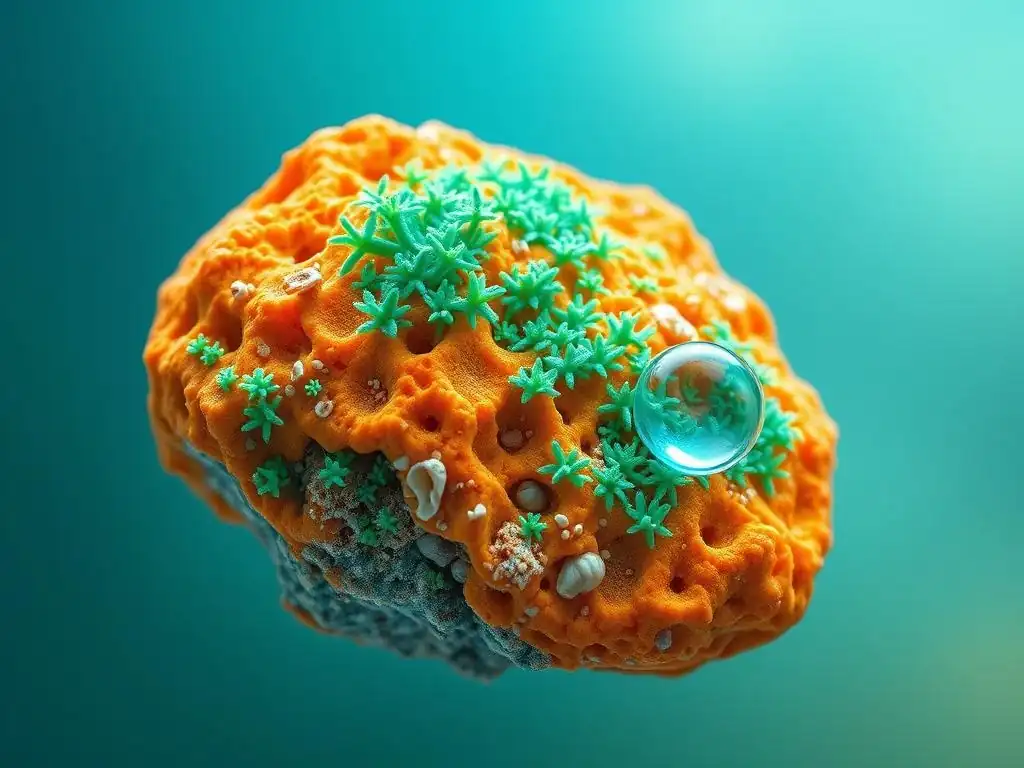
Aquascaping, the art of arranging rock and substrate, is fundamental to creating a visually appealing and biologically functional reef. Sustainable aquascaping focuses on minimizing the impact on natural reefs while providing ample structure for corals and fish. The traditional reliance on wild-collected "live rock" has a significant environmental cost, as it involves removing portions of living reef.
Utilizing Aquacultured Rock and Sustainable Alternatives
Instead of wild-collected live rock, prioritize aquacultured rock or dry "base rock." Aquacultured rock is grown in controlled environments, often on land or in ocean nurseries, specifically for the aquarium trade, ensuring no harm to natural reefs. Dry rock, typically calcium carbonate mined from ancient fossilized reefs, is inert and provides a stable, porous foundation. While it lacks the immediate bacterial diversity of live rock, it will become "live" over time as beneficial bacteria colonize its surfaces. For example, using 100% dry rock for a 90-gallon tank can save hundreds of pounds of wild-harvested material.
When using dry rock, it's recommended to "seed" it with a small amount of aquacultured live rock or a bacterial starter culture to accelerate the cycling process. This approach not only protects wild reefs but also minimizes the risk of introducing unwanted pests or nuisance algae often associated with wild-collected rock. The aesthetic and structural possibilities with dry rock are limitless, allowing for creative and stable aquascapes that promote water flow and provide ample hiding spots for fish and attachment points for corals.
Creating Flow Patterns for Coral Health and Waste Removal
Beyond the aesthetic, the arrangement of your rockwork significantly impacts water flow within the aquarium. Proper flow is crucial for coral health, delivering essential nutrients and removing metabolic waste. It also helps suspend detritus, allowing it to be picked up by mechanical filtration (like filter socks or sponges) or skimmed out by a protein skimmer. Dead spots, areas with poor flow, can lead to detritus accumulation, fueling nuisance algae growth and negatively impacting water quality.
When aquascaping, design structures with multiple arches, caves, and open areas to promote varied and turbulent flow patterns. Position powerheads or wavemakers strategically to eliminate dead spots and create chaotic flow that mimics natural reef conditions. For example, placing two powerheads on opposite sides of a 75-gallon tank, facing each other or angled towards the rockwork, can generate beneficial cross-currents. This optimized flow reduces the buildup of organic waste, thereby minimizing nutrient levels and potentially reducing the frequency of water changes by 5-10%, contributing to a more sustainable maintenance routine.
Water Chemistry and Sustainable Maintenance Practices
Maintaining stable water chemistry is paramount in a reef aquarium, and sustainable practices aim to achieve this with minimal resource consumption and waste. Regular testing and precise adjustments are key to avoiding unnecessary chemical additions or excessive water changes. The goal is to create a naturally balanced system that requires less intervention.
Minimizing Water Changes: Efficient Filtration and Nutrient Control
While water changes are a fundamental part of reef keeping, their frequency and volume can be minimized through robust filtration and effective nutrient control. A well-designed filtration system, including a properly sized protein skimmer, a refugium with macroalgae, and potentially a biopellet reactor or carbon dosing, can efficiently remove nitrates and phosphates. For instance, a refugium with Chaetomorpha macroalgae in a 40-gallon sump can process nitrates equivalent to a 10-20% weekly water change in a 100-gallon display tank.
By maintaining ultra-low nutrient levels through these methods, the need for large, frequent water changes can be significantly reduced. Many advanced hobbyists with mature, stable systems perform water changes as infrequently as once a month, or even less, for 10-15% of the tank volume, rather than the traditional 10-20% weekly. This dramatically conserves RO/DI water and salt mix, reducing both cost and environmental impact. Regular testing of parameters like alkalinity, calcium, and magnesium is still essential, but precise dosing of two-part solutions or a calcium reactor can keep these stable without large water volume replacements.
Using Reef-Safe Water Conditioners and Supplements
When supplements are necessary to maintain optimal water parameters, prioritize reef-safe products that are specifically formulated for marine aquariums and avoid those containing unnecessary or potentially harmful chemicals. Choose reputable brands that provide clear ingredient lists and dosing instructions. Overdosing supplements not only wastes product but can also lead to imbalances that stress corals and fish, potentially necessitating corrective water changes.
Consider the environmental impact of the supplement's ingredients and packaging. For example, some trace element solutions are derived from sustainable harvesting methods, while others may not be. Opting for concentrated liquid solutions or dry mixes that you dissolve yourself can reduce plastic waste from packaging compared to pre-mixed, ready-to-use solutions. Furthermore, exploring natural buffering methods, such as a well-maintained deep sand bed or the use of aragonite substrate, can reduce the reliance on chemical pH buffers, contributing to a more naturally stable and sustainable reef environment.
Selecting Sustainable Coral and Fish Species for Your Reef Aquarium
The ethical sourcing of livestock is perhaps one of the most critical aspects of sustainable reef keeping. Every choice regarding which corals and fish to introduce into your aquarium has a direct impact on wild marine ecosystems. Prioritizing aquacultured and captive-bred specimens is a powerful way to support conservation efforts and reduce pressure on natural reefs.
Researching Coral Origins: Avoiding Wild-Harvested Specimens
Before purchasing any coral, it is imperative to research its origin. Ask your local fish store or online vendor about the specific sourcing of their corals. Reputable dealers will proudly offer information on whether their corals are wild-caught, maricultured (grown in ocean nurseries), or aquacultured (grown in land-based facilities). Wild-harvested corals, while sometimes more vibrant or uniquely shaped, contribute directly to the depletion and damage of natural reef habitats.
Be wary of vague descriptions like "LPS" or "SPS" without further origin details. Many stony corals, such as Acropora and Euphyllia species, are listed under CITES Appendix II, meaning their trade is regulated to prevent over-exploitation. By consciously avoiding wild-collected specimens, you send a clear message to the industry that demand for sustainably sourced corals is high, encouraging a shift towards more ethical practices. This consumer choice has a tangible impact, potentially reducing wild collection by a measurable percentage as the market adapts.
Prioritizing Aquacultured Corals: Supporting Sustainable Practices
Aquacultured corals represent the pinnacle of sustainable coral sourcing. These corals are propagated in captivity, either through fragmentation (fragging) of existing colonies or sexual reproduction. They offer numerous advantages: they are typically pest-free, already adapted to aquarium conditions, and their acquisition causes no harm to wild reefs. Popular examples of readily available aquacultured corals include various species of Acropora, Montipora, Zoanthids, and many types of soft corals.
Supporting businesses that specialize in aquacultured corals directly contributes to the growth of this sustainable industry. These facilities often invest in research and development to improve propagation techniques, making more species available to hobbyists without impacting natural populations. Furthermore, aquacultured corals often exhibit faster growth rates and better resilience in home aquariums because they are accustomed to controlled environments, leading to a higher success rate for the hobbyist and reducing the need for replacements. For instance, a frag of aquacultured Acropora might grow to a colony within 12-18 months, whereas a wild specimen might struggle to adapt.
Choosing Fish Compatible with a Sustainable Reef Ecosystem
Just like corals, the sourcing of marine fish can have a significant environmental impact. While captive breeding for marine fish is less common than for corals, it is a rapidly growing field. Prioritize captive-bred fish whenever possible, as they alleviate pressure on wild populations and are generally hardier and more accustomed to aquarium life. For example, captive-bred clownfish ( Amphiprion ocellaris and percula), gobies, and blennies are widely available and excellent choices for a sustainable reef.
If captive-bred options are unavailable, seek out fish collected using sustainable methods, such as net collection rather than cyanide fishing, although verifying this can be challenging. Focus on species known to thrive in captivity and that will not outgrow your tank or become overly aggressive. Avoiding species that require highly specialized diets or are known to have low survival rates in aquariums contributes to a more ethical and sustainable approach to fish keeping.
Selecting Fish Species that Contribute to Natural Pest Control
Some fish species can contribute to the natural balance and pest control within a reef aquarium, reducing the need for chemical treatments. For instance, certain wrasses, such as six-line wrasses ( Pseudocheilinus hexataenia), are known to prey on common aquarium pests like flatworms and pyramid snails, which can infest corals. Similarly, some gobies, like the diamond watchman goby ( Valenciennea puellaris), are excellent sand sifters, helping to keep the substrate clean and aerated, preventing detritus buildup.
However, caution is advised. While these fish can be beneficial, they are not a guaranteed solution to pest problems, and their effectiveness varies. Always research their compatibility with your existing livestock and corals; for example, some wrasses might nip at certain coral polyps. Integrating them carefully into your sustainable reef aquarium setup can reduce the reliance on chemical interventions, which often have their own environmental footprint and can stress the entire ecosystem.
Avoiding Overstocking to Minimize Nutrient Imbalance
Overstocking a reef aquarium is a common mistake that leads to a cascade of environmental issues within the tank. More fish mean more waste production (feces, uneaten food), which directly contributes to higher levels of nitrates, phosphates, and other dissolved organic compounds. This nutrient overload fuels nuisance algae blooms, stresses corals, and can lead to unhealthy water parameters that necessitate more frequent and larger water changes.
While there's no single "rule of thumb" for marine fish stocking due to varying fish sizes, activity levels, and waste production, a general guideline is to allow ample space per fish. For instance, a 75-gallon reef tank might comfortably house 5-7 small to medium-sized fish (e.g., a pair of clownfish, a goby, a blenny, and a cardinalfish), whereas cramming 15 fish into the same tank would quickly lead to nutrient issues.
By carefully selecting a compatible and appropriately sized fish population, you minimize the bioload, reduce the strain on your filtration system, and maintain a more stable and sustainable reef environment with less intervention.
Sustainable Feeding Practices for Reef Inhabitants
Feeding your reef inhabitants is a daily ritual, but it's also a significant source of nutrient input into the system. Sustainable feeding practices focus on providing high-quality, nutritious food while minimizing waste and nutrient pollution, thereby contributing to a healthier tank and reducing the overall environmental footprint.
Choosing High-Quality, Sustainable Reef Food Sources
The quality and source of your reef food are just as important as the quantity. Opt for high-quality frozen foods, pellets, and flakes that are specifically formulated for marine fish and invertebrates. Look for foods that use sustainably harvested ingredients. For example, some brands are now sourcing krill from certified sustainable fisheries, or using spirulina and other algae grown in controlled environments, reducing the impact on wild populations.
Understanding Reef Food Ingredients and Their Environmental Impact
Many fish foods contain ingredients derived from wild-caught marine organisms, such as fish meal, squid, or krill. Research the brands you use to ensure they adhere to sustainable harvesting practices. Certifications from organizations like the Marine Stewardship Council (MSC) indicate that the ingredients were sourced responsibly. By choosing foods with a lower environmental impact, you support a more ethical supply chain in the aquaculture industry. For instance, a shift from foods containing unsustainably harvested wild fish to those with farmed fish or plant-based proteins can significantly reduce the ecological burden.
Avoiding Overfeeding: Minimizing Nutrient Pollution
Overfeeding is one of the most common causes of nutrient pollution in a reef aquarium. Any food that is not immediately consumed by your fish or corals will break down, releasing nitrates, phosphates, and other organic compounds into the water column. This nutrient excess fuels undesirable algae growth, stresses corals, and can lead to declining water quality, often necessitating increased water changes and chemical nutrient removers.
To avoid overfeeding, feed small amounts multiple times a day rather than one large meal. Observe your fish; they should consume all the food within 1-2 minutes. For corals that require target feeding, use a pipet or turkey baster to deliver food directly to their polyps, ensuring maximum uptake and minimal waste. By reducing uneaten food, you significantly lower the bioload on your filtration system, maintain lower nutrient levels, and reduce the need for corrective measures, contributing to a more stable and sustainable reef.
Targeted Feeding for Coral Health and Growth
While many corals derive significant energy from photosynthesis, some species, particularly LPS (large polyp stony) corals and non-photosynthetic corals, benefit greatly from targeted feeding. This practice involves directly delivering food, such as mysis shrimp, brine shrimp, or specialized coral foods, to the polyps of individual corals. Targeted feeding ensures that the nutrients reach the intended recipient, maximizing uptake and minimizing waste that could otherwise pollute the water column.
For example, a Duncansops coral may extend its feeding tentacles in response to food in the water. By using a pipette to place a small piece of mysis shrimp directly onto its polyps, you ensure the coral gets the nutrition it needs for growth and health, rather than the food breaking down elsewhere in the tank. This precision feeding reduces the overall amount of food introduced into the system, contributing to lower nutrient levels and a cleaner, more sustainable reef environment.
The Role of Algae in a Sustainable Reef Aquarium
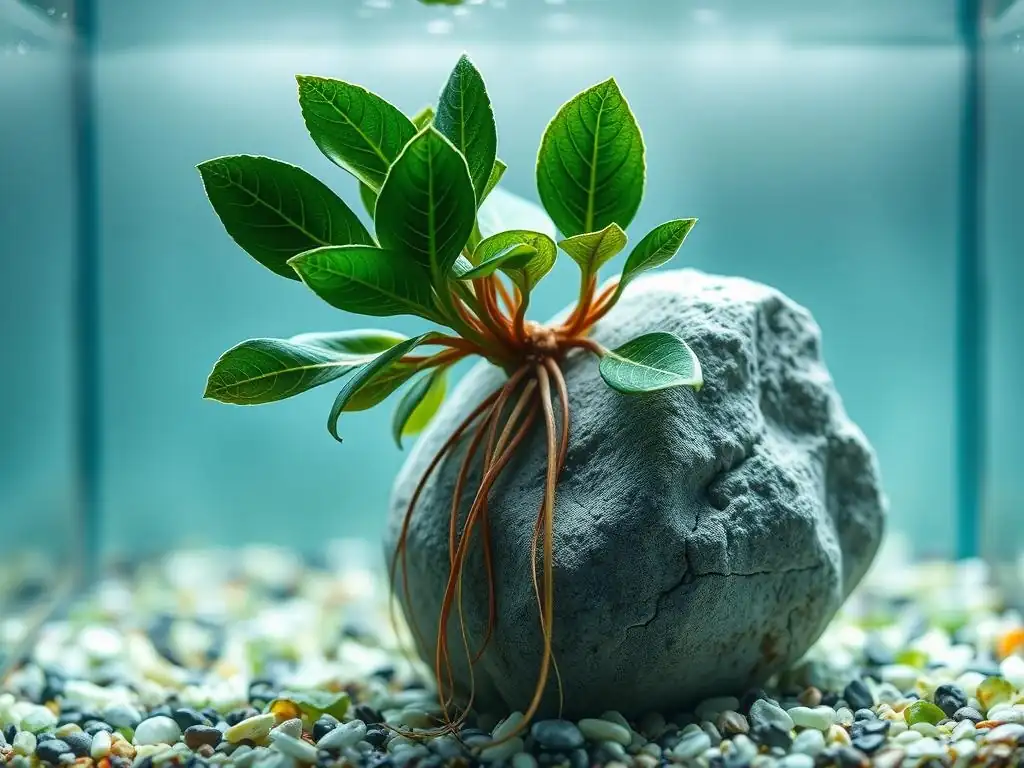
While nuisance algae are often seen as a bane in reef keeping, certain types of macroalgae play a crucial role in a sustainable reef aquarium. These beneficial algae act as natural filters, absorbing excess nutrients and contributing to a more balanced and resilient ecosystem, reducing the reliance on artificial filtration methods.
Macroalgae Cultivation: Natural Nutrient Export
Cultivating macroalgae, such as Chaetomorpha (Chaeto) or Caulerpa, in a dedicated refugium is one of the most effective and natural methods for nutrient export in a reef tank. These fast-growing algae absorb nitrates and phosphates from the water column as they grow, effectively competing with undesirable nuisance algae in the display tank. Regularly harvesting a portion of the macroalgae physically removes these absorbed nutrients from the system.
For instance, a golf-ball sized clump of Chaetomorpha can double in size within a week under optimal conditions, absorbing significant amounts of nitrates and phosphates. For a 100-gallon reef tank, a refugium containing a basketball-sized mass of Chaeto can effectively reduce nitrate levels by 10-20 ppm per week, often eliminating the need for chemical nitrate removers or reducing the frequency of water changes. This biological filtration method is not only sustainable but also creates a microhabitat for beneficial copepods and amphipods, which can serve as a natural food source for corals and fish.
Algae Turf Scrubbers: Efficient Filtration and Algae Control
Algae Turf Scrubbers (ATS) are another highly efficient and sustainable method for nutrient export. An ATS works by intentionally growing nuisance algae on a textured screen under intense light. As the algae grow, they rapidly absorb nitrates, phosphates, and other dissolved organics from the aquarium water. Once the screen is covered, the algae are physically scraped off and removed, effectively exporting the accumulated nutrients from the system.
A well-designed ATS can be incredibly powerful; some hobbyists report zero nitrates and phosphates in their systems with a properly sized and maintained scrubber, even in heavily stocked tanks. For example, an ATS unit designed for a 150-gallon tank can process the equivalent nutrient load of a large protein skimmer and a substantial refugium combined. This method not only provides robust nutrient control but also reduces the growth of undesirable algae in the display tank, contributing to a cleaner and more aesthetically pleasing reef while minimizing the need for chemical interventions.
Managing Algae Growth: Balancing Aesthetics and Function
The key to sustainable algae management is differentiating between desirable macroalgae and undesirable nuisance algae. While macroalgae in a refugium are beneficial, excessive growth of nuisance algae (like hair algae or diatoms) in the display tank indicates an imbalance, typically high nutrients or insufficient flow. Managing nuisance algae involves addressing the root cause rather than simply removing it.
This includes rigorous nutrient control through reduced feeding, efficient protein skimming, and robust biological filtration (including macroalgae cultivation). Introducing natural grazers, such as certain snails (e.g., trochus, turbo snails) or herbivorous fish (e.g., tangs, blennies), can also help control nuisance algae. The goal is to create an environment where beneficial algae thrive in controlled areas (like the refugium) while nuisance algae are outcompeted in the main display, maintaining a balance that is both functional and visually appealing without resorting to harsh chemical treatments.
Implementing Sustainable Water Management Techniques
Water is the lifeblood of a reef aquarium, and its responsible management is central to sustainable reef keeping. From mixing saltwater to handling waste, every drop counts. Implementing efficient water management techniques not only conserves resources but also contributes to a more stable and healthy marine environment within your tank.
Saltwater Mixing: Using Reef-Safe Salt Mixes
The foundation of your reef aquarium's water is the salt mix. Sustainable practices involve selecting high-quality, reef-safe salt mixes that are produced responsibly. While most salt mixes are derived from evaporated sea salt or synthetic compounds, some manufacturers are more transparent about their sourcing and production processes. Look for brands that ensure consistency and purity, minimizing the risk of introducing unwanted contaminants that could necessitate corrective measures.
Consider purchasing salt in larger, bulk containers to reduce plastic waste from packaging. Many hobbyists opt for 200-gallon or larger buckets of salt mix, which generate significantly less plastic waste per gallon of saltwater compared to smaller bags or boxes. Mixing saltwater efficiently, ensuring proper salinity from the start, also prevents the need for wasteful adjustments and helps maintain stable parameters, reducing stress on marine life and conserving resources.
Reusing Waste Water: Nutrient Recovery for Other Purposes
The waste water generated from RO/DI units and regular water changes is often rich in nutrients and trace elements, making it unsuitable for direct disposal into storm drains or sensitive environments. However, this "waste" water can be a valuable resource for other purposes, promoting a circular economy within your home. For example, the reject water from an RO/DI system, while high in total dissolved solids, is often free of chlorine and other harmful chemicals found in tap water.
This nutrient-rich water can be excellent for watering non-edible plants in your garden or houseplants, providing them with beneficial minerals and trace elements. For instance, a 50-gallon weekly water change from a reef tank could provide over 2,500 gallons of nutrient-rich water annually for your landscape, potentially reducing your need for chemical fertilizers. Always ensure that the water is appropriate for the specific plants and that it doesn't contain any harmful medications or chemicals from your tank. This simple act of repurposing can significantly reduce your overall household water footprint.
Minimizing Water Waste During Water Changes
Water changes are essential for maintaining water quality, but they can be a source of significant water waste if not performed efficiently. The goal is to remove dirty water and replace it with clean saltwater as effectively as possible, minimizing spills and unnecessary consumption. Using a dedicated water change pump or a gravel vacuum with a controlled flow rate can help prevent overfilling or accidental draining.
Consider using a large, dedicated container for mixing new saltwater, allowing it to aerate and heat to the correct temperature before being transferred to the display tank. This minimizes the risk of shocking your livestock and reduces the need for emergency adjustments. For larger tanks, plumbing systems with direct drains and fill lines can significantly streamline the process, reducing manual labor and the potential for spills. By optimizing your water change routine, you can minimize both the volume of water used and the effort required, making sustainable reef keeping more manageable and enjoyable.
Advanced Techniques for Eco-Friendly Reef Aquariums
For the dedicated aquarist seeking to push the boundaries of sustainability, several advanced techniques can further enhance nutrient export, biological stability, and overall eco-friendliness. These methods often integrate natural processes to create a more self-sustaining and resilient reef ecosystem.
Building a DIY Refugium for Enhanced Nutrient Export
A refugium is a separate compartment, typically in the sump, designed to house beneficial macroalgae and a thriving population of microfauna (like copepods and amphipods). Building a DIY refugium allows for customization to your tank's specific needs and can be a cost-effective way to implement robust nutrient export. A typical refugium for a 100-gallon reef tank might be 15-20 gallons in size and feature a dedicated light cycle (often opposite the display tank) to maximize macroalgae growth.
The primary benefit of a refugium is its ability to naturally absorb nitrates and phosphates from the water column as the macroalgae grow. Regularly harvesting a portion of this algae physically removes these nutrients from the system, reducing the need for chemical removers or frequent large water changes. Furthermore, the refugium provides a safe haven for beneficial microfauna to reproduce, which then migrate into the display tank, serving as a natural food source for corals and fish, potentially reducing reliance on prepared foods. This symbiotic relationship fosters a more balanced and sustainable marine environment.
Deep Sand Beds: Natural Denitrification and Biological Filtration
A deep sand bed (DSB), typically 4-6 inches or more of fine aragonite sand, provides an ideal environment for natural denitrification. In the deeper, oxygen-deprived (anaerobic) layers of the sand bed, specialized bacteria convert nitrates into harmless nitrogen gas, which then off-gasses from the system. This process is a highly efficient form of biological filtration that significantly reduces nitrate accumulation, a common issue in reef tanks.
While a DSB takes time to establish (often several months), once mature, it can dramatically reduce or even eliminate the need for chemical nitrate removers and significantly decrease the frequency of water changes. For instance, a well-established DSB in a 150-gallon tank can maintain nitrate levels below 5 ppm indefinitely, whereas a tank without a DSB might struggle to keep nitrates below 20-30 ppm with regular water changes. This natural process contributes to a more stable and sustainable reef environment by leveraging the power of biological processes.
Utilizing Probiotics for Enhanced Water Quality
The use of probiotic bacterial solutions in reef aquariums is an advanced technique gaining popularity for its ability to enhance water quality and nutrient cycling. These solutions introduce beneficial bacterial strains that actively consume organic waste and nutrients like nitrates and phosphates, converting them into biomass that can then be skimmed out or utilized by other organisms. Regular dosing of these bacteria can lead to clearer water, reduced nuisance algae, and overall improved coral health.
For example, commercial probiotic products often contain specific bacterial cultures designed to break down dissolved organic carbon and facilitate the nitrogen cycle. Dosing these solutions according to manufacturer recommendations can help maintain ultra-low nutrient levels, sometimes even allowing for "ultra-low nutrient" (ULN) systems that require minimal water changes. This approach minimizes the reliance on chemical media and excessive water changes, promoting a more biologically robust and sustainable reef ecosystem.
Troubleshooting Common Issues in Sustainable Reef Aquariums
Even with the most meticulous planning, issues can arise in any reef aquarium. In a sustainable reef, the approach to troubleshooting focuses on natural, eco-friendly solutions that address the root cause of the problem rather than relying on harsh chemicals or disruptive interventions.
Algae Blooms: Natural Methods for Control and Prevention
Nuisance algae blooms are a common frustration in reef keeping, often signaling an imbalance in the system, typically elevated nitrates and phosphates. In a sustainable reef, the first line of defense is not chemical algaecides, but rather addressing the underlying nutrient issue. This involves reviewing feeding practices (avoiding overfeeding), ensuring efficient nutrient export (protein skimmer, refugium, ATS are operating optimally), and checking source water quality (RO/DI unit maintenance).
Natural methods for control include increasing the population of herbivorous snails (e.g., turbo snails, trochus snails, nerite snails) and compatible herbivorous fish (e.g., certain tangs, blennies) that graze on algae. For instance, a single turbo snail can clear several square inches of algae daily. Manual removal of algae during maintenance also helps. By maintaining ultra-low nutrient levels through biological and mechanical filtration, nuisance algae are starved of their primary food source, preventing their proliferation and promoting a naturally cleaner tank.
Maintaining Water Parameters: Balancing Stability and Sustainability
Stable water parameters (salinity, alkalinity, calcium, magnesium, pH) are crucial for coral health. In a sustainable reef, the goal is to maintain this stability with minimal intervention and waste. Regular testing is essential, but instead of large, reactive water changes to correct swings, focus on precise, consistent dosing of two-part solutions or using a calcium reactor. A calcium reactor, for example, uses CO2 to dissolve calcium carbonate media, providing a stable and balanced supply of calcium and alkalinity with minimal waste compared to frequent manual dosing.
Consider automated dosing pumps for two-part solutions, which deliver small, precise amounts throughout the day, preventing large fluctuations and reducing the risk of overdosing. For instance, dosing 50ml of an alkalinity solution manually once a day can lead to a daily swing of 0.5-1 dKH, whereas dosing the same amount in 24 smaller increments can keep the swing below 0.1 dKH. This consistent approach minimizes stress on corals and reduces the need for corrective measures, contributing to a more stable and less resource-intensive system.
Addressing Coral Health Issues with Eco-Friendly Treatments
When coral health issues arise, such as tissue recession, pests, or disease, a sustainable approach prioritizes eco-friendly treatments over broad-spectrum chemicals. The first step is often observation and isolation. If a coral shows signs of distress, move it to a quarantine tank for closer observation and to prevent potential spread to other corals.
For common pests like flatworms or nudibranchs, targeted dips using natural or less harsh solutions (e.g., iodine-based dips, or specific pest-control products derived from natural extracts) can be effective. Manual removal of pests with tweezers is also a viable, zero-impact method. Ensuring optimal water parameters and providing stable conditions are often the best "treatments" as they strengthen the coral's natural resilience.
For example, a healthy Acropora coral with strong polyp extension is less susceptible to pests than one stressed by unstable parameters. By focusing on prevention and targeted, natural interventions, you maintain the overall health of your reef without introducing potentially harmful chemicals into the ecosystem.
The Future of Sustainable Reef Keeping: Innovations and Trends
The field of sustainable reef keeping is continuously evolving, driven by technological advancements and a growing commitment to environmental stewardship. Future innovations promise to make the hobby even more eco-friendly, further minimizing its footprint and maximizing its positive impact on marine conservation.
Closed Loop Systems: Minimizing Water Waste
Closed loop systems are an emerging trend designed to drastically reduce water waste and the need for frequent top-offs. These systems recycle water within a sealed loop, minimizing evaporation and eliminating the need for external plumbing or sumps that are prone to evaporation. While still relatively niche, these systems can significantly cut down on the consumption of RO/DI water, which is a major resource drain in traditional reef keeping.
For example, a typical 100-gallon reef tank can lose 1-2 gallons of water to evaporation daily, requiring 365-730 gallons of RO/DI top-off water annually. A fully closed-loop system, by minimizing surface area exposure and optimizing humidity control, can reduce this evaporation by 70-90%, cutting down top-off water needs to less than 100 gallons per year. This innovation not only conserves water but also reduces the energy associated with RO/DI production, representing a significant step towards a truly sustainable reef aquarium.
Bioplastics in Aquarium Equipment: Reducing Plastic Pollution
The aquarium industry, like many others, relies heavily on plastics for equipment manufacturing, from filter media to pump housings and tank components. The future of sustainable reef keeping will likely see a greater adoption of bioplastics and recycled materials in the production of aquarium equipment. Bioplastics, derived from renewable biomass sources, offer a more environmentally friendly alternative to traditional petroleum-based plastics, reducing reliance on fossil fuels and potentially lowering the carbon footprint of manufacturing.
While still in early stages for specialized aquarium equipment, the broader trend towards sustainable materials will undoubtedly influence the hobby. Imagine protein skimmers made from plant-based polymers or filter media produced from recycled ocean plastics. This shift would not only reduce the environmental impact of manufacturing but also address the end-of-life disposal of aquarium products, contributing to a circular economy and reducing overall plastic pollution.
The Growing Importance of Coral Conservation and Restoration
The reef keeping hobby has a unique and powerful role to play in coral conservation and restoration efforts. As hobbyists successfully propagate corals in their home aquariums, they contribute to a global bank of genetic diversity that can be vital for future restoration projects. Many aquarists are now actively involved in "fragging" corals—propagating new colonies from existing ones—and sharing or selling these aquacultured fragments, further reducing demand for wild-caught specimens.
Beyond individual efforts, the hobby community is increasingly supporting and participating in large-scale coral restoration initiatives. Organizations are working to re-establish coral populations on degraded natural reefs by out-planting aquacultured corals grown in land-based nurseries or ocean farms. For instance, projects in Florida and the Caribbean have successfully out-planted tens of thousands of corals, showing significant growth and survival rates. The collective knowledge and passion of reef aquarists can be a powerful force in ensuring the long-term survival of these vital marine ecosystems.
Conclusion: Creating a Thriving, Eco-Friendly Reef Aquarium
Cultivating a sustainable reef aquarium is more than just a hobby; it's a commitment to environmental stewardship and a testament to the beauty of responsible living. By making conscious choices in planning, equipment selection, livestock sourcing, and maintenance practices, aquarists can significantly reduce their ecological footprint. From embracing energy-efficient LED lighting and pumps to prioritizing aquacultured corals and fish, every decision contributes to a healthier planet.
The journey towards a sustainable reef is an ongoing one, marked by continuous learning and adaptation. As innovations emerge, the hobby will become even more aligned with conservation goals. Ultimately, a thriving, eco-friendly reef aquarium stands as a vibrant example of how human passion can harmonize with nature, demonstrating that it is possible to cultivate a piece of the ocean's magic responsibly, while actively contributing to the preservation of our precious marine ecosystems for generations to come.
Frequently Asked Questions
How does a Sustainable Freshwater Aquarium Setup Guide differ from a standard aquarium setup guide?
A Sustainable Freshwater Aquarium Setup Guide emphasizes ecological balance and long-term health, minimizing environmental impact and resource consumption. It focuses on natural processes and responsible practices.
What are some key components of an EcoSmart Aquarium that contribute to its sustainability?
Key components include energy-efficient lighting, natural filtration methods like live plants and beneficial bacteria, and responsibly sourced decorations. These elements minimize the tank's carbon footprint.
What types of fish are best suited for a Sustainable Freshwater Aquarium Setup?
Fish that are adaptable to varying water conditions, consume algae, and are easily sourced from reputable breeders are ideal. Native species are also often a good choice.
How can I ensure the water chemistry in my EcoSmart Aquarium remains balanced without relying heavily on chemical additives?
Utilize natural filtration methods like live plants and proper substrate. Regularly monitor water parameters and perform partial water changes to maintain balance.
What are some common mistakes to avoid when setting up a Sustainable Freshwater Aquarium?
Avoid overstocking the tank, using non-biodegradable decorations, and over-feeding your fish. These practices can disrupt the ecosystem and create unsustainable conditions.
Okay, here's a final reflection designed to close your article "EcoSmart Aquariums: Championing Sustainability in Your Fishkeeping Journey," optimized for the keyword "Sustainable freshwater aquarium setup guide" and following your specified structure:
Final Reflection: Cultivating a Conscious Aquatic World
The journey towards a sustainable freshwater aquarium is more than just a trend; it's a vital step in acknowledging our interconnectedness with the natural world. As we've explored the various facets of creating an EcoSmart aquarium, from responsible sourcing to energy-efficient practices, it's clear that even in our hobbies, we can actively contribute to a healthier planet. The principles outlined here aren't just about keeping fish alive; they're about fostering a responsible and enriching relationship with the aquatic ecosystem.
This commitment to sustainability extends far beyond the glass walls of our aquariums. It represents a conscious shift in how we approach consumption and interaction with the environment, reminding us that even small actions can have a significant impact. As the demand for resources continues to grow, adopting sustainable practices in all aspects of our lives becomes increasingly crucial. We do not inherit the earth from our ancestors; we borrow it from our children.
This Native American proverb encapsulates the responsibility we bear to ensure a thriving planet for future generations, a responsibility that begins with choices we make today.
Now, as you embark on or continue your fishkeeping journey, consider the power you hold to champion sustainability. Let the principles of the EcoSmart aquarium guide not only your aquatic endeavors but also your broader lifestyle choices. Embrace the challenge of minimizing your environmental footprint, and inspire others to do the same. By cultivating a conscious aquatic world, you contribute to a brighter, more sustainable future for all.
Dive Deeper: Cultivate Your Sustainable Aquarium Oasis!
Thank you for exploring the world of eco-friendly fishkeeping with us! We hope you're inspired to create a more sustainable and thriving aquarium. Now, let's turn that inspiration into action.
- Start small, impact big: Replace one piece of equipment with an eco-friendly alternative. Perhaps a low-energy filter or LED lighting. The change will surprise you!:
- Share your sustainability journey! Document your aquarium's progress and inspire others to join the movement on social media.
- Delve further: Research native aquatic plants and consider incorporating them into your setup to create a more natural and balanced ecosystem.
What single, sustainable change will you make to your aquarium this week?