
Advanced CO2 Techniques: pH Controllers and Timed Injections for Precision

Welcome to Aquarium Mastery!
Ready to take your planted aquarium to the next level? Discover the secrets to lush, vibrant growth and learn how a precise CO2 injection schedule can revolutionize your aquatic ecosystem. Intrigued? Dive in and unlock the power of pH controllers and timed injections – it's easier than you think!
- Mastering CO2 Injection for Optimal Plant Growth in Aquariums
- Understanding the Importance of a Precise CO2 Injection Schedule
- CO2 Injection Methods: A Comparison
- Implementing a Timed CO2 Injection System
- Utilizing pH Controllers for Real-Time CO2 Management
- Fine-Tuning Your Precise CO2 Injection Schedule
- Troubleshooting Common CO2 Injection Problems
- Advanced CO2 Strategies for Specific Aquarium Types
- Maintaining Your CO2 System for Long-Term Success
- Achieving a Thriving Planted Aquarium with Precise CO2 Control
-
Frequently Asked Questions
- How does a precise CO2 injection schedule benefit my planted aquarium?
- What are the main components needed for an advanced CO2 injection system?
- Why is a pH controller recommended for advanced CO2 injection?
- How does timed CO2 injection work in conjunction with a pH controller?
- What are some common issues that can arise with advanced CO2 injection, and how can they be resolved?
- Final Reflection: Cultivating Growth Through Precision
- Ignite Your Aquarium's Growth: Master Precision CO2!
Mastering CO2 Injection for Optimal Plant Growth in Aquariums
Achieving a vibrant, flourishing planted aquarium hinges on several critical factors, with carbon dioxide (CO2) supplementation standing out as paramount for robust aquatic plant growth. Unlike terrestrial plants, aquatic flora often struggle to obtain sufficient CO2 from the water column alone, especially in densely planted or high-light setups.
CO2 acts as a fundamental nutrient, fueling the process of photosynthesis where plants convert light energy into chemical energy, leading to lush foliage, intense coloration, and overall vitality. Without adequate CO2, even the most expensive lighting or nutrient regimens will fall short, resulting in stunted, struggling plants that are prone to algae overgrowth.
Modern aquarists understand that simply adding CO2 isn't enough; the key lies in precision. Advanced CO2 techniques, particularly the integration of pH controllers and timed injection systems, revolutionize how aquarists manage this vital gas. These methods move beyond rudimentary manual adjustments, offering automated, stable, and highly efficient CO2 delivery. By embracing these sophisticated tools, hobbyists can create an optimal environment that mirrors the consistent CO2 availability found in natural, thriving aquatic ecosystems, ensuring their plants receive exactly what they need, precisely when they need it, without risking the well-being of the tank's inhabitants.
Understanding the Importance of a Precise CO2 Injection Schedule
Why Precise CO2 Levels Matter for Aquatic Plants
For aquatic plants, carbon dioxide is as essential as light and macronutrients. It is the primary carbon source for photosynthesis, the process by which plants convert light energy into sugars for growth. Optimal CO2 levels, typically maintained between 20-30 parts per million (ppm) in the water, significantly accelerate plant growth rates, promote denser foliage, and enhance vibrant coloration, especially in demanding species like Rotala macrandra or Ludwigia inclinata. Without a precise CO2 injection schedule, plants can exhibit stunted growth, yellowing leaves, and a general lack of vigor, as their photosynthetic machinery operates far below its potential.
Maintaining a consistent and precise CO2 concentration ensures that plants can efficiently utilize available light and nutrients. For instance, a tank with 30 ppm CO2 will support significantly faster growth and biomass accumulation compared to one at 10 ppm, assuming all other parameters are ideal. This consistent supply minimizes stress on the plants, allowing them to outcompete nuisance algae for nutrients. A well-executed precise CO2 injection schedule directly translates to a healthier, more aesthetically pleasing planted aquarium, where plants thrive rather than merely survive.
The Risks of Inconsistent CO2 Dosing in Planted Tanks
Inconsistent CO2 dosing can wreak havoc on a planted aquarium ecosystem, leading to a cascade of problems for both plants and fish. Fluctuations in CO2 levels, such as a drop from 25 ppm to 5 ppm or a sudden spike to 40 ppm, disrupt the delicate balance of the tank.
For plants, this inconsistency causes stress, leading to stunted growth, melting leaves, and an increased susceptibility to nutrient deficiencies. More critically, fluctuating CO2 levels are a primary trigger for aggressive algae outbreaks, including green spot algae, black beard algae (BBA), and hair algae, as they exploit the instability in nutrient availability.
Beyond plant health, the most severe risk of inconsistent CO2 dosing is the potential harm to aquatic livestock. Rapid drops in pH, often caused by excessive or unregulated CO2 injection, can induce severe stress, gasping, erratic swimming, and even death in fish and invertebrates. For example, a sudden pH drop from 7.0 to 6.0 due to uncontrolled CO2 can be lethal for sensitive species like Neon Tetras or Discus within hours.
Conversely, insufficient CO2 can lead to oxygen deprivation for fish if plants are not photosynthesizing efficiently during the day. Therefore, establishing and adhering to a precise CO2 injection schedule is not merely about plant aesthetics but fundamentally about maintaining a safe and stable environment for all inhabitants.
CO2 Injection Methods: A Comparison
Traditional CO2 Diffusers vs. Advanced Techniques
Traditional CO2 diffusion methods often involve basic setups such as DIY yeast-based systems or simple ceramic diffusers connected to a manually operated pressurized CO2 cylinder. While these methods can introduce CO2 into the water, they typically lack the control and consistency required for a truly precise CO2 injection schedule. DIY systems, for example, produce inconsistent CO2 output that diminishes over time, making it nearly impossible to maintain stable ppm levels. Manual valve adjustments on pressurized systems require constant monitoring and frequent tweaking, often leading to significant fluctuations in CO2 concentration throughout the day.
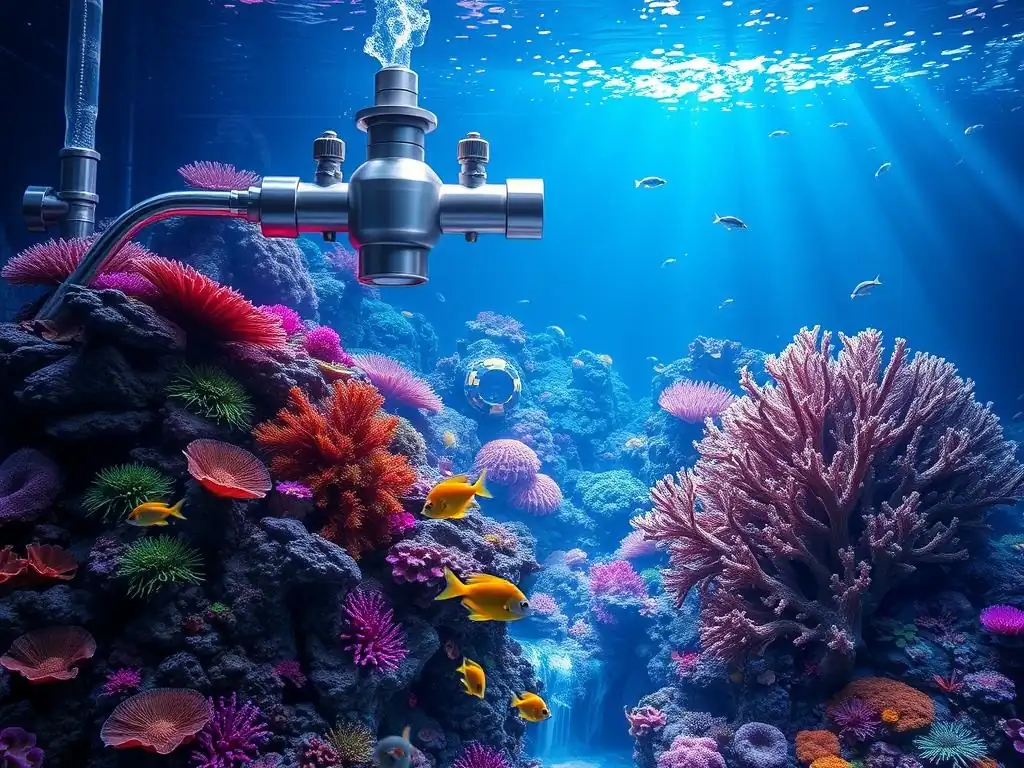
In contrast, advanced CO2 techniques leverage technology for superior precision and automation. These typically involve a high-quality CO2 regulator with a solenoid valve, connected to an electronic timer or, even better, a pH controller. This allows for automated on/off cycles, ensuring CO2 is only injected during the plant's photosynthetic period. The use of a quality inline diffuser or reactor further enhances dissolution efficiency, minimizing CO2 waste. This technological integration allows aquarists to establish and maintain a highly precise CO2 injection schedule, leading to more predictable plant growth and a healthier, more stable aquarium environment.
Exploring the Benefits of Timed CO2 Injection
Timed CO2 injection systems represent a significant upgrade from manual methods, offering both convenience and enhanced stability. By connecting a CO2 solenoid valve to a standard aquarium timer, aquarists can automate the CO2 delivery to coincide precisely with the aquarium's lighting schedule. This ensures that CO2 is only available when plants are actively photosynthesizing, typically for 8-10 hours during the day, and is shut off at night. This approach prevents wasted CO2 when plants are not utilizing it and, more importantly, mitigates the risk of dangerous overnight pH drops that can harm fish and invertebrates.
The benefits of a timed precise CO2 injection schedule are substantial. Firstly, it conserves CO2 gas, extending the life of a typical 5 lb CO2 cylinder from perhaps 3-4 months in a 24/7 manual setup to 6-8 months or even longer, depending on tank size and injection rate. Secondly, it creates a much more stable environment, reducing the daily pH swing that fish experience.
For instance, if your tank's pH is 6.8 during the day with CO2, turning it off at night allows the pH to naturally rise to a safer level, perhaps 7.2, preventing prolonged exposure to acidic conditions while fish are less active. This balance is crucial for long-term livestock health and overall tank stability.
The Role of pH Controllers in Maintaining Stable CO2 Levels
pH controllers represent the pinnacle of CO2 management, offering real-time, dynamic control over CO2 injection to maintain a truly stable and precise CO2 injection schedule. These devices continuously monitor the aquarium's pH level via a probe submerged in the water. Since CO2 dissolves in water to form carbonic acid, there is a direct inverse relationship between dissolved CO2 concentration and pH (given a stable carbonate hardness or KH). By setting a target pH value, the controller can automatically turn the CO2 solenoid valve on or off to maintain that specific pH, thereby indirectly maintaining a consistent CO2 level.
The primary advantage of a pH controller is its ability to compensate for various factors that can influence CO2 levels or pH, such as water changes, fish respiration, or even changes in water chemistry over time. For example, if a water change slightly buffers the water, or if fish activity increases, the pH might naturally rise.
The pH controller detects this increase and activates CO2 injection until the target pH is restored. This dynamic adjustment ensures that the CO2 concentration remains within a narrow, optimal range, often within +/- 0.05 pH units, providing unparalleled stability and removing the guesswork from achieving a precise CO2 injection schedule.
Implementing a Timed CO2 Injection System
Selecting the Right CO2 Regulator and Solenoid Valve
The foundation of any effective CO2 injection system, especially one aiming for a precise CO2 injection schedule, is a high-quality CO2 regulator and solenoid valve. The regulator attaches to the CO2 cylinder and reduces the high tank pressure (which can exceed 800-900 PSI) to a safe, usable working pressure, typically around 20-40 PSI for aquarium use. A good regulator will feature two gauges: one indicating cylinder pressure and another for working pressure, allowing for precise adjustment of the flow rate. Look for models with fine-tune needle valves for meticulous bubble count control.
The solenoid valve is an electronically controlled on/off valve that integrates with a timer or pH controller. When the solenoid is powered, it opens, allowing CO2 to flow; when power is cut, it closes, stopping the flow. This component is crucial for automating your precise CO2 injection schedule. Ensure the solenoid is rated for continuous duty and is robust enough for daily use. Reputable brands often offer integrated regulator-solenoid units, simplifying setup and ensuring compatibility. Investing in a reliable regulator and solenoid not only provides stable CO2 delivery but also ensures safety and longevity for your entire system.
Setting Up a CO2 Timer for Automated Injection
Once you have your CO2 regulator and solenoid valve, setting up a timer is the next step towards an automated and precise CO2 injection schedule. A standard digital or mechanical aquarium timer can be used for this purpose. The solenoid valve's power cord plugs directly into the timer. The timer is then programmed to turn on approximately 1-2 hours before your aquarium lights come on and to turn off 30-60 minutes before the lights go out. This pre-dosing period allows CO2 levels to reach optimal concentration before plants begin photosynthesizing, ensuring they have immediate access to carbon.
For example, if your lights turn on at 10:00 AM and off at 6:00 PM, you might program your CO2 timer to activate the solenoid at 8:30 AM and deactivate it at 5:30 PM. This 9-hour window provides consistent CO2 during the entire photoperiod when plants are actively growing. This automated timing removes the need for manual intervention, ensuring your precise CO2 injection schedule is consistently maintained day after day, contributing significantly to stable CO2 levels and robust plant growth while preventing unnecessary CO2 release during the night.
Calculating the Optimal CO2 Dosage for Your Aquarium Size
Calculating the optimal CO2 dosage is crucial for establishing a precise CO2 injection schedule that benefits plants without harming fish. While a target CO2 level of 20-30 ppm is generally recommended for most planted tanks, the actual dosage (measured in bubbles per second, or BPS) depends on several factors: tank volume, water surface agitation, plant density, and carbonate hardness (KH). A common method to estimate CO2 levels is to use a drop checker, which changes color based on dissolved CO2, or to use the KH/pH chart.
To initially set your BPS, start conservatively, typically around 1-2 BPS for a 20-gallon tank, and increase gradually over several days. Monitor your fish for any signs of stress (gasping at the surface, erratic swimming) and observe your drop checker. A drop checker that turns lime green indicates approximately 30 ppm CO2, while blue indicates too little, and yellow too much.
For a 50-gallon tank, you might start with 3-5 BPS. Always adjust slowly, perhaps by 0.5 BPS per day, until your drop checker indicates the desired lime green color and your fish show no signs of distress. This methodical approach ensures you achieve a precise CO2 injection schedule tailored to your specific aquarium.
Utilizing pH Controllers for Real-Time CO2 Management
How pH Controllers Work in Planted Aquariums
pH controllers represent the most advanced method for maintaining a precise CO2 injection schedule in planted aquariums. At their core, these devices continuously measure the pH of the aquarium water using a sensitive probe submerged in the tank.
Since dissolved CO2 forms carbonic acid, there is a direct, inverse relationship between CO2 concentration and pH: as CO2 increases, pH decreases, and vice versa. Aquarists leverage this relationship by setting a target pH value on the controller that corresponds to their desired CO2 level, typically between 6.5 and 6.8 for a tank with a KH of 4-6 dKH, aiming for 20-30 ppm CO2.
The controller works by acting as an intelligent switch for the CO2 solenoid valve. When the measured pH rises above the set target pH (indicating CO2 levels are too low), the controller sends power to the solenoid, opening the valve and allowing CO2 to flow into the aquarium.
As CO2 dissolves and the pH drops back to the target level, the controller cuts power to the solenoid, closing the valve and stopping the CO2 flow. This continuous monitoring and automatic adjustment ensure that CO2 levels remain exceptionally stable, offering a truly dynamic and precise CO2 injection schedule that adapts to the tank's conditions.
Calibrating Your pH Controller for Accurate Readings
Accurate calibration is paramount for a pH controller to maintain a precise CO2 injection schedule. pH probes, like any sensor, can drift over time and require regular calibration to ensure their readings are reliable. Most pH controllers come with calibration solutions, typically pH 7.0 and pH 4.0 or 10.0. The calibration process generally involves rinsing the probe, immersing it in the pH 7.0 solution, and adjusting the controller until it reads 7.0. Then, the process is repeated with the second solution (e.g., pH 4.0), adjusting the controller to match that value.
It is recommended to calibrate your pH probe at least once a month, or more frequently if you notice inconsistent plant growth or unusual pH fluctuations. Always follow the manufacturer's specific instructions for calibration, as procedures can vary slightly between brands. Proper calibration ensures that the pH controller accurately reflects the aquarium's pH, allowing it to make precise and timely adjustments to your CO2 injection, thereby maintaining the desired precise CO2 injection schedule and preventing both CO2 deficiency and overdosing.
Integrating a pH Controller with Your CO2 Injection System
Integrating a pH controller into your existing CO2 injection system is a straightforward process that elevates your CO2 management to a professional level. The pH controller typically has an input for its pH probe and an output power socket. The CO2 solenoid valve, which was previously plugged into a standard timer, is now plugged directly into this output socket on the pH controller. The pH probe is then submersed in the aquarium water, usually in an area with good flow, away from the CO2 diffuser itself to get an accurate reading of the bulk water.
Once connected, you set your desired target pH on the controller. For example, if your tank has a KH of 4 dKH, a target pH of 6.8 would yield approximately 25-30 ppm CO2. The pH controller then takes over, automatically turning the CO2 solenoid on or off to maintain this setpoint.
This integration means your precise CO2 injection schedule is no longer reliant on a fixed timer but rather on the real-time needs of your aquarium, providing unparalleled stability and optimal CO2 levels for your aquatic plants throughout the day. It's a "set-it-and-forget-it" solution that ensures consistent plant health and livestock safety.
Fine-Tuning Your Precise CO2 Injection Schedule
Monitoring pH and CO2 Levels for Optimal Plant Health
Effective fine-tuning of your precise CO2 injection schedule requires diligent monitoring of both pH and dissolved CO2 levels. While a pH controller automates the process, it's still crucial to regularly cross-reference its readings with other indicators. A CO2 drop checker, filled with a 4 dKH solution, serves as an excellent visual confirmation of your CO2 concentration. A lime green color indicates approximately 30 ppm CO2, which is generally ideal for high-tech planted tanks. If it's blue, CO2 is too low; if yellow, it's too high.
Beyond the drop checker, keen observation of your aquatic plants and fish provides invaluable feedback. Healthy plants should show vigorous growth, new leaves, and vibrant colors. Pearling (small bubbles forming on leaf surfaces) an hour or two after lights on is a strong indicator of efficient photosynthesis and adequate CO2. Conversely, signs of CO2 deficiency include stunted growth, algae outbreaks, or plants melting. For fish, observe their behavior: gasping at the surface, erratic swimming, or lethargy are red flags indicating potentially excessive CO2 levels and a dangerously low pH. A well-tuned precise CO2 injection schedule balances all these factors.
Adjusting Injection Duration Based on Plant Needs and Lighting
Even with a pH controller, manual fine-tuning of your precise CO2 injection schedule might be necessary based on specific plant needs and lighting intensity. For instance, a very high-light setup with demanding plants like Glossostigma elatinoides or Hemianthus callitrichoides might benefit from slightly higher CO2 levels (closer to 30-35 ppm) to fully utilize the intense light. Conversely, a lower-tech tank with less demanding plants might thrive at 20-25 ppm, requiring less CO2.
Adjustments are typically made by slightly tweaking the target pH on your controller. To increase CO2, lower the target pH by 0.1-0.2 units at a time, observing the drop checker and livestock over 24-48 hours. To decrease CO2, raise the target pH.
Additionally, consider the photoperiod. While CO2 should generally run for 1-2 hours before lights on and off 30-60 minutes before lights off, you might extend or shorten this window slightly based on how quickly your tank reaches optimal CO2 levels and how efficiently plants consume it. This iterative process of observation and adjustment ensures your precise CO2 injection schedule perfectly matches your aquarium's unique ecosystem.
Algae outbreaks are often the first visible symptom of an imbalanced precise CO2 injection schedule. Both too little and too much CO2 can lead to algae problems. Insufficient CO2 is a common culprit for green spot algae and black beard algae (BBA), as it starves desirable plants, allowing algae to outcompete them for nutrients. If your drop checker is consistently blue or light green, and plants are struggling, slowly increase your CO2 dosage until the drop checker is lime green and plant growth improves.
Conversely, excessive CO2, especially if it leads to very low pH or rapid pH swings, can also stress plants and trigger algae. For example, if your drop checker is yellow and fish are gasping, you are likely overdosing. In this scenario, immediately reduce your CO2 output by raising the target pH on your controller or reducing the bubble count.
Addressing algae related to CO2 imbalance is primarily about restoring stability and ensuring a consistent, optimal precise CO2 injection schedule. Once CO2 levels are stable and plants are thriving, they will naturally outcompete most nuisance algae, leading to a cleaner, healthier tank.
Troubleshooting Common CO2 Injection Problems
Identifying and Resolving pH Fluctuations
pH fluctuations are a common issue in CO2 injected tanks and can be indicative of problems with your precise CO2 injection schedule. If your pH is constantly swinging wildly (e.g., more than 0.5 pH units over a few hours), it can stress livestock and lead to algae. First, check your carbonate hardness (KH). Low KH (below 3 dKH) provides little buffering capacity, making pH highly susceptible to CO2 changes. If KH is low, consider adding a KH booster or using a remineralizer that increases KH during water changes.
Next, inspect your CO2 equipment. A leaky CO2 line or a faulty solenoid valve can cause inconsistent CO2 delivery, leading to erratic pH. Listen for hissing sounds, check all connections, and perform a soap test on all fittings. If using a pH controller, ensure the probe is clean and calibrated. A dirty or uncalibrated probe will give inaccurate readings, causing the controller to over or under-dose CO2. Regular maintenance and proper setup are key to maintaining a stable and precise CO2 injection schedule.
Addressing CO2 Leaks and Equipment Malfunctions
CO2 leaks are a significant concern, leading to wasted gas, inconsistent CO2 levels, and potentially dangerous cylinder depletion. The most common leak points are at connections: the regulator to the cylinder, the needle valve, and line connections to diffusers or bubble counters. To detect leaks, mix soapy water and spray or brush it onto all connections while the CO2 is flowing. Bubbles forming indicate a leak. Tighten connections, replace O-rings, or use PTFE (Teflon) tape on threaded connections (avoiding the regulator's main cylinder connection) to seal them.
Equipment malfunctions, such as a solenoid valve sticking open or closed, or a faulty regulator, can also disrupt your precise CO2 injection schedule. If your solenoid doesn't click when powered on/off, it might be faulty. A regulator that shows inconsistent working pressure or fails to hold pressure when the cylinder valve is closed needs professional attention or replacement. Regularly inspect hoses for kinks or cracks. Proactive maintenance and prompt replacement of faulty components are essential for maintaining a reliable and precise CO2 injection schedule.
Preventing CO2 Overdosing and Its Effects on Fish
CO2 overdosing is a serious concern, as excessively high CO2 levels lead to a dangerous drop in pH, which can rapidly suffocate fish and invertebrates. The primary symptom of overdosing is fish gasping at the surface, rapid gill movement, erratic swimming, or lethargy. If you observe these signs, immediately turn off your CO2 system and perform a large water change (50% or more) to rapidly dilute the CO2 and raise the pH. Increase surface agitation with an air stone or powerhead to aid CO2 off-gassing.
Prevention is key to avoiding overdosing and maintaining a precise CO2 injection schedule. Always start with a low bubble count and increase gradually, monitoring fish behavior and using a CO2 drop checker. If using a pH controller, ensure it is properly calibrated and its setpoint is appropriate for your tank's KH.
Never set your target pH too low, especially with low KH water. For example, a target pH of 6.0 with a KH of 4 dKH would result in over 100 ppm CO2, which is highly toxic. Aim for 20-30 ppm CO2 (lime green drop checker) and observe your livestock closely, making small, incremental adjustments to achieve your precise CO2 injection schedule.
Advanced CO2 Strategies for Specific Aquarium Types
CO2 Injection for High-Tech Planted Aquariums
High-tech planted aquariums are characterized by intense lighting, often exceeding 50 PAR (Photosynthetically Active Radiation) at the substrate, and typically include a comprehensive fertilization regime. For these setups, a robust and precise CO2 injection schedule is absolutely critical. Plants in high-tech tanks grow at an accelerated rate and have an insatiable demand for carbon. Maintaining CO2 levels consistently between 25-35 ppm is often necessary to prevent algae and ensure optimal growth.
Achieving this level of precision usually necessitates a pressurized CO2 system with a high-quality regulator, solenoid valve, and an inline diffuser or reactor for maximum dissolution efficiency. A pH controller is highly recommended to dynamically maintain the target CO2 level, compensating for daily fluctuations. For example, a 60-gallon high-tech tank might require 5-8 bubbles per second (BPS) during an 8-hour photoperiod to maintain 30 ppm CO2. This aggressive yet precise CO2 injection schedule allows demanding plants like Eriocaulon species or Blyxa japonica to thrive, exhibiting their full potential in color and form.
Adapting CO2 Techniques for Low-Tech Planted Tanks
While CO2 injection is most associated with high-tech setups, even low-tech planted tanks can benefit from a more precise CO2 injection schedule, albeit with different goals and methods. Low-tech tanks typically feature lower light intensity (e.g., 15-25 PAR), no or minimal fertilization, and focus on slow-growing, less demanding plants like Anubias, Java Fern, or Cryptocorynes. For these tanks, the aim isn't rapid growth, but rather healthy, stable growth and algae prevention.
Instead of a high-pressure system, some low-tech aquarists might opt for a very slow, consistent manual CO2 injection (e.g., 1 bubble every 5-10 seconds) for a few hours a day, or even a modest DIY yeast CO2 setup. The key is consistency and moderation.
The goal is to provide a gentle, stable carbon boost, perhaps aiming for 10-15 ppm CO2, rather than the higher concentrations of a high-tech tank. This subtle yet precise CO2 injection schedule can still significantly improve plant health and reduce algae compared to tanks with no CO2 supplementation, without the complexity or cost of a full pressurized system.
CO2 Management in Shrimp-Specific Aquariums
CO2 management in shrimp-specific aquariums, particularly for sensitive species like Caridina shrimp (e.g., Crystal Red Shrimp, Taiwan Bees), requires extreme caution and an exceptionally precise CO2 injection schedule. These shrimp are highly sensitive to rapid changes in water parameters, especially pH. While plants in a shrimp tank still benefit from CO2, the risk to the shrimp from pH crashes or high CO2 levels is significant.
Therefore, if CO2 is used, it should be done with utmost care. Maintain a very conservative CO2 level, typically in the 10-20 ppm range (light green on a drop checker), and ensure the pH controller is meticulously calibrated and set to a conservative target pH. A high KH (e.g., 4-6 dKH) is often maintained to provide strong buffering capacity against pH swings.
Some shrimp keepers even opt to run CO2 only for a few hours during the day, or use very minimal amounts to ensure maximum safety. The emphasis is on stability and avoiding any rapid fluctuations, making a precise CO2 injection schedule absolutely non-negotiable for the well-being of these delicate invertebrates.
Maintaining Your CO2 System for Long-Term Success
Regular Cleaning and Maintenance of CO2 Equipment
Regular cleaning and maintenance are essential for ensuring the long-term reliability and accuracy of your precise CO2 injection schedule. Over time, diffusers can become clogged with algae or mineral deposits, reducing their efficiency and requiring higher bubble counts to achieve the same CO2 levels. Diffusers should be cleaned periodically (e.g., every 1-2 months) by soaking them in a dilute bleach solution (1 part bleach to 10 parts water) for a few hours, followed by a thorough rinse and soak in dechlorinator to remove all traces of bleach.
pH probes, if used, also require regular cleaning to remove biofilm and mineral buildup that can affect accuracy. Gently wipe the probe with a soft cloth and, if necessary, soak it in a specialized probe cleaning solution or a very dilute acid solution (like vinegar). Always store pH probes in their storage solution or distilled water when not in use. Inspect all tubing for kinks, cracks, or hardening, and replace as needed. These simple maintenance steps prevent equipment failure and ensure your precise CO2 injection schedule remains consistent.
Replacing CO2 Cylinders Safely and Efficiently
Replacing CO2 cylinders is a routine but critical task that requires adherence to safety protocols to maintain your precise CO2 injection schedule. Always ensure the main valve on the empty CO2 cylinder is fully closed before attempting to remove the regulator. Carefully unscrew the regulator from the cylinder, ensuring no residual pressure is released too quickly. When attaching the new cylinder, ensure the new O-ring (if applicable) is properly seated. Hand-tighten the regulator firmly onto the cylinder valve.
Once the regulator is securely attached, slowly open the main cylinder valve, listening for any leaks. Check the high-pressure gauge to confirm cylinder pressure. Before opening the needle valve to resume CO2 flow, double-check your working pressure setting to ensure it hasn't changed. Performing a quick leak test with soapy water on the regulator-to-cylinder connection is also a good practice. Handling CO2 cylinders with care and following these steps ensures a safe and seamless transition, maintaining the integrity of your precise CO2 injection schedule.
Ensuring Consistent Performance of pH Controllers
The consistent performance of your pH controller is vital for a stable and precise CO2 injection schedule. The most critical component is the pH probe itself, which has a finite lifespan, typically 12-24 months, even with proper care. Over time, the probe's sensitivity can degrade, leading to inaccurate readings and unreliable CO2 control. If you notice your pH controller struggling to maintain the target pH, or if your drop checker consistently contradicts the controller's readings despite proper calibration, it might be time to replace the probe.
Beyond probe replacement, regularly check the controller's power supply and connections. Ensure the probe cable isn't kinked or damaged. If your controller has an alarm function for pH deviations, set it to alert you if the pH drifts significantly from your setpoint. This proactive monitoring and periodic replacement of wear-and-tear components like the pH probe are essential for the long-term accuracy and reliability of your precise CO2 injection schedule, ensuring your plants always receive optimal carbon levels.
Achieving a Thriving Planted Aquarium with Precise CO2 Control
The Long-Term Benefits of a Well-Managed CO2 System
Implementing and diligently managing a precise CO2 injection schedule offers profound long-term benefits for a planted aquarium. Primarily, it fosters incredibly vigorous and healthy plant growth, leading to a lush, vibrant aquascape. Plants exhibit faster growth rates, denser foliage, and more intense coloration, reaching their full genetic potential. This robust plant mass effectively outcompetes nuisance algae for nutrients, significantly reducing or even eliminating common algae issues like green spot or black beard algae, transforming the tank into a self-sustaining, aesthetically pleasing ecosystem.
Beyond aesthetics, a well-managed CO2 system contributes to exceptional water stability. Consistent CO2 levels minimize pH fluctuations, creating a less stressful environment for fish and invertebrates, which translates to healthier, longer-lived livestock. The increased plant biomass also helps in nutrient cycling, absorbing nitrates and phosphates more efficiently. Ultimately, the investment in a precise CO2 injection schedule pays dividends in reduced maintenance, fewer problems, and the sheer joy of observing a thriving, dynamic aquatic garden that consistently performs at its peak.
Case Study: Maintaining a Dutch Style Aquarium with a Stabilized 30ppm CO2 Level
Consider the case of a 120-gallon Dutch style aquarium, renowned for its dense, diverse plant layouts and lack of visible hardscape. The aquarist aimed for a precise CO2 injection schedule to maintain a stable 30 ppm CO2 level during the 9-hour photoperiod. This was achieved using a high-end CO2 regulator, an inline CO2 reactor for maximum dissolution, and a pH controller set to maintain a target pH of 6.8 (given a consistent 4 dKH). The CO2 system was programmed to turn on 1.5 hours before lights-on and off 30 minutes before lights-off.
Over an 18-month period, the tank consistently exhibited exceptional plant health. Rotala macrandra displayed deep red hues, Alternanthera reineckii maintained vibrant coloration without melting, and carpeting plants like Hemianthus callitrichoides formed dense, pearling carpets. Algae was virtually non-existent, despite high light and rich fertilization. Fish (e.g., Ember Tetras, Otocinclus) showed no signs of stress, thriving in the stable parameters. The pH controller ensured the CO2 concentration rarely deviated by more than 2-3 ppm from the 30 ppm target, demonstrating the power of a truly precise CO2 injection schedule in achieving and sustaining a world-class aquascape.
Further Resources for Mastering CO2 Injection in Aquariums
Mastering CO2 injection is an ongoing learning process, and numerous resources can further refine your precise CO2 injection schedule and overall aquarium husbandry. Online forums and communities dedicated to planted tanks (e.g., The Planted Tank, Aquatic Plant Central) offer invaluable peer advice, troubleshooting tips, and shared experiences from aquarists worldwide. Many reputable aquarium equipment manufacturers provide detailed guides and tutorials for their specific CO2 systems, covering setup, calibration, and maintenance.
YouTube channels by experienced aquascapers often feature visual demonstrations of CO2 equipment installation, fine-tuning techniques, and common problem-solving strategies. Additionally, scientific articles and books on aquatic plant biology and water chemistry can provide a deeper understanding of the principles behind CO2 utilization and its interaction with other tank parameters. By continuously seeking knowledge and applying best practices, aquarists can achieve an increasingly sophisticated and precise CO2 injection schedule, leading to consistently stunning and healthy planted aquariums.
Frequently Asked Questions
How does a precise CO2 injection schedule benefit my planted aquarium?
A precise CO2 injection schedule helps maintain a stable CO2 concentration, which is crucial for optimal plant growth and prevents algae blooms due to fluctuating CO2 levels.
What are the main components needed for an advanced CO2 injection system?
You'll typically need a CO2 tank, regulator, solenoid valve, needle valve, bubble counter, diffuser, drop checker, and potentially a pH controller for automated adjustments. The precise CO2 injection schedule is controlled by the solenoid valve and timer.
Why is a pH controller recommended for advanced CO2 injection?
A pH controller monitors the aquarium's pH and automatically adjusts CO2 injection to maintain a consistent CO2 level based on the desired pH, ensuring stability and preventing dangerous pH swings.
How does timed CO2 injection work in conjunction with a pH controller?
Timed injection sets the general injection period, while the pH controller acts as a fine-tuning mechanism, turning the CO2 on or off within that period to maintain the precise CO2 injection schedule and desired pH.
What are some common issues that can arise with advanced CO2 injection, and how can they be resolved?
Common issues include unstable pH, inconsistent CO2 levels, and equipment malfunction. Resolution involves calibration of the pH controller, checking for leaks, and ensuring the solenoid valve and timer are functioning correctly to maintain the precise CO2 injection schedule.
Final Reflection: Cultivating Growth Through Precision
The exploration of advanced CO2 techniques, particularly the implementation of pH controllers and timed injections, underscores a fundamental truth: precision unlocks potential. In a world increasingly demanding efficiency and optimized results, the ability to finely tune environmental factors, as demonstrated in this article, is not just a technological advancement, but a necessity for maximizing growth and achieving desired outcomes in various fields, from agriculture to scientific research.
This journey into the nuances of CO2 injection has profoundly impacted my understanding of the delicate balance required for thriving ecosystems. It highlights the interconnectedness of seemingly simple elements and the power of meticulous control to shape desired results. The devil is in the details,
as the saying goes, and in the realm of CO2 injection, mastering those details is the key to unlocking unprecedented levels of precision and efficiency.
Now, consider the implications of this precision in your own endeavors. How can you apply the principles of controlled input and constant monitoring to cultivate growth, whether in your garden, your career, or your personal development? Embrace the power of meticulous planning and consistent execution, and you too can unlock the potential for remarkable progress.
Ignite Your Aquarium's Growth: Master Precision CO2!
Thank you for diving into the world of advanced CO2 techniques! We hope you found valuable insights to elevate your aquarium's health and beauty. Now, let's put that knowledge into action and witness the transformation firsthand.
Here’s what you can do next:
- Invest in a pH controller and automated CO2 system. Experience the stability and precision this technology offers and watch your plants flourish.
- Share your newfound CO2 expertise! Teach a fellow aquarist one thing you learned today and help them take their aquarium to the next level.
- Experiment with timed CO2 injections. Try different injection durations and observe how your plants respond to optimize your schedule.
Ready to unlock your aquarium's full potential with precisely controlled CO2? What unique challenges are you hoping to solve with these advanced techniques?