
The Aquarist's Edge: Choosing HighTech Lighting for Lush Planted Aquascapes

Welcome to Aquarium Mastery, fellow aquarist!
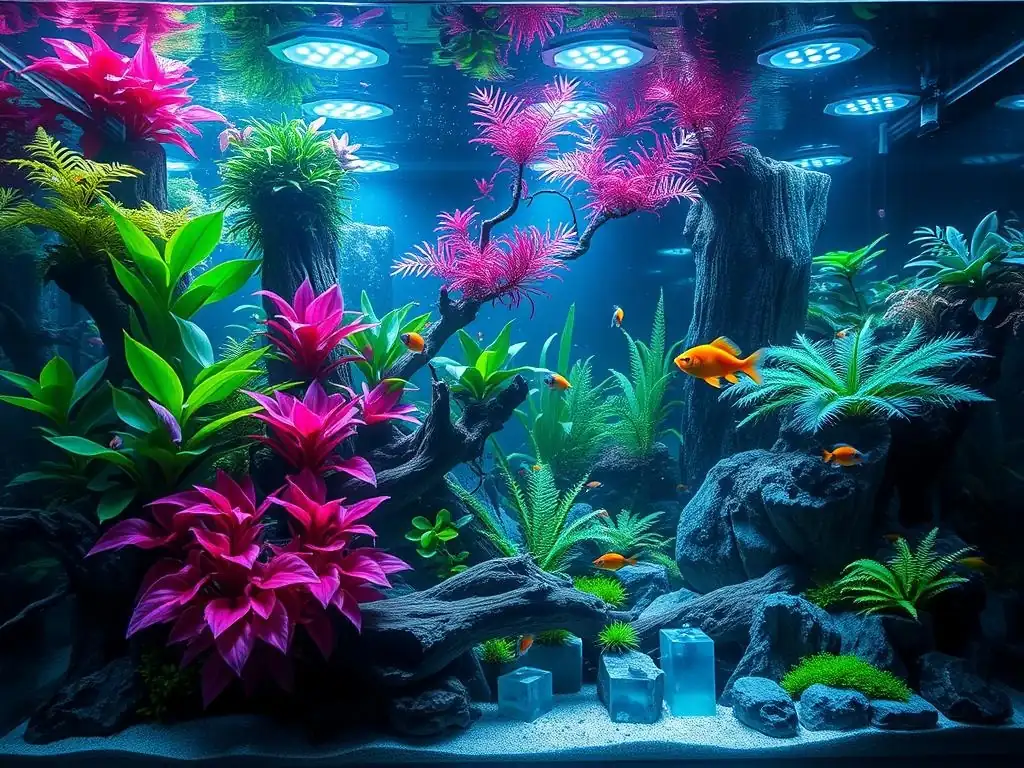
Ever wondered how to unlock the secret to truly vibrant, flourishing planted aquascapes? In "The Aquarist's Edge," we dive deep into the world of hightech planted aquarium lighting, unveiling the power it holds to transform your underwater world. But which light is right for your vision? Let's illuminate the path to a breathtaking, thriving ecosystem – your journey to aquarium mastery starts now!
- Understanding High-Tech Planted Aquarium Lighting for Optimal Growth
-
Key Factors in Selecting High-Tech Planted Aquarium Lighting
- PAR (Photosynthetically Active Radiation): Measuring Light Intensity
- PUR (Photosynthetic Usable Radiation): Optimizing Light Spectrum
- Kelvin (Color Temperature): Achieving Natural-Looking Light
- Light Spectrum: Red, Blue, and Green Wavelengths for Plant Health
- Light Fixture Types: LEDs vs. Metal Halide vs. T5 Fluorescent
- High-Tech LED Lighting: The Modern Choice for Planted Aquariums
- Metal Halide Lighting: High Intensity, High Maintenance
- T5 Fluorescent Lighting: A Balanced Approach
- Matching Lighting to Your Planted Aquarium Needs
- Optimizing Your High-Tech Planted Aquarium Lighting Setup
- High-Tech Lighting Maintenance and Longevity
- Investing in the Best High-Tech Planted Aquarium Lighting: Final Recommendations
-
Frequently Asked Questions
- How does high-tech lighting benefit a planted aquarium?
- What types of lighting are considered "high-tech" for planted tanks?
- How do I determine the appropriate light intensity for my high-tech planted aquarium?
- What is PAR, and why is it important for high-tech planted aquariums?
- Can I use too much light in a high-tech planted aquarium?
- Final Reflection: Illuminating the Future of Aquascaping
- Ignite Your Aquascape: Unveil a Vibrant Underwater Paradise!
Understanding High-Tech Planted Aquarium Lighting for Optimal Growth
Why High-Tech Lighting Matters for Planted Tanks
High-tech planted aquarium lighting is not merely about illuminating your tank; it's about providing the precise energy source that allows aquatic plants to thrive and reach their full potential. Unlike low-tech setups, which rely on ambient or basic light for hardy, slow-growing species, high-tech systems are designed to support a vibrant, dynamic aquascape filled with demanding plant varieties.
This superior illumination drives robust photosynthesis, leading to accelerated growth rates, richer coloration, and denser foliage, transforming your underwater landscape into a truly lush and captivating ecosystem. Without adequate and appropriate high-tech planted aquarium lighting, even the most meticulously planned aquascape can suffer from stunted growth, pale leaves, and an increased susceptibility to algae, as plants struggle to outcompete unwanted growths for limited resources.
The intensity and spectrum provided by advanced lighting solutions enable plants to engage in more efficient cellular processes, including the production of chlorophyll and the development of intricate root systems. This means that species like Rotala macrandra, known for its vibrant red hues, or delicate foreground plants such as Hemianthus callitrichoides 'Cuba', which forms a dense carpet, can truly flourish.
For example, a high-tech setup might achieve growth rates where stem plants add several inches per week, whereas a low-tech tank might see only an inch or less in the same period. This accelerated growth is crucial for achieving the desired aquascape aesthetic quickly and maintaining it effectively, making high-tech planted aquarium lighting an indispensable component for serious aquascapers aiming for professional-grade results.
Defining "High-Tech": PAR, PUR, and Spectrum Explained
When discussing high-tech planted aquarium lighting, the definition extends far beyond simple brightness. It encompasses three critical metrics: Photosynthetically Active Radiation (PAR), Photosynthetic Usable Radiation (PUR), and the light spectrum itself. PAR measures the total amount of light within the 400-700 nanometer (nm) range, which is the specific portion of the electromagnetic spectrum that plants use for photosynthesis.
For a high-tech planted tank, target PAR values at the substrate level typically range from 50 to over 100 micromoles per square meter per second (µmol/m²/s), indicating a significant energy input for plant growth. This intensity is crucial for deep tanks or those with demanding plant species, ensuring light penetrates effectively.
PUR, on the other hand, refines the concept of PAR by focusing on the specific wavelengths that plants utilize most efficiently. While PAR measures all light in the photosynthetic range, PUR emphasizes the peaks in the blue (around 430-470 nm) and red (around 620-670 nm) regions, as these are the primary wavelengths absorbed by chlorophyll for energy conversion.
High-tech planted aquarium lighting systems are often engineered to optimize PUR, providing a spectrum that is not just bright but precisely tailored to maximize plant photosynthetic efficiency. The overall light spectrum refers to the complete distribution of wavelengths emitted by the light source.
A full spectrum light, often including green wavelengths, can enhance the visual appeal of the tank and contribute to a more balanced plant health, even if green light is less efficiently used for photosynthesis than red or blue. Many advanced LED lights offer tunable spectrums, allowing aquarists to fine-tune the color output for both plant growth and aesthetic preferences.
CO2 Injection and Lighting: The Interconnected Ecosystem
The success of a high-tech planted aquarium hinges on a delicate balance between powerful high-tech planted aquarium lighting, adequate carbon dioxide (CO2) injection, and a robust nutrient supply. These three elements form an interconnected ecosystem, where the abundance of one directly impacts the demand for the others. High-intensity lighting significantly accelerates the rate of photosynthesis in aquatic plants.
During photosynthesis, plants convert light energy, CO2, and water into sugars for growth, releasing oxygen as a byproduct. With increased light intensity, plants' metabolic rates skyrocket, leading to a much higher demand for CO2. Without sufficient CO2, plants cannot fully utilize the intense light provided, leading to stunted growth, yellowing leaves, and a significant disadvantage against algae, which can thrive on excess light and available nutrients.
Therefore, CO2 injection is not merely an optional add-on but a critical component in any high-tech planted aquarium setup. Maintaining stable CO2 levels, typically between 25-35 parts per million (ppm), is essential to support the vigorous growth stimulated by high-tech planted aquarium lighting. For example, if a tank with 80 µmol/m²/s PAR light has CO2 levels below 10 ppm, plants will likely show signs of carbon deficiency, such as melting or slow growth, even with ample light.
This imbalance often leads to widespread algae blooms, as the algae capitalize on the unused light and nutrients. The synergistic relationship means that investing in premium high-tech lighting necessitates an equally robust CO2 system to achieve the lush, algae-free aquascape that high-tech setups promise.
Key Factors in Selecting High-Tech Planted Aquarium Lighting
PAR (Photosynthetically Active Radiation): Measuring Light Intensity
PAR, or Photosynthetically Active Radiation, is the most crucial metric when evaluating high-tech planted aquarium lighting, as it quantifies the actual light energy available for photosynthesis. It measures the number of photons within the 400-700 nanometer wavelength range that strike a square meter per second, expressed in micromoles per square meter per second (µmol/m²/s). Unlike lumens or watts, which measure light perceived by the human eye or power consumption, PAR directly correlates to a plant's ability to grow.
For high-tech planted tanks, PAR values are typically divided into categories: low light (15-30 µmol/m²/s), medium light (30-50 µmol/m²/s), and high light (50-100+ µmol/m²/s). Most demanding aquatic plants, such as Glossostigma elatinoides or vibrant red stem plants, require high PAR levels to exhibit their best growth and coloration.
When selecting high-tech planted aquarium lighting, it's essential to consider the PAR output at the substrate level, as light intensity diminishes with water depth. For instance, a light fixture might produce 150 µmol/m²/s directly under it at the surface, but this could drop to 60-80 µmol/m²/s at the bottom of a 20-inch deep tank. Aquascapers often use PAR meters to precisely measure the light intensity at various points within their tank, ensuring uniform coverage and adequate light for all plants.
This precise measurement helps prevent issues like shading or insufficient light for foreground plants. Investing in a light with adjustable PAR output or one known for strong PAR penetration is vital for creating a thriving high-tech planted aquarium.
PUR (Photosynthetic Usable Radiation): Optimizing Light Spectrum
While PAR measures the quantity of light suitable for photosynthesis, PUR (Photosynthetic Usable Radiation) refines this by focusing on the quality of light, specifically the wavelengths most efficiently absorbed and utilized by plants. Plants primarily rely on chlorophyll a and b for photosynthesis, which absorb light most effectively in the blue (approximately 430-470 nm) and red (approximately 620-670 nm) regions of the spectrum.
High-tech planted aquarium lighting designed with PUR optimization in mind will feature strong peaks in these specific wavelengths, ensuring that the light energy is converted into growth as efficiently as possible. This targeted spectrum often leads to more vigorous growth and vibrant colors compared to lights with a broad, untargeted spectrum, even if their total PAR output is similar.
Many modern high-tech LED lighting systems are engineered to provide a PUR-optimized spectrum, often incorporating specific LED diodes for red, blue, and sometimes even deep red or far-red light to enhance various plant processes. For example, blue light is crucial for chlorophyll production and compact growth, while red light promotes stem elongation, flowering, and overall biomass accumulation.
Some studies suggest that a small amount of green light (500-570 nm), while less efficiently absorbed by chlorophyll, can penetrate deeper into plant canopies and reflect off leaves, contributing to overall plant health and providing a more natural visual appearance. Therefore, when choosing high-tech planted aquarium lighting, look beyond just the PAR number and consider the spectral distribution to ensure your plants are receiving the most beneficial wavelengths for their development.
Kelvin (Color Temperature): Achieving Natural-Looking Light
Kelvin (K) measures the color temperature of light, indicating how "warm" (reddish-yellow) or "cool" (bluish-white) the light appears to the human eye. While Kelvin is primarily an aesthetic consideration for high-tech planted aquarium lighting, it indirectly influences plant growth and significantly impacts the visual appeal of your aquascape. For planted aquariums, color temperatures typically range from 6,500K to 8,000K are generally favored.
A 6,500K light closely mimics natural daylight conditions during midday, providing a balanced spectrum that supports healthy plant growth while rendering colors accurately. This temperature is often considered ideal for general plant growth and provides a pleasing, natural look to the tank.
Lights with higher Kelvin ratings, such as 7,000K or 8,000K, tend to have a cooler, more bluish-white appearance. While they can enhance the vibrant greens of plants and the blues of certain fish, excessively high Kelvin ratings (e.g., 10,000K or higher) can sometimes appear too blue and may not provide a balanced spectrum for all plant needs, potentially leading to algae issues if not properly balanced with other light parameters.
Conversely, lower Kelvin lights (e.g., 4,000K) appear warmer and more yellow, which might be aesthetically less appealing for a planted tank. Many high-tech planted aquarium lighting fixtures, especially LEDs, offer adjustable Kelvin settings, allowing aquarists to fine-tune the color temperature to their personal preference while still providing the necessary PAR and PUR for robust plant growth.
Light Spectrum: Red, Blue, and Green Wavelengths for Plant Health
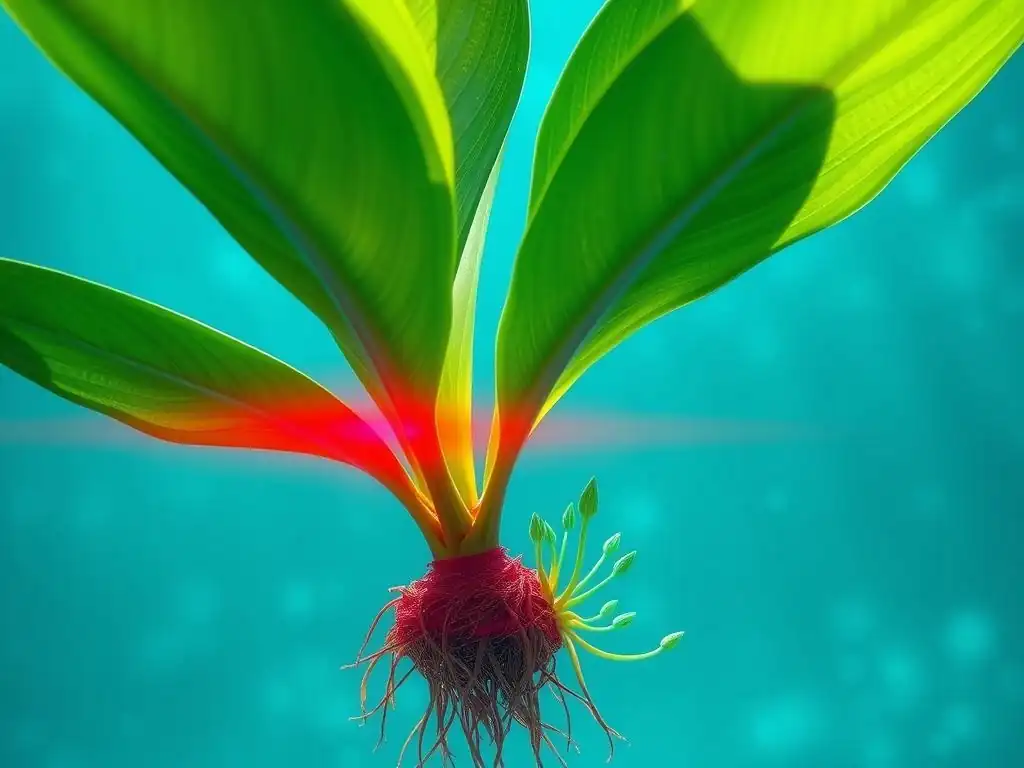
The light spectrum, which refers to the distribution of different wavelengths of light, is a critical factor in the efficacy of high-tech planted aquarium lighting for plant health. While plants utilize various wavelengths, the red (600-700 nm) and blue (400-500 nm) portions of the spectrum are paramount for photosynthesis. Blue light is essential for chlorophyll synthesis, promoting compact, bushy growth and preventing stem elongation.
It is particularly important for the initial stages of plant development and for maintaining a dense, low-growing carpet. Red light, on the other hand, is crucial for processes like stem elongation, flowering, and the overall biomass accumulation. A proper balance of red and blue light is vital for comprehensive plant development, ensuring both vegetative growth and structural integrity.
Beyond red and blue, the role of green light (500-600 nm) in high-tech planted aquarium lighting is often debated but increasingly recognized. While green light is reflected by chlorophyll, giving plants their green appearance, a portion of it is absorbed and can penetrate deeper into the plant canopy, reaching lower leaves that might be shaded from direct red and blue light. This can contribute to the overall health and vigor of the entire plant.
Furthermore, green light significantly enhances the visual appeal of the aquascape, making the vibrant reds and greens of the plants pop and creating a more natural aesthetic. Many advanced LED systems offer a full spectrum, incorporating a balanced mix of red, blue, green, and sometimes even UV or far-red wavelengths, allowing aquarists to optimize for both plant growth and visual beauty.
Light Fixture Types: LEDs vs. Metal Halide vs. T5 Fluorescent
When selecting high-tech planted aquarium lighting, aquarists primarily choose among three main fixture types: Light Emitting Diodes (LEDs), Metal Halide, and T5 Fluorescent. Each type offers distinct advantages and disadvantages concerning energy efficiency, heat output, spectral control, and initial cost. LEDs have emerged as the dominant choice in recent years due to their superior energy efficiency, long lifespan (often 50,000+ hours), and unparalleled spectral customization.
Modern high-tech LED fixtures allow precise control over individual color channels, enabling aquarists to fine-tune the spectrum for optimal plant growth and aesthetic appeal, often with integrated dimming and sunrise/sunset features. While initial costs for high-quality LEDs can be higher, their lower operating costs and longevity often result in long-term savings.
Metal Halide lighting, once the gold standard for high-intensity planted tanks, offers immense PAR output and excellent light penetration, making them suitable for very deep aquariums or extremely demanding plant species. However, they generate significant heat, require active cooling, have a shorter bulb lifespan (around 6-12 months), and consume more power. T5 Fluorescent lighting represents a balanced approach, offering good PAR output and a wide range of spectrum-specific bulbs for plant growth.
They are generally more affordable than high-end LEDs and produce less heat than metal halides. However, T5 bulbs need to be replaced annually to maintain optimal spectrum and intensity, and they offer less spectral control compared to advanced LED units. The choice among these high-tech planted aquarium lighting types depends on the specific needs of the aquascape, budget, and desired level of control.
High-Tech LED Lighting: The Modern Choice for Planted Aquariums
Advantages of LED Lighting for Planted Tanks
High-tech LED lighting has rapidly become the preferred choice for planted aquariums due to its numerous advantages over traditional lighting methods. One of the most significant benefits is their exceptional energy efficiency. LEDs convert a much higher percentage of electrical energy into light, drastically reducing electricity consumption compared to metal halides or T5 fluorescents.
For example, a high-quality 60-watt LED fixture can often provide comparable PAR to a 150-watt metal halide or a multi-bulb T5 setup, leading to substantial savings on electricity bills over time. This efficiency also translates to lower heat output, which is crucial for maintaining stable water temperatures in the aquarium and reducing the need for additional cooling equipment.
Another major advantage of high-tech LED lighting is their incredible longevity. Most quality LED fixtures boast a lifespan of 50,000 hours or more, meaning they can operate for several years without needing replacement, significantly reducing maintenance costs and hassle compared to bulbs that require annual or bi-annual changes. Furthermore, LEDs offer unparalleled spectral control and dimmability.
Many advanced units feature multiple color channels (e.g., red, green, blue, white) that can be individually adjusted, allowing aquarists to precisely customize the light spectrum to optimize plant growth, enhance specific plant colors, and create dynamic sunrise/sunset simulations. This level of control, often managed via smartphone apps or integrated controllers, provides flexibility unmatched by other lighting types, making high-tech planted aquarium lighting with LEDs a truly versatile solution.
Despite their numerous advantages, high-tech LED lighting for planted tanks also comes with a few considerations that aquarists should be aware of. The primary disadvantage is often the initial upfront cost. High-quality, full-spectrum LED fixtures with advanced features like individual channel control and app connectivity can be significantly more expensive than comparable T5 fluorescent or even some metal halide setups.
For instance, a premium 24-inch LED fixture might cost anywhere from $200 to $600 or more, whereas a T5 fixture of similar size with bulbs could be half that price. While the long-term energy savings and longevity often offset this initial investment, it can be a barrier for aquarists on a tight budget.
Another potential drawback, particularly with some lower-end or poorly designed LED fixtures, is the lack of proper light spread or "hotspotting." While powerful, some LEDs can concentrate light in a very narrow beam, leading to intensely lit areas directly beneath the fixture and shadowed areas elsewhere in the tank, especially in wider aquariums. This uneven distribution can hinder uniform plant growth across the aquascape.
Additionally, while LEDs produce less heat than metal halides, some high-powered units can still generate enough heat to require passive or active cooling to prevent overheating of the fixture itself, which could shorten its lifespan. Ensuring proper ventilation around the high-tech planted aquarium lighting unit is crucial to mitigate this.
Popular High-Tech LED Lighting Brands: Chihiros vs. Twinstar vs. Fluval
In the realm of high-tech planted aquarium lighting, several brands have established themselves as leaders, offering advanced LED solutions tailored for demanding aquascapes. Among the most popular and respected are Chihiros, Twinstar, and Fluval, each bringing unique strengths to the market. Chihiros is renowned for its powerful PAR output and comprehensive RGB spectrums, often delivering exceptional vibrancy and growth for red plants.
Twinstar, originating from Korea, is celebrated for its sleek, minimalistic design and a spectrum specifically optimized for plant growth, particularly known for enhancing green and red hues beautifully. Fluval, a well-established brand in the aquarium industry, offers user-friendly and feature-rich LED lights that cater to a wide range of aquarists, often at a more accessible price point. The choice among these high-tech planted aquarium lighting brands often comes down to specific aesthetic preferences, budget, and the desired level of control and intensity.
Chihiros WRGB II: A Powerful and Versatile Option
The Chihiros WRGB II series stands out as a highly popular and powerful choice for high-tech planted aquarium lighting, particularly favored by aquascapers aiming for vibrant plant coloration and robust growth. This fixture is designed to deliver a full spectrum with a strong emphasis on red, green, and blue (RGB) diodes, providing intense light that penetrates deep into the water column.
Its high PAR output ensures that even the most demanding aquatic plants receive ample energy for photosynthesis, leading to dense foliage and rich, saturated colors, especially for red plant species. The WRGB II series is available in various lengths to accommodate different tank sizes, making it a versatile option for a wide range of aquascapes.
Features of Chihiros WRGB II
The Chihiros WRGB II boasts a comprehensive set of features that make it a top contender in high-tech planted aquarium lighting. It incorporates a full RGB spectrum, allowing for precise color rendition and optimal plant growth across the board. The fixture offers exceptionally high PAR output, with models like the WRGB II 60 (for 60cm tanks) delivering over 80 µmol/m²/s at a 30cm depth, making it suitable for even the most light-demanding plants.
Control is managed via a dedicated smartphone app (My Chihiros APP), which allows users to customize the intensity of each color channel (red, green, blue, white), set detailed 24-hour light schedules with sunrise and sunset effects, and even simulate lightning. The sleek, minimalist design, coupled with adjustable legs or optional hanging kits, provides flexible installation options above the aquarium.
Pros and Cons of Chihiros WRGB II
Pros:
- Exceptional PAR Output: Delivers very high light intensity, ideal for high-demand plants and carpeting species.
- Full RGB Spectrum: Provides vibrant colors and promotes strong growth for a wide variety of aquatic plants, including reds.
- Advanced App Control: The My Chihiros APP offers extensive customization, including individual channel dimming, programmable schedules, and special effects.
- Sleek Design: Aesthetically pleasing and well-built, complementing modern aquascapes.
- Good Value for Performance: Often offers a competitive price point for its high output and features compared to some other premium brands.
Cons:
- Heat Generation: Due to its high power, the fixture can generate significant heat, requiring good ventilation above the tank.
- No Built-in Controller: Relies solely on the smartphone app for control, which might be inconvenient for some users without a smartphone.
- Potentially Too Intense for Beginners: Its high power requires careful management of CO2 and nutrients to prevent algae outbreaks, making it less forgiving for novice aquarists.
Twinstar LED: Sleek Design and Optimized Spectrum
Twinstar LED lighting fixtures are highly regarded in the aquascaping community for their minimalist aesthetic and a meticulously optimized spectrum designed to bring out the best in aquatic plants. Originating from Korea, Twinstar lights are often characterized by their slim profiles and elegant build quality, seamlessly blending into the aquascape without distraction.
Beyond their looks, these high-tech planted aquarium lighting units are engineered with a specific focus on the wavelengths crucial for both vigorous plant growth and the vibrant expression of plant colors, particularly known for making greens pop and enhancing subtle reds. They often employ a combination of white LEDs with strategically placed RGB diodes to achieve their signature spectrum.
Features of Twinstar LED
Twinstar LED lights, such as the popular E-series or S-series, are characterized by their specialized full-spectrum white LEDs combined with strategically placed RGB LEDs to create a balanced light. This design aims to provide high PAR while ensuring a natural visual appearance and enhancing plant coloration. While some models may not offer individual color channel control like Chihiros, their pre-tuned spectrum is highly effective for plant growth.
Twinstar lights typically feature a passive cooling design, relying on their aluminum housing to dissipate heat efficiently. They come with adjustable legs for easy mounting on various tank rim sizes, and some series offer integrated dimmers or compatibility with external controllers for basic intensity adjustments. The overall design emphasizes a clean, unobtrusive look above the aquarium.
Pros and Cons of Twinstar LED
Pros:
- Optimized Spectrum for Coloration: Particularly effective at enhancing the vibrant greens and subtle reds of aquatic plants, creating a stunning visual effect.
- Sleek and Minimalist Design: Extremely thin and aesthetically pleasing, blending well with modern aquascapes.
- Excellent Build Quality: Known for durable construction and reliable performance.
- Good PAR Output: Provides sufficient intensity for most high-tech planted tanks, promoting healthy growth.
- Natural Light Appearance: The balanced spectrum often results in a very natural and appealing look for the aquarium.
Cons:
- Higher Price Point: Generally one of the more expensive options for high-tech planted aquarium lighting.
- Less Customization: Most models do not offer individual RGB channel control, limiting the ability to fine-tune the spectrum beyond what is pre-set.
- Less Intense for Extreme Demands: While excellent for most high-tech setups, some ultra-demanding red plants or very deep tanks might benefit from higher PAR lights like certain Chihiros models.
Fluval Plant 3.0: User-Friendly and Affordable
The Fluval Plant 3.0 LED light represents a strong contender in the high-tech planted aquarium lighting market, particularly appealing to aquarists who prioritize ease of use, comprehensive features, and a more accessible price point. As part of a well-established brand in the aquarium hobby, Fluval Plant 3.0 fixtures are designed with the user in mind, offering intuitive control and a balanced spectrum optimized for planted tanks.
They aim to provide a full spectrum of light necessary for photosynthesis, promoting strong plant growth and vibrant colors, while integrating smart features that simplify daily operation. This light is a popular choice for aquarists looking for a reliable and feature-rich high-tech lighting solution without venturing into the very top-tier price brackets.
Features of Fluval Plant 3.0
The Fluval Plant 3.0 LED light is packed with features designed to enhance plant growth and user convenience. It utilizes a powerful 6-band spectrum, including crucial red, blue, green, and white LEDs, to deliver a balanced and effective light for photosynthesis, promoting lush growth and vibrant coloration. A standout feature is its integrated Bluetooth connectivity, allowing full control via the FluvalSmart App on a smartphone or tablet.
Through the app, users can customize the light spectrum, intensity, and create programmable 24-hour light cycles with gradual sunrise, sunset, and even cloud cover effects. The fixture is IP67 waterproof rated, providing protection against splashes and accidental submersion. Its extendable mounting brackets allow for easy installation on a variety of tank sizes.
Pros and Cons of Fluval Plant 3.0
Pros:
- User-Friendly App Control: The FluvalSmart App is intuitive and provides comprehensive control over spectrum, intensity, and scheduling, making it very accessible.
- Balanced 6-Band Spectrum: Delivers a wide range of wavelengths beneficial for diverse plant species, supporting strong growth and color.
- Affordable Price Point: Generally more budget-friendly than some other premium high-tech LED options, offering great value for its features.
- Integrated Features: Built-in Bluetooth and programmable cycles eliminate the need for external controllers.
- Durable and Waterproof: IP67 rating provides peace of mind against water damage.
Cons:
- Lower Peak PAR: While sufficient for most high-tech setups, its peak PAR output may be slightly lower than the most powerful Chihiros models, potentially limiting growth for the absolute most demanding plants in very deep tanks.
- Less Intense Red Enhancement: While it supports red plants, some aquascapers find that dedicated RGB fixtures like Chihiros can bring out more intense red coloration.
- Aesthetic Preference: The design, while functional, may not be as sleek or minimalist as some Twinstar models.
Metal Halide Lighting: High Intensity, High Maintenance
Advantages of Metal Halide Lighting for Planted Tanks
Metal halide lighting, while less common in modern high-tech planted aquarium setups compared to LEDs, historically represented the pinnacle of high-intensity illumination for demanding aquascapes. Their primary advantage lies in their unparalleled PAR output and exceptional light penetration, making them ideal for very deep aquariums (e.g., 24 inches or more) or tanks housing extremely light-hungry plant species that might struggle under less intense lighting.
A single 150-watt metal halide bulb can deliver significantly higher PAR values at depth than many LED or T5 setups, ensuring even bottom-dwelling carpets receive ample light. This intense light often results in incredibly vigorous plant growth and dense, compact forms, mimicking the strong, direct sunlight found in natural aquatic environments.
Furthermore, metal halide bulbs typically offer a very broad and natural spectrum, often perceived as providing a "sparkle" or "shimmer" effect on the water's surface, similar to sunlight reflecting off water. This aesthetic quality can greatly enhance the visual appeal of the aquascape, making it appear more dynamic and lifelike.
While they generate considerable heat, some aquascapers find that the specific quality of light from metal halides can bring out unique coloration in certain plant species that might not be as pronounced under other lighting types. For those prioritizing raw power and deep light penetration above all else, metal halides can still be a viable, albeit more challenging, option for high-tech planted aquarium lighting.
Despite their high intensity, metal halide lighting presents several significant disadvantages that have led to their decline in popularity for high-tech planted aquarium lighting in favor of LEDs. The most prominent drawback is the substantial heat generation. Metal halide bulbs produce a large amount of heat, which can significantly raise the aquarium's water temperature, often necessitating the use of chillers or powerful fans to prevent overheating and stress on aquatic life.
This increased energy consumption for cooling adds to the overall operational cost. Another major disadvantage is their relatively short lifespan and rapid degradation of spectrum. Metal halide bulbs typically need to be replaced every 6 to 12 months to maintain optimal PAR and spectrum, as their output diminishes considerably over time, leading to recurring replacement costs.
Furthermore, metal halide fixtures consume a considerable amount of electricity compared to modern LEDs, leading to higher utility bills. They also lack the fine-tuned spectral control and dimming capabilities that are standard in advanced LED systems. Most metal halide setups are either on or off, with no gradual sunrise/sunset features or individual color channel adjustments.
The initial cost of the fixture can also be high, and the ongoing expense of bulb replacements adds up. Finally, the bulkiness and heat output of metal halide fixtures can make them less aesthetically pleasing and more challenging to integrate seamlessly into a modern home environment compared to the sleek, low-profile designs of many LED units.
When to Consider Metal Halide Lighting (and When to Avoid It)
Metal halide lighting, while largely superseded by LEDs for most applications, still holds a niche for very specific high-tech planted aquarium scenarios. You might consider metal halide lighting if you are setting up an exceptionally deep aquarium, perhaps 30 inches or more, where achieving sufficient PAR at the substrate level with other lighting types might be challenging or require multiple expensive LED fixtures.
Their unparalleled light penetration can effectively reach the bottom of such deep tanks, promoting robust growth for carpeting plants. Additionally, if you are an experienced aquascaper focused on growing the most demanding, light-hungry plant species that require extreme intensity, and you are prepared to manage the associated heat and maintenance, metal halides could still be an option.
However, in most contemporary high-tech planted aquarium setups, metal halide lighting should generally be avoided. The primary reasons to steer clear include their high energy consumption, significant heat generation (requiring additional cooling), short bulb lifespan with recurring replacement costs, and lack of spectral control and dimmability compared to LEDs.
For tanks under 24-26 inches deep, modern high-power LEDs can easily match or surpass the PAR output and penetration of metal halides while offering superior energy efficiency, longevity, and spectral customization. Unless you have a very specific, deep tank requirement and are fully prepared for the higher operating costs and maintenance, investing in a high-quality LED system for your high-tech planted aquarium lighting will almost always be a more practical, cost-effective, and user-friendly choice.
T5 Fluorescent Lighting: A Balanced Approach
Advantages of T5 Fluorescent Lighting for Planted Tanks
T5 fluorescent lighting has long been a popular and effective choice for high-tech planted aquarium lighting, offering a balanced approach between performance and cost. One of its significant advantages is the wide availability of specialized bulbs with various color temperatures and spectrums tailored specifically for plant growth. Aquarists can combine different bulbs, such as 6500K daylight, roseate, or actinic blue, to create a customized spectrum that optimizes photosynthesis and enhances plant coloration.
This modularity allows for a degree of spectral tuning that is not possible with older T8 or T12 fluorescents. T5 bulbs also provide excellent light spread across the tank, reducing the likelihood of "hotspots" or shaded areas, ensuring more uniform growth for all plants.
Furthermore, T5 fixtures generally offer good PAR output for their wattage, making them suitable for medium to high-light planted tanks without the extreme heat generation of metal halides. They are also typically more affordable for the initial setup compared to high-end LED systems, making them an attractive option for aquarists on a moderate budget. While not as energy-efficient as LEDs, they are more efficient than older fluorescent types.
The relatively slim profile of T5 bulbs also allows for compact fixtures, which can be less obtrusive than some bulkier lighting solutions. For many years, T5 high-tech planted aquarium lighting was considered the standard for achieving lush, vibrant aquascapes before the widespread adoption of advanced LEDs.
Despite their advantages, T5 fluorescent lighting for high-tech planted aquariums comes with several disadvantages that have contributed to their gradual decline in popularity. The most significant drawback is the relatively short lifespan of the bulbs and their rapid degradation of spectrum and intensity. T5 bulbs typically need to be replaced every 9 to 12 months to maintain optimal PAR output and spectral quality for plant growth.
Failing to replace them regularly leads to diminished light, which can cause stunted plant growth and encourage algae outbreaks. These recurring bulb replacement costs can add up significantly over the years, eroding some of the initial cost savings compared to LEDs.
Another disadvantage is their higher energy consumption compared to modern high-tech LED lighting. While more efficient than older fluorescents, T5s still draw more power for comparable PAR output than advanced LEDs, leading to higher electricity bills. They also produce more heat than LEDs, although less than metal halides, which can still impact tank temperatures in warmer climates.
Furthermore, T5 fixtures generally offer less precise control over dimming and spectrum compared to high-end LEDs. While you can mix and match bulbs, you cannot individually adjust the intensity of specific color channels or program complex sunrise/sunset effects as seamlessly as with smart LED systems. This lack of granular control limits the flexibility for advanced aquascaping techniques and dynamic lighting schedules.
T5 Bulbs: Choosing the Right Spectrum for Plant Growth
Choosing the right T5 bulbs is crucial for optimizing plant growth in a high-tech planted aquarium, as the spectrum of light emitted directly impacts photosynthesis and coloration. Unlike single-spectrum LEDs, T5 fixtures rely on a combination of different bulbs to achieve the desired effect. For general plant growth, a common choice is a "daylight" or "full spectrum" bulb, typically rated around 6500K.
These bulbs provide a balanced white light that closely mimics natural sunlight, offering a broad spectrum of wavelengths beneficial for overall plant health. They are excellent for promoting lush green growth and are usually the primary light source in a T5 setup.
To enhance specific aspects of plant growth or coloration, aquarists often supplement daylight bulbs with "grow" bulbs or specialized "plant-specific" T5s. For instance, a roseate or pink-hued bulb (often around 8000K or with a higher red component) can significantly enhance the red and pink coloration of plants like Rotala rotundifolia or Ludwigia repens, making them pop.
Blue-spectrum bulbs (e.g., actinic or 10000K) can promote compact growth and contribute to a crisp, vibrant look, though they should be used sparingly to avoid an overly blue tank. A typical high-tech planted aquarium lighting setup with T5s might involve a 2:1 or 3:1 ratio of 6500K daylight bulbs to a roseate or specialized grow bulb, providing a powerful and balanced spectrum for demanding plants.
Matching Lighting to Your Planted Aquarium Needs
Small Tank Lighting (Under 20 Gallons): Nano-Tank Considerations
For small planted tanks, typically under 20 gallons (often referred to as nano tanks), selecting the appropriate high-tech planted aquarium lighting requires careful consideration of intensity and footprint. While these tanks are compact, they can still host a vibrant high-tech aquascape with demanding plants like Hemianthus callitrichoides 'Cuba' or miniature Bucephalandra species. The challenge lies in providing sufficient PAR without overwhelming the small volume of water, which can quickly lead to algae if light is too intense without adequate CO2 and nutrients. Many specialized nano LED fixtures are available that offer high PAR output in a compact form factor.
When choosing high-tech planted aquarium lighting for a nano tank, look for fixtures with dimmable capabilities and a good spread to cover the entire footprint evenly. For a 10-gallon tank, a light with 30-50 PAR at the substrate might be considered medium-high, while 50-80+ PAR would be very high.
Popular choices include compact versions of Chihiros WRGB II Slim, Twinstar E-series, or even specialized desktop planted tank lights from brands like ONF. It's crucial to start with lower intensity and gradually increase it, closely monitoring plant response and algae growth, as the smaller water volume makes these tanks more sensitive to parameter fluctuations.
Medium Tank Lighting (20-55 Gallons): Balancing Intensity and Coverage
Medium-sized planted tanks, ranging from approximately 20 to 55 gallons, represent a sweet spot for many aquascapers, offering ample space for diverse plant layouts while remaining manageable. For these tanks, high-tech planted aquarium lighting needs to strike a balance between providing sufficient intensity for demanding plants and ensuring uniform coverage across the entire footprint. A common tank size in this range, such as a 40-gallon breeder (36"x18"x16"), requires a light fixture that can effectively illuminate its width and depth. Overlapping light sources or fixtures with wide-angle optics can be beneficial to eliminate shaded areas.
For a medium-sized high-tech planted aquarium, target PAR values at the substrate typically range from 60 to 90 µmol/m²/s for most demanding plants. Many flagship high-tech LED lights from brands like Chihiros, Twinstar, and Fluval are specifically designed for tanks in this size range, offering models from 24 inches to 48 inches in length.
For instance, a 36-inch Chihiros WRGB II can provide excellent coverage and intensity for a 40-gallon breeder. When selecting high-tech planted aquarium lighting for these tanks, consider fixtures with robust heat sinks, as they will be operating at higher power levels, and ensure they offer programmable schedules to manage photoperiods effectively.
Large Tank Lighting (55+ Gallons): Achieving Uniform Illumination
Illuminating large planted tanks, those 55 gallons and above, presents unique challenges for high-tech planted aquarium lighting, primarily centered around achieving uniform intensity across a broad footprint and significant depth. Tanks like 75-gallon (48"x18"x21") or 120-gallon (48"x24"x24") setups require powerful fixtures that can penetrate deep water columns and spread light evenly from end to end.
A single fixture may not be sufficient for very wide tanks, often necessitating the use of two or more synchronized lights to prevent dark spots and ensure all plants receive adequate PAR. For example, a 48-inch 75-gallon tank might benefit from two 24-inch high-power LED units or a single 48-inch unit known for its wide spread.
When selecting high-tech planted aquarium lighting for large tanks, prioritize fixtures with high PAR output at depth and excellent light distribution capabilities. Brands offering modular systems or very long fixtures (e.g., 60-inch or 72-inch models) are ideal. For a 24-inch deep 120-gallon tank, aim for PAR values of 70-100+ µmol/m²/s at the substrate for high-demand species.
Consider fixtures that offer adjustable mounting options, such as hanging kits, to fine-tune the height and spread of the light. The investment in high-quality, powerful high-tech planted aquarium lighting is crucial for large aquascapes to thrive, as inadequate illumination will quickly lead to poor growth and algae issues across the vast area.
Plant Light Requirements: From Low-Light to High-Demand Species
Understanding the light requirements of your chosen aquatic plants is fundamental to selecting the appropriate high-tech planted aquarium lighting and ensuring a thriving aquascape. Plants are generally categorized into three main light demand groups: low, medium, and high. Low-light plants, such as Anubias barteri, Java Fern, and Cryptocoryne wendtii, are hardy and can flourish under PAR levels ranging from 15-30 µmol/m²/s.
These species are forgiving and often do well with basic lighting, though they still benefit from a balanced spectrum. Medium-light plants, including many Vallisneria species, Amazon Swords, and common stem plants like Ludwigia palustris, typically require PAR values of 30-50 µmol/m²/s for optimal growth.
High-demand plants are the ones that truly necessitate high-tech planted aquarium lighting. This category includes carpeting plants like Hemianthus callitrichoides 'Cuba', vibrant red stem plants such as Rotala macrandra, and delicate species like Blyxa japonica. These plants require PAR levels of 50-100+ µmol/m²/s at the substrate, along with consistent CO2 injection and nutrient dosing, to exhibit their full potential, dense growth, and intense coloration.
For instance, achieving a lush red carpet of Alternanthera reineckii 'Mini' demands consistently high PAR and a spectrum rich in red wavelengths. Mixing plants from different light categories in the same tank requires careful planning, often placing higher-demand plants directly under the most intense light and lower-demand plants in shaded areas or at the edges of the light's footprint.
Optimizing Your High-Tech Planted Aquarium Lighting Setup
Light Duration and Photoperiod: Creating a Natural Cycle
Optimizing light duration, or photoperiod, is a critical aspect of managing high-tech planted aquarium lighting to promote healthy plant growth and prevent algae. While high intensity is vital, prolonged exposure to intense light can be detrimental, leading to algae blooms and stressing plants. Most aquatic plants thrive on a consistent photoperiod of 8 to 10 hours per day.
This duration allows for sufficient photosynthesis to drive growth without providing excessive light that can fuel algae. For instance, a common schedule might be from 10:00 AM to 8:00 PM. Exceeding 10-12 hours of high-intensity light often provides no additional benefit to plants but significantly increases the risk of algae, as algae are generally more opportunistic and can utilize light more efficiently than higher plants when other resources are limited.
Many aquascapers also employ a siesta period, typically a 2-4 hour mid-day break in the light cycle. For example, a schedule could be 4 hours on, 2 hours off, then 4 hours on. The theory behind the siesta is that it allows plants to "rest" and recover from the intense light, while potentially disrupting the photosynthetic cycle of certain types of algae, which may be less adaptable.
This break can sometimes help manage algae issues, especially green spot algae. High-tech planted aquarium lighting systems with built-in timers and customizable schedules, particularly advanced LED units, make it easy to implement precise photoperiods and siestas, ensuring plants receive light consistently and optimally without manual intervention.
Light Intensity and Algae Control: Finding the Right Balance
Finding the right balance between light intensity and algae control is perhaps the most challenging aspect of optimizing high-tech planted aquarium lighting. While high PAR is essential for demanding plants, excessive intensity, especially when not matched with adequate CO2 and nutrient levels, is the leading cause of algae outbreaks.
Algae are opportunistic organisms that can quickly capitalize on an abundance of light and any imbalance in the tank's ecosystem. For example, if your high-tech planted aquarium lighting delivers 80 µmol/m²/s PAR but your CO2 is unstable or too low (e.g., below 20 ppm), plants will struggle to photosynthesize efficiently, leaving excess light energy and nutrients for algae to exploit.
To mitigate algae, it's crucial to introduce high-tech planted aquarium lighting gradually. Start with a lower intensity (e.g., 50-70% of maximum) and a shorter photoperiod (e.g., 6-7 hours), then slowly increase both over several weeks as plants adapt and show healthy growth, while consistently monitoring for algae. A PAR meter can be invaluable here to precisely measure light output and ensure it aligns with your plants' needs.
If algae appears, the first step is often to reduce light intensity or shorten the photoperiod. This approach, combined with stable CO2 injection (25-35 ppm) and a balanced fertilization regimen, creates an environment where plants outcompete algae for resources, allowing your high-tech planted aquarium to thrive.
Using a Light Controller: Automating Your Lighting Schedule
Utilizing a light controller is paramount for fully optimizing and automating your high-tech planted aquarium lighting setup, offering precision and convenience that manual operation cannot match. Modern controllers, often integrated into the light fixture itself or accessible via smartphone apps (e.g., Chihiros My Chihiros APP, FluvalSmart App), allow aquarists to program complex lighting schedules.
This includes setting precise on/off times, gradual sunrise and sunset effects, and even mid-day siesta periods. For instance, a controller can simulate a natural dawn over 30-60 minutes, slowly increasing light intensity, which reduces stress on fish and allows plants to gradually "wake up" and begin photosynthesis.
Beyond basic on/off functions, advanced high-tech planted aquarium lighting controllers enable fine-tuning of individual color channels (red, green, blue, white) throughout the day. This allows aquascapers to emphasize certain colors during peak viewing hours or provide specific spectrums at different stages of the plant's photoperiod.
For example, some might program a higher blue component in the morning to encourage compact growth, transitioning to a more balanced spectrum for the main photoperiod, and ending with a warmer, red-heavy sunset. Automating these schedules ensures consistency, which is vital for stable plant growth and algae prevention, while also freeing the aquarist from daily manual adjustments, making a high-tech planted aquarium much more manageable.
PAR Meters: Measuring Light Output for Optimal Plant Growth
A PAR meter (Photosynthetically Active Radiation meter) is an invaluable tool for any serious aquascaper committed to optimizing their high-tech planted aquarium lighting. Unlike lumens or watts, which measure light perceived by the human eye or power consumption, a PAR meter directly quantifies the light energy available for photosynthesis within the 400-700 nanometer spectrum, providing readings in micromoles per square meter per second (µmol/m²/s). This precise measurement allows aquarists to objectively assess the actual light intensity reaching their plants at various depths and locations within the tank, eliminating guesswork and ensuring optimal conditions.
Using a PAR meter, you can accurately determine if your high-tech planted aquarium lighting is providing sufficient intensity for your specific plant species, whether you have hot spots or shaded areas, and how light penetrates to the substrate. For instance, you might discover that your foreground plants are only receiving 30 µmol/m²/s PAR, while your background plants are getting 90 µmol/m²/s, indicating uneven light distribution.
This data empowers you to make informed adjustments, such as raising or lowering the light fixture, adding secondary lights, or re-arranging hardscape to improve light uniformity. While PAR meters represent an investment (often renting one is an option), the precise data they provide is crucial for fine-tuning your high-tech planted aquarium lighting to achieve vibrant, algae-free growth.
High-Tech Lighting Maintenance and Longevity
Cleaning Your Light Fixture: Preventing Light Loss
Regular cleaning of your high-tech planted aquarium lighting fixture is a simple yet crucial maintenance task that directly impacts its performance and the health of your plants. Over time, dust, water splashes, mineral deposits (especially from hard water evaporation), and even algae can accumulate on the light's lens or protective cover. This buildup acts as a physical barrier, significantly reducing the amount of light that reaches the water and your plants.
Even a thin film can diminish PAR output by 10-20% or more, essentially dimming your high-tech planted aquarium lighting without you realizing it. This reduced light can lead to stunted plant growth, pale leaves, and an increased susceptibility to algae, as plants struggle to photosynthesize efficiently.
To prevent this light loss, it is recommended to clean your fixture's lens or cover at least once a week, or more frequently if you notice significant buildup. Always ensure the light is unplugged and cool before cleaning. Use a soft, lint-free cloth and distilled water or a mild, aquarium-safe glass cleaner (ensure no residue enters the tank).
For stubborn mineral deposits, a dilute vinegar solution can be effective, but always rinse thoroughly with distilled water. Pay particular attention to the underside of the fixture facing the water, as this is where most deposits will accumulate. Consistent cleaning ensures your high-tech planted aquarium lighting operates at its peak efficiency, providing your plants with all the light energy they need.
Bulb Replacement: Maintaining Optimal Spectrum and Intensity
For high-tech planted aquarium lighting systems that utilize replaceable bulbs, such as T5 fluorescents or metal halides, understanding the importance of timely bulb replacement is paramount for maintaining optimal spectrum and intensity. Unlike LEDs, which have very long lifespans with minimal degradation, fluorescent and metal halide bulbs experience a significant decline in light output (PAR) and a shift in their spectral quality over time.
For T5 fluorescent bulbs, this degradation becomes noticeable after approximately 9 to 12 months of daily use, even if the bulb still appears to be "on." A 12-month-old T5 bulb may only be emitting 60-70% of its initial PAR, and its spectrum may have shifted away from the ideal wavelengths for plant photosynthesis.
Metal halide bulbs degrade even faster, often requiring replacement every 6 to 9 months for optimal performance in a high-tech planted aquarium. This degradation leads to reduced plant growth, poor coloration, and an increased risk of algae outbreaks due to the imbalanced light. Therefore, adhering to a strict bulb replacement schedule, even if the bulbs haven't "burned out," is crucial for ensuring your plants consistently receive the precise light energy they need.
While this adds to the ongoing cost of high-tech planted aquarium lighting, it's a necessary investment to maintain a vibrant and healthy aquascape. Always replace bulbs with those of the same type and spectrum to avoid sudden changes that could shock your plants or trigger algae.
Troubleshooting Common Lighting Problems
Even with the best high-tech planted aquarium lighting, you might encounter issues that require troubleshooting. One common problem is insufficient plant growth or pale leaves despite seemingly adequate light. This often indicates a PAR deficiency or an imbalanced spectrum. First, ensure the light is clean and free of obstructions.
If using an adjustable LED, try increasing the intensity or adjusting the spectrum, perhaps boosting red and blue channels. If possible, measure PAR at the substrate. If the PAR is too low, consider raising the light, adding a second fixture, or upgrading to a more powerful high-tech planted aquarium lighting unit. Remember, insufficient CO2 or nutrient deficiencies can also mimic light-related issues, so check those parameters as well.
Conversely, excessive algae growth, particularly green spot algae, green dust algae, or hair algae, is frequently a sign of too much light intensity relative to CO2 and nutrient availability. In this scenario, the first troubleshooting step for your high-tech planted aquarium lighting is to reduce the light intensity (dim it) or shorten the photoperiod by an hour or two. Ensure your CO2 levels are stable and within the optimal range (25-35 ppm).
If you notice flickering lights or complete failure, check power connections, timers, and the integrity of the fixture itself. For LED units, ensure proper ventilation to prevent overheating, which can shorten their lifespan. Always consult the manufacturer's manual for specific troubleshooting steps for your high-tech planted aquarium lighting model.
Investing in the Best High-Tech Planted Aquarium Lighting: Final Recommendations
Our Top Picks for Different Tank Sizes and Budgets
Choosing the best high-tech planted aquarium lighting involves balancing performance, features, and budget. For nano tanks (under 20 gallons), the Chihiros WRGB II Slim or Twinstar E-Series Mini are excellent choices, offering high PAR in a compact form factor with good spectral control. These typically range from $80-$150, providing ample light for carpeting plants in smaller setups.
For medium tanks (20-55 gallons), the Chihiros WRGB II (e.g., 60cm or 90cm models) stands out for its powerful output and vibrant color rendition, making it ideal for demanding aquascapes. The Fluval Plant 3.0 is a strong contender in this range for its user-friendly app control and balanced spectrum at a more accessible price point, often found between $150-$300 depending on size.
For large tanks (55+ gallons), achieving uniform high intensity often requires premium high-tech planted aquarium lighting. The Chihiros WRGB II Pro or Twinstar S-Series (e.g., 120cm models) are top-tier options, providing exceptional PAR penetration and broad coverage. These fixtures can range from $300-$600+.
For very wide tanks, consider using two synchronized smaller high-power units instead of one large one to ensure even light distribution. If budget is a primary concern, a multi-bulb T5 HO fixture can still provide good high-tech planted aquarium lighting for medium to large tanks, particularly if you are comfortable with annual bulb replacements. Ultimately, the best choice aligns with your specific tank dimensions, plant demands, and willingness to invest in a long-term, high-performance solution.
Further Resources for Planted Aquarium Lighting
To deepen your understanding of high-tech planted aquarium lighting and continue optimizing your aquascape, several resources can provide additional insights. Exploring detailed reviews and comparison articles from reputable aquascaping websites and forums is highly recommended, as these often include real-world PAR measurements and long-term user experiences with various fixtures. Many aquascaping communities on platforms like Reddit or dedicated forums offer valuable discussions and troubleshooting tips from experienced hobbyists. You can learn from others' successes and challenges with specific high-tech planted aquarium lighting models.
For a more scientific approach, delve into articles and research papers on plant physiology and photobiology, which explain how different light wavelengths and intensities impact aquatic plant growth at a cellular level. YouTube channels dedicated to aquascaping frequently feature in-depth reviews, setup guides, and comparisons of high-tech planted aquarium lighting, often providing visual demonstrations of light spread and color rendition.
Finally, consider acquiring or renting a PAR meter if you are serious about precision. This tool will empower you to objectively measure your light output and fine-tune your high-tech planted aquarium lighting setup for truly optimal plant health and vibrant aquascaping results.
Frequently Asked Questions
How does high-tech lighting benefit a planted aquarium?
High-tech lighting provides the intense light required for photosynthesis in demanding aquatic plants. This leads to vigorous growth, vibrant colors, and the ability to cultivate a wider range of species, ultimately creating a lush aquascape.
What types of lighting are considered "high-tech" for planted tanks?
Generally, LED fixtures and some metal halide systems are considered high-tech. These offer high PAR (Photosynthetically Active Radiation), efficiency, and often, customizable spectrum control for optimal plant growth.
How do I determine the appropriate light intensity for my high-tech planted aquarium?
Light intensity depends on tank size, plant species, and CO2 levels. A good starting point is to research the light requirements of the specific plants you intend to keep. Then adjust PAR levels gradually, monitoring plant response.
What is PAR, and why is it important for high-tech planted aquariums?
PAR, or Photosynthetically Active Radiation, measures the amount of light available for plants to use in photosynthesis. Higher PAR generally means faster plant growth and the ability to keep more demanding species.
Can I use too much light in a high-tech planted aquarium?
Yes, excessive light can lead to algae blooms and stress plants. It's crucial to balance light intensity with CO2 and nutrient levels to prevent issues. Consider using a dimmer or timer to control light output.
Final Reflection: Illuminating the Future of Aquascaping
The journey into high-tech planted aquarium lighting has revealed not just the technical specifications and product comparisons, but also the profound impact these advancements have on the art of aquascaping. The ability to precisely control light spectrum and intensity has transformed what's possible, allowing aquarists to cultivate vibrant, thriving ecosystems within the confines of glass, pushing the boundaries of creativity and biological harmony. This isn't just about brighter lights; it's about unlocking the full potential of aquatic flora.
This exploration has underscored the deep connection between technology and nature and how responsible application can lead to breathtaking results. The pursuit of the perfect planted aquarium is a continuous learning process, a dance between scientific understanding and artistic vision. The best and most beautiful things in the world cannot be seen or even touched - they must be felt with the heart.
- Helen Keller. This quote resonates deeply, reminding us that the true beauty of a planted aquarium lies not just in its visual appeal, but in the feeling of tranquility and connection it evokes.
Now, as you consider your own aquascaping aspirations, remember that the choice of lighting is more than a technical decision; it's an investment in the health, beauty, and longevity of your underwater world. Embrace the knowledge you've gained, experiment with confidence, and allow the light to guide you towards creating a truly captivating and thriving aquatic masterpiece. Let your aquarium be a testament to the power of informed choices and the beauty of nature, illuminated by your own ingenuity.
Ignite Your Aquascape: Unveil a Vibrant Underwater Paradise!
Thank you for diving into the world of high-tech planted aquariums! We hope you’ve gained valuable insights into choosing the perfect lighting to unlock the full potential of your underwater garden. Now, let's bring those insights to life!
Ready to transform your aquarium? Here are a few things you can do right now:
- Calculate Your PAR: Use our free PAR calculator on AquariumMastery.com to precisely determine the optimal light intensity for your plants.
- Explore different lighting spectrums: Research different light wavelengths and their impact on the growth and coloration of your specific aquatic plants. Consider experimenting to find the sweet spot!
- Share your lighting journey: Post a picture of your aquascape setup on social media using #AquariumMasteryLighting and tell us what lighting system you're using!
What's one small tweak you can make to your lighting setup this week to see a big difference in your plant growth?