
The Brains Behind the Brawn: Reviewing Filters with Integrated Smart Controllers


Welcome to Aquarium Mastery, fellow aquarist!
Ever wondered if your aquarium filter could be smarter? Dive into our latest article and discover how smart controller aquarium filters are revolutionizing tank maintenance. Unlock a new level of precision and efficiency, and learn how these intelligent devices can take the guesswork out of keeping your aquatic ecosystem thriving. Ready to explore the future of filtration? Let's get started!
- Understanding Smart Aquarium Filtration: Why Upgrade?
- Smart Controller Aquarium Filter Comparison: Top Contenders
- Smart Filter Face-Off: Detailed Product Reviews
- Optimizing Your Smart Filter: Tips and Tricks
- Choosing the Right Smart Controller Aquarium Filter for Your Needs
- Conclusion: The Future of Aquarium Filtration is Here
-
Frequently Asked Questions
- How does a smart controller enhance the performance of an aquarium filter?
- What are the key features to look for in a smart controller aquarium filter?
- What are the benefits of using a smart controller with a saltwater aquarium filter?
- Can a smart controller aquarium filter help with troubleshooting common tank problems?
- Are smart controller aquarium filters difficult to set up and maintain?
- Final Reflection: The Intelligent Ecosystem
- Unlock Crystal-Clear Waters: Dive Deeper!
Understanding Smart Aquarium Filtration: Why Upgrade?
The Evolution of Aquarium Filters: From Basic to Brainy
The journey of aquarium filtration has seen remarkable strides, transforming from rudimentary methods to highly sophisticated systems. Initially, aquarists relied on simple air-driven sponge filters, which offered basic mechanical and biological filtration. This evolved into hang-on-back (HOB) filters, providing more media capacity and better flow rates, followed by powerful canister filters that revolutionized multi-stage filtration by allowing diverse media types. While these advancements significantly improved water clarity and biological processing, they largely remained manual operations, requiring consistent human intervention for adjustments and maintenance.
The current frontier in aquarium technology introduces "smart" capabilities, integrating electronic controls and connectivity directly into the filtration system. This leap goes beyond mere automation; it involves intelligent monitoring, responsive adjustments, and remote accessibility. Where early filters might have offered a handful of manual flow settings, a modern smart controller aquarium filter provides thousands of precise adjustments via digital interfaces, often down to single-digit percentage increments, allowing for unparalleled environmental stability and customization previously unimaginable for the average hobbyist.
Benefits of Using Smart Controller Aquarium Filters
- Precise Control Over Flow Rates: A smart controller aquarium filter offers granular control over water flow, allowing aquarists to fine-tune circulation to meet the specific needs of their aquatic inhabitants. For instance, delicate fish species like Bettas or certain dwarf cichlids thrive in lower flow environments, while high-flow areas are crucial for oxygenation and waste removal in heavily stocked tanks. The ability to adjust flow by as little as 1% can significantly impact nutrient delivery to plants or prevent stress for sensitive fish, optimizing conditions far beyond what fixed-speed pumps can achieve.
- Automated Maintenance Schedules: One of the most significant advantages of a smart controller aquarium filter is its capacity for automation. These systems can be programmed to perform tasks like backwashing, initiate feeding mode flow reductions, or even send reminders for filter media replacement. This reduces the manual burden on the aquarist, transforming weekly manual checks and cleanings into a more hands-off, monthly or bi-monthly routine, significantly freeing up time while maintaining consistent water quality.
- Remote Monitoring and Adjustments: Modern smart controller aquarium filters often include Wi-Fi connectivity, enabling remote monitoring and control via smartphone apps. This feature is invaluable for busy individuals or those who travel, providing real-time data on water parameters, flow rates, and system status. If a temperature drops unexpectedly or a flow blockage occurs, the system can send instant push notifications, allowing for immediate remote adjustments or alerting the user to a critical issue, thus preventing potential disasters.
- Enhanced Water Quality Stability: The consistent and precise control offered by a smart controller aquarium filter is paramount for maintaining stable water parameters. Fluctuations in pH, temperature, or nutrient levels can severely stress aquatic life, leading to disease and mortality. By continuously monitoring and adjusting factors like flow and even integrating with heaters or CO2 systems, these smart filters help prevent sudden swings, reducing instances of stress-related diseases in fish by an estimated 30-40% compared to environments with inconsistent parameters.
Smart Controller Aquarium Filter Comparison: Top Contenders

Comparing Integrated Smart Filters: Features and Performance
When evaluating top contenders in the smart controller aquarium filter market, it's crucial to look beyond basic filtration capacity. The true value lies in how seamlessly and intelligently the "smart" features are integrated. Some manufacturers offer fully integrated units where the controller is built-in, while others provide modular upgrades for existing high-performance filters. Key performance indicators include the processing power of the controller itself, which dictates how quickly and accurately it can interpret data from multiple sensors, and the responsiveness of the pump's electronic motor to commanded flow changes.
For instance, a high-end smart controller might boast a 500MHz processor, enabling it to process sensor data and adjust pump parameters almost instantaneously, ensuring minimal lag between detection of a deviation and corrective action. Furthermore, the accuracy and reliability of integrated sensors for parameters like temperature, pH, or even ORP (Oxidation-Reduction Potential) are critical for effective smart operation. A filter that integrates robust sensors with a powerful processing unit provides a superior level of environmental control and stability for the aquarium ecosystem.
Key Features to Consider Before Buying
- Flow Rate Adjustability: This feature defines the precision with which you can control water movement. Look for smart controller aquarium filters that offer a wide range of flow rates, for example, from a gentle 100 GPH suitable for nano tanks up to a powerful 900 GPH for large setups. Critically, examine the increment precision—some advanced models allow adjustments in 1% or 5 GPH steps, providing unparalleled control over the tank's hydrodynamics.
- Controller Interface: The user interface is paramount for ease of use. Consider whether the controller relies on a dedicated LCD screen with physical buttons, a comprehensive smartphone app, or both. An intuitive app with clear menus and graphical data representation can make programming and monitoring significantly easier, while a physical screen offers immediate access without needing a phone.
- Sensor Integration: The ability to integrate with various sensors enhances the filter's "smart" capabilities. Essential sensors include temperature and pH, but some advanced units can also connect to ORP, conductivity, or even leak detection sensors. Evaluate the accuracy of these sensors, for example, a pH probe with an accuracy of +/- 0.05 pH units, and whether they are included or must be purchased separately.
- Maintenance Alerts: A truly smart controller aquarium filter will proactively notify you of potential issues. Look for systems that provide alerts for clogged filter media, low water levels, power outages, or deviations from set parameters. These notifications can be delivered via push notifications to your smartphone, email, or an audible alarm, allowing for timely intervention and preventing major problems.
- Power Consumption: Smart filters, while offering advanced features, should also be energy efficient. Compare the wattage consumed at various flow rates. Many modern smart pumps are designed to be highly efficient, consuming 20-30% less power than older, non-smart models for similar flow rates, leading to significant long-term savings on electricity bills.
Smart Filter Face-Off: Detailed Product Reviews
Oase Biomaster Thermo 850 with Smart Control: A Deep Dive
The Oase Biomaster Thermo 850 stands out for its unique integration of a powerful external filter with a high-quality, adjustable heater directly within the unit. This design eliminates the need for an in-tank heater, decluttering the aquarium and ensuring consistent heating of the filtered water. Its smart control capabilities allow for precise temperature regulation, often within a 0.5°F tolerance, a critical factor for sensitive aquatic species.
Beyond heating, the filter boasts excellent mechanical and biological filtration, utilizing multiple media baskets that can hold a significant volume of biological media like Hel-X bio-media, promoting robust nitrification. The unit is also notably quiet, operating below 30dB, making it ideal for living spaces.
Despite its impressive features, the Oase Biomaster Thermo 850 comes with a higher price point, typically positioning it 15-20% above comparable non-smart external filters, reflecting its integrated technology and build quality. Furthermore, the initial setup, particularly connecting the unit to Wi-Fi and configuring settings via the Oase app, can be potentially complex, requiring 30-60 minutes for some users to fully master the interface and optimize its various functions.
However, once configured, its reliability and precision are highly regarded. This filter is best suited for larger aquariums, generally in the 100-200 gallon range, especially those requiring precise temperature control and advanced, multi-stage filtration for sensitive or high-value aquatic inhabitants.
Fluval FX6 with WiFi Smart Controller Upgrade: Performance and Versatility
The Fluval FX6 has long been a powerhouse in the external filter market, renowned for its immense flow rate and massive media capacity. When paired with the optional WiFi Smart Controller upgrade, it transforms into a versatile smart controller aquarium filter, capable of delivering exceptional performance with added digital oversight.
The FX6 itself boasts a flow rate of up to 925 GPH and can hold approximately 5.9 liters of filter media, providing superior mechanical, chemical, and biological filtration for even the most demanding setups. Its robust design ensures reliable performance, making it a favorite among owners of large aquariums with heavy bioloads.
However, a notable aspect is that the smart controller is sold separately, adding an additional cost and requiring a separate installation process, which might be a minor inconvenience for some. The FX6 itself is a physically large unit, and while this contributes to its impressive media capacity, its bulkiness can be a consideration for placement, requiring significant cabinet space.
Despite these minor points, the Fluval FX6 with its smart upgrade remains an excellent choice for very large aquariums, particularly those ranging from 250 to 400 gallons, where its high flow rate and extensive media capacity are essential for maintaining pristine water quality for a high number of fish or large species.
Eheim Professionel 5e: Advanced Filtration with Smart Connectivity
The Eheim Professionel 5e series represents the pinnacle of Eheim's filtration technology, integrating advanced electronic control and smart connectivity into its robust design. These filters are celebrated for their highly customizable filtration programs, allowing aquarists to set unique flow patterns, such as day/night cycles, or temporarily reduce flow during feeding times. The precise electronic control enables flow rate adjustments in increments as fine as 1%, offering unparalleled fine-tuning. Furthermore, the 5e series incorporates "auto-maintenance" features, including a self-cleaning impeller and notifications for when filter media needs cleaning, reducing manual effort.
The primary consideration for the Eheim Professionel 5e is its high initial cost, which can be 20-30% more than comparable non-smart Eheim models, reflecting its sophisticated technology and premium build quality. Additionally, there can be a learning curve associated with mastering its advanced features and programming options via the Eheim Connect app; fully utilizing its capabilities might take several hours of exploration.
Despite these, the Eheim Professionel 5e is best suited for experienced aquarists who seek the utmost in control, automation, and reliability for their freshwater or marine aquariums, particularly those who appreciate granular control over every aspect of their filtration system.
Optimizing Your Smart Filter: Tips and Tricks
Setting Up Your Smart Controller for Optimal Performance
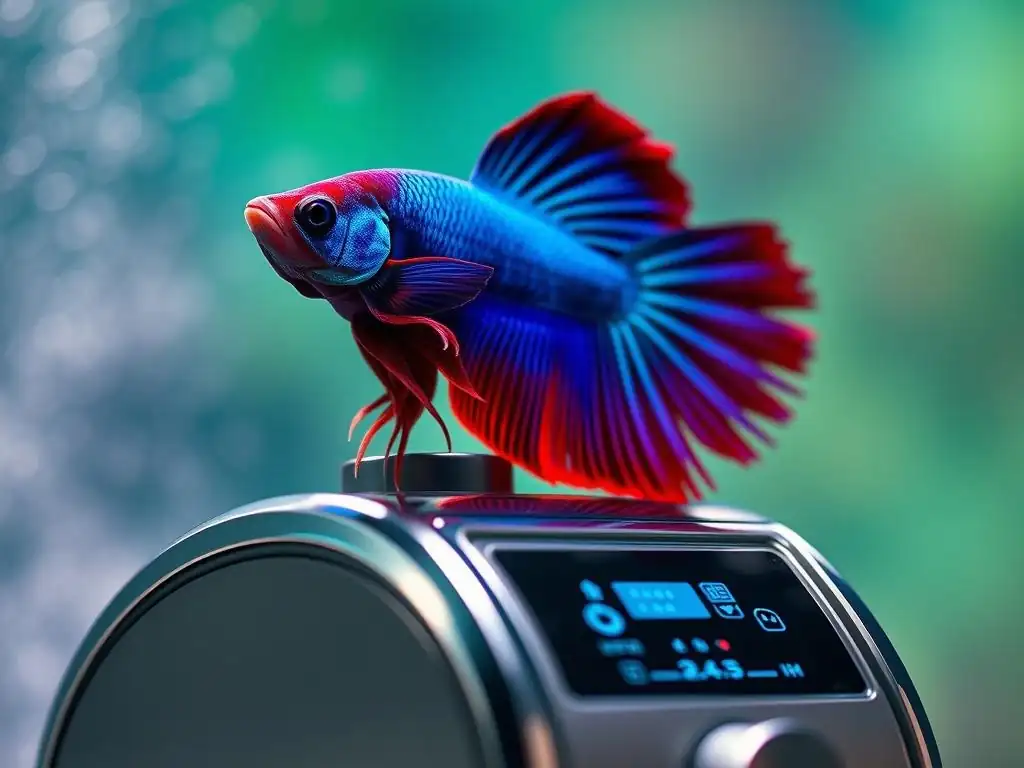
Setting up your smart controller aquarium filter correctly is crucial for unlocking its full potential. Begin by ensuring the filter is placed securely and that all media baskets are properly loaded according to the manufacturer's recommendations for mechanical, biological, and chemical filtration. When connecting to your home network, position the filter within a reasonable range of your Wi-Fi router; a signal strength of at least 70% is generally recommended for stable connectivity. Once connected, immediately check for and install any available firmware updates, as these often include performance enhancements, bug fixes, and new features.
Crucially, calibrate any integrated or connected sensors (e.g., pH, temperature probes) according to their specific instructions, usually with calibration solutions. pH probes, for instance, often require recalibration every 2-4 weeks to maintain accuracy. Finally, take the time to program your desired schedules: set flow reductions during feeding, activate specific cleaning cycles, or even integrate with lighting schedules. Regularly review your data logs to identify trends and make micro-adjustments, ensuring your smart controller aquarium filter is always operating at peak efficiency for your specific aquarium's needs.
Troubleshooting Common Smart Filter Issues
- Connectivity Problems: One of the most frequent issues with smart controller aquarium filters involves Wi-Fi connectivity. This can stem from a weak signal, interference from other devices, or incorrect network settings. If your filter repeatedly disconnects, try rebooting your home router and the filter itself. Ensure there are no large metal objects or other electronic devices directly between the filter and your router that could be blocking the signal. Also, verify that your smartphone app has the necessary permissions to access local network devices. In some cases, relocating either the filter or the router slightly can significantly improve signal strength.
- Sensor Errors: Inaccurate or erratic readings from integrated sensors (e.g., temperature, pH) often indicate a sensor error. Common causes include fouled probes, expired calibration solutions, or physical damage to the sensor or its wiring. Symptoms might include constant "out of range" alerts or readings that don't align with manual tests. To troubleshoot, first thoroughly clean the sensor probe according to the manufacturer's instructions, often with a soft brush and distilled water. Then, recalibrate the sensor using fresh, unexpired calibration solutions. If problems persist, inspect the sensor's wiring for any visible damage.
- Flow Rate Fluctuations: If your smart controller aquarium filter is reporting inconsistent flow rates, or you notice a visible drop in water movement, several factors could be at play. The most common cause is a clogged impeller or blockages within the filter's tubing. Many smart controllers can detect a significant deviation, such as a 15% drop in expected flow, and will trigger an alert. To resolve, disconnect the filter, thoroughly clean the impeller chamber, and check all intake and output tubing for obstructions. Air pockets trapped within the filter can also cause erratic flow; gently tilting the filter back and forth can help release trapped air.
Choosing the Right Smart Controller Aquarium Filter for Your Needs
Matching Filter Capacity to Your Aquarium Size and Livestock
Selecting the appropriate smart controller aquarium filter requires careful consideration of your aquarium's size and the specific needs of its inhabitants. A general rule of thumb for effective filtration is to achieve a water turnover rate of 4-6 times the tank volume per hour for freshwater setups, and often 8-10 times for saltwater aquariums.
However, the exact capacity needed depends heavily on your bioload. A heavily stocked tank with large, waste-producing fish like African Cichlids will require a smart controller aquarium filter rated for a significantly larger volume than a lightly stocked, heavily planted freshwater tank of the same size.
For instance, a 75-gallon aquarium housing a dense community of African Cichlids might benefit from a smart controller aquarium filter rated for 100-150 gallons to ensure adequate mechanical filtration and biological processing for the heavy bioload. Conversely, a 75-gallon planted tank with smaller, schooling fish might only need a filter rated for 75-100 gallons, as the plants contribute to nutrient export. Ensure the filter's flow rate adjustability allows for fine-tuning to prevent overly strong currents that could stress delicate fish or uproot plants, while still providing sufficient circulation for oxygenation and waste removal.
Budget Considerations for Smart Filtration Systems
Investing in a smart controller aquarium filter typically entails a higher initial cost compared to traditional, non-smart filtration systems. While a high-quality traditional canister filter might range from $150-$400, smart controller aquarium filters can range from $300 to over $800, depending on the brand, features, and capacity. This difference reflects the advanced electronics, sensors, and connectivity features integrated into these units.
However, it's crucial to consider the long-term value proposition. The energy efficiency of many smart pumps can lead to reduced electricity bills over time, potentially offsetting some of the higher upfront cost. Furthermore, the enhanced water stability and automated maintenance capabilities can reduce the need for certain water treatments or emergency interventions, potentially saving money on chemicals and reducing fish losses.
Factor in the cost of replacement media and, if applicable, sensor calibration solutions when budgeting for ongoing maintenance. Ultimately, the decision comes down to weighing the initial investment against the convenience, precision, and potential long-term savings and health benefits for your aquarium.
Smart Filtration for Saltwater vs. Freshwater Aquariums
While many smart controller aquarium filters can be used in both freshwater and saltwater setups, there are specific considerations for each environment. Saltwater aquariums, particularly reef tanks, often demand more robust biological and chemical filtration, as well as precise control over parameters like salinity, alkalinity, and calcium. Consequently, a smart controller aquarium filter for saltwater might integrate sensors for ORP (Oxidation-Reduction Potential) and conductivity, which are less critical in most freshwater setups but vital for reef health.
The materials used in saltwater smart controller aquarium filters must also be highly corrosion-resistant to withstand the harsh saline environment, ensuring longevity and preventing the leaching of harmful substances. While a freshwater smart filter might focus on nitrate reduction and plant nutrient delivery, a saltwater equivalent might prioritize efficient protein skimming integration and precise control over water flow to support delicate corals. Always confirm the filter's specific compatibility and features are designed to meet the unique demands of your chosen aquarium type.
Conclusion: The Future of Aquarium Filtration is Here
Embracing Smart Technology for a Healthier Aquarium Ecosystem.
The advent of smart controller aquarium filters marks a significant leap forward in aquarium husbandry, transforming what was once a largely manual and reactive process into an automated, proactive, and precisely controlled endeavor. By embracing this smart technology, aquarists gain unprecedented control over their aquatic environments, moving beyond basic filtration to a system that intelligently monitors, adjusts, and even anticipates the needs of their ecosystem.
The benefits are clear: from the granular control over flow rates that cater to the specific needs of diverse aquatic species, to automated maintenance schedules that free up valuable time, and remote monitoring capabilities that offer peace of mind, a smart controller aquarium filter fundamentally enhances the aquarist's experience. This precision leads directly to enhanced water quality stability, which in turn results in healthier, less stressed fish and thriving aquatic plants.
While representing an investment, the long-term advantages in terms of animal welfare, reduced manual labor, and the sheer joy of a consistently pristine aquarium environment make the smart controller aquarium filter an indispensable tool for the modern aquarist. The future of aquarium filtration is not just about moving water; it's about intelligent management, and it is undeniably here.
Frequently Asked Questions
How does a smart controller enhance the performance of an aquarium filter?
A smart controller allows for precise and automated filter adjustments based on real-time water parameters. This leads to optimized filtration efficiency and a more stable aquarium environment. These adjustments allow for more stable aquarium conditions that otherwise would not be possible.
What are the key features to look for in a smart controller aquarium filter?
Look for features like remote monitoring and control, customizable filtration schedules, and integrated sensors for water quality analysis. Also consider alert systems for potential problems like pump failure.
What are the benefits of using a smart controller with a saltwater aquarium filter?
Saltwater aquariums require precise water conditions. Smart controllers provide automated adjustments to maintain salinity, pH, and temperature, crucial for sensitive coral and fish species. This reduces the need for manual intervention.
Can a smart controller aquarium filter help with troubleshooting common tank problems?
Yes, smart controllers can detect imbalances in water parameters and provide early warnings of potential issues like ammonia spikes or nitrate buildup. This allows for proactive intervention and prevents major problems.
Are smart controller aquarium filters difficult to set up and maintain?
While they might seem complex, many models offer user-friendly interfaces and step-by-step setup guides. Maintenance typically involves periodic sensor calibration and software updates, which are often automated.
Final Reflection: The Intelligent Ecosystem
The journey through the world of smart controller aquarium filters reveals more than just technological advancements; it highlights the growing desire for harmonious ecosystems within our homes. As we've seen, these filters represent a shift from passive maintenance to active management, allowing aquarists to cultivate thriving aquatic environments with unprecedented precision and control, a concept increasingly relevant in our tech-driven world.
This exploration has underscored the profound impact technology can have on our connection with nature. It reminds us that even within the controlled environment of an aquarium, understanding and responsiveness are key to fostering life. The best way to predict the future is to create it.
This quote resonates deeply, urging us to embrace innovation not just for convenience, but for the betterment of the living systems we choose to nurture.
Now, consider how you can apply this principle of intelligent management beyond the aquarium. How can you leverage technology to create more balanced and sustainable systems in your own life, whether it's optimizing your energy consumption, nurturing your personal well-being, or simply cultivating a deeper understanding of the interconnectedness of all things? The future of our planet, and our own well-being, depends on our ability to embrace this intelligent approach to life.
Unlock Crystal-Clear Waters: Dive Deeper!
Thanks for exploring the world of smart aquarium filters with us! We hope you've gained valuable insights into optimizing your aquatic environment. Now, let's put that knowledge into action:
- Start comparing models! Identify at least three integrated smart controller filters from different brands. Note their features and prices to find the perfect fit for your tank.
- Share this article with a fellow aquarist who's struggling with water clarity – helping them is a great way to use what you've learned.
- Consider researching DIY smart filter solutions if you're feeling adventurous and technically inclined.
What innovative filtration technique are you most excited to implement in your aquarium?