
Nano Tank Warmth: Choosing the Best Compact Heaters for Small Aquariums (Review & Setup)

Welcome to Aquarium Mastery!
Dive into the fascinating world of miniature aquatic ecosystems! Setting up a nano tank can be incredibly rewarding, but achieving the perfect balance can be tricky. Ever wondered how to keep your tiny underwater world at the ideal temperature? Our comprehensive guide to Nano tank heater setup unlocks the secrets to choosing the right heater and ensuring a thriving environment for your finned friends. Ready to discover the best compact heaters and learn how to install them flawlessly? Let's get started!
- Nano Tank Heating: Choosing the Best Compact Heaters for Small Aquariums (Review & Setup)
- Introduction: The Importance of Proper Heating in Nano Aquariums
- Selecting the Right Nano Tank Heater: Key Considerations
-
Top Nano Tank Heater Reviews: Our Recommendations
- Aqueon Pro Adjustable Heater: A Detailed Review of Features and Performance
- Fluval E Series Electronic Heater: A Comprehensive Look at its Capabilities and Suitability
- Cobalt Aquatics Neo-Therm Heater: Evaluating its Value and Reliability for Nano Aquariums
- Comparison Table: Side-by-Side Analysis of Our Top Picks
- Nano Tank Heater Setup: A Step-by-Step Guide
- Maintaining Your Nano Tank Heater for Long-Term Performance
- Advanced Tips for Nano Tank Heating
- Conclusion: Achieving Optimal Temperature Control in Your Nano Aquarium
- Frequently Asked Questions
- Final Reflection: Nurturing Miniature Ecosystems
- Ignite Your Nano Tank's Potential!
Nano Tank Heating: Choosing the Best Compact Heaters for Small Aquariums (Review & Setup)
Introduction: The Importance of Proper Heating in Nano Aquariums
Why Temperature Stability is Crucial for a Healthy Nano Tank Ecosystem
Temperature stability is paramount for the well-being of any aquatic ecosystem, and this holds especially true for nano aquariums due to their smaller water volume. In a compact environment, water temperature can fluctuate rapidly with changes in ambient room temperature, leading to significant stress for fish, invertebrates, and plants. For instance, a sudden drop from 78°F to 72°F can severely compromise the immune systems of tropical fish like Neon Tetras or Betta splendens, making them highly susceptible to diseases such as Ich (white spot disease), which thrives in fluctuating conditions.
Consistent temperatures ensure that the metabolic processes of aquarium inhabitants function optimally. For many popular nano tank species, such as Betta fish, an ideal range is 78-82°F (25.5-27.8°C). Dwarf shrimp like Neocaridina davidi (Cherry Shrimp) thrive best between 72-78°F (22.2-25.5°C). Unstable temperatures can also disrupt critical biological functions like molting in shrimp, often leading to failed molts and subsequent fatalities. A reliable heater is therefore not just an accessory but a fundamental life-support system for a thriving nano tank.
Understanding the Specific Heating Needs of Different Nano Tank Inhabitants
The diverse array of species suitable for nano tanks comes with varying thermal requirements, making it essential to understand their specific needs before selecting a heater. Most common nano tank inhabitants are tropical species that require warm, stable water. For example, a single Betta fish in a 5-gallon tank will need a consistent temperature around 78-80°F, while a small group of Chili Rasboras in a 10-gallon setup might prefer 75-78°F.
Beyond fish and invertebrates, aquatic plants also have temperature preferences that influence their growth and health. Many popular nano tank plants, such as Java Fern or Anubias, flourish in temperatures ranging from 72-80°F (22.2-26.7°C). A heater ensures that these plants can photosynthesize efficiently and maintain robust growth, contributing to the overall health and aesthetic appeal of the nano aquarium. Understanding these specific needs is the first step towards a successful nano tank heater setup.
Selecting the Right Nano Tank Heater: Key Considerations
Size and Wattage: Matching Heater Power to Your Nano Aquarium Volume
Choosing the correct wattage is critical for efficient and safe heating in a nano aquarium. A general guideline for heating an aquarium is approximately 2.5 to 5 watts per gallon for rooms with average ambient temperatures (around 68-72°F or 20-22°C). For instance, a standard 5-gallon nano tank would typically require a 25-watt heater to maintain a stable temperature. In cooler rooms, or if aiming for a higher target temperature (e.g., 80°F for Discus fry in a nano grow-out), a 50-watt heater might be more appropriate for a 5-gallon tank, providing a quicker heat-up time and better stability.
Conversely, installing an excessively powerful heater in a small nano tank can be dangerous. A 100-watt heater in a 5-gallon tank could quickly overheat the water, potentially cooking the inhabitants if the thermostat malfunctions. For a 10-gallon nano aquarium, a 50-watt heater is usually an ideal choice, offering sufficient power without being overkill. Always consider your room's average temperature and the specific needs of your aquarium's inhabitants when determining the optimal wattage for your nano tank heater setup.
Types of Nano Aquarium Heaters: A Comparison of Options
When it comes to heating a nano aquarium, several types of heaters are available, each with distinct advantages and disadvantages. Understanding these options is key to making an informed decision that suits your tank's specific requirements and your aesthetic preferences. The most common types include submersible heaters, in-line heaters, and, less commonly for primary heating, heating cables.
Each type offers a different approach to maintaining water temperature, influencing both the visual appeal and the functionality of your nano tank. It's important to weigh factors like ease of installation, required ancillary equipment, and space considerations within the compact confines of a nano aquarium before finalizing your choice.
Submersible Heaters for Nano Tanks: Pros and Cons
Submersible heaters are by far the most popular choice for nano aquariums due to their simplicity and effectiveness. They are designed to be fully submerged in the water, allowing for efficient heat transfer directly within the tank. Most models are relatively inexpensive and widely available, making them an accessible option for beginners and experienced aquarists alike.
However, submersible heaters do have drawbacks. They occupy space within the tank, which can be a significant consideration in very small nano setups where every inch counts. While many are designed to be discreet, they are still visible and can detract from a minimalist aquascape. There's also a minor risk of cracking if they are accidentally exposed to air while hot during water changes, although many modern heaters feature protective casings to mitigate this. For a straightforward nano tank heater setup, a submersible unit is often the go-to.
In-Line Heaters for Nano Aquariums: When to Consider Them
In-line heaters offer a sleek, hidden heating solution as they are installed outside the aquarium, typically within the tubing of an external canister filter or sump system. This design keeps the heater completely out of sight, providing an uncluttered and aesthetically pleasing look inside the nano tank. Heat is distributed evenly throughout the aquarium as the water circulates through the filter system, passing over the heating element.
The primary limitation of in-line heaters for nano tanks is their requirement for an external filtration system, which many smaller nano setups (e.g., 2-5 gallons) do not utilize. They are also generally more expensive than submersible heaters and involve a more complex nano tank heater setup. However, for nano tanks that do employ canister filters or have a small sump, an in-line heater like the Hydor ETH In-Line External Heater can be an excellent choice for a clean, professional appearance and consistent heating.
Heating Cables for Nano Tanks: An Alternative Approach
Heating cables, also known as substrate heaters, represent a less conventional but viable alternative for certain nano tank applications, particularly heavily planted aquariums. These cables are buried within the substrate and gently warm the gravel or sand, creating convection currents that draw nutrient-rich water down to the plant roots. This localized warming can significantly promote root growth and overall plant health.
While heating cables like the Dennerle Nano ThermoCompact Heater are excellent for supporting plant growth, they are typically not sufficient as the sole heating source for the entire water column, especially for tropical fish. They provide gentle warmth to the substrate, but the ambient water temperature may still require a small submersible heater. Their main disadvantage is the difficulty of removal or adjustment once installed, as they are buried beneath the aquascape. Therefore, they are often used in conjunction with a primary water column heater.
Safety Features: Essential Considerations for Nano Tank Heater Selection
Safety is paramount when selecting any electrical equipment for an aquarium, especially in the compact environment of a nano tank where issues can escalate quickly. Key safety features can prevent common hazards such as overheating, electrical shock, and physical damage to the heater itself. Prioritizing these features ensures the well-being of your aquatic inhabitants and the safety of your home.
Modern heaters incorporate several design elements aimed at enhancing user and pet safety, from preventing runaway temperatures to withstanding accidental impacts. Understanding these features will guide you towards a more secure and reliable nano tank heater setup.
Automatic Shut-Off: Preventing Overheating in Small Aquariums
An automatic shut-off feature is a crucial safety mechanism, particularly for nano aquariums where water volume is small and temperatures can rise rapidly. This safety function typically engages if the heater is accidentally exposed to air (e.g., during a water change when the water level drops below the heater's minimum line) or if the internal thermostat malfunctions, causing the unit to continuously heat. Without this feature, an exposed heater can quickly overheat and potentially shatter, or a malfunctioning unit could boil the tank water, leading to a catastrophic loss of aquatic life.
Heaters like the Fluval E Series Electronic Heater are known for incorporating advanced automatic shut-off systems, often coupled with low-water or dry-run protection. This provides peace of mind, knowing that in unforeseen circumstances, the heater will cease operation before causing harm. Investing in a heater with robust automatic shut-off capabilities is a wise decision for any nano tank owner.
Shatter-Resistant Materials: Ensuring Durability and Safety
The material construction of a nano tank heater plays a significant role in its durability and safety. Traditional glass heaters, while effective, are susceptible to shattering if dropped or knocked, especially during maintenance. This poses risks of electrical shock from exposed heating elements and dangerous glass shards in the tank. To mitigate these risks, many reputable manufacturers now utilize shatter-resistant materials such as high-quality quartz glass, titanium, or robust plastic casings.
Titanium heaters, for example, are virtually indestructible and immune to thermal shock, making them an excellent choice for longevity and safety. Heaters encased in durable plastic, like some Aqueon Pro models, also offer enhanced protection against impacts. Choosing a heater made from shatter-resistant materials ensures greater longevity and reduces the potential for accidents, contributing to a safer and more reliable nano tank heater setup.
Thermostat Accuracy: Maintaining Consistent Temperatures in Your Nano Tank
The thermostat's accuracy is perhaps the most critical feature of any aquarium heater, as it directly dictates the stability of your tank's temperature. In nano aquariums, even slight temperature fluctuations can cause significant stress to sensitive inhabitants. A high-quality heater should be able to maintain the set temperature within a very narrow range, ideally +/- 1°F (0.5°C).
Heaters with digital thermostats often provide superior accuracy compared to older mechanical dial-based units. For instance, advanced models like the Fluval E Series or Cobalt Aquatics Neo-Therm heaters are praised for their precise temperature control, often featuring internal sensors that continuously monitor water temperature. Always cross-reference your heater's reading with an independent, reliable aquarium thermometer to confirm accuracy and make fine-tune adjustments, ensuring optimal conditions for your nano tank's ecosystem.
Top Nano Tank Heater Reviews: Our Recommendations
Selecting the right heater for a nano tank can be a daunting task given the multitude of options available. To simplify your decision, we've reviewed some of the most popular and reliable compact heaters that are well-suited for small aquariums. Our recommendations are based on a balance of performance, safety features, durability, and user feedback, ensuring you can make an informed choice for your nano tank heater setup.
Each heater reviewed below offers unique advantages, catering to different needs and budgets. From robust and basic models to advanced units with digital displays and multiple safety features, there's a heater to match every nano aquarium requirement.
Aqueon Pro Adjustable Heater: A Detailed Review of Features and Performance
The Aqueon Pro Adjustable Heater is a popular choice for many aquarists, particularly those with nano tanks, due to its reliability and durable construction. This fully submersible heater features a shatter-resistant plastic casing, which significantly reduces the risk of breakage compared to traditional glass heaters. It incorporates an adjustable thermostat, allowing users to precisely set the desired temperature, typically ranging from 68°F to 88°F (20°C to 31°C). An indicator light signals when the heater is actively heating, providing visual confirmation of its operation.
In terms of performance, the Aqueon Pro is generally consistent in maintaining water temperature within a degree or two of the set point. For a 5-gallon nano tank, the 25-watt model is often sufficient, while the 50-watt version is ideal for 10-gallon setups or cooler environments. While it may not offer the advanced digital readouts of more expensive models, its simple, robust design and consistent heating make it an excellent, budget-friendly option for a reliable nano tank heater setup.
Fluval E Series Electronic Heater: A Comprehensive Look at its Capabilities and Suitability
The Fluval E Series Electronic Heater stands out as a premium option, packed with advanced features ideal for sensitive nano tank environments. Its most notable feature is the integrated digital display, which provides real-time water temperature readings and allows for precise temperature adjustments. This series boasts dual temperature sensors, which continuously monitor the water and provide highly accurate readings, typically within +/- 0.5°F (0.25°C) of the target temperature.
Beyond accuracy, safety is a hallmark of the Fluval E Series. It includes an integrated fish guard to prevent fish from coming into direct contact with the heating element and an automatic shut-off feature that activates if the water level drops too low or if the heater runs dry. Available in compact sizes such as 50-watt (suitable for up to 15 gallons), this heater is perfect for aquarists who prioritize precision, advanced safety, and a clear visual indication of their tank's temperature, making it a top-tier choice for a sophisticated nano tank heater setup.
Cobalt Aquatics Neo-Therm Heater: Evaluating its Value and Reliability for Nano Aquariums
The Cobalt Aquatics Neo-Therm Heater is highly regarded for its unique flat, slim design, exceptional durability, and reliable performance. Unlike traditional cylindrical heaters, its low-profile shape allows for discreet placement in nano tanks, often fitting snugly against the back wall or beneath decoration without being obtrusive. Constructed from a shatter-proof material, it is virtually indestructible and resistant to thermal shock, ensuring long-term reliability and safety.
The Neo-Therm offers precise temperature control, with some models featuring a simple one-touch set temperature or adjustable options. Its efficient design ensures even heat dispersion throughout the water column. Available in wattages as low as 25W (ideal for 2-5 gallon tanks) and 50W (suitable for up to 10 gallons), the Cobalt Neo-Therm is a premium investment that offers superior durability and a sleek aesthetic, making it an excellent choice for those seeking a high-quality, space-saving nano tank heater setup.
Comparison Table: Side-by-Side Analysis of Our Top Picks
While a literal table cannot be provided in this format, a comparative overview highlights the strengths of each recommended nano tank heater:
- Aqueon Pro Adjustable Heater: This heater is an excellent choice for budget-conscious aquarists seeking a reliable and durable unit. Its shatter-resistant plastic casing offers good protection, and it consistently maintains temperatures, making it a solid workhorse for general nano aquarium use. It's a straightforward option for a basic yet effective nano tank heater setup.
- Fluval E Series Electronic Heater: For those who prioritize precision and advanced safety features, the Fluval E Series is unmatched. Its digital display, dual sensors, and automatic shut-off provide exceptional control and peace of mind. While a higher investment, its capabilities make it ideal for sensitive inhabitants or for aquarists who demand the most accurate temperature management.
- Cobalt Aquatics Neo-Therm Heater: This heater excels in durability and discreet aesthetics. Its flat, shatter-proof design allows for unobtrusive placement, a significant advantage in small tanks where space is at a premium. It offers reliable performance and is a worthwhile premium investment for a sleek and long-lasting nano tank heater setup.
Nano Tank Heater Setup: A Step-by-Step Guide
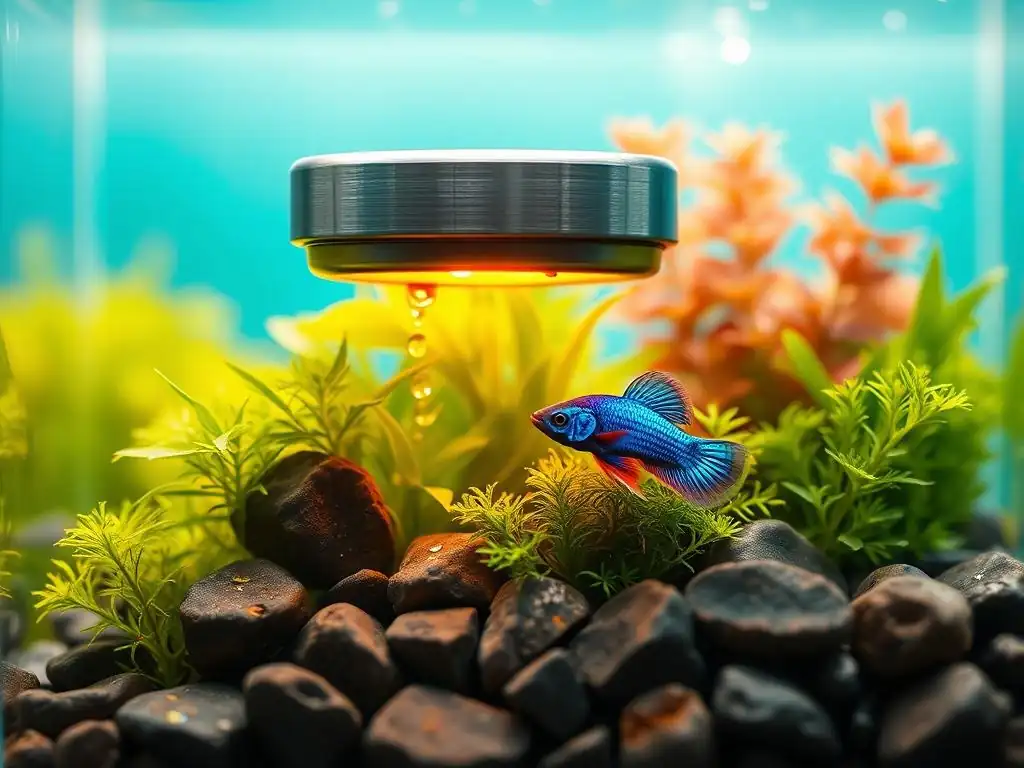
Proper installation of your nano tank heater is crucial not only for its efficient operation but also for the safety of your aquatic environment. A well-executed nano tank heater setup ensures optimal heat distribution, accurate temperature control, and prevents potential hazards. Follow these steps carefully to integrate your new heater seamlessly into your nano aquarium.
Attention to detail during installation, particularly regarding placement and calibration, will save you time and frustration in the long run, contributing to a stable and healthy habitat for your fish and invertebrates.
Preparing Your Nano Tank for Heater Installation
Before installing your nano tank heater, ensure your aquarium is clean and filled with water to its appropriate operating level. Most submersible heaters require a minimum water line, typically indicated on the unit itself, to ensure full submersion of the heating element. Filling the tank first allows the water to reach room temperature, which helps prevent thermal shock to the heater when it's introduced.
Unpack your new heater and inspect it thoroughly for any signs of damage, such as cracks in the glass or frayed cords. While rare with new units, a quick check can prevent future issues. Also, have a reliable, separate aquarium thermometer ready; this will be essential for calibrating your heater later and ensuring accurate temperature readings in your nano tank heater setup.
Safely Positioning Your Nano Tank Heater for Optimal Heat Distribution
The placement of your nano tank heater significantly impacts its efficiency and the uniformity of temperature throughout the aquarium. For optimal heat distribution, position the heater in an area with good water flow, such as near the outflow of your filter. This ensures that the heated water is quickly circulated throughout the entire tank, preventing cold spots.
Most submersible heaters can be positioned vertically or diagonally using their suction cups. Avoid placing the heater directly on the substrate or against the glass, as this can impede heat transfer or create hot spots. For a 5-gallon tank, placing a 25W heater in a back corner, angled slightly towards the center, often works well to promote circulation. Ensure the heater is fully submerged according to the manufacturer's instructions; exposing the heating element to air while it's operating can cause it to overheat and shatter. Proper positioning is a cornerstone of an effective nano tank heater setup.
Connecting and Setting Up Your Nano Aquarium Heater Thermostat
Once your nano tank heater is safely positioned and fully submerged, it's time to connect it to power and set its thermostat. Always plug your heater into a GFCI (Ground Fault Circuit Interrupter) outlet for maximum safety; this device will trip and cut power if it detects an electrical fault, preventing potential shock hazards. Never plug in a heater that is not fully submerged in water.
Set the heater's thermostat to your desired temperature, typically between 75-80°F (24-27°C) for most tropical nano fish. It's crucial to allow the heater to run for several hours—at least 4 to 6 hours—before making any adjustments. This allows the water temperature to stabilize and the heater's thermostat to accurately register the tank's conditions. Resist the urge to make immediate adjustments, as rapid changes can stress your aquatic inhabitants. This patient approach is vital for a successful nano tank heater setup.
Calibrating Your Nano Tank Heater: Ensuring Accurate Temperature Readings
Calibrating your nano tank heater is a critical step to ensure that the temperature displayed on the heater (if applicable) or the temperature you've set actually matches the actual water temperature in your aquarium. After allowing the heater to run for several hours as described above, use a separate, reliable thermometer to measure the tank's actual temperature. Place the thermometer away from the heater to get an accurate average reading of the water column.
If the actual temperature differs from your heater's setting, adjust the heater's thermostat in small increments, typically 1-2°F (0.5-1°C) at a time. Wait another few hours (e.g., 2-4 hours) for the temperature to stabilize again, then re-check with your independent thermometer. Repeat this process until your desired temperature is consistently maintained. This meticulous calibration ensures your nano tank heater setup provides the precise and stable environment essential for your aquatic inhabitants' health.
Maintaining Your Nano Tank Heater for Long-Term Performance
Regular maintenance and inspection of your nano tank heater are essential for ensuring its long-term performance, efficiency, and safety. Just like any other piece of aquarium equipment, heaters can accumulate debris or experience wear and tear over time. Neglecting these simple maintenance tasks can lead to temperature inconsistencies, heater malfunction, or even dangerous situations.
Incorporating heater checks into your regular aquarium maintenance routine will help identify potential issues before they become serious problems. This proactive approach ensures a stable and healthy environment for your aquatic pets and extends the lifespan of your heating equipment.
Regular Inspections: Identifying and Addressing Potential Issues
Routine inspections of your nano tank heater should be a part of your weekly or bi-weekly aquarium maintenance. Carefully examine the heater for any visible signs of damage, such as cracks in the glass or plastic casing, corrosion on the heating element, or fraying of the power cord. Pay particular attention to the suction cups, ensuring they are still securely holding the heater in place; loose suction cups can cause the heater to move and potentially get damaged.
Also, observe the heater's indicator light (if present) to confirm it's functioning correctly, signaling when the heater is actively heating. Listen for any unusual noises, such as buzzing or clicking, which could indicate an internal issue. Addressing minor issues like loose suction cups or slight debris accumulation promptly can prevent more significant problems and ensure the continued reliability of your nano tank heater setup.
Cleaning Your Nano Aquarium Heater: Removing Algae and Debris
Over time, algae, mineral deposits, and detritus can accumulate on the surface of your nano aquarium heater, potentially reducing its efficiency and impeding accurate temperature readings. It's advisable to clean your heater during regular water changes, typically every 2-4 weeks. Before removing the heater from the tank, always unplug it from the power outlet and allow it to cool completely in the water for at least 30 minutes. Removing a hot heater from water can cause thermal shock and lead to cracking.
Once cool, gently wipe off any algae or debris with a soft cloth or sponge. Avoid using abrasive scrubbers or harsh chemical cleaners, as these can damage the heater's surface or leach harmful substances into the water. For stubborn mineral deposits (like calcium buildup), a weak solution of white vinegar can be used; ensure the heater is thoroughly rinsed with clean, dechlorinated water before being re-submerged and plugged back in. This simple cleaning step is vital for the long-term efficiency of your nano tank heater setup.
Troubleshooting Common Nano Tank Heater Problems
Even with proper maintenance, nano tank heaters can occasionally encounter issues. Knowing how to diagnose and address common problems can save you from unnecessary stress and expense. The two most frequent problems are temperature fluctuations and complete heater malfunction.
Identifying the root cause quickly and applying the appropriate solution will help restore stable conditions in your nano aquarium and protect your aquatic inhabitants. Always prioritize safety, unplugging the heater before any physical inspection or adjustment.
Temperature Fluctuations: Diagnosing and Resolving Instability
If your nano tank's temperature is fluctuating despite having a heater, several factors could be at play. The most common cause is an underpowered heater for the tank size or room conditions; for example, a 10-watt heater in a 5-gallon tank in a cool room might struggle to maintain a consistent 78°F. Poor water circulation can also lead to cold spots and uneven heating. Additionally, significant fluctuations in room temperature (e.g., direct sunlight hitting the tank, or proximity to an open window) can overwhelm the heater's ability to maintain stability.
To resolve this, first verify that your heater's wattage is appropriate for your tank volume and ambient room temperature; upgrading to a slightly higher wattage (e.g., from 25W to 50W for a 5-gallon tank in a cold room) might be necessary. Ensure your filter provides adequate water flow to distribute heat evenly. Consider insulating your tank or relocating it away from drafts or direct sunlight. If the issue persists, the heater's thermostat may be faulty, requiring recalibration or replacement. Consistent temperature is key to a successful nano tank heater setup.
Heater Malfunction: Identifying and Addressing Technical Issues
A heater malfunction typically presents as the unit not turning on, constantly staying on, or failing to heat the water to the set temperature. If the heater isn't turning on, first check the power source: ensure it's securely plugged into a working GFCI outlet and that the GFCI hasn't tripped. Verify that the heater is fully submerged, as many modern units have low-water shut-off features. If the heater is constantly on and overheating the tank, or if it's on but not heating, the internal thermostat or heating element is likely faulty.
In cases of malfunction, especially overheating, immediately unplug the heater to prevent harm to your aquatic life. Do not attempt to repair the heater yourself, as this can be dangerous. Most aquarium heaters are sealed units and are not designed for user repair. The safest and most reliable solution for a malfunctioning heater is replacement. Investing in a quality heater with a good warranty can save you from such issues in the long run and ensure a reliable nano tank heater setup.
Advanced Tips for Nano Tank Heating
Beyond the basics of selecting and installing a heater, there are several advanced strategies that can further optimize temperature control in your nano aquarium. These tips focus on enhancing accuracy, conserving energy, and providing additional safeguards, particularly beneficial for sensitive species or in challenging environmental conditions.
Implementing these advanced techniques can lead to a more stable and efficient heating system, contributing significantly to the long-term health and vitality of your nano tank ecosystem.
Using a Thermometer for Accurate Temperature Monitoring
While many modern heaters come with built-in thermostats or digital displays, it is always recommended to use a separate, reliable thermometer for accurate temperature monitoring. Integrated heater thermostats can sometimes drift or provide slightly inaccurate readings over time. A good quality external thermometer, such as a digital stick-on thermometer or a floating glass thermometer, provides an independent verification of your tank's actual temperature.
Position the external thermometer away from the heater to get a true average reading of the water column. For highly sensitive setups, some aquarists even use two independent thermometers for redundancy, placing them at opposite ends of the tank. Regular cross-referencing between your heater's setting and the external thermometer ensures that your nano tank heater setup is consistently maintaining the precise temperature required by your aquatic inhabitants.
Insulating Your Nano Tank to Conserve Heat
Insulating your nano tank can significantly reduce heat loss, leading to more stable temperatures and potentially lower electricity consumption. One effective method is to place a foam mat or a piece of polystyrene insulation directly underneath the aquarium. This simple addition can reduce heat loss through the bottom of the tank by as much as 10-15%, especially if the tank is placed on a cold surface like a stone countertop.
Furthermore, using a tight-fitting lid or glass canopy on your nano tank is crucial for heat retention. Evaporation is a major source of heat loss in aquariums, accounting for up to 70% of heat loss in open-top tanks. A well-fitting lid traps humidity and warm air, dramatically reducing evaporative cooling. You can also consider placing decorative backgrounds made of foam board or applying insulating film to the back and sides of the tank that are not visible, further minimizing heat escape.
Heating Solutions for Cold Climates: Extra Precautions
For nano tanks located in very cold climates or rooms with consistently low ambient temperatures (e.g., below 65°F or 18°C), extra precautions are advisable to ensure stable and adequate heating. In such scenarios, the general rule of 2.5-5 watts per gallon may need to be adjusted upwards; consider using 5-7 watts per gallon to account for the greater temperature differential the heater needs to overcome. For instance, a 5-gallon tank in a 60°F room might benefit more from a 50-watt heater than a 25-watt one.
Another advanced strategy is "double heating," where two smaller heaters are used instead of one larger one. For example, two 25-watt heaters in a 10-gallon tank provide redundancy; if one fails, the other can still provide some heat, preventing a catastrophic temperature crash. This also distributes heat more evenly. Additionally, insulating the tank's exposed sides with decorative foam board or reflective insulation can significantly reduce heat dissipation, helping your heater work more efficiently and maintain a consistent temperature in challenging cold environments.
Conclusion: Achieving Optimal Temperature Control in Your Nano Aquarium
The Long-Term Benefits of Investing in a Quality Nano Tank Heater
Investing in a quality nano tank heater is one of the most critical decisions you can make for the long-term health and vitality of your aquatic ecosystem. A reliable heater ensures consistent temperature stability, which directly translates to healthier fish, invertebrates, and plants. For example, a Betta fish maintained within its ideal 78-82°F (25.5-27.8°C) range will exhibit vibrant colors, active behavior, and a stronger immune system, significantly reducing its susceptibility to common ailments like fin rot or Ich.
Beyond disease prevention, stable temperatures contribute to optimal metabolic functions, promoting proper growth and natural behaviors. This reduces stress, minimizes the likelihood of aggression, and enhances the overall aesthetic appeal of your nano aquarium. Ultimately, a well-chosen and properly maintained heater minimizes troubleshooting issues, allowing you to enjoy the beauty and tranquility of your aquatic masterpiece with greater peace of mind.
Final Thoughts on Creating a Thriving Heated Nano Aquarium Environment
Creating a thriving heated nano aquarium environment hinges on a combination of thoughtful planning, careful selection, and diligent maintenance. The nano tank heater setup is a cornerstone of this process, directly influencing the comfort and survival of your aquatic inhabitants. By understanding the specific needs of your chosen species, selecting a heater with appropriate wattage and essential safety features, and executing a precise installation and calibration, you lay the foundation for success.
Remember to prioritize regular monitoring with a separate thermometer and undertake routine cleaning to ensure your heater operates at peak efficiency. Addressing potential issues promptly and considering advanced heating strategies for challenging conditions will further safeguard your miniature aquatic world. A stable, consistent temperature is not merely a convenience; it is a fundamental requirement for a vibrant, healthy, and engaging nano aquarium that will bring you joy for years to come.
Frequently Asked Questions
What size heater do I need for my nano tank?
The ideal heater wattage depends on tank size and ambient temperature. Generally, aim for 3-5 watts per gallon but adjust based on your room's temperature. Precise temperature control is crucial in nano tanks.
How do I properly install a nano tank heater?
Submerge the heater fully according to the manufacturer's instructions. Position it near the water flow (filter outlet or powerhead) to distribute heat evenly. Avoid burying it in the substrate.
What are the best types of heaters for nano tanks?
Submersible heaters are the most common. Look for models with adjustable thermostats and built-in safety features like automatic shut-off. Consider the heater's size to ensure it fits discreetly.
How can I ensure consistent temperature in my nano tank?
Use a reliable thermometer to monitor the water temperature regularly. Check heater settings and placement, especially during temperature fluctuations in the environment. Regular maintenance ensures optimal performance.
What are the potential risks of using the wrong heater in a nano tank?
Using an oversized heater can cause drastic temperature swings that stress or kill your fish. A heater that's too small may not maintain a stable temperature, especially in colder climates. Proper sizing and monitoring are essential.
Final Reflection: Nurturing Miniature Ecosystems
The delicate balance within a nano tank, as we've explored, hinges significantly on maintaining a stable and appropriate temperature. The right nano tank heater is not just a piece of equipment, but a lifeline for the miniature ecosystem within. In a world increasingly focused on sustainability and efficient resource management, the careful consideration of even the smallest aquarium’s needs reflects a broader commitment to responsible stewardship of our planet's resources.
This journey into the world of nano tank heaters has underscored the importance of mindful aquascaping and the delicate interplay between technology and nature. The success of a nano tank, and indeed any aquarium, lies not just in the equipment we choose, but in the understanding and respect we cultivate for the life it sustains. The best aquarium is not just a beautiful display, but a thriving ecosystem where every creature can flourish.
This sentiment reminds us that our role as aquarists extends beyond mere aesthetics; we are caretakers of miniature worlds.
Now, as you embark on or continue your journey with nano tanks, I encourage you to reflect on the lessons learned here. Consider not only the technical specifications of your heater but also the unique needs of your aquatic inhabitants. Let the knowledge gained guide you in creating a thriving, balanced environment where life can flourish. Embrace the challenge, celebrate the successes, and remember that every small act of care contributes to a larger tapestry of environmental responsibility.
Ignite Your Nano Tank's Potential!
Thank you for exploring the world of nano tank heating with us! We hope this review and setup guide has provided you with the knowledge needed to maintain a thriving aquatic ecosystem in your small aquarium. Now, let's put that knowledge into action!
Here are a few ways to take the next step:
- Prioritize your tank's thermal sweet spot: Measure your tank's temperature daily for a week to understand its natural fluctuations before introducing a heater. This will give you a crucial baseline.
- Share your success! Post photos of your nano tank setup and favorite heater brand on social media using #AquariumMastery and inspire others.
- Consider starting a journal: keep track of your tank's temperature and parameters to look for ways to reduce the need of an aquarium heater.
What unconventional methods have you found to regulate temperature in your nano tank, and what surprising results did you achieve?