
Do You *Really* Need CO2? Assessing Your Planted Tank's Requirements

Welcome to Aquarium Mastery!
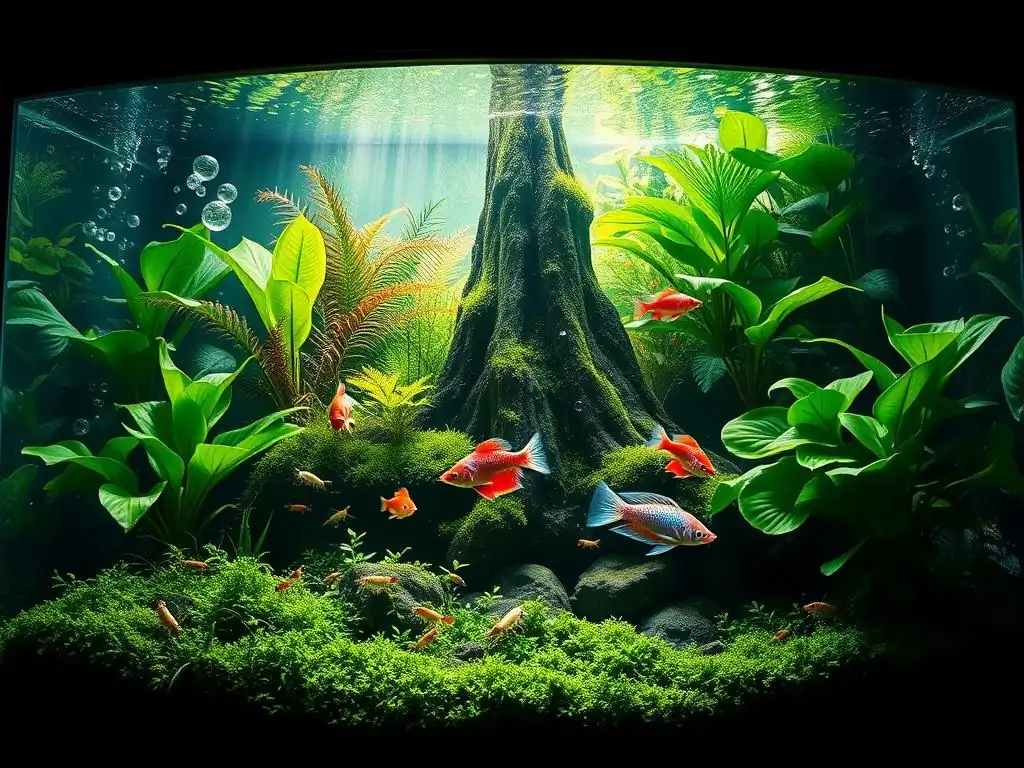
Ever wondered if your lush, vibrant planted tank is truly reaching its full potential? Before you rush out and invest in a CO2 system, let's dive deep into the planted tank CO2 needs and uncover whether it's the missing piece of your aquatic puzzle. Prepare to explore the fascinating science behind plant growth and discover if your aquarium really needs that extra boost. Ready to unlock the secrets? Let's get started!
- Understanding CO2's Role in Planted Aquariums
- Evaluating Your Planted Tank's CO2 Requirements
- Factors Influencing CO2 Needs in Planted Aquariums
- Recognizing the Signs of CO2 Deficiency in Planted Tanks
- Alternatives to CO2 Injection for Planted Aquariums
- CO2 Injection Systems: A Comprehensive Overview
- Testing and Monitoring CO2 Levels in Planted Aquariums
- Optimizing CO2 for Thriving Aquatic Plants: Best Practices
- Troubleshooting Common CO2-Related Issues in Planted Tanks
-
Frequently Asked Questions
- What are the primary benefits of adding CO2 to a planted aquarium?
- How can I determine if my planted tank needs CO2 supplementation?
- What are some signs that my planted tank is suffering from a CO2 deficiency?
- What are the different methods for adding CO2 to a planted aquarium?
- Can too much CO2 be harmful to my aquarium inhabitants?
- Final Reflection: The Breath of Life in Your Aquarium
- Ignite Your Aquarium: Unleash the Full Potential of Your Planted Tank!
Understanding CO2's Role in Planted Aquariums
The Importance of Carbon Dioxide for Aquatic Plant Growth
Carbon dioxide (CO2) is an indispensable element for the vitality and growth of aquatic plants, serving as a primary reactant in the process of photosynthesis. Much like terrestrial plants utilize atmospheric CO2, submerged plants absorb dissolved CO2 from the water column to convert light energy into chemical energy, producing sugars for growth and releasing oxygen as a byproduct. Without an adequate supply of CO2, aquatic plants cannot photosynthesize efficiently, leading to stunted growth, pale or yellowing leaves, and a general decline in health.
In natural aquatic environments, CO2 levels are typically low, often ranging from 2 to 5 parts per million (ppm), derived from atmospheric exchange and the respiration of aquatic organisms. However, in a densely planted aquarium, especially one with high light intensity, the natural CO2 supply is rapidly depleted by the plants. This deficiency becomes the limiting factor for growth, preventing plants from reaching their full potential and often leading to an imbalance that favors algae proliferation. Therefore, understanding and addressing your planted tank's CO2 needs is crucial for a thriving aquascape.
How CO2 Affects Planted Tank Ecosystems
The introduction of supplemental CO2 into a planted aquarium significantly alters the ecosystem, primarily by accelerating plant growth. As plants grow more robustly, they become highly efficient at absorbing available nutrients, effectively outcompeting nuisance algae for essential resources like nitrates and phosphates. This competitive advantage is a cornerstone of maintaining an algae-free, visually appealing planted tank.
Beyond nutrient competition, CO2 injection also influences water chemistry. When CO2 dissolves in water, it forms carbonic acid, which in turn lowers the water's pH. This pH reduction needs careful monitoring, as excessive CO2 can lead to a dangerous drop in pH, stressing or even harming fish and invertebrates. A balanced approach ensures that the planted tank CO2 needs are met for optimal plant health without compromising the well-being of the aquatic inhabitants. For instance, a well-managed tank might aim for a pH drop of 0.6-1.0 units from its baseline, indicating sufficient CO2 without being harmful.
Evaluating Your Planted Tank's CO2 Requirements
Assessing Plant Demands: Light, Nutrients, and CO2 Balance
The demand for CO2 in a planted aquarium is intrinsically linked to two other critical factors: light intensity and nutrient availability. These three elements form a delicate balance, often referred to as the "aquarium plant growth triangle."
If one element is deficient, it becomes the limiting factor for plant growth, regardless of the abundance of the other two. For example, a tank bathed in high-intensity LED lighting providing 50-70 PAR (Photosynthetically Active Radiation) at the substrate level will require significantly more CO2, typically in the range of 25-35 ppm, compared to a tank with moderate lighting (15-25 PAR), which might only need 15-20 ppm.
When light is abundant but CO2 is scarce, plants struggle to utilize the light energy, leading to inefficient photosynthesis. This often manifests as stunted growth, pale coloration, and can even trigger aggressive algae blooms as the excess light and nutrients become available for opportunistic algal species. Therefore, assessing your planted tank CO2 needs involves understanding the overall ecosystem, ensuring that CO2, light, and nutrients are all in harmonious supply to support vigorous plant development.
Low-Tech vs. High-Tech Planted Tanks: CO2 Considerations
The approach to meeting your planted tank's CO2 needs varies significantly between "low-tech" and "high-tech" setups. Low-tech planted tanks are characterized by lower light intensity (e.g., 10-20 PAR), minimal equipment, and a focus on slower-growing, less demanding plant species. In these setups, supplemental CO2 injection is often not used, with plants relying on ambient CO2 levels (typically 2-5 ppm) from atmospheric exchange and biological respiration within the tank. Growth is slower but generally more stable, and maintenance is less intensive. Common plants for low-tech setups include Anubias, Java Fern, and various Cryptocoryne species.
Conversely, high-tech planted tanks utilize high light intensity (e.g., 40-70+ PAR), specialized substrates, and comprehensive fertilization regimes, almost always requiring pressurized CO2 injection. These setups are designed for rapid, lush growth and the successful cultivation of demanding carpeting plants and stem plants like Hemianthus callitrichoides 'Cuba' (HC Cuba) or Rotala species. Achieving the vibrant, dense aquascapes seen in many professional layouts necessitates precise control over CO2 levels, typically targeting 25-35 ppm, along with consistent nutrient dosing to keep up with the accelerated growth rate.
Factors Influencing CO2 Needs in Planted Aquariums
Plant Species and Their CO2 Requirements: Anubias, Java Fern, and Monte Carlo
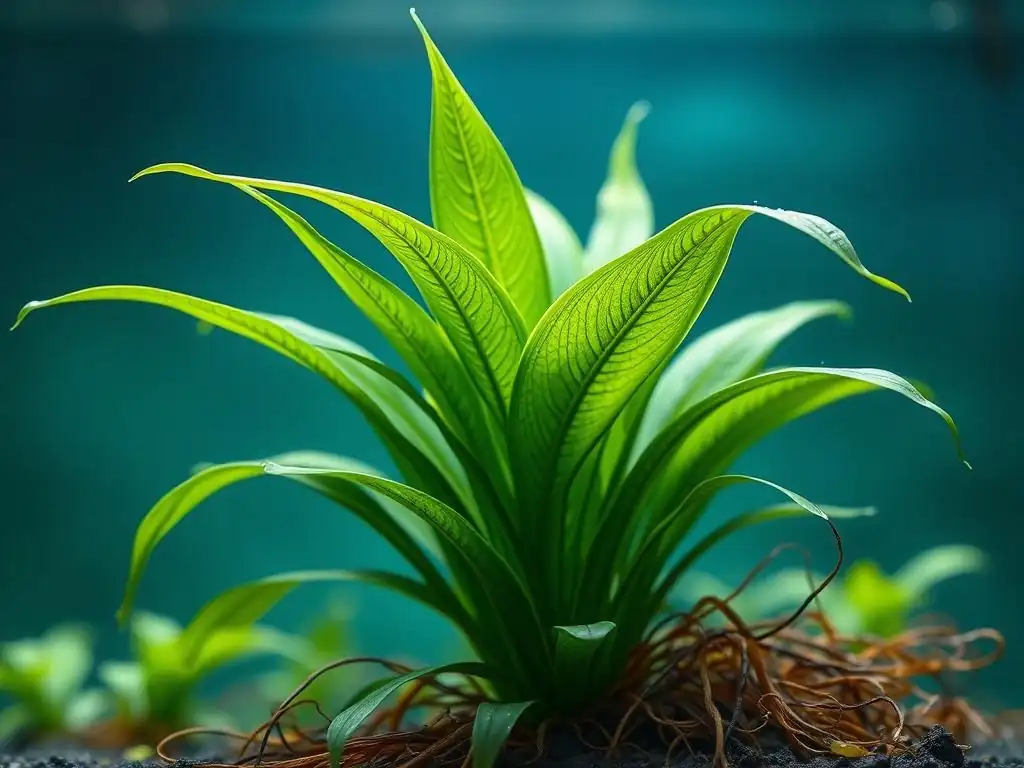
The specific plant species cultivated in your aquarium significantly dictates your planted tank's CO2 needs. Some plants are inherently less demanding, thriving in lower CO2 environments, while others require abundant CO2 to flourish. For instance, Anubias species and Java Fern (Microsorum pteropus) are renowned for their hardiness and low CO2 requirements.
These plants are slow growers and are highly efficient at utilizing the minimal ambient CO2 available, typically thriving at concentrations as low as 2-5 ppm. Attempting to force high CO2 on these species without balancing other factors can sometimes lead to issues like melting or increased susceptibility to algae.
In stark contrast, carpeting plants like Monte Carlo (Micranthemum tweediei) or the diminutive Hemianthus callitrichoides 'Cuba' (HC Cuba) have very high CO2 demands. To achieve dense, healthy carpets, these plants typically require consistent CO2 levels of 25-35 ppm, alongside strong lighting and a complete nutrient profile. Without adequate CO2, they will exhibit stunted growth, pale coloration, or even melt away entirely. Similarly, many fast-growing stem plants, such as various Rotala or Ludwigia species, also fall into the high-CO2 demand category, showcasing the direct link between plant choice and your planted tank CO2 needs.
Lighting Intensity and Its Impact on CO2 Demand
Lighting intensity is arguably the most significant factor influencing the rate of photosynthesis and, consequently, the demand for CO2 in a planted aquarium. The brighter the light, the faster plants attempt to photosynthesize, thereby consuming CO2 at an accelerated rate. If CO2 supply does not keep pace with high light, plants become CO2-starved, even if other nutrients are abundant. For example, a tank with a high-output LED fixture providing 60-70 PAR at the substrate will deplete ambient CO2 within hours, necessitating a robust CO2 injection system to maintain optimal levels.
Conversely, in a low-light setup (e.g., 15-25 PAR), the plants' metabolic rate is much lower, and their CO2 consumption is reduced. In such cases, excessive CO2 injection can be wasteful and potentially harmful to fish, as plants cannot fully utilize the available CO2, leading to higher dissolved concentrations. It's crucial to match your planted tank CO2 needs to your lighting setup; a common guideline suggests that if your lighting is strong enough to cause pearling (visible oxygen bubbles forming on plant leaves), then supplemental CO2 is likely essential to support that level of photosynthetic activity.
Nutrient Levels and CO2 Utilization in Planted Aquariums
While CO2 is a fundamental building block for plants, its effective utilization is heavily dependent on the availability of other essential macro and micronutrients. Think of CO2 as the fuel, and nutrients as the engine oil and other vital fluids.
If any nutrient, such as nitrogen (N), phosphorus (P), potassium (K), or trace elements like iron (Fe) and magnesium (Mg), is deficient, plants cannot fully process the CO2 and light available to them, leading to inhibited growth. For instance, a tank with optimal CO2 levels of 25 ppm but a severe nitrate deficiency (e.g., below 5 ppm) will still show poor plant growth, as the plants lack the nitrogen necessary for protein synthesis.
A common scenario in planted tanks is that when CO2 is optimized, plants grow rapidly, which in turn increases their demand for all other nutrients. Therefore, addressing your planted tank CO2 needs often means simultaneously increasing your nutrient dosing strategy. For example, a high-tech tank aiming for lush growth might target nitrate levels of 10-20 ppm, phosphate levels of 1-2 ppm, and potassium levels of 10-20 ppm, alongside regular trace element dosing. This ensures that CO2 is not a limiting factor and that plants have all the necessary components for vigorous, healthy development.
Recognizing the Signs of CO2 Deficiency in Planted Tanks
Identifying Common Symptoms of CO2 Starvation in Aquatic Plants
Recognizing the signs of CO2 deficiency is crucial for maintaining a healthy planted tank. When aquatic plants are starved of sufficient carbon dioxide, their growth processes slow down or halt entirely, leading to a range of visible symptoms. One of the most common indicators is stunted growth, where new leaves are noticeably smaller than older ones, or the entire plant simply stops growing. Leaves may also appear pale or yellowing, particularly in new growth, due to the plants' inability to produce enough chlorophyll without adequate CO2 for photosynthesis.
Furthermore, plants suffering from CO2 starvation may exhibit melting, where leaves become translucent, brittle, and eventually disintegrate. This is often seen in more demanding plant species like stem plants or carpeting plants.
Another subtle but telling sign is the absence of pearling (the visible release of oxygen bubbles from plant leaves) even under strong lighting, which indicates a lack of vigorous photosynthesis. For example, a normally fast-growing Rotala rotundifolia stem might only grow an inch per week with inadequate CO2, compared to its potential of 3-4 inches per week with optimal carbon dioxide levels, clearly demonstrating the impact on planted tank CO2 needs.
Algae Blooms as an Indicator of CO2 Imbalance
Perhaps one of the most frustrating and common symptoms of an underlying CO2 imbalance in a planted tank is the proliferation of nuisance algae. When plants are struggling due to insufficient or fluctuating CO2 levels, they cannot efficiently absorb the available nutrients in the water column. This leaves an excess of nitrates, phosphates, and other elements, which then become a readily available food source for various types of algae. Algae are opportunistic and will quickly colonize areas where plants are weak or where there is a nutrient imbalance.
Specific types of algae can often point directly to CO2 issues. Black Beard Algae (BBA), characterized by its dark, fuzzy appearance, is notoriously associated with inconsistent or insufficient CO2 supply. Green Spot Algae (GSA), small, hard green spots on glass and slow-growing plant leaves, can also indicate low CO2 or phosphate deficiency.
Similarly, various forms of hair algae can flourish when plants are not thriving due to CO2 limitations. A tank with consistent CO2 levels, typically within the 25-30 ppm range, and robust plant growth, is significantly less prone to these types of algae outbreaks, underscoring the importance of addressing planted tank CO2 needs to maintain an algae-free environment.
Alternatives to CO2 Injection for Planted Aquariums
Exploring Liquid Carbon Supplements: Effectiveness and Usage
For aquarists who prefer not to invest in a pressurized CO2 injection system or manage its complexities, liquid carbon supplements offer an alternative. These products, often based on glutaraldehyde (e.g., Seachem Flourish Excel, Easy-Life EasyCarbo), do not provide true dissolved CO2 but rather supply a bioavailable carbon source that plants can utilize in their metabolic processes. Additionally, many of these supplements possess mild algaecidal properties, which can help control certain types of algae.
While effective for low-tech or moderately planted tanks with less demanding plant species, liquid carbon supplements will not replicate the explosive growth rates seen with pressurized CO2 injection. They are best suited as a supplemental carbon source rather than a complete replacement for high planted tank CO2 needs.
Dosing instructions must be followed carefully, typically ranging from 1 to 2 milliliters per 10 gallons daily, as overdosing can harm sensitive plants (like certain Valisneria species) and invertebrates. It's crucial to understand their limitations and not expect them to transform a high-light, high-demand setup into a thriving jungle without true CO2.
Utilizing Natural CO2 Sources: Decomposing Organic Matter
In an attempt to meet planted tank CO2 needs without external intervention, some aquarists consider relying on natural CO2 sources within the aquarium. The primary natural source of CO2 in an enclosed aquatic environment is the decomposition of organic matter (such as fish waste, uneaten food, and decaying plant leaves) by aerobic bacteria, as well as the respiration of fish and other aquatic organisms. These biological processes release CO2 into the water column.
However, the amount of CO2 produced naturally in a typical aquarium is almost always negligible and inconsistent, rarely exceeding 5 ppm. This level is generally insufficient for anything beyond the most undemanding, slow-growing plant species in a very low-light setup. Relying solely on decomposing organic matter for CO2 can also lead to poor water quality if organic waste accumulates excessively, potentially causing ammonia spikes and other issues. Therefore, this method is generally not a reliable or effective strategy for meeting any significant planted tank CO2 needs for robust plant growth.
Choosing Low-Light, Low-CO2 Demanding Plant Species
One of the most effective strategies for maintaining a beautiful planted aquarium without the need for supplemental CO2 is to carefully select plant species that naturally thrive in low-light and low-CO2 conditions. This approach creates a stable, low-maintenance environment where plants can flourish using only the ambient CO2 available in the water. This is an ideal solution for beginners or those seeking a simpler aquascaping experience.
Excellent choices for such setups include:
- Anubias species: Anubias barteri, Anubias nana, known for their thick, hardy leaves and extremely slow growth.
- Java Fern (Microsorum pteropus): A classic, very adaptable plant that attaches to hardscape and propagates easily.
- Cryptocoryne species: Cryptocoryne wendtii, Cryptocoryne undulata, which are root feeders and come in various colors and leaf shapes.
- Mosses: Java Moss (Taxiphyllum barbieri), Christmas Moss (Vesicularia montagnei), excellent for creating natural textures and providing shelter for small fish and shrimp.
- Floating plants: Frogbit (Limnobium laevigatum) or Dwarf Water Lettuce (Pistia stratiotes), which absorb CO2 directly from the air and can help shade the tank below.
By focusing on these resilient species, you can create a lush, green aquascape without the complexities of managing planted tank CO2 needs through injection.
CO2 Injection Systems: A Comprehensive Overview
Types of CO2 Systems for Planted Aquariums: DIY vs. Professional
When considering supplemental CO2 for your planted tank, aquarists typically choose between two main types of injection systems: Do-It-Yourself (DIY) setups and professional pressurized CO2 systems. DIY CO2 systems, most commonly based on yeast fermentation (sugar and yeast) or citric acid/baking soda reactions, are attractive due to their very low initial cost, often under $20. These systems produce CO2 through a chemical reaction in a sealed bottle, with the gas then bubbled into the aquarium. They are generally suitable for smaller tanks, typically up to 20-30 gallons, and are a good entry point for experimenting with CO2.
However, DIY systems suffer from inconsistent CO2 output, short lifespan (requiring frequent refills every 1-3 weeks), and a lack of precise control over the CO2 rate, which can lead to pH fluctuations. In contrast, professional pressurized CO2 systems use a refillable CO2 cylinder (e.g., 5lb, 10lb) connected to a specialized regulator. These systems offer highly consistent and controllable CO2 output, allowing for precise dosing via a needle valve and often featuring a solenoid valve for automated on/off control.
While the initial investment is higher (typically $150-$400+), pressurized systems provide superior stability, reliability, and long-term cost-effectiveness for serious aquascapers looking to meet significant planted tank CO2 needs. A 5lb cylinder, for example, can last 3-6 months on a 50-gallon tank.
Setting Up a CO2 Injection System: A Step-by-Step Guide
Setting up a pressurized CO2 injection system for your planted tank involves several key steps to ensure safe and efficient operation. First, securely place your CO2 cylinder in an upright position, preferably in a well-ventilated area. Next, attach the CO2 regulator to the cylinder valve, ensuring a tight, leak-free seal.
If your regulator includes a solenoid valve, connect it to a reliable timer that will turn the CO2 on and off, typically 1-2 hours before your aquarium lights turn on and 1 hour before they turn off, respectively. This pre-dosing allows CO2 levels to build up before photosynthesis begins and prevents dangerous CO2 accumulation overnight.
Following the regulator, connect a bubble counter, which is a small device filled with water that allows you to visually monitor the CO2 flow rate in bubbles per second (BPS). After the bubble counter, install a check valve in the CO2 tubing; this critical component prevents aquarium water from siphoning back into your regulator and cylinder in case of a power outage.
Finally, run CO2-rated tubing from the check valve to your diffuser, which should be placed at the bottom of the tank, ideally under the outflow of your filter or powerhead for maximum CO2 dispersion. Once assembled, perform a leak test using soapy water on all connections to ensure no gas is escaping, a crucial step for safely addressing your planted tank CO2 needs.
Maintaining Optimal CO2 Levels in Your Planted Tank
Maintaining optimal CO2 levels is paramount for a thriving planted tank and involves a combination of consistent dosing and vigilant monitoring. The generally accepted target range for dissolved CO2 in a planted aquarium is between 20-30 ppm, though some experienced aquarists may push to 35 ppm with careful observation of their fish.
To achieve this, adjust the needle valve on your CO2 regulator to control the bubble rate (BPS) visible in your bubble counter. The exact BPS will vary depending on tank size, water flow, and diffuser efficiency, but a common starting point for a 50-gallon tank might be 1-2 BPS, which can then be incrementally increased.
Regular monitoring is essential. Use a CO2 drop checker (discussed in the next section) to visually assess CO2 levels throughout the day. It's also vital to observe your fish for any signs of stress, such as rapid breathing or gasping at the surface, which indicate CO2 levels are too high. Consistency is key: maintaining stable CO2 levels throughout the photoperiod is more beneficial than fluctuating levels, even if the average is within the target range. Regularly check your CO2 cylinder pressure and plan refills to avoid running out unexpectedly, ensuring your planted tank CO2 needs are met without interruption.
Testing and Monitoring CO2 Levels in Planted Aquariums
Using CO2 Drop Checkers for Visual Monitoring
CO2 drop checkers are one of the most popular and straightforward tools for visually monitoring CO2 levels in a planted aquarium. These small glass devices contain a pH-sensitive indicator solution (typically bromothymol blue) along with a solution of known carbonate hardness (KH), often 4 dKH. The drop checker is placed inside the aquarium, and CO2 from the tank water diffuses into the small air pocket within the device, then into the indicator solution. As CO2 dissolves, it lowers the pH of the indicator solution, causing a color change.
The color of the solution in the drop checker provides a clear visual indication of your CO2 levels:
- Blue: Indicates insufficient CO2 (typically below 20 ppm).
- Green: Signifies optimal CO2 levels (generally between 20-30 ppm).
- Yellow: Suggests dangerously high CO2 levels (above 30-35 ppm), which can be harmful to fish.
It's important to note that drop checkers have a lag time of 1-2 hours, meaning the color you see reflects the CO2 concentration from an hour or two prior. Placing the drop checker on the opposite side of the tank from the CO2 diffuser provides an average reading of the dissolved CO2 throughout the water column, making it an invaluable tool for consistently addressing your planted tank CO2 needs.
Understanding KH/pH Charts for CO2 Estimation
Another method for estimating CO2 levels in your planted tank involves using a KH/pH chart. This method relies on the scientific principle that when CO2 dissolves in water, it forms carbonic acid, which in turn lowers the water's pH. The extent to which pH drops for a given amount of dissolved CO2 is directly influenced by the water's buffering capacity, or carbonate hardness (KH). By measuring your tank's pH and KH, you can cross-reference these values on a specialized chart to approximate the CO2 concentration in parts per million (ppm).
For example, if your tank's KH is 4 dKH and your pH during CO2 injection is 6.8, a standard KH/pH chart would indicate an approximate CO2 concentration of 20-25 ppm, which is within the optimal range for most planted tanks. It's crucial to measure your pH after CO2 has been running for several hours and reached a stable level.
While this method is a useful estimation tool, it assumes that CO2 is the primary factor influencing pH; other elements like driftwood (which releases tannins) or certain buffering substrates can also affect pH, potentially leading to inaccurate CO2 readings. Despite its limitations, understanding the KH/pH relationship provides valuable insight into your planted tank CO2 needs.
Digital CO2 Controllers: Precision and Automation
For the ultimate in precision and automation regarding planted tank CO2 needs, digital CO2 controllers are the gold standard. These sophisticated devices consist of a pH probe that continuously monitors the aquarium's pH, a controller unit, and a solenoid valve connected to your CO2 regulator. The user sets a target pH (e.g., 6.8 or 6.6, depending on desired CO2 levels and tank KH).
When the pH rises above the target, the controller automatically opens the solenoid valve, allowing CO2 to flow into the tank. Once the pH drops to the set target, the controller closes the valve, stopping the CO2 flow.
The primary advantages of a digital CO2 controller include highly precise and stable CO2 dosing, elimination of guesswork, and a significant reduction in the risk of CO2 overdosing, which can be fatal to fish. This automation ensures that CO2 levels remain consistently within the optimal range throughout the photoperiod, promoting robust plant growth. While the initial investment is higher (typically $200-$500+), the long-term benefits of stability and peace of mind make them a worthwhile upgrade for serious aquascapers, especially for larger or highly sensitive planted tanks. Regular calibration of the pH probe (e.g., monthly) is necessary to ensure accuracy.
Optimizing CO2 for Thriving Aquatic Plants: Best Practices
Balancing CO2 with Lighting and Nutrients for Optimal Plant Growth
Achieving optimal plant growth in a planted tank is not simply about injecting CO2; it requires a holistic approach where CO2, lighting, and nutrients are all carefully balanced. These three elements are interdependent, and an imbalance in one can negate the benefits of the others. For instance, if you have high-intensity lighting providing 60 PAR (Photosynthetically Active Radiation) at the substrate, your plants will have a high metabolic rate, demanding a consistent CO2 concentration of 25-30 ppm and a robust supply of macro and micronutrients.
If CO2 is optimized but nutrients are deficient (e.g., nitrates below 5 ppm, phosphates below 0.5 ppm, or insufficient iron), plants will still struggle to grow, leading to pale coloration, stunted new growth, and susceptibility to algae. Conversely, if nutrients are abundant but CO2 or light is lacking, the plants cannot utilize the available nutrients, again creating conditions ripe for algae blooms. Therefore, the best practice for meeting your planted tank CO2 needs is to view it as one leg of a three-legged stool, ensuring that all components are in sync to support vigorous, healthy plant development.
Preventing CO2 Overdoses and Fish Stress
While essential for plant growth, excessive CO2 can be deadly for fish and other aquatic inhabitants. When CO2 levels become too high (typically above 35-40 ppm, depending on species and water parameters), it lowers the water's pH drastically and reduces the fish's ability to absorb oxygen from the water, leading to suffocation. Recognizing and preventing CO2 overdoses is paramount. Symptoms of fish distress include rapid breathing, gasping at the surface, lethargy, loss of appetite, and erratic swimming.
To prevent overdosing, always "start low and go slow" when introducing or increasing CO2. Begin with a low bubble rate (e.g., 1 bubble per 3-5 seconds for smaller tanks, 1 BPS for larger ones) and gradually increase over several days, while closely observing fish behavior and your CO2 drop checker. If fish show any signs of distress, immediately reduce CO2 flow and increase surface agitation (e.g., by raising your filter output or adding an air stone) to help off-gas excess CO2.
Using a solenoid valve to turn off CO2 at night is crucial, as plants do not photosynthesize in the dark and will not consume CO2, leading to dangerous overnight accumulation. Prioritizing fish safety is a critical aspect of managing planted tank CO2 needs.
Long-Term Planted Tank CO2 Management Strategies
Effective long-term management of your planted tank's CO2 needs is key to sustained success and a thriving aquascape. The most important strategy is consistency. Fluctuating CO2 levels are often more detrimental to plant health and more likely to trigger algae outbreaks than slightly suboptimal but stable levels.
This means maintaining a consistent bubble rate throughout the photoperiod and ensuring your CO2 system is reliable. Regularly check your CO2 cylinder pressure gauges and establish a refill schedule to avoid running out unexpectedly; a 5lb cylinder might typically last 3-6 months for a 50-gallon tank running CO2 for 8-10 hours a day.
Routine maintenance of your CO2 equipment is also vital. Periodically check all connections for leaks using soapy water, and ensure your regulator gauges are functioning correctly. Your CO2 diffuser should be cleaned every 1-2 weeks by soaking it in a diluted bleach solution (e.g., 1:10 bleach to water ratio) for 30 minutes, followed by thorough rinsing and dechlorination.
This prevents clogging and ensures fine, efficient CO2 mist production. As your plants grow and mature, their overall biomass will increase, potentially leading to higher planted tank CO2 needs, requiring slight adjustments to your bubble rate over time. Regular observation and proactive adjustments will ensure your plants continue to flourish.
Addressing Algae Outbreaks Caused by CO2 Imbalance
Algae outbreaks are a common and frustrating issue in planted tanks, and a significant number of these can be traced back to an imbalance in CO2, light, and nutrients. When plants are struggling due to insufficient or fluctuating CO2, they cannot efficiently absorb the available nutrients, leaving an excess in the water column that opportunistic algae readily consume. For example, the pervasive Black Beard Algae (BBA) is often a strong indicator of inconsistent or low CO2 levels.
To address algae outbreaks caused by CO2 imbalance, the primary solution is to stabilize and optimize your CO2 levels. Aim for a consistent 25-30 ppm, confirmed by a green CO2 drop checker throughout the photoperiod. Ensure your diffuser is producing a fine mist and that CO2 is circulating effectively throughout the tank.
Simultaneously, you may need to adjust nutrient dosing; if CO2 is low, temporarily reduce nutrient dosing slightly until CO2 is optimized. Performing larger water changes (e.g., 50%) can help reduce the existing nutrient load, and physically removing heavily algaed leaves will help reduce algae biomass. By consistently meeting your planted tank CO2 needs, you empower your plants to outcompete algae, leading to a clearer, healthier aquascape within a few weeks.
Resolving Plant Stunting and Poor Growth Due to CO2 Deficiency
Plant stunting and poor growth are classic symptoms of CO2 deficiency in a planted tank. New leaves may appear significantly smaller than older ones, stems might be thin and spindly, and overall growth can slow to a near halt. Leaves might also turn pale or yellow, indicating a lack of chlorophyll production due to insufficient carbon for photosynthesis. This issue is particularly prevalent in high-light setups where the plants' demand for CO2 far outstrips the available supply.
To resolve stunting caused by inadequate planted tank CO2 needs, the most direct approach is to gradually increase your CO2 injection until your CO2 drop checker consistently shows a green color, indicating optimal levels (20-30 ppm). Simultaneously, ensure your CO2 diffusion is efficient; clean or replace clogged diffusers to produce the finest bubbles possible, and ensure good water flow distributes the CO2 throughout the tank. It's also crucial to evaluate your lighting intensity; if your light is very strong, but CO2 is low, plants will be "light-starved" for carbon.
Sometimes, temporarily reducing light duration (e.g., from 10 hours to 8 hours) can help alleviate stress while you optimize CO2. Lastly, confirm that other essential nutrients are not deficient, as they also play a vital role in healthy growth.
Dealing with Fluctuations in CO2 Levels
Fluctuations in CO2 levels are a common problem that can stress plants, trigger algae, and even harm fish. While DIY CO2 systems are inherently prone to inconsistency due to their fermentation process, even pressurized systems can experience fluctuations. Common causes include: a clogged or inefficient diffuser leading to reduced CO2 output; leaks in the CO2 tubing or regulator connections; an aging or faulty regulator; or simply a depleting CO2 cylinder.
To deal with fluctuations and maintain stable planted tank CO2 needs:
- For DIY users: Consider upgrading to a pressurized CO2 system for significantly better stability and control.
- Regularly clean your diffuser: Soak it in a bleach solution (1:10 bleach to water) for 30 minutes every 1-2 weeks to ensure fine bubble production.
- Perform periodic leak detection: Use soapy water on all connections to identify and fix any gas leaks.
- Monitor your cylinder pressure gauges: Plan refills well in advance to avoid running out of CO2 unexpectedly.
- Invest in a CO2 controller: For ultimate precision, a digital pH controller with a solenoid valve will automatically turn CO2 on and off to maintain a precise pH (and thus CO2) level, eliminating manual adjustments and ensuring consistent CO2 delivery throughout the photoperiod.
Frequently Asked Questions
What are the primary benefits of adding CO2 to a planted aquarium?
Adding CO2 significantly boosts plant growth by making it readily available for photosynthesis. This leads to healthier, more vibrant plants and can help control algae. It also allows for more demanding plant species to thrive.
How can I determine if my planted tank needs CO2 supplementation?
Assess your existing plants. If you're growing low-light plants like Anubias or Java Fern, you likely don't need CO2. However, if you are trying to grow demanding high-light plants, CO2 is essential for success.
What are some signs that my planted tank is suffering from a CO2 deficiency?
Slow or stunted growth, yellowing leaves, and the appearance of algae are all potential signs. Also, check for "pearling" (oxygen bubbles on plants) – a lack of it could indicate CO2 deficiency.
What are the different methods for adding CO2 to a planted aquarium?
Common methods include DIY CO2 systems (using yeast and sugar), pressurized CO2 systems with regulators, and liquid carbon supplements. Pressurized systems are the most reliable and consistent, while DIY is more budget-friendly.
Can too much CO2 be harmful to my aquarium inhabitants?
Yes, excessive CO2 can drastically lower the pH of the water, which can be fatal to fish and invertebrates. Always monitor CO2 levels carefully and ensure adequate surface agitation for gas exchange.
Final Reflection: The Breath of Life in Your Aquarium
The journey into the world of planted aquariums often begins with a simple question: Is CO2 truly necessary? As we've explored, the answer is nuanced, dependent on the specific ecosystem you're cultivating. Understanding the interplay between light, nutrients, and CO2 is not just about achieving lush growth; it's about fostering a balanced and thriving aquatic environment that reflects a deeper understanding of nature's delicate dance.
This exploration of CO2's role has highlighted its profound influence on the aquascape hobby. It's a reminder that even in our miniature underwater worlds, we're participating in complex biological processes. The best aquarium is a balanced aquarium. It's not just about the plants, it's about the entire ecosystem.
This quote underscores the importance of considering the holistic needs of your tank, recognizing that CO2 is just one piece of the puzzle, albeit a significant one for certain setups.
As you consider the future of your planted tank, I encourage you to reflect on the principles we've discussed. Don't just blindly follow trends or chase the most vibrant colors. Instead, take the time to understand the specific needs of your plants, the lighting conditions you provide, and the overall balance of your ecosystem. By embracing a thoughtful and informed approach, you can create an aquascape that is not only beautiful but also a testament to your dedication to responsible and sustainable aquarium keeping.
Ignite Your Aquarium: Unleash the Full Potential of Your Planted Tank!
Thank you for delving into the essentials of CO2 supplementation for your planted aquarium. Now that you're equipped with the knowledge to assess your tank's specific needs, let's take action and transform your underwater world!
Here are a few ways to get started:
- Conduct a meticulous audit of your current setup. Take detailed notes on your plants, lighting, substrate, and existing fertilization regime. This will provide a baseline to measure your success.
- Experiment with alternative carbon sources if you're hesitant about a full CO2 system. Consider liquid carbon supplements and observe their impact on plant growth and algae levels.
- Share your aquarium's transformation! Document your journey with photos and videos, and connect with fellow aquascapers online to exchange ideas and gain inspiration.
Ready to unlock the vibrant potential of your planted aquarium and share your stunning results with the community?