
Troubleshooting Common Aquarium Lighting Problems: From Flickering to Algae Blooms

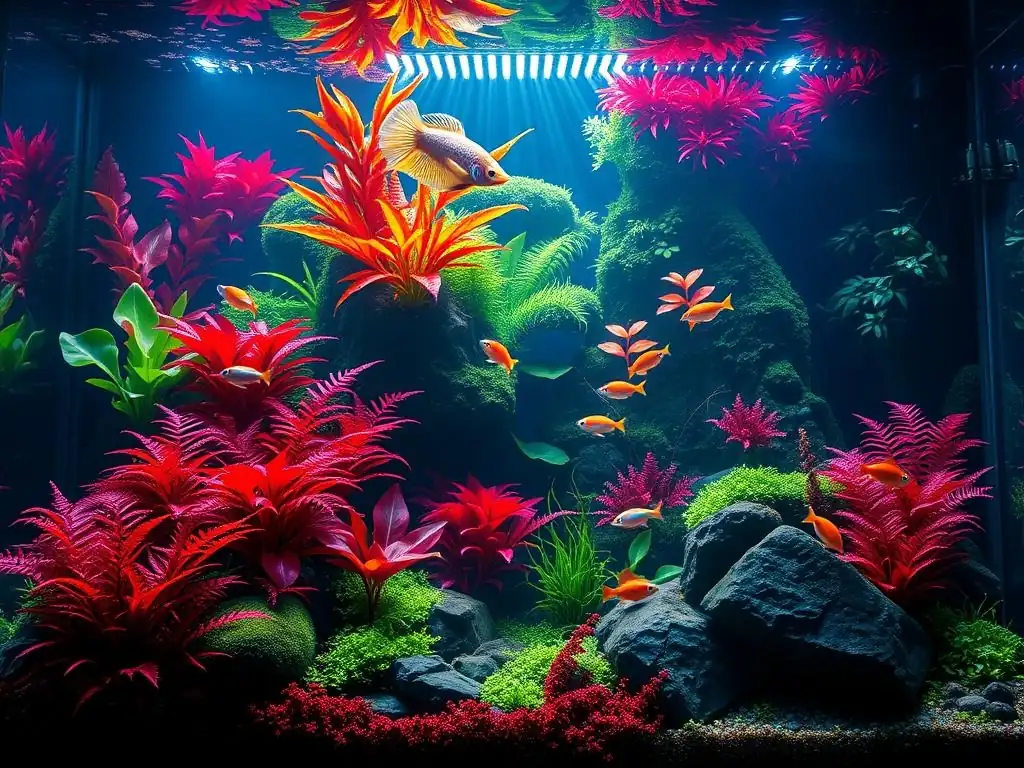
Welcome to Aquarium Mastery, where we help you unlock the secrets to a thriving underwater world! Ever been mesmerized by the dance of light in your aquarium, only to be frustrated by a sudden flickering aquarium light? It's more common than you think, and often easily fixed! Dive in to discover our comprehensive guide on troubleshooting and repairing common aquarium lighting problems, and learn how to keep your aquatic ecosystem shining brightly. Let's illuminate the path to a healthier, more vibrant aquarium!
- Understanding Aquarium Lighting Issues: A Comprehensive Guide
- Flickering Aquarium Lights Repair: Diagnosing and Fixing the Issue
- Dealing with Dim or Weak Aquarium Lighting
- Addressing Algae Blooms Related to Aquarium Lighting
- Other Common Aquarium Lighting Problems and Solutions
- Frequently Asked Questions
- Final Reflection: Illuminating the Path Forward
- Illuminate Your Aquarium Adventure: Discover Hidden Depths!
Understanding Aquarium Lighting Issues: A Comprehensive Guide
Why Aquarium Lighting Matters for a Healthy Ecosystem
Aquarium lighting serves far more than just an aesthetic purpose; it is a critical component for a thriving aquatic ecosystem. For photosynthetic organisms like live plants in freshwater tanks and corals in saltwater reefs, light provides the essential energy for photosynthesis, forming the base of the food chain. Specific light spectrums, measured in Kelvin (K) for color temperature and PAR (Photosynthetically Active Radiation) for intensity, are vital. For instance, most freshwater plants flourish under full-spectrum light in the 6500K-7000K range, while corals demand a bluer spectrum, often between 10000K and 20000K, to support their symbiotic zooxanthellae.
Beyond photosynthesis, proper lighting significantly influences the behavior, coloration, and overall well-being of fish and invertebrates. A consistent, appropriate lighting schedule mimics natural diurnal cycles, reducing stress and promoting natural behaviors such as feeding and spawning. Inadequate or inappropriate lighting can lead to faded fish colors, weakened immune systems, and a general decline in the health of tank inhabitants, making a stable lighting environment crucial for long-term aquarium success.
Common Aquarium Lighting Problems: An Overview
Aquarium lighting systems, despite their importance, are susceptible to a range of issues that can disrupt the delicate balance of an aquatic environment. These problems can range from minor annoyances like a slight flicker or dimming light output to more severe concerns such as complete fixture failure, electrical hazards, or persistent algae blooms. Each of these issues, if left unaddressed, can negatively impact the health of plants, corals, and fish, and compromise the overall stability of the aquarium.
The root causes of these common lighting problems are diverse, encompassing factors such as the natural aging of components, improper installation techniques, environmental influences like high humidity or water splashing, and even the initial selection of an incorrect lighting system for the specific needs of the aquarium. Understanding these underlying causes is the first step toward effective troubleshooting and ensuring that the light system continues to provide optimal conditions for the aquatic ecosystem it supports.
Flickering Aquarium Lights Repair: Diagnosing and Fixing the Issue
Identifying the Cause of Flickering Lights
Flickering aquarium lights are often the first tell-tale sign of an impending component failure or a loose electrical connection within the lighting system. Addressing a flickering issue promptly is crucial, not only to restore consistent light for your tank's inhabitants but also to prevent a complete light failure or potential electrical safety concerns. This problem, requiring effective flickering aquarium lights repair, can stem from various sources, making a systematic diagnostic approach essential.
The process of identifying the cause typically begins with the simplest and most accessible components, gradually moving towards more complex parts of the system. Before commencing any inspection, always prioritize safety by unplugging the light fixture from the power source to eliminate any risk of electric shock. This methodical approach ensures that you can accurately pinpoint the source of the flicker without unnecessary risk or complication.
Checking the Bulb: Is it Burned Out or Damaged?
The bulb itself is frequently the primary suspect when troubleshooting flickering aquarium lights. For traditional fluorescent tubes, visual cues such as darkened ends, especially near the pins, or a visible break in the internal filament, often indicate a failing bulb. Even if a fluorescent bulb still lights up, it might flicker if it's nearing the end of its useful life, as its internal gas mixture degrades. For LED fixtures, flickering can sometimes manifest as individual diodes going out or flashing intermittently, or the entire strip pulsing erratically.
It's important to consider the lifespan of aquarium bulbs; even seemingly new bulbs can sometimes be faulty. Fluorescent bulbs, for instance, typically have an effective lifespan of 6 to 12 months for optimal spectral output, even if they continue to glow. Beyond this period, their intensity and spectrum degrade, often leading to flickering. While LEDs boast a much longer operational life, often exceeding 50,000 hours, individual diodes or small sections can fail prematurely, causing localized flickering or dimming.
Inspecting the Ballast: A Common Culprit
For many fluorescent and some older LED lighting systems, the ballast plays a critical role in regulating the electrical current supplied to the bulb. A failing or defective ballast is a very common culprit behind flickering aquarium lights. When a ballast starts to malfunction, it provides intermittent or unstable power to the bulb, resulting in the characteristic flicker. Signs of a failing ballast can include a noticeable humming noise emanating from the fixture, a distinct burning smell, or even visible signs of damage such as bulging or discoloration on the ballast casing.
Consider a common scenario: if you have a 30-watt T8 fluorescent bulb that is flickering, and replacing the bulb with a new one doesn't resolve the issue, the 30-watt ballast is highly suspect. Ballasts, like bulbs, have a finite lifespan, typically ranging from 2 to 5 years depending on their quality and the frequency of use. Their failure often manifests as inconsistent power delivery, which directly translates into the flickering symptom you observe in your aquarium lights.
Examining the Wiring and Connections
Loose, corroded, or damaged wiring and connections are another significant cause of flickering aquarium lights, as they can interrupt the consistent flow of electrical current. It is essential to meticulously inspect all points of connection: the bulb sockets where the bulb plugs in, the wiring leading to and from the ballast, and the power plug itself where it connects to the wall outlet. In high-humidity environments, particularly with saltwater aquariums, corrosion on electrical contacts or within wire connections is a common issue that can lead to intermittent contact and flickering.
Before undertaking any inspection of the wiring, always ensure the light fixture is completely unplugged from the power source to prevent electric shock. Look for any signs of frayed wires, exposed copper conductors, or evidence of water ingress into the fixture's housing or wire insulation. A frequent problem in older fluorescent fixtures, for example, is a wire becoming loose from its seating within the lamp holder or end cap, which can cause the bulb to flicker or fail to ignite reliably.
Flickering Aquarium Lights Repair: Step-by-Step Solutions
Replacing a Faulty Bulb: Choosing the Right Spectrum
Once a faulty bulb has been identified as the cause of flickering aquarium lights, its replacement is the most straightforward step in flickering aquarium lights repair. When replacing the bulb, it is crucial to ensure that the new bulb matches the original in type (e.g., T5, T8, compact fluorescent, LED strip) and wattage. Beyond the physical fit, selecting the correct light spectrum is paramount for the health of your aquarium. For freshwater planted tanks, a full-spectrum bulb in the 6500K-7000K range is typically recommended, as it provides a balanced output suitable for robust plant growth.
For marine reef tanks, a combination of white and actinic (blue) spectrums is generally preferred. A common setup might involve a 10000K-20000K white bulb paired with a deep blue actinic bulb to support coral photosynthesis and enhance their vibrant coloration. Using a bulb with an incorrect spectrum for your tank's inhabitants can not only hinder their growth and health but also potentially contribute to algae issues. For example, a 10,000K bulb might be too intense or the wrong spectrum for a low-light freshwater setup, potentially encouraging algae rather than plant growth.
Replacing a Defective Ballast: Matching Voltage and Type
Replacing a defective ballast, a common component in fluorescent lighting systems, requires a degree of electrical knowledge and careful attention to detail. The new ballast must precisely match the specifications of the old one, including its wattage rating (e.g., for 54W T5 HO bulbs), voltage (e.g., 120V or 240V), and the specific type of bulb it is designed to operate. Mismatched ballasts can lead to suboptimal bulb performance, overheating, or even damage to the bulbs or the fixture itself. A 2x54W T5 HO ballast, for instance, will have specific wiring diagrams that must be followed faithfully.
Given the electrical nature of this task, it is highly advisable to consult a qualified electrician or an experienced aquarist if you are uncomfortable performing the replacement yourself. Incorrect wiring of a ballast can pose a significant fire hazard or risk of electric shock. While many modern LED fixtures incorporate integrated drivers that make ballast replacement less common, older fluorescent units still heavily rely on external ballasts, making this a relevant flickering aquarium lights repair solution for those systems.
Repairing Loose Wiring and Connections: Ensuring Safety
Repairing loose or corroded wiring and connections is a vital part of effective flickering aquarium lights repair and ensures the safety of your setup. When securing loose connections, ensure they are tight and fully seated. For areas prone to humidity or water splashes, such as around the light fixture itself, using waterproof connectors or heat-shrink tubing can provide an added layer of protection against future corrosion and intermittent contact. For instance, if a wire has become dislodged from a fluorescent lamp end cap, carefully re-seating it and ensuring a secure, insulated connection is paramount.
Safety must always be the top priority during this process. Always unplug the lighting unit before inspecting or repairing any wiring. Use appropriate tools, such as wire strippers and crimpers, for proper electrical connections. If a section of the power cord or internal wiring shows signs of fraying or damage, it's often best to cut out the compromised section and re-splice it with proper electrical tape or wire nuts, ensuring all connections are robust and insulated. For saltwater tanks, applying dielectric grease to electrical contacts can significantly prevent corrosion caused by salt creep.
Dealing with Dim or Weak Aquarium Lighting
Causes of Diminished Light Output
Dim or weak aquarium lighting, though less dramatic than flickering, can be equally detrimental to the health and vitality of an aquarium. This issue often develops gradually, making it less immediately noticeable, but its long-term effects can include stunted plant growth, dull coral coloration, and a general decline in the aesthetic appeal of the tank. Unlike sudden failures, diminished light output often signals a cumulative problem that requires attention.
The primary culprits behind a reduction in light intensity are typically the natural aging process of the bulbs, the accumulation of mineral deposits or algae on the light fixture's protective cover, and, in some cases, the initial selection of a lighting system that simply offers inadequate wattage or PAR (Photosynthetically Active Radiation) for the specific demands of the aquarium and its inhabitants.
Aging Bulbs: When to Replace Your Aquarium Lights
One of the most common reasons for diminished light output is the natural aging of the bulbs themselves. Fluorescent bulbs, for example, do not simply burn out; they gradually lose intensity and shift their spectral output over time. A T5 or T8 fluorescent bulb can lose anywhere from 30% to 50% of its initial intensity and significantly alter its useful spectrum after just 9 to 12 months of daily use, even if it still appears to be glowing. This degradation directly impacts the amount of usable light reaching plants and corals, hindering their growth.
To maintain optimal light levels, adhering to a regular bulb replacement schedule is essential. For most T5 and T8 fluorescent bulbs, replacement every 9-12 months is recommended. Compact fluorescents often require replacement every 6-9 months, and metal halide bulbs every 6-12 months due to their significant degradation over time. While LED lights have a much longer overall lifespan, typically rated for tens of thousands of hours, their individual diodes can also dim very gradually over many years, or specific color channels might weaken, necessitating eventual replacement of the entire unit or specific components.
Mineral Deposits and Build-up: Cleaning Aquarium Lights Properly
Over time, aquarium light fixtures, especially their protective splash guards or covers, can accumulate mineral deposits from evaporated water, salt creep in marine setups, or even a thin film of algae. These deposits act as a physical barrier, significantly blocking light penetration into the aquarium. Even a thin layer, such as a 1mm accumulation of salt spray or hard water stains on a light cover, can reduce the amount of usable light reaching the water by 10% to 15%, directly contributing to dim light conditions.
Proper cleaning of aquarium lights is crucial to mitigate this light loss. Always ensure the fixture is unplugged and cool before cleaning. For mineral deposits, a solution of white vinegar or a dedicated aquarium cleaner can be effective. Simply wipe down the splash guard and the underside of the fixture with a soft cloth soaked in the solution, then rinse thoroughly with clean water before reattaching. Regular cleaning, perhaps weekly or bi-weekly during routine tank maintenance, can prevent significant light blockage and ensure maximum light transmission.
Inadequate Wattage: Selecting the Right Lighting for Your Tank
Sometimes, the issue of dim or weak aquarium lighting isn't about component failure or dirt, but rather an initial misjudgment in selecting a lighting system with insufficient wattage or PAR (Photosynthetically Active Radiation) for the specific needs of the tank. For example, a 20-gallon freshwater planted tank might require a minimum PAR of 20-30 µmol/m²/s at the substrate for low-light plants, whereas a high-tech 75-gallon planted tank with demanding species could need 50-80 µmol/m²/s or even more.
While the old "watts per gallon" rule (e.g., 1-2 WPG for low light, 3-5 WPG for high light) provides a rough estimate for fluorescent systems, PAR values offer a more precise measure for LED lighting. If your tank's inhabitants, particularly plants or corals, are showing signs of insufficient light despite proper maintenance and bulb replacement, it indicates the current lighting system simply isn't powerful enough. A 30-gallon tank aiming for robust plant growth might require a 30W-50W LED fixture to achieve adequate PAR levels throughout the water column.
Restoring Optimal Light Levels
Regular Cleaning and Maintenance of Aquarium Lights
Consistent and thorough cleaning is the simplest yet most effective method for restoring and maintaining optimal light levels in your aquarium. Mineral deposits, salt creep, and algae film on light fixtures and splash guards can significantly impede light penetration. Establishing a routine for wiping down these surfaces is crucial. It is recommended to clean the underside of the light fixture and any protective covers at least once a week, or concurrently with your regular water changes.
This simple act of maintenance prevents the accumulation of light-blocking residues that can gradually dim your tank. For example, during a 25% weekly water change on a 55-gallon aquarium, a quick wipe of the light fixture's splash guard takes less than a minute but can effectively prevent a 15-20% reduction in light output over the course of a month, ensuring your plants and corals receive the full benefit of your lighting system. Always ensure the fixture is unplugged and cool before cleaning.
Upgrading to Higher Wattage or More Efficient Lighting
For aquariums that consistently suffer from dim light output, especially when housing demanding plants or corals, upgrading the lighting system is often the most effective long-term solution. This is particularly relevant if your current setup is genuinely underpowered for your tank's volume and the light requirements of its inhabitants. For instance, transitioning from a single T8 fluorescent fixture to a dual T5 HO (High Output) system or a modern, high-power LED light can dramatically increase the Photosynthetically Active Radiation (PAR) reaching your tank.
Modern LED lighting systems offer significant advantages in terms of efficiency, lifespan, and control. A 50-watt LED fixture, for example, can often provide comparable light output to a 100-watt fluorescent setup, while consuming less electricity and generating less heat. Many advanced LED units also feature adjustable spectrums and intensity controls, allowing aquarists to fine-tune the light to meet the specific needs of different plant species or coral types, optimizing growth and coloration more effectively than older technologies.
The Link Between Lighting and Algae Growth
Lighting plays a pivotal role in the proliferation of algae within an aquarium, acting as a primary catalyst for its growth. Just as light is essential for the photosynthesis of desirable aquatic plants and corals, it also fuels the growth of opportunistic algae. Algae will readily colonize an aquarium if environmental conditions are favorable, particularly when there is an abundance of nutrients combined with inappropriate lighting conditions.
It is crucial to understand that an algae problem is rarely solely attributable to lighting; it is almost always a symptom of an underlying imbalance within the aquarium ecosystem. This imbalance typically involves an excess of key nutrients like nitrates and phosphates, which, when combined with incorrect light intensity, duration, or even spectrum, create an ideal environment for various types of algae to outcompete beneficial organisms.
Excessive Light Intensity and Duration
One of the most common lighting-related causes of algae blooms is providing too much light, either in terms of intensity (brightness) or duration (how long the lights are on). When an aquarium is exposed to excessive light, algae, which are generally faster-growing and less demanding than higher plants, gain a significant competitive advantage. For instance, leaving aquarium lights on for 12 to 14 hours a day in a freshwater tank, especially without sufficient plant mass or CO2 injection, frequently leads to outbreaks of green hair algae, diatoms (brown algae), or even green water blooms.
Consider a 75-gallon tank equipped with a high-power LED fixture running at 100% intensity for 10 hours daily. If this tank lacks adequate plant mass to consume available nutrients, or if CO2 and other nutrient dosing are not precisely balanced, it creates a prime environment for algae to flourish. The excess light simply fuels the rapid reproduction of algae spores, leading to a visible and often stubborn bloom.
Imbalance in Light Spectrum
While light intensity and duration are the primary drivers of algae growth, an imbalance in the light spectrum can also contribute to certain types of algal blooms, particularly if other factors like nutrient levels are already out of balance. Although plants utilize a broad spectrum of light for photosynthesis, some specific algae species might preferentially benefit from certain wavelengths if those wavelengths are overrepresented in the tank's lighting without corresponding plant uptake.
For example, some aquarists observe that an excessive amount of red light, particularly without a balanced blue component, can sometimes exacerbate the growth of certain types of green or red brush algae.
However, it's generally accepted that the overall intensity and duration of light are far more critical factors than the precise spectral balance when it comes to controlling algae. While there are ongoing debates about specific "algae-promoting" spectrums, the fundamental principle remains: if the light energy provided exceeds the capacity of the desirable plants or corals to utilize it, and excess nutrients are present, algae will seize the opportunity. Therefore, adjusting the spectrum is a secondary measure after optimizing intensity and duration.
Preventing and Controlling Algae Blooms Through Lighting Adjustments
Reducing Light Duration: Implementing a Lighting Schedule
One of the most effective strategies for preventing and controlling algae blooms is to implement and strictly adhere to a consistent lighting schedule, primarily by reducing the duration of light exposure. For most freshwater planted tanks, a daily light period of 6 to 10 hours is typically sufficient, depending on the plant density and whether CO2 is injected. For marine reef tanks, a common schedule ranges from 10 to 12 hours, often incorporating a dawn-to-dusk simulation with gradual intensity changes. Using an aquarium timer is crucial for maintaining this consistency.
If your aquarium is experiencing a persistent algae bloom, a common and effective tactic is to significantly reduce the light duration for a period. For instance, if you're currently running your lights for 10 hours, cut it back to 6 or 7 hours per day for two to three weeks. This temporary reduction helps to starve the algae of energy. Once the algae begins to recede, you can gradually increase the light duration by 30 to 60 minutes per week until a new, balanced schedule is found that supports your plants or corals without fueling algae.
Adjusting Light Spectrum: Considering Red to Blue Light Ratios
For aquariums equipped with multi-channel LED lights, adjusting the light spectrum can be a nuanced approach to algae control, especially when nutrient levels are also being managed. While blue light is critically important for coral growth and some aquatic plants, an excessive amount in freshwater tanks, particularly without sufficient plant mass to utilize it, can sometimes contribute to algae. Conversely, an overabundance of red light can also be problematic for certain algae types.
The key is to aim for a balanced spectrum that primarily benefits your desired inhabitants. For freshwater planted tanks, a full-spectrum output (around 6500K-7000K) is generally optimal. For reef tanks, a mix of blue (actinic) and white (10000K-20000K) is standard, with blue light often comprising 50-70% of the total output to mimic deeper ocean conditions and promote coral fluorescence. Some aquarists find that slightly reducing the red channels on their LED fixtures can help curb the growth of certain red or green brush algae, though this is often secondary to managing light intensity and duration.
Using Algae-Eating Creatures and Chemical Treatments
While lighting adjustments are crucial for addressing the root cause of algae, complementary methods such as introducing algae-eating creatures can help manage existing blooms. In freshwater tanks, species like Otocinclus catfish are excellent for consuming diatoms, Amano shrimp are highly effective against various types of hair algae, and Nerite snails are diligent grazers of surface algae. For marine aquariums, Turbo snails, Astrea snails, and certain tang species (like Yellow Tangs for film algae) are popular choices for their algae-consuming habits.
However, it is important to exercise caution with chemical algae treatments. While they can provide a rapid, temporary solution to clear an algae bloom, they do not address the underlying imbalance (often nutrient excess combined with inappropriate light) that caused the algae in the first place. Over-reliance on chemicals can sometimes harm beneficial bacteria colonies in the filter or sensitive invertebrates. Therefore, chemical treatments should be considered a last resort and used sparingly, always prioritizing sustainable long-term solutions through proper husbandry and lighting management.
Other Common Aquarium Lighting Problems and Solutions
Overheating Aquarium Lights: Prevention and Mitigation
Overheating is a significant concern for aquarium lighting systems, particularly with older, high-wattage technologies like metal halide or some powerful fluorescent fixtures. Excessive heat not only shortens the lifespan of the light fixture and its components but can also significantly raise the water temperature in the aquarium, potentially stressing fish and invertebrates. A 250W metal halide fixture, for example, can generate substantial heat, capable of raising a 75-gallon tank's temperature by 2-3°F if not properly ventilated.
To prevent and mitigate overheating, ensuring adequate airflow around the light fixture is paramount. Many fixtures benefit from being positioned away from enclosed canopies or having ventilation holes. Incorporating small cooling fans, such as those commonly used for computer components, can effectively dissipate heat from the fixture. Furthermore, upgrading to more energy-efficient and cooler-running LED lighting systems is an excellent long-term solution, as LEDs generate significantly less waste heat compared to traditional bulbs.
Water Damage and Electrical Hazards: Safety Precautions
The combination of electricity and water in an aquarium environment presents inherent risks, making water damage and electrical hazards critical concerns. Splashing water from filters or air stones, condensation accumulating under the light fixture, or accidental submersion of non-waterproof components can lead to short circuits, electric shock, or even fire. It is imperative to prioritize safety to protect both your aquarium and your home.
To minimize these risks, always use drip loops on all power cords leading from the light fixture to the wall outlet; this prevents water from traveling down the cord and into the electrical outlet. Ensure your hands are completely dry when handling plugs or any electrical components.
Utilizing Ground Fault Circuit Interrupter (GFCI) outlets for all aquarium equipment is a non-negotiable safety measure, as they automatically cut power in the event of an electrical fault. Regularly inspect light fixtures and cords for any signs of cracks, fraying, or water ingress, particularly around the end caps of fluorescent tubes, and immediately replace any damaged components.
Choosing the Right Aquarium Lighting System: A Recap
Considering Tank Size and Plant Requirements
Selecting the appropriate aquarium lighting system is fundamental to the success of your aquatic setup. The choice must be carefully matched to the specific dimensions of your tank and the light requirements of its inhabitants, particularly plants or corals.
For instance, a small 10-gallon low-tech tank housing a Betta fish and a few undemanding plants like Anubias might thrive with a simple 10-15W low-power LED light. In stark contrast, a 120-gallon heavily planted tank aiming for lush growth of demanding species would necessitate a much more powerful system, often a 100W+ LED fixture with full spectrum control and high PAR output.
It's also important to consider the depth of your tank; taller tanks require more intense light to penetrate to the bottom, where plants are rooted or corals are placed. For freshwater planted tanks, low-light plants (e.g., Anubias, Java Fern) typically require 15-30 PAR at the substrate, while high-light plants (e.g., Rotala, carpeting plants) demand significantly more, often 50-100+ PAR, to achieve optimal growth and coloration. Understanding these requirements is key to making an informed lighting choice.
Comparing Different Types of Aquarium Lights: LED, Fluorescent, Metal Halide
When choosing an aquarium lighting system, aquarists typically consider three main types: LED, fluorescent, and metal halide, each with distinct advantages and disadvantages. LEDs (Light Emitting Diodes) are increasingly popular due to their high energy efficiency, long lifespan (often 50,000+ hours), and excellent control over spectrum and intensity. A 60W LED fixture, for example, can often provide light output comparable to a 150W metal halide or a 4x54W T5 HO fluorescent setup, while consuming significantly less electricity.
Fluorescent lights, including T5, T8, and compact fluorescent (CF) bulbs, are generally more cost-effective for initial purchase. However, they have higher running costs due to greater energy consumption and require frequent bulb replacement (every 6-12 months) as their intensity and spectrum degrade. Metal halide lights provide exceptionally intense light, making them suitable for very deep tanks or demanding coral species, but they generate substantial heat, consume significant power (e.g., a 250W metal halide can draw around 2.5 amps), and also require regular bulb replacement. The choice ultimately depends on budget, tank requirements, and desired control.
Frequently Asked Questions
### Why are my aquarium lights flickering?
Flickering aquarium lights are often caused by a failing bulb, a loose connection, or a faulty ballast. Try replacing the bulb first to see if that resolves the issue.
### How does flickering aquarium lights affect my fish?
Frequent flickering can stress fish, disrupting their natural sleep cycles and potentially leading to increased anxiety or even reduced immune function. Consistent light is crucial for their well-being.
### Can flickering aquarium lights contribute to algae blooms?
While not a direct cause, inconsistent light from flickering bulbs can create conditions that favor certain algae species. Stable lighting promotes healthy plant growth, which can outcompete algae.
### What are some common signs of a failing aquarium light ballast?
Besides flickering, a failing ballast might cause the light to dim significantly, buzz loudly, or fail to turn on altogether. These are signs you need to replace the ballast.
### Is it safe to attempt flickering aquarium lights repair myself?
Electrical work can be dangerous. If you are not comfortable working with electricity, it's always best to consult a qualified electrician or an aquarium specialist. Safety should always be your priority.
Final Reflection: Illuminating the Path Forward
The challenges of maintaining a thriving aquarium ecosystem, as highlighted throughout this article, are often subtle yet impactful. The seemingly simple issue of flickering aquarium lights, a problem we've thoroughly explored, serves as a potent reminder of the interconnectedness within these miniature worlds and the importance of proactive care. It's not just about aesthetics; it's about the health and well-being of the life within.
The persistent glow of aquarium lights, or the frustrating absence thereof, has profoundly shaped the aquascaping hobby. Our ability to diagnose and address these lighting issues directly impacts the vibrancy and stability of our aquatic environments, influencing everything from plant growth to algae control. The best time to plant a tree was 20 years ago. The second best time is now.
This ancient proverb resonates deeply when considering aquarium maintenance; addressing problems early prevents larger, more complex issues down the line.
Now, armed with the knowledge to tackle flickering lights and understand their broader implications, I invite you to reflect on your own aquascaping journey. Consider how you can apply these troubleshooting techniques to not only fix immediate problems but also to cultivate a deeper understanding of your aquarium's needs. Embrace the challenge, be observant, and remember that every flicker, every adjustment, is an opportunity to create a more harmonious and thriving underwater world.
Thank you for exploring the nuances of aquarium lighting with us. We hope you found valuable insights to brighten your underwater world! Now, let's dive into action:
- Diagnose and correct any lighting issues in your aquarium this week. Use the troubleshooting steps outlined to bring your tank to its optimal condition.
- Share your success stories and unique aquarium lighting setups with other enthusiasts in our forum. Inspire and get inspired!
- Consider experimenting with a new lighting schedule to observe how it impacts plant growth and fish behavior. Document your findings!
What surprising changes have you noticed after adjusting your aquarium's lighting? Share your observations!