
The Ultimate Guide to Aquarium Lighting: Unveiling the Secrets to a Thriving Tank

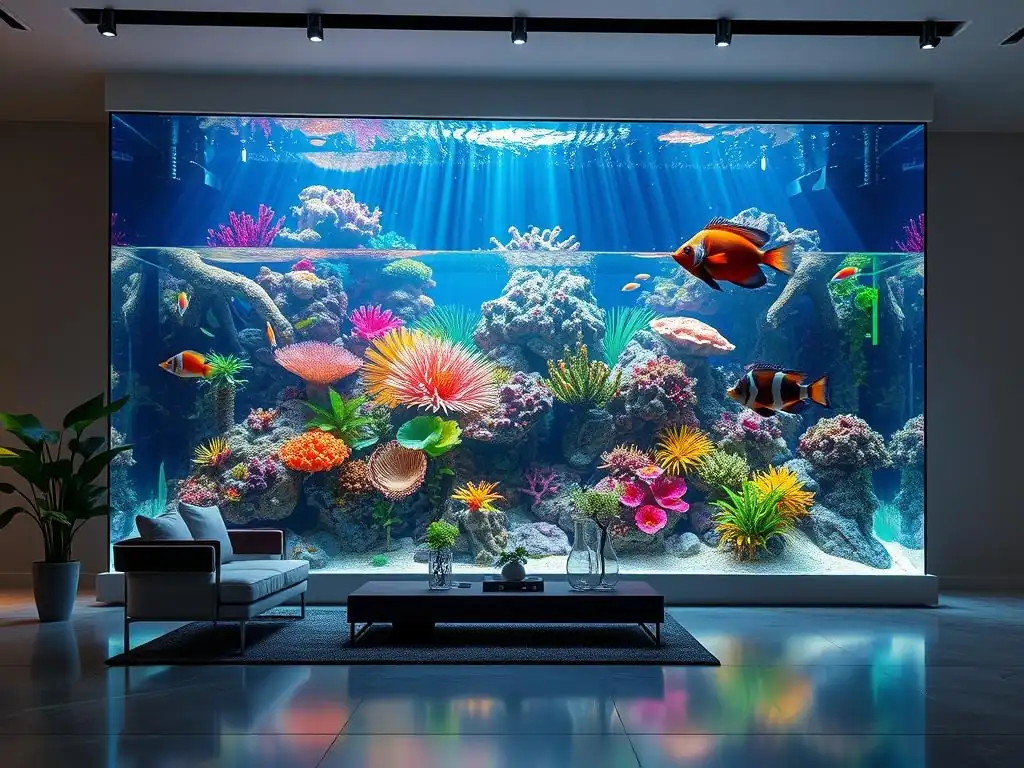
Welcome to Aquarium Mastery, where your aquatic dreams come to life!
Ever wonder how to unlock the true potential of your aquarium? Dive in with us as we explore the crucial role of illumination. Thinking about the best aquarium lighting for fish? You've come to the right place! Get ready to uncover the secrets to a vibrant, healthy, and visually stunning underwater world. Keep reading to illuminate your understanding and transform your tank!
- Understanding Aquarium Lighting Basics for a Healthy Ecosystem
-
Frequently Asked Questions
- What is the most important factor to consider when choosing aquarium lighting?
- How does aquarium lighting affect the health of my fish?
- What are the different types of aquarium lighting available?
- How do I determine the correct lighting intensity for my aquarium?
- Can I use regular household lights for my aquarium?
- Final Reflection: Illuminating Aquatic Life
- Illuminate Your Aquarium Dreams!
Understanding Aquarium Lighting Basics for a Healthy Ecosystem
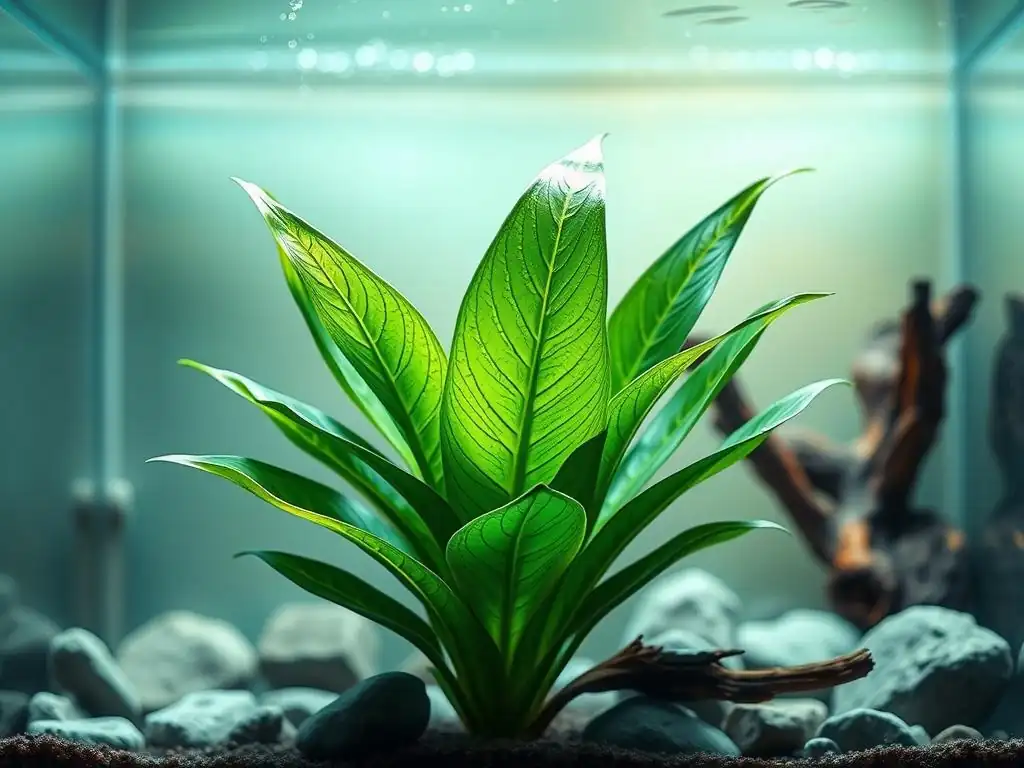
Why is Aquarium Lighting Important for Fish and Plants?
Aquarium lighting plays a pivotal role in the overall health and well-being of both fish and aquatic plants, extending far beyond mere aesthetics. For fish, proper illumination directly influences their circadian rhythms, which dictate crucial biological processes such as feeding, sleeping, and spawning. Inadequate or inconsistent lighting can lead to chronic stress, faded coloration, and a suppressed immune system, making fish more susceptible to diseases.
For instance, species like Discus or Angelfish, which originate from naturally shaded, calm waters, require a more subdued lighting regimen to prevent stress, whereas active schooling fish like Rainbowfish benefit from a consistent day-night cycle that mimics their natural habitat, ensuring they exhibit their best colors and behaviors. Providing the best aquarium lighting for fish means supporting their natural cycles and reducing environmental stressors.
Furthermore, a well-chosen lighting system is indispensable for the photosynthetic process in aquatic plants. Plants utilize light energy to convert carbon dioxide and nutrients into oxygen and organic compounds, which are vital for their growth and act as natural filters, improving water quality.
Without sufficient light in the correct spectrum, plants will exhibit stunted growth, yellowing leaves (chlorosis), or even melt away, leading to an imbalance in the aquarium ecosystem and potentially contributing to algae proliferation. For example, a lush planted tank with species like Java Fern or Anubias can thrive under moderate light, while high-demand plants such as Rotala macrandra or Glossostigma elatinoides require intense, full-spectrum illumination to display their vibrant hues and dense growth, making the choice of the best aquarium lighting for a fish-and-plant setup critical.
Types of Aquarium Lights: A Comprehensive Overview
The market offers a diverse range of aquarium lighting technologies, each with distinct characteristics regarding efficiency, lifespan, initial cost, and light output. Fluorescent lights, specifically T8 and T5 High Output (T5HO) bulbs, have historically been popular choices. T8 fluorescents, typically rated around 18-40 watts for common aquarium lengths, offer a broad, diffuse light suitable for fish-only tanks or low-light planted setups.
T5HOs, on the other hand, provide significantly higher light intensity and better color rendition, often ranging from 24-54 watts per bulb, making them a strong option for moderately planted aquariums due to their ability to penetrate deeper into the water column and support robust plant growth. While relatively inexpensive upfront, fluorescent bulbs generally require replacement every 6-12 months as their spectrum degrades, impacting their effectiveness.
Light Emitting Diodes (LEDs) have emerged as the dominant technology in modern aquarium lighting due to their exceptional energy efficiency, extended lifespan, and unparalleled control over light spectrum and intensity. A typical LED fixture can consume 50-70% less energy than an equivalent fluorescent system, with diodes lasting upwards of 50,000 hours, significantly reducing long-term operating costs and maintenance.
Many advanced LED units offer programmable features, allowing users to customize sunrise/sunset effects, moonlight modes, and specific spectral outputs to cater precisely to the needs of various fish species and plants, from low-light community tanks to demanding reef setups. For instance, a 20-watt full-spectrum LED fixture can often provide comparable or superior PAR (Photosynthetically Active Radiation) to a 40-watt fluorescent, establishing LEDs as a leading contender for the best aquarium lighting for fish and plants seeking customization and efficiency.
Metal Halide lights, while less common today, still offer the highest intensity and penetration, making them suitable for very deep or demanding reef tanks, though they generate considerable heat and consume significant power.
Frequently Asked Questions
What is the most important factor to consider when choosing aquarium lighting?
The most important factor is the light spectrum needed by your aquarium's inhabitants. Different fish and plants require different wavelengths for optimal health and growth. Always research your specific species!
How does aquarium lighting affect the health of my fish?
Inadequate lighting can stress fish, affecting their immune system and coloration. Too much light can promote algae growth and also stress the fish. Finding the correct balance is crucial.
What are the different types of aquarium lighting available?
Common types include LED, fluorescent, and metal halide lighting. LED lights are generally favored for their energy efficiency and lifespan. The best option depends on the size and needs of your tank.
How do I determine the correct lighting intensity for my aquarium?
Lighting intensity depends on the depth of the tank and the needs of the plants. Deeper tanks require more powerful lights to penetrate to the bottom. Higher light is often necessary for photosynthetic corals.
Can I use regular household lights for my aquarium?
While possible in some very limited situations, it's not recommended. Regular household lights usually lack the correct spectrum and intensity for proper aquarium health. Aquarium-specific lighting is designed for this purpose.
Final Reflection: Illuminating Aquatic Life
The journey through the world of aquarium lighting, as we've explored, is far more than just flipping a switch. It's about understanding the delicate balance of light, life, and the intricate ecosystems we create within our glass boxes. Today, the demand for sustainable and efficient aquarium lighting is not just a trend, but a necessity, reflecting a growing awareness of our responsibility to both our aquatic pets and the planet. The right lighting transforms a simple tank into a vibrant, thriving underwater world.
This exploration has profoundly underscored the importance of mindful aquascaping and the critical role light plays in the health and well-being of our finned companions. Witnessing the vibrant colors of corals under optimal lighting, or the flourishing growth of aquatic plants, is a testament to the power of understanding and applying these principles. The best aquarium lighting isn't just about brightness; it's about creating an environment where life can flourish in its full, radiant glory.
This sentiment captures the essence of our journey, reminding us that responsible aquarium keeping is an art and a science.
Now, as you stand before your own aquarium, consider the light it casts. Does it merely illuminate, or does it truly nurture? Let this guide be more than just information; let it be a catalyst for change. Embrace the knowledge you've gained, experiment with different approaches, and strive to create an aquatic haven where your fish thrive, your plants flourish, and the beauty of the underwater world shines brightly. The power to transform your aquarium, and the lives within it, is now in your hands.
Illuminate Your Aquarium Dreams!
Thank you for diving into the world of aquarium lighting! We hope you’ve gained valuable insights into creating the perfect environment for your aquatic friends. Now, let's turn that knowledge into action!
- Calculate Your Tank's PAR: Measure the Photosynthetically Active Radiation (PAR) in your aquarium to fine-tune your lighting setup and ensure optimal plant and coral growth. Don't guess – measure!
- Share your newfound lighting expertise! Post a picture of your beautifully lit aquarium on social media using #AquariumMastery, and inspire fellow hobbyists.
- Experiment with sunrise/sunset timers: Simulate natural light cycles to reduce algae growth and promote healthier fish behavior.
Ready to transform your aquarium into a vibrant underwater paradise? Share your aquarium's current lighting setup and your biggest lighting challenge in the comments below!