
The Role of Fiber in Fish Diets: An Often Overlooked Essential for Digestion


Welcome to Aquarium Mastery, your ultimate guide to a thriving underwater world!
Ever wondered if your freshwater fish are getting everything they need from their diet? Dive in and discover the surprising benefits of fiber for your finned friends. It's an often overlooked essential for healthy digestion and overall well-being. Ready to unlock the secrets to a happier, healthier aquarium? Let's explore!
- Introduction: Why Fiber Matters for Freshwater Fish Health
- Understanding Dietary Fiber: More Than Just Roughage for Fish
-
The Underrated Benefits of Fiber for Freshwater Fish
- Improved Digestion: How Fiber Aids in Nutrient Absorption for Fish
- Preventing Constipation and Bloat in Aquarium Fish with Adequate Fiber Intake
- Promoting Gut Health: The Role of Fiber in a Healthy Fish Microbiome
- Boosting Immune System Function Through Fiber Consumption in Fish
- Fiber's Impact on Fish Coloration and Overall Vitality
- Fiber Sources for Aquarium Fish: Choosing the Right Foods
- How Much Fiber Do Freshwater Fish Need? Determining Optimal Intake
- Incorporating Fiber into Your Fish Feeding Routine: Practical Tips
- Debunking Myths About Fiber and Fish: Separating Fact from Fiction
- Conclusion: Prioritizing Fiber for Thriving Freshwater Fish
- Frequently Asked Questions
- Final Reflection: Unlocking the Potential of Fiber for Aquatic Life
- Fuel Your Fish: Unlock the Secrets to Vibrant Health!
Introduction: Why Fiber Matters for Freshwater Fish Health
For many aquarium enthusiasts, the focus of fish nutrition often centers on protein content, essential fats, and vitamins, with fiber frequently relegated to an afterthought. However, just as in humans, dietary fiber plays a crucial, multifaceted role in the digestive health and overall well-being of freshwater fish. Neglecting this vital component can lead to a range of health issues, from common digestive upsets like constipation and bloat to more systemic problems impacting immunity and vitality. Understanding the fiber benefits freshwater fish can unlock a new level of aquarium husbandry, ensuring your aquatic companions thrive.
This comprehensive guide will delve into the often-underestimated importance of fiber in the diets of freshwater fish, exploring its various forms, its profound impact on digestion and gut health, and practical strategies for ensuring your fish receive adequate amounts. By recognizing fiber as an essential nutrient, aquarists can proactively prevent common ailments and contribute significantly to the longevity and vibrant health of their freshwater ecosystems.
Understanding Dietary Fiber: More Than Just Roughage for Fish
Defining Fiber: What is it and Where Does it Come From?
Dietary fiber, in the context of fish nutrition, refers to plant-derived carbohydrates that are largely indigestible by the fish's own enzymatic processes. Unlike proteins, fats, or digestible carbohydrates that are broken down and absorbed, fiber passes through the digestive tract relatively intact. These complex carbohydrates primarily originate from the cell walls of plants, including components like cellulose, hemicellulose, lignin, pectin, and gums. In the wild, freshwater fish consume fiber naturally through their diet of algae, aquatic plants, detritus, and the plant matter contained within their prey.
While fish lack the specific enzymes (like cellulase) to break down these compounds directly, fiber is far from inert. It provides bulk to the digesta, aiding in its movement through the gut. Moreover, certain types of fiber can be fermented by the beneficial microbial communities residing in the fish's intestine, producing short-chain fatty acids (SCFAs) that serve as an energy source for gut cells and contribute to a healthy gut environment. This interaction highlights that even if not directly absorbed, the fiber benefits freshwater fish by supporting their internal ecosystems.
Types of Fiber: Soluble vs. Insoluble Fiber in Fish Food
Dietary fiber is broadly categorized into two main types based on its solubility in water: soluble fiber and insoluble fiber, both of which offer distinct fiber benefits freshwater fish. Soluble fiber, found in ingredients like oats, barley, peas, and some algae (e.g., spirulina), dissolves in water to form a gel-like substance. This type of fiber slows down the passage of food through the digestive tract, which can aid in nutrient absorption by allowing more contact time with the gut lining. It is also more readily fermented by gut bacteria, contributing significantly to a healthy gut microbiome.
In contrast, insoluble fiber, prevalent in components like cellulose (plant cell walls), lignin, and wheat bran, does not dissolve in water. Instead, it adds bulk to the stool, promoting regular bowel movements and preventing constipation. This "roughage" effect helps to sweep waste products through the intestines more efficiently. Both soluble and insoluble fibers are crucial for optimal fish health, working synergistically to maintain digestive regularity and support a thriving internal environment, making their inclusion in commercial fish food and supplementary diets essential for the fiber benefits freshwater fish.
The Underrated Benefits of Fiber for Freshwater Fish
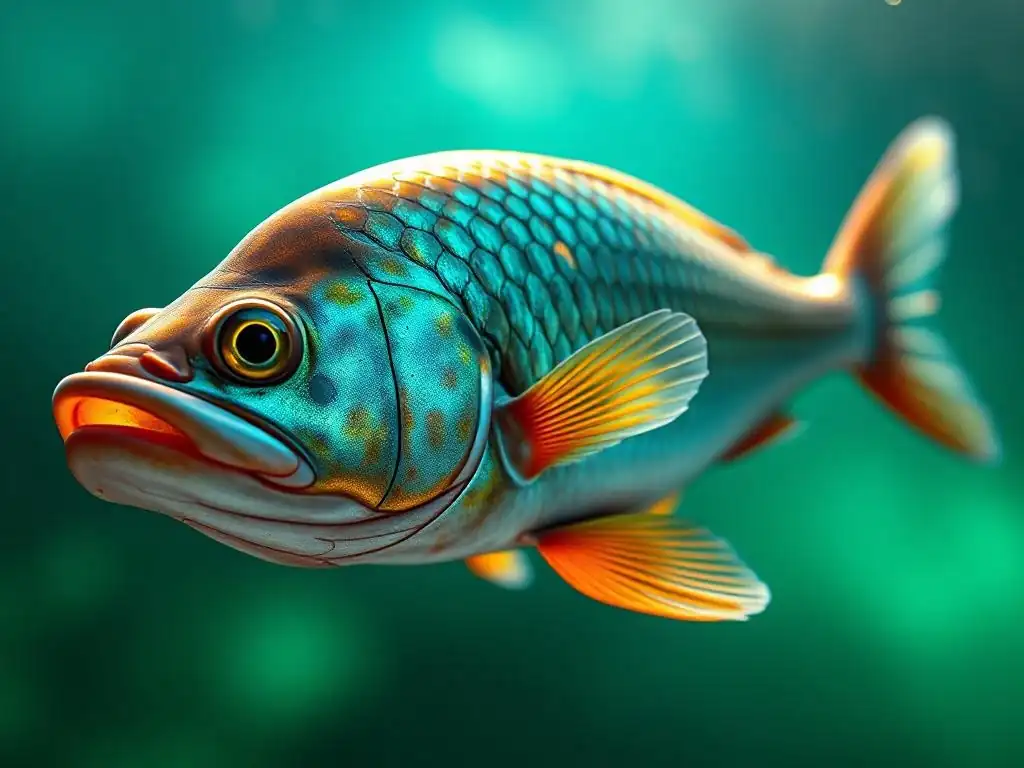
Improved Digestion: How Fiber Aids in Nutrient Absorption for Fish
While fiber itself is not directly digested by fish, its presence significantly enhances the overall digestive process, indirectly improving nutrient absorption. Insoluble fiber adds bulk to the food mass, stimulating peristalsis – the muscular contractions that move food through the digestive tract. This regular movement prevents food from stagnating, which can lead to fermentation by undesirable bacteria and the production of harmful gases. For instance, fish fed diets with adequate insoluble fiber typically exhibit more consistent and well-formed waste, indicating efficient gut transit.
Furthermore, soluble fiber, by forming a viscous gel, can slow down the rate at which food passes through the gut. This extended transit time allows digestive enzymes more opportunity to interact with and break down digestible nutrients like proteins and fats, potentially leading to higher absorption rates. For example, studies in aquaculture have shown that optimal levels of certain fibers can improve the apparent digestibility of protein in species like common carp by a few percentage points, demonstrating how fiber indirectly contributes to the efficient utilization of nutrients and overall fiber benefits freshwater fish.
Preventing Constipation and Bloat in Aquarium Fish with Adequate Fiber Intake
One of the most immediate and noticeable fiber benefits freshwater fish is its role in preventing common digestive ailments such as constipation and bloat. Fish, particularly omnivorous and herbivorous species, are prone to these issues if their diet lacks sufficient fiber. Constipation occurs when waste material moves too slowly through the intestines, becoming dry and difficult to pass, leading to discomfort and potentially impaction. Bloat, often seen in cichlids and goldfish, can result from gas accumulation due to improper digestion or bacterial overgrowth in a stagnant gut.
Adequate fiber intake, especially insoluble fiber, provides the necessary bulk to keep the digestive system moving smoothly. This bulk acts like a broom, helping to push food and waste along, preventing blockages and reducing the likelihood of gas buildup. For instance, feeding blanched peas (a good source of both soluble and insoluble fiber) is a common remedy for constipated goldfish, demonstrating fiber's direct impact on alleviating digestive distress and promoting regular bowel movements. This preventive measure is a cornerstone of responsible fish keeping, leveraging the fiber benefits freshwater fish for their daily comfort.
Promoting Gut Health: The Role of Fiber in a Healthy Fish Microbiome
The health of a fish's gut microbiome – the community of bacteria and other microorganisms residing in its digestive tract – is intrinsically linked to its overall well-being, and fiber plays a pivotal role in nurturing this vital ecosystem. While fish cannot digest fiber directly, many beneficial gut bacteria possess the enzymes required to ferment certain types of fiber, particularly soluble fiber. This fermentation process produces short-chain fatty acids (SCFAs) such as butyrate, propionate, and acetate.
These SCFAs are not just waste products; they are critical metabolites that provide energy to the cells lining the intestinal wall, strengthening the gut barrier. A robust gut barrier is essential for preventing the leakage of toxins and pathogens into the bloodstream, thus reducing inflammation and supporting systemic health.
Furthermore, SCFAs contribute to a slightly acidic environment in the gut, which can inhibit the growth of harmful bacteria while promoting the proliferation of beneficial species like Lactobacillus and Bifidobacterium. This symbiotic relationship between fiber and the gut microbiome is a profound example of how fiber benefits freshwater fish by bolstering their internal defenses and digestive efficiency.
Boosting Immune System Function Through Fiber Consumption in Fish
Beyond direct digestive support, the fiber benefits freshwater fish extend significantly to their immune system. A healthy gut is widely recognized as the cornerstone of a strong immune response in all animals, including fish. Approximately 70% of a fish's immune cells are located in the gut-associated lymphoid tissue (GALT). By promoting a balanced and diverse gut microbiome, fiber indirectly enhances the immune system's ability to ward off diseases.
The SCFAs produced from fiber fermentation not only nourish gut cells but also have immunomodulatory effects, influencing the activity of various immune cells. For example, butyrate has been shown to reduce inflammation and enhance the integrity of the intestinal barrier, which acts as the first line of defense against pathogens.
Fish with a healthy gut, supported by adequate fiber intake, are generally more resilient to environmental stressors and less susceptible to common aquarium ailments like fin rot, ich, and bacterial infections. This holistic impact underscores that dietary fiber is not merely about digestion but is a fundamental component for robust immune function and disease resistance in freshwater fish.
Fiber's Impact on Fish Coloration and Overall Vitality
The aesthetic appeal and energetic behavior of freshwater fish are often indicators of their underlying health, and fiber contributes to both. While fiber doesn't directly contain pigments, its positive impact on digestion, nutrient absorption, and gut health indirectly translates into more vibrant coloration and enhanced vitality. When fish are efficiently absorbing essential vitamins, minerals, and carotenoids from their diet—a process aided by proper gut function—these nutrients are more readily available for metabolic processes, including the deposition of pigments in their skin and scales.
Fish suffering from chronic digestive issues due to low fiber often appear lethargic, have clamped fins, and exhibit dull or faded colors. Conversely, a fish receiving a balanced diet with adequate fiber will typically display bright, intense coloration, active swimming behaviors, and a strong appetite. This is because a healthy digestive system, supported by fiber, ensures that the fish is receiving all the necessary building blocks for energy, growth, and vibrant health, making the fiber benefits freshwater fish visible in their appearance and behavior.
Fiber Sources for Aquarium Fish: Choosing the Right Foods
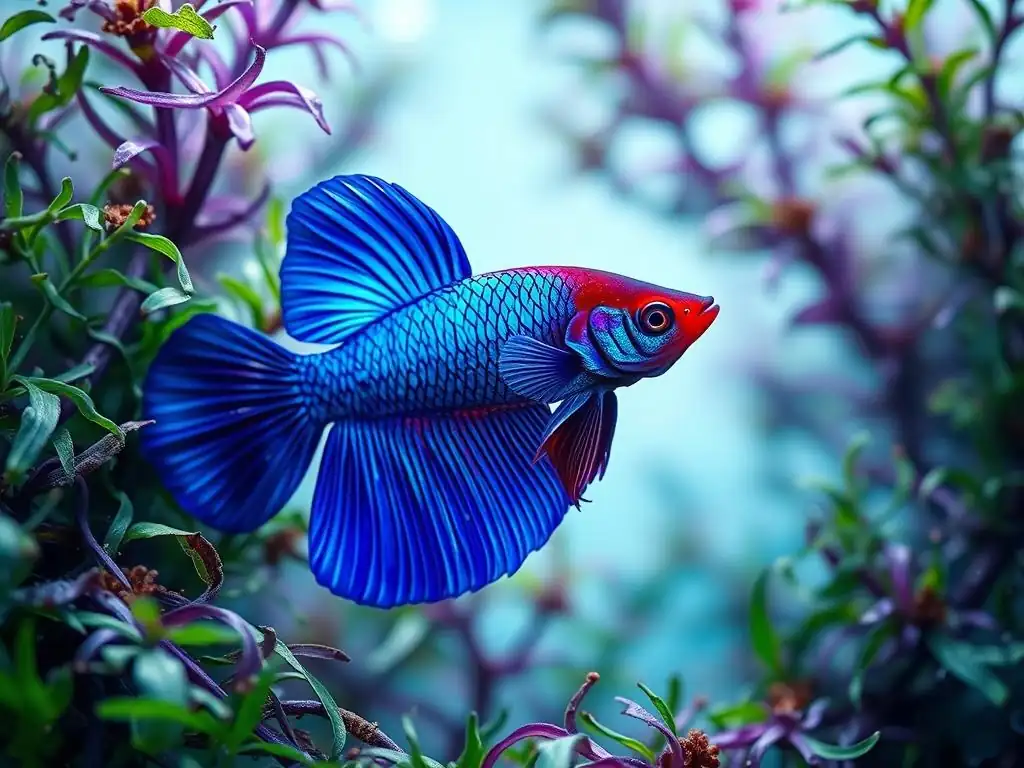
Plant-Based Fiber Sources: Vegetables, Algae, and Aquatic Plants for Fish
For freshwater fish, particularly herbivores and omnivores, natural plant-based sources are excellent providers of dietary fiber. Common vegetables like blanched peas (with the skin removed for easier digestion), zucchini slices, cucumber slices, and spinach are readily accepted by many species and offer a good mix of soluble and insoluble fibers. For example, a small piece of blanched zucchini can be offered to bristlenose plecos, snails, or larger omnivores like some cichlids, providing essential roughage.
Algae, whether naturally growing in the tank (within reason) or provided in the form of spirulina flakes or wafers, is another vital fiber source, particularly for species like Otocinclus catfish, mollies, and guppies. Spirulina, a blue-green algae, is rich in both protein and highly digestible soluble fibers. While most aquarium fish do not actively consume live aquatic plants in large quantities, some species, especially true herbivores like certain plecos or silver dollars, might nibble on softer plant leaves, gaining some fiber in the process. Incorporating these varied plant-based options helps ensure a broad spectrum of fiber benefits freshwater fish.
Commercial Fish Food: Identifying Fiber Content on Labels
When selecting commercial fish foods, understanding how to read the nutritional label is crucial for ensuring adequate fiber intake. Most quality flakes, pellets, and wafers will list "Crude Fiber" as a percentage. This figure represents the indigestible plant material present in the food. For carnivorous fish, a crude fiber content of 2-5% is generally sufficient, as their natural diet consists mostly of protein and fat. However, for omnivorous species like many tetras, barbs, and gouramis, a range of 5-10% crude fiber is more appropriate.
Herbivorous fish, such as most plecos, mollies, and some African cichlids, require significantly higher fiber levels, often ranging from 10-25% or even higher in specialized algae wafers or vegetable sticks. Ingredients to look for that contribute fiber include spirulina, alfalfa meal, wheat germ, vegetable meals (e.g., pea meal, spinach meal), and various plant extracts. Reputable brands will often tailor their formulas to specific dietary needs, making it easier to find appropriate food that delivers the desired fiber benefits freshwater fish. Always check the guaranteed analysis to match the food's fiber content to your fish's species-specific requirements.
Supplementing Fiber: When and How to Add Additional Fiber to Fish Diets
While a high-quality commercial fish food should ideally provide the majority of a fish's nutritional needs, there are instances where supplementing fiber is beneficial or even necessary. This is particularly true for fish showing signs of constipation or bloat, or for species with naturally high fiber requirements that aren't fully met by their primary diet. For example, if your goldfish are consistently constipated, adding blanched peas to their diet a few times a week can be highly effective. The peas should be cooked until soft, cooled, and the outer skin removed before feeding.
Other suitable supplementary fiber sources include small pieces of blanched zucchini or cucumber, which can be weighted down to sink to the bottom for bottom-dwellers. For very small fish, finely grated vegetables can be offered. It's important to introduce new foods gradually and observe your fish's reaction to avoid digestive upset. Supplementing should not replace the primary balanced diet but rather enhance it, providing targeted fiber benefits freshwater fish when their regular food might fall short or during periods of digestive distress.
Fiber-Rich Foods for Herbivorous, Omnivorous, and Carnivorous Fish
The optimal fiber intake varies significantly across different fish species, reflecting their natural diets in the wild. For herbivorous fish, such as many species of plecos (e.g., Bristlenose Plecos), Otocinclus catfish, and certain mollies and guppies, a diet rich in plant matter is paramount. Their primary commercial foods should be algae wafers, spirulina flakes, and vegetable pellets, often containing 15-25% crude fiber. Supplementing with blanched zucchini, cucumber, or spinach is highly beneficial for these species, ensuring they receive the substantial fiber benefits freshwater fish that are herbivores.
Omnivorous fish, which constitute a large portion of common aquarium inhabitants like most tetras, barbs, gouramis, and many cichlids, require a balanced diet that includes both animal and plant matter. Their commercial foods should ideally have a crude fiber content between 5-10%. Occasional offerings of blanched vegetables, spirulina-enriched flakes, or quality staple foods with plant-based ingredients will meet their fiber needs. Even carnivorous fish, such as Bettas, Oscars, and Arowanas, while primarily consuming protein, still benefit from a small amount of fiber (typically 2-5% crude fiber).
In the wild, they would consume the indigestible parts of their prey (e.g., chitin from insects). For these species, high-quality carnivore pellets often contain sufficient fiber from ingredients like fish meal and a small amount of plant matter. Balancing the diet according to species-specific needs is key to unlocking the full fiber benefits freshwater fish.
How Much Fiber Do Freshwater Fish Need? Determining Optimal Intake
Factors Influencing Fiber Requirements: Species, Age, and Activity Level
Determining the precise amount of fiber needed by freshwater fish is not a one-size-fits-all calculation, as several factors influence optimal intake. Species is the most critical determinant: as previously discussed, herbivores require significantly more fiber than carnivores, with omnivores falling in between. For example, a common pleco might thrive on a diet with 20% crude fiber, whereas a Betta would likely suffer digestive issues if fed such a high-fiber diet, due to their short digestive tracts adapted for protein.
Age also plays a role; juvenile fish, especially those growing rapidly, may have different digestive efficiencies and nutrient requirements, potentially tolerating or needing slightly different fiber levels. Highly active fish, which have a faster metabolism and digestive transit time, might benefit from fiber that helps regulate this process. Conversely, sedentary or older fish might need fiber to prevent sluggish digestion. Observing your specific fish's health, waste output, and behavior is paramount to fine-tuning their fiber intake and maximizing the fiber benefits freshwater fish within your aquarium.
Recognizing Fiber Deficiency Symptoms in Aquarium Fish
A lack of adequate fiber in a freshwater fish's diet can manifest in several noticeable symptoms, making it crucial for aquarists to be observant. The most common signs are constipation and bloat. Constipated fish may appear lethargic, have a distended abdomen, or produce stringy, segmented, or absent fecal matter. Goldfish, in particular, are prone to swim bladder issues and buoyancy problems when constipated due to gas buildup.
Other symptoms of chronic fiber deficiency can include poor growth and reduced vitality, as inadequate fiber can impair overall nutrient absorption, leading to a general decline in health. Fish may also exhibit pale coloration due to inefficient uptake of essential pigments. Indirectly, a weakened immune system stemming from poor gut health can lead to increased susceptibility to common diseases like fin rot or bacterial infections. Recognizing these signs promptly allows for dietary adjustments, restoring the much-needed fiber benefits freshwater fish for their health and comfort.
Avoiding Overfeeding Fiber: Potential Risks and Considerations
While fiber is essential, it is possible to overfeed it, leading to its own set of problems. Excessive fiber, especially insoluble fiber, can dilute the nutritional density of a fish's diet. This means that while the fish's stomach may be full, it might not be receiving enough digestible protein, fats, vitamins, and minerals. For carnivorous fish, a diet too high in plant-based fiber can lead to malabsorption, as their digestive systems are not optimized to process large amounts of plant material, potentially causing nutrient deficiencies and poor growth.
Another risk of excessive fiber is the potential for excessive waste production and reduced water quality. While fiber aids in forming solid waste, an overabundance can lead to larger, more frequent excretions, increasing the bioload on the filtration system. In some cases, particularly with sudden increases in fiber, fish may experience diarrhea or digestive upset. Therefore, the key is balance: providing optimal fiber benefits freshwater fish means ensuring adequate, but not excessive, amounts tailored to their specific dietary needs.
Incorporating Fiber into Your Fish Feeding Routine: Practical Tips
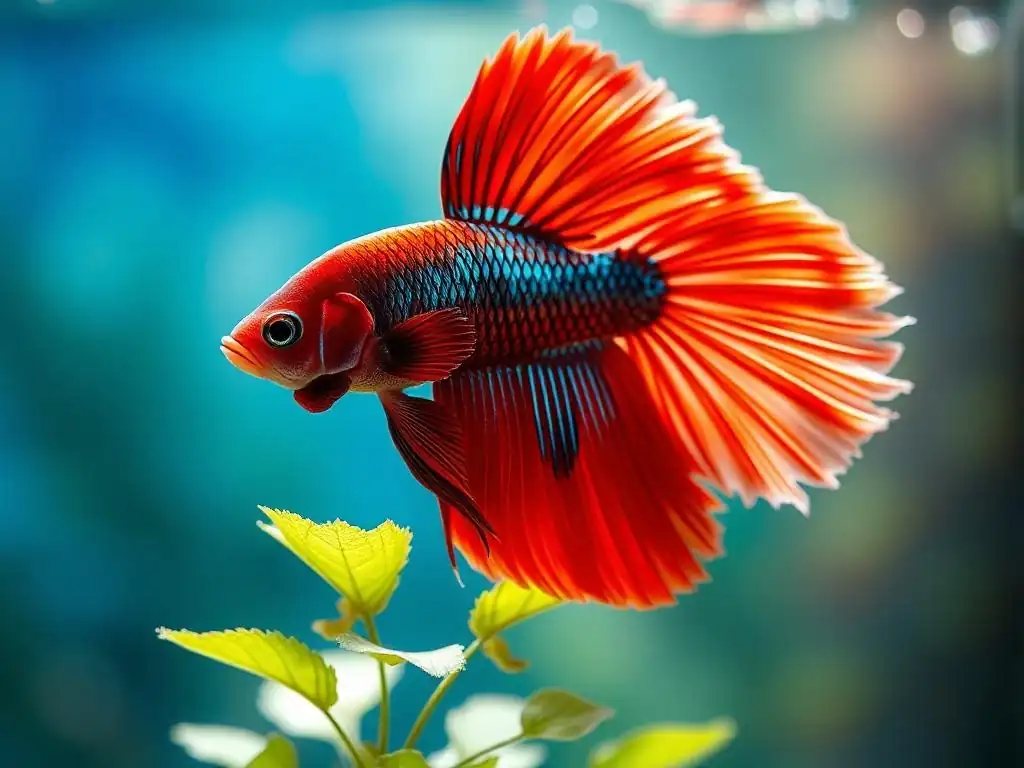
Gradual Introduction: Avoiding Digestive Upset in Fish
When making changes to your fish's diet, especially when introducing new fiber sources or switching to a higher-fiber food, a gradual approach is crucial to prevent digestive upset. Fish, like many animals, have sensitive digestive systems that can react negatively to sudden dietary shifts. Abrupt changes can lead to stress, refusal to eat, or even digestive issues like diarrhea or bloat, temporarily negating the intended fiber benefits freshwater fish.
Start by mixing a small amount of the new high-fiber food with their current staple diet, perhaps a 75/25 ratio for the first few days. Over the next week or two, slowly increase the proportion of the new food while decreasing the old one. For supplementary items like blanched vegetables, introduce them sparingly at first, offering a small piece once or twice a week, and observe your fish's reaction before increasing frequency. This gentle transition allows their digestive enzymes and gut microbiome to adapt, ensuring a smooth integration of the fiber into their diet.
Variety is Key: Offering a Diverse Range of Fiber-Rich Foods to Fish
Just as humans benefit from a varied diet, so do freshwater fish. Relying on a single source of fiber, even a good one, might not provide the full spectrum of nutrients and fiber types necessary for optimal health. Different plant-based foods offer varying ratios of soluble to insoluble fiber, as well as a diverse array of vitamins, minerals, and phytonutrients. For instance, while blanched peas are excellent for insoluble fiber, spirulina provides more soluble fiber and a richer amino acid profile.
Incorporating a mix of high-quality commercial foods (flakes, pellets, wafers) specifically formulated for your fish's dietary category (herbivore, omnivore, carnivore) along with supplementary fresh or blanched vegetables (e.g., zucchini, spinach, kale) will ensure a broad range of fiber benefits freshwater fish. This varied approach not only covers their nutritional bases but also keeps feeding time interesting and stimulating for your fish, promoting better appetite and overall well-being.
Monitoring Fish Health: Observing the Effects of Fiber on Digestion and Overall Well-being
The most effective way to ascertain if your fish are receiving the right amount of fiber is through diligent observation of their health and behavior. Pay close attention to their waste output: healthy fish should produce solid, well-formed feces that are passed regularly. Stringy, segmented, or unusually light-colored stools can indicate digestive issues, potentially related to insufficient or excessive fiber. Constipation or a distended abdomen are clear signs that dietary adjustments might be needed.
Beyond waste, observe their overall vitality, coloration, and activity levels. Fish that are thriving on a balanced, fiber-appropriate diet will typically exhibit vibrant colors, active swimming, and a healthy appetite. Conversely, lethargy, faded colors, or chronic illness can be indicators of underlying nutritional deficiencies, including suboptimal fiber intake. Keeping a log of feeding and any observed issues can help you fine-tune your fish's diet over time, maximizing the fiber benefits freshwater fish in your care.
Sample Feeding Schedules with Fiber-Rich Foods
Creating a structured feeding schedule that incorporates fiber can simplify routine aquarium maintenance. Here are a few sample schedules, adaptable to your specific fish species:
- For Herbivorous Fish (e.g., Bristlenose Plecos, Mollies, Guppies):
- Daily: High-quality algae wafers or spirulina flakes/pellets (ensure fiber content is 15-25% or higher).
- 2-3 times per week: Blanched zucchini slices, cucumber slices, or spinach. Offer a piece that can be consumed within a few hours to prevent water fouling.
- For Omnivorous Fish (e.g., Tetras, Barbs, Gouramis, most Cichlids):
- Daily: High-quality flake or pellet food (5-10% crude fiber) as their staple.
- 2 times per week: Supplement with spirulina flakes, blanched peas (skin removed), or finely grated zucchini. This ensures additional fiber benefits freshwater fish beyond their staple.
- For Carnivorous Fish (e.g., Bettas, Oscars, Arowanas):
- Daily: High-quality carnivorous pellet or flake food (2-5% crude fiber). Ensure the food lists a small amount of plant-based ingredients or fiber sources.
- Optional (very occasionally, if signs of constipation): A single blanched pea (skin removed) as a treat, if accepted, to relieve digestive issues.
Always feed small amounts multiple times a day rather than one large meal, and remove any uneaten food promptly to maintain water quality.
Debunking Myths About Fiber and Fish: Separating Fact from Fiction
Myth: All Fish Need the Same Amount of Fiber
This is a common misconception that can lead to significant dietary imbalances and health problems. The notion that "fiber is good, so more is always better for all fish" is fundamentally flawed. As extensively discussed, the optimal fiber requirements for freshwater fish vary dramatically based on their natural feeding habits and evolutionary adaptations. Carnivores, with their short digestive tracts optimized for quickly processing protein and fat, thrive on very low fiber diets (2-5%). Feeding them high fiber can lead to nutrient malabsorption and digestive distress.
Conversely, obligate herbivores, like many plecos, possess longer, more complex digestive systems designed to break down and ferment large quantities of plant matter, requiring upwards of 15-25% fiber. Omnivores fall in between, needing a moderate amount. Therefore, tailoring the fiber content to the specific species in your aquarium is crucial for truly harnessing the fiber benefits freshwater fish and avoiding nutritional deficiencies or digestive issues.
Myth: Fish Can't Digest Plant Matter
While it's true that most fish lack the specific enzymes (like cellulase) to directly break down complex plant fibers such as cellulose into absorbable sugars, this does not mean they cannot process or benefit from plant matter. The term "digest" can be misleading here. Fish digestive systems are well-equipped to handle plant material in several ways. Insoluble fiber provides essential bulk, aiding mechanical digestion and peristalsis, ensuring food moves efficiently through the gut and preventing constipation.
More importantly, the beneficial bacteria within the fish's gut microbiome play a crucial role in fermenting certain types of soluble plant fibers. This bacterial fermentation yields short-chain fatty acids (SCFAs), which are then absorbed by the fish and serve as a vital energy source for gut cells and contribute to overall health. Therefore, while fish may not "digest" fiber in the same way they digest protein, plant matter is indispensable for healthy gut function, making the fiber benefits freshwater fish a reality through both physical and microbial actions.
Myth: High-Protein Diets Are Always Best, Neglecting Fiber
This myth often stems from the understanding that fish, especially carnivorous species, have high protein requirements for growth and muscle development. While protein is undoubtedly a critical macronutrient, an exclusive focus on high protein at the expense of other essential components like fiber can lead to an unbalanced diet and health problems. For instance, feeding a purely high-protein, low-fiber diet to omnivorous or herbivorous fish (like goldfish or many cichlids) frequently results in chronic constipation, bloat, and swim bladder issues.
Even for carnivorous species, a minimal amount of fiber is necessary to ensure healthy gut transit and support the gut microbiome, as their natural prey would contain some indigestible components. A diet that is excessively high in protein without adequate fiber can also put undue strain on the kidneys and liver, as the fish's body must process and excrete excess nitrogenous waste.
The reality is that optimal fish health hinges on a balanced diet that provides appropriate levels of all macronutrients—protein, fats, carbohydrates (including digestible and fiber), and micronutrients—tailored to the specific species. This balanced approach truly delivers the full spectrum of fiber benefits freshwater fish.
Reality: The Importance of Balanced Nutrition, Including Fiber, for Optimal Fish Health
The undeniable reality is that optimal health and longevity for freshwater fish are achieved through a holistic approach to nutrition, where fiber is recognized as an indispensable component of a balanced diet. Just as protein, fats, vitamins, and minerals play their unique roles, dietary fiber contributes significantly to digestive regularity, gut microbiome health, nutrient absorption efficiency, and overall immune function. Neglecting fiber can lead to a cascade of health issues, from common digestive discomforts to more serious systemic problems.
By understanding the specific fiber needs of your fish species—whether they are herbivores requiring high fiber, carnivores needing minimal, or omnivores benefiting from moderate amounts—you can select appropriate commercial foods and provide suitable supplementation. Prioritizing a varied diet that includes quality fiber sources ensures robust digestive health, enhances disease resistance, and promotes vibrant coloration and active behavior. Ultimately, embracing the full spectrum of fiber benefits freshwater fish is a hallmark of responsible and successful aquarium keeping, laying the foundation for a thriving aquatic environment.
Conclusion: Prioritizing Fiber for Thriving Freshwater Fish
The Long-Term Benefits of a Fiber-Rich Diet for Aquarium Fish
The long-term benefits of consistently providing a fiber-rich diet tailored to your freshwater fish's specific needs are profound and far-reaching. Beyond immediate relief from constipation or bloat, adequate fiber intake contributes to sustained digestive efficiency, ensuring that fish can optimally absorb essential nutrients from their food. This consistent nutrient uptake supports robust growth, vibrant coloration, and high energy levels over their lifespan. Furthermore, a healthy, fiber-supported gut microbiome significantly bolsters the fish's immune system, making them more resilient to common diseases and environmental stressors.
Over years, fish maintained on a nutritionally complete diet that includes appropriate fiber levels are less prone to chronic health issues, exhibit better stress resistance, and generally enjoy a higher quality of life. This proactive approach to nutrition, recognizing the crucial fiber benefits freshwater fish, translates directly into fewer health emergencies and a more stable, thriving aquarium ecosystem.
Ensuring Optimal Health and Longevity Through Proper Nutrition
Achieving optimal health and maximizing the longevity of your freshwater fish is inextricably linked to providing proper nutrition, and fiber stands as a cornerstone of this nutritional framework. It's not merely about feeding fish; it's about providing the right nutrients in the right balance. Overlooking fiber can undermine the efficacy of even the highest quality protein or vitamin supplements, as a compromised digestive system cannot fully utilize these elements.
By carefully selecting commercial foods with appropriate crude fiber percentages, incorporating natural plant-based supplements, and observing your fish's individual responses, you actively contribute to their well-being. This meticulous attention to dietary detail ensures that every aspect of their physiological function, from digestion to immunity, operates at its peak, allowing your fish to live out their full potential in your care.
Fiber: A Key Component of Responsible Fish Keeping
In the grand scheme of responsible fish keeping, fiber emerges as a key, albeit often underestimated, component. It's not a glamorous element like a rare fish species or an intricate aquascape, but its impact on the daily health and long-term vitality of freshwater fish is undeniable. Understanding and implementing appropriate fiber levels in your fish's diet reflects a deeper commitment to their welfare, moving beyond basic survival to fostering true thriving.
Embracing the fiber benefits freshwater fish means embracing a holistic view of aquatic animal husbandry. It empowers aquarists to prevent common ailments, support natural physiological processes, and ultimately cultivate a healthier, more resilient, and more vibrant aquatic community. Prioritizing fiber is not just a dietary choice; it's an investment in the enduring health and happiness of your finned companions.
Frequently Asked Questions
How does fiber benefit freshwater fish?
Fiber aids in digestion and gut health by promoting healthy gut flora and preventing constipation. It also helps fish feel full, reducing overfeeding, and can improve nutrient absorption.
What types of fiber are best for freshwater fish?
Suitable fiber sources include vegetable matter, such as blanched spinach, zucchini, and peas. Some fish food brands also incorporate fiber-rich ingredients like wheat bran or oatmeal.
How much fiber should be included in a freshwater fish's diet?
The ideal amount varies by species, but generally, fiber should comprise a small percentage of their diet, typically 5-10%. Research the specific needs of your fish species.
What are the signs of a fiber deficiency in freshwater fish?
Symptoms may include constipation, bloating, lethargy, and poor growth. Changes in stool consistency can also be an indicator.
Can too much fiber be harmful to freshwater fish?
Yes, excessive fiber can interfere with nutrient absorption and cause digestive upset. A balanced diet is crucial; avoid overfeeding fiber-rich foods.
Final Reflection: Unlocking the Potential of Fiber for Aquatic Life
The journey through understanding the role of fiber in freshwater fish diets reveals a crucial, often underestimated aspect of aquaculture. The impact of fiber on digestion, nutrient absorption, and overall fish health is undeniable, and its strategic incorporation into feed formulations represents a significant opportunity to optimize fish farming practices. This isn't just about survival; it's about thriving, leading to healthier, more robust fish populations and a more sustainable aquaculture industry.
The subtle yet profound influence of fiber extends beyond the immediate benefits of improved digestion. It underscores the interconnectedness of diet, health, and environmental sustainability in aquaculture. The ability to tailor fiber content to specific fish species and life stages opens doors to personalized nutrition, minimizing waste and maximizing resource utilization. The best way to predict the future is to create it.
- Peter Drucker. This quote resonates deeply, reminding us that proactive research and implementation of fiber-rich diets are essential steps in shaping a healthier and more sustainable future for freshwater fish farming.
As we conclude, consider the implications of this knowledge. How can you, whether you're a fish farmer, a researcher, or simply an interested individual, contribute to a greater understanding and application of fiber in fish diets? Let us all strive to champion the cause of optimal fish nutrition, ensuring a future where the benefits of fiber are fully realized, leading to healthier fish, a more sustainable aquaculture industry, and a thriving aquatic ecosystem.
Fuel Your Fish: Unlock the Secrets to Vibrant Health!
Thanks for diving deep into the world of fish nutrition! We hope this article has shed light on the crucial role fiber plays in maintaining your aquatic friends' digestive health and overall well-being. Now, let’s put that knowledge into action!
Here are a few things you can do right now to ensure your fish are getting the fiber they need:
- Review your fish food labels and prioritize brands with high-quality fiber sources. Look for ingredients like spirulina, algae, and vegetable matter listed near the top.
- Supplement their diet with blanched vegetables like zucchini or spinach. Observe how your fish respond and adjust portion sizes accordingly.
- Share this article with fellow aquarium enthusiasts and spark a conversation about best practices for fish nutrition!
What fiber-rich foods have you found most effective for your fish, and what positive changes have you observed?