
Saltwater Stars: Our Top Picks for Premium Marine Fish Foods – Nutrition & Palatability Reviewed

Welcome to Aquarium Mastery!
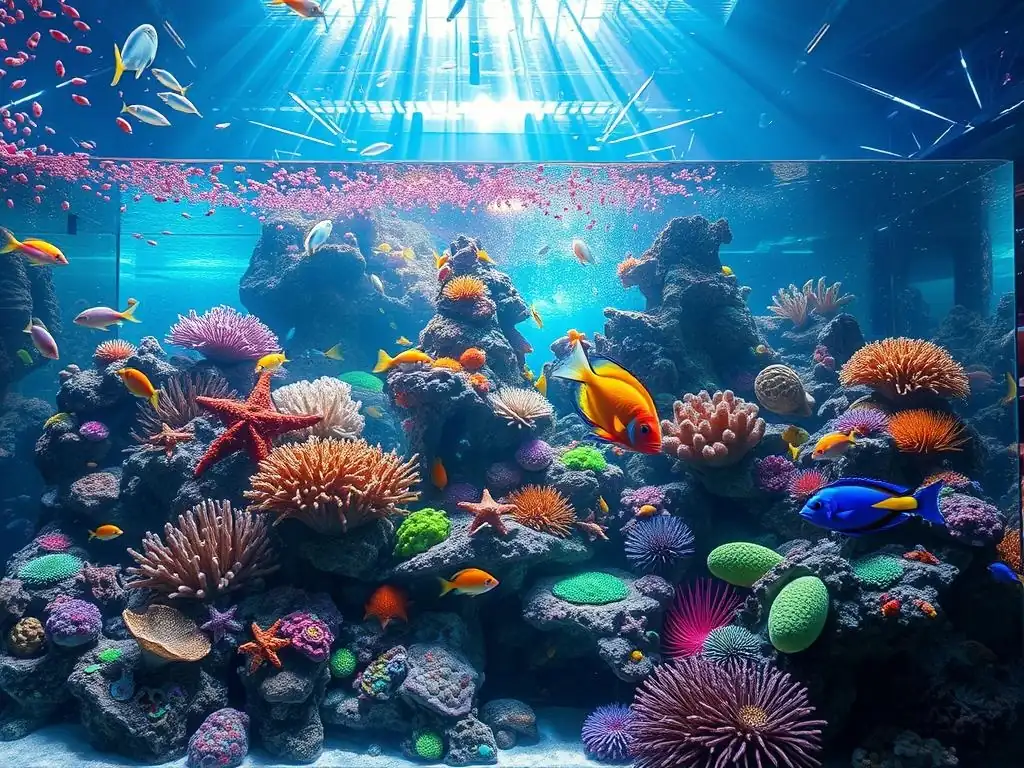
Ever wondered what the secret is to vibrant colors and boundless energy in your saltwater aquarium? It all starts with the right food. Dive in as we reveal our top picks for premium saltwater fish food, meticulously reviewed for nutrition and palatability. Discover how to nourish your marine stars and unlock their full potential – are you ready to elevate your feeding game?
- The Ultimate Guide to Premium Saltwater Fish Food: Nourishing Your Marine Aquarium
-
Our Top Picks: The Best Premium Saltwater Fish Foods on the Market
- 1. Omega One Marine Flakes: A Staple for Saltwater Fish Nutrition
- 2. New Life Spectrum Marine Fish Food: Color Enhancement and Balanced Diet
- 3. LRS Reef Frenzy Frozen Fish Food: The Gold Standard in Frozen Nutrition
- 4. Hikari Marine Sinking Carnivore Pellets: Perfect for Bottom-Dwelling Fish
- 5. Ocean Nutrition Formula Two Marine Pellets: Algae-Based Diet for Herbivores
- Comparing Premium Saltwater Fish Foods: A Side-By-Side Analysis
- Choosing the Right Premium Saltwater Fish Food for Your Aquarium
- Maximizing the Benefits of Premium Marine Fish Food
- Conclusion: Investing in Premium Saltwater Fish Food for a Vibrant Reef
-
Frequently Asked Questions
- What makes a saltwater fish food "premium"?
- How do I choose the right premium saltwater fish food for my aquarium?
- What are the benefits of feeding my saltwater fish premium food?
- How often should I feed my saltwater fish premium food?
- Where can I find reliable information on premium saltwater fish food brands?
- Final Reflection: Nourishing the Ocean's Jewels
- Ignite Your Reef: Discover the Perfect Diet for Thriving Marine Fish!
Investing in premium saltwater fish food is one of the most critical decisions an aquarist can make for the long-term health and vibrancy of their marine inhabitants. Unlike generic options, premium foods are formulated with high-quality, easily digestible ingredients that closely mimic the natural diet of marine fish.
This superior nutritional profile translates directly into enhanced coloration, robust immune systems, and significantly improved disease resistance. For instance, studies suggest that fish fed a high-quality, balanced diet can exhibit up to 30% better growth rates and demonstrate a remarkable reduction in susceptibility to common ailments like lateral line erosion or fin rot, which are often exacerbated by nutritional deficiencies.
Furthermore, premium saltwater fish food typically contains fewer fillers and binders, resulting in less waste and a cleaner aquarium environment. Lower waste output means less dissolved organic material in the water column, which in turn helps maintain stable water parameters, reduces the burden on filtration systems, and minimizes the growth of nuisance algae.
This not only makes tank maintenance easier but also creates a healthier, less stressful habitat for your fish and corals. Choosing a high-grade diet is a proactive measure that supports the overall well-being of your entire marine ecosystem, making it an essential component of responsible aquarium husbandry.
Understanding the Nutritional Needs of Saltwater Fish: A Comprehensive Overview
The diverse array of saltwater fish species, from the herbivorous tangs to the carnivorous lionfish, necessitates a nuanced understanding of their specific nutritional requirements. At a fundamental level, all marine fish require a balanced intake of macronutrients: proteins, fats, and carbohydrates. Proteins are crucial for growth and tissue repair, with marine-derived sources like fish meal, krill, and spirulina being highly bioavailable. Fats, particularly omega-3 and omega-6 fatty acids, provide essential energy and support neurological function and cell membrane integrity. Carbohydrates, while less critical for some carnivorous species, provide readily available energy and fiber for digestive health, especially for herbivores.
Beyond macronutrients, micronutrients – vitamins and minerals – play a vital role in metabolic processes, immune function, and overall vitality. For example, Vitamin C is an essential antioxidant that boosts immunity and aids in wound healing, while Vitamin E protects cell membranes from oxidative damage.
Trace minerals like iodine, selenium, and zinc are crucial for thyroid function, enzyme activity, and skeletal development. A truly premium saltwater fish food will incorporate these essential vitamins and minerals, often through fortification or by utilizing whole ingredients naturally rich in these compounds, ensuring that your fish receive a complete and balanced diet tailored to their unique marine biology.
1. Omega One Marine Flakes: A Staple for Saltwater Fish Nutrition
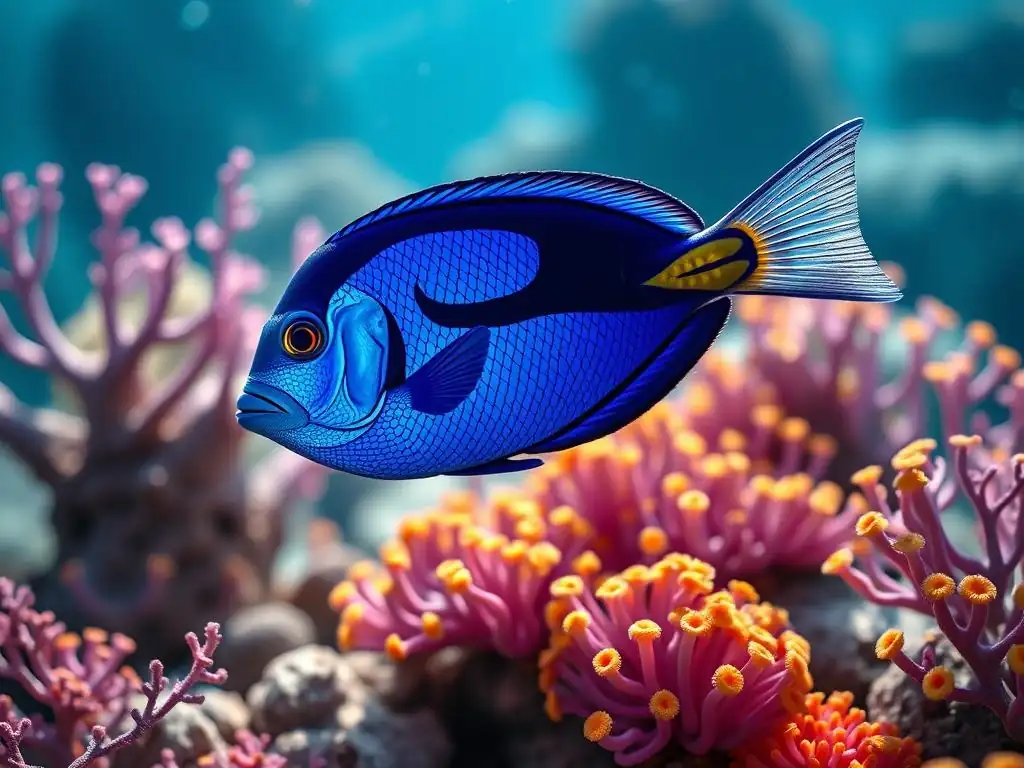
Omega One Marine Flakes have long been a cornerstone in the diets of countless marine aquariums, earning a reputation for their high-quality, natural ingredients and excellent palatability. This premium saltwater fish food stands out due to its primary ingredient: fresh, wild-caught seafood, including whole salmon, halibut, and shrimp. Unlike many conventional fish foods that rely heavily on fish meal as a base, Omega One's use of whole, unprocessed protein sources ensures a superior nutritional profile and makes it highly attractive to a wide variety of marine species.
This commitment to quality ingredients results in a flake food that not only provides essential nutrients but also promotes vibrant coloration and robust health. Omega One Marine Flakes are a popular choice among aquarists, frequently appearing in the top 5 best-selling marine flake foods on major online retailers and consistently receiving high praise for their efficacy in maintaining healthy, active fish.
Features and Benefits of Omega One Marine Flakes: Enhanced Color & Immunity
The benefits of feeding Omega One Marine Flakes extend beyond basic sustenance. The high concentration of natural pigments, such as astaxanthin derived from whole salmon, significantly enhances the natural coloration of marine fish, bringing out vivid reds, oranges, and yellows. This is particularly noticeable in species like clownfish, royal grammas, and certain angelfish, where a dull appearance can often be a sign of a deficient diet.
Moreover, Omega One Marine Flakes are fortified with essential vitamins and minerals, including a stable form of Vitamin C, which acts as a powerful antioxidant and immune booster. This helps fortify fish against common diseases and stressors often encountered in captive environments. The low ash content, typically around 8%, is another significant advantage, contributing to cleaner water and reducing the likelihood of excessive nutrient buildup, which can lead to algae blooms and compromised water quality.
Omega One Marine Flakes: Palatability Testing and Fish Acceptance
Palatability is paramount when selecting a premium saltwater fish food, and Omega One Marine Flakes consistently excel in this regard. The rich, natural aroma and taste derived from their fresh seafood ingredients are highly appealing to marine fish. Many aquarists report immediate and enthusiastic acceptance by a wide range of species, from the notoriously finicky mandarin gobies (when accustomed to flakes) to the ever-hungry tangs and damselfish, often within the first few feedings.
This high acceptance rate minimizes food waste, as fish readily consume the flakes before they can settle and decompose, further contributing to better water quality. Even species that might initially be hesitant to try new foods often acclimate quickly to Omega One, making it a reliable choice for diverse community tanks. The consistent quality of the product also ensures that fish remain eager for their meals over the long term.
Pricing and Value: Is Omega One Marine Flakes Worth the Investment?
When considering the pricing of Omega One Marine Flakes, they typically fall into the mid-to-high range for premium saltwater fish food, reflecting the superior quality of their ingredients. For example, a 1-ounce container might cost approximately $8-$12, while larger containers (e.g., 5.3 oz) can range from $25-$35. While the initial cost might be slightly higher than some budget options, the long-term value proposition is undeniable.
The enhanced nutritional content means fish require less food to meet their dietary needs, leading to less waste and a longer-lasting product. More importantly, the investment in a healthier diet can significantly reduce future expenses related to treating diseases, replacing fish lost to poor health, or battling persistent algae issues caused by low-quality food. Ultimately, the vibrant colors, robust health, and extended lifespans observed in fish fed Omega One Marine Flakes make them a highly worthwhile investment for any serious marine aquarist.
2. New Life Spectrum Marine Fish Food: Color Enhancement and Balanced Diet
New Life Spectrum (NLS) Marine Fish Food is renowned for its "Thrive" formula, which emphasizes a comprehensive, broad-spectrum nutritional approach designed to support the overall health, vibrant coloration, and immune system of marine fish. This premium saltwater fish food is formulated with a focus on high-density, easily digestible ingredients, including whole Antarctic Krill, Herring, and Squid, ensuring that fish receive maximum nutritional benefit from every pellet. NLS aims to eliminate the need for multiple specialized foods by providing a single, balanced diet suitable for a wide array of marine species.
The brand prides itself on avoiding cheap fillers like corn, wheat, or soy, which can be difficult for fish to digest and contribute to excess waste. Instead, NLS pellets are packed with nutrient-rich ingredients and supplemented with a full spectrum of vitamins and minerals, promoting optimal metabolic function and energy levels.
New Life Spectrum Marine Fish Food Ingredients: A Detailed Analysis
A detailed analysis of New Life Spectrum Marine Fish Food ingredients reveals a commitment to high-quality, marine-derived proteins and beneficial plant matter. The primary ingredients typically include Whole Antarctic Krill, Whole Herring, and Whole Squid, providing a rich source of protein, essential amino acids, and omega fatty acids. These are complemented by Algae Meal (including Spirulina and Kelp), which offers crucial vitamins, minerals, and natural pigments for color enhancement, especially beneficial for omnivorous and herbivorous marine species.
The typical nutritional breakdown for NLS Marine Pellets shows a protein content ranging from 35-45%, fat 5-10%, and fiber 4-8%, with minimal ash content, usually below 9%. This balance ensures robust growth and energy without excessive waste. Furthermore, NLS is often fortified with a comprehensive vitamin complex, including Vitamin A, D, E, and a stable form of Vitamin C, alongside essential trace minerals like iron, zinc, and selenium, which collectively support immune function and overall vitality.
New Life Spectrum: Suitable Fish Species and Feeding Recommendations
New Life Spectrum Marine Fish Food is remarkably versatile and suitable for a broad range of marine species, making it an excellent choice for mixed-reef and fish-only tanks. Its balanced formula is ideal for omnivores such as clownfish, damselfish, chromis, and smaller angelfish. Many carnivorous species, including wrasses and triggerfish, also thrive on NLS due to its high protein content. While not exclusively an herbivore food, the inclusion of spirulina and kelp makes it a beneficial component for the diet of tangs and rabbitfish when combined with other plant-based foods.
For optimal results, it is recommended to feed small amounts two to three times a day, only what your fish can consume within 30 seconds to one minute. This strategy minimizes uneaten food, which can degrade water quality, and ensures that all fish have an opportunity to feed. The pellets are available in various sizes (e.g., 0.5mm, 1mm, 2mm) to accommodate different mouth sizes, from nano fish to larger specimens.
Pros and Cons: New Life Spectrum Marine Fish Food – Is it Right for Your Tank?
New Life Spectrum Marine Fish Food offers several compelling advantages. Its primary benefit is its ability to deliver superior color enhancement and a truly balanced diet through high-quality, digestible ingredients. This often results in healthier, more vibrant fish with stronger immune systems and reduced susceptibility to disease. The low waste production due to high digestibility also contributes to cleaner water and fewer algae issues, easing tank maintenance. Many users report significant improvements in fish vitality and coloration within weeks of switching to NLS.
However, there are a few considerations. NLS can be slightly pricier than some other dry foods, reflecting its premium ingredient quality. While available in various sizes, the pellets might still be too large for the absolute smallest marine fish, requiring crushing for fry or very delicate species. Additionally, while highly palatable for most, some notoriously picky eaters might require a period of adjustment or a combination with other foods to fully accept NLS. Despite these minor drawbacks, for aquarists seeking a comprehensive, high-performance premium saltwater fish food, NLS is often an outstanding choice.
3. LRS Reef Frenzy Frozen Fish Food: The Gold Standard in Frozen Nutrition
LRS Reef Frenzy Frozen Fish Food has emerged as a true "gold standard" in the realm of premium frozen marine nutrition, celebrated for its unparalleled quality, fresh ingredients, and exceptional palatability. Unlike many frozen foods that rely on processed fish meal or heavily treated components, LRS (Larry's Reef Services) is made from whole, human-grade seafood and algae, meticulously blended and flash-frozen. This minimal processing preserves the natural nutrients, flavors, and textures that are irresistible to marine fish and corals alike.
The unique blend of ingredients, often including multiple types of wild-caught seafood, ensures a diverse and nutrient-rich diet that closely mimics the natural foraging experiences of marine organisms. Its reputation for eliciting a strong feeding response from even the most finicky eaters makes it a go-to choice for advanced aquarists and those with high-value or challenging species.
LRS Reef Frenzy: What Makes it the Top Choice for Picky Eaters?
LRS Reef Frenzy's status as the top choice for picky eaters stems from its incredibly fresh, recognizable ingredients and the natural, appealing scent it releases into the water. Unlike dry foods, frozen foods retain more of their original texture and flavor, which are critical for enticing reluctant feeders. LRS uses ingredients like whole Mysis shrimp, krill, scallop, clam, oyster, and spirulina, all in forms that are easily identifiable by fish. This natural appeal bypasses the common resistance some fish have to processed dry foods.
Many hobbyists report remarkable success with LRS Reef Frenzy, even for notoriously finicky species such as mandarin gobies, certain types of butterflyfish, and wild-caught angelfish that initially refuse captive diets. Acceptance rates often exceed 80% with LRS compared to traditional dry foods, providing a vital lifeline for these challenging species and significantly increasing their chances of thriving in an aquarium environment. The robust feeding response observed is a testament to its superior palatability and nutritional value.
LRS Reef Frenzy Ingredients: A Breakdown of Premium Components
The ingredient list for LRS Reef Frenzy is a testament to its premium quality and comprehensive nutritional design. While specific formulations may vary slightly (e.g., Reef Frenzy Nano vs. original), common core components include:
- Whole Mysis Shrimp: A highly nutritious and palatable crustacean, rich in protein and fatty acids.
- Whole Krill: Another excellent source of protein, omega-3s, and natural color-enhancing pigments (astaxanthin).
- Fresh Scallop, Clam, and Oyster: Provide diverse marine proteins, trace elements, and essential amino acids.
- Spirulina Algae: A potent source of plant-based protein, vitamins, minerals, and natural color enhancers.
- Kelp: Provides fiber, iodine, and other beneficial trace elements.
- Enrichments: Often includes a blend of essential vitamins (e.g., C, E, B complex) and amino acids to ensure a complete nutritional profile.
These whole, high-quality components are carefully blended and flash-frozen, minimizing nutrient degradation and ensuring maximum bioavailability for your marine inhabitants.
Feeding LRS Reef Frenzy: Tips and Tricks for Optimal Results
To maximize the benefits of LRS Reef Frenzy, proper feeding techniques are crucial. First, always thaw the desired portion in a small amount of tank water or RODI (Reverse Osmosis Deionized) water before feeding. Avoid thawing in tap water due to potential contaminants. A small shot glass or container works well for this.
For optimal distribution and to prevent excessive cloudiness, slowly pour the thawed food into a high-flow area of the tank, allowing the current to disperse it naturally. For particularly shy or target-feeding species, a turkey baster or pipet can be used to deliver the food directly to the fish or coral. It's recommended to feed small amounts multiple times throughout the day, rather than one large meal, to mimic natural feeding patterns and reduce the risk of overfeeding.
Any uneaten food should be siphoned out after about 10-15 minutes to maintain pristine water quality. Store unused portions in the freezer, ensuring they remain frozen until just before use to preserve freshness and nutritional integrity.
4. Hikari Marine Sinking Carnivore Pellets: Perfect for Bottom-Dwelling Fish
Hikari Marine Sinking Carnivore Pellets are specifically engineered to meet the demanding dietary requirements of carnivorous bottom-dwelling and predatory marine fish. This premium saltwater fish food is characterized by its rapid sinking action, ensuring that the pellets reach the lower regions of the aquarium where species like lionfish, groupers, eels, and certain angelfish prefer to feed. Unlike floating flakes or pellets, these sinking pellets prevent surface feeders from monopolizing the food, allowing shyer or slower bottom-dwellers to get their fair share.
Hikari, a brand synonymous with quality in the aquatics industry, formulates these pellets with a high concentration of marine-derived proteins and essential nutrients to support the robust growth and vibrant health of these often large and demanding species. Their durability in water also minimizes nutrient leaching, helping to maintain water quality.
Hikari Marine Carnivore Pellets: Nutritional Profile and Benefits
The nutritional profile of Hikari Marine Sinking Carnivore Pellets is tailored to the high protein and fat requirements of carnivorous marine fish. Typically, these pellets boast a crude protein content of around 47%, derived from high-quality sources such as fish meal, krill meal, and spirulina. The fat content is usually around 7%, providing ample energy for active predators. The inclusion of stabilized Vitamin C and other essential vitamins and minerals supports a strong immune system and overall vitality.
The benefits of this specialized premium saltwater fish food are significant. It promotes excellent muscle development and robust growth, which is crucial for larger carnivorous species. The high digestibility of the ingredients means less waste produced, contributing to cleaner water and reducing the bioload on the filtration system. Furthermore, the pellets are designed to retain their shape and nutritional integrity for an extended period in water, preventing rapid disintegration and nutrient loss.
Hikari Carnivore: Ideal for Angelfish, Triggers, and Other Carnivorous Species
Hikari Marine Sinking Carnivore Pellets are ideally suited for a wide array of carnivorous and omnivorous marine fish that exhibit a preference for sinking food or inhabit the lower strata of the aquarium. This includes popular species such as:
- Large Angelfish: Many larger marine angelfish species, while omnivorous, benefit significantly from a high-protein diet.
- Triggerfish: Known for their aggressive feeding habits, triggers readily accept these sinking pellets.
- Lionfish: These ambush predators thrive on a meaty, sinking diet.
- Groupers: Large, predatory groupers require substantial, nutrient-dense food.
- Eels: Moray eels and other bottom-dwelling eels find these pellets highly palatable.
- Large Wrasses: Many larger wrasse species are predatory and benefit from this formulation.
- Marine Bettas (Comet Fish): These shy, cave-dwelling fish prefer food that sinks to their hiding spots.
The pellet size is also optimized for larger mouths, ensuring appropriate consumption for these species.
Hikari Carnivore Pellets: User Reviews and Long-Term Results
User reviews for Hikari Marine Sinking Carnivore Pellets are overwhelmingly positive, particularly among aquarists keeping the target carnivorous species. The product consistently garners high ratings, often 4.5 out of 5 stars, on e-commerce platforms and aquarium forums. Common feedback highlights the pellets' excellent palatability, with users reporting that even notoriously picky fish quickly accept them.
Long-term results reported by hobbyists include robust growth, vibrant coloration, and increased activity levels in their carnivorous fish. Many users attest to the pellets' role in maintaining the health and vigor of their predators, reducing instances of nutritional deficiencies. The minimal water clouding and low waste production are also frequently praised, reinforcing its status as a high-quality, practical premium saltwater fish food for specialized marine setups.
5. Ocean Nutrition Formula Two Marine Pellets: Algae-Based Diet for Herbivores
Ocean Nutrition Formula Two Marine Pellets are a highly regarded premium saltwater fish food specifically formulated to meet the unique dietary needs of herbivorous and omnivorous marine fish, with a strong emphasis on plant-based nutrition. This pellet food is rich in spirulina and kelp, providing essential vegetable matter that is crucial for the digestive health and overall well-being of species that naturally graze on algae in their wild habitats. Its sinking nature also ensures that the food reaches all levels of the water column, catering to various feeding preferences.
By focusing on a high concentration of marine algae, Formula Two aims to replicate the natural diet of herbivores, which can be challenging to achieve with conventional flake or pellet foods. This makes it an indispensable component of a balanced diet for many popular marine aquarium inhabitants.
Ocean Nutrition Formula Two: The Importance of Algae in Saltwater Fish Diets
The inclusion of high-quality marine algae, such as spirulina and kelp, in Ocean Nutrition Formula Two is paramount for the health of herbivorous saltwater fish. Algae provides essential fiber, which aids in digestion and prevents common gastrointestinal issues. More critically, it supplies vital vitamins, minerals, and natural pigments that are often lacking in diets composed primarily of meaty foods. For instance, a diet deficient in plant matter is a known contributing factor to Head and Lateral Line Erosion (HLLE) in tangs and other herbivorous species, a debilitating condition characterized by pits and lesions on the head and body.
Regular feeding with an algae-rich premium saltwater fish food like Formula Two helps prevent such nutritional deficiencies, ensuring healthy skin, vibrant coloration, and robust immune function. The carotenes in spirulina, for example, are natural color enhancers, while its digestible protein supports growth without excessive fat.
Formula Two: Suitable for Tangs, Rabbitfish, and Other Herbivorous Fish
Ocean Nutrition Formula Two Marine Pellets are perfectly suited for a wide range of herbivorous and omnivorous marine fish that rely heavily on plant-based diets. Key species that benefit immensely from this premium saltwater fish food include:
- Tangs (Surgeonfish): Yellow Tangs, Blue Tangs, Purple Tangs, and other surgeonfish species are quintessential herbivores that require a significant amount of algae in their diet to thrive and prevent HLLE.
- Rabbitfish (Foxface): These peaceful herbivores are constant grazers and benefit from a high-fiber, algae-rich diet.
- Blennies: Many blenny species, particularly those that graze on algae, find these pellets palatable and beneficial.
- Some Angelfish: While many angelfish are omnivores, species that consume more plant matter in the wild will benefit from the algae content.
- Damsels and Chromis: These common community fish are often omnivorous and appreciate the vegetable component.
The pellets are available in various sizes (e.g., 1mm, 2mm) to accommodate different fish sizes, making them a versatile choice for mixed herbivore tanks.
Ocean Nutrition Formula Two: Considerations for a Balanced Marine Diet
While Ocean Nutrition Formula Two is an excellent primary diet for herbivorous marine fish, it's important to consider it within the context of a balanced overall marine diet. For truly omnivorous species, it can be rotated with a more protein-rich premium saltwater fish food, such as Omega One or New Life Spectrum, to ensure a complete nutritional profile. For strict herbivores like tangs, while Formula Two is a staple, supplementing with fresh or dried nori (seaweed sheets) clipped to the aquarium glass provides additional grazing opportunities and dietary variety, mimicking their natural feeding behavior.
Additionally, some aquarists may choose to fortify Formula Two pellets with liquid vitamin supplements, particularly for new or stressed fish, to further boost their immune systems. The typical nutritional breakdown for Formula Two shows a protein content of ~30-35%, fat ~8-10%, and fiber ~4-6%, with a significant portion dedicated to marine algae. This composition ensures that while it provides crucial vegetable matter, it still offers sufficient protein and fat for active marine life.
Choosing the best premium saltwater fish food involves more than just picking a popular brand; it requires a detailed comparison of nutritional content, palatability, and value. Each of our top picks excels in certain areas, catering to different needs within the diverse marine aquarium hobby. Understanding these distinctions is key to providing optimal nutrition for your specific fish population.
Nutritional Comparison: Protein, Fat, Fiber, and Vitamins
When comparing the nutritional profiles of these premium saltwater fish foods, distinct patterns emerge based on their intended purpose:
- LRS Reef Frenzy (Frozen): Generally boasts the highest protein and fat content, often exceeding
50%protein and10%fat. This is due to its whole, unprocessed seafood ingredients, making it exceptionally nutrient-dense and ideal for rapidly growing or high-energy species. Fiber content is typically low. - Hikari Marine Sinking Carnivore Pellets: Also very high in protein (
~47%) and moderate in fat (~7%), specifically formulated for the muscle-building needs of carnivorous fish. Fiber is minimal, consistent with a carnivore's diet. - New Life Spectrum Marine Fish Food: Offers a balanced, broad-spectrum profile with protein typically
35-45%and fat5-10%. Its strength lies in its comprehensive vitamin and mineral fortification and the inclusion of diverse whole ingredients (krill, herring, spirulina) for overall vitality. - Omega One Marine Flakes: Provides a solid, balanced nutritional profile with protein around
42%and fat11%. Its use of whole, fresh seafood contributes to higher levels of natural omega fatty acids and pigments compared to many other flakes. Fiber is moderate. - Ocean Nutrition Formula Two Marine Pellets: Distinctly lower in protein (
~30-35%) and fat (~8-10%) but significantly higher in fiber and marine algae content. This is crucial for herbivores, providing the necessary roughage and plant-based nutrients to prevent common deficiencies like HLLE.
All these premium options are fortified with essential vitamins (A, D, E, C) and minerals, but their macronutrient ratios are tailored to specific dietary requirements.
Palatability Showdown: Which Food Do Fish Prefer?
Palatability is often the first hurdle in feeding, especially for new or picky fish. In a "palatability showdown," frozen foods generally take the lead due to their natural texture, scent, and resemblance to live prey.
- LRS Reef Frenzy: Undisputed champion for palatability. Its fresh, whole ingredients and natural aroma make it incredibly appealing to almost all marine fish, including notoriously finicky eaters like mandarin gobies or some wild-caught angelfish. Many aquarists observe an immediate, strong feeding response.
- Omega One Marine Flakes & New Life Spectrum Marine Fish Food: Both rank very high in general acceptance. Their natural ingredients and appealing forms (flakes for Omega One, various pellet sizes for NLS) lead to enthusiastic consumption by a wide range of community fish, including clownfish, damselfish, and chromis. Acceptance rates are consistently high across diverse tanks.
- Hikari Marine Sinking Carnivore Pellets: Highly palatable for its target audience. Carnivorous species quickly recognize and consume these meaty sinking pellets, often showing strong feeding responses due to the high protein and marine ingredient content.
- Ocean Nutrition Formula Two Marine Pellets: Highly palatable for herbivores. While not as universally accepted by strict carnivores, herbivorous species like tangs and rabbitfish readily consume these algae-rich pellets, demonstrating a clear preference for the plant-based formulation.
The key takeaway is that while LRS might win overall for universal appeal, the other premium dry foods are exceptionally palatable within their specific dietary niches.
Price Comparison: Finding the Best Value for Your Money
When evaluating the price of premium saltwater fish food, it's essential to consider the cost per ounce or per serving, alongside the overall value provided in terms of fish health and water quality.
- LRS Reef Frenzy (Frozen): Typically the most expensive per ounce due to the cost of fresh, human-grade ingredients and specialized freezing processes. A 4 oz flat pack might range from $10-$15. However, its unparalleled palatability and nutritional density often mean less waste and healthier fish, potentially reducing long-term costs associated with disease or fish replacement.
- New Life Spectrum Marine Fish Food: Tends to be at the higher end of the dry food spectrum. A 150g (approximately 5.3 oz) container of pellets might cost $20-$30. Its value comes from its comprehensive nutrition, high digestibility, and subsequent low waste, which translates to cleaner tanks and healthier fish.
- Omega One Marine Flakes: Generally falls into the mid-to-high price range for flakes. A 5.3 oz container might cost $25-$35. Its value is in the high-quality, whole seafood ingredients that promote vibrant colors and strong immunity, making it a cost-effective choice for general community tanks.
- Hikari Marine Sinking Carnivore Pellets: Priced competitively for a specialized carnivore diet. A 250g (approximately 8.8 oz) container might range from $15-$25. Its value lies in providing specific, high-protein nutrition for larger, demanding species, preventing deficiencies that could lead to costly health issues.
- Ocean Nutrition Formula Two Marine Pellets: Often positioned in the mid-range for specialized herbivore foods. A 100g (approximately 3.5 oz) container might be $10-$18. Its value is critical for preventing HLLE and other issues in herbivorous fish, which can be expensive to treat or fatal.
Ultimately, while the initial price tag varies, the best value in premium saltwater fish food is derived from the health benefits, reduced waste, and overall vibrancy it brings to your aquarium, often leading to lower long-term maintenance and replacement costs.
Selecting the ideal premium saltwater fish food is not a one-size-fits-all decision. It requires a thoughtful assessment of your aquarium's specific inhabitants, their dietary needs, and how the food impacts your tank's ecosystem. A well-chosen diet is the cornerstone of a thriving marine environment, promoting not just survival but true vitality.
Consider Your Fish Species: Matching Food to Dietary Needs
The most crucial factor in choosing premium saltwater fish food is understanding the specific dietary needs of your fish species. Marine fish can be broadly categorized into carnivores, herbivores, and omnivores, each requiring a different balance of macronutrients.
- Carnivores: Species like lionfish, groupers, and many wrasses require diets extremely high in protein (often
45-60%) and moderate fats, derived from marine animal sources. Hikari Marine Sinking Carnivore Pellets or LRS Reef Frenzy (frozen) are excellent choices. - Herbivores: Tangs, rabbitfish, and some blennies are grazers and need a diet rich in plant matter and fiber. Failure to provide sufficient vegetable content can lead to serious health issues like Head and Lateral Line Erosion (HLLE). Ocean Nutrition Formula Two or high-quality nori sheets are essential. Their protein needs are typically lower (
25-35%). - Omnivores: The largest group, including clownfish, damselfish, and most angelfish, require a balanced diet with both meaty and plant-based components. Premium options like Omega One Marine Flakes or New Life Spectrum Marine Fish Food are ideal, offering a mix of proteins, fats, and vegetable matter.
Beyond the primary diet, consider the size of your fish and their mouths. Small nano fish will struggle with large pellets, while large predators require substantial food items. Researching each species in your tank will guide you to the most appropriate premium saltwater fish food.
Water Quality and Feeding: Minimizing Waste and Maintaining a Healthy Tank
The quality of the premium saltwater fish food directly impacts your aquarium's water parameters. High-quality foods are formulated for superior digestibility, meaning fish absorb more nutrients and produce less waste. Conversely, cheaper foods often contain indigestible fillers that pass through the fish, contributing to higher levels of nitrates and phosphates in the water column.
Studies suggest that fish consuming a highly digestible premium saltwater fish food might excrete up to 30-40% less solid waste compared to those on a generic diet. This translates to a significantly reduced bioload, helping to maintain stable water chemistry, curb nuisance algae growth, and lessen the frequency of water changes.
For example, if a standard tank requires 20% weekly water changes, switching to a premium diet might allow for 15% bi-weekly changes without compromising water quality. By minimizing uneaten food and fish waste, premium foods lighten the load on your filtration system, promoting a healthier and more stable environment for all tank inhabitants.
Just as humans benefit from a diverse diet, marine fish thrive on a variety of premium saltwater fish foods. Relying on a single food, no matter how high-quality, can lead to subtle nutritional deficiencies over time or cause fish to become finicky eaters. A varied diet ensures that your fish receive a broader spectrum of amino acids, fatty acids, vitamins, and minerals that might be present in varying concentrations across different food types.
For instance, you might offer Omega One Marine Flakes as a staple for general feeding, supplement with LRS Reef Frenzy frozen food a few times a week for added richness and palatability, and provide Ocean Nutrition Formula Two or nori for your herbivorous species. This rotation not only prevents nutritional gaps but also keeps fish interested in their food, promoting a strong feeding response. Consider incorporating different forms (flakes, pellets, frozen, freeze-dried) and different primary ingredients (fish-based, crustacean-based, algae-based) to provide a truly comprehensive and engaging feeding regimen.
Even the best premium saltwater fish food can fall short if not utilized properly. Optimizing feeding techniques, understanding the role of supplementation, and diligently monitoring your fish's health are crucial steps to ensure your marine inhabitants receive maximum benefit from their high-quality diet.
Proper Feeding Techniques: Avoiding Overfeeding and Waste
Overfeeding is one of the most common mistakes in marine aquariums and can quickly negate the benefits of even the most premium saltwater fish food. Excess food decomposes, releasing ammonia, nitrite, and nitrate into the water, leading to poor water quality, algae blooms, and increased stress on your fish.
The golden rule is to feed small amounts, multiple times a day, only what your fish can consume within 2-3 minutes. For instance, instead of one large feeding in the morning, try two to three smaller feedings throughout the day. This mimics their natural grazing behavior and ensures all fish, including shyer ones, get a chance to eat. Using a feeding ring can help contain floating foods, preventing them from scattering into overflows or hard-to-reach areas.
After each feeding, observe closely for any uneaten food. If there's significant leftover food, reduce the quantity for the next feeding. Promptly siphoning out any uneaten food that settles on the substrate is also vital for maintaining pristine water quality.
Supplementation: Enhancing Your Fish's Diet with Additional Nutrients
While premium saltwater fish food provides a comprehensive baseline, strategic supplementation can further enhance your fish's health, particularly for those recovering from stress, disease, or for breeding pairs. Liquid vitamin supplements, such as Selcon or Vita-Chem, are popular choices that can be soaked into dry or frozen foods just before feeding.
These provide an extra boost of essential vitamins, especially omega-3 fatty acids, which are crucial for vibrant colors, strong immune systems, and overall vitality. Adding a vitamin supplement like Selcon to frozen foods can boost the nutritional profile by an additional 15-20% and significantly improve palatability for some species.
Garlic extracts are another common supplement, known to act as an appetite stimulant and may offer some anti-parasitic properties. For herbivorous fish, supplementing their premium diet with fresh seaweed (nori) clipped to the tank glass provides additional fiber and grazing opportunities, crucial for preventing conditions like Head and Lateral Line Erosion. Always use aquarium-specific supplements and follow dosing instructions carefully to avoid over-supplementation.
Monitoring Your Fish's Health: Signs of a Well-Nourished Aquarium
Regularly observing your fish is the best way to gauge the effectiveness of your premium saltwater fish food and overall husbandry practices. A well-nourished aquarium will exhibit several key indicators of health and vitality:
- Vibrant Colors: Fish will display their natural, intense coloration. Dull or faded colors often signal nutritional deficiencies or stress.
- Active Swimming and Behavior: Healthy fish are active and exhibit natural behaviors for their species, such as schooling, foraging, or territorial displays. Lethargy or unusual hiding can be red flags.
- Clear Eyes and Intact Fins: Eyes should be clear and bright, and fins should be fully extended, without any fraying, tears, or signs of fin rot.
- Good Appetite: Fish should eagerly approach food during feeding times. A sudden loss of appetite is a significant warning sign.
- Consistent Growth: Young fish should show steady growth, while mature fish should maintain good body condition without appearing emaciated or bloated.
- Reduced Disease Outbreaks: A robust immune system, fueled by a premium diet, significantly lowers susceptibility to common marine aquarium diseases like Ich or Brooklynella.
By regularly monitoring these signs, you can quickly identify any issues and make adjustments to your feeding regimen or overall tank care, ensuring your fish continue to thrive.
The decision to invest in premium saltwater fish food is a foundational step towards cultivating a truly vibrant, healthy, and resilient marine aquarium. While the initial cost might seem higher than generic alternatives, the long-term benefits far outweigh this difference. Premium foods are meticulously formulated with high-quality, digestible ingredients that directly contribute to the physiological well-being of your marine inhabitants, ensuring they not only survive but truly thrive in their captive environment.
The Long-Term Benefits of a Healthy Marine Diet
The advantages of a healthy marine diet extend far beyond immediate sustenance. Fish fed a superior premium saltwater fish food develop stronger immune systems, significantly reducing their susceptibility to common diseases and parasites. This translates to fewer instances of stress, less need for costly medications, and a more stable, peaceful aquarium. Furthermore, proper nutrition supports robust growth, vibrant coloration, and natural behaviors, allowing your fish to display their full genetic potential.
For example, a clownfish consistently fed a premium diet may live well beyond its average 6-10 years, potentially reaching 15 years or more, displaying rich, deep colors throughout its lifespan. Moreover, a high-quality diet contributes to cleaner water by minimizing waste and nutrient leaching, reducing the burden on your filtration system and making tank maintenance more manageable. Ultimately, investing in premium nutrition is an investment in the longevity, beauty, and overall success of your entire marine ecosystem.
Final Recommendations: Our Top Picks for Different Aquarium Setups
Based on our comprehensive review, here are our final recommendations for selecting the best premium saltwater fish food for various aquarium setups:
- For a Diverse Community Tank (Omnivores & Generalists):
- Omega One Marine Flakes: An excellent staple for daily feeding, offering broad appeal and promoting vibrant colors and immunity with whole, natural ingredients.
- New Life Spectrum Marine Fish Food: A top choice for overall health and color enhancement, providing a balanced, digestible pellet for most omnivorous marine species.
- For Tanks with Picky Eaters or High-Value Species:
- LRS Reef Frenzy Frozen Fish Food: The unparalleled gold standard for palatability and nutrient density, essential for enticing reluctant feeders and providing rich, whole food nutrition.
- For Carnivore-Heavy Tanks (Lionfish, Groupers, large Angelfish):
- Hikari Marine Sinking Carnivore Pellets: Specifically designed to meet the high protein demands of predatory fish, ensuring the food reaches bottom-dwellers and promotes robust growth.
- For Herbivore-Dominated Tanks (Tangs, Rabbitfish, Blennies):
- Ocean Nutrition Formula Two Marine Pellets: Crucial for providing essential algae and fiber, preventing nutritional deficiencies like HLLE, and supporting the digestive health of plant-eating species.
For optimal results, consider rotating between two or three of these premium saltwater fish food options, ensuring a diverse and complete nutritional profile for all your cherished marine inhabitants.
Frequently Asked Questions
A premium saltwater fish food typically boasts high-quality ingredients, such as whole fish, krill, and algae, and avoids fillers. It's also formulated to provide a balanced nutritional profile for optimal fish health and coloration.
Consider the specific dietary needs of your fish species. Research what they naturally eat and choose a food with a similar ingredient profile. Palatability is also crucial; some fish prefer certain textures and flavors.
Premium food contributes to improved fish health, vibrant coloration, and increased disease resistance. It also reduces waste production, leading to better water quality.
Feed your fish small portions two to three times per day, offering only what they can consume in a few minutes. Overfeeding is a common mistake that can lead to water quality problems.
Websites like AquariumMastery.com offer reviews and comparisons of different premium brands. You can also consult with your local aquarium store for expert recommendations.
Final Reflection: Nourishing the Ocean's Jewels
The journey to understanding the best premium saltwater fish food is more than just a quest for optimal nutrition; it's an investment in the vibrant ecosystems thriving within our aquariums and, by extension, a reflection of our commitment to the health of the oceans themselves. The choices we make in feeding our aquatic companions ripple outwards, impacting their well-being and the delicate balance of their simulated environments.
This exploration into the world of marine fish nutrition has underscored the profound influence we wield as aquarists. It's a responsibility I feel deeply, knowing that the vitality of these creatures rests, in part, on the quality of the food we provide. In the end, we will conserve only what we love; we will love only what we understand; and we will understand only what we are taught.
- Baba Dioum. This quote resonates deeply, highlighting the importance of informed choices and a genuine appreciation for the life we nurture.
As you consider the information presented, I encourage you to reflect on your own role in this intricate ecosystem. What steps can you take to ensure your fish receive the best possible nutrition, contributing to their health and longevity? Let's strive to be mindful stewards of these miniature oceans, fostering a world where beauty and sustainability swim together in harmony.
Ignite Your Reef: Discover the Perfect Diet for Thriving Marine Fish!
Thanks for diving into the world of marine fish nutrition with us! We hope you've found valuable insights to elevate your aquarium hobby. Now, it's time to put that knowledge into action and see your underwater ecosystem flourish.
Here's how you can get started:
- Revolutionize your feeding routine: Begin by carefully assessing your fish's current diet and gradually introduce one of our top-rated food options, monitoring their acceptance and overall health.
- Explore alternative feeding methods: Try soaking food in garlic extract to boost immunity and palatability, or experiment with feeding schedules to optimize nutrient absorption.
- Share your success stories: Join the Aquarium Mastery community and inspire other hobbyists by sharing your experiences with different marine fish foods.
What exciting new food will you introduce to your finned friends this week, and what changes are you hoping to see?