
Decoding Your Fish's Diet: Carnivore, Herbivore, or Omnivore Secrets

Welcome to Aquarium Mastery!
Ever wondered if you're really feeding your finned friend the right food? Unlock the carnivore fish diet secrets and discover the key to a thriving aquarium. Dive in and let's decode the dietary needs of your aquatic companions, ensuring a vibrant and healthy underwater world! What exactly should your carnivorous fish be eating? Let's find out...
- Understanding Fish Nutrition: Carnivore, Herbivore, and Omnivore
- The Importance of Diet for Aquarium Fish Health
-
Nutritional Needs of Carnivorous Fish
- Identifying Carnivorous Fish Species
- Key Nutrients and Protein Sources for Carnivores
- Feeding Frequency and Portion Sizes for Carnivores
- Identifying Herbivorous Fish Species
- Plant-Based Food Sources for Herbivores
- Maintaining a Balanced Herbivore Diet
- Identifying Omnivorous Fish Species
- Balancing Plant and Animal Matter in the Omnivore Diet
- Species-Specific Considerations for Omnivores
- Common Fish Feeding Mistakes and How to Avoid Them
- Creating a Feeding Schedule
- Factors Affecting Fish Health Beyond Diet
- Optimizing Fish Nutrition for a Healthy Aquarium
-
Frequently Asked Questions
- What are the key differences between carnivore, herbivore, and omnivore fish diets in aquariums?
- How do I identify if my fish is a carnivore and what are some common foods they need?
- What are some signs of malnutrition in carnivore fish if their diet is inadequate?
- Can I feed my carnivore fish just any type of meat? What are the risks?
- How often should I feed my carnivore fish and what is the ideal feeding schedule?
- Final Reflection: Unlocking the Secrets of Aquatic Nutrition
- Unleash Your Fish's Inner Chef!
Understanding Fish Nutrition: Carnivore, Herbivore, and Omnivore
The Importance of Diet for Aquarium Fish Health
Why Species-Specific Nutrition is Critical
Just like any living creature, fish have evolved highly specialized digestive systems and metabolic needs tailored to their natural diets. Providing a diet that deviates significantly from these evolutionary requirements can lead to a cascade of health issues, including malnutrition, weakened immune responses, stunted growth, and a considerably shortened lifespan. A generic, "one-size-fits-all" approach to fish feeding, such as offering only a single type of flake food to all tank inhabitants, often proves detrimental in the long run.
The long-term consequences of an improper diet extend beyond simple nutrient deficiencies. Fish can develop conditions such as fatty liver disease, become highly susceptible to common ailments like fin rot or ich, and exhibit dull coloration. A precisely tailored diet directly influences a fish's ability to efficiently absorb essential nutrients, bolster its natural defenses against pathogens, and ultimately thrive within the confined environment of an aquarium. Understanding these specific needs is foundational to successful fishkeeping.
Carnivores, Herbivores, and Omnivores: Defining Dietary Categories
Fish diets can broadly be categorized into three primary types based on their natural feeding habits and physiological adaptations. Carnivores are primarily meat-eaters, consuming other fish, insects, crustaceans, or worms. Herbivores, on the other hand, subsist mainly on plant matter, including algae, aquatic vegetation, and detritus. Omnivores possess a more versatile digestive system, capable of processing both animal and plant-based foods, often adapting to whatever food sources are available in their environment.
These dietary classifications are not merely behavioral but are deeply rooted in the fish's anatomy and physiology. Carnivorous fish typically have shorter digestive tracts and specialized teeth for tearing flesh, alongside a high demand for protein and fats. Herbivores, conversely, possess longer, more complex digestive systems designed to break down plant fibers, often requiring continuous grazing. Omnivores fall somewhere in between, with digestive enzymes and gut lengths that allow them to efficiently process a mixed diet. Recognizing these fundamental differences is the first step in decoding your fish's diet.
Nutritional Needs of Carnivorous Fish
Identifying Carnivorous Fish Species
Carnivorous fish species are typically characterized by their predatory instincts, often possessing sharp teeth or specialized mouths for capturing prey. Common examples in the aquarium hobby include the majestic Arowana, the robust Oscar Cichlid, many larger predatory cichlids like the Wolf Fish, and even smaller, popular species such as the Betta fish, which are primarily insectivores. These fish often exhibit streamlined bodies for rapid bursts of speed to ambush prey, or powerful jaws for crushing shells.
It is crucial to remember that even within the carnivorous category, there's a wide range of prey preferences. Some are piscivores (fish-eaters), while others are insectivores (insect-eaters) or molluscivores (snail-eaters). For instance, while a Piranha is a classic carnivore, a Neon Tetra, though small, is also a micro-predator, feeding on tiny invertebrates in its natural habitat. Researching the specific dietary requirements of each species is paramount to mastering carnivore fish diet secrets.
Key Nutrients and Protein Sources for Carnivores
The cornerstone of a carnivorous fish's diet is a high protein content, often ranging from 40% to over 60% of their total intake, depending on the species and life stage. This protein must be rich in essential amino acids, which are the building blocks for muscle growth, tissue repair, and enzyme production. Alongside protein, essential fatty acids, particularly Omega-3s, are vital for energy, healthy cell function, and overall vitality. The protein sources should be highly digestible to ensure maximum nutrient absorption and minimize waste.
A varied diet is just as important for carnivores as it is for other fish, even if the primary components are animal-based. Relying on a single protein source can lead to nutritional imbalances over time. Incorporating different types of animal proteins – such as fish, crustaceans, and insects – helps ensure a full spectrum of vitamins, minerals, and trace elements, preventing common deficiencies and contributing significantly to unlocking carnivore fish diet secrets.
Live Foods: Benefits and Risks
Live foods offer numerous benefits for carnivorous fish, primarily stimulating their natural hunting instincts and providing a highly palatable, nutrient-rich meal. Popular options include live bloodworms, brine shrimp, daphnia, and for larger predators, appropriately sized feeder fish (though these come with significant caveats). When gut-loaded with nutritious foods prior to feeding, live prey can deliver an excellent nutritional profile.
However, the use of live foods also carries inherent risks. The most significant concern is the potential introduction of diseases, parasites, or harmful bacteria into your aquarium from poorly sourced live prey. Feeder fish, in particular, are often raised in crowded, unshygienic conditions, making them vectors for pathogens. Over-reliance on a single type of live food without proper gut-loading can also lead to nutritional deficiencies. Therefore, live foods should generally be considered a supplementary treat rather than a primary diet component, and sourced from reputable suppliers.
Frozen Foods: Nutritional Value and Preparation
Frozen foods are a highly popular and convenient option for feeding carnivorous fish, offering a good balance between nutritional value and safety. Flash-frozen options like bloodworms, brine shrimp, mysis shrimp, krill, and even beefheart are generally free of parasites and retain much of their original nutritional content. They are also highly palatable to most carnivores and are a staple for many aquarists learning carnivore fish diet secrets.
Proper preparation of frozen foods is essential. Always thaw the frozen food thoroughly in a small amount of tank water or dechlorinated water before feeding. Never feed frozen cubes directly to your fish, as this can cause severe internal damage due to the cold and expansion. Once thawed, use a small net to rinse the food to remove any excess liquid, which can contribute to water pollution. Feed in small amounts to prevent overfeeding and ensure all food is consumed promptly.
Commercial Carnivore Foods: Selecting Quality Ingredients
High-quality commercial pellets or flakes specifically formulated for carnivorous fish should form a significant part of their diet. When selecting these products, scrutinize the ingredient list carefully. The first few ingredients should consist primarily of animal proteins such as fish meal, krill, shrimp meal, or spirulina, ensuring a high protein content suitable for their needs. Avoid products where fillers like excessive corn, wheat, or soy are listed as primary ingredients, as these offer little nutritional value to carnivores and can be difficult for them to digest.
Even the best commercial foods should ideally be supplemented with other options, such as frozen foods or occasional live treats, to ensure a complete and varied diet. This variety helps prevent boredom and ensures that all necessary micronutrients are supplied. Quality commercial carnivore foods typically feature protein percentages upwards of 45%, reflecting the high protein demands that are central to carnivore fish diet secrets.
Feeding Frequency and Portion Sizes for Carnivores
The optimal feeding frequency and portion sizes for carnivorous fish depend heavily on their age, size, and metabolic rate. Juvenile fish, which are actively growing, generally benefit from more frequent feedings – perhaps 2-3 small meals per day. Adult carnivores, especially larger predatory species, often thrive on less frequent but larger meals, sometimes once a day or even every other day. A good rule of thumb is to offer only what the fish can consume entirely within 2-3 minutes to prevent overfeeding and water fouling.
Careful observation is key to fine-tuning feeding regimens. Adjust portions based on your fish's activity levels, body condition (avoiding overly plump or emaciated appearances), and how quickly they consume the food. For instance, a very large predatory fish like an adult Arowana might only require feeding a few times per week, whereas a smaller, more active carnivore like a Betta might prefer two small meals daily. This individual observation is a critical aspect of understanding carnivore fish diet secrets.
Identifying Herbivorous Fish Species
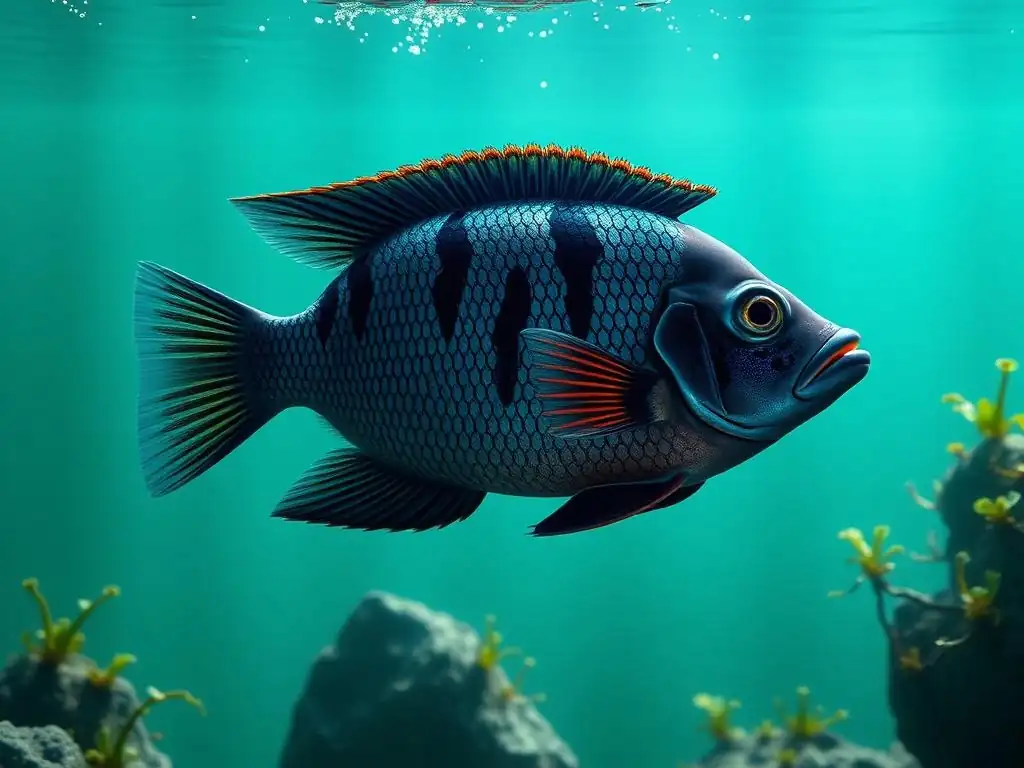
Herbivorous fish species are characterized by their primary consumption of plant matter, and their anatomy often reflects this. They may possess specialized scraping teeth for grazing on algae, or grinding plates to process fibrous plant material. Their digestive tracts are typically longer and more complex than those of carnivores, allowing for better digestion of plant cellulose. Common aquarium examples include many Plecostomus species, Otocinclus catfish, numerous African Cichlids from Lake Malawi (particularly Mbuna cichlids), and certain livebearers like Mollies and Platies.
While many fish are labeled as "algae eaters," it's important to differentiate true herbivores from omnivores that simply supplement their diet with algae. For example, some Rosy Barbs are often considered omnivores but lean heavily towards plant matter, while a true herbivore like a Bristlenose Pleco relies almost exclusively on plant-based foods. Understanding these distinctions is crucial to providing an appropriate diet and preventing digestive issues.
Plant-Based Food Sources for Herbivores
The nutritional needs of herbivorous fish revolve around digestible plant fiber, complex carbohydrates, and specific vitamins, such as Vitamin C, which is crucial for immune function. While they do require protein, the levels are generally much lower than for carnivores, typically ranging from 20-35% of their diet. The protein they do consume often comes from plant sources or the microorganisms associated with plant matter.
A diverse range of plant matter is essential to ensure that herbivorous fish receive all the necessary nutrients. Relying on a single type of plant food, even a high-quality one, can lead to deficiencies over time. Incorporating various forms of algae, blanched vegetables, and specialized plant-based pellets ensures a comprehensive nutrient profile that supports their unique digestive systems.
Algae Wafers and Vegetable Pellets: Composition and Use
Algae wafers and vegetable pellets are specially formulated commercial foods that serve as excellent staples for herbivorous fish, particularly bottom-dwelling species. Their composition typically includes high percentages of spirulina, kelp, chlorella, and other marine or terrestrial plant matter. These foods are designed to sink, making them easily accessible to fish like Plecos, Otocinclus, and certain African cichlids that graze off surfaces.
When selecting these products, prioritize those that list algae or various vegetable sources as the primary ingredients. Some brands may include fish meal, which can be suitable for omnivorous "algae eaters" but should be avoided or minimized for strict herbivores, as excessive animal protein can lead to digestive issues like bloat in species such as Mbuna cichlids. Always ensure the wafers are consumed within a reasonable timeframe to prevent them from dissolving and fouling the water.
Fresh Vegetables: Preparation and Suitability
Fresh vegetables are an invaluable supplement to the diet of many herbivorous fish, providing essential vitamins, minerals, and beneficial fiber that commercial foods might lack. Suitable options include blanched zucchini, cucumber, shelled peas, spinach, and romaine lettuce. Blanching or parboiling vegetables is crucial as it softens the cell walls, making them easier for fish to digest and preventing them from floating.
To prepare, simply drop the blanched vegetable into the tank, optionally weighing it down with an aquarium-safe clip or rock. Always remove any uneaten portions within 12-24 hours to prevent the vegetables from decaying and polluting the water, which can lead to dangerous ammonia and nitrite spikes. Fresh vegetables offer variety and mimic the natural grazing behavior of many herbivore species, contributing significantly to their overall health and vitality.
Maintaining a Balanced Herbivore Diet
Maintaining a balanced diet for herbivorous fish requires consistent variety. While high-quality algae wafers or vegetable pellets can serve as a primary food source, they should always be supplemented with fresh, blanched vegetables. This ensures a broader spectrum of nutrients and prevents the monotony that can lead to reduced appetite or specific vitamin deficiencies. For instance, a diet solely based on spirulina flakes, while good, might still lack certain phytonutrients found in leafy greens.
A common mistake is feeding herbivores, especially specialized ones like Mbuna cichlids, with diets too high in animal protein. This can lead to severe digestive problems such as "Malawi bloat," a potentially fatal condition. Understanding the specific natural diet of your herbivore species – whether they are primarily grazers, detritivores, or consume specific types of plants – allows for a more precisely balanced and healthy feeding regimen.
Identifying Omnivorous Fish Species
Omnivorous fish are the most adaptable dietary group, capable of consuming and deriving nutrition from both plant and animal matter. This flexibility is reflected in their digestive systems, which are generally less specialized than those of strict carnivores or herbivores. Most common community tank fish fall into this category, making them relatively forgiving to feed. Examples include popular species like Guppies, Mollies, Platies, many types of Tetras (though some lean towards being micro-predators), Gouramis, and Angelfish.
Their ability to consume a wide range of food sources often mimics their natural environment, where they might opportunistically graze on algae, pick at small insects or larvae, or consume detritus and decaying plant matter. This adaptability makes them ideal for mixed community aquariums, as their dietary needs can often be met with a combination of readily available commercial foods and occasional supplements.
Balancing Plant and Animal Matter in the Omnivore Diet
The key to a healthy omnivore diet is striking the right balance between plant and animal matter. The exact ratio can vary slightly depending on the specific species, but generally, a diverse mix of high-quality flakes or pellets, supplemented with occasional frozen foods and blanched vegetables, provides optimal nutrition. This ensures they receive a full spectrum of proteins, carbohydrates, fats, vitamins, and minerals from varied sources.
This balanced approach mimics the opportunistic feeding behaviors of omnivores in the wild. They might spend part of their day grazing on biofilm and algae, and another part hunting small invertebrates. Providing both types of food sources prevents nutritional gaps and supports their versatile digestive systems. For instance, a community tank of omnivores might receive a good quality flake food in the morning and a small portion of frozen brine shrimp or daphnia in the evening.
Combining Food Sources for Optimal Nutrition
To achieve optimal nutrition for omnivorous fish, it is highly recommended to rotate between various food types. This could involve using a high-quality omnivore flake or pellet as the primary staple, and then supplementing with a rotation of frozen foods such as bloodworms, brine shrimp, or mysis shrimp a few times a week. Additionally, offering blanched vegetables like zucchini, cucumber, or shelled peas once or twice a week provides essential fiber and vitamins.
This varied feeding regimen not only ensures a comprehensive nutrient intake but also keeps the fish engaged and stimulated, mimicking the diversity of food available in their natural habitats. For instance, a weekly schedule might include flakes on most days, frozen food on two days, and blanched vegetables on one day. This approach addresses all facets of their nutritional requirements.
Commercial Omnivore Foods: Evaluating Nutritional Profiles
When selecting commercial foods for omnivorous fish, look for products that clearly list both plant and animal proteins high on their ingredient list. A high-quality omnivore flake or pellet might feature fish meal, krill, spirulina, and various grains or plant-based proteins. The protein content for omnivores typically falls within the 30-45% range, reflecting their mixed dietary needs.
It's important to avoid commercial foods that rely too heavily on cheap fillers like corn starch or excessive wheat, as these offer little nutritional value and can be difficult for fish to digest. Instead, prioritize foods that list wholesome ingredients and provide a balanced macronutrient profile suitable for both plant and animal consumption. Reading ingredient labels is crucial for making informed choices that support long-term fish health.
Species-Specific Considerations for Omnivores
While omnivores are generally adaptable, some species may lean more heavily towards plant matter, while others prefer a higher proportion of animal protein. For example, some Molly species, though omnivorous, greatly benefit from additional plant matter in their diet, such as blanched greens or spirulina flakes, to prevent digestive issues. Conversely, some Gourami species, while omnivorous, show a distinct preference for insect-based foods.
Therefore, even within the broad omnivore category, it is vital to research the specific dietary tendencies of each fish species you keep. Understanding these nuances allows you to fine-tune their diet for optimal health, vibrant coloration, and robust behavior. A little research goes a long way in ensuring that your omnivorous fish not only survive but truly thrive in your aquarium.
Common Fish Feeding Mistakes and How to Avoid Them
Overfeeding: Consequences and Prevention
Overfeeding is arguably the most common and detrimental mistake made by aquarists. The immediate consequences include a rapid decline in water quality due to uneaten food decaying, leading to spikes in ammonia, nitrite, and nitrate levels, and often resulting in cloudy water and excessive algae growth. Long-term effects on fish include obesity, fatty liver disease, bloat, and compromised immune systems, making them highly susceptible to various diseases.
Prevention is straightforward: feed small amounts, only what your fish can consume entirely within 2-3 minutes. If any food remains after this period, it's a clear sign you're feeding too much, and it should be promptly removed with a net or siphon. For adult fish, consider skipping one day of feeding per week; this helps their digestive systems process food more efficiently and reduces the overall bioload on your filtration system.
Underfeeding: Recognizing Symptoms and Adjusting Portions
While less common than overfeeding, underfeeding can also have severe consequences. Symptoms of chronic underfeeding include emaciation, characterized by sunken bellies and a noticeably thin body profile. Affected fish may exhibit stunted growth, lethargy, faded coloration, and increased aggression or competition for food among tank mates. In severe cases, it can lead to organ damage and premature death.
If you suspect underfeeding, gradually increase the portion size or feeding frequency. Observe your fish closely after feeding to ensure all individuals are getting enough food, especially in a community tank where faster or more aggressive eaters might outcompete others. Monitor their body condition and activity levels; a healthy fish should be active, have good color, and a proportionate body shape.
Inappropriate Food Choices: Identifying and Avoiding Problematic Foods
Feeding fish foods not designed for them is a significant mistake. Common problematic foods include high-fat mammal meats (like raw beef heart not specifically prepared for fish), bread, human snacks, or even generic "fish food" that doesn't specify its suitability for your species. These foods are often difficult for fish to digest, can lead to internal organ damage (e.g., fatty liver), and rapidly foul the aquarium water due to their indigestibility and high nutrient content.
Always stick to foods specifically formulated for aquarium fish, or natural, prepared foods known to be safe and beneficial, such as blanched vegetables or specific frozen/live foods from reputable sources. Research the specific dietary needs of your fish before introducing any new food item. A varied diet of high-quality, species-appropriate foods is always the best approach.
Recognizing Nutritional Deficiencies in Fish
Nutritional deficiencies in fish can manifest in various ways, often slowly over time, making them challenging to diagnose without careful observation. Common symptoms include faded or dull coloration, fin erosion or fraying, skeletal deformities such as bent spines (often linked to Vitamin C deficiency), stunted growth despite adequate tank size, lethargy, abnormal swimming patterns, and a general increased susceptibility to diseases.
If you observe these symptoms, the first step is to critically review your fish's diet. Ensure you are providing a diverse range of high-quality, species-specific foods. Supplementing with liquid vitamins designed for fish can sometimes help, but a comprehensive and balanced diet is always the primary and most effective solution. Consulting with experienced aquarists or a specialized aquatic veterinarian can also provide valuable insights.
Creating a Feeding Schedule
Determining Optimal Feeding Frequency
The optimal feeding frequency for your aquarium fish depends on several factors, including their species, age, metabolism, and activity level. Most adult community fish thrive on 1-2 feedings per day. Younger, rapidly growing fish, or those with very high metabolisms (like some smaller livebearers), may benefit from 3 or more smaller feedings daily. Larger, less active predatory fish might only need feeding a few times a week, as discussed in carnivore fish diet secrets.
Establishing a consistent feeding routine is beneficial for your fish. Feeding them at roughly the same times each day helps reduce stress and encourages natural feeding behaviors. This consistency also allows you to regularly observe your fish's appetite and overall health, making it easier to spot any changes that might indicate a problem.
Using Automatic Feeders
Automatic feeders can be a valuable tool for busy aquarists or when you need to be away from home for a short period. They offer the convenience of consistent, timed feedings, which can help prevent both overfeeding and underfeeding if set up correctly. Many models allow for precise portion control and multiple feeding times throughout the day.
However, there are important considerations when using automatic feeders. Always test the feeder thoroughly for several days before relying on it, ensuring it dispenses the correct portion size and operates reliably. Use dry foods that don't easily clump or absorb moisture, as clumping can lead to blockages. Regular cleaning of the feeder mechanism is also essential to prevent food from getting stuck or spoiling, which could lead to missed feedings or water quality issues.
Factors Affecting Fish Health Beyond Diet
Water Quality: Impact on Digestion and Nutrient Absorption
Even the most perfect diet will not compensate for poor water quality. High levels of ammonia, nitrite, or nitrate, along with unstable pH or temperature fluctuations, create a highly stressful environment for fish. This stress suppresses their appetite, weakens their immune system, and significantly hinders their ability to properly digest food and absorb essential nutrients. A fish living in polluted water will struggle to thrive, regardless of the quality of its food.
Therefore, maintaining pristine and stable water parameters is absolutely fundamental to fish health. Regular water changes, appropriate filtration (mechanical, chemical, and biological), and consistent monitoring of key parameters are non-negotiable. If water conditions are suboptimal, fish may refuse to eat or suffer from digestive issues, even with the best dietary plan.
Tank Mate Compatibility: Reducing Competition for Food
In a community aquarium, tank mate compatibility plays a crucial role in ensuring all fish receive adequate nutrition. Aggressive, overly boisterous, or simply faster-eating tank mates can easily outcompete slower, shyer, or smaller fish for food. This often leads to chronic underfeeding for the less dominant individuals, even if ample food is introduced into the tank.
It is essential to observe feeding behavior closely. If you notice certain fish are consistently missing out, you may need to adjust your feeding strategy. This could involve feeding in multiple locations simultaneously, target-feeding shyer fish with a long pipette, or even temporarily separating highly competitive individuals during feeding times. Ensuring tank mates are compatible in size, temperament, and feeding habits minimizes stress and promotes equitable food distribution.
Stress: Effects on Appetite and Nutrient Uptake
Stress is a silent killer in the aquarium, and it significantly impacts a fish's appetite and its ability to properly utilize nutrients from its food. Stressors can include poor water quality (as mentioned), bullying from aggressive tank mates, an improper tank setup (e.g., lack of hiding spots, insufficient space), sudden changes in environmental conditions (temperature, lighting), or even excessive noise and vibration outside the tank.
A stress-free environment promotes healthy eating habits and optimal nutrient absorption. This involves providing an appropriately sized aquarium, ample hiding spots, suitable lighting cycles, and stable, consistent water parameters. When fish feel secure and comfortable in their environment, they are more likely to have a robust appetite and efficiently convert their food into energy and growth, contributing to their overall vitality.
Optimizing Fish Nutrition for a Healthy Aquarium
Troubleshooting Feeding Problems
If your fish are not eating, or exhibiting a sudden change in appetite, it's a critical sign that something is amiss. The first step in troubleshooting should always be to thoroughly check your water parameters (ammonia, nitrite, nitrate, pH, temperature) to rule out water quality issues, which are a common cause of appetite loss. Next, observe your fish for any visible signs of disease, parasites, or external injuries. Also, review your current diet for appropriateness and freshness; expired or improperly stored food can lose its nutritional value and palatability.
Once these basic checks are done, consider offering different types of food to entice picky eaters, vary feeding times, or temporarily reduce tank lighting during feeding to encourage shyer species. Persistent refusal to eat, especially when accompanied by other symptoms, warrants further investigation into potential underlying health issues and may require consulting with a veterinarian experienced in aquatic animal health.
Resources for Further Learning on Fish Nutrition
The journey of understanding optimal fish nutrition is an ongoing process, as new research emerges and specific species needs become better understood. Aquarists are encouraged to continuously seek out reliable information. Reputable aquarium forums, species-specific care sheets from trusted websites (like Aquarium Mastery! ), and academic resources or books on aquatic animal husbandry are invaluable sources of knowledge.
By committing to continuous learning, particularly regarding the nuanced requirements of carnivore fish diet secrets, herbivore feeding, and omnivore balance, you can significantly enhance the long-term health, vibrancy, and longevity of your aquatic inhabitants. An informed aquarist is a successful aquarist, capable of providing the best possible care for their cherished fish.
Frequently Asked Questions
What are the key differences between carnivore, herbivore, and omnivore fish diets in aquariums?
The primary difference lies in their food sources. Carnivores require a diet primarily of animal protein, herbivores thrive on plant matter, and omnivores need a balance of both.
How do I identify if my fish is a carnivore and what are some common foods they need?
Look for traits like a larger mouth and a predatory demeanor. Common carnivore foods include live or frozen foods like brine shrimp, bloodworms, and small fish.
What are some signs of malnutrition in carnivore fish if their diet is inadequate?
Malnutrition in carnivores can manifest as faded coloration, lethargy, and a weakened immune system, making them susceptible to disease.
Can I feed my carnivore fish just any type of meat? What are the risks?
No, feeding them just any meat can be harmful. Mammalian or poultry meat is often too fatty and lacks essential nutrients for fish, leading to digestive issues and organ damage.
How often should I feed my carnivore fish and what is the ideal feeding schedule?
The frequency depends on the fish species and size, but typically one to two feedings per day is sufficient. Offer only what they can consume in a few minutes to avoid overfeeding and water pollution.
Final Reflection: Unlocking the Secrets of Aquatic Nutrition
The journey into understanding the dietary needs of our aquatic companions, as explored in this article, is more than just a scientific exercise; it's a crucial step towards responsible fishkeeping. The ability to accurately identify whether a fish is a carnivore, herbivore, or omnivore is paramount to ensuring their health, longevity, and overall well-being in our aquariums. Neglecting these fundamental nutritional requirements can lead to disease, stunted growth, and ultimately, a shortened lifespan for these fascinating creatures.
This exploration of fish diets has profoundly influenced, and continues to influence, the way we perceive and interact with our underwater ecosystems. It highlights the interconnectedness of all living things and reminds us that even seemingly simple creatures have complex needs that deserve our attention and respect. The greatness of a nation and its moral progress can be judged by the way its animals are treated.
- Mahatma Gandhi. This quote, while often applied to land animals, resonates deeply with the responsibility we have towards the fish in our care.
Now, armed with the knowledge of "Carnivore fish diet secrets" and the broader understanding of aquatic nutrition, I invite you to reflect on your own practices. Are you truly meeting the dietary needs of your fish? Are you providing them with a balanced and appropriate diet that allows them to thrive? Take the time to observe, research, and adjust your approach. By doing so, you're not just feeding your fish; you're nurturing a vibrant and healthy aquatic world within your own home, contributing to a greater understanding and appreciation for the delicate balance of life beneath the surface.
Unleash Your Fish's Inner Chef!
Thanks for diving into the world of fish diets! We hope you’ve gained a clearer understanding of your aquatic pal’s nutritional needs. Now it's time to put that knowledge into action and create a thriving underwater buffet!
- Identify and adjust your fish's food to match their species' dietary requirements – this is the most impactful step!
- Explore new and natural food options, like live plants or algae wafers, to add variety to your aquarium's ecosystem.
- Share your newfound fish-feeding wisdom with other aquarium enthusiasts online or in local groups.
What exciting new food are you planning to introduce to your finned friends this week?