
Hair Algae Horrors: Tangling with and Terminating This Frustrating Nuisance

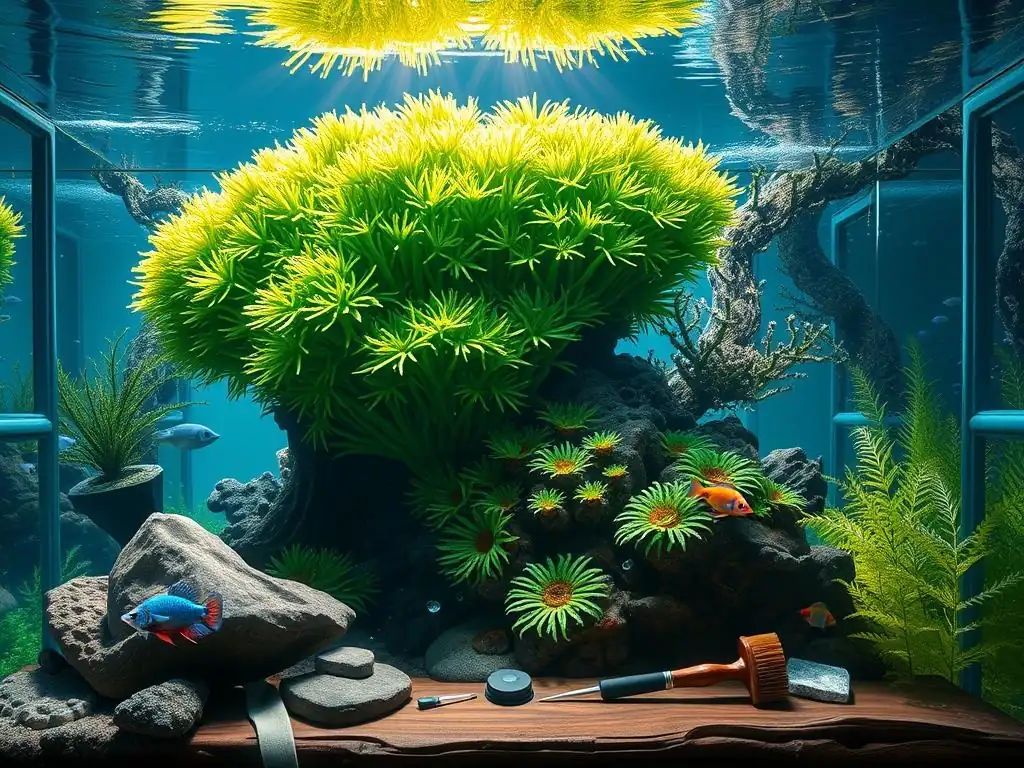
Welcome to Aquarium Mastery, where your underwater dreams come to life!
Is your aquarium looking more like a green hair salon than a vibrant ecosystem? You're not alone! Hair algae is a common frustration for aquarists. Dive in to discover proven hair algae removal techniques that will have your tank sparkling again. Ready to reclaim your view and restore balance? Let's get started!
Manual Removal Methods
Removing Hair Algae from Plants and Substrate
Manual removal stands as the immediate and often most effective hair algae removal technique, providing rapid relief from unsightly blooms. For delicate plants, a gentle twirling motion using a toothbrush or long-handled tweezers can effectively wrap and lift the hair algae without damaging the plant itself. For hardier plants or décor, a soft brush can be used to scrub the algae away. When targeting hair algae on the substrate, a thorough gravel vacuuming session is essential to siphon out both the visible algae and any detritus that contributes to its growth.
It is crucial to perform manual removal just before a significant water change. This ensures that any dislodged hair algae spores or fragments are removed from the water column rather than settling back into the aquarium, potentially leading to new growth. For instance, in a 20-gallon planted tank experiencing a moderate hair algae outbreak, a 15-minute manual removal session can collect a volume equivalent to a golf ball of algae, dramatically reducing the immediate biomass before a 25% water change.
Recommended Tools for Manual Removal
A selection of specialized tools can significantly improve the efficiency and reach of hair algae removal techniques. Long-handled aquascaping tweezers, typically ranging from 10 to 24 inches, are invaluable for reaching deep into larger tanks (e.g., a 55-gallon aquarium) to extract hair algae from intricate plant arrangements or tight spaces. A dedicated aquarium toothbrush or an old, soft-bristled toothbrush is excellent for scrubbing algae from leaves, rocks, and driftwood without scratching surfaces.
For glass or acrylic tanks, an algae scraper with a razor blade (for glass) or a plastic blade (for acrylic) can quickly clear large patches of hair algae from the walls. While these are primarily for surface algae, they can be carefully used near the substrate. Additionally, a siphon or gravel vacuum is indispensable for removing hair algae from the substrate and performing water changes simultaneously. Investing in a quality set of these tools can make the routine task of combating hair algae significantly less daunting and more effective.
Chemical Treatments: Use and Precautions
Active Ingredients in Effective Algaecides
When manual hair algae removal techniques prove insufficient, chemical treatments can be considered, though with caution. One commonly used active ingredient, particularly for planted tanks, is glutaraldehyde (often found in products marketed as liquid carbon supplements, such as Seachem Flourish Excel). While not exclusively an algaecide, it possesses strong algaecidal properties and can be effective against various algae types, including hair algae, by disrupting cellular processes.
Another option is hydrogen peroxide (H2O2), typically used as a spot treatment, which rapidly oxidizes algae cells upon contact. Copper-based algaecides are also available, but their use is highly discouraged in tanks with invertebrates (shrimp, snails) or sensitive fish, as copper is highly toxic to them.
For instance, a 3% hydrogen peroxide solution can be precisely applied with a syringe directly onto localized hair algae patches after turning off the filter for 15-20 minutes. A common dosage is 1-3 ml per 10 gallons of water, ensuring direct contact with the algae. Glutaraldehyde, when used as a spot treatment, can eliminate hair algae within minutes of application, with a typical dosage of 1-2 ml per 10 gallons applied to the target area.
Dosage and Application Guidelines
Precise dosage and application are paramount when employing chemical hair algae removal techniques to prevent harm to desirable tank inhabitants. Always adhere strictly to the manufacturer's instructions for any commercial algaecide. For products containing glutaraldehyde, a general guideline for a full tank treatment might be 1 ml per 10 gallons daily for a few days, or a higher dose for a single spot treatment.
When using hydrogen peroxide for spot treatment, it is vital to turn off circulation pumps and filters to prevent the chemical from dispersing throughout the tank before it can act on the algae. After application, allow 15-20 minutes for the chemical to work, then resume filtration and perform a partial water change if recommended.
It is advisable to start with a lower dose than recommended and observe the tank's reaction, gradually increasing if necessary. For example, some aquarists might begin with 0.5 ml of glutaraldehyde per 10 gallons for a few days to assess plant and fish tolerance before committing to a higher dose. Always ensure robust aeration during any chemical treatment, as some chemicals can reduce oxygen levels, especially in heavily planted tanks or those with high organic loads.
Potential Risks to Fish and Plants
While effective, chemical hair algae removal techniques carry inherent risks that must be carefully considered. Oxygen depletion is a significant concern, especially with algaecides that cause large amounts of algae to die off rapidly, leading to increased bacterial activity as the algae decomposes. This can severely stress fish, particularly those sensitive to low oxygen levels. Certain fish species, such as scaleless fish (e.g., Corydoras catfish) and labyrinth fish (e.g., bettas), can be particularly sensitive to chemical treatments.
Furthermore, many invertebrates, including popular aquarium inhabitants like Amano shrimp, Cherry shrimp, and various snail species (e.g., Nerite snails, Mystery snails), are extremely susceptible to chemicals like copper or even higher doses of glutaraldehyde. Copper-based algaecides, for instance, can be lethal to most freshwater invertebrates at concentrations as low as 0.2 mg/L. Even some delicate plant species can show signs of stress, melting, or stunted growth when exposed to algaecides, particularly if overdosed. Always perform a partial water change (e.g., 25-30%) after a chemical treatment to dilute residual chemicals and remove dying algae.
Biological Control: Natural Algae Eaters
Selecting Algae-Eating Fish Species
Integrating natural algae eaters is a sustainable and long-term hair algae removal technique that contributes to a balanced ecosystem. When selecting fish species, it's crucial to choose those known for their appetite for hair algae and their compatibility with your existing tank inhabitants. Siamese Algae Eaters (SAE - Crossocheilus siamensis) are highly regarded for their voracious consumption of hair algae, even the tougher varieties. However, they grow relatively large (up to 6 inches) and can become territorial as adults, making them more suitable for tanks of 30 gallons or larger.
Another excellent choice for smaller tanks (10+ gallons) is the Otocinclus catfish ( Otocinclus affinis or similar species). These small, peaceful bottom-dwellers are highly effective at grazing on fine hair algae and biofilm from plant leaves and hardscapes. While they are schooling fish and prefer to be in groups of 3-5, a single Otocinclus can make a noticeable difference in a small, localized hair algae issue. Florida Flagfish ( Jordanella floridae) are also known to consume hair algae, though they can be nippy towards other fish and are better suited for specific community setups.
Utilizing Invertebrates for Algae Control
Invertebrates offer another dimension to biological hair algae removal techniques, often excelling where fish might not. Amano shrimp ( Caridina multidentata) are perhaps the most famous and effective invertebrate for consuming hair algae. They are diligent grazers, capable of tackling even stubborn strands of algae that other species ignore. A common stocking rate for effective hair algae control is 1-2 Amano shrimp per 5 gallons of water, meaning a 20-gallon tank could benefit from 4-8 Amano shrimp.
Nerite snails (various species like Zebra Nerite, Horned Nerite) are also excellent algae eaters, though they tend to prefer softer green algae and diatoms. They will graze on hair algae but are less efficient than Amano shrimp. However, they are very hardy and can reach into crevices that shrimp might miss. Both Amano shrimp and Nerite snails are peaceful and generally do not harm plants or fish, making them a safe and effective addition to most community tanks.
Compatibility of Algae Eaters with Tank Inhabitants
Ensuring the compatibility of algae eaters with your existing tank inhabitants is paramount for the success of biological hair algae removal techniques and the well-being of all organisms. Predatory fish, such as larger cichlids, puffers, or even some larger gouramis, may view shrimp or smaller snails as food, rendering your biological control efforts futile. For instance, a single adult Angelfish can easily consume multiple Amano shrimp in a matter of hours.
Similarly, some fish species, like certain types of Barbs or Loaches, might nip at the fins of slower-moving algae eaters or compete with them for food. Even among algae eaters themselves, care must be taken; for example, adult Siamese Algae Eaters can become territorial towards other bottom-dwellers or fish with similar body shapes. Before introducing any algae-eating species, thoroughly research their adult size, temperament, and specific environmental needs to ensure they can coexist peacefully and effectively within your aquarium ecosystem.
Optimizing Aquarium Parameters
Controlling Phosphate Levels
Controlling phosphate levels is a critical hair algae removal technique, as phosphates are a primary nutrient source for algae. High phosphate levels, often exceeding 0.5 mg/L, are frequently linked to significant hair algae outbreaks. Sources of phosphates include tap water, fish food (especially flake foods), decaying organic matter (dead leaves, uneaten food), and some aquarium additives. To combat this, one can test tap water for phosphates and consider using an RO/DI (Reverse Osmosis/Deionized) unit if levels are high.
Reducing overfeeding and promptly removing uneaten food are simple yet highly effective measures. Additionally, specialized phosphate-removing media, such as granular ferric oxide (GFO) or activated alumina, can be added to the filter. These media chemically bind phosphates, making them unavailable to algae. For example, a modest amount of GFO in a media bag can reduce phosphate levels from 1.0 mg/L to below 0.1 mg/L in a 50-gallon tank within 24-48 hours, significantly starving the hair algae.
Managing Nitrate Levels
While plants consume nitrates, consistently elevated levels can still contribute to hair algae growth, especially when other nutrients are imbalanced. Nitrates are the final product of the nitrogen cycle and accumulate from fish waste, uneaten food, and decaying plant matter. Maintaining nitrate levels below 20-30 mg/L is generally advisable for preventing algae blooms, although some planted tank enthusiasts aim for slightly higher levels (e.g., 10-20 mg/L) to support plant growth.
The primary hair algae removal technique involving nitrates is regular water changes, which dilute accumulated nitrates and other dissolved organic compounds. A weekly 25-30% water change in a moderately stocked 40-gallon tank can typically keep nitrate levels in check. Additionally, ensuring a healthy population of fast-growing aquatic plants helps by exporting nutrients, including nitrates, from the water column. Efficient biological filtration also plays a role by converting toxic ammonia and nitrite into less harmful nitrate, thereby preventing a build-up of more toxic nitrogenous compounds that can stress fish and lead to algae.
Water Changes for Algae Prevention
Regular water changes are foundational to effective hair algae removal techniques and overall aquarium health. They serve to dilute accumulated nutrients like nitrates and phosphates, remove dissolved organic compounds that fuel algae growth, and replenish essential trace elements. A consistent schedule is more effective than sporadic large changes. For a typical moderately stocked planted aquarium, a weekly water change of 25-30% of the tank volume is a widely recommended practice.
For instance, in a 75-gallon tank, a weekly 25% water change means removing and replacing 18.75 gallons of water. This routine not only helps in nutrient export but also physically removes suspended algae spores and detritus. Neglecting water changes can lead to a rapid build-up of nutrients, creating an ideal environment for hair algae to proliferate. Regular water changes also help maintain stable water chemistry, which benefits both fish and plants, making them more resilient against algae invasions.
Lighting: Spectrum and Duration for Plant Growth and Algae Control
Lighting is a double-edged sword in a planted aquarium: essential for plant growth but a major driver of hair algae if not properly managed. The intensity, spectrum, and duration of light all play crucial roles in hair algae control. Too much light (either too intense or on for too long) will invariably lead to algae blooms because algae are highly efficient at utilizing excess light and nutrients.
For most planted tanks, a photoperiod of 6-8 hours per day is ideal for promoting healthy plant growth while minimizing the risk of algae. Exceeding 10 hours often leads to increased hair algae issues.
Regarding spectrum, full-spectrum lights with a Kelvin rating between 5000K and 7000K are generally suitable for planted tanks, promoting photosynthesis in plants. Old or incorrect spectrum bulbs can sometimes favor algae growth. For example, an aging fluorescent bulb, over 6-12 months, can shift its spectrum, becoming less beneficial for plants and more conducive to algae, even if the intensity seems adequate. Utilizing a timer for precise control of the photoperiod is a simple yet highly effective hair algae removal technique by prevention, ensuring consistent light exposure and preventing accidental over-lighting.
- Manual Removal Methods
- Chemical Treatments: Use and Precautions
- Biological Control: Natural Algae Eaters
- Optimizing Aquarium Parameters
- How does hair algae typically get into an aquarium?
- What are some effective natural methods for controlling hair algae growth?
- Why is maintaining proper water chemistry important in preventing hair algae blooms?
- What are the risks of using chemical treatments for hair algae removal?
- What are some practical steps I can take to manually remove hair algae?
Preventing Future Outbreaks
Regular Aquarium Maintenance
Consistent and thorough regular aquarium maintenance is the cornerstone of preventing future hair algae outbreaks. This includes routine gravel vacuuming to remove uneaten food, fish waste, and decaying plant matter from the substrate, which are significant sources of nutrients. For example, dedicating 10-15 minutes weekly to gravel vacuuming a 40-gallon tank can remove a substantial portion of detritus and excess nutrients. Cleaning filter media regularly (rinsing mechanical media in old tank water) ensures efficient removal of particulate matter and prevents the build-up of organic waste.
Wiping down the inside of the glass or acrylic with an algae pad or scraper during weekly maintenance sessions also removes nascent algae growth before it can establish itself and become a major problem. This proactive approach, coupled with consistent water changes, significantly reduces the nutrient load in the aquarium, making it less hospitable for hair algae to thrive. Neglecting these basic maintenance tasks is one of the most common reasons for recurring algae issues.
Effective Filtration Strategies
Effective filtration is a vital hair algae removal technique by promoting water clarity and reducing dissolved organic compounds that feed algae. A robust filtration system should incorporate mechanical, biological, and potentially chemical filtration. Mechanical filtration (e.g., filter floss, sponges) physically removes particulate matter, including detritus and free-floating algae spores, before they can settle. Ensuring your filter is appropriately sized for your tank (e.g., a canister filter for a 75-gallon tank should turn over the water volume at least 5-7 times per hour, equating to 375-525 GPH) is crucial for optimal performance.
Biological filtration, provided by beneficial bacteria colonizing filter media, converts toxic ammonia and nitrite into less harmful nitrate, preventing a build-up of highly toxic compounds that can stress plants and fish, making them more susceptible to algae. Chemical filtration, such as activated carbon or specialized resins, can remove dissolved organic compounds and certain pollutants that contribute to algae growth. Regularly cleaning or replacing filter media as per manufacturer guidelines is essential to maintain filtration efficiency and prevent the filter itself from becoming a source of trapped nutrients.
Avoiding Overfeeding
Overfeeding is one of the most common and easily preventable causes of hair algae outbreaks. Excess food that is not consumed by fish quickly breaks down, releasing nitrates, phosphates, and other organic compounds directly into the water column. These nutrients act as a rich fertilizer for algae, triggering rapid proliferation. Studies show that overfeeding by just 10-15% daily can double the organic load in a typical 20-gallon aquarium within a week, significantly increasing the risk of hair algae.
To prevent this, feed your fish small amounts multiple times a day rather than one large meal, ensuring all food is consumed within 2-3 minutes. Observe your fish to gauge their appetite accurately. If uneaten food is consistently left behind, reduce the amount. Fasting fish one day a week can also be beneficial, as it reduces the input of nutrients and encourages fish to graze on any existing algae or biofilm. Being mindful of feeding practices is a straightforward yet highly effective hair algae removal technique in terms of prevention.
Quarantine Procedures for New Additions
New aquatic plants and fish can inadvertently introduce hair algae spores or other unwanted organisms into an established aquarium, leading to new outbreaks. Implementing strict quarantine procedures for all new additions is a proactive and essential hair algae removal technique by prevention.
For new plants, a simple quarantine tank or even a bucket can be used for a 14-day observation period. During this time, plants can be treated with mild dips, such as a diluted bleach solution (1:20 bleach to water for 2 minutes, followed by thorough rinsing and a dechlorinator bath) or a potassium permanganate bath, to kill any hitchhiking algae spores, snails, or parasites.
New fish should also be quarantined for at least 2-4 weeks in a separate tank. This allows you to observe them for signs of disease, parasites, or any obvious algae on their bodies, preventing the transfer of these issues to your main display tank. While it requires an extra setup, a robust quarantine protocol significantly reduces the risk of introducing new hair algae strains or other problems that could compromise the health and aesthetic of your established aquarium.
Advanced Control Strategies
CO2 Injection and Algae Management
For planted aquarium enthusiasts, CO2 injection is not just about lush plant growth; it's also a powerful hair algae removal technique by fostering competitive plant health. When CO2 is adequately supplied (typically aiming for 25-35 ppm), aquatic plants photosynthesize more efficiently, grow faster, and become more robust. This accelerated growth allows them to outcompete algae for essential nutrients like nitrates and phosphates. Essentially, healthy, thriving plants leave little for the algae to feed on.
However, CO2 injection must be balanced with appropriate lighting and nutrient dosing. An imbalance, such as high CO2 with insufficient light or nutrients, can still lead to algae issues. For example, if CO2 levels are optimal but light is too low, plants won't utilize the CO2 effectively, and algae may still take hold. Conversely, too much light without adequate CO2 can also trigger algae. Proper CO2 management, often monitored with a drop checker, ensures plants are at their competitive best, naturally suppressing hair algae growth.
UV Sterilization for Algae Spore Control
UV sterilization is an advanced hair algae removal technique that targets free-floating algae spores, bacteria, and parasites in the water column. A UV sterilizer works by passing aquarium water through a chamber containing a UV-C lamp. The ultraviolet light damages the DNA of single-celled organisms, preventing them from reproducing and effectively killing them. While UV sterilizers do not remove attached hair algae from surfaces, they are highly effective at preventing new outbreaks by eliminating the spores before they can settle and colonize.
For example, a properly sized UV sterilizer (e.g., a 9-12 watt unit for a 50-gallon tank) can reduce the population of free-floating algae spores by over 90% within 24-48 hours of continuous operation. This makes them a valuable tool for tanks prone to recurring algae blooms or for maintaining crystal clear water.
However, it's important to note that UV sterilizers can also kill beneficial bacteria in the water column (though not those in the filter), and their effectiveness depends on water clarity and flow rate through the unit. Regular maintenance, such as replacing the UV bulb annually, is crucial for sustained efficacy.
Troubleshooting
Persistent Algae Issues: Identifying the Root Cause
When hair algae persists despite implementing various hair algae removal techniques, it's crucial to systematically identify the underlying root cause rather than just treating the symptoms. The most common culprits are imbalances in light, nutrients, or CO2. Start by meticulously reviewing your aquarium parameters: test water for nitrates, phosphates, and possibly iron or other trace elements. Compare these to ideal ranges for your planted tank setup (e.g., phosphates above 0.5 ppm or nitrates above 40 ppm are often problematic).
Next, evaluate your lighting. Is the photoperiod too long (over 8 hours)? Is the light intensity too high for your plant mass or CO2 levels? Consider your maintenance routine: are you performing regular water changes (e.g., 25-30% weekly)? Are you overfeeding? Keeping a detailed log of your maintenance schedule, feeding amounts, water parameters, and any changes made to the tank can help pinpoint patterns. For instance, if hair algae consistently appears a few days after a heavy feeding, overfeeding is likely the primary trigger.
Common Problems and Solutions for Recurring Blooms
Recurring hair algae blooms often stem from a few common, overlooked issues that undermine even the best hair algae removal techniques. One frequent problem is inconsistent or inadequate water changes, allowing nutrient levels to creep up over time. Solution: Establish and strictly adhere to a weekly water change schedule (e.g., 25-30%) to export excess nutrients. Another common issue is an aging fluorescent light bulb, which can change its spectrum over 6-12 months, favoring algae growth even if the intensity appears unchanged. Solution: Replace fluorescent bulbs annually to ensure an optimal spectrum for plants.
Overfeeding is another pervasive problem. Solution: Feed smaller amounts, ensuring all food is consumed within 2-3 minutes, and consider skipping feeding one day a week. In planted tanks, an imbalance between light, CO2, and nutrients can also trigger algae. For example, high light without sufficient CO2 or macro/micro-nutrients will lead to algae. Solution: Adjust light intensity or duration, ensure stable CO2 levels (if injected), and provide balanced nutrient dosing to allow plants to outcompete algae effectively. Addressing these root causes systematically is key to long-term hair algae control.
Conclusion
Frequently Asked Questions
How does hair algae typically get into an aquarium?
Hair algae often enters aquariums through new plants, contaminated equipment, or even tap water containing excessive nutrients like phosphates and nitrates.
What are some effective natural methods for controlling hair algae growth?
Introducing algae-eating creatures such as Siamese algae eaters, Amano shrimp, or snails can significantly reduce hair algae. Also, careful lighting control and nutrient management are crucial.
Why is maintaining proper water chemistry important in preventing hair algae blooms?
Hair algae thrives in imbalances. Maintaining stable pH, appropriate nitrate levels, and low phosphate levels is essential to prevent outbreaks and promote a healthy aquarium ecosystem.
What are the risks of using chemical treatments for hair algae removal?
While effective, chemical treatments can disrupt the biological balance of the aquarium, potentially harming sensitive fish or beneficial bacteria. Use them as a last resort.
What are some practical steps I can take to manually remove hair algae?
You can manually remove hair algae by using a toothbrush, tweezers, or even siphoning it out during regular water changes. Consistent removal is key to controlling its spread.
Final Reflection: Untangling Our Aquatic Future
The battle against hair algae, as we've explored, is more than just a cosmetic concern for aquarists; it's a microcosm of the larger struggle to maintain balance in delicate ecosystems. The effectiveness of hair algae removal techniques directly reflects our commitment to responsible stewardship of aquatic environments. The methods we employ, from manual removal to biological controls, highlight the ongoing quest for sustainable solutions in the face of persistent ecological challenges.
This persistent green menace has undoubtedly shaped the aquascaping community, forcing us to become more observant, adaptable, and resourceful. My own experiences battling hair algae have underscored the importance of patience and a holistic approach to aquarium management. The only way to do great work is to love what you do,
Steve Jobs famously said. And in the context of aquariums, that love translates to diligent observation, proactive maintenance, and a deep respect for the delicate balance within.
Now, armed with these hair algae removal techniques and a deeper understanding of the underlying causes, I encourage you to reflect on your own interactions with the aquatic world. How can you apply these lessons to create healthier, more sustainable ecosystems, both within your tanks and beyond? Let's embrace our role as responsible stewards and cultivate a future where thriving aquatic environments are not just a dream, but a vibrant reality.
Conquer Hair Algae & Reclaim Your Aquarium's Beauty!
Thank you for diving into the world of hair algae and learning how to tackle this common aquarium issue! Now that you're armed with the knowledge, it's time to take action and restore your tank's pristine condition. Let's get started!
Here are a few actionable steps you can take today:
- Immediately perform a partial water change (25-50%) to reduce nutrient levels fueling the algae growth. This is your primary action for immediate impact.
- Re-evaluate your lighting schedule; consider reducing the photoperiod by 1-2 hours daily to inhibit algae photosynthesis.
- Share this article with fellow aquarium enthusiasts struggling with hair algae – help them reclaim their tanks too!
What's one small change you can implement today to begin your journey towards a hair algae-free aquarium?