
Scuds & Copepods in Your Aquarium: Are These Tiny Critters Friends or Foes?

Welcome to Aquarium Mastery!
Ever noticed tiny, jumping critters scurrying around your aquarium glass? You might be wondering if they're a sign of trouble... or a secret ingredient to a thriving ecosystem! Dive into our guide and discover the truth about tiny aquarium scud copepods friends – are they allies in algae control, a vital food source, or potential pests? Prepare to unlock the secrets of these miniature marvels and learn how to manage them for a healthier, happier aquarium. Let's explore!
- Amphipods & Copepods in Your Aquarium: Friends or Foes?
- Understanding Tiny Aquarium Inhabitants: Amphipods and Copepods
- The Role of Amphipods and Copepods in a Healthy Aquarium Ecosystem
- Are Amphipods and Copepods Pests? Potential Problems and Solutions
- Managing Amphipod and Copepod Populations in Your Aquarium
- Maintaining a Balanced Aquarium Ecosystem: Friends, Not Foes
- Identifying Common Copepod and Amphipod Species in Aquariums
- Conclusion: Appreciating the Tiny Wonders of Your Aquarium
-
Frequently Asked Questions
- What exactly are scuds and copepods, and why are they found in aquariums?
- Are scuds and copepods generally considered beneficial or harmful to an aquarium ecosystem?
- How can I encourage the growth of scuds and copepods in my aquarium if I want them?
- What if I have too many scuds and copepods; how can I control their population?
- Are there any specific fish species that readily consume scuds and copepods, making them a good addition to a tank with a high population of these critters?
- Final Reflection: Embracing the Microscopic World
- Dive Deeper: Unlock the Secrets of Your Aquarium's Ecosystem!
Amphipods & Copepods in Your Aquarium: Friends or Foes?
Understanding Tiny Aquarium Inhabitants: Amphipods and Copepods
What are Amphipods in Aquariums?
Amphipods, often commonly referred to as "scuds," are small, shrimp-like crustaceans found in both freshwater and saltwater aquariums. These tiny critters typically range in size from about 2 to 10 millimeters, though some species can grow larger. They possess a distinctive arched back and tend to scurry or "scud" along the substrate or tank decorations rather than swim freely in the water column. Their bodies are laterally compressed, meaning they are flattened from side to side, which aids their movement through tight spaces and detritus.
In the aquarium environment, amphipods primarily act as detritivores, consuming decaying organic matter, uneaten fish food, and algae. They are part of the natural clean-up crew, helping to break down waste and cycle nutrients. While generally considered beneficial due to their scavenging habits, a sudden population explosion can sometimes indicate an imbalance in the aquarium, such as overfeeding, which provides an abundant food source for these prolific breeders. Understanding these tiny aquarium scud copepods friends is crucial for maintaining a healthy ecosystem.
Identifying Copepods in Your Fish Tank
Copepods are even tinier crustaceans than amphipods, typically measuring between 0.5 and 2 millimeters in length. They are characterized by their teardrop-shaped bodies and a single, central eye, which gives them their name ("copepod" means "oar-foot" referring to their swimming appendages). Unlike amphipods, copepods are often observed darting through the water column with a distinctive jerky, hopping motion, though some species are benthic (bottom-dwelling) or parasitic.
There are three main orders of free-living copepods commonly found in aquariums: Cyclopoids, Harpacticoids, and Calanoids. Cyclopoids are often seen in the water column, Harpacticoids tend to inhabit the substrate and live rock, and Calanoids are planktonic, drifting with currents. These beneficial copepods play a vital role in both freshwater and marine systems, serving as a primary food source for many fish species, especially fry and delicate feeders. Their presence often indicates good water quality and a thriving microfauna, making them welcome tiny aquarium inhabitants.
The Role of Amphipods and Copepods in a Healthy Aquarium Ecosystem
Copepods as Live Food for Aquarium Fish
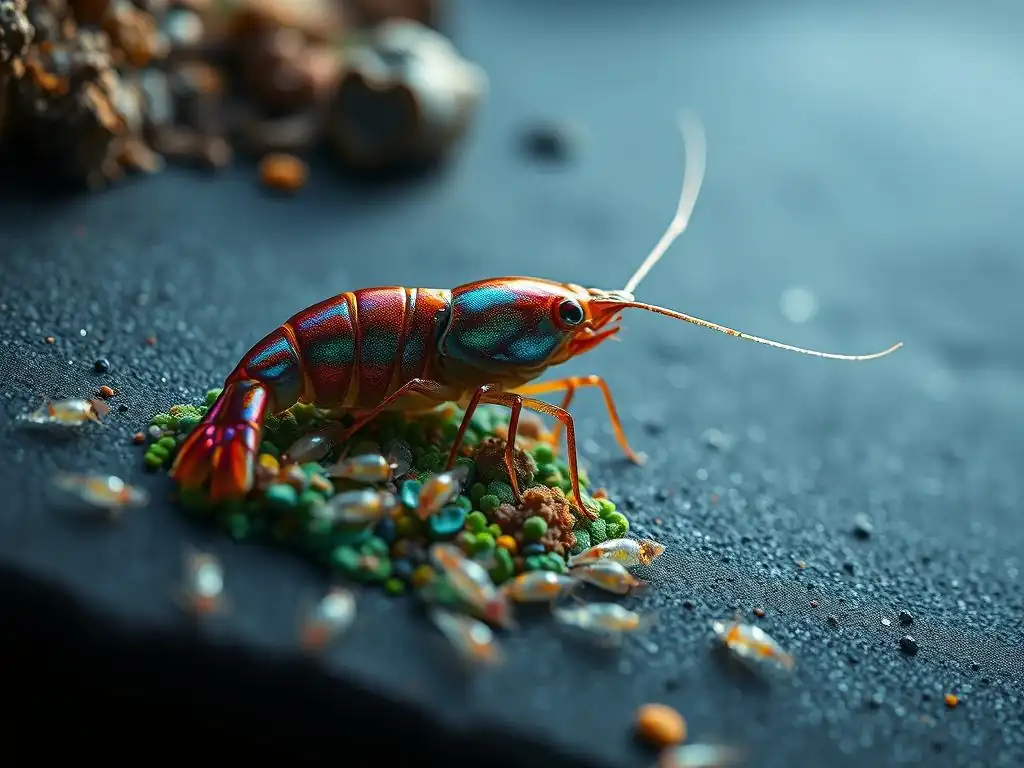
Copepods are an exceptional live food source for a wide array of aquarium fish, particularly for species that are finicky eaters, newly hatched fry, or those requiring live prey to thrive. Their small size, ranging from 0.5 to 2 mm, makes them perfectly digestible for even the smallest fish mouths, including guppy fry, neon tetras, and marine mandarinfish. Rich in proteins, lipids, and essential fatty acids like DHA and EPA, copepods contribute significantly to the nutritional balance of an aquatic diet, promoting vibrant coloration and robust growth.
In marine reef tanks, copepods are indispensable. Species like Tigriopus californicus are actively cultured and introduced to feed corals, filter feeders, and specialized fish such as dragonets and seahorses, which often refuse prepared foods. For instance, a single adult mandarinfish can consume hundreds of copepods daily, underscoring their importance in sustaining these delicate species. The natural hunting behavior stimulated by live copepods also provides valuable enrichment for aquarium inhabitants, enhancing their overall well-being and mimicking their natural feeding strategies.
Amphipods as Detritivores and Part of the Food Chain
Amphipods, or "scuds," serve as diligent members of the aquarium's clean-up crew, playing a crucial role as detritivores. They tirelessly consume decaying organic matter, including uneaten fish food, dead plant material, and various types of algae. This scavenging activity helps to break down waste products, preventing the accumulation of harmful nitrates and phosphates and contributing to a cleaner, more stable aquatic environment. Their presence can significantly reduce the need for manual cleaning of the substrate, as they constantly churn and aerate the top layers.
Beyond their role as decomposers, amphipods also form an integral part of the aquarium's natural food chain. While they consume detritus, they themselves become a valuable food source for larger invertebrates and fish. Many smaller fish species, such as some types of tetras, rasboras, and even juvenile cichlids, will readily prey on these tiny crustaceans. This natural predation helps to keep amphipod populations in check and provides a continuous, nutritious live food supply, demonstrating how these tiny aquarium scud copepods friends contribute to the ecosystem's balance.
Benefits of a Balanced Microfauna in Your Aquarium
A thriving and balanced microfauna, including populations of tiny aquarium scud copepods friends, is a hallmark of a mature and healthy aquarium ecosystem. These microscopic and macroscopic invertebrates contribute to several vital processes that ensure the long-term stability and cleanliness of the tank. Firstly, they are essential for nutrient cycling, converting waste products into forms that can be utilized by plants or removed by filtration, thus preventing the buildup of harmful compounds like ammonia and nitrite. This biological filtration capacity is often underestimated but is fundamental to water quality.
Secondly, a diverse microfauna provides a continuous, natural food source for your fish and other inhabitants. This live food encourages natural hunting behaviors, enhances fish vitality, and provides a more complete nutritional profile than many prepared foods alone. Furthermore, the presence of these tiny organisms can act as an early indicator of water quality issues; a sudden boom or crash in their populations often signals an imbalance in nutrient levels or environmental conditions. A robust population of these beneficial copepods and amphipods signifies a resilient and self-sustaining aquatic environment.
Are Amphipods and Copepods Pests? Potential Problems and Solutions
When Amphipods Become a Problem: Overpopulation and Plant Damage
While generally beneficial, amphipods can transition from helpful allies to troublesome pests if their population explodes unchecked. An overabundance, often indicated by visible swarms of "scuds" scurrying across the substrate and decorations, typically points to excessive food availability—most commonly, overfeeding the fish. When populations reach critical levels, these tiny critters can begin to compete with beneficial bacteria for resources and, in some cases, may even start to nibble on delicate live plants, especially those with soft leaves like Anubias or Java Fern, leading to visible damage.
Addressing an amphipod overpopulation typically involves reducing their primary food source: uneaten fish food. This can be achieved by feeding less frequently or in smaller quantities, ensuring all food is consumed within a few minutes. Additionally, increasing the frequency of gravel vacuuming during water changes can manually remove a significant number of individuals and their eggs. Introducing natural predators, such as small, peaceful fish like certain species of tetras or rasboras, can also help manage the population organically, turning potential pests back into beneficial components of your tiny aquarium.
Copepod Blooms: Causes and Control Methods
Copepod blooms, while less common than amphipod overpopulations, can occasionally occur, manifesting as a cloudy or hazy appearance in the aquarium water due to millions of tiny, free-swimming copepods. Similar to amphipod issues, these blooms are almost always a direct result of an excessive nutrient load in the water, primarily from overfeeding, decaying organic matter, or insufficient water changes. The abundance of nutrients provides an ideal breeding ground for copepods, leading to rapid population expansion.
Controlling a copepod bloom involves addressing the root cause: nutrient excess. Begin by significantly reducing feeding or even temporarily ceasing it for a day or two. Perform a substantial water change, typically 25-50%, to dilute the nutrient concentration. Thoroughly vacuum the substrate to remove any accumulated detritus. Enhancing mechanical filtration by adding filter floss or a fine sponge can also physically remove many of the suspended copepods. While unsightly, a copepod bloom is generally harmless to fish and indicates an underlying water quality issue that, once resolved, will see the copepod population return to a balanced, beneficial level.
Identifying Other Small Aquarium Pests
While amphipods and copepods are often beneficial, other tiny organisms can sometimes appear in an aquarium and might be mistaken for them, some of which are genuinely considered pests. For instance, Hydra are small, freshwater polyps with stinging tentacles, typically translucent or white, that attach to surfaces and can pose a threat to fish fry or small invertebrates. Planaria, or flatworms, are another common nuisance, often recognized by their triangular head and two eyespots; they are usually harmless but can multiply rapidly in overfed tanks and potentially prey on eggs.
Ostracods, also known as seed shrimp, are tiny crustaceans encased in a bivalve shell, resembling a small seed. They move with a jerky motion and are generally harmless detritivores, similar to copepods, but can also bloom with excess food. Distinguishing these tiny aquarium inhabitants from beneficial scuds and copepods is key to appropriate management. Observing their movement, body shape, and interaction with other tank inhabitants helps in proper identification and deciding whether intervention is necessary to maintain a healthy and balanced aquarium environment.
Managing Amphipod and Copepod Populations in Your Aquarium
Natural Predators of Amphipods and Copepods
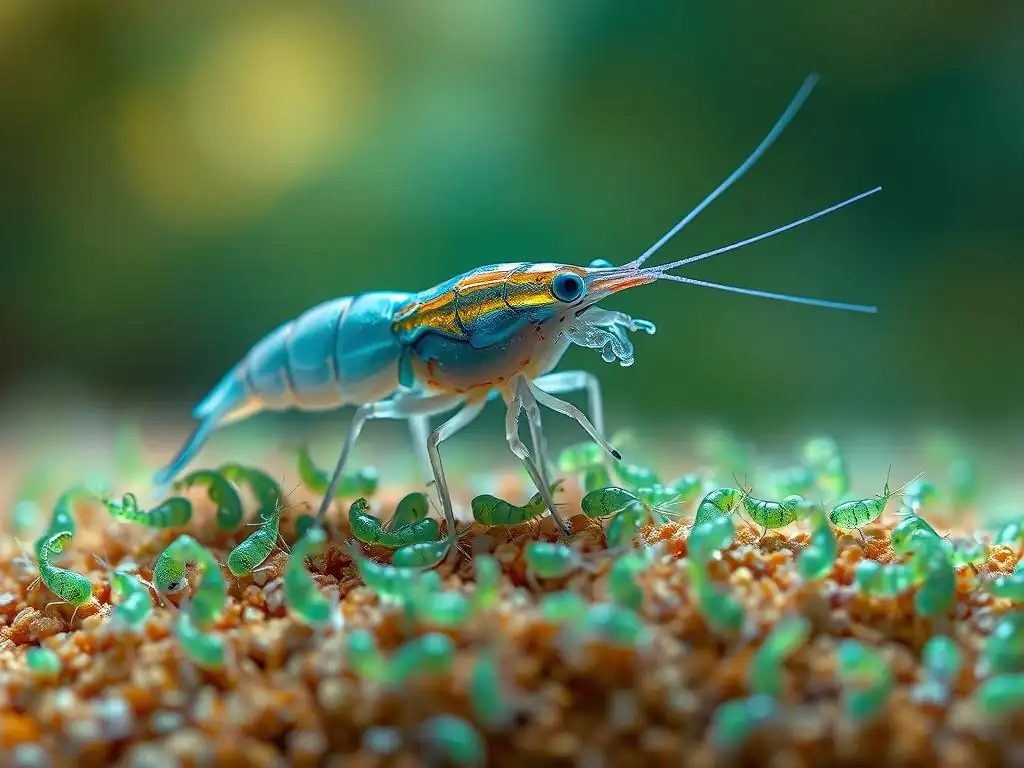
Harnessing natural predation is one of the most effective and eco-friendly ways to manage populations of tiny aquarium scud copepods friends in your tank. Many fish species readily consume these small crustaceans, helping to keep their numbers in check and providing a natural food source for the fish. For freshwater setups, small to medium-sized fish such as neon tetras ( Paracheirodon innesi), black phantom tetras ( Hyphessobrycon megalopterus), various rasboras like harlequin rasboras ( Trigonostigma heteromorpha), and even some peaceful dwarf cichlids like German Blue Rams ( Mikrogeophagus ramirezi) will actively hunt amphipods and copepods.
In marine aquariums, the list of natural predators is even more extensive, particularly for copepods. Mandarinfish ( Synchiropus splendidus), spotted mandarins ( Synchiropus picturatus), and scooter blennies ( Synchiropus ocellatus) are highly specialized copepod eaters, often relying almost exclusively on these tiny crustaceans for survival. Other effective predators include wrasses, small gobies, and even some cleaner shrimp. Introducing a suitable predator not only controls the population but also enriches the fish's diet and encourages natural foraging behaviors, making it a win-win for the aquarium ecosystem.
Water Quality and Its Impact on Microfauna
Maintaining optimal water quality is paramount for controlling the populations of tiny aquarium scud copepods friends and ensuring a balanced microfauna. Stable and clean water parameters directly influence the health and reproductive rates of these organisms. For instance, high levels of nitrates and phosphates, often resulting from overfeeding or infrequent water changes, provide an abundant nutrient source that can trigger rapid population explosions, particularly of copepods and amphipods. Conversely, poor water quality with fluctuating pH, unstable temperatures, or high ammonia/nitrite levels can stress or even decimate these beneficial populations.
Regular testing of water parameters—including ammonia, nitrite, nitrate, and pH—is crucial. Aim for nitrate levels below 20 ppm in freshwater and 10 ppm in saltwater to discourage blooms. Consistent partial water changes, typically 10-20% weekly or bi-weekly depending on tank size and stocking, help dilute accumulated nutrients and replenish essential trace elements. A well-maintained filtration system, including mechanical and biological filtration, also plays a critical role in processing waste and maintaining the pristine conditions that support a healthy, balanced microfauna without allowing any one population to overwhelm the system.
Avoiding Overfeeding to Control Population Growth
Overfeeding remains the single most common cause of population explosions for tiny aquarium scud copepods friends and other detritivores. When fish are fed more than they can consume within a few minutes, the excess food settles into the substrate, breaks down, and releases a surge of nutrients. This abundant food source acts as a powerful catalyst for the rapid reproduction of amphipods and copepods, leading to noticeable blooms or swarms. A typical adult fish only requires a small amount of food once or twice a day, roughly equivalent to the size of its eyeball.
To effectively control these populations, it is crucial to adopt a disciplined feeding regimen. Feed small amounts multiple times a day rather than one large meal, ensuring that all food is consumed within 2-3 minutes. If you notice any uneaten food after this time, reduce the portion size for subsequent feedings.
Consider skipping a feeding day once a week to allow the fish's digestive system to clear and to reduce the overall nutrient input into the tank. This simple adjustment in feeding habits not only prevents overpopulation of these tiny aquarium inhabitants but also significantly improves overall water quality and reduces the risk of algae blooms.
Maintaining a Balanced Aquarium Ecosystem: Friends, Not Foes
Promoting Biodiversity in Your Tank
Promoting biodiversity within your aquarium is a cornerstone for maintaining a balanced ecosystem where tiny aquarium scud copepods friends can thrive beneficially without becoming a nuisance. A diverse range of microfauna, macrofauna, plants, and substrate types creates a complex web of interactions that naturally regulates populations and cycles nutrients efficiently. For instance, introducing a variety of live plants offers shelter and foraging grounds for beneficial micro-organisms, while also competing with algae for excess nutrients. Different substrate sizes and types provide varied habitats for different types of detritivores and bacteria.
A healthy biodiverse tank often includes a mix of invertebrates like snails, various types of worms, and micro-crustaceans, alongside your fish. This variety ensures that all niches are filled, and waste products are consumed and processed efficiently. For example, a diverse clean-up crew means that if one species' population fluctuates, others can pick up the slack, maintaining stability. This holistic approach fosters a resilient environment, reducing the likelihood of single-species outbreaks and ensuring that the tiny wonders of your aquarium contribute positively to its health.
Regular Aquarium Maintenance for a Healthy Environment
Consistent and thorough aquarium maintenance is indispensable for cultivating a healthy environment where tiny aquarium scud copepods friends remain beneficial rather than becoming problematic. Regular maintenance practices directly influence water quality and nutrient levels, which are primary drivers of microfauna population dynamics. This includes performing weekly or bi-weekly partial water changes (e.g., 10-25% of the tank volume) to dilute nitrates and other accumulated waste products, thereby limiting the food source for rapidly reproducing invertebrates.
Coupled with water changes, diligent gravel vacuuming is crucial. This process removes uneaten food, fish waste, and decaying plant matter from the substrate, physically reducing the organic load that feeds detritivores. Cleaning filter media regularly (rinsing in old tank water) ensures optimal mechanical and biological filtration, further preventing nutrient buildup. By adhering to a consistent maintenance schedule, aquarists can proactively manage the balance of their tank's ecosystem, ensuring that these tiny inhabitants contribute positively to nutrient cycling and tank cleanliness without overpopulating.
The Importance of Observation and Adjustment
Successful aquarium husbandry, particularly in managing the delicate balance of its microfauna, hinges on constant observation and the willingness to make timely adjustments. Your aquarium is a dynamic, living system, and the populations of tiny aquarium scud copepods friends are direct indicators of its health. Regularly observing the behavior of your fish, the clarity of the water, and the presence or absence of these tiny critters provides invaluable insights into the tank's overall condition. For example, a sudden increase in visible copepods might signal overfeeding or an accumulation of detritus.
This continuous observation allows for proactive intervention rather than reactive crisis management. If you notice a particular population booming, you can adjust feeding routines, increase water change frequency, or introduce natural predators before the situation escalates into an imbalance. Conversely, if you rarely see any microfauna, it might indicate a lack of sufficient food sources or poor water quality that inhibits their growth, prompting a review of your feeding or maintenance protocols. The ability to observe, interpret, and adjust is the hallmark of a skilled aquarist, ensuring a thriving and harmonious aquatic ecosystem.
Identifying Common Copepod and Amphipod Species in Aquariums
Tigriopus californicus (Copepod)
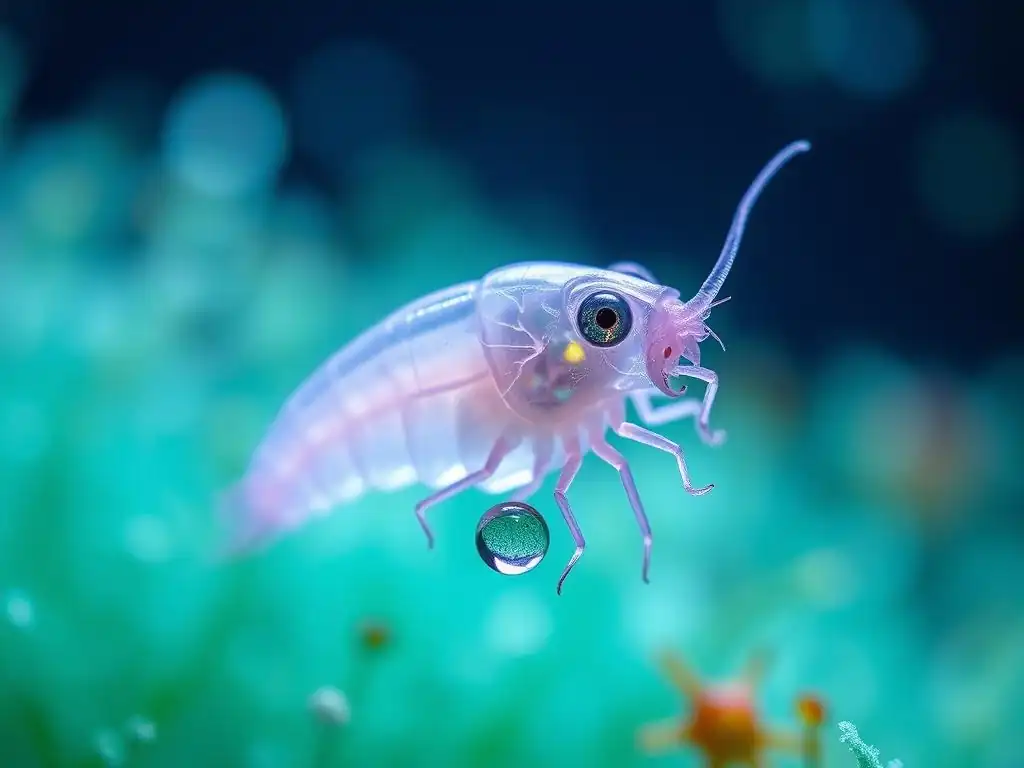
Tigriopus californicus is a highly recognized and commonly cultured species of harpacticoid copepod, particularly prevalent in the marine aquarium hobby. These tiny crustaceans, typically ranging from 1 to 2 millimeters in size, are characterized by their distinctive reddish-brown coloration and their jerky, hopping movement along surfaces and through the water column. They are robust and tolerant of a wide range of salinity and temperature fluctuations, making them an excellent choice for culturing and introduction into reef tanks.
Their popularity stems from their high nutritional value, being rich in essential fatty acids (like EPA and DHA), which are crucial for the health and coloration of marine fish and corals. They are a primary food source for delicate feeders such as mandarinfish, seahorses, and many types of coral polyps. Tigriopus californicus primarily consumes detritus, phytoplankton, and bacteria, contributing to the clean-up crew of a reef system while simultaneously providing live food. Their ability to reproduce rapidly in culture makes them a sustainable food source for demanding marine inhabitants.
Gammarus pulex (Amphipod)
Gammarus pulex is a well-known species of freshwater amphipod, often referred to as "freshwater scuds." These crustaceans typically grow to about 10 to 20 millimeters in length, making them noticeably larger than many copepod species. They possess the characteristic laterally compressed body and arched back, and they are commonly found in clean, oxygen-rich freshwater environments, scurrying along the bottom or among aquatic vegetation. Their coloration can vary from green to brown, often blending in with their surroundings.
As detritivores, Gammarus pulex play a significant role in freshwater ecosystems by consuming decaying organic matter, algae, and even small invertebrates. They are a valuable component of the natural food chain, serving as live food for various freshwater fish, including many types of cichlids, larger tetras, and predatory invertebrates. While generally beneficial for their scavenging habits, a large population can sometimes indicate an overabundance of food in the tank. Their presence often signifies a healthy, well-oxygenated freshwater environment.
Conclusion: Appreciating the Tiny Wonders of Your Aquarium
In the intricate world of your aquarium, the presence of tiny inhabitants like amphipods and copepods often sparks curiosity, sometimes even concern. However, as we've explored, these microscopic and macroscopic crustaceans are far more often friends than foes. They are diligent members of your tank's clean-up crew, tirelessly consuming detritus and uneaten food, thereby contributing significantly to nutrient cycling and overall water quality. Moreover, they serve as an invaluable live food source, enhancing the diet and natural behaviors of your fish, particularly for delicate species and fry.
Understanding the roles of these tiny aquarium scud copepods friends is key to appreciating their contribution to a thriving ecosystem. While overpopulation can occasionally occur, it typically signals an underlying imbalance, such as overfeeding, rather than an inherent pest problem. By maintaining proper water quality, avoiding overfeeding, and promoting biodiversity, aquarists can harness the benefits of these tiny wonders. Embracing and even encouraging a balanced population of amphipods and copepods is a testament to a well-managed and healthy aquarium, where every organism, no matter how small, plays a vital part in the aquatic tapestry.
Frequently Asked Questions
What exactly are scuds and copepods, and why are they found in aquariums?
Scuds and copepods are tiny crustaceans that often appear in aquariums. They are usually introduced unintentionally through live plants or decorations, and thrive in environments with ample food.
Are scuds and copepods generally considered beneficial or harmful to an aquarium ecosystem?
Generally, they are considered beneficial because they consume algae and detritus. They can also serve as a food source for smaller fish and invertebrates.
How can I encourage the growth of scuds and copepods in my aquarium if I want them?
You can encourage their growth by providing a nutrient-rich environment with decaying organic matter. Avoid over-cleaning the tank and provide plenty of hiding places.
What if I have too many scuds and copepods; how can I control their population?
Overpopulation usually indicates an abundance of food. Reduce feeding, improve tank cleaning, and introduce natural predators like small fish that will eat them.
Are there any specific fish species that readily consume scuds and copepods, making them a good addition to a tank with a high population of these critters?
Yes, many small fish such as guppies, tetras, and rasboras are known to readily consume scuds and copepods. These fish can help naturally control their population in the aquarium.
Final Reflection: Embracing the Microscopic World
The exploration of tiny aquarium scud copepods reveals a hidden universe teeming within our glass boxes, a world often overlooked yet deeply intertwined with the health and balance of our aquatic ecosystems. Understanding their roles, whether as beneficial custodians or potential disruptors, is crucial for responsible aquarium keeping and appreciating the intricate web of life even in the smallest of environments.
This journey into the microscopic has profoundly influenced my perspective on aquarium management, highlighting the importance of observation and understanding the delicate balance within. It's a reminder that even the smallest creatures play a significant role in the overall health of our ecosystems, both natural and artificial. The beauty of the natural world lies in the details, and the aquarium is no exception.
This quote encapsulates the essence of appreciating the intricate relationships that sustain life, even at a microscopic level.
Now, I invite you to reflect on the lessons learned about these tiny inhabitants. Consider how you can apply this knowledge to your own aquarium practices, fostering a thriving and balanced ecosystem. Embrace the microscopic world, observe its nuances, and become a steward of the delicate balance within your glass box. Let's all strive to create aquariums where scuds and copepods, whether friends or foes, contribute to a vibrant and healthy aquatic environment.
Dive Deeper: Unlock the Secrets of Your Aquarium's Ecosystem!
Thank you for exploring the fascinating world of scuds and copepods! Now that you understand their role in your aquarium's delicate balance, let's take action to ensure a thriving environment for all your aquatic inhabitants.
- Start a Copepod Culture! Providing a sustainable food source for your fish and maintaining a healthy population of these beneficial critters.
- Share this article with a fellow aquarium enthusiast and spark a discussion about the importance of these often-overlooked organisms.
- Observe your aquarium closely over the next week – can you spot the scuds and copepods? How has understanding their role changed your perspective on your tank's ecosystem?