
Crystal Clear Water: The Aquarium Master's Filter Maintenance Checklist & Schedule

Welcome to Aquarium Mastery!
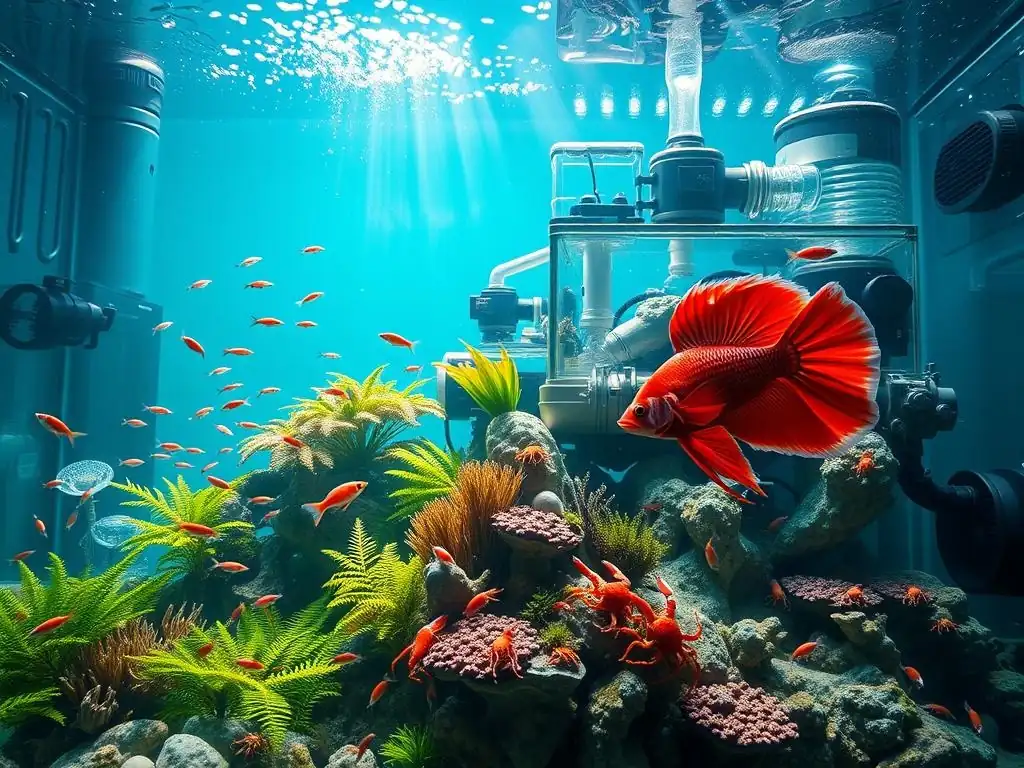
Ever wondered how to achieve that crystal-clear water in your aquarium that makes your fish truly shine? Get ready to unlock the secrets! We're diving deep into the essentials of aquarium filter maintenance schedule to help you create a thriving aquatic ecosystem. Keep reading to discover the ultimate checklist and schedule that will transform your tank from murky to magnificent!
- Why an Aquarium Filter Maintenance Schedule is Crucial for a Healthy Tank
- Creating Your Aquarium Filter Maintenance Schedule: A Step-by-Step Guide
- Aquarium Filter Maintenance Checklist: Detailed Tasks & Procedures
- Maintaining Biological Filtration: Protecting Your Beneficial Bacteria
- Troubleshooting Common Aquarium Filter Problems
- Tips for Optimizing Your Aquarium Filter Maintenance Schedule
- Conclusion: Achieving Crystal Clear Water Through Consistent Filter Maintenance
-
Frequently Asked Questions
- What is the recommended frequency for cleaning an aquarium filter?
- Why is maintaining an aquarium filter important?
- What are some signs that my aquarium filter needs cleaning?
- How do I properly clean my aquarium filter without harming the beneficial bacteria?
- What type of aquarium filter maintenance schedule is best for a heavily stocked tank?
- Final Reflection: The Ever-Flowing Cycle of Care
- Ignite Your Aquarium's Brilliance!
Why an Aquarium Filter Maintenance Schedule is Crucial for a Healthy Tank
Understanding the Importance of Regular Filter Cleaning
An aquarium filter serves as the lifeblood of your aquatic ecosystem, performing essential mechanical, chemical, and biological filtration. Regular cleaning ensures that these three vital functions operate at peak efficiency. Mechanical filtration removes physical debris like uneaten food and fish waste, preventing water cloudiness. Chemical filtration removes dissolved pollutants, odors, and discoloration, while biological filtration, the most critical, houses beneficial bacteria that process toxic ammonia and nitrite into less harmful nitrate. A consistent aquarium filter maintenance schedule directly translates to a clean, stable, and thriving environment for your fish and plants.
Neglecting your filter allows accumulated detritus to break down, releasing harmful compounds back into the water, and significantly reduces the flow rate, diminishing the filter's overall capacity. This leads to a decline in water quality, making it harder for the beneficial bacteria to perform their essential work. By adhering to a routine aquarium filter maintenance schedule, you ensure continuous removal of pollutants, maintain optimal water clarity, and provide a stable foundation for the delicate balance of your aquarium.
The Impact of Neglecting Your Aquarium Filter
Failing to maintain your aquarium filter can quickly lead to visible and detrimental consequences for your aquatic inhabitants. Initially, you might observe cloudy water, an unpleasant odor emanating from the tank, or an increase in algae growth. These are direct indicators that the filter is no longer effectively removing waste and that organic matter is accumulating. Within a few weeks of neglect, the biological filtration can become severely compromised, leading to dangerous spikes in ammonia and nitrite levels, which are highly toxic to fish.
The long-term effects of neglecting your filter maintenance schedule are even more severe. Fish become stressed, their immune systems weaken, and they become highly susceptible to common diseases such as fin rot, ich, or bacterial infections. Chronic exposure to elevated nitrates, a byproduct of an overburdened filter, can stunt fish growth, reduce their lifespan, and even lead to fatalities in sensitive species. A neglected aquarium filter creates a hostile environment, transforming a vibrant aquatic display into a source of stress and disappointment.
Creating Your Aquarium Filter Maintenance Schedule: A Step-by-Step Guide
Step 1: Identify Your Aquarium Filter Type(s)
The first crucial step in developing an effective aquarium filter maintenance schedule is to accurately identify the type of filter or filters installed on your aquarium. Different filter types employ varying mechanisms and have distinct maintenance requirements. Understanding these differences will allow you to tailor your routine to ensure optimal performance and longevity for your specific filtration system.
Each filter type is designed for certain tank sizes and bio-loads, and their internal components, from sponges to impellers, demand specific attention. For instance, a small internal filter requires more frequent rinsing than a large canister filter. Knowing your equipment is fundamental to designing a practical and efficient filter maintenance schedule that truly benefits your aquatic setup.
Common Aquarium Filter Types: Hang-on-Back (HOB) Filters
Hang-on-Back (HOB) filters are among the most popular choices, particularly for smaller to medium-sized aquariums, typically ranging from 10 to 75 gallons. These filters hang on the back of the tank, drawing water up through an intake tube, processing it through various media chambers, and returning it to the tank via a waterfall-like spillway. Most HOBs incorporate three-stage filtration: mechanical (sponges or filter floss), chemical (activated carbon or other resins), and biological (bio-wheels, ceramic rings, or a large surface area for bacterial colonization).
Maintenance for HOB filters usually involves weekly or bi-weekly rinsing of mechanical media (sponges/floss) in old tank water during water changes. Chemical media like activated carbon typically needs replacement every 3-4 weeks as it exhausts its adsorptive capacity. The biological media, such as a bio-wheel, generally requires minimal intervention, perhaps a gentle swish in old tank water every few months to remove excessive sludge buildup without disturbing the bacterial colonies.
Common Aquarium Filter Types: Canister Filters
Canister filters are powerful, external filtration units best suited for larger aquariums, often ranging from 50 to over 300 gallons, or tanks with high bio-loads. These sealed units sit below the aquarium, drawing water in through an intake tube, forcing it through multiple media trays, and returning it via an output tube. Their design allows for highly customizable media setups, often including large volumes of mechanical, chemical, and biological filtration.
Due to their large media capacity, canister filters typically require less frequent maintenance than HOBs, often every one to three months. A thorough cleaning involves disconnecting the unit, disassembling it, and carefully rinsing mechanical media. Biological media should only be gently swished in old tank water to preserve beneficial bacteria. Chemical media is replaced as needed, typically monthly, depending on the specific type and tank conditions. Inspecting hoses and O-rings for leaks or damage is also a critical part of their maintenance.
Common Aquarium Filter Types: Sponge Filters
Sponge filters are simple, air-driven filtration devices often used in smaller tanks, breeding setups, or quarantine tanks, typically for aquariums up to 30 gallons. They consist of a weighted base, an uplift tube, and a porous sponge. An air pump pushes air through the uplift tube, creating suction that draws water through the sponge. The sponge itself provides both mechanical filtration (trapping debris) and, more importantly, a vast surface area for beneficial bacteria to colonize, offering excellent biological filtration.
Maintenance for sponge filters is exceptionally straightforward and should be part of your regular aquarium filter maintenance schedule, typically on a weekly or bi-weekly basis. During a water change, simply remove the sponge and gently squeeze it in a bucket of old tank water. This removes trapped debris without destroying the vital bacterial colonies. Never rinse a sponge filter under tap water, as the chlorine will kill the beneficial bacteria. Their simplicity and effectiveness make them a popular choice for maintaining stable water parameters in specific setups.
Common Aquarium Filter Types: Undergravel Filters
Undergravel filters (UGFs) are an older, less common type of filtration system, typically found in tanks up to 50 gallons. They consist of a perforated plate placed beneath the gravel substrate, with uplift tubes that draw water down through the gravel. The gravel itself acts as the primary biological filter media, while some mechanical filtration also occurs as water passes through. Water flow is typically created by air pumps connected to air stones within the uplift tubes or by small powerheads.
Maintaining undergravel filters can be challenging. While daily gravel vacuuming helps remove trapped detritus, a thorough cleaning often requires partially or fully dismantling the tank, which is why they are less favored today. Significant detritus can accumulate beneath the filter plate, leading to anaerobic conditions and nitrate buildup. Therefore, a complete breakdown and cleaning might be necessary every 6 to 12 months, making their inclusion in a regular aquarium filter maintenance schedule a significant undertaking.
Common Aquarium Filter Types: Internal Filters
Internal filters are compact, submersible units placed directly inside the aquarium, often designed for smaller tanks ranging from 5 to 40 gallons, or as supplementary filtration in larger setups. They typically combine mechanical and biological filtration, with some models offering a small chamber for chemical media. Water is drawn in, passed through a sponge or cartridge, and expelled back into the tank.
Maintenance for internal filters is similar to HOBs but often requires more frequent attention due to their smaller media volume. It's recommended to include them in your weekly or bi-weekly aquarium filter maintenance schedule. This involves unplugging the unit, removing it from the tank, and gently rinsing the filter sponge or cartridge in old tank water. If the filter includes a chemical media pouch, it should be replaced every 3-4 weeks. Regularly cleaning the impeller is also important to maintain consistent flow.
Step 2: Determine Maintenance Frequency Based on Filter Type & Tank Load
Once you've identified your filter type, the next step in creating your aquarium filter maintenance schedule is to determine the appropriate frequency for each task. This isn't a one-size-fits-all approach; it depends heavily on your specific filter type, the size of your aquarium, and most critically, your tank's bio-load. A heavily stocked 20-gallon tank will produce significantly more waste than a lightly stocked 75-gallon tank, even if both use similar filter types, thus requiring more frequent attention.
General guidelines exist: HOB filters and internal filters often benefit from weekly or bi-weekly rinsing of mechanical media, with chemical media replacement monthly. Canister filters, with their larger capacities, might only need a thorough cleaning every 1 to 3 months. Sponge filters are typically rinsed weekly or bi-weekly during water changes. However, these are just starting points. The ultimate determinant for your aquarium filter maintenance schedule should be observation: if water flow noticeably diminishes, if water clarity declines, or if ammonia/nitrite levels begin to rise, it's a clear sign that maintenance is needed, regardless of your calendar.
Step 3: Build a Custom Aquarium Filter Maintenance Checklist
With an understanding of your filter types and general maintenance frequencies, the final step is to construct a personalized aquarium filter maintenance checklist. This document, whether physical or digital, will be your guide to consistent and effective filter care. It should clearly list specific tasks, the components involved, and their designated frequency (e.g., "Weekly: Rinse HOB filter sponge," "Monthly: Clean canister filter impeller," "Quarterly: Swish biological media in canister").
A custom checklist ensures that no crucial steps are overlooked and helps establish a disciplined routine. For example, you might include "Check filter intake for clogs" as a daily quick check, alongside "Replace activated carbon" every four weeks. This structured approach to your aquarium filter maintenance schedule not only simplifies the process but also provides a record of maintenance performed, which can be invaluable for troubleshooting any future water quality issues or changes in filter performance.
Aquarium Filter Maintenance Checklist: Detailed Tasks & Procedures
Weekly Aquarium Filter Maintenance Tasks
Weekly filter maintenance tasks are quick, routine checks designed to keep your filter operating efficiently on a day-to-day basis and prevent larger issues from developing. These tasks are typically performed during your regular weekly water change, minimizing disruption to the tank and maximizing efficiency. Integrating these small steps into your routine ensures consistent water clarity and helps maintain stable water parameters.
These frequent, minor interventions are crucial for managing the immediate buildup of organic waste that can quickly clog mechanical media and reduce filter efficiency. By addressing these issues promptly, you prevent the filter from becoming overwhelmed, which in turn reduces the workload on your biological filtration and helps avert potential water quality crises.
Visual Inspection of Filter Components
A visual inspection of your filter components should be a quick, daily or weekly habit. Begin by observing the water flow from the filter's output. Is it strong and consistent, or has it noticeably weakened? A reduced flow often indicates a clog. Next, check the filter's intake strainer; it's common for plant debris, uneaten food, or even small snails to accumulate here, restricting water intake. Listen for any unusual noises coming from the filter, such as rattling or grinding, which can signal an issue with the impeller.
This simple, minute-long check can save you significant trouble. Early detection of a clogged intake or a struggling impeller can prevent a complete filter shutdown or a drastic reduction in its effectiveness. By proactively identifying these small problems, you can address them before they escalate into major water quality issues, ensuring your aquarium filter maintenance schedule remains effective.
Rinsing Mechanical Filtration Media (Sponges, Filter Floss)
Rinsing mechanical filtration media, such as sponges or filter floss, is a cornerstone of your weekly aquarium filter maintenance schedule. To perform this, gently remove the media from your filter. Crucially, always rinse these components in a bucket of old tank water that you've siphoned out during a water change. Never use tap water, as the chlorine and chloramines present in municipal water supplies will kill the beneficial bacteria that have colonized the media, even mechanical media.
The goal is to gently squeeze or swish the media until the visible accumulation of detritus is removed, but not to sterilize it. For example, a 6x6-inch filter sponge from a 50-gallon tank should be squeezed until the water runs mostly clear. This process removes large particulate matter, preventing the media from becoming clogged and restricting water flow, thus ensuring that your filter can continue to efficiently trap debris without hindering biological activity.
Monthly Aquarium Filter Maintenance Tasks
Monthly aquarium filter maintenance tasks involve a deeper dive into your filtration system, addressing components that don't require weekly attention but are critical for long-term performance. These tasks ensure that the motor and chemical filtration components are functioning optimally, preventing issues that could lead to reduced efficiency or complete filter failure over time.
Incorporating these more thorough cleanings into your monthly aquarium filter maintenance schedule helps prevent the gradual degradation of your filter's performance. By proactively addressing these areas, you ensure consistent water flow and effective removal of dissolved pollutants, contributing significantly to the overall health and clarity of your aquarium.
Cleaning the Filter Impeller
Cleaning the filter impeller is a vital monthly task in your aquarium filter maintenance schedule, especially for HOB and canister filters. The impeller is the small, rotating magnet and propeller assembly that drives water through the filter. Over time, it can accumulate slime, debris, or even small snail shells, leading to reduced water flow, increased noise (e.g., a rattling sound), or even complete filter stoppage. To clean it, first unplug the filter, then carefully remove the impeller cover and pull out the impeller.
Use a small brush, such as a toothbrush or a pipe cleaner, to thoroughly scrub the impeller and the impeller well (where it sits) to remove any buildup. This process typically takes 5-10 minutes. A clean impeller ensures consistent water flow, prevents strain on the motor, and extends the lifespan of your filter. Neglecting this step is a common cause of filter malfunctions and can significantly impact the effectiveness of your entire filtration system.
Checking and Replacing Chemical Filtration Media (Activated Carbon, Phosphate Remover)
Checking and replacing chemical filtration media is a key part of your monthly aquarium filter maintenance schedule. Media like activated carbon is designed to adsorb dissolved organic compounds, odors, and discoloration from the water. However, carbon has a finite capacity and becomes saturated, typically within 3-4 weeks for most tanks (e.g., a standard carbon pouch in a 20-gallon tank). Once saturated, it ceases to be effective and can even begin to leach previously adsorbed pollutants back into the water.
Similarly, other chemical media, such as phosphate removers, have a specific lifespan, often lasting 1-3 months depending on the phosphate levels in your tank. It's crucial to follow the manufacturer's guidelines for replacement. Unlike mechanical media, chemical media should never be rinsed and reused; it must be replaced. Regularly replacing exhausted chemical media ensures that your aquarium water remains clear, odorless, and free from specific targeted pollutants, contributing significantly to overall water quality.
Quarterly Aquarium Filter Maintenance Tasks
Quarterly aquarium filter maintenance tasks involve more comprehensive cleaning, particularly for canister filters, which have larger internal volumes and media capacities. These tasks are typically performed every 3-4 months and focus on preventing long-term buildup within the filter's housing and ensuring the integrity of its external components.
These less frequent, yet more thorough, cleanings are essential for maintaining peak filter performance and extending the life of your equipment. By addressing deep-seated grime and inspecting critical connections, you proactively prevent issues that could lead to significant water quality problems or even leakage.
Thorough Filter Cleaning (Avoid Disrupting Biological Filtration)
For canister filters, a quarterly thorough cleaning is essential. This involves disconnecting the filter, carefully opening it, and removing the media trays. Mechanical media should be rinsed vigorously in old tank water, as described in weekly tasks. For biological media (e.g., ceramic rings, bio-balls, bio-sponges), the approach is different and critical: gently swish them in a bucket of old tank water. Do not scrub them, rinse them under tap water, or expose them to air for extended periods.
The goal is to remove any accumulated sludge or detritus that might be restricting flow through the biological media, without stripping the vital nitrifying bacteria that colonize their surfaces. For example, a 100-gallon tank's canister filter might contain 1-2 liters of biological media; this volume requires careful handling to preserve the bacterial colonies. Over-cleaning biological media can lead to a "mini-cycle" and dangerous ammonia/nitrite spikes, so this step requires caution and adherence to the "less is more" principle.
Inspecting Hoses and Connectors for Leaks or Damage
A crucial quarterly task in your aquarium filter maintenance schedule, especially for canister filters, is to thoroughly inspect all hoses, tubing, O-rings, and connection points for any signs of leaks, cracks, hardening, or general wear. Over time, hoses can become brittle (e.g., after 2-3 years of continuous use), develop kinks, or accumulate thick layers of biofilm that restrict water flow. O-rings, which provide the seal for the filter head or various connections, can dry out, crack, or become compressed, leading to drips or significant leaks.
Proactive inspection of these components prevents potentially disastrous floods and ensures the filter's overall integrity and safety. Carefully check all clamps, valves, and quick-disconnects for any signs of loosening or damage. Replace any worn O-rings immediately, and consider replacing hoses if they appear brittle, discolored, or excessively rigid. This often overlooked step is vital for the long-term reliability and safety of your filtration system.
Annual Aquarium Filter Maintenance Tasks
Annual aquarium filter maintenance tasks are less frequent but are crucial for ensuring the longevity and peak performance of your filter over many years. These procedures address components that wear down slowly or benefit from a very deep cleaning once a year.
Integrating these yearly tasks into your aquarium filter maintenance schedule helps to prevent unexpected breakdowns and ensures that your significant investment in filtration equipment continues to operate efficiently for its full lifespan.
Replacing Filter Impeller (If Necessary)
While cleaning the filter impeller is a monthly task, replacing it is typically an annual or bi-annual consideration, or only when necessary. The impeller, despite being designed for continuous operation, can gradually wear down over years of use due to friction or contact with micro-debris. This wear can manifest as persistent noise even after cleaning, reduced water flow despite all other components being clean, or intermittent filter operation.
Many manufacturers recommend inspecting or replacing the impeller every 1-3 years as part of a comprehensive aquarium filter maintenance schedule, especially if the filter is noticeably louder or struggling to maintain its rated flow. For example, a filter running 24/7 for 18 months might show signs of impeller wear. Having a spare impeller on hand can be beneficial, allowing for immediate replacement and uninterrupted filtration should the original unit fail.
Deep Cleaning of Filter Housing
An annual deep cleaning of the filter housing involves a comprehensive scrub-down of the entire filter body, including the motor head, media baskets, and all internal chambers. Over 12 months or more, stubborn biofilm, mineral deposits (especially in hard water areas), and accumulated sludge can adhere to the plastic surfaces, even after regular cleaning of the media. This buildup can reduce the filter's internal volume and potentially harbor unwanted pathogens.
To perform a deep clean, disassemble the filter completely. Use a non-toxic brush (like a stiff bottle brush) and warm water to scrub away all internal grime. Avoid using any soaps or detergents. This thorough cleaning helps restore the filter to near-new efficiency, ensures optimal water flow through all internal pathways, and prevents long-term accumulation that could impede performance or contribute to water quality issues.
Maintaining Biological Filtration: Protecting Your Beneficial Bacteria
The Role of Beneficial Bacteria in Aquarium Filters
Beneficial bacteria are the unsung heroes of your aquarium, forming the cornerstone of the nitrogen cycle, which is essential for detoxifying fish waste. Specifically, two main types of bacteria, Nitrosomonas and Nitrobacter, colonize the vast surface areas within your filter media (bio-rings, sponges, bio-balls) and, to a lesser extent, the substrate. Nitrosomonas bacteria convert highly toxic ammonia, produced from fish waste and decaying organic matter, into nitrite. Subsequently, Nitrobacter bacteria convert the equally toxic nitrite into less harmful nitrate.
This continuous conversion process is paramount for maintaining stable and safe water parameters, making the biological filter the most critical component of your aquarium. Without a robust and thriving colony of these beneficial bacteria, ammonia and nitrite would quickly accumulate to lethal levels, rendering the tank uninhabitable for fish and invertebrates. A well-established bacterial colony in a properly maintained filter can efficiently process the ammonia produced by a typical fish load, such as 1 inch of fish per gallon of water in a freshwater tank.
Avoiding Over-Cleaning: Preserving Your Biological Filter
One of the most common and detrimental mistakes in aquarium filter maintenance is over-cleaning the biological media. Vigorously scrubbing or rinsing all biological media under chlorinated tap water will effectively destroy the beneficial bacterial colonies that are painstakingly established over weeks. This catastrophic loss of bacteria leads directly to a "mini-cycle" or a re-initiation of "new tank syndrome," where ammonia and nitrite levels spike dramatically, causing severe stress, illness, or even death among your aquarium inhabitants.
The principle for biological media is "less is more." Unlike mechanical media, which aims to remove physical debris, biological media's purpose is to house bacteria. Therefore, intervention should be minimal and gentle. Only clean biological media when it is visibly clogged with excessive sludge, and even then, do so with extreme caution. Never replace all biological media at once; if replacement is absolutely necessary, do it in small increments (e.g., 25% at a time over several weeks) to allow the remaining bacteria to colonize the new media.
Safe Methods for Cleaning Biological Media
When it comes to cleaning biological media, the golden rule is absolute: always use old tank water. When performing a water change, siphon some of the removed tank water into a clean, dedicated bucket. Gently remove your biological media (e.g., ceramic rings, bio-balls, or bio-sponges) from the filter and swish or gently rinse them in this bucket of dechlorinated tank water. The aim is merely to dislodge any large debris or sludge that might be impeding water flow through the media, not to sterilize it.
Avoid scrubbing the media or exposing it to air for more than a few minutes, as both actions can harm the delicate bacterial colonies. If a section of biological media is heavily clogged and requires more thorough cleaning, consider cleaning only a portion of it at a time, or using a temporary, mature sponge filter in your tank for a few weeks prior to the major cleaning. This ensures that a backup colony of beneficial bacteria is present to mitigate any potential ammonia or nitrite spikes, safeguarding your aquarium's stability.
Troubleshooting Common Aquarium Filter Problems
Reduced Water Flow: Causes and Solutions
Reduced water flow from your aquarium filter is a common issue that significantly impacts its effectiveness. The primary causes include a clogged intake strainer, a dirty or worn impeller, or heavily clogged mechanical filter media (sponges, floss). For example, a 50% reduction in flow can drastically decrease the amount of water being processed, leading to a decline in water quality. Kinked hoses, particularly with canister filters, can also severely restrict flow.
To address reduced flow, begin by checking and cleaning the filter's intake strainer, removing any debris or plant matter. Next, unplug the filter and clean the impeller and its well thoroughly, as described in the monthly maintenance section. Then, remove and rinse all mechanical filter media in old tank water. For canister filters, ensure all hoses are free of kinks and are not excessively coated with biofilm inside. If these steps don't resolve the issue, consider replacing the impeller, as it may be worn out, or check for any air leaks in the system's seals.
Noisy Filter Operation: Identifying and Fixing the Issue
A noisy filter can be incredibly frustrating and often indicates an underlying problem that needs attention within your aquarium filter maintenance schedule. The most frequent cause of excessive noise, such as rattling, grinding, or humming, is a dirty or worn impeller. Debris, air bubbles, or even mineral deposits can interfere with its smooth rotation. Another common culprit, especially for canister filters, is trapped air within the filter housing. Additionally, a filter that isn't sitting level or is vibrating against the tank stand can produce unwanted sounds.
To fix a noisy filter, first, unplug the unit and thoroughly clean the impeller and its shaft, removing any accumulated slime or debris. For canister filters, ensure the unit is properly primed and all air is expelled; often, gently rocking or tilting the filter can help release trapped air. Verify that the filter is stable and not making contact with any surfaces that could transmit vibrations. If the noise persists after these steps, it's likely that the impeller or its ceramic shaft is worn and needs replacement.
Cloudy Water After Filter Maintenance: What to Do
Experiencing cloudy water immediately after performing filter maintenance can be unsettling, but it's a relatively common occurrence and usually indicates a temporary disruption. This cloudiness, often a milky haze that appears within 12-24 hours, is typically caused by stirring up fine sediment during cleaning or, more significantly, by a temporary setback to the beneficial bacterial colonies if biological media was over-cleaned.
The key is not to overreact with more cleaning or drastic measures. Instead, perform a small water change, perhaps 10-20% of the tank volume, to dilute any suspended particles. Consider adding a reputable liquid bacterial supplement to help re-establish and boost the beneficial bacterial populations. Monitor your ammonia and nitrite levels closely for the next few days to ensure they remain at zero. Avoid feeding heavily during this period to minimize waste production. The cloudiness should resolve on its own as the bacterial colonies repopulate and any stirred-up particles settle or are removed by the filter.
Tips for Optimizing Your Aquarium Filter Maintenance Schedule
Using a Tank Journal to Track Maintenance
Implementing a tank journal is an invaluable tool for optimizing your aquarium filter maintenance schedule and overall tank health. Whether it's a physical notebook or a digital spreadsheet, consistently recording maintenance activities provides a historical record that can reveal crucial patterns and insights. Log the dates of water changes, specific filter cleanings (e.g., "HOB sponge rinsed," "canister impeller cleaned," "carbon replaced"), and any observations about water clarity or fish behavior.
Crucially, also record your water parameter test results (ammonia, nitrite, nitrate, pH, temperature). Over time, this data allows you to fine-tune your aquarium filter maintenance schedule precisely to your tank's unique needs. For instance, if you notice nitrates consistently rising rapidly after three weeks, it might signal that your filter needs more frequent attention or that larger/more frequent water changes are necessary. This systematic approach transforms guesswork into informed decision-making, leading to a more stable and thriving aquarium.
Choosing the Right Filter Media for Your Aquarium
Optimizing your aquarium filter maintenance schedule also involves making informed choices about the type and quantity of filter media you use. The right media should be selected based on your tank's size, bio-load, and specific needs. For example, a heavily stocked tank will benefit immensely from a generous volume of high-quality biological media (like porous ceramic rings or bio-balls) to support a large bacterial colony, alongside robust mechanical filtration to handle increased particulate waste.
Different chemical media serve distinct purposes: activated carbon excels at removing odors and discoloration, while phosphate removers target algae-causing nutrients. A planted aquarium, for instance, might prioritize maximizing biological filtration and mechanical filtration over extensive chemical filtration, which could remove plant nutrients. By tailoring your filter media choices, you can enhance your filter's efficiency, reduce the frequency of certain maintenance tasks, and address specific water quality challenges, ultimately improving the overall effectiveness of your aquarium filter maintenance schedule.
Understanding Water Parameters and Their Impact on Filter Performance
A deep understanding of your aquarium's water parameters and their direct impact on filter performance is fundamental to optimizing your aquarium filter maintenance schedule. Regular testing for ammonia, nitrite, and nitrate levels provides direct feedback on the efficiency of your biological filtration. The presence of any ammonia or nitrite indicates a struggling or compromised biological filter, signaling an immediate need to investigate filter issues or take corrective action.
Consistently high nitrate levels (e.g., above 20 ppm in a freshwater tank) suggest that your filter, even if biologically sound, might not be efficiently processing waste over time, or that your water change schedule is insufficient. Conversely, stable parameters indicate a well-functioning filter. By correlating your test results with your aquarium filter maintenance schedule, you can identify if your current routine is adequate, if certain media need more frequent attention, or if adjustments are needed to maintain an optimal environment.
Conclusion: Achieving Crystal Clear Water Through Consistent Filter Maintenance
The Long-Term Benefits of a Well-Maintained Aquarium Filter
Adhering to a consistent aquarium filter maintenance schedule is not merely a chore; it is the cornerstone of a thriving and beautiful aquatic environment. The long-term benefits are profound: stable water parameters ensure your fish are healthy, vibrant, and less susceptible to disease, leading to a significantly extended lifespan for your aquatic inhabitants. You will experience consistently crystal clear water, free from unsightly cloudiness, unpleasant odors, and excessive algae growth, transforming your aquarium into a captivating focal point.
Ultimately, a well-maintained aquarium filter reduces the overall effort and stress associated with fishkeeping. Proactive filter care prevents costly problems down the line, such as widespread fish illness, equipment failure, or the need for emergency interventions. By integrating a disciplined aquarium filter maintenance schedule into your routine, you cultivate a resilient ecosystem that brings continuous joy and satisfaction, truly mastering the art of aquarism.
Resources for Further Learning About Aquarium Filtration
To further enhance your mastery of aquarium filtration and refine your aquarium filter maintenance schedule, a wealth of resources is available. Consulting reliable sources such as reputable aquarium forums, academic articles on aquatic biology, and the specific manufacturer guides for your filter models can provide in-depth knowledge tailored to your equipment. Exploring the nuances of different filtration methods, such as fluidized bed filters or sumps, can broaden your understanding and open avenues for advanced system design.
Continuous learning is key to becoming a true aquarium master. Delve into topics like the varying types of filter media beyond the basics (e.g., specialized resins like Purigen, or highly porous biological media like Matrix), understanding how filter sizing impacts bio-load capacity, and the synergistic relationship between mechanical, chemical, and biological filtration. Additionally, research how live aquatic plants can contribute to water purification, effectively acting as supplementary biological and chemical filters, further enhancing your tank's natural balance.
Frequently Asked Questions
What is the recommended frequency for cleaning an aquarium filter?
The ideal frequency depends on your tank size, fish load, and filter type. Generally, you should clean your filter every 2-4 weeks to maintain optimal performance and water quality.
Why is maintaining an aquarium filter important?
Maintaining your filter is crucial for removing harmful waste products like ammonia and nitrites. This helps to create a healthy environment for your fish and prevent algae blooms.
What are some signs that my aquarium filter needs cleaning?
Signs include reduced water flow, cloudy water, and an increase in nitrate levels. Also, visible debris buildup on the filter media indicates it's time for cleaning.
How do I properly clean my aquarium filter without harming the beneficial bacteria?
Always rinse the filter media in used aquarium water, never tap water. This preserves the beneficial bacteria colonies essential for biological filtration.
What type of aquarium filter maintenance schedule is best for a heavily stocked tank?
Heavily stocked tanks require more frequent filter maintenance, possibly every 2 weeks. Consider using a larger filter or adding additional filtration to handle the increased bioload.
Final Reflection: The Ever-Flowing Cycle of Care
The principles of aquarium filter maintenance, as outlined in this guide, extend far beyond the glass walls of a tank. Maintaining a healthy ecosystem, whether miniature or macroscopic, demands consistent attention and proactive care. Just as neglecting a filter leads to murky waters and compromised life, ignoring the essential maintenance of any system – be it personal well-being, community engagement, or environmental stewardship – can have detrimental consequences.
This journey into the world of aquarium filtration has underscored the importance of diligence and foresight. The act of regularly cleaning and maintaining a filter is not merely a chore, but a mindful practice that fosters a deeper connection with the living world. It reminds us that even seemingly small actions can have a profound impact on the health and vitality of an entire ecosystem. The best time to plant a tree was 20 years ago. The second best time is now.
This ancient proverb resonates deeply, highlighting the enduring value of consistent effort and timely intervention.
Now, as you close this guide, consider the filters in your own life. What systems require your attention? What small, consistent actions can you take to ensure their continued health and vitality? Embrace the spirit of the aquarium master, and cultivate a proactive approach to nurturing the ecosystems that matter most to you. Let the clarity of your aquarium water inspire clarity in your life, fostering a future where mindful maintenance leads to thriving environments, both within and beyond the glass.
Ignite Your Aquarium's Brilliance!
Thank you for diving into the world of aquarium filter maintenance! You've unlocked the secrets to pristine water and a thriving aquatic ecosystem. Now, let's put that knowledge into action and ensure your aquarium shines.
Here’s what you can do right now:
- Establish a consistent filter maintenance schedule based on the guidelines provided. This is the most crucial step to guaranteeing a healthy aquarium!
- Share this checklist with fellow aquarium enthusiasts – help them create their own thriving aquatic havens.
- Experiment with different filter media types discussed to optimize your aquarium's filtration system.
What fascinating aquatic life changes have you observed after improving your filter maintenance?