Rules of the Reef (and River): Navigating Laws & Regulations in Aquaristics
🌊 Discover essential insights into reef aquarium legal regulations and best practices for setting up and maintaining vibrant freshwater and saltwater tanks.…
Read article
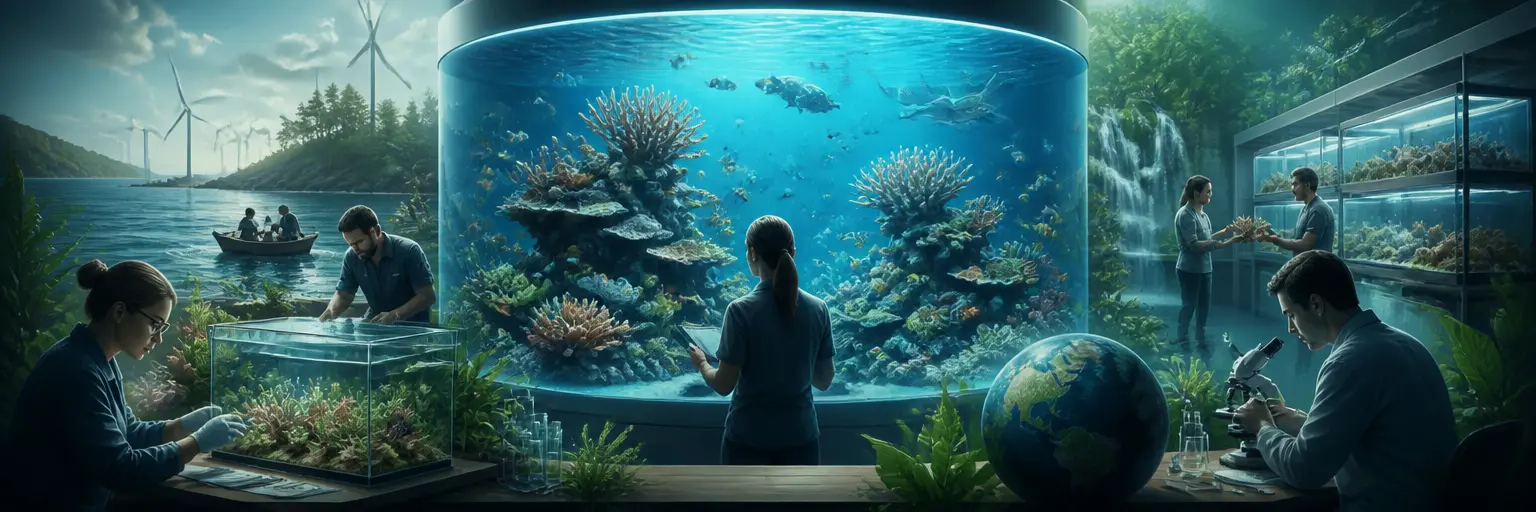
Explore the fascinating world of advanced aquaristics 🌊🐠 with expert insights into aquarium ethics, aquatic conservation, fish behavior, aquarium science, and the aquarium industry. Discover responsible fishkeeping practices, evidence-based care strategies, sustainability tips, and thoughtful guidance for moving tanks or managing complex aquatic systems. Whether you’re refining your reef setup or advancing freshwater expertise, Aquarium Mastery helps you make informed decisions that support healthier fish, thriving ecosystems, and a more sustainable hobby.
🌊 Discover essential insights into reef aquarium legal regulations and best practices for setting up and maintaining vibrant freshwater and saltwater tanks.…
Read article
🌊 Discover whether your fishkeeping practices are truly responsible in our comprehensive guide. Learn essential tips for maintaining a healthy saltwater aquarium…
Read article
🌊 Discover how hobbyists can transform their aquariums into tools for sustainable aquarium conservation practices. AquariumMastery.com offers expert guidance on creating thriving…
Read article
🌟 Explore the importance of ethical fish sourcing practices to ensure your aquatic treasures are obtained responsibly. AquariumMastery.com provides expert guidance on…
Read article
🌊 The aquarium trade impacts ecosystems by endangering wild populations and disrupting natural habitats. Educating consumers and supporting sustainable practices can help…
Read article
🌊 Unlock the secrets of optimal aquarium health with our advanced water chemistry testing tips, empowering dedicated aquarists to master precise water…
Read article
🌟 Stay ahead in aquaristics with Cuttingedge aquarium technology trends shaping the future of freshwater and saltwater tanks. Discover innovative solutions to…
Read article
🐟 Discover the fascinating secret lives of fish, exploring their behavior, intelligence, and wellbeing, to enhance your aquarium experience. AquariumMastery.com offers expert…
Read article
🌟 Discover the latest breakthroughs in aquarium science with AquariumMastery.com, where our Freshwater Aquarium Water Chemistry Guide reveals innovative methods to optimize…
Read article
🌊 Discover how home aquarium data collection trends are revolutionizing aquatic science, enabling hobbyists to contribute valuable insights that enhance fish health,…
Read article
🌟 Unlock the secrets of a thriving aquarium with our Aquarium beneficial bacteria guide, revealing how microscopic allies ensure water quality, balance,…
Read article
🌊 Discover the challenges aquarists face in balancing personal passion with planetary preservation. Learn how to achieve a sustainable aquarium water chemistry…
Read articleExplore the deeper side of modern fishkeeping with Advanced Aquaristics at Aquarium Mastery. This subcategory examines the ethical, scientific, environmental, and commercial issues shaping freshwater and saltwater aquariums. Readers will find evidence-based guidance on responsible aquarium ownership, aquatic conservation, fish welfare, aquarium science, fish behavior, sustainable sourcing, and the practical challenges of moving or redesigning established tanks. Whether you are an experienced aquarist, public aquarium professional, researcher, breeder, retailer, or dedicated hobbyist, these resources help you make informed decisions that protect aquatic life and improve aquarium care.
Discover how ethical aquarists evaluate fish welfare, tank compatibility, stocking levels, habitat design, and long-term care requirements before purchasing aquatic animals. Articles address responsible species selection, avoiding impulse purchases, recognizing unsuitable aquarium conditions, and understanding the lifelong commitment involved in keeping fish, invertebrates, corals, and aquatic plants.
Expect practical discussions about captive-bred versus wild-caught livestock, quarantine practices, humane treatment, disease prevention, and the responsibilities of aquarium owners. This content supports healthier aquariums while helping readers reduce avoidable stress, overcrowding, aggression, poor water quality, and preventable animal loss.
Learn how home aquariums can contribute to aquatic conservation, biodiversity protection, habitat preservation, and sustainable aquaculture. This section explores the environmental impact of the aquarium trade, threatened species, coral reef conservation, freshwater ecosystem protection, and the importance of supporting responsible breeders, collectors, retailers, and conservation organizations.
Readers can expect clear explanations of sustainable sourcing, invasive species prevention, ethical trade practices, and conservation-minded aquarium design. You will also find ideas for reducing environmental impact through energy-efficient equipment, careful water use, sustainable materials, captive propagation, and responsible disposal of plants, fish, and aquarium water.
Go beyond basic maintenance with advanced information about aquarium science, nitrogen cycling, microbiology, filtration, water chemistry, dissolved oxygen, pH stability, salinity, and nutrient management. These resources explain the biological and chemical processes that determine aquarium health in freshwater, marine, reef, planted, breeding, and biotope systems.
Content is designed to help aquarists interpret test results, investigate recurring problems, and apply scientific thinking to aquarium troubleshooting. Learn how temperature, alkalinity, hardness, ammonia, nitrite, nitrate, phosphate, lighting, flow, and microbial communities interact to influence fish health, coral growth, plant development, and overall system stability.
Understand the science behind fish behavior, social hierarchy, territoriality, stress signals, communication, feeding responses, breeding behavior, and species-specific activity patterns. Advanced guides help readers distinguish normal behavior from signs of poor water quality, disease, fear, aggression, inadequate space, or unsuitable tank mates.
Expect recommendations for environmental enrichment, natural aquascaping, hiding places, swimming zones, compatible community design, and behavior-focused observation. By studying how fish use their environment, aquarists can create more natural habitats that support confidence, health, feeding success, and long-term welfare.
Find detailed guidance for moving an aquarium safely, relocating fish, transporting live rock, preserving beneficial bacteria, protecting aquatic plants, and restarting established freshwater or saltwater systems. Articles cover planning, equipment preparation, livestock handling, water storage, substrate management, temperature control, and emergency contingencies.
Readers will learn how to minimize stress, prevent leaks, avoid nitrogen cycle crashes, and reduce losses during aquarium moves or major upgrades. Whether you are transferring a small planted tank, moving a large reef aquarium, or changing homes, these practical strategies help preserve biological stability and protect livestock.
Explore the systems and innovations influencing the aquarium industry, including aquaculture, captive breeding, aquarium retail, public aquariums, equipment development, sustainable technology, and emerging fishkeeping trends. This section provides context for understanding how products, supply chains, regulations, and professional practices affect aquarium ownership.
Expect balanced analysis of filtration technology, automated monitoring, smart aquarium equipment, LED lighting, energy efficiency, coral propagation, ornamental fish production, and responsible commerce. These insights help hobbyists evaluate claims, compare technologies, and choose products that deliver genuine benefits for aquatic life and aquarium sustainability.
Advanced aquaristics includes the scientific, ethical, conservation, behavioral, technical, and industry-related aspects of aquarium keeping. It goes beyond routine feeding and cleaning to examine fish welfare, ecosystem design, water chemistry, sustainable sourcing, conservation, research, and complex aquarium management.
Choose species appropriate for your aquarium size and experience, research adult behavior and care requirements, avoid overstocking, quarantine new livestock, and purchase from responsible sources. Supporting captive-bred animals, sustainable suppliers, and conservation programs can also reduce pressure on wild populations.
Many aquarium species depend on vulnerable freshwater habitats, coral reefs, wetlands, and coastal ecosystems. Conservation-focused fishkeeping promotes responsible collection, captive breeding, habitat protection, and invasive species prevention while helping aquarists understand the environmental consequences of their purchasing and disposal choices.
Plan the move carefully, preserve mature filter media, keep livestock and beneficial bacteria at stable temperatures, avoid washing biological media in tap water, and minimize the time equipment remains offline. Test ammonia and nitrite frequently after setup and be prepared to perform partial water changes if the biological filter is disrupted.
Observe fish at consistent times and record feeding, swimming, resting, territorial, social, and breeding behaviors. Compare changes against water test results, tank modifications, lighting schedules, and new livestock. Reliable observation can reveal early signs of stress, disease, aggression, poor compatibility, or habitat problems.