
Albino Guppies: Unique Beauty and Specialized Care Considerations

Welcome to Aquarium Mastery!
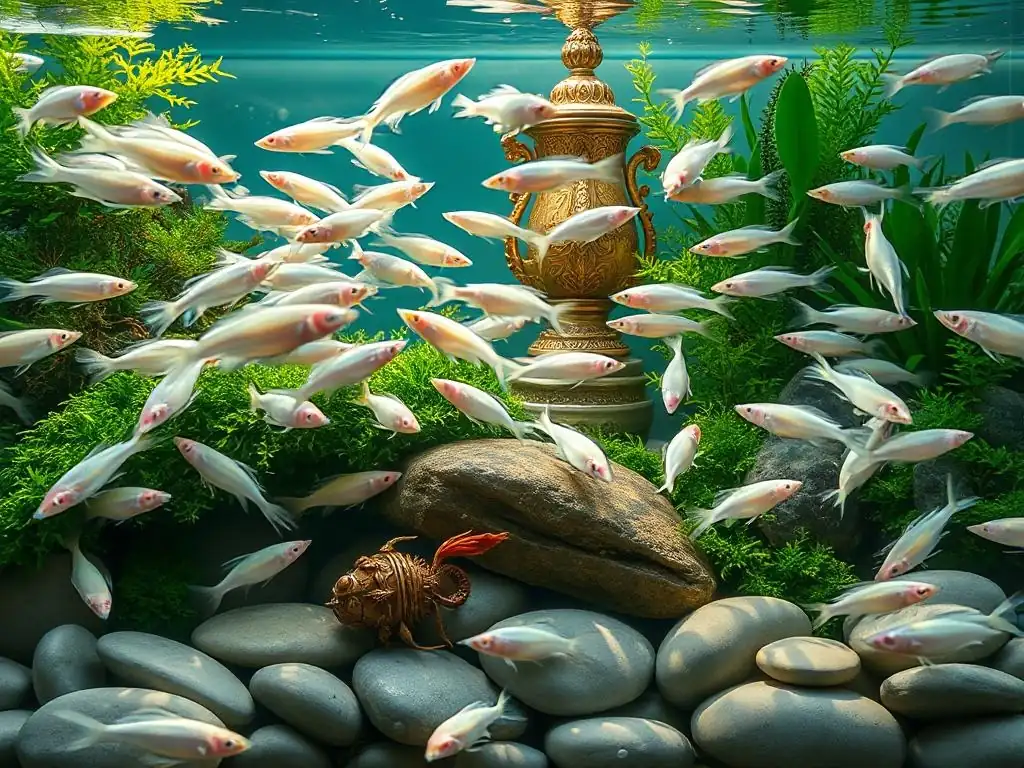
Ever been captivated by the ethereal beauty of an Albino Guppy? These shimmering gems can add a unique sparkle to any freshwater tank, but their delicate nature requires specialized care. Dive in and discover our comprehensive guide packed with Albino guppy care tips – from optimizing their environment to understanding their specific needs. Ready to unlock the secrets to keeping these stunning fish thriving? Let's explore!
- Understanding Albino Guppies: A Comprehensive Guide
- Essential Albino Guppy Care Tips for a Thriving Aquarium
- Albino Guppy Tank Mates: Compatibility and Community Tank Considerations
- Albino Guppy Breeding: Considerations and Best Practices
- Common Health Issues in Albino Guppies and How to Address Them
- Enhancing Albino Guppy Coloration: Tips and Tricks
- Albino Guppy Varieties: Exploring Different Strains and Traits
- Advanced Albino Guppy Care: Addressing Specific Needs
- Frequently Asked Questions
- Final Reflection: Embracing the Delicate Beauty
- Embrace the Enchantment: Start Your Albino Guppy Journey Today!
Understanding Albino Guppies: A Comprehensive Guide
What are Albino Guppies? Defining Characteristics and Genetics
Albino guppies are a striking variant of the popular Poecilia reticulata species, characterized by a genetic condition known as albinism. This condition results from a complete or partial absence of melanin, the pigment responsible for dark coloration in most organisms. Consequently, albino guppies typically exhibit a pale, often translucent body, ranging from white to a light yellowish hue. Their most distinctive feature is their eyes, which appear red due to the visible blood vessels lacking melanin pigmentation. This unique appearance sets them apart from their wild-type counterparts and other guppy strains.
Genetically, albinism in guppies is primarily inherited as a recessive trait. This means that an albino guppy must inherit two copies of the specific recessive gene (one from each parent) to express the albino phenotype. If an albino guppy is bred with another albino guppy, all offspring will be albino. However, if an albino guppy is bred with a non-albino guppy that carries the recessive gene (a "carrier"), approximately 50% of the offspring will be carriers, and 50% will be albino. This genetic mechanism makes it possible for dedicated breeders to selectively produce albino strains.
The Allure of Albino Guppies: Why Aquarists Love Them
The unique aesthetic appeal of albino guppies is a primary reason for their popularity among aquarists. Their pale, almost ethereal bodies, combined with their distinctive red eyes, create a captivating contrast against green aquatic plants or darker substrates. This visual uniqueness makes them stand out in a community tank, drawing immediate attention and adding a touch of elegance that differs significantly from the vibrant, often iridescent colors of standard guppy varieties.
Beyond their beauty, albino guppies also appeal to aquarists seeking a slightly more specialized challenge in fishkeeping. Their genetic makeup can sometimes translate to increased sensitivity to environmental factors, such as light intensity and water quality, compared to their pigmented relatives. This requires more diligent Albino guppy care tips and attention to detail, which can be rewarding for experienced hobbyists. Furthermore, the opportunity to breed and selectively maintain these unique strains adds another layer of engagement for those interested in the genetic aspects of fishkeeping.
Essential Albino Guppy Care Tips for a Thriving Aquarium
Maintaining Optimal Water Parameters for Albino Guppies: pH, Temperature, and Hardness
Maintaining stable and appropriate water parameters is paramount for the health and vitality of albino guppies. They thrive in tropical freshwater conditions, with a preferred temperature range of 72-82°F (22-28°C). Consistency within this range is more important than hitting an exact number, as sudden temperature fluctuations can stress these delicate fish. A reliable aquarium heater with a thermostat is essential to prevent thermal shock and ensure their metabolic processes function optimally.
Regarding pH and hardness, albino guppies, like most guppy varieties, prefer slightly alkaline to neutral water, ideally within a pH range of 6.8 to 7.8. They also appreciate moderately hard water, with a general hardness (GH) of 8-18 dGH (approximately 140-320 ppm) and carbonate hardness (KH) of 3-5 dKH. Pristine water quality is non-negotiable; ammonia and nitrite levels must be zero, and nitrates should be kept below 20 ppm. Regular partial water changes, typically 25% weekly, are crucial for diluting nitrates and replenishing essential minerals, offering vital Albino guppy care tips for their long-term well-being.
Albino Guppy Diet and Nutrition: What to Feed Your Pale Beauties
Albino guppies are omnivores, requiring a varied and balanced diet to maintain their health, energy, and subtle coloration. A high-quality flake or micro-pellet food designed for tropical fish should form the basis of their diet, providing essential vitamins, minerals, and protein. Look for formulas that include spirulina or other plant-based ingredients to support their digestive health and provide necessary vegetable matter.
Supplementing their staple diet with live or frozen foods is highly beneficial. Options such as brine shrimp, daphnia, and bloodworms (fed sparingly due to their richness) offer excellent protein and promote natural foraging behaviors. These foods also provide crucial nutrients that contribute to their overall vitality and the subtle brilliance of their scales. Feeding small amounts 2-3 times a day is ideal, ensuring that all food is consumed within a few minutes to prevent water fouling.
Recommended Foods for Albino Guppies: Promoting Health and Color
To promote the best health and enhance the inherent beauty of albino guppies, specific food choices can make a significant difference. High-quality flake foods enriched with spirulina or other color-enhancing ingredients are excellent for daily feeding; for example, some premium brands offer flakes with a minimum 40% crude protein and added carotenoids. These ingredients, while not creating dark pigments, can support the vibrancy of their existing red (eyes) and yellow (body) tones.
Beyond flakes, incorporating live or frozen baby brine shrimp (e.g., Artemia salina nauplii) several times a week provides easily digestible protein and essential fatty acids crucial for growth and immune function. Daphnia, another excellent live or frozen option, acts as a natural laxative and provides beneficial fiber. Small, finely chopped blanched vegetables like spinach or peas can also be offered occasionally, fulfilling their omnivorous dietary needs. A varied diet is one of the most effective Albino guppy care tips for ensuring robust health and subtle, yet captivating, coloration.
Tank Size and Setup for Albino Guppies: Creating the Perfect Habitat
The appropriate tank size is crucial for the well-being of albino guppies, allowing them ample space for swimming, breeding, and reducing stress. While a single guppy can technically survive in a 5-gallon tank, a minimum of a 10-gallon aquarium is recommended for a small group of 3-5 guppies. For a thriving community tank or a dedicated breeding colony, a 20-gallon or larger tank is ideal, providing more stable water parameters and room for additional fish or plants. Adequate space helps mitigate aggression, especially among males, and provides a healthier environment.
Beyond size, the setup requires careful consideration. A reliable heater is necessary to maintain the stable 72-82°F (22-28°C) temperature range. Filtration is also vital, but albino guppies prefer gentle water flow. Sponge filters are excellent choices, providing both mechanical and biological filtration without creating strong currents that can stress these small fish. If using a hang-on-back (HOB) filter, consider baffling the output with a sponge or decor to diffuse the flow. A secure lid is also essential, as guppies are known jumpers.
Choosing the Right Substrate and Decor for Albino Guppy Tanks
The choice of substrate and decor plays a significant role in creating a comfortable and visually appealing habitat for albino guppies. For substrate, fine gravel or sand is generally preferred over coarse, sharp materials which could potentially injure their delicate fins. Darker colored substrates, such as black or dark brown, are particularly beneficial for albino guppies. These darker tones help to reduce glare from tank lighting, which can be stressful for their light-sensitive eyes, and also make their pale bodies stand out more aesthetically.
Regarding decor, dense planting is highly recommended. Live plants like Hornwort, Anacharis, Java Moss, and Guppy Grass provide abundant hiding spots, which are crucial for reducing stress, especially for females seeking refuge from persistent males or for fry seeking protection. Floating plants such as Dwarf Water Lettuce or Frogbit are also excellent, as they diffuse overhead lighting, further minimizing light sensitivity for albino guppies. Additionally, smooth rocks and driftwood can be incorporated to create naturalistic structures and further enhance the visual appeal of the aquarium, contributing to effective Albino guppy care tips.
Albino Guppy Tank Mates: Compatibility and Community Tank Considerations
Ideal Tank Mates for Albino Guppies: Peaceful and Compatible Species
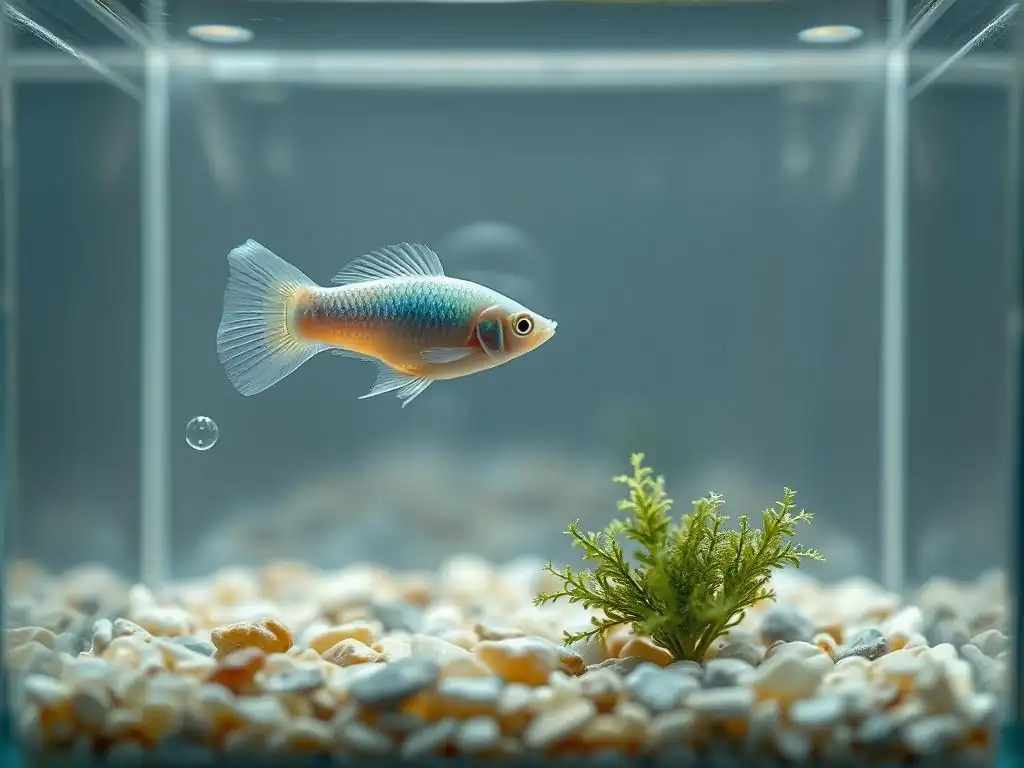
Choosing appropriate tank mates is crucial for the peaceful coexistence and reduced stress of albino guppies in a community aquarium. Given their generally docile nature and potential light sensitivity, selecting small, non-aggressive species that thrive in similar water parameters is key. Ideal companions include other peaceful livebearers such as platies or mollies, provided the tank is large enough to accommodate their combined bioload and potential breeding.
Small, schooling fish like Neon Tetras, Ember Tetras, or Harlequin Rasboras are also excellent choices, as they are non-confrontational and add dynamic movement to the tank without posing a threat. Bottom-dwelling, peaceful catfish like Pygmy Corydoras or Otocinclus catfish are also highly compatible, as they occupy different tank levels and are known for their calm demeanor. These species generally do not compete aggressively for food and typically ignore the guppies, ensuring a harmonious environment.
Fish to Avoid Housing with Albino Guppies: Preventing Aggression and Stress
To prevent aggression, fin nipping, and undue stress, certain fish species should be strictly avoided as tank mates for albino guppies. Any large or predatory fish, such as most cichlids (e.g., Oscars, Jack Dempseys), will view guppies as a food source and should never be housed with them. Even moderately aggressive or territorial fish, like Tiger Barbs or Serpae Tetras, are prone to fin nipping, which can cause significant stress, injury, and susceptibility to disease for the guppies.
Furthermore, fish that require vastly different water parameters should also be avoided, as attempting to accommodate both types can compromise the health of one or both species. For instance, Discus fish prefer very soft, acidic water, which is unsuitable for the harder, more alkaline water preferred by guppies. Overly boisterous or fast-swimming species can also inadvertently stress albino guppies by outcompeting them for food or simply by their constant rapid movement, making careful selection a vital aspect of Albino guppy care tips.
Albino Guppy Breeding: Considerations and Best Practices
Breeding Albino Guppies: A Step-by-Step Guide
Breeding albino guppies is relatively straightforward, as guppies are famously prolific livebearers. To ensure successful breeding and a higher survival rate for the fry, setting up a dedicated breeding tank is often recommended, though not strictly necessary. A 5 to 10-gallon tank with a heater, gentle filtration (like a sponge filter), and plenty of dense plant cover (such as Java Moss or guppy grass) provides an ideal environment. Introduce one male and two or three female albino guppies to this tank to minimize stress on the females.
Guppies have a gestation period of approximately 21 to 30 days, depending on temperature and nutrition. Females will develop a noticeable gravid spot (a darkened area near the anal vent, though less visible in albinos) and their belly will become noticeably swollen. Once the female is close to giving birth, you may observe her becoming more reclusive. After she delivers the live fry, it is crucial to remove the adult guppies from the breeding tank to prevent them from preying on their offspring, a critical step in effective Albino guppy care tips for breeding success.
Caring for Albino Guppy Fry: Ensuring a High Survival Rate
Caring for albino guppy fry requires diligent attention to water quality and feeding to ensure a high survival rate. Immediately after birth, the fry are tiny and vulnerable. The dense plant cover in the breeding tank serves as essential hiding spots, protecting them from any remaining adults or from each other, as cannibalism can occur even among fry if food is scarce. Maintaining stable water parameters is paramount; perform small, frequent water changes (e.g., 10% daily or every other day) using a siphon with a fine mesh to avoid sucking up fry.
Slightly raising the water temperature to around 78-80°F (25-27°C) can also encourage faster growth in the fry. However, the most critical aspect of their care is providing appropriate and consistent nutrition. Without proper feeding, fry mortality rates can be very high.
Feeding Albino Guppy Fry: Nutritional Needs for Growth
The nutritional needs of albino guppy fry are demanding due to their rapid growth rate. For the first few days, infusoria (microscopic organisms) or finely crushed high-quality flake food are suitable as their primary diet. You can also use specialized liquid fry food. As they grow, typically after the first week, their diet should transition to larger, more nutrient-dense options.
Newly hatched brine shrimp (nauplii) are an excellent food source, providing high protein and essential fatty acids that promote fast growth and development. Micro-worms are another good option. Fry should be fed small amounts multiple times a day—ideally 4 to 6 times—to ensure a constant supply of nutrients for their rapid metabolism. Overfeeding should be avoided to maintain water quality, but consistent, frequent feeding is a key Albino guppy care tip for raising healthy, robust fry.
Common Health Issues in Albino Guppies and How to Address Them
Recognizing Signs of Illness in Albino Guppies: Early Detection is Key
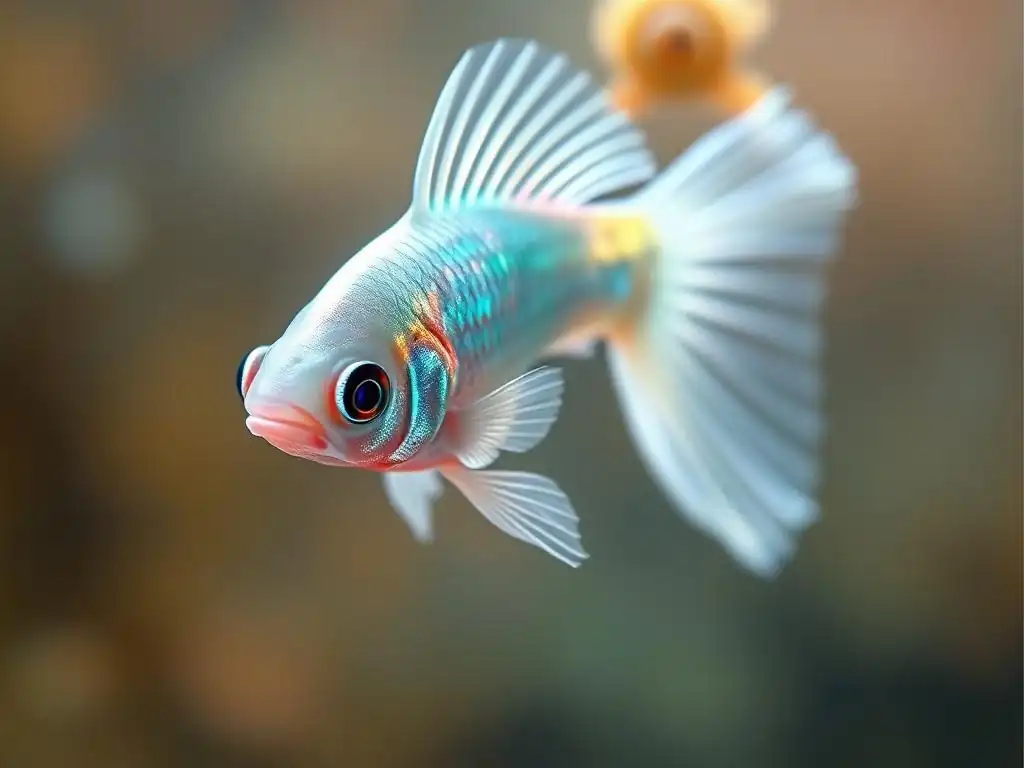
Albino guppies, due to their genetic makeup, may exhibit a slightly increased susceptibility to stress-related illnesses if their environment is not optimal. Early detection of health issues is crucial for successful treatment. Aquarists should regularly observe their fish for any changes in behavior or physical appearance. Common signs of illness include clamped fins (held close to the body), lethargy, loss of appetite, and isolation from the group.
Physical symptoms to watch for include white spots on the body or fins (Ich), frayed or deteriorating fins (Fin Rot), a swollen body, especially if scales are protruding (Dropsy), or cotton-like growths (fungal infections). Any unexplained changes in swimming patterns, such as darting or flashing against tank decor, can also indicate irritation or parasitic infestation. Upon noticing any of these signs, the first step should always be to test the water parameters immediately, as poor water quality is a leading cause of fish ailments.
Treating Common Albino Guppy Diseases: Ich, Fin Rot, and Dropsy
Once an illness is identified, prompt and appropriate treatment is essential. For Ich (White Spot Disease), a common parasitic infection, treatment often involves gradually raising the tank temperature to 82-84°F (28-29°C) over 24 hours (if compatible with other tank inhabitants) and using an Ich medication containing malachite green or formalin, following the manufacturer's instructions carefully. The higher temperature helps to speed up the parasite's life cycle, making it more vulnerable to medication.
Fin Rot, typically a bacterial infection exacerbated by poor water quality, is best treated by improving tank conditions through daily small water changes (e.g., 10-15%) and using an antibacterial medication. Dropsy, characterized by a swollen body and scales sticking out like a pinecone, is often a symptom of severe internal organ failure, usually bacterial. It is notoriously difficult to treat, but isolating the affected fish and trying a broad-spectrum antibiotic food or bath can sometimes help. Preventing these diseases through excellent water quality and minimal stress is the best Albino guppy care tip.
Enhancing Albino Guppy Coloration: Tips and Tricks
Diet and Supplements for Vibrant Albino Guppy Colors
While albino guppies inherently lack melanin, the dark pigment, they still possess other chromatophores responsible for red, yellow, and iridescent hues. Therefore, their "coloration" refers to the vibrancy of their red eyes and any subtle yellow or blue iridescence on their bodies, which can be enhanced through proper diet. Foods rich in natural carotenoids, such as astaxanthin and spirulina, are excellent for boosting these existing pigments.
Incorporating high-quality flake foods with added color enhancers, or supplementing with frozen or live foods like spirulina-enriched brine shrimp or bloodworms, can make a noticeable difference. For example, some specialized guppy foods contain up to 4% spirulina or other color-enhancing ingredients. Providing a diet rich in protein (e.g., 45-50% crude protein) from sources like krill or fish meal also supports overall health and vitality, which indirectly contributes to the clarity and vibrancy of their subtle body colors and the intensity of their red eyes.
Lighting Considerations for Albino Guppies: Minimizing Stress and Maximizing Color
Lighting plays a critical role in the well-being and visual appeal of albino guppies, particularly due to their inherent light sensitivity. Unlike pigmented fish, albino guppies lack the melanin in their eyes and skin that protects against intense light. Therefore, strong, direct lighting can cause significant stress, leading to hiding behavior, faded appearance, and increased susceptibility to illness.
To minimize stress, it is advisable to use dimmer lights or provide ample shade within the aquarium. Floating plants like Dwarf Water Lettuce or Frogbit are excellent for diffusing overhead light and creating shaded areas where the guppies can retreat. Tall, dense background plants also offer similar benefits. A photoperiod of 8-10 hours per day is generally sufficient. By providing appropriate lighting conditions, you not only reduce stress but also allow their subtle coloration to be appreciated more fully, making this a crucial Albino guppy care tip.
Albino Guppy Varieties: Exploring Different Strains and Traits
Popular Albino Guppy Strains: Red Albino, Blue Albino, and Yellow Albino
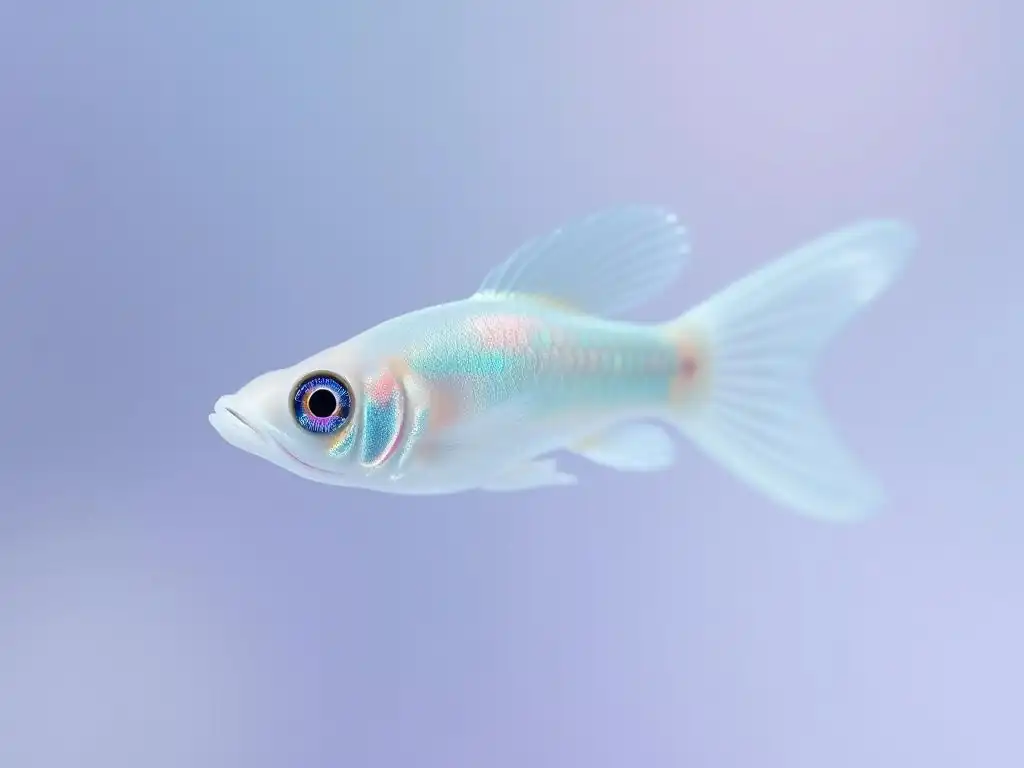
Within the albino guppy category, selective breeding has led to the development of several distinct strains, primarily differentiated by the underlying base color that is expressed despite the absence of melanin. The most common and widely recognized is the Red Albino guppy. These fish exhibit a pale body but feature vibrant red or orange fins, and sometimes a reddish wash over their body, making them particularly striking. The intensity of the red can vary from a soft orange to a deep, fiery hue, often enhanced by diet.
Another popular variety is the Blue Albino guppy, which displays a silvery-white or pale blue body with distinct blue fins. The blue coloration can range from a light sky blue to a deeper cobalt. Similarly, Yellow Albino guppies feature a pale yellow body and fins, offering a softer, sunnier appearance. Beyond these primary color distinctions, albino guppies can also be found with various fin types, such as Delta tail, Fan tail, or Moscow, allowing for a wide array of unique and beautiful combinations that appeal to diverse aquarist preferences.
Advanced Albino Guppy Care: Addressing Specific Needs
Dealing with Albino Guppy Sensitivity: Light and Water Quality
Albino guppies possess unique sensitivities that require advanced care beyond standard guppy protocols. Their most notable sensitivity is to light. Lacking melanin, their eyes are more susceptible to damage and discomfort from bright illumination. To mitigate this, ensure your aquarium lighting is not excessively strong. Consider using LED lights with adjustable intensity or providing ample shade through dense floating plants (e.g., Water Lettuce covering 50% of the surface) or tall, broad-leaved aquatic plants. Positioning the tank away from direct sunlight is also crucial.
Equally important is maintaining pristine water quality. While all guppies benefit from clean water, albino strains may have a slightly compromised immune system due to their genetic mutation. This means they are potentially more vulnerable to pathogens if water parameters fluctuate or become suboptimal. Regular, consistent water changes—such as 25% weekly or even 10-15% twice a week—are non-negotiable. Consistent monitoring of ammonia, nitrite, and nitrate levels (aiming for 0 ppm ammonia/nitrite, <20 ppm nitrate) is vital to prevent stress and disease, making this a cornerstone of advanced Albino guppy care tips.
Long-Term Albino Guppy Care: Maintaining a Healthy and Happy Life
Long-term care for albino guppies focuses on consistency, proactive observation, and providing an enriching environment that caters to their specific needs. Establishing a routine for feeding, water changes, and tank maintenance is paramount. For instance, feeding high-quality, varied foods at consistent times each day helps maintain their metabolic health and energy levels. Regular, small water changes prevent the buildup of toxins and replenish essential minerals, which is more beneficial than infrequent, large changes that can shock the system.
Observing your albino guppies daily for any subtle changes in behavior, appetite, or appearance allows for early detection and intervention of potential health issues. Providing a stimulating environment with appropriate plants and decor encourages natural behaviors and reduces boredom. With optimal care, albino guppies can live a healthy and happy life for 2 to 3 years, sometimes longer. Adhering to these comprehensive Albino guppy care tips ensures that these uniquely beautiful fish not only survive but truly thrive in your aquarium.
Frequently Asked Questions
How are Albino Guppies different from regular Guppies?
Albino Guppies lack the melanin pigment, resulting in their distinctive pale pink or white bodies and red eyes. This also makes them more sensitive to light and potentially more prone to certain health issues.
What are some key considerations for Albino Guppy water parameters?
Maintaining stable and pristine water quality is crucial. This involves regular water changes, typically 25% weekly, and ensuring the water parameters are within the optimal range for guppies (pH 6.8-7.8, temperature 72-78°F).
What type of food should I feed my Albino Guppies?
Offer a varied diet of high-quality flake food, supplemented with live or frozen foods like brine shrimp and daphnia. This ensures they receive all the necessary nutrients for health and vibrant color (despite their albinism).
Are Albino Guppies more susceptible to diseases?
Yes, due to their genetic makeup, Albino Guppies are often more sensitive to stress and disease. Maintaining excellent water quality and observing them closely for any signs of illness is essential.
What tank mates are best suited for Albino Guppies?
Choose peaceful tank mates that won't nip at their fins or outcompete them for food. Good options include small tetras, corydoras catfish, and snails, avoiding aggressive or large species.
Final Reflection: Embracing the Delicate Beauty
The journey into understanding albino guppies, as we've explored, reveals more than just unique beauty and specialized care. It highlights the delicate balance within our aquariums and the responsibility we undertake when caring for these fascinating creatures. The knowledge shared here isn't just about keeping albino guppies alive; it's about fostering an environment where they can thrive and showcase their ethereal charm.
This exploration has profoundly influenced my perspective on fishkeeping, reminding me that every creature, regardless of its genetic variations, deserves our utmost respect and understanding. The commitment to providing optimal care for albino guppies reflects a broader commitment to responsible pet ownership and the appreciation of biodiversity. The greatness of a nation and its moral progress can be judged by the way its animals are treated.
- Mahatma Gandhi. This quote resonates deeply, urging us to consider the ethical implications of our choices and the impact we have on the lives of the animals in our care.
Now, as you close this article, I invite you to reflect on the lessons learned and consider how you can apply these principles to your own aquariums and beyond. Embrace the challenge of providing specialized care, not just for albino guppies, but for all living beings. Let's cultivate a world where compassion and knowledge guide our actions, ensuring a brighter future for all creatures, great and small.
Embrace the Enchantment: Start Your Albino Guppy Journey Today!
Thank you for diving into the fascinating world of albino guppies! We hope you've gained valuable insights into their unique care needs and captivating beauty. Now, let's turn that knowledge into action!
Here are a few ways you can further explore the albino guppy realm:
- Boldly create a dedicated habitat for albino guppies in your aquarium, prioritizing their specific lighting and environmental needs.
- Delve deeper: Research and experiment with specialized breeding techniques to enhance the vibrant characteristics of your albino guppy line.
- Share your albino guppy experiences! Post a picture of your prized albino guppy on social media using #AlbinoGuppyLove and inspire fellow aquarists.
What unique care challenge are you most excited to tackle in raising albino guppies?