
Angelfish vs. Discus: Choosing Your Next Centerpiece Show Fish

Welcome to Aquarium Mastery!
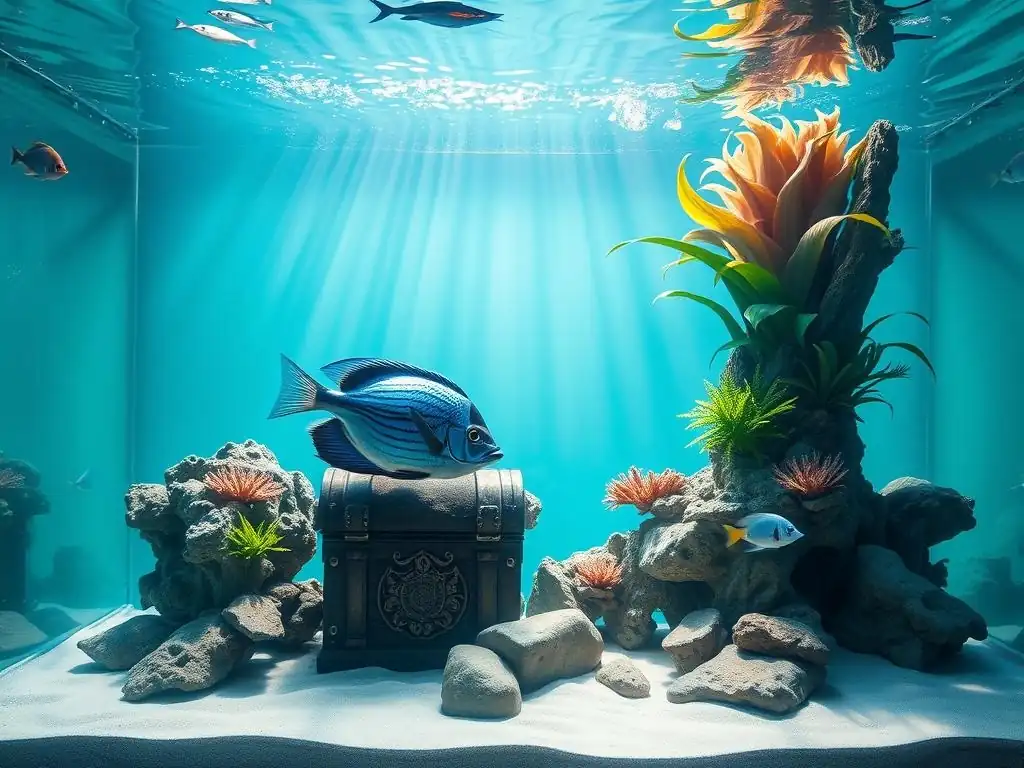
Ever dreamt of a breathtaking centerpiece for your freshwater aquarium? Dive into our Angelfish vs. Discus comparison and discover which majestic fish reigns supreme for your setup. Uncover the secrets to successful care, compatibility, and creating the perfect environment. Are you ready to choose your aquatic champion? Let's begin!
- Understanding the Allure of Angelfish and Discus for Your Aquarium
- Angelfish vs. Discus Care Guide: A Comparative Overview
- Angelfish and Discus: Key Differences in Temperament and Compatibility
- Appearance and Varieties: Angelfish vs. Discus
- Angelfish vs. Discus Care Guide: Health and Disease
- Angelfish and Discus Breeding: A Challenging Endeavor
- Making the Right Choice: Angelfish or Discus?
- Angelfish vs. Discus Care Guide: Final Thoughts
-
Frequently Asked Questions
- What are the main differences in care requirements between Angelfish and Discus?
- Can Angelfish and Discus be kept together in the same aquarium?
- What size tank is needed for a group of Angelfish or a group of Discus?
- What are some common health problems that affect Angelfish and Discus?
- What type of food is best for Angelfish and Discus?
- Final Reflection: The Majesty of Aquatic Centerpieces
- Ignite Your Aquarium: Start Your Centerpiece Journey Now!
Understanding the Allure of Angelfish and Discus for Your Aquarium
The Appeal of Angelfish: Grace and Variety
Angelfish (Pterophyllum scalare) have long been a staple in freshwater aquariums, captivating enthusiasts with their elegant, disc-shaped bodies and flowing fins. Their graceful swimming motion adds a serene beauty to any tank, making them a popular choice for aquarists seeking a visually striking centerpiece. These cichlids are known for their distinctive triangular dorsal and anal fins, which can extend significantly, giving them an impressive height of up to 6-8 inches (15-20 cm) in a well-maintained environment.
Beyond their inherent grace, Angelfish boast an incredible diversity of patterns and colors, developed through decades of selective breeding. Varieties range from the classic Silver and Gold to intricate Marble, Koi, Zebra, and Black Angelfish, each offering a unique aesthetic. This wide array allows aquarists to select fish that perfectly complement their tank's design, from lush planted aquariums to minimalist setups, ensuring that an Angelfish can always provide that desired focal point.
The Majesty of Discus: The King of the Aquarium
Discus fish (Symphysodon spp.) are truly the "Kings of the Aquarium," renowned for their majestic presence, perfectly round bodies, and intensely vibrant coloration. Their calm, deliberate movements and often inquisitive nature make them a mesmerizing addition, drawing the eye and commanding attention in any display tank. A mature Discus can reach an impressive diameter of 6-10 inches (15-25 cm), with some exceptional specimens growing even larger, making them a truly imposing and beautiful centerpiece.
The appeal of Discus lies not only in their stunning appearance but also in the challenge and reward associated with their specialized care. Their intricate patterns, which can include stripes, spots, and solid blocks of color in shades of blue, red, yellow, and green, are unparalleled in the freshwater hobby. Successfully maintaining a thriving Discus tank is often seen as a significant achievement, a testament to an aquarist's dedication and skill in providing the pristine conditions these magnificent fish require.
Angelfish vs. Discus Care Guide: A Comparative Overview
Angelfish Care: Essential Requirements for a Thriving Tank
Angelfish care, while more forgiving than Discus, still requires diligence to ensure a healthy and vibrant display. Understanding their fundamental needs is crucial for any aspiring Angelfish keeper. This Angelfish discus care guide highlights the specific parameters that contribute to their well-being.
Establishing the correct environment from the outset prevents many common issues. Angelfish thrive in stable conditions, making consistent water quality and appropriate tank setup paramount.
Angelfish Tank Size and Setup
For a single Angelfish or a breeding pair, a minimum tank size of 29 gallons (approximately 110 liters) is recommended, though a 40-gallon (150-liter) breeder tank provides more space. For a small group of 4-6 Angelfish, a 55-gallon (208-liter) tank or larger is ideal, particularly one that is taller rather than longer to accommodate their vertical stature. The tank should be decorated with tall plants (live or artificial), driftwood, and rocks to provide ample hiding spots and territories, while still leaving open swimming areas.
Substrate can be fine gravel or sand. Filtration should be robust but not create excessive current, as Angelfish prefer calmer waters. A hang-on-back filter or a canister filter with adjustable flow is generally suitable. Lighting should be moderate, mimicking their natural shaded environments, especially if live plants are present.
Angelfish Diet and Feeding
Angelfish are omnivores with a varied diet in the wild, consuming small crustaceans, insects, and plant matter. In the aquarium, their diet should consist of high-quality flake or pellet food formulated for cichlids as a staple. Supplement this with frozen or freeze-dried foods such as bloodworms, brine shrimp, and daphnia, which provide essential proteins and nutrients. Vegetable matter, like blanched spinach or spirulina flakes, can also be offered occasionally.
Feeding should occur 2-3 times per day, offering small amounts that can be consumed within 2-3 minutes. Overfeeding can lead to poor water quality and health issues. A balanced diet is critical for their vibrant coloration and overall health, contributing significantly to a successful Angelfish discus care guide.
Water Parameters for Angelfish
Maintaining stable and appropriate water parameters is fundamental for Angelfish health. The ideal water temperature ranges from 75-82°F (24-28°C). While they can tolerate a slightly wider pH range, a neutral to slightly acidic pH of 6.0-7.5 is generally preferred. Water hardness (dGH) should be soft to moderately hard, between 5-12 dGH.
Regular partial water changes are crucial; a 25% water change weekly is a good general guideline, but this might need to be adjusted based on tank bioload and filtration efficiency. Consistent monitoring of ammonia, nitrite, and nitrate levels using a reliable test kit is vital to prevent toxic buildups, ensuring a healthy environment for your Angelfish.
Discus Care: Meeting the Demands of the King
Discus care is renowned for its demanding nature, requiring a higher level of commitment and precision compared to many other freshwater fish. Aquarists embarking on a Discus journey must be prepared to meet stringent environmental requirements, a key aspect detailed in any comprehensive Angelfish discus care guide. Their sensitivity to water quality and specific dietary needs are paramount for their survival and thriving.
The delicate balance required for Discus makes attention to detail non-negotiable. From tank setup to daily feeding routines, every aspect plays a critical role in maintaining these magnificent, yet fragile, creatures.
Discus Tank Size and Setup
For a group of 4-6 juvenile Discus, a minimum tank size of 50-75 gallons (approximately 190-280 liters) is recommended. Adult Discus ideally require at least 10-15 gallons (38-57 liters) per fish, meaning a group of 5-6 adults would necessitate a 75-100 gallon (280-380 liter) tank. Tall tanks are beneficial due to their height. Many serious Discus keepers opt for bare-bottom tanks or very fine sand substrate to facilitate easier cleaning and maintain pristine conditions, which is crucial for their health.
Decorations should be minimal and easily cleaned, such as driftwood, smooth rocks, or large-leafed plants (e.g., Amazon Swords) that can withstand higher temperatures. Filtration must be robust, often involving large canister filters or sumps, to handle the bioload and maintain exceptional water clarity. Strong aeration is also important, as Discus appreciate well-oxygenated water.
Discus Diet and Feeding
Discus are primarily carnivorous, and their diet is a cornerstone of their care. High-quality, specialized Discus pellets or flakes should form the bulk of their diet. These should be supplemented with a variety of frozen foods, including bloodworms, blackworms, brine shrimp, and a high-quality beef heart mix. Some aquarists even prepare their own custom mixes.
Discus require frequent feeding, typically 3-5 times per day for adults, and even more for juveniles (up to 6-8 times daily) to promote rapid growth. Each feeding should consist of small portions consumed within a few minutes. Due to their frequent feeding, excellent filtration and rigorous water changes are necessary to manage the resulting waste and maintain water quality.
Maintaining Water Quality for Discus
This is arguably the most critical aspect of Discus care. They demand exceptionally soft, acidic, and pristine water. Ideal water temperature is significantly higher than most tropical fish, ranging from 82-86°F (28-30°C). The pH should be acidic, between 5.5-6.5, and water hardness (dGH) very soft, typically 1-5 dGH. Many Discus keepers use reverse osmosis (RO) water, often remineralized, to achieve these precise parameters.
Daily or every-other-day large partial water changes (30-50%) are common practice, particularly in bare-bottom tanks, to keep nitrates extremely low and prevent the buildup of organic pollutants. Any fluctuations in water parameters or accumulation of waste can quickly lead to stress and disease in these sensitive fish. Consistent monitoring with accurate test kits for pH, temperature, ammonia, nitrite, and nitrate is indispensable for successful Discus husbandry.
Angelfish and Discus: Key Differences in Temperament and Compatibility
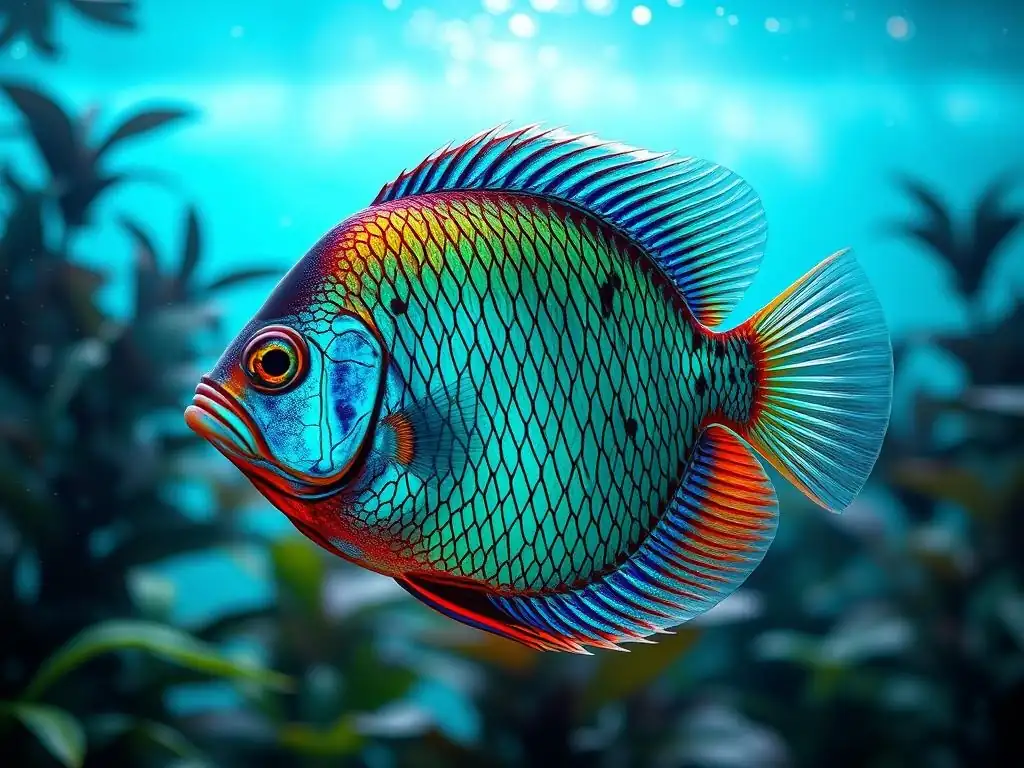
Angelfish are cichlids, and like many members of this family, they exhibit complex social behaviors. While generally peaceful, they can display semi-aggressive tendencies, especially as they mature or when breeding. They establish hierarchies within a group, and dominant individuals may chase or nip at the fins of subordinates. It's often recommended to keep Angelfish in groups of 5 or more to help spread out aggression, preventing a single fish from becoming a constant target. Alternatively, a single bonded pair can thrive in a smaller, dedicated tank.
When introducing Angelfish to a community tank, careful consideration of tank mates is essential. Slow-moving, long-finned fish like Bettas or certain Gouramis can be targets for fin nipping. Conversely, very small fish, such as Neon Tetras, might be viewed as food by larger Angelfish. Their territorial nature during spawning also means they will aggressively defend their chosen breeding site from any perceived threat.
Discus Temperament: Peaceful but Sensitive
Discus are known for their calm, almost placid demeanor, making them one of the most peaceful cichlids available. They are schooling fish by nature and thrive when kept in groups of at least 5-6 individuals. Keeping them in smaller numbers can lead to increased stress, shyness, and a failure to thrive, as they rely on the safety in numbers provided by a school. Unlike many cichlids, aggression among Discus is usually limited to minor squabbles over food or pecking order, rarely resulting in serious injury.
Despite their peaceful nature, Discus are highly sensitive to stress. Boisterous or overly active tank mates can easily intimidate them, causing them to hide, refuse food, or develop stress-related illnesses. Their specific high-temperature and pristine water requirements also significantly limit the range of compatible tank mates. Any fish introduced to a Discus tank must be able to tolerate these conditions and not compete aggressively for food.
Compatible Tank Mates for Angelfish
Choosing tank mates for Angelfish requires balancing their semi-aggressive tendencies with the needs of other species. Good choices are often robust, medium-sized fish that are not prone to fin nipping themselves and can hold their own. Examples include various species of Corydoras catfish, which occupy the bottom layer and are peaceful scavengers. Larger, fast-swimming tetras like Congo Tetras, Rummy Nose Tetras, or Lemon Tetras can coexist well, as their speed helps them avoid nips.
Other suitable companions might include Bristlenose Plecos, which are excellent algae eaters and generally peaceful. Some aquarists successfully keep Angelfish with certain types of Gouramis (e.g., Dwarf Gouramis, Pearl Gouramis), though this requires careful observation as Gouramis can sometimes be territorial themselves. It is crucial to avoid very small fish that could be eaten, or very slow, long-finned fish that could be targeted for fin nipping.
Suitable Tank Mates for Discus
Given the Discus's specific environmental needs and sensitive nature, selecting tank mates is a meticulous process. The ideal companions must tolerate high temperatures (82-86°F or 28-30°C), soft, acidic water, and maintain a peaceful disposition. Small, active schooling fish that do not compete aggressively for food are often the best fit. Rummy Nose Tetras and Cardinal Tetras are popular choices, as they thrive in similar water parameters and their schooling behavior provides a sense of security for the Discus without causing stress.
Bottom-dwelling fish such as small, peaceful plecos like the Bristlenose Pleco or Clown Pleco, and Otocinclus catfish, are often suitable as they help keep the tank clean and do not interfere with the Discus. It is vital to avoid any fish known to be aggressive, fin-nipping, or excessively boisterous, as these can easily stress Discus, leading to health issues. Additionally, ensure any tank mate chosen is free of diseases and quarantined properly before introduction to protect the highly susceptible Discus.
Appearance and Varieties: Angelfish vs. Discus
Angelfish Varieties: Colors and Patterns
Angelfish, originating from the Amazon basin, have been selectively bred for decades, resulting in a stunning array of color morphs and fin variations. The classic "Silver" Angelfish, with its iridescent silver body and vertical black stripes, closely resembles its wild ancestors. Beyond this, popular varieties include the "Gold" Angelfish, which exhibits a vibrant golden hue; the "Marble" Angelfish, characterized by intricate black and white patterns; and the "Koi" Angelfish, displaying a captivating mix of orange, black, and white.
Fin variations further enhance their appeal. "Veil" Angelfish possess exceptionally long, flowing fins, adding to their graceful appearance, while "Pearlscale" varieties have scales that reflect light uniquely, giving them a shimmering quality. Other notable types include "Zebra" (with more defined stripes), "Black" (melanistic), and "Albino" forms. These diverse options allow aquarists to choose an Angelfish that perfectly matches their aesthetic preferences, making them versatile centerpieces.
Discus Varieties: Exploring the Diverse Lineage
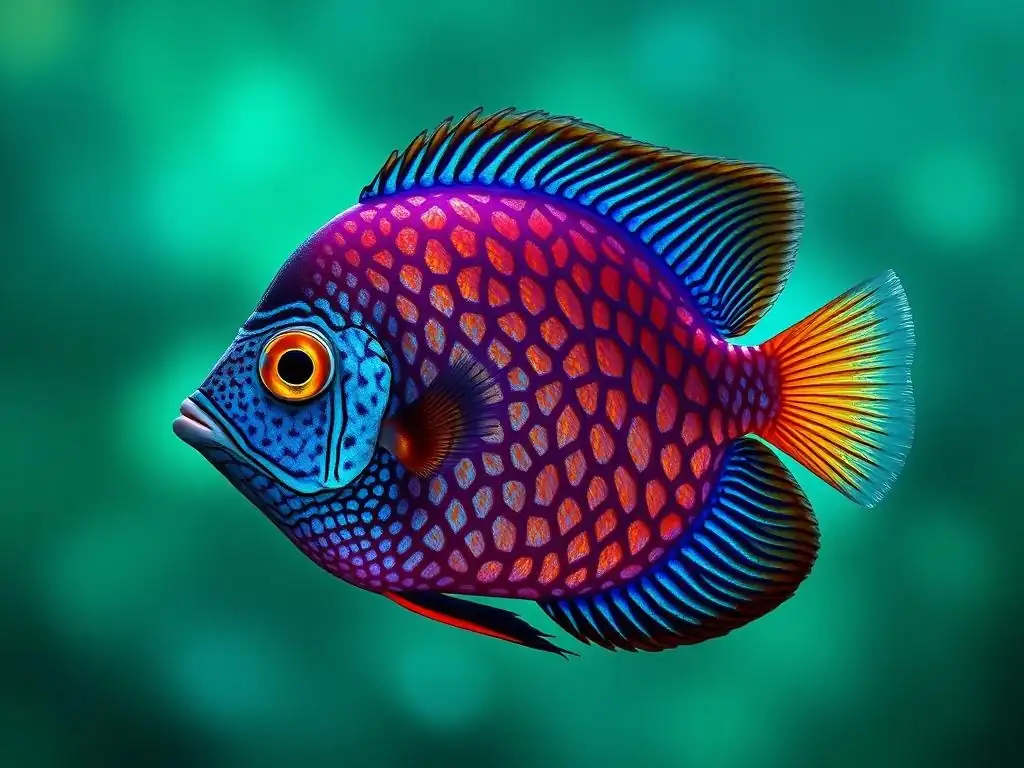
Discus fish are celebrated for their unparalleled beauty and the sheer diversity of their cultivated strains, each boasting unique and often breathtaking patterns and colors. Wild Discus typically exhibit earthy tones with subtle patterns, but selective breeding has transformed them into living works of art. Among the most popular varieties are the "Pigeon Blood" Discus, known for its vibrant red-orange base color and lack of stress bars; the "Blue Diamond," which displays an intense, uniform blue across its entire body; and the "Red Turquoise," featuring striking red patterns over a blue or green base.
Other captivating varieties include the "Leopard" Discus, with its intricate spots; the "Snake Skin," characterized by fine, maze-like patterns; and the "Ocean Green," showcasing shades of green and blue. Discus also come in various eye colors, and some strains are bred for specific body shapes, though the classic round disc is paramount. The meticulous breeding and care required to produce and maintain these exquisite varieties contribute to their premium status and appeal as the "King of the Aquarium."
Angelfish vs. Discus Care Guide: Health and Disease
Common Angelfish Diseases and Prevention
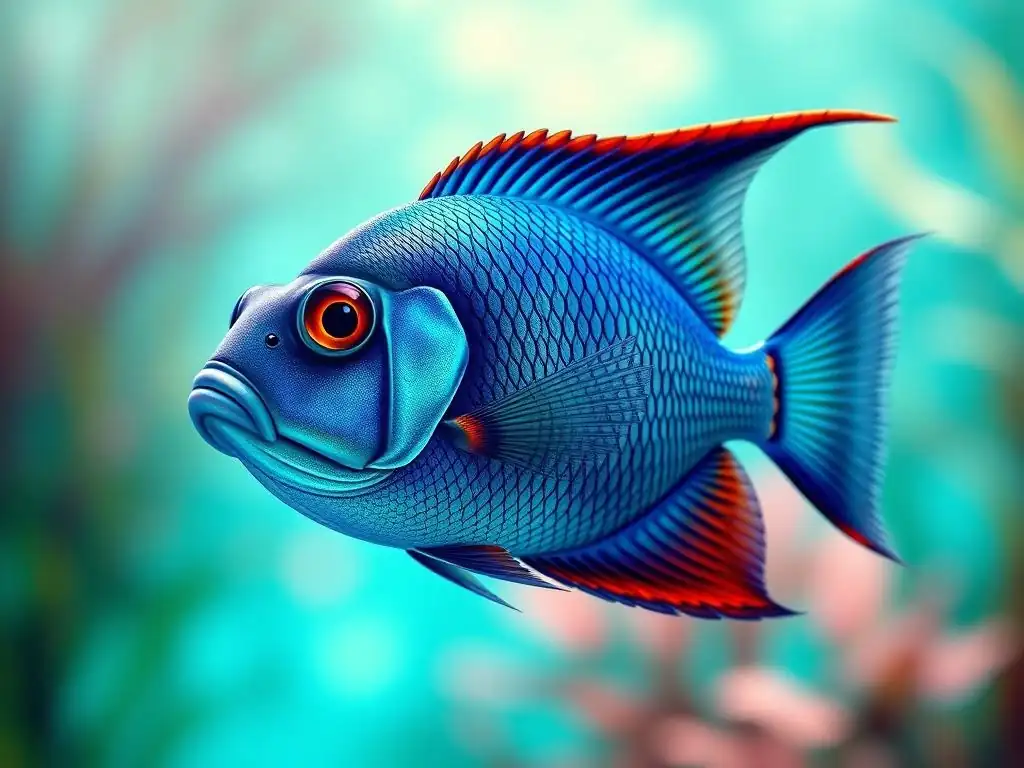
Angelfish, while generally hardy, are susceptible to several common freshwater aquarium diseases if water quality is poor or stress levels are high. One of the most prevalent is Ich (Ichthyophthirius multifiliis), also known as white spot disease, characterized by small white spots resembling salt grains on the fish's body and fins. This parasitic infection is often triggered by sudden temperature fluctuations or the introduction of new, unquarantined fish. Treatment typically involves raising tank temperature gradually to 86°F (30°C) and using an appropriate medication.
Another common issue is Fin Rot, a bacterial infection that causes the fins to fray and disintegrate. This often occurs in tanks with poor water quality, high nitrate levels, or due to fin nipping from aggressive tank mates. Prevention for both Ich and Fin Rot, and indeed most Angelfish ailments, centers on maintaining stable, pristine water parameters, providing a balanced diet, avoiding overstocking, and always quarantining new fish for at least two weeks before introduction to the main display tank. Regular water changes and a watchful eye for any behavioral changes are key preventive measures.
Common Discus Diseases and Prevention
Discus are notoriously sensitive to environmental changes and stress, making them highly susceptible to a range of diseases, often more severe than those affecting Angelfish. Hexamita, a parasitic infection causing "Hole-in-the-Head" disease, is particularly common in stressed Discus or those kept in suboptimal conditions. Symptoms include white, stringy feces, refusal to eat, and eventually pitting around the head and lateral line. Another serious threat is Discus Plague, a highly contagious and often fatal viral or bacterial infection that causes darkening of the skin, rapid breathing, and lethargy.
Preventing diseases in Discus relies almost entirely on maintaining absolutely pristine water quality, stable high temperatures, and a low-stress environment. This includes daily or every-other-day large water changes (30-50%), using RO water where necessary, and providing a high-quality, varied diet. Strict quarantine protocols for all new fish (3-4 weeks minimum) are non-negotiable to prevent introducing pathogens. Any sign of illness in a Discus should be addressed immediately, as their condition can deteriorate rapidly, underscoring the critical importance of a meticulous Angelfish discus care guide.
Angelfish and Discus Breeding: A Challenging Endeavor
Angelfish Breeding: Setting Up a Breeding Tank
Breeding Angelfish can be a rewarding experience for intermediate aquarists, but it requires specific conditions to encourage spawning and ensure fry survival. A dedicated breeding tank, typically 20-30 gallons (75-110 liters), is essential to prevent other fish from eating the eggs or fry. This tank should have soft, slightly acidic water (pH 6.5-7.0, dGH 4-8) and a temperature around 80-82°F (27-28°C). Key spawning surfaces should be provided, such as a piece of slate placed vertically, a large sword plant leaf, or even a PVC pipe.
Good filtration that provides gentle water movement, like a sponge filter, is crucial, as strong currents can dislodge eggs. The breeding pair should be well-conditioned with high-protein foods like bloodworms and brine shrimp for several weeks prior. Once a pair is identified and conditioned, they will often clean a chosen spawning site, signaling their readiness to breed.
Angelfish Spawning and Fry Care
When a male and female Angelfish are ready to spawn, they will meticulously clean a vertical surface. The female will then lay rows of eggs, usually numbering in the hundreds (200-800), which the male immediately follows to fertilize. Both parents typically guard the eggs diligently, fanning them to ensure oxygenation and picking off unfertilized or fungused eggs. The eggs will hatch in approximately 2-3 days, and the tiny fry will remain attached to the spawning site, absorbing their yolk sacs.
After another 5-7 days, the fry become free-swimming. At this stage, they require very small, highly nutritious food. Newly hatched brine shrimp nauplii are the ideal first food, fed several times a day. As they grow, they can be transitioned to finely crushed flakes. Maintaining pristine water quality with small, frequent water changes is paramount for fry survival, as they are very sensitive to pollutants.
Discus Breeding: A Demanding Process
Breeding Discus is considered one of the most challenging feats in freshwater aquaculture, reserved for advanced aquarists due to the fish's extreme sensitivity to water parameters and environmental stability. A dedicated breeding tank, typically 40-75 gallons (150-280 liters), is crucial. The water in this tank must be exceptionally soft (0-3 dGH) and acidic (pH 5.0-6.0), with a consistent temperature of 82-86°F (28-30°C). Many breeders use reverse osmosis (RO) water and precise buffering agents to achieve these conditions.
A spawning cone, a piece of PVC pipe, or a large, smooth plant leaf serves as the preferred spawning substrate. Filtration should be very gentle, usually provided by large sponge filters, to avoid disturbing the delicate eggs and fry. Conditioning the breeding pair with frequent feedings of high-quality, protein-rich foods like beef heart mix and blackworms is vital for success.
Discus Spawning and Raising Fry
Once a Discus pair is conditioned and comfortable, they will clean their chosen spawning site. The female will then deposit between 50 to 200 eggs (sometimes more), which the male immediately fertilizes. Both parents meticulously guard and fan the eggs, and unlike many fish, Discus parents play an active role in feeding their fry. The eggs hatch in about 2-3 days, and the fry become free-swimming after another 3-5 days.
The most unique aspect of Discus breeding is that the fry initially feed by grazing on a special mucus secreted from the parents' skin, often called "discus milk." This nutrient-rich secretion is vital for the fry's first 2-3 weeks of life. After this period, they can be gradually introduced to newly hatched brine shrimp. Maintaining impeccable water quality with daily, large water changes (up to 50%) is absolutely critical during the fry-rearing phase, as they are highly susceptible to disease and poor water conditions.
Making the Right Choice: Angelfish or Discus?
Factors to Consider Before Choosing
Deciding between Angelfish and Discus as your aquarium centerpiece involves more than just aesthetic preference. Both species are magnificent, but their care requirements differ significantly, impacting the long-term success and enjoyment of your aquarium. A thorough Angelfish discus care guide must emphasize these critical considerations, ensuring you choose the fish best suited to your resources and commitment level.
Careful evaluation of your experience, budget, and existing setup will prevent potential frustrations and ensure the well-being of your chosen fish. Rushing this decision can lead to health issues for the fish and disappointment for the aquarist.
Experience Level with Aquarium Keeping
Your experience level is perhaps the most crucial factor. Angelfish are generally considered suitable for intermediate aquarists. While they require stable water conditions and proper diet, they are more forgiving of minor fluctuations and less demanding in terms of daily maintenance compared to Discus. An Angelfish keeper should be comfortable with regular water changes, monitoring basic water parameters, and understanding fish behavior.
Discus, on the other hand, are unequivocally for advanced aquarists. Their need for extremely pristine, soft, and acidic water at high temperatures, coupled with their sensitivity to stress and disease, demands meticulous attention to detail and a proactive approach to tank maintenance. Discus keepers often need to invest in specialized equipment like RO/DI units and conduct large, frequent water changes, sometimes daily, requiring a significant time commitment.
Budget for Aquarium Setup and Maintenance
The financial investment for an Angelfish setup is considerably lower than for a Discus setup. A healthy Angelfish typically costs between $10-$30, with specialized varieties fetching slightly more. The initial tank setup, including filtration, heating, and decor, for a suitable Angelfish tank (e.g., 55 gallons) might range from $300-$600. Ongoing costs involve quality food and routine water change supplies.
Discus fish themselves are significantly more expensive, with juveniles starting around $50-$100 each, and mature, high-quality specimens easily reaching $150-$300 or more per fish. The tank setup for Discus, especially if aiming for optimal conditions, will be substantially higher. This includes larger tanks (75+ gallons), robust filtration systems (canister filters, sumps), and potentially an RO/DI unit for water purification, which can collectively cost upwards of $800-$1500 or more. Ongoing maintenance costs for specialized foods and frequent water changes also add up.
Existing Tank Size and Compatibility
The size of your existing or planned aquarium is a fundamental constraint. Angelfish, while tall, can be kept in smaller tanks than Discus. A 29-gallon tank might suffice for a pair, and a 55-gallon is excellent for a small group. Their compatibility with a wider range of community fish also makes them more flexible for established setups. However, ensure tank mates are not too small to be eaten or too prone to fin nipping.
Discus require larger tanks, typically a minimum of 50-75 gallons for a small group of juveniles, and even larger for adults. Their schooling nature means they should not be kept alone or in pairs in large community tanks. Furthermore, their strict water parameter requirements and sensitivity to stress severely limit compatible tank mates. Attempting to keep Discus in an unsuitable tank size or with incompatible fish will almost certainly lead to chronic stress and health issues, emphasizing the importance of this Angelfish discus care guide.
Angelfish as a Centerpiece Fish: Pros and Cons
Choosing an Angelfish as your aquarium's centerpiece offers several distinct advantages. They are undeniably beautiful, with their elegant fins and diverse color patterns providing a striking visual appeal. Compared to Discus, Angelfish are more forgiving in terms of water parameters, adapting to a slightly wider range of pH and hardness, making them more accessible for intermediate aquarists. Their relatively lower cost, both for the fish themselves and for the overall tank setup and ongoing maintenance, also makes them a more budget-friendly option.
However, Angelfish do come with some drawbacks. They can exhibit semi-aggressive behavior, especially when breeding, which might necessitate careful selection of tank mates to prevent fin nipping or predation on smaller fish. While beautiful, their colors, though varied, may not reach the same intensity or intricate patterns as high-quality Discus. Their lifespan, typically 5-10 years, is also generally shorter than that of a well-cared-for Discus.
Discus as a Centerpiece Fish: Pros and Cons
Opting for Discus as your aquarium's centerpiece promises an unparalleled level of beauty and prestige. Their vibrant, intricate patterns and perfectly round bodies are truly captivating, earning them the title "King of the Aquarium." Successfully maintaining a thriving Discus tank is a testament to an aquarist's skill and dedication, offering immense personal satisfaction. Their peaceful demeanor among themselves and with carefully chosen tank mates allows for a serene and harmonious display.
Despite their allure, Discus come with significant challenges. Their care demands are exceptionally high, requiring extremely pristine, soft, and acidic water at consistently warm temperatures, which often necessitates specialized equipment and daily maintenance routines. They are highly susceptible to stress and disease if conditions are not met, making them unsuitable for beginners. The initial investment for high-quality Discus and their dedicated setup is substantial, and ongoing costs for specialized food and frequent water changes are also considerable.
Angelfish vs. Discus Care Guide: Final Thoughts
Maintaining a Balanced and Healthy Aquarium Ecosystem
Ultimately, the choice between Angelfish and Discus as your aquarium's centerpiece depends entirely on your experience level, dedication, and resources. Both species offer immense beauty and can be incredibly rewarding to keep, but they demand different levels of commitment to thrive. The Angelfish discus care guide provided here underscores that while Angelfish are more forgiving and suitable for intermediate hobbyists, Discus are a true challenge, rewarding only the most advanced and meticulous aquarists.
Regardless of your choice, success in keeping either species hinges on a foundational principle: maintaining a balanced and healthy aquarium ecosystem. This involves consistent attention to water quality through regular testing and appropriate water changes, providing a nutritious and varied diet, ensuring proper tank size and compatible tank mates, and minimizing stress factors. By adhering to these core tenets of fishkeeping, you can create a stunning and thriving aquatic environment that allows your chosen centerpiece fish to display its full glory for years to come.
Frequently Asked Questions
What are the main differences in care requirements between Angelfish and Discus?
Angelfish are generally more hardy and easier to care for, tolerating a wider range of water parameters. Discus require pristine water conditions and are more sensitive to changes in water chemistry and temperature. They have specific needs.
Can Angelfish and Discus be kept together in the same aquarium?
While technically possible, it's generally not recommended. Discus need warmer temperatures than Angelfish prefer, and Angelfish can sometimes outcompete Discus for food, creating stress and health issues.
What size tank is needed for a group of Angelfish or a group of Discus?
For a group of 5-6 Angelfish, a minimum of a 55-gallon tank is recommended. A group of 5-6 Discus needs at least a 75-gallon tank to provide adequate space and maintain water quality.
What are some common health problems that affect Angelfish and Discus?
Angelfish are prone to issues like fin rot and ich, often related to poor water quality. Discus are susceptible to hexamita (hole-in-the-head disease) and other parasitic infections, frequently caused by stress or poor water conditions.
What type of food is best for Angelfish and Discus?
Angelfish are omnivores and will accept a variety of foods, including flakes, pellets, and frozen foods. Discus require a high-quality diet rich in protein, often including beefheart mixes, specialized pellets, and frozen bloodworms to thrive.
Okay, here's a final reflection designed to close your "Angelfish vs. Discus: Choosing Your Next Centerpiece Show Fish" article, optimized for the "Angelfish discus care guide" keyword and following your specified structure:
Final Reflection: The Majesty of Aquatic Centerpieces
The journey through the vibrant world of Angelfish and Discus, as we've explored, highlights more than just the differences in their care; it reveals the profound impact a carefully chosen centerpiece fish can have on transforming a simple aquarium into a captivating underwater ecosystem. Understanding the nuances of their needs, from water parameters to social dynamics, is paramount to ensuring their health and showcasing their inherent beauty.
The decision between these two aquatic monarchs is deeply personal, reflecting not only your aquascaping aspirations but also your commitment to providing a thriving environment. The dedication required to properly care for either Angelfish or Discus underscores the responsibility we undertake when bringing these creatures into our homes. The greatness of a nation and its moral progress can be judged by the way its animals are treated.
- Mahatma Gandhi. This quote, while broad, resonates deeply when we consider the ethical implications of aquarium keeping and the importance of informed, compassionate care.
Now, as you stand at the precipice of choosing your next centerpiece, I urge you to reflect on the knowledge you've gained. Consider not just the aesthetic appeal, but the long-term commitment you're willing to make. Embrace the challenge, delve deeper into the specific needs of your chosen species, and create a haven where these magnificent creatures can truly flourish. Your dedication will not only reward you with a breathtaking display but also contribute to a greater understanding and appreciation for the delicate balance of the aquatic world.
Ignite Your Aquarium: Start Your Centerpiece Journey Now!
Thank you for diving into the fascinating world of angelfish and discus! We hope you've gained valuable insights into which majestic fish might be the perfect centerpiece for your aquarium. Ready to take the plunge and create a stunning underwater display?
Here are a few actions you can take right now:
- Plan Your Dream Tank: Based on what you have learned, decide whether the graceful angelfish or the vibrant discus better suits your tank's size, your experience level, and your commitment to water quality.
- Explore Angelfish Varieties: Delve deeper into the diverse angelfish species and color morphs. Consider which specific type best aligns with your aesthetic preferences.
- Share Your Vision: Head over to an aquarium forum to discuss your centerpiece plans, gather advice from experienced keepers, and unveil the species you are most excited to introduce!
What unique aquascape are you envisioning for your future angelfish or discus display?