
Avoiding Aggression in Shell Dweller Tanks: Tips & Tricks

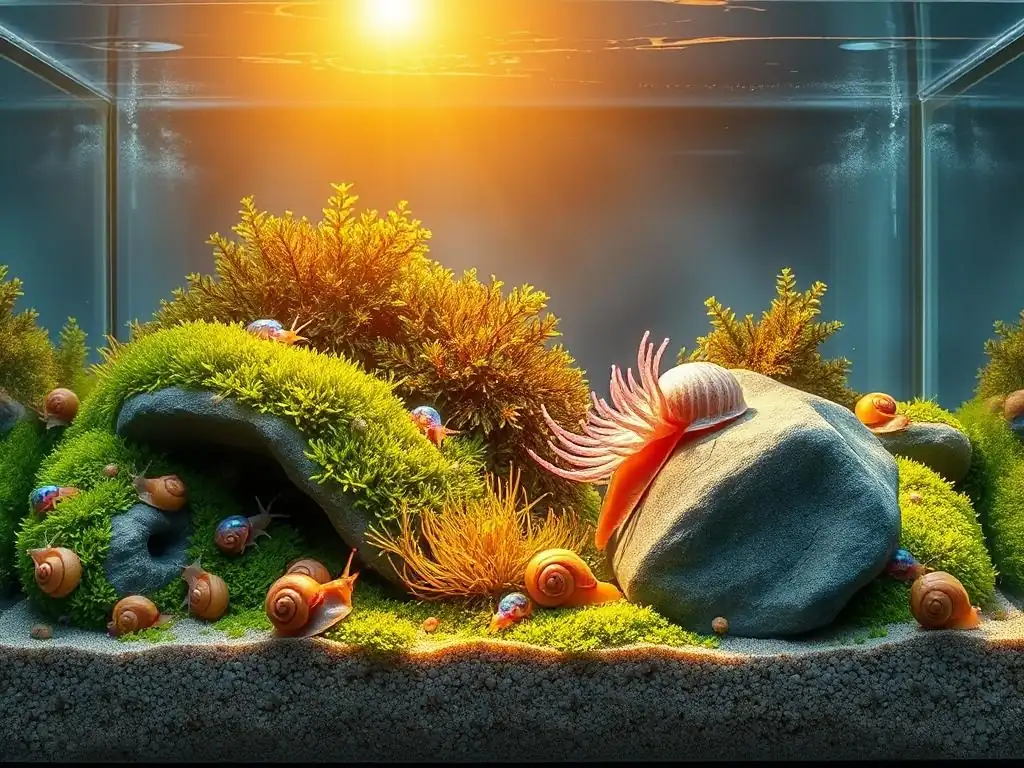
Welcome to Aquarium Mastery!
Ever wondered how to keep the peace in your shell dweller community? These fascinating little fish can be surprisingly feisty. Dive in to discover expert insights and practical shell dweller aggression solutions that will help you create a harmonious freshwater haven. Ready to unlock the secrets to a thriving shell dweller tank? Let's explore!
- Understanding Shell Dweller Aggression: Why It Happens
- Effective Shell Dweller Aggression Solutions: Practical Strategies
- Minimizing Shell Dweller Conflicts: Advanced Techniques
- Shell Dweller Tank Setup for Reduced Aggression: Step-by-Step Guide
- Addressing Existing Aggression Issues in Shell Dweller Tanks
- Long-Term Prevention of Shell Dweller Aggression: Maintaining a Peaceful Tank
- Choosing the Right Shell Dweller Species for a Peaceful Community
-
Frequently Asked Questions
- How do I reduce aggression in my shell dweller aquarium?
- What are the signs of excessive aggression in shell dwellers?
- How does tank size impact shell dweller aggression?
- What role does water chemistry play in shell dweller aggression?
- What are some good tank mates for shell dwellers to minimize aggression?
- Final Reflection: Cultivating Harmony in Miniature Worlds
- Unlock Peaceful Waters: Transform Your Shell Dweller Tank!
Understanding Shell Dweller Aggression: Why It Happens
Territoriality in Shell Dwellers: The Root of the Problem
Shell dwellers, primarily various species from Lake Tanganyika such as Neolamprologus multifasciatus or Lamprologus ocellatus, exhibit an innate territorial behavior that is the primary driver of aggression in aquariums. These fascinating cichlids depend on empty snail shells as their homes, breeding sites, and safe havens.
Their entire life cycle revolves around the defense of these crucial resources, leading to fierce competition when perceived as scarce. In their natural habitat, they establish intricate networks of shells, each fish or pair claiming a specific territory, and any intrusion is met with defensive displays, including chasing, fin nipping, and even direct physical confrontation.
This strong territorial instinct means that even in a well-maintained aquarium, shell dweller aggression can quickly escalate if their environmental needs are not met. The drive to secure and defend a prime shell or a cluster of shells is paramount for their survival and reproductive success. When multiple fish vie for the same limited number of desirable shells, or when territories are too closely packed without adequate visual breaks, conflicts are inevitable. Understanding this fundamental behavioral trait is the first step in implementing effective shell dweller aggression solutions.
Species-Specific Aggression Levels: Knowing Your Shell Dwellers
Not all shell dweller species exhibit the same level or type of aggression, making species selection a crucial aspect of managing tank dynamics. For instance, Neolamprologus multifasciatus (Multies) are often considered one of the more communal and less aggressive shell dwellers, typically forming large colonies where aggression is mostly directed at maintaining hierarchy within the group rather than severe harm. A colony of 10-15 Multies in a 20-gallon long tank can often coexist peacefully if ample shells are provided.
In contrast, species like Lamprologus ocellatus or Neolamprologus brevis are known for being significantly more territorial and aggressive, especially towards conspecifics. Ocellatus males, for example, will fiercely defend a large patch of sand around their chosen shell, making them less suitable for large community tanks unless meticulously planned. Knowing the specific aggression profile of your chosen shell dweller species is vital for proactive shell dweller aggression solutions, allowing you to tailor tank size, shell density, and tank mate selection accordingly to prevent conflicts before they begin.
Tank Size and Overcrowding: Key Factors in Aggression
Insufficient tank size is one of the most common culprits behind heightened shell dweller aggression. While some shell dwellers are small, a 10-gallon tank, for example, might seem sufficient for a pair of Lamprologus brevis, but it offers very limited space for each fish to establish a secure territory without constant encroachment on another's. For a small colony of Neolamprologus multifasciatus, a minimum of a 20-gallon long (approximately 30x12x12 inches) is often recommended, as its longer footprint provides more horizontal space for territories compared to a 20-gallon high.
Overcrowding isn't just about the sheer number of fish; it's also about the density of territories. When too many shell dwellers are confined to a space that doesn't allow for clear boundaries or escape routes, stress levels rise dramatically. This stress often manifests as increased aggression, as fish are constantly forced into close proximity with rivals. Providing ample space that allows for multiple, distinct territories to be established is fundamental to any successful shell dweller aggression solution, ensuring each fish feels secure in its own domain.
Effective Shell Dweller Aggression Solutions: Practical Strategies
Optimizing Tank Size for Shell Dwellers: Selecting the Right Dimensions
The physical dimensions of your aquarium play a pivotal role in mitigating shell dweller aggression. While vertical height might seem appealing, shell dwellers primarily utilize the tank's footprint for establishing territories.
A 20-gallon long tank, for instance, provides a much more suitable environment for a small colony of Neolamprologus multifasciatus than a 20-gallon high, simply because its 30-inch length offers more linear space for distinct territories. For more solitary or highly territorial species like Lamprologus ocellatus, a 10-gallon tank per pair might suffice, but a larger 20-gallon long would allow for a pair and potentially a few non-competitive dither fish, significantly reducing potential conflicts.
For larger colonies or when attempting to house multiple shell dweller species, a 40-gallon breeder tank (36x18x16 inches) or even a 55-gallon tank (48x13x21 inches) can provide the necessary expanse. The increased surface area allows for greater separation between individual territories, minimizing the chances of one fish constantly intruding upon another's space. Choosing a tank with a generous footprint is one of the most impactful shell dweller aggression solutions, directly addressing the spatial needs of these territorial cichlids and fostering a more peaceful environment.
Increasing Shell Density: Providing Ample Territory
One of the most direct and effective shell dweller aggression solutions is to provide an abundance of shells. Since shells are the cornerstone of their existence, having a surplus reduces competition and allows every fish to claim a suitable home. A common guideline is to provide at least 1.5 to 2 times the number of shells as there are shell dwellers, or even more. For example, if you have 10 Neolamprologus multifasciatus, aim for 15-20 shells, or even a continuous bed of shells covering a significant portion of the substrate.
The type of shells also matters. Escargot shells, turbo snail shells, or even small conch shells are typically well-received. Ensure they are clean and free of sharp edges. By distributing these shells strategically across the tank floor, some partially buried, some fully exposed, you create a diverse landscape of potential territories. This high shell density ensures that even subordinate fish have access to safe havens and escape routes, significantly reducing the frequency and intensity of aggressive encounters.
Creating Visual Barriers: Breaking Up Sightlines to Reduce Confrontations
Shell dwellers, like many cichlids, often engage in aggression when they can constantly see and antagonize their rivals. Creating visual barriers within the tank setup is a powerful shell dweller aggression solution. This involves strategically placing elements that block the line of sight between territories, preventing dominant fish from continuously spotting and harassing subordinates.
Rocks, driftwood, or even hardy aquarium plants like Anubias or Java Fern attached to rocks can serve as excellent visual barriers. Arrange these elements to create distinct zones or "neighborhoods" within the tank. For instance, a cluster of shells on one side of a rock formation, and another cluster on the other, can effectively separate two territories. Even small, carefully placed decorations can make a significant difference, allowing fish to retreat out of sight and feel more secure, thereby reducing stress and the inclination towards aggression.
Choosing Compatible Tank Mates: Avoiding Aggression Triggers
Selecting appropriate tank mates is critical for a peaceful shell dweller aquarium, as incompatible species can quickly exacerbate shell dweller aggression. The ideal tank mates occupy different water columns and do not compete for shells or bottom territory.
Suitable Tank Mates for Shell Dwellers: Peaceful Community Fish
Good choices often include open-water swimming Tanganyikan cichlids like Cyprichromis species (e.g., Cyprichromis leptosoma), which inhabit the upper regions of the tank and rarely interact with the bottom-dwelling shell dwellers. Small, peaceful catfish such as Synodontis lucipinnis or Synodontis petricola can also be suitable, as they are generally non-aggressive and forage in a different manner than shell dwellers, typically not disturbing their shells. In larger tanks, some rock-dwelling cichlids like Julidochromis transcriptus might coexist, provided there's ample rockwork to establish separate territories, though careful observation is always necessary to ensure these shell dweller aggression solutions are working.
Unsuitable Tank Mates for Shell Dwellers: Fish to Avoid
Avoid any fish that are overly aggressive, too large, or compete directly for the same resources or space. Large, boisterous cichlids from other lakes or even larger Tanganyikan species that are known to be highly territorial bottom dwellers (e.g., some Neolamprologus or Altolamprologus species) are generally poor choices. Similarly, very small, slow-moving, or long-finned fish can become targets for nipping or bullying by territorial shell dwellers. Any fish that might constantly disturb the shells or burrowing activities of shell dwellers should also be avoided, as this directly interferes with their core behavior and escalates shell dweller aggression.
Minimizing Shell Dweller Conflicts: Advanced Techniques
Breeding Strategies to Reduce Aggression: Maintaining Balance
Breeding is a natural instinct for shell dwellers, but it can also be a significant source of aggression, especially when males are defending fry or when there are too many males competing for breeding rights. For colonial species like Neolamprologus multifasciatus, allowing a colony to grow too large without adequate space can lead to increased intraspecific aggression.
Implementing shell dweller aggression solutions often involves managing the breeding population. This might mean removing excess fry once they reach a certain size, or carefully culling to maintain a healthy male-to-female ratio, such as one male for every two or three females in some species, to distribute male attention and reduce male-on-male conflict.
For more solitary pairing species like Lamprologus brevis, ensuring that a true pair is established and that there's plenty of space for the female to retreat can minimize male aggression. If you find a single male constantly harassing a female, providing additional shells or visual breaks might help, or in extreme cases, separating them temporarily. Understanding the specific breeding behaviors of your shell dweller species allows for proactive management, turning potential aggression triggers into manageable situations.
Feeding Techniques to Minimize Competition: Ensuring Equal Access
Feeding time can be a major flashpoint for shell dweller aggression, as fish compete for food resources. Dominant individuals may hog the food, leaving less assertive fish underfed and stressed. To minimize this, scatter food over a wider area of the tank rather than concentrating it in one spot. This encourages fish to spread out and reduces direct competition. For example, instead of dropping all flakes in one corner, sprinkle them across the surface.
Consider feeding smaller amounts more frequently throughout the day, rather than one large meal. This keeps the fish satiated and reduces the urgency and intensity of feeding-related aggression. Using appropriate food types that sink slowly or are small enough for all fish to access quickly, such as high-quality cichlid flakes, small pellets, or frozen foods like daphnia or cyclops, also ensures more equitable distribution. Implementing these feeding techniques is a simple yet effective shell dweller aggression solution that promotes a more peaceful tank environment.
Water Parameter Management: Reducing Stress and Aggression
Stable and optimal water parameters are crucial for the overall health and well-being of shell dwellers, directly impacting their stress levels and propensity for aggression. Shell dwellers thrive in the specific conditions of Lake Tanganyika: typically a pH range of 7.8 to 9.0, a high general hardness (GH) of 10-20 dGH, and a high carbonate hardness (KH) of 10-15 dKH. The temperature should be maintained consistently between 75-80°F (24-27°C).
Fluctuations in these parameters, or prolonged exposure to suboptimal conditions (e.g., high nitrates, low pH), cause significant stress to fish. Stressed fish are more susceptible to disease and are far more likely to exhibit aggressive behaviors, as their natural instincts are heightened in an attempt to secure resources or escape perceived threats. Regular water changes (20-30% weekly) and consistent monitoring with reliable test kits are essential shell dweller aggression solutions, ensuring a healthy and stable environment that minimizes stress-induced conflicts.
Observing Shell Dweller Behavior: Identifying and Addressing Issues Early
Consistent observation of your shell dwellers' behavior is perhaps one of the most proactive shell dweller aggression solutions. Daily checks allow you to identify subtle signs of stress or aggression before they escalate into serious problems. Look for fish with clamped fins, faded colors, excessive hiding, or rapid darting movements – these are often indicators of stress or being bullied. Similarly, observe which fish are consistently chasing or nipping others, as these are likely the aggressors.
Pay attention to fin condition; torn or ragged fins are a clear sign of physical altercations. By catching these issues early, you can intervene promptly. This might involve adding more shells, rearranging decor, or even temporarily separating an aggressor. Early detection allows for targeted adjustments to the tank environment or social dynamics, preventing prolonged stress and injury to your fish and maintaining a harmonious shell dweller community.
Shell Dweller Tank Setup for Reduced Aggression: Step-by-Step Guide
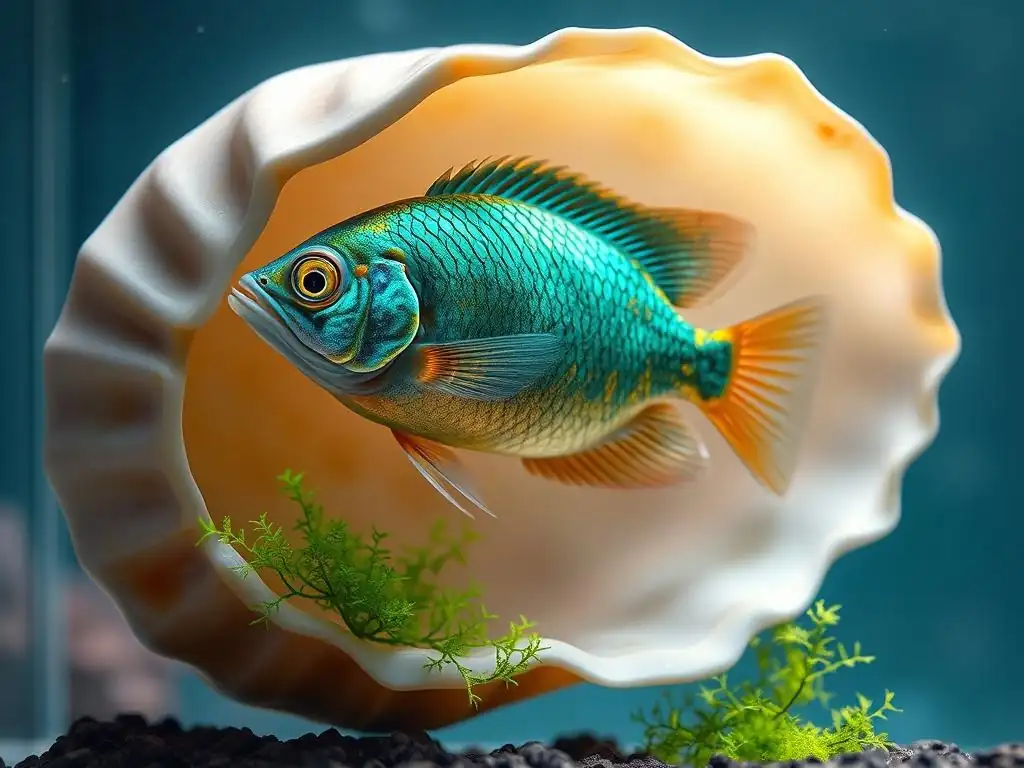
Selecting the Right Substrate: Choosing Appropriate Materials
The choice of substrate is fundamental to a shell dweller tank and plays a significant role in mitigating aggression. Fine sand, such as pool filter sand, play sand, or specialized African cichlid sand, is the ideal choice. This type of substrate allows shell dwellers to engage in their natural behaviors of burrowing, sifting through the sand for food, and most importantly, moving and burying their shells. Species like Lamprologus ocellatus are renowned for their sand-moving capabilities, creating intricate burrows around their shells.
Using a fine sand substrate facilitates these natural behaviors, which are essential for their well-being and stress reduction. A minimum depth of 2-3 inches of sand is recommended. Avoid coarse gravel or large pebbles, as these can injure the fish's delicate mouths during sifting, prevent them from properly moving shells, and may even trap waste. A proper sand bed is a foundational shell dweller aggression solution, promoting natural behavior and comfort.
Arranging Shells for Optimal Territory: Implementing Effective Placement
Simply dumping a pile of shells into the tank is not enough; strategic arrangement is key to minimizing shell dweller aggression. Instead, aim to create distinct territories or "neighborhoods" using the shells. For colonial species like Neolamprologus multifasciatus, you can create dense clusters of shells in different areas of the tank, allowing sub-colonies to form. For more solitary species or pairs, space individual shells or small groups of shells further apart to provide clear boundaries.
Consider creating visual breaks between shell clusters using rocks or small pieces of driftwood. This prevents fish from constantly seeing their neighbors, reducing the likelihood of territorial disputes. Ensure some shells are fully exposed, some partially buried, and some completely buried, offering varied options. This thoughtful placement of shells is a highly effective shell dweller aggression solution, allowing each fish to establish and defend its own space without constant confrontation.
Incorporating Plants and Decorations: Enhancing the Environment
While shell dwellers are not typically plant eaters, incorporating hardy plants and other decorations can significantly enhance their environment and serve as additional shell dweller aggression solutions. Plants like Anubias species, Java Fern, or even Vallisneria can be strategically placed to provide additional visual barriers and hiding spots. Anubias, for instance, can be attached to small rocks or driftwood, which can then be used to delineate territories.
Beyond plants, smooth rocks (such as limestone or lace rock, ensuring they don't drastically alter water chemistry if unbuffered) can create additional caves, crevices, and hiding spots. These provide alternative retreats for bullied fish and further break up lines of sight, making the tank feel larger and more complex. The goal is to create a dynamic and visually stimulating environment where fish feel secure, reducing stress and the underlying causes of aggression.
Addressing Existing Aggression Issues in Shell Dweller Tanks
Identifying the Aggressor: Pinpointing the Problem Fish
When aggression flares up in a shell dweller tank, the first critical step is to accurately identify the aggressor. This requires careful and patient observation over several hours, or even days. The aggressor is typically the fish that initiates chases, nips at fins, or constantly harasses others, often being more vibrant in color or noticeably larger than its tank mates. Conversely, the victims will often appear stressed, with clamped fins, faded colors, torn fins, or will spend excessive time hiding.
Sometimes, an entire established group might aggressively target a single new addition or a subordinate individual within the colony. By pinpointing the specific aggressor or the dynamics of the conflict, you can then apply targeted shell dweller aggression solutions. Without proper identification, any intervention might be ineffective or even worsen the situation by removing the wrong fish.
Temporary Separation Techniques: Quarantine and Reintroduction
Once an aggressor is identified, temporary separation can be an effective shell dweller aggression solution. Remove the dominant fish from the main tank and place it in a separate quarantine or "time-out" tank for a few days to a week. This allows the social hierarchy in the main tank to reset, and the other fish to establish or re-establish their territories without constant harassment. The absence of the dominant fish often allows the bullied individuals to de-stress and regain confidence.
When reintroducing the aggressor, it's often beneficial to slightly rearrange the tank decor and shells in the main tank. This disrupts the previous territorial boundaries, forcing all fish, including the returning aggressor, to re-establish their claims. Reintroduce the aggressor last, perhaps after dimming the lights, to minimize initial confrontation. Monitor closely for the first few hours and days to ensure the aggression has subsided and the time-out has been effective.
Re-Introducing Shell Dwellers: A Gradual Approach
Re-introducing a shell dweller, especially one that was previously an aggressor or a target, requires a gradual and thoughtful approach to ensure shell dweller aggression solutions are long-lasting. After a period of separation (e.g., in a quarantine tank), turn off the main tank lights or dim them significantly before reintroduction. This reduces visual stimulation and can lessen immediate aggressive responses. As mentioned, subtly rearranging the shells and decor can help reset territorial claims for all inhabitants.
When reintroducing the fish, do so calmly. Observe closely for the next few hours and days. Initial minor skirmishes are normal as the hierarchy is re-established, but look for signs of severe, persistent aggression or injury. If the aggression immediately resumes to previous levels, the tank setup may need further modification (more shells, more visual breaks), or the fish might need permanent separation, particularly if the tank size is insufficient for its species-specific aggression level.
Long-Term Prevention of Shell Dweller Aggression: Maintaining a Peaceful Tank
Regular Tank Maintenance: Preventing Stress Factors
Consistent and thorough tank maintenance is a cornerstone of long-term shell dweller aggression solutions. Poor water quality and an unclean environment are significant stressors for fish, often leading to increased aggression and susceptibility to disease. Regular weekly water changes of 20-30% are essential to dilute nitrates, replenish minerals, and maintain stable water parameters. During these changes, use a gravel vacuum to remove detritus and uneaten food from the sand bed, which can otherwise decompose and negatively impact water quality.
Additionally, ensure your filtration system is clean and functioning efficiently. Rinse filter media regularly in old tank water to preserve beneficial bacteria while removing accumulated sludge. By consistently providing a clean and stable environment, you significantly reduce the physiological stress on your shell dwellers, thereby minimizing their propensity for aggressive behavior and ensuring a peaceful community.
Monitoring Water Quality: Maintaining Optimal Conditions
Continuous monitoring of water quality is paramount for preventing shell dweller aggression in the long run. Regular testing of key parameters—pH, ammonia, nitrite, and nitrate—with a reliable liquid test kit should be part of your routine. Ammonia and nitrite should always be at zero, as even small amounts are highly toxic and stressful. Nitrates should be kept below 20 ppm, ideally closer to 5-10 ppm for sensitive species.
Maintaining the specific water parameters that mimic Lake Tanganyika (pH 7.8-9.0, GH 10-20 dGH, KH 10-15 dKH) is also crucial. Significant fluctuations or prolonged deviations from these optimal ranges can severely stress shell dwellers, making them more prone to aggression, illness, and even death. Promptly addressing any parameter imbalances through water changes, buffer additions, or filter maintenance is a proactive shell dweller aggression solution, ensuring your fish remain healthy and calm.
Continuous Observation of Behavior: Early Detection of Problems
Beyond water parameters, a vigilant eye on your shell dwellers' behavior is the most effective long-term prevention strategy for aggression. Daily observation allows you to learn the typical social dynamics and individual personalities of your fish. Pay attention to subtle changes: a fish suddenly hiding more than usual, a dominant fish becoming overly aggressive, or signs of stress like clamped fins or loss of color.
Early detection of any shifts in behavior allows for immediate intervention, preventing minor squabbles from escalating into serious conflicts. This might involve adding more shells, rearranging decor, or temporarily separating a problem fish before injuries occur. By being attuned to your shell dwellers' needs and social cues, you can maintain a peaceful and thriving aquarium for years to come, applying shell dweller aggression solutions before they become emergencies.
Choosing the Right Shell Dweller Species for a Peaceful Community
Peaceful Shell Dweller Species: Selecting Less Aggressive Options
For aquarists seeking to minimize shell dweller aggression and maintain a relatively peaceful community, certain species are inherently better choices due to their more communal or less intensely territorial nature. Neolamprologus multifasciatus, often affectionately called "Multies," are perhaps the most popular and suitable for this purpose. They are known for forming large, fascinating colonies where aggression is mostly ritualized and rarely results in serious harm, especially when provided with an abundance of shells (e.g., 20+ shells for a colony of 10-15 in a 20-gallon long tank).
Another good option is Neolamprologus similis, which are similar to Multies but slightly larger and can also thrive in colonies if provided adequate space and shells. Lamprologus brevis are also generally peaceful, often forming monogamous pairs that rarely leave their chosen shell. They are less prone to chasing tank mates than other species, making them a good choice for smaller setups where aggression needs to be kept to a minimum. Focusing on these species is a key step in implementing effective shell dweller aggression solutions from the very beginning.
More Aggressive Shell Dweller Species: Species Requiring Careful Management
Some shell dweller species, while captivating, are considerably more aggressive and require careful management to prevent conflicts. Lamprologus ocellatus is a prime example; males are intensely territorial and will fiercely defend a large patch of sand and their shell, often best kept as a single pair or a single male with multiple females in a larger tank (e.g., 20+ gallons with well-separated territories). Their aggression is primarily directed at conspecifics or other bottom dwellers perceived as threats to their personal space.
Lamprologus callipterus is another species where males grow quite large and are highly aggressive, often requiring very large tanks (50+ gallons) to house a single male with multiple females, allowing each to claim significant territory. Neolamprologus signatus can also exhibit significant intraspecific aggression, often doing best as a pair in a species-specific tank. When choosing these more aggressive species, understanding their territorial demands and providing ample space and visual breaks are paramount shell dweller aggression solutions.
Hybridization Considerations: Avoiding Unforeseen Aggression Issues
A critical aspect of choosing shell dweller species for a peaceful community is to consider the potential for hybridization, especially when attempting to keep multiple shell dweller species together. Closely related species, such as different types of Neolamprologus or Lamprologus shell dwellers, might interbreed, particularly if tank conditions are stressful or if suitable mates of their own species are scarce.
Hybrid offspring can sometimes exhibit unpredictable behaviors, including heightened or unusual aggression patterns that are not typical of either parent species. They may also be less robust or fertile. To avoid unforeseen shell dweller aggression solutions stemming from genetic factors and to preserve the genetic purity of the species, it is generally recommended to keep only one species of shell dweller per tank unless the tank is exceptionally large with clearly defined and separated territories, or if the aquarist has specific, controlled breeding goals.
Frequently Asked Questions
How do I reduce aggression in my shell dweller aquarium?
Reducing aggression often involves increasing the shell density to provide adequate territory. Also, consider decreasing the male-to-female ratio to reduce competition.
What are the signs of excessive aggression in shell dwellers?
Signs include constant chasing, fin nipping, and fish hiding excessively. Observe your tank carefully for these behavioral cues.
How does tank size impact shell dweller aggression?
Smaller tanks can exacerbate aggression due to limited space and resource competition. A larger tank provides more room for establishing territories.
What role does water chemistry play in shell dweller aggression?
Poor water quality can stress fish, making them more prone to aggression. Maintaining stable and ideal water parameters is crucial.
What are some good tank mates for shell dwellers to minimize aggression?
Generally, it's best to keep shell dwellers in a species-only tank. If adding tank mates, choose very peaceful species that occupy different levels of the aquarium.
Final Reflection: Cultivating Harmony in Miniature Worlds
The delicate balance within a shell dweller aquarium, as we've explored, mirrors the fragile ecosystems we strive to protect in the wider world. Understanding and mitigating aggression isn't just about keeping fish alive; it's about fostering a thriving community, a microcosm of cooperation and respect. The solutions we've discussed, from tank size to careful stocking, are ultimately about creating an environment where natural behaviors can flourish without devolving into destructive conflict.
This journey into the world of shell dwellers has highlighted the profound impact we, as aquarists, have on the lives of these tiny creatures. It's a responsibility I take seriously, knowing that their well-being rests on our understanding and dedication. The greatness of a nation and its moral progress can be judged by the way its animals are treated.
- Mahatma Gandhi. This quote, while often applied to larger animals, resonates deeply here, reminding us that compassion extends to all living beings, regardless of size.
Now, I invite you to reflect on your own role in creating harmonious environments, both within your aquariums and beyond. Consider how the principles of space, resource management, and mindful interaction can be applied to your own life, fostering understanding and reducing conflict in all your relationships. Let's strive to build not just beautiful tanks, but also a more compassionate and peaceful world, one shell dweller at a time.
Unlock Peaceful Waters: Transform Your Shell Dweller Tank!
Thanks for exploring the fascinating world of shell dwellers with us! We hope you've gained valuable insights into creating a harmonious environment for these unique fish. Now, let's put that knowledge into action and foster a thriving community in your aquarium.
Here's how you can take the next steps:
- Re-evaluate Your Tank Setup: Based on what you’ve learned, make immediate changes to the aquascape, adding or removing shells to adjust territory availability. This is the single most impactful action you can take!
- Delve deeper: Research different species-specific aggression patterns to tailor your approach to your specific shell dwellers.
- Spread the Wisdom: Share this article with fellow aquarists to help them create peaceful shell dweller tanks, too.
Ready to start observing and adjusting your tank for optimal peace and harmony? What's the first change you plan to make to your shell arrangement to minimize aggression?