
Is My Pleco Happy? Understanding Plecostomus Behavior and Needs

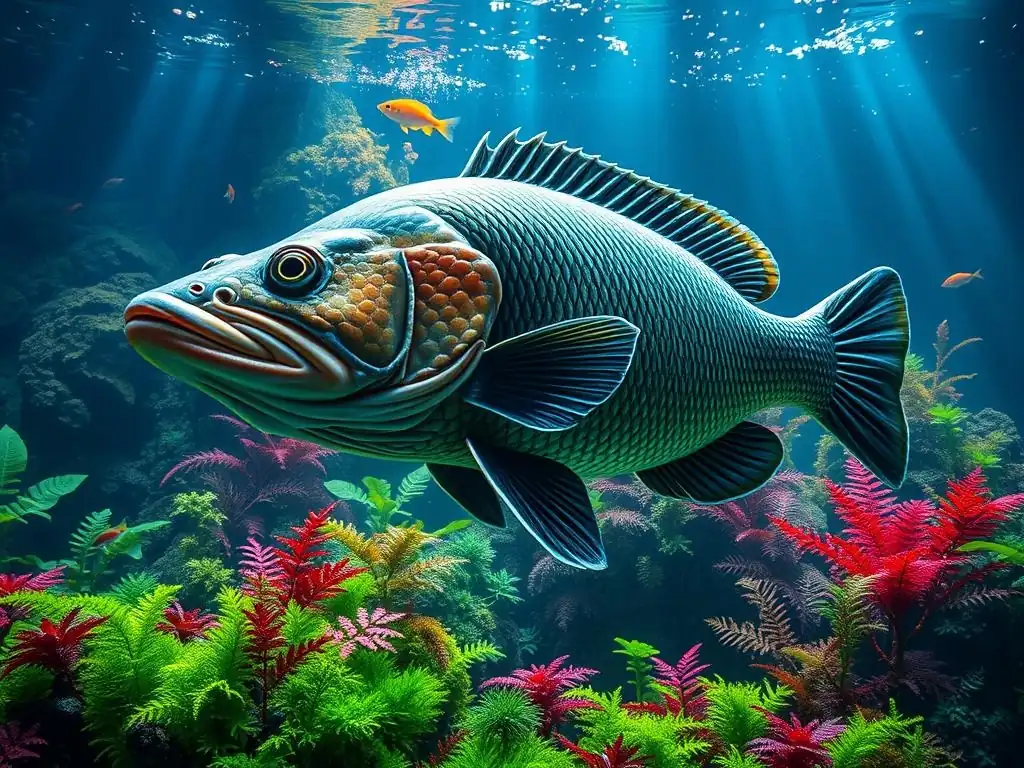
Welcome to Aquarium Mastery! Ever wondered if your algae-eating friend is truly thriving? Unlock the secrets to a happy and healthy plecostomus with our in-depth guide. Dive in now and discover essential happy pleco care tips to ensure your armored companion lives its best life! Curious about what makes a pleco tick? Let's explore!
- Introduction: Decoding Pleco Behavior for Optimal Aquarium Care
- Key Indicators of a Happy and Healthy Pleco
- Essential Elements for Happy Pleco Care
- Diet and Nutrition for a Happy Pleco
- Recognizing Signs of an Unhappy or Unhealthy Pleco
- Troubleshooting Common Pleco Problems and Behaviors
- Advanced Pleco Care Tips for Experienced Aquarists
- Conclusion: Ensuring a Happy and Healthy Life for Your Plecostomus
- Frequently Asked Questions
- Final Reflection: The Silent Language of the Pleco
- Unlock Your Pleco's Potential!
Introduction: Decoding Pleco Behavior for Optimal Aquarium Care
Why Understanding Pleco Behavior is Crucial for a Thriving Aquarium
Understanding the nuances of plecostomus behavior is paramount for any aquarist aiming for a thriving aquatic environment. Plecos are often perceived merely as "algae eaters," yet they are complex, sentient beings whose actions provide direct feedback on their health and environment. Misinterpreting or ignoring their behavioral cues can lead to chronic stress, disease, or even premature death. A truly happy pleco care tips approach begins with attentive observation, allowing aquarists to proactively address issues before they escalate.
Observing your pleco's behavior regularly acts as an early warning system for potential problems. Changes in swimming patterns, feeding habits, or activity levels can signal issues such as poor water quality, insufficient nutrition, or the presence of illness. For instance, studies suggest that a significant percentage of fish mortalities in home aquariums, estimated around 25-30% in some cases, are attributable to preventable environmental stressors. By understanding what constitutes normal behavior for your specific pleco species, you can quickly identify deviations and intervene, thereby ensuring a healthier, longer life for your aquatic companion.
Common Misconceptions About Pleco Happiness and Well-being
One pervasive misconception is that plecos can subsist entirely on tank algae. While they are indeed prodigious grazers, most home aquariums do not produce enough algae to sustain a pleco, especially larger species like the common Hypostomus plecostomus, which can grow to 18-24 inches (45-60 cm). Relying solely on tank algae will inevitably lead to malnutrition and a very unhappy pleco. A holistic happy pleco care tips strategy necessitates a varied and supplemented diet.
Another common misunderstanding is that plecos are exceptionally hardy and can tolerate poor water conditions or cramped spaces. While some species are more robust than others, all plecos require stable, pristine water parameters and adequate space to thrive.
Keeping a large pleco species in a small tank, for example, a 20-gallon tank for a common pleco, will lead to stunted growth, organ damage, and a significantly shortened lifespan, far from the ideal conditions for a happy pleco. Similarly, the idea that a pleco constantly "cleaning" the glass is a sign of happiness can be misleading; it might indicate hunger due to lack of other food sources.
Key Indicators of a Happy and Healthy Pleco
Active Algae Grazing: A Sign of a Well-Fed Pleco
A key indicator of a happy and well-fed pleco is consistent, active, yet unhurried algae grazing. A healthy pleco will spend a significant portion of its active hours, typically during the night or in low-light conditions, methodically rasping on aquarium surfaces, driftwood, and rocks for biofilm and algae. For instance, a healthy Bristlenose Pleco ( Ancistrus species) might cover several square inches of tank surface in a single evening, leaving clear trails behind. This methodical grazing indicates sufficient food availability and a comfortable environment.
It is important to differentiate healthy grazing from frantic searching for food. If a pleco is relentlessly scraping surfaces during daylight hours, or if it appears to be constantly searching for non-existent food, it could be a sign of hunger or nutritional deficiency. A well-nourished pleco will also show interest in supplemental foods offered, such as blanched vegetables or algae wafers, rather than solely relying on tank algae. Regular, relaxed grazing is a positive sign reflecting adherence to happy pleco care tips.
Healthy Skin and Fins: Recognizing Signs of Distress
The physical appearance of your pleco offers direct clues about its health and happiness. A healthy pleco will exhibit smooth, unblemished skin, vibrant and consistent coloration (specific to its species), and clear, bright eyes. Its fins should be fully intact, without any signs of fraying, tearing, or clamping. For example, a well-cared-for Gold Nugget Pleco ( Baryancistrus xanthellus) will display striking, vivid yellow spots against a dark body, a stark contrast to a stressed specimen.
Conversely, any deviation from this healthy appearance can indicate distress or illness. Dull or faded coloration, the presence of white spots (Ich), fuzzy white patches (fungus), red streaks (septicemia), or lesions are clear warning signs. Clamped fins, where the fins are held tightly against the body, or frayed and deteriorating fins (fin rot) often point to poor water quality, stress, or bacterial infections. Prompt identification of these signs is crucial for effective intervention and maintaining happy pleco care tips.
Normal Respiration: Understanding Pleco Breathing Patterns
Normal respiration in a pleco is characterized by slow, steady, and rhythmic gill movements. Like most fish, plecos breathe by drawing water over their gills to extract oxygen. In a well-oxygenated and healthy environment, a pleco's gill covers will open and close at a relaxed pace, typically around 40-60 movements per minute, depending on the species and water temperature. This calm breathing indicates that the pleco is receiving adequate oxygen and is not under physiological stress.
Abnormal respiration patterns, such as rapid, labored breathing, prolonged gasping at the water surface, or flared gills, are serious indicators of distress. These symptoms often point to low dissolved oxygen levels in the water, high levels of toxic ammonia or nitrite, or the presence of gill parasites. For example, if your tank's temperature is at the higher end of the pleco's acceptable range, say 80°F (26.7°C), and you notice rapid breathing, it could be due to reduced oxygen solubility at higher temperatures. Addressing oxygen levels and water parameters immediately is a critical happy pleco care tip.
Hiding Behavior: When is it Normal, and When is it a Problem?
Hiding is a natural and essential behavior for most pleco species, as they are primarily nocturnal and prefer shaded, secure environments during daylight hours. A happy and healthy pleco will seek out caves, driftwood, dense plant cover, or other dark retreats during the day. They will typically emerge during the night, or when lights are dimmed, to feed and explore the tank. For example, a common pleco might spend 14-18 hours a day tucked away in a piece of driftwood.
However, when hiding behavior becomes excessive or deviates from this pattern, it can be a cause for concern. If a pleco hides constantly, even during the night, or refuses to come out for food, it might indicate severe stress, illness, or an unsuitable environment (e.g., too much light, aggressive tank mates, or lack of sufficient hiding spots). Conversely, a pleco that is always out in the open during the day, showing no inclination to hide, might be feeling insecure due to a lack of adequate cover, which is detrimental to happy pleco care tips.
Essential Elements for Happy Pleco Care
Tank Size Requirements: Providing Adequate Space for Pleco Growth
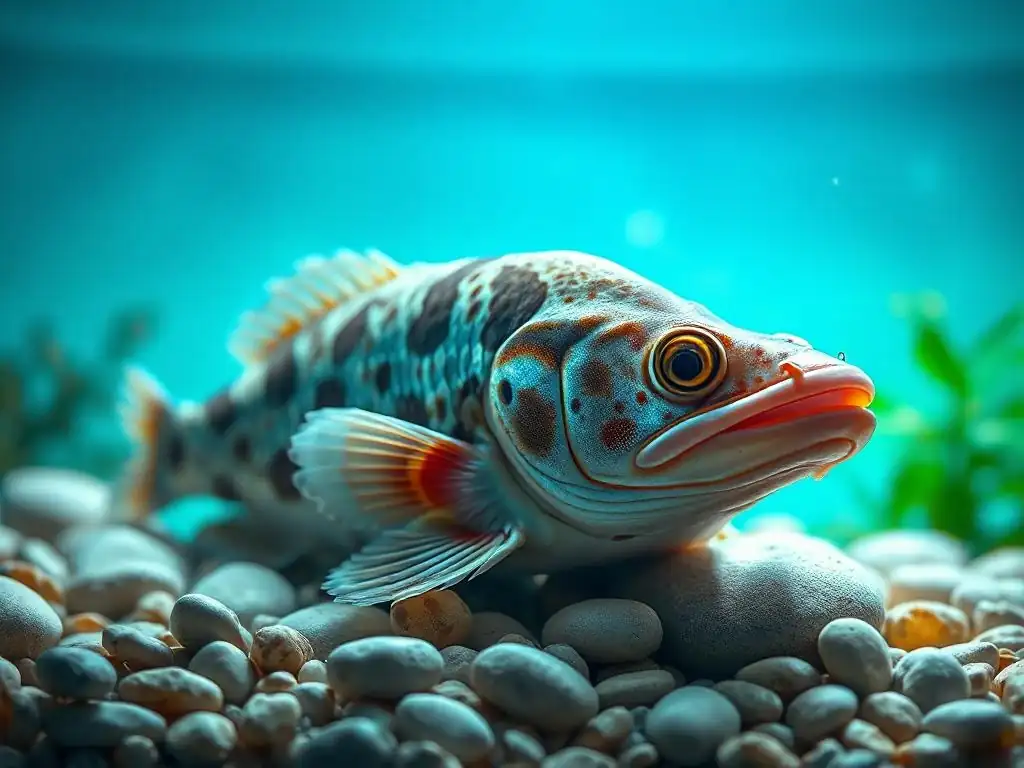
Providing an appropriately sized tank is arguably the most crucial element for a happy and healthy pleco. Many common pleco species, particularly Hypostomus plecostomus, can grow to impressive sizes, often reaching 18-24 inches (45-60 cm) in length. For such large species, a minimum tank size of 100 gallons (378 liters) is recommended to accommodate their adult size, bioload, and territorial needs. Smaller species, like the Bristlenose Pleco ( Ancistrus spp. ), which typically reach 4-6 inches (10-15 cm), require a minimum of 20-30 gallons (75-113 liters).
Keeping a pleco in an undersized tank leads to stunted growth, which is not merely a reduction in size but a severe internal deformity, causing organ damage and a significantly shortened, painful life. Insufficient space also increases stress levels, suppresses the immune system, and makes the pleco more susceptible to disease. Proper tank sizing is foundational to all happy pleco care tips, ensuring the fish has ample room to grow, explore, and establish its territory without undue stress.
Water Quality Parameters: Maintaining Ideal Water Conditions for Plecos
Maintaining pristine and stable water quality is non-negotiable for pleco health and happiness. Plecos are highly sensitive to fluctuations and the presence of toxins in their environment. Regular water testing and consistent maintenance are vital.
The Importance of Stable pH Levels for Pleco Health
Most common pleco species thrive in slightly acidic to neutral water, typically within a pH range of 6.5 to 7.5. However, stability is far more critical than hitting an exact number. Sudden and drastic fluctuations in pH, even changes of 0.5 or more within a 24-hour period, can cause severe stress and even death. These rapid shifts disrupt a fish's osmoregulation and enzyme functions, leading to internal damage.
While a pleco might tolerate a stable pH of 8.0, a sudden drop from 7.5 to 6.5 due to improper water changes or buffering issues can be catastrophic. Regular weekly pH testing is recommended to monitor stability. Utilizing appropriate buffering agents or performing consistent small water changes with dechlorinated, pH-matched water are key happy pleco care tips to prevent pH shock and ensure a stable environment.
Ammonia, Nitrite, and Nitrate Control in Pleco Tanks
Zero levels of ammonia and nitrite are absolutely essential. Even trace amounts (e.g., 0.25 ppm ammonia) are highly toxic to fish, causing gill damage, respiratory distress, and internal organ failure. Plecos, due to their size and often prodigious feeding habits, produce a significant bioload, meaning they generate a considerable amount of waste. This necessitates robust filtration (biological and mechanical) and diligent maintenance.
Nitrate levels, while less immediately toxic than ammonia and nitrite, should be kept below 20 ppm, and ideally below 10 ppm for more sensitive pleco species. High nitrates cause chronic stress, suppress the immune system, and can lead to lethargy and increased susceptibility to diseases. Regular partial water changes, typically 25-30% weekly, are the primary method for diluting nitrates and ensuring overall water purity. Consistent monitoring and control of these parameters are fundamental happy pleco care tips.
Suitable Tank Mates: Choosing Compatible Species for Your Pleco
Choosing appropriate tank mates is crucial for a pleco's well-being. While plecos are generally peaceful bottom-dwellers, they can be territorial, especially as they mature or if the tank is overcrowded. Avoid highly aggressive or fin-nipping fish that might harass a slow-moving pleco. Ideal tank mates include peaceful community fish such as tetras, rasboras, corydoras, and other non-aggressive species that occupy different levels of the water column.
Some larger pleco species, like certain Pterygoplichthys species, can become territorial with other bottom-dwelling fish, particularly other plecos or large catfish. There are also documented cases of larger common plecos "sucking" on the slime coat of slow-moving, broad-bodied fish like discus or angelfish, causing stress and injury. Always research the specific temperament and adult size of your pleco species before introducing tank mates. Providing ample space and multiple hiding spots can help mitigate potential aggression, contributing to happy pleco care tips for a harmonious community.
Providing Adequate Hiding Places and Shelter
Driftwood is not merely a decorative element for plecos; it is a vital component of their environment and diet. Many pleco species, including the common pleco and Bristlenose, actively rasp on driftwood. This behavior provides essential lignins and cellulose, which are crucial for their digestive health. Without access to driftwood, these plecos can suffer from digestive issues, leading to stunted growth, malnutrition, and poor overall health. A 20-gallon tank housing a Bristlenose should ideally contain at least one substantial piece of bogwood or Malaysian driftwood.
Beyond its dietary benefits, driftwood provides critical hiding spots and surfaces for biofilm growth. Plecos are nocturnal and naturally seek out secure, dark places to rest during the day. The presence of driftwood mimics their natural habitat, significantly reducing stress and encouraging natural behaviors. Additionally, some types of driftwood release tannins into the water, which can slightly lower the pH and provide beneficial antimicrobial properties, further enhancing happy pleco care tips.
Caves and Decorations: Creating a Secure Environment
In addition to driftwood, providing a variety of other secure hiding places is essential for a happy pleco. Ceramic caves, PVC pipes (aquarium-safe), rock formations, or dense plant cover offer secure, dark retreats where plecos can feel safe from perceived threats and rest undisturbed. It is advisable to provide at least one designated hiding spot per pleco, and ideally more, to reduce competition and territorial disputes, especially in tanks with multiple bottom-dwellers.
When selecting caves and decorations, ensure they are smooth, non-toxic, and stable, preventing any sharp edges that could injure the pleco or objects that could collapse. A pleco that feels secure and has ample places to retreat will be significantly less stressed, more likely to feed normally, and more resilient to illness. Creating a diverse and secure environment through proper decor is a fundamental aspect of comprehensive happy pleco care tips.
Diet and Nutrition for a Happy Pleco
Understanding Pleco Feeding Habits: Are They Really Only Algae Eaters?
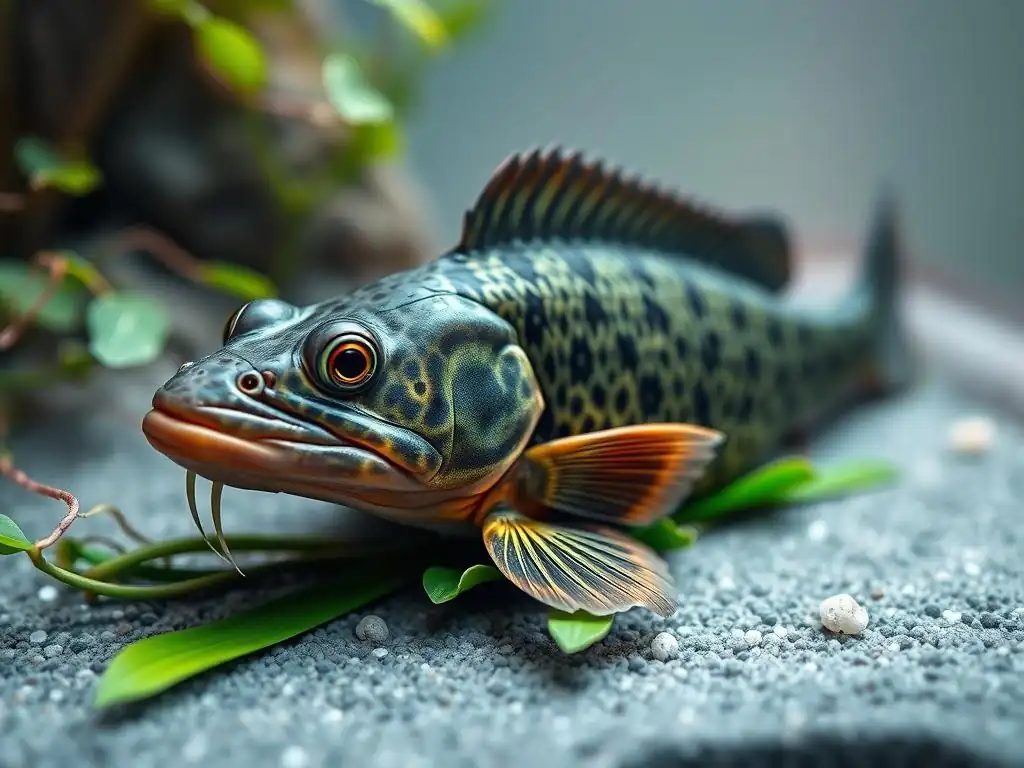
A widespread misconception is that plecos are exclusively algae eaters. While algae and biofilm constitute a significant portion of their diet in the wild, particularly for species like the common pleco or Bristlenose, relying solely on tank algae in an aquarium setting will lead to severe malnutrition. Most home aquariums simply do not produce enough algae to sustain a full-grown pleco, which can lead to a pleco frantically searching for food or becoming lethargic.
The truth is that plecos are either herbivorous, omnivorous, or, in some specialized cases, even xylophagous (wood-eating). For example, Panaque species are known for their ability to digest wood, which is crucial for their diet. Understanding the specific dietary needs of your pleco species is paramount. A varied diet that supplements natural grazing with appropriate commercial foods and fresh vegetables is essential for ensuring a happy pleco care tips approach to nutrition.
Supplementing Algae with a Varied Diet
The Role of Vegetables in a Pleco's Diet
Fresh vegetables are an excellent and highly beneficial supplement to a pleco's diet. Blanched (briefly boiled) slices of zucchini, cucumber, shelled peas, green beans, and romaine lettuce are readily accepted by most plecos. These vegetables provide essential vitamins, minerals, and dietary fiber that are often lacking in a purely algae-based diet. For instance, offering a 1-inch slice of blanched zucchini weighted down to sink, 2-3 times per week, can significantly boost a pleco's nutritional intake.
When offering vegetables, ensure they are organic and thoroughly washed to remove any pesticide residues. They should be removed from the tank within 24 hours to prevent spoilage and fouling of the water, which can lead to dangerous ammonia spikes. Regular inclusion of fresh vegetables significantly contributes to a pleco's overall health and vitality, making it a key component of happy pleco care tips.
Commercial Pleco Food Options: Choosing the Right Pellets and Wafers
High-quality commercial sinking pellets and wafers specifically formulated for herbivorous or omnivorous bottom feeders are indispensable for a pleco's diet. Look for products that list spirulina, algae meal, and vegetable content as primary ingredients, indicating a balanced nutritional profile suitable for their digestive systems. Reputable brands like Hikari Algae Wafers, Omega One Veggie Rounds, or New Life Spectrum H2O Stable Wafers are often recommended.
These commercial foods should be offered after the aquarium lights have been turned off, as plecos are primarily nocturnal feeders and prefer to eat in the dark. The quantity provided should be consumed within a few hours to prevent uneaten food from decaying and polluting the water. For example, a single Bristlenose Pleco might thrive on 1-2 small algae wafers every other night, depending on the amount of natural algae available in the tank. Selecting and providing appropriate commercial foods is a fundamental aspect of happy pleco care tips.
Avoiding Overfeeding: Maintaining a Healthy Weight for Your Pleco
Overfeeding is a common mistake that can have detrimental effects on both the pleco's health and the aquarium's water quality. Excess food decays rapidly, leading to dangerous spikes in ammonia and nitrite, and can also contribute to excessive nitrate accumulation. Furthermore, overfeeding can lead to obesity in plecos, which manifests as a distended or overly round belly and can cause digestive issues and internal organ stress.
It is crucial to feed only what your pleco can consume within a few hours, ideally before the next light cycle. Observe their feeding habits closely and adjust the quantity of food accordingly. If you consistently find uneaten food after 6-8 hours, reduce the amount offered. A healthy pleco should have a slightly rounded, but not overly distended, belly. Practicing responsible feeding habits is a cornerstone of happy pleco care tips.
Recognizing Signs of an Unhappy or Unhealthy Pleco
Changes in Appetite or Feeding Behavior
A healthy pleco is typically a consistent and enthusiastic eater, whether it's grazing on algae or consuming supplemental foods. A noticeable change in appetite or feeding behavior is often one of the first indicators of distress or illness. This could manifest as a sudden refusal to eat favored foods, a significant decrease in their usual grazing activity, or a complete loss of interest in food. For instance, if your pleco usually devours a blanched zucchini slice overnight but now ignores it for several days, it's a clear red flag.
Conversely, a sudden, frantic increase in feeding behavior, or constant, desperate searching for food when none is present, could also signal a problem. This might indicate severe hunger due to underfeeding, intense competition from tank mates, or even internal parasites causing malabsorption despite adequate food intake. Monitoring these subtle shifts in feeding behavior is a simple yet highly effective happy pleco care tip.
Lethargy and Inactivity: When to be Concerned
While plecos are not typically highly active fish, especially during the day, prolonged lethargy or unusual inactivity is a significant cause for concern. A healthy pleco will move around its environment, exploring, grazing, and interacting with its hiding spots, particularly during its active hours. If your pleco is consistently remaining in one spot, appears listless, or is unresponsive to gentle stimuli, it is likely stressed or ill.
This lethargy can also be accompanied by a lack of alertness or a general "dull" appearance. If your pleco is spending an unusual amount of time lying on its side or back, or constantly resting in the open without seeking cover, it indicates severe distress. Such profound inactivity deviates significantly from the behavior of a healthy, happy pleco care tips recipient and warrants immediate investigation into water parameters and potential disease.
Visible Signs of Illness: Fin Rot, Ich, and Other Common Pleco Diseases
Vigilance for visible signs of illness is critical for early intervention. Fin rot, a common bacterial infection, manifests as frayed, ragged, or disintegrating fins, often with white or reddish edges. Ich (Ichthyophthirius multifiliis), also known as white spot disease, appears as small, salt-like white spots scattered across the body and fins. Fungal infections present as white, cottony growths on the skin or fins.
Other concerning physical symptoms include cloudy or bulging eyes, a swollen or bloated abdomen (potentially indicative of dropsy or internal parasites), red streaks on the body or fins (septicemia), or open sores and lesions. For example, if a healthy pleco's body suddenly develops dozens of distinct white spots within 24-48 hours, Ich is highly probable. Early detection and appropriate treatment are paramount for recovery and for maintaining happy pleco care tips.
Erratic Swimming or Gasping for Air
Erratic swimming patterns, such as darting quickly around the tank, scratching or "flashing" against decor, or uncontrolled, jerky movements, can be signs of irritation. This irritation might stem from external parasites (like Ich or velvet), poor water quality (e.g., high ammonia or nitrite), or general stress. If a pleco is swimming erratically and then suddenly becomes still or drops to the bottom, it suggests severe distress or poisoning.
Gasping for air at the water surface is an emergency signal indicating critically low dissolved oxygen levels in the tank or severe gill irritation/damage. Fish will go to the surface where oxygen concentration is highest to try and breathe. If you observe your pleco consistently at the surface, gulping air, immediately test your water for ammonia and nitrite, and increase aeration (e.g., with an air stone or by lowering the water level to increase surface agitation). This is a life-threatening situation that demands immediate action for happy pleco care tips.
Troubleshooting Common Pleco Problems and Behaviors
Aggression Towards Tank Mates: Causes and Solutions
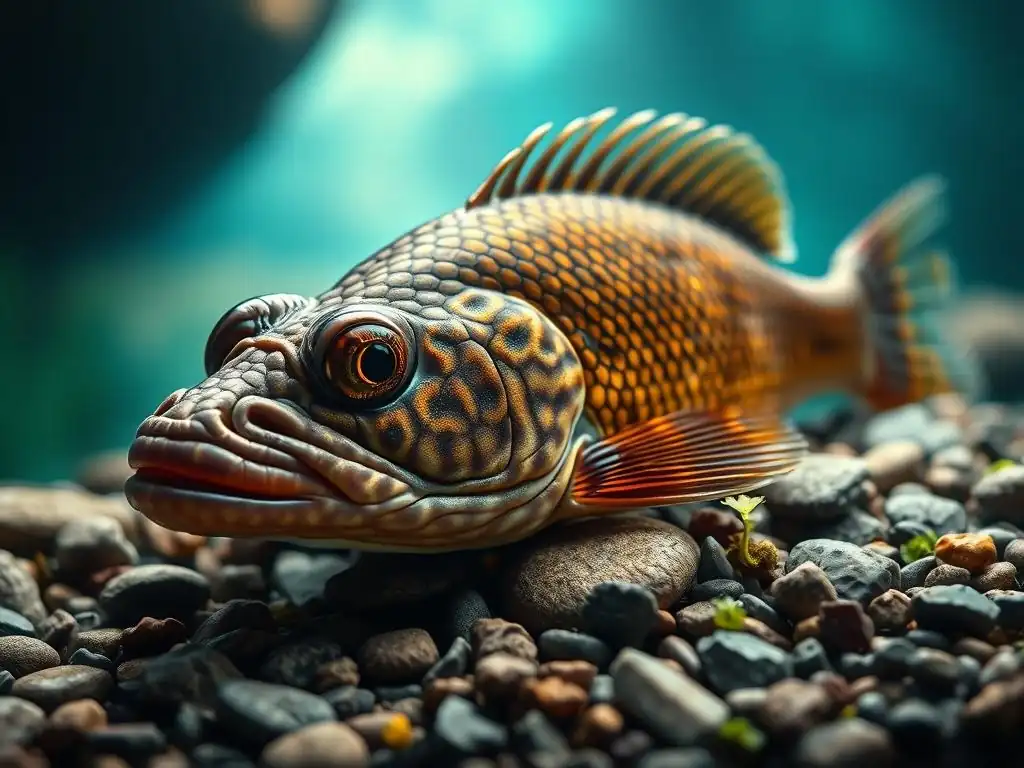
While many pleco species are generally peaceful, some can exhibit aggression, particularly as they mature or if their environmental needs are not met. Males of certain species, especially larger ones or those with strong territorial instincts (e.g., some Pterygoplichthys species), may become aggressive towards other bottom-dwelling fish, or even other plecos of the same sex. This aggression can manifest as chasing, nipping, or attempting to "suck" on the bodies of slower tank mates, which can damage their slime coat and cause stress or injury.
Common causes include an undersized tank, insufficient hiding spots, or inappropriate tank mates. Solutions involve increasing the tank size if possible, adding more varied hiding places (driftwood, caves, dense plants) to break lines of sight and establish distinct territories, or rearranging existing decor to create new boundaries. In severe cases, or if the aggression persists, it may be necessary to rehome the aggressive pleco or the target fish to ensure the well-being of all inhabitants. Providing ample personal space and visual barriers is a critical happy pleco care tip.
Sudden Death: Identifying Potential Causes and Prevention
The sudden, unexplained death of a pleco without any prior visible symptoms is a distressing event that often points to acute water quality issues. The most common culprits are sudden spikes in highly toxic ammonia or nitrite, or drastic, rapid fluctuations in temperature or pH. For example, a power outage causing filtration to cease for several hours can quickly lead to a build-up of ammonia, poisoning the fish before symptoms become apparent. Similarly, a large, unconditioned water change can introduce temperature or pH shock.
To prevent sudden death, consistent water testing for ammonia, nitrite, nitrate, and pH is paramount. Regular, appropriately sized water changes (e.g., 25-30% weekly) with temperature-matched, dechlorinated water are crucial. Avoid overfeeding, ensure robust filtration, and always quarantine new fish before introducing them to the main tank to prevent the introduction of diseases. Investigating the water parameters immediately after a sudden death can help identify the cause and prevent further losses, making these proactive steps essential happy pleco care tips.
Algae Control Issues: Addressing Imbalances in the Aquarium
While plecos are excellent algae grazers, they are not a magic bullet for all algae problems. If your tank experiences persistent or excessive algae growth despite the presence of a pleco, it indicates an underlying imbalance in your aquarium's ecosystem. The most common causes of excessive algae are too much light exposure, an excess of nutrients (primarily nitrates and phosphates), or both. For example, a tank receiving direct sunlight for several hours daily will likely develop more algae than a pleco can consume.
Addressing algae issues requires a multi-pronged approach beyond just relying on your pleco. Reduce light exposure to 8-10 hours per day, consider using a timer for consistency, and avoid direct sunlight. Control nutrient input by avoiding overfeeding, performing more frequent or larger water changes to dilute nitrates and phosphates, and ensuring your filter media is clean. Introducing live plants can also help compete with algae for nutrients. A pleco can help manage algae, but it's part of a broader strategy for maintaining a balanced and healthy aquarium, embodying comprehensive happy pleco care tips.
Advanced Pleco Care Tips for Experienced Aquarists
Breeding Plecos: Creating the Ideal Conditions for Reproduction
Breeding plecos, particularly more common species like the Bristlenose Pleco ( Ancistrus spp. ), can be a rewarding endeavor for experienced aquarists. Successful breeding requires specific conditions that mimic their natural spawning triggers. This typically involves a well-established, mature aquarium with pristine water quality, a rich and varied diet for conditioning the breeding pair, and suitable breeding sites. For many cave-spawning plecos, ceramic breeding caves or hollow pieces of driftwood with appropriate crevices are essential.
Environmental cues often play a significant role in triggering spawning. For instance, a slight drop in water temperature (e.g., 2-3°F) followed by a large, cool water change can simulate the onset of a rainy season, encouraging many species to breed. Males often take on the primary role of guarding the eggs and fanning them to ensure oxygenation. Successfully breeding plecos is not only a testament to an aquarist's skill but also the ultimate indicator of a truly thriving environment and the application of advanced happy pleco care tips.
Caring for Rare and Sensitive Pleco Species
The world of plecos extends far beyond the common varieties, encompassing thousands of diverse species, many of which are identified by "L-numbers." Caring for rare and sensitive L-number plecos (e.g., L046 Zebra Pleco, L091 Three Spot Royal Pleco, L333 King Tiger Pleco) demands meticulous attention to detail and extensive research into their specific origin and environmental requirements. These species often have highly specialized needs regarding water parameters (e.g., very soft, acidic water for many Amazonian species), diet, and tank setup.
Such delicate species typically require stable temperatures within a narrow range (e.g., 78-84°F or 25.5-29°C for many Hypancistrus species), precise water chemistry, and pristine water quality with nitrates kept at extremely low levels (ideally below 10 ppm). Their diets can also be highly specific, with some requiring particular types of wood ( Panaque spp.) or a higher protein content than common plecos. The significant investment in these rarer species warrants an unwavering commitment to precise and detailed happy pleco care tips.
Gold Nugget Pleco (Baryancistrus xanthellus) Care
The Gold Nugget Pleco (L018, L081, L177) is a highly sought-after but challenging species that exemplifies the needs of more sensitive plecos. These stunning fish require warmer, highly oxygenated water with strong current, typically maintained between 78-84°F (25.5-29°C). They are primarily herbivorous but also benefit from a small amount of protein in their diet, making high-quality algae wafers supplemented with occasional protein-rich foods ideal.
Gold Nugget Plecos are particularly sensitive to poor water quality and elevated nitrate levels, making frequent small water changes (e.g., 10-15% twice a week) often more beneficial than larger, less frequent ones for maintaining stability. Providing ample driftwood and smooth rocks is crucial for both grazing and hiding. Their delicate nature and specific requirements mean that robust filtration, consistent water parameter monitoring, and a stable environment are essential for truly advanced happy pleco care tips with these magnificent fish.
Conclusion: Ensuring a Happy and Healthy Life for Your Plecostomus
Ensuring a happy and healthy life for your plecostomus goes far beyond simply dropping an algae wafer into the tank. It requires a deep understanding of their unique behaviors and specific environmental, dietary, and social needs. From providing an appropriately sized habitat with ample hiding spots and essential driftwood to maintaining pristine and stable water parameters, every aspect of their care contributes to their overall well-being.
By diligently observing your pleco's behavior, promptly addressing any signs of distress or illness, and providing a varied, nutritious diet, you are not just maintaining a fish; you are fostering a thriving, long-lived aquatic companion. Embracing these comprehensive happy pleco care tips will lead to a more robust and responsive pleco, enriching your aquarium experience and contributing to a balanced and beautiful freshwater ecosystem for years to come.
Frequently Asked Questions
How can I tell if my pleco is happy in its aquarium?
A happy pleco will display natural behaviors such as grazing on algae, hiding in designated areas, and exhibiting good coloration. Lack of appetite, lethargy, or constant hiding can indicate stress or illness.
What are the essential water parameters for pleco health?
Plecos thrive in stable water conditions. Maintain a pH between 6.5 and 7.5, a temperature between 72-82°F, and ensure low levels of ammonia and nitrites through regular water changes.
What is the best food to keep my pleco healthy and happy?
While plecos are known for eating algae, they need a varied diet. Supplement their diet with algae wafers, sinking pellets, and occasional vegetables like zucchini or cucumber for optimal health.
How much space does a pleco need to thrive?
Pleco size varies by species. Common plecos require large tanks (75 gallons or more) to accommodate their potential size and reduce stress. Smaller species can be kept in smaller tanks.
What kind of tank environment do plecos prefer?
Plecos appreciate a tank with plenty of hiding places, such as driftwood, caves, and plants. This helps them feel secure and reduces stress, contributing to overall well-being and happiness.
Final Reflection: The Silent Language of the Pleco
The journey into understanding the well-being of our Plecostomus, as we've explored, is far more than just ticking off a checklist of care requirements; it's about cultivating a deeper connection with these fascinating creatures. Recognizing the subtle signs of a thriving Pleco is crucial in today's aquarium keeping, where ethical and responsible pet ownership is paramount. Ignoring these signals can lead to preventable suffering, highlighting the importance of proactive and informed care.
This exploration has underscored how profoundly our actions impact the lives of these often-overlooked fish. The responsibility we bear as aquarists extends beyond simply providing food and water; it demands a commitment to understanding their natural behaviors and creating an environment that fosters their physical and emotional well-being. The greatness of a nation and its moral progress can be judged by the way its animals are treated.
- Mahatma Gandhi. This quote reminds us that our compassion should extend to all living beings, including the silent inhabitants of our aquariums.
Now, armed with a deeper understanding of "happy pleco care tips," I encourage you to reflect on your own practices. Are you truly seeing your Pleco, or are you simply looking at it? Take the time to observe, to learn, and to adapt your care to meet their individual needs. By doing so, you not only enhance their lives but also enrich your own, fostering a more meaningful and rewarding relationship with these remarkable fish. Let's all strive to be more mindful, more compassionate, and more dedicated stewards of the aquatic world.
Unlock Your Pleco's Potential!
Thanks for diving deep into the world of Plecos! We hope you found new insights into keeping your armored friend happy and thriving. Now, it's time to put that knowledge into action.
Here are a few things you can do right now:
- Observe and document: Spend at least 15 minutes each day observing your Pleco's behavior. Note any changes in activity, eating habits, or physical appearance.
- Re-evaluate your tank setup: Does your Pleco have enough hiding spots? Is the water flow adequate? Consider adding driftwood or plants to create a more natural and enriching environment.
- Share your Pleco story: Post a picture of your Pleco on your favorite aquarium forum or social media group and ask the community for their insights and experiences.
What small change can you make today to improve your Pleco's life?