
Albino Corydoras: Unmasking the Popular PinkEyed Bottom Dweller

Welcome to Aquarium Mastery, fellow aquarist!
Ever wondered about the secrets behind keeping those adorable, pink-eyed bottom dwellers thriving? Dive in and unmask the mystery surrounding Albino Corydoras care tips! This comprehensive guide will equip you with everything you need to ensure your Albino Corydoras flourish in your freshwater aquarium. Ready to unlock the secrets to their happiness? Let's explore!
- Understanding the Allure of Albino Corydoras
- Albino Corydoras Care Tips: Creating the Ideal Habitat
- Albino Corydoras Diet and Feeding Guide
- Albino Corydoras Tank Mates: Choosing Compatible Companions
- Albino Corydoras Breeding: A Comprehensive Guide
- Common Health Issues in Albino Corydoras and Their Treatment
- Maintaining a Healthy Albino Corydoras Population: Long-Term Care
- Albino Corydoras vs. Other Corydoras Species: A Comparison
- Where to Buy Albino Corydoras: Selecting Healthy Specimens
- Frequently Asked Questions about Albino Corydoras Care
-
Frequently Asked Questions
- What are the most important water parameters for Albino Corydoras?
- What type of substrate is best for Albino Corydoras?
- What should I feed my Albino Corydoras?
- Are Albino Corydoras social fish, and how many should I keep together?
- What are some common health issues affecting Albino Corydoras, and how can I prevent them?
- Final Reflection: Embracing the Delicate Beauty of Albino Corydoras
- Dive Deeper: Transform Your Aquarium Into a Corydoras Paradise!
Understanding the Allure of Albino Corydoras
Why Albino Corydoras are a Favorite Among Aquarists
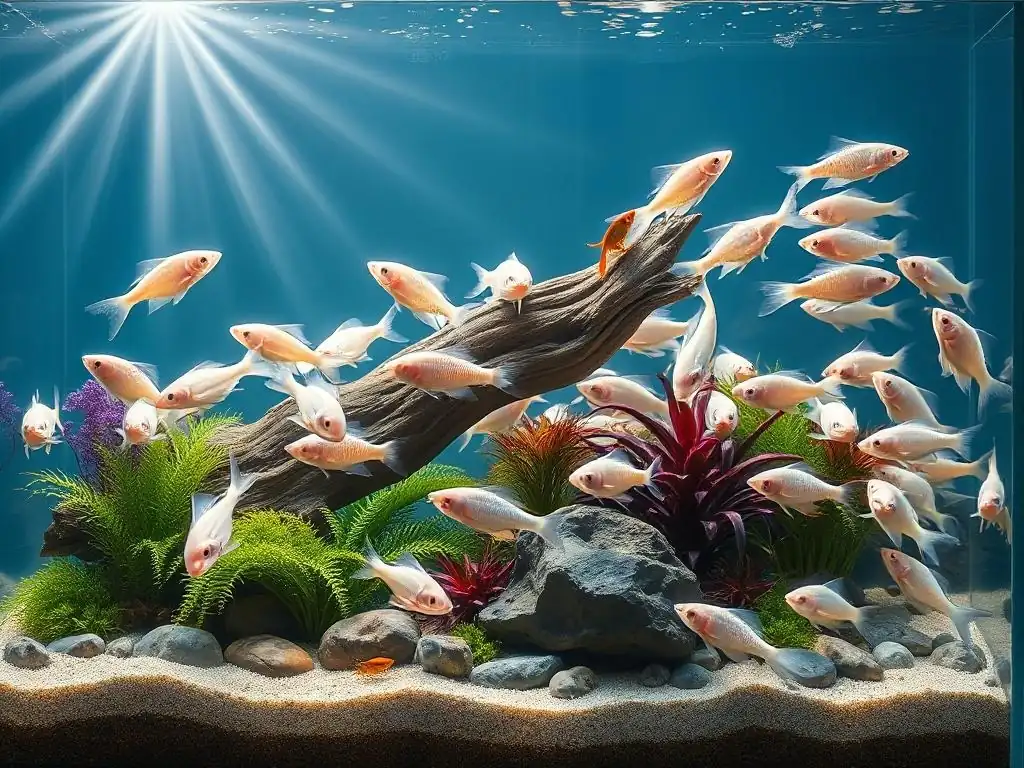
Albino Corydoras, often affectionately called "Albino Corys," have long been a staple in freshwater aquariums due to their remarkably peaceful demeanor and active, endearing bottom-dwelling habits. Their distinctive pale, pinkish-white bodies and striking red or pink eyes offer a unique aesthetic appeal that stands out in a community tank. Beyond their looks, their hardiness makes them a forgiving choice for both novice and experienced aquarists, consistently ranking among the most popular freshwater catfish species globally.
These charming fish contribute significantly to tank hygiene by diligently scavenging for uneaten food particles that fall to the substrate. This natural cleaning behavior helps to prevent the buildup of decaying organic matter, which can otherwise compromise water quality. Their relatively small adult size, typically reaching about 2.5 to 3 inches (6-7.5 cm), also makes them suitable for a variety of tank dimensions, accommodating even smaller community setups without overcrowding concerns.
Distinguishing Features: Identifying Albino Corydoras
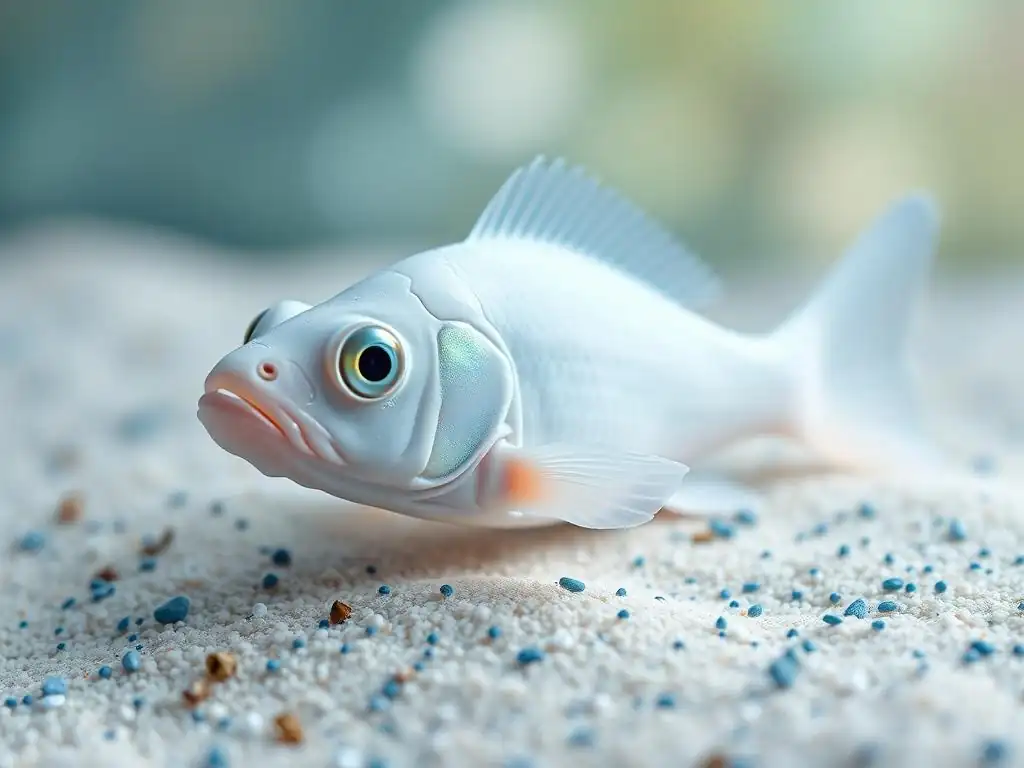
The most prominent distinguishing feature of the Albino Corydoras is their complete lack of pigmentation, a result of albinism. This genetic trait gives them their characteristic translucent, pinkish-white body and the highly visible red or pink eyes, through which blood vessels are evident. Unlike other Corydoras species that display varying patterns, spots, or shades of brown, green, or black, the Albino Corydoras' uniform pale coloration is unmistakable.
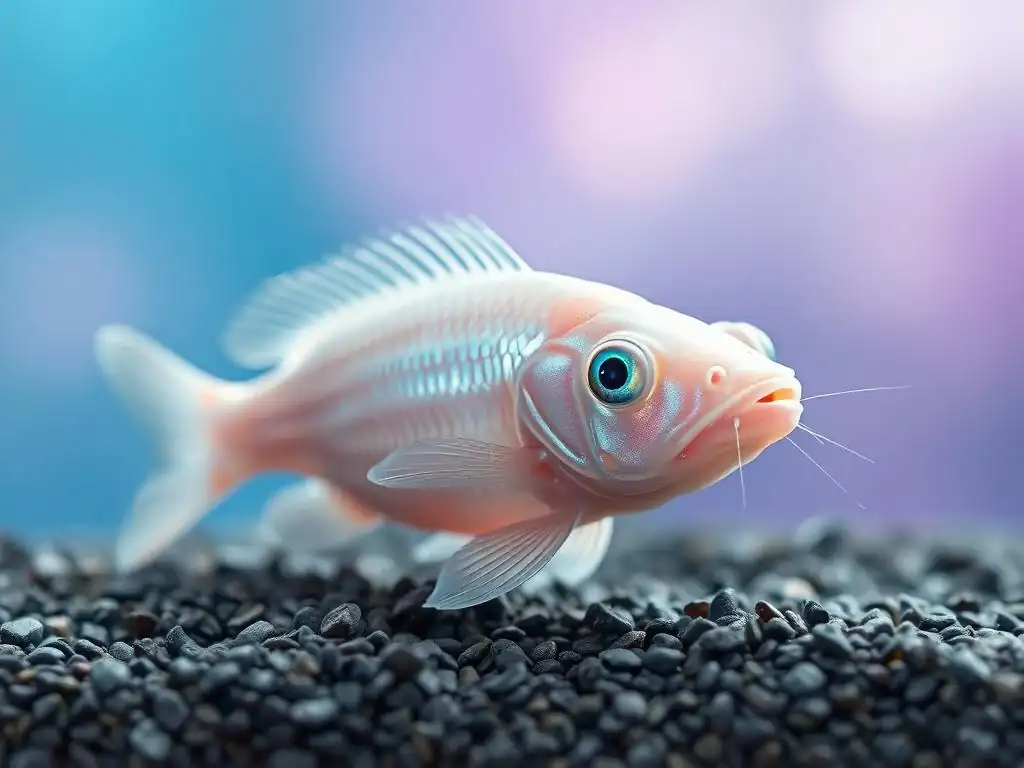
Beyond their unique coloring, Albino Corydoras share the typical body structure of other Corydoras catfish. They possess a flattened underside, which aids in their bottom-feeding activities, and are protected by overlapping bony plates, earning them the moniker "armored catfish." A key identifying feature is the presence of sensitive barbels around their mouths, which they use to meticulously sift through the substrate in search of food. These barbels are crucial for their foraging behavior and distinguish them from other bottom-dwelling fish like loaches or plecos.
Albino Corydoras Care Tips: Creating the Ideal Habitat
Tank Size and Setup for Albino Corydoras
When considering Albino Corydoras care tips, tank size is a foundational element. While a minimum of a 10-gallon (approximately 38 liters) aquarium can house a small group of 3-5 individuals, a 20-gallon (approximately 75 liters) tank or larger is strongly recommended for a thriving group of 6 or more Albino Corydoras. These fish are highly social and exhibit their natural schooling behaviors best when kept in larger numbers, requiring ample bottom space for foraging and swimming.
The tank setup should prioritize their bottom-dwelling nature. Ensure there is plenty of open swimming space along the tank floor, complemented by numerous hiding spots. Elements such as smooth driftwood, ceramic caves, or dense groupings of live plants like Anubias or Java Fern provide essential refuge and security. A well-established filtration system is also crucial to maintain pristine water conditions, which is paramount for their long-term health.
Water Parameters: Maintaining Optimal Conditions for Albino Corydoras Health
Maintaining stable and appropriate water parameters is one of the most critical Albino Corydoras care tips. These fish thrive in temperatures ranging from 72-79°F (22-26°C). The ideal pH level is slightly acidic to neutral, typically between 6.0 and 7.5, while water hardness (GH) should be kept between 2-15 dGH. Consistency in these parameters is far more important than hitting exact numbers, as sudden fluctuations can cause significant stress.
Albino Corydoras, like all catfish, are particularly sensitive to poor water quality, especially elevated levels of ammonia and nitrite. High concentrations of nitrates can also lead to health issues over time. Therefore, regular water changes, such as a 25% weekly refresh, are vital. Furthermore, routine testing with a reliable liquid test kit for ammonia, nitrite, nitrate, and pH is indispensable for monitoring the aquarium's health and implementing proactive Albino Corydoras care tips.
Substrate and Decor: Replicating Their Natural Environment
The choice of substrate is paramount for the well-being of Albino Corydoras. Given their constant foraging behavior, they require a soft, fine substrate such as sand or very smooth, small-grained gravel. Sharp or coarse substrates can easily damage their delicate barbels, which are essential sensory organs for finding food. Barbel erosion is a common issue linked to unsuitable substrates, emphasizing the importance of this specific Albino Corydoras care tip.
In terms of decor, the aim is to replicate their natural environment, which includes providing plenty of hiding spots and shaded areas. Smooth river rocks, carefully placed driftwood, and live plants contribute to a naturalistic and secure habitat. Plants like Anubias, Java Fern, or Cryptocoryne species are excellent choices as they are hardy and can withstand the activity of bottom-dwelling fish. Always ensure that any decor items have no sharp edges that could injure the fish.
Albino Corydoras Diet and Feeding Guide
What to Feed Albino Corydoras: Ensuring a Balanced Diet
Albino Corydoras are omnivorous scavengers, and providing a balanced diet is crucial for their health and vibrancy. Their primary diet should consist of high-quality sinking pellets or wafers specifically formulated for bottom feeders. These staples often contain essential nutrients like spirulina and fish meal, which cater to their dietary needs. It is important to select foods that sink quickly to ensure they reach the bottom where these fish forage, especially in a community tank.
Supplementing their staple diet with live or frozen foods is highly beneficial and encourages natural foraging behaviors. Excellent choices include bloodworms, brine shrimp, and daphnia, which provide vital proteins and other nutrients that enhance their color and overall vitality. Occasionally, blanched vegetables like zucchini or spirulina flakes can also be offered to add dietary variety, though these are typically less preferred than protein-rich options.
Feeding Schedule: How Often to Feed Your Albino Corydoras
An appropriate feeding schedule for Albino Corydoras typically involves feeding them once or twice daily. It is crucial to provide small amounts of food that can be consumed within a few minutes. Overfeeding is a common mistake that can lead to significant water quality issues, as uneaten food will decay and contribute to elevated ammonia and nitrite levels, stressing the fish and potentially leading to disease.
In a community aquarium, it is particularly important to ensure that food actually reaches the bottom where the Albino Corydoras can access it. Faster-swimming, mid-water, or surface-dwelling fish can often consume all the food before it sinks. To counteract this, consider dropping sinking pellets directly into their foraging areas or feeding after the main tank lights have been dimmed, when other fish are less active.
Preventing Overfeeding and Maintaining Water Quality
Preventing overfeeding is a cornerstone of effective Albino Corydoras care tips and overall aquarium health. Excess food is the primary cause of deteriorating water quality, as it breaks down into harmful ammonia, nitrite, and ultimately, nitrate. This not only stresses the fish but also creates an ideal environment for algae blooms and bacterial infections. Adhering strictly to the "eat in minutes" rule for all tank inhabitants helps mitigate this risk.
Beyond careful feeding, regular substrate vacuuming is essential for removing any uneaten food and accumulated detritus that inevitably settles on the bottom. Using a gravel vacuum during weekly water changes effectively removes these pollutants, preventing them from breaking down and fouling the water. This proactive approach to cleanliness is vital for maintaining the pristine water conditions that Albino Corydoras require to thrive.
Albino Corydoras Tank Mates: Choosing Compatible Companions
Best Tank Mates for Albino Corydoras in a Community Aquarium
Choosing appropriate tank mates is a critical aspect of successful Albino Corydoras care tips. These peaceful fish thrive in a community aquarium with other docile, non-aggressive species that do not pose a threat. Excellent companions include various types of tetras such as Neon Tetras, Cardinal Tetras, or Ember Tetras, as well as peaceful rasboras like Harlequin Rasboras. Small, gentle livebearers such as Guppies and Mollies can also coexist harmoniously.
Other suitable tank mates include small, peaceful barbs like Cherry Barbs and certain peaceful gouramis, such as Dwarf Gouramis. It is also possible to keep Albino Corydoras with other peaceful bottom dwellers, such as Otocinclus catfish, provided the tank has sufficient space and resources to accommodate all inhabitants without competition. The key is to select fish that share similar water parameter requirements and do not exhibit aggressive or fin-nipping tendencies.
Fish to Avoid: Preventing Aggression and Stress
To prevent aggression and undue stress, certain fish species should be avoided as tank mates for Albino Corydoras. Large or overtly aggressive cichlids, with the rare exception of very small, peaceful dwarf species, are generally unsuitable as they can harass or even prey upon the smaller Corydoras. Similarly, larger, more boisterous barbs like Tiger Barbs are notorious fin-nippers and can cause significant stress or injury to the more delicate Corydoras.
Furthermore, any fish that prefers vastly different water parameters (e.g., very high pH or extreme temperatures) should be avoided, as maintaining conflicting requirements will inevitably stress all inhabitants. It is also wise to avoid fish that are aggressive bottom feeders and might directly compete for food, unless you can ensure ample food is distributed throughout the tank. Preventing such mismatches is a vital part of comprehensive Albino Corydoras care tips.
Albino Corydoras Breeding: A Comprehensive Guide
Setting Up a Breeding Tank for Albino Corydoras
For those interested in breeding Albino Corydoras, setting up a dedicated breeding tank significantly increases success rates. A 10-20 gallon (approximately 38-75 liters) aquarium is usually sufficient for a breeding trio or quartet (e.g., two males to one female). The tank should have a fine sand or bare bottom to facilitate easy collection of eggs. Providing spawning mops made of yarn or broad-leafed plants like Anubias or Java Fern will offer surfaces for egg deposition.
Maintain excellent filtration and aeration in the breeding tank, though strong currents should be avoided. Water parameters should be slightly softer and more acidic than the main tank, typically pH 6.0-6.8 and GH 2-8 dGH, to encourage spawning. Keeping the temperature slightly cooler than the main tank, around 70-72°F (21-22°C), can also help simulate the rainy season conditions that often trigger breeding in their natural habitat.
Triggering Spawning: Encouraging Albino Corydoras to Breed
To encourage Albino Corydoras to breed, aquarists often simulate the environmental changes that prompt spawning in the wild. This primarily involves performing large, cool water changes – typically 25-50% every few days – dropping the tank temperature by a few degrees with each change. This mimics the influx of cool rainwater during the breeding season. Simultaneously, increasing the frequency and protein content of their diet, offering live or frozen foods like bloodworms and brine shrimp, provides the necessary conditioning.
Observing their behavior is key to recognizing when spawning is imminent. Look for increased activity, with males actively chasing females. The classic "T-position" is a clear sign of spawning: the female positions herself with her mouth against the male's vent, collecting sperm to fertilize eggs held between her pelvic fins. Eggs, typically adhesive, will then be deposited on tank glass, plants, or decor, often in clusters of 2-4.
Raising Albino Corydoras Fry: From Hatching to Maturity
Once eggs are laid and fertilized, it is crucial to remove the adult fish from the breeding tank to prevent them from consuming the eggs. The eggs, which are typically translucent, will hatch within 3-5 days, depending on temperature. The newly hatched fry are incredibly tiny and will initially feed on their yolk sacs for the first few days, requiring no additional food.
After their yolk sacs are absorbed, typically around day 3-4, the fry need extremely fine first foods. Infusoria, liquid fry food, or microworms are excellent initial options. As they grow, they can gradually transition to newly hatched brine shrimp. Maintaining pristine water conditions is paramount for fry survival; perform small, frequent water changes (e.g., 10% daily) and ensure gentle filtration to prevent them from being sucked up. Consistent water quality and appropriate feeding are vital for raising Albino Corydoras fry to maturity.
Common Health Issues in Albino Corydoras and Their Treatment
Recognizing Signs of Illness in Albino Corydoras
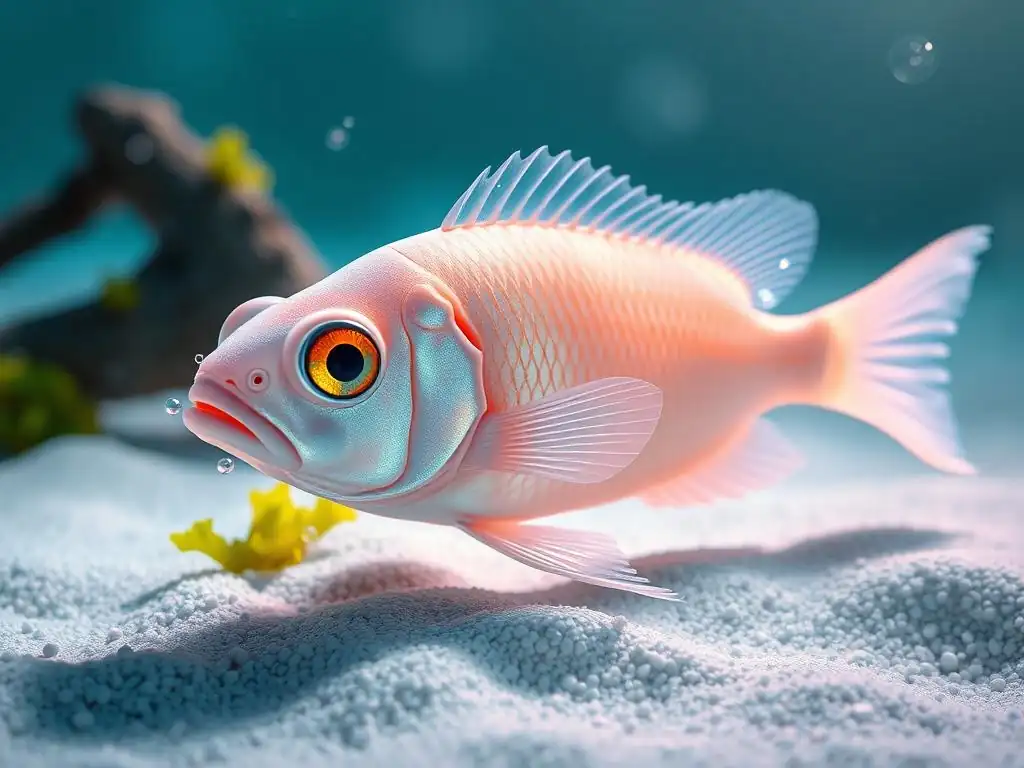
Prompt recognition of illness is a crucial Albino Corydoras care tip. Healthy Albino Corydoras are active, constantly foraging, and exhibiting schooling behavior. Signs of illness often manifest as behavioral changes, such as lethargy, loss of appetite, flashing (rubbing against objects), rapid gill movement, or prolonged periods of staying at the surface. Physical symptoms can include clamped fins, discoloration, white spots (Ich), fuzzy patches (fungus), or red streaks on the body or fins.
Specific issues common to Corydoras include barbel erosion, often a direct result of abrasive substrate or chronically poor water quality, leading to shortened or inflamed barbels. Fin rot, characterized by frayed or deteriorating fins, is another common bacterial infection. Early detection of any of these signs significantly improves the chances of successful treatment and recovery for your Albino Corydoras.
Treating Common Diseases
Treating common diseases in Albino Corydoras requires careful attention to diagnosis and medication. For Ich (White Spot Disease), a common parasitic infection, treatment typically involves slowly elevating the tank temperature to 82°F (28°C) over 24 hours and using an Ich-specific medication containing malachite green or formalin, strictly following the manufacturer's instructions. Ensure adequate aeration during treatment.
Bacterial infections, such as fin rot or body sores, usually respond well to broad-spectrum antibiotics or antibacterial treatments available at pet stores. Fungal infections, which appear as white, cotton-like growths, are treated with antifungal medications. Whenever possible, it is highly recommended to treat sick fish in a separate quarantine tank to avoid medicating the main display tank and stressing other inhabitants.
Preventive Measures: Keeping Your Albino Corydoras Healthy
The most effective approach to Albino Corydoras care tips regarding health is prevention. Maintaining excellent water quality through consistent and regular water changes (e.g., 25% weekly) and ensuring proper filtration are the single most crucial preventive measures. Overcrowding should be avoided, as it leads to increased waste production and higher stress levels, making fish more susceptible to disease.
Quarantining all new fish for a period of 2-4 weeks before introducing them to the main aquarium is an invaluable practice. This allows you to observe new arrivals for signs of illness and treat them in isolation, preventing the introduction of pathogens to your established tank. Providing a balanced diet and a suitable environment with soft substrate and ample hiding spots also significantly reduces stress and boosts the fish's natural immunity.
Maintaining a Healthy Albino Corydoras Population: Long-Term Care
Regular Water Changes: The Key to a Thriving Aquarium
Regular water changes are the cornerstone of long-term Albino Corydoras care tips and essential for maintaining a thriving aquarium environment. A consistent schedule of weekly water changes, typically 25% of the tank's volume, is a general guideline. However, the exact frequency and volume may need adjustment based on factors such as tank size, stocking density, and feeding habits.
Water changes are vital because they remove nitrates and other accumulated toxins that filtration alone cannot completely eliminate. They also replenish essential minerals and trace elements, helping to maintain stable water parameters. This consistent refresh of the aquatic environment is critical for the overall health, vitality, and impressive lifespan of Albino Corydoras, which can range from 3-5 years, with some specimens living up to 10 years in exceptionally well-maintained conditions.
Monitoring Water Quality: Testing and Adjusting Parameters
Consistent monitoring of water quality parameters is non-negotiable for effective Albino Corydoras care tips. Regular testing for ammonia, nitrite, nitrate, pH, and temperature using reliable liquid test kits provides crucial insights into the aquarium's health. High levels of ammonia or nitrite indicate an issue with the nitrogen cycle or overstocking, while escalating nitrates suggest the need for more frequent or larger water changes.
Based on test results, adjustments to maintenance routines or tank management may be necessary. This could involve increasing the frequency of water changes, reducing the amount of food given, or evaluating and improving the filtration system. Proactively understanding and managing your tank's specific water parameters is fundamental to preventing stress and disease in your Albino Corydoras.
Observing Behavior: Identifying Potential Problems Early
Regular observation of your Albino Corydoras' behavior is a simple yet incredibly effective Albino Corydoras care tip for early problem identification. Healthy Corydoras are typically active, constantly foraging along the bottom, and interacting within their school. They should exhibit natural swimming patterns, clear eyes, and vibrant, unblemished bodies.
Any deviation from their normal behavior can be a subtle indicator of an underlying issue. For instance, if an Albino Corydoras is isolating itself from the group, breathing heavily, rubbing against decor, or exhibiting clamped fins, it warrants immediate investigation. Early intervention, whether by checking water parameters, adjusting feeding, or preparing for potential disease treatment, significantly improves the prognosis for affected fish.
Albino Corydoras vs. Other Corydoras Species: A Comparison
Key Differences in Appearance and Temperament
The most obvious difference between Albino Corydoras and other Corydoras species lies in their appearance. Albino Corydoras, due to their genetic albinism, completely lack pigment, resulting in their characteristic pinkish-white body and striking red or pink eyes. In contrast, other popular Corydoras species, such as the Bronze Corydoras ( Corydoras aeneus), Peppered Corydoras ( Corydoras paleatus), or Panda Corydoras ( Corydoras panda), display varying patterns of spots, stripes, or shades of brown, green, and black. Despite these visual distinctions, their average adult size, typically between 2 to 3 inches (5-7.5 cm), is generally similar across many species.
In terms of temperament, all Corydoras species, including the Albino Corydoras, share a remarkably peaceful and social nature. They are known for their schooling behavior and thrive when kept in groups of six or more. Their activity levels, primarily focused on foraging along the substrate, are also consistent across species. Albino Corydoras are just as hardy as their pigmented counterparts, making their overall temperament and social needs largely identical to other common Corydoras varieties.
Unique Care Requirements for Albino Corydoras
While the general Albino Corydoras care tips are largely consistent with those for other common Corydoras species, there is one subtle unique consideration due to their albinism: their visual sensitivity. Because they lack protective pigmentation in their eyes, Albino Corydoras can be slightly more sensitive to very bright aquarium lighting. Prolonged exposure to intense light might cause them discomfort or stress.
To mitigate this, it is beneficial to provide ample shaded areas within the aquarium using dense live plants, driftwood, or caves. Additionally, considering slightly dimmer lighting or using floating plants to diffuse the light can help create a more comfortable environment for their sensitive eyes. This small adjustment ensures they can forage and interact without undue stress, contributing to their overall well-being and longevity in the home aquarium.
Where to Buy Albino Corydoras: Selecting Healthy Specimens
Choosing a Reputable Source for Albino Corydoras
When looking to purchase Albino Corydoras, selecting a reputable source is paramount to ensuring you acquire healthy specimens. Opt for well-regarded local fish stores that maintain clean, well-organized tanks and employ knowledgeable staff. These establishments typically have a strong reputation for fish health and are often transparent about their fish sourcing and quarantine procedures. Online suppliers can also be a good option, provided they have excellent customer reviews and clear policies regarding fish health guarantees and shipping.
Avoid impulse purchases from stores with visibly unhealthy fish, overcrowded tanks, or poor water quality, as these conditions often indicate systemic issues that could lead to disease in your new fish. A reputable source prioritizes the well-being of their livestock, ensuring that the Albino Corydoras you bring home are robust and less prone to immediate health problems, setting you up for success with your Albino Corydoras care tips.
Inspecting Fish for Signs of Health and Vigor
Before making a purchase, meticulously inspect the Albino Corydoras for signs of health and vigor. Healthy specimens should be active, constantly foraging along the bottom, and exhibiting their characteristic schooling behavior. Observe their fins: they should be intact, erect, and free from any fraying, tears, or white spots (Ich). Their bodies should be free of any lesions, fuzzy patches (fungus), or discoloration.
Pay particular attention to their barbels, which should appear full and undamaged. Shortened, inflamed, or absent barbels can indicate poor water quality or an abrasive substrate in their current environment. Avoid any fish that appear lethargic, are isolated from the group, show rapid or labored breathing, or have any visible signs of disease. Selecting robust, active fish is the first and most important step in successful Albino Corydoras care tips.
Frequently Asked Questions about Albino Corydoras Care
Are Albino Corydoras good for beginners?
Yes, Albino Corydoras are widely considered excellent choices for beginner aquarists. Their hardy nature, peaceful temperament, and relatively straightforward Albino Corydoras care tips make them quite forgiving. They can tolerate minor fluctuations in water parameters more readily than some other delicate species, though consistent stability is always the preferred environment for optimal health.
Their active bottom-dwelling behavior is not only engaging to observe but also beneficial for the aquarium, as they diligently scavenge for leftover food. This natural "cleaning" habit helps to maintain a cleaner tank environment, making them a practical and aesthetically pleasing addition to many entry-level community setups.
How long do Albino Corydoras live?
With proper Albino Corydoras care tips and optimal tank conditions, these resilient fish can enjoy a surprisingly long lifespan. The average lifespan for Albino Corydoras in a well-maintained aquarium typically ranges from 3 to 5 years. This duration is quite respectable for a small freshwater fish.
However, dedicated aquarists who provide exceptional care, including pristine water quality, a balanced diet, and a stress-free environment, have reported their Albino Corydoras living for up to 8 or even 10 years. This longevity underscores their potential when provided with a stable, clean, and appropriate habitat throughout their lives.
Do Albino Corydoras need to be in groups?
Absolutely. Albino Corydoras are highly social, schooling fish, and keeping them in groups is crucial for their psychological well-being and natural behavior. A minimum group of 6 individuals is strongly recommended to ensure they feel secure and can exhibit their characteristic schooling patterns. They thrive on the companionship of their own kind.
When kept in insufficient numbers (e.g., as solitary individuals or in pairs), Albino Corydoras can become shy, stressed, and significantly less active. A larger group allows them to feel more confident and secure within the aquarium environment, leading to more natural and engaging behaviors.
Can Albino Corydoras clean my tank?
While Albino Corydoras are excellent scavengers and will diligently consume leftover food particles that sink to the bottom, they are not true "tank cleaners" in the sense of eliminating the need for regular maintenance. They certainly help by eating uneaten flakes or pellets, which prevents some organic decay.
However, they do not consume fish waste, nor do they significantly control algae growth. Regular water changes, thorough substrate vacuuming, and proper filtration remain essential components of comprehensive Albino Corydoras care tips and overall tank maintenance to ensure a healthy and clean aquarium environment.
What is the ideal temperature for Albino Corydoras?
The ideal temperature range for Albino Corydoras is between 72-79°F (22-26°C). Maintaining a stable temperature within this range is critically important for their metabolism, activity levels, and overall health. They are quite tolerant within this range, but consistency is key.
Sudden or drastic temperature fluctuations can cause significant stress to Albino Corydoras, making them more susceptible to common aquarium diseases such as Ich. Therefore, using a reliable aquarium heater and a precise thermometer is an essential tool for consistent Albino Corydoras care tips and maintaining a stable environment.
Frequently Asked Questions
What are the most important water parameters for Albino Corydoras?
Albino Corydoras thrive in slightly acidic to neutral water. Maintain a pH between 6.0 and 7.5 and a temperature of 72-78°F (22-26°C). Regular water changes are crucial for keeping the water pristine.
What type of substrate is best for Albino Corydoras?
A smooth substrate, like sand or fine gravel, is essential. This prevents damage to their delicate barbels as they forage for food. Avoid sharp or coarse materials that could injure them.
What should I feed my Albino Corydoras?
Albino Corydoras are omnivores and bottom feeders. Offer a varied diet of sinking pellets, flakes, and occasional live or frozen foods like bloodworms and brine shrimp. Ensure food reaches the bottom of the tank.
Yes, Albino Corydoras are highly social and should be kept in groups of at least six. This helps them feel secure and reduces stress, promoting natural behaviors.
What are some common health issues affecting Albino Corydoras, and how can I prevent them?
Common issues include bacterial infections and barbel erosion. Prevent these by maintaining excellent water quality, providing a smooth substrate, and quarantining new fish before introducing them to the main tank.
Final Reflection: Embracing the Delicate Beauty of Albino Corydoras
The journey into understanding Albino Corydoras care reveals more than just practical advice; it unveils the delicate beauty and unique needs of these often-overlooked bottom dwellers. Their popularity stems not only from their striking appearance but also from the joy they bring to aquariums, a testament to the enduring appeal of responsible fishkeeping.
The fascination with Albino Corydoras underscores a deeper appreciation for the diversity within our aquatic ecosystems. Witnessing their playful scavenging and peaceful nature reminds us of the interconnectedness of life and the responsibility we bear as caretakers. In the end, we will conserve only what we love; we will love only what we understand; and we will understand only what we are taught.
- Baba Dioum. This quote perfectly encapsulates the importance of learning about these creatures to ensure their well-being and continued presence in our aquariums.
Now, armed with knowledge and a newfound appreciation for Albino Corydoras, I invite you to reflect on your own role in the aquarium hobby. Consider how you can contribute to the well-being of these fascinating fish and inspire others to do the same. Let's strive to create thriving aquatic environments where these pink-eyed wonders can flourish, reminding us of the beauty and fragility of the natural world.
Dive Deeper: Transform Your Aquarium Into a Corydoras Paradise!
Thank you for exploring the fascinating world of Albino Corydoras with us. We hope you found this guide valuable in understanding and appreciating these unique bottom dwellers. Now, let's translate this knowledge into action and create an even better environment for your aquatic friends.
Here's how you can continue the journey:
- Implement one new aquascaping element mentioned in the article to enhance your Albino Corydoras' environment and observe their reaction. This could be a new plant, smoother substrate, or a driftwood piece.
- Share your newly acquired knowledge! Tell your friends about the Albino Corydoras, especially those considering getting a pet!
- Contribute to the community! Post photos of your Albino Corydoras in their habitat on Aquarium Mastery's forum or social media, sharing your experiences and tips.
What's the first step you'll take to elevate your Albino Corydoras' aquarium experience, and how do you think it will affect their behavior?