
Biotope Aquariums for South American Catfish: Recreating Their Natural Habitat

Welcome to Aquarium Mastery!
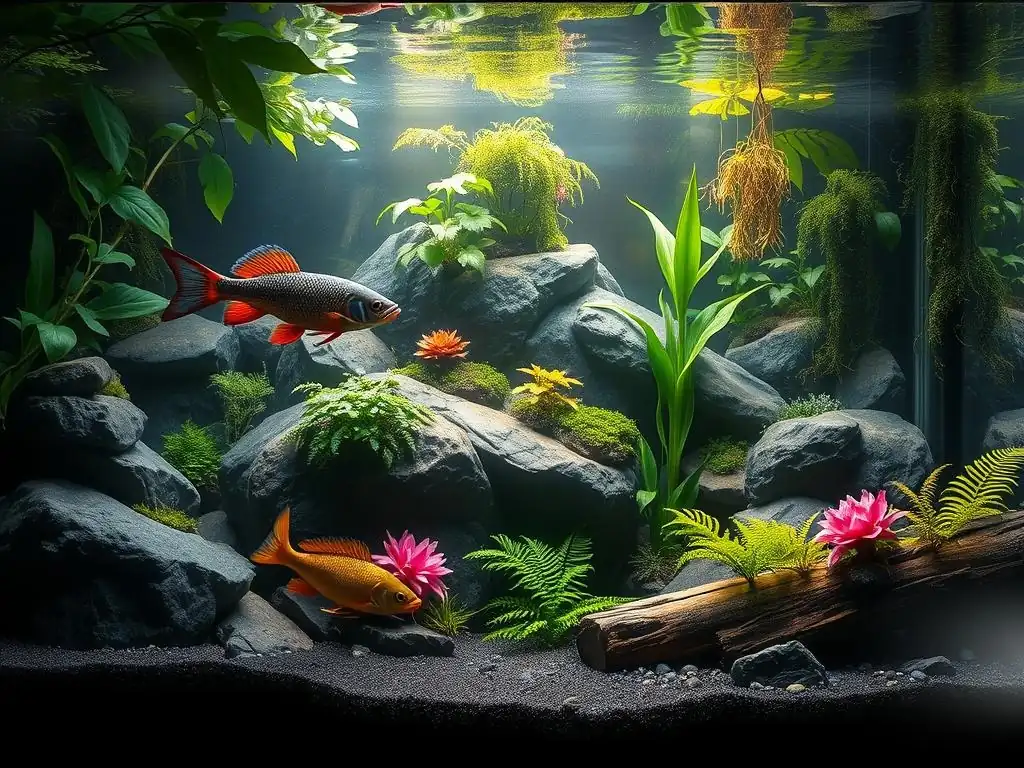
Ever wondered how to create a slice of the Amazon right in your living room? Dive in and discover the secrets to building a thriving South American catfish biotope aquarium. We'll guide you through everything you need to know to recreate their natural habitat, ensuring your whiskered friends feel right at home. Curious about the perfect plants, substrate, and tank mates? Let's unlock the mysteries together!
- Understanding South American Catfish and Their Biotope Needs
- Planning Your South American Catfish Biotope Aquarium
- Setting Up Your South American Catfish Biotope Aquarium: A Step-by-Step Guide
- Maintaining Your South American Catfish Biotope Aquarium
- Troubleshooting Common Issues in South American Catfish Biotopes
- Advanced Considerations for South American Catfish Biotope Aquariums
-
Frequently Asked Questions
- How do I choose the right South American catfish species for a biotope aquarium?
- What are the key elements of a South American catfish biotope in terms of substrate and hardscape?
- What water parameters are crucial for maintaining a healthy South American catfish biotope aquarium?
- How important is plant selection when setting up a South American catfish biotope aquarium?
- What are some common troubleshooting issues to watch out for in a South American catfish biotope aquarium?
- Final Reflection: Embracing the Amazon in Our Homes
- Design Your Own Underwater Paradise
Understanding South American Catfish and Their Biotope Needs
Why Recreate a South American Catfish Biotope? Benefits & Considerations
Recreating a South American catfish biotope aquarium offers numerous advantages that extend beyond mere aesthetics, profoundly impacting the well-being and natural behavior of the fish. By mirroring their native environments, aquarists provide a low-stress habitat where catfish can thrive, exhibit natural behaviors like foraging, schooling, and even breeding, which are often suppressed in generic community tanks.
For instance, species like the Bristlenose Pleco ( Ancistrus dolichopterus) are known to become more active and less reclusive in a biotope setting that provides ample driftwood and caves, mirroring the rocky, woody debris-laden riverbeds they inhabit in the wild. This specialized approach significantly reduces stress-related diseases and promotes a longer, healthier lifespan for your aquatic inhabitants.
Furthermore, a well-executed South American catfish biotope aquarium becomes a living educational exhibit, showcasing the intricate ecosystems of the Amazon or Orinoco basins. Observing the subtle interactions of Corydoras aeneus sifting through fine sand or an Otocinclus macrospilus meticulously grazing biofilm from leaf litter provides a deeper appreciation for these unique fish and their ecological roles.
While the initial research and sourcing of specific materials might require more effort compared to a standard setup, the long-term rewards in fish health, behavioral observation, and overall tank stability make it a highly fulfilling endeavor for dedicated aquarists. The precise replication of water parameters, substrate, and hardscape elements ensures that the South American catfish biotope truly meets the biological needs of its inhabitants.
Key Characteristics of South American Catfish Habitats
The diverse aquatic environments of South America, primarily shaped by the Amazon and Orinoco river systems, dictate the specific needs of various catfish species. These habitats range from fast-flowing, clearwater tributaries to slow-moving, tannin-stained blackwater rivers, and each presents unique challenges and opportunities for a South American catfish biotope aquarium.
Understanding the nuances of these natural settings—including water flow, substrate composition, presence of driftwood and leaf litter, and vegetation—is crucial for successful replication. For example, many Loricariids, such as Hypancistrus zebra (Zebra Pleco), originate from highly oxygenated, rocky, fast-flowing waters, requiring powerful filtration and strong current in their captive biotope.
Conversely, species like many Corydoras are often found in slower-moving, sandy-bottomed areas with abundant leaf litter, necessitating a fine substrate for their delicate barbels and a gentler water flow. The presence of submerged roots, fallen branches, and dense leaf litter is a common feature across many South American aquatic environments, providing shelter, foraging grounds, and vital humic substances.
These elements are not just decorative; they are integral to the health and behavior of the catfish, offering natural hiding spots and contributing to the water chemistry. Replicating these key characteristics is paramount for creating an authentic and beneficial South American catfish biotope aquarium.
Amazon River Basin: A Primary Source of Inspiration
The Amazon River Basin, spanning millions of square kilometers, is the quintessential source of inspiration for many South American catfish biotope aquarium setups due to its immense biodiversity and varied aquatic landscapes. This basin is home to an incredible array of catfish, from tiny Otocinclus species to massive Pterygoplichthys (Plecos). Water conditions within the Amazon vary significantly: "blackwater" rivers, like the Rio Negro, are characterized by extremely soft water (often less than 1 dGH) and acidic pH levels (ranging from 4.5 to 6.5), stained dark by tannins from decaying vegetation.
Temperatures in these regions typically hover between 26-30°C (79-86°F). These environments are often rich in submerged roots, fallen logs, and leaf litter, providing ample hiding spots and foraging surfaces for detritivorous and omnivorous catfish.
"Clearwater" and "whitewater" tributaries also exist, offering different conditions. Clearwater rivers, often originating from crystalline shield areas, have higher visibility, slightly higher pH (6.5-7.5), and low to moderate hardness (2-6 dGH), with temperatures similar to blackwater.
Whitewater rivers, fed by Andean runoff, carry significant sediment loads, making them turbid, with neutral to slightly alkaline pH (7.0-8.0) and moderate hardness (5-10 dGH). When designing a South American catfish biotope aquarium inspired by the Amazon, selecting a specific microhabitat—such as a blackwater stream for Corydoras adolfoi or a clearwater tributary for Hypancistrus zebra—is vital to accurately replicate the necessary water parameters and physical environment for your chosen species.
Orinoco River Basin: Another Key South American Biotope
The Orinoco River Basin, flowing primarily through Venezuela and Colombia, represents another significant biotope for numerous South American catfish species, offering distinct characteristics from parts of the Amazon. While sharing some similarities with the Amazon, such as areas of blackwater and clearwater, the Orinoco often features more open, sandy stretches and rock formations, particularly in its upper and middle reaches.
Water parameters in the Orinoco vary, but many areas are characterized by soft to moderately hard water (3-8 dGH) with a pH range of 6.0 to 7.5, and temperatures typically between 24-28°C (75-82°F). This basin is notably home to popular aquarium inhabitants like the Royal Pleco ( Panaque nigrolineatus) and various Loricaria species, which thrive among the rocky substrates and submerged wood.
Replicating an Orinoco-inspired South American catfish biotope aquarium often involves incorporating smooth river stones, larger pieces of driftwood that mimic submerged logs, and a fine sand substrate, allowing bottom-dwelling catfish to sift and forage naturally. The flow can range from gentle to moderate, depending on the specific microhabitat being mimicked.
Unlike some densely vegetated Amazonian areas, certain Orinoco biotopes may have sparser plant growth, emphasizing hardscape elements. Aquarists aiming for an Orinoco South American catfish biotope should research the specific collection points of their desired species to fine-tune the environmental parameters and decor, ensuring an authentic and beneficial habitat for species adapted to these conditions.
Understanding Water Parameters: pH, Hardness, and Temperature for South American Catfish
Achieving and maintaining the correct water parameters is perhaps the most critical aspect of a successful South American catfish biotope aquarium. pH, hardness (measured as GH and KH), and temperature are fundamental to the health and longevity of these fish, as they directly influence metabolic processes, immune function, and stress levels. Most South American catfish, particularly those from the Amazon and Orinoco basins, thrive in soft to moderately soft water with a low to neutral pH.
For instance, many Corydoras species and smaller Loricariids prefer a pH range of 6.0-7.2, with general hardness (GH) between 2-10 dGH, reflecting their origins in areas influenced by rainwater and decaying organic matter. Temperatures typically fall within 23-28°C (73-82°F), providing a stable environment that supports their tropical metabolism.
However, specific species may have narrower or slightly different requirements. For example, some specialized blackwater inhabitants, like certain Hypancistrus species or Panaque, might prefer slightly more acidic conditions, sometimes as low as pH 5.5, with virtually undetectable hardness. Conversely, catfish from certain tributaries or floodplains might tolerate slightly harder, more alkaline water.
Consistent monitoring of these parameters using reliable test kits is essential; weekly checks for pH, GH, KH, ammonia, nitrite, and nitrate are recommended. Stable parameters are far more important than hitting exact numbers, as fluctuating conditions can cause significant stress. For a truly authentic South American catfish biotope aquarium, understanding the specific needs of your chosen species and meticulously maintaining their preferred water chemistry is non-negotiable.
Planning Your South American Catfish Biotope Aquarium
Choosing the Right Aquarium Size for Your South American Catfish Species
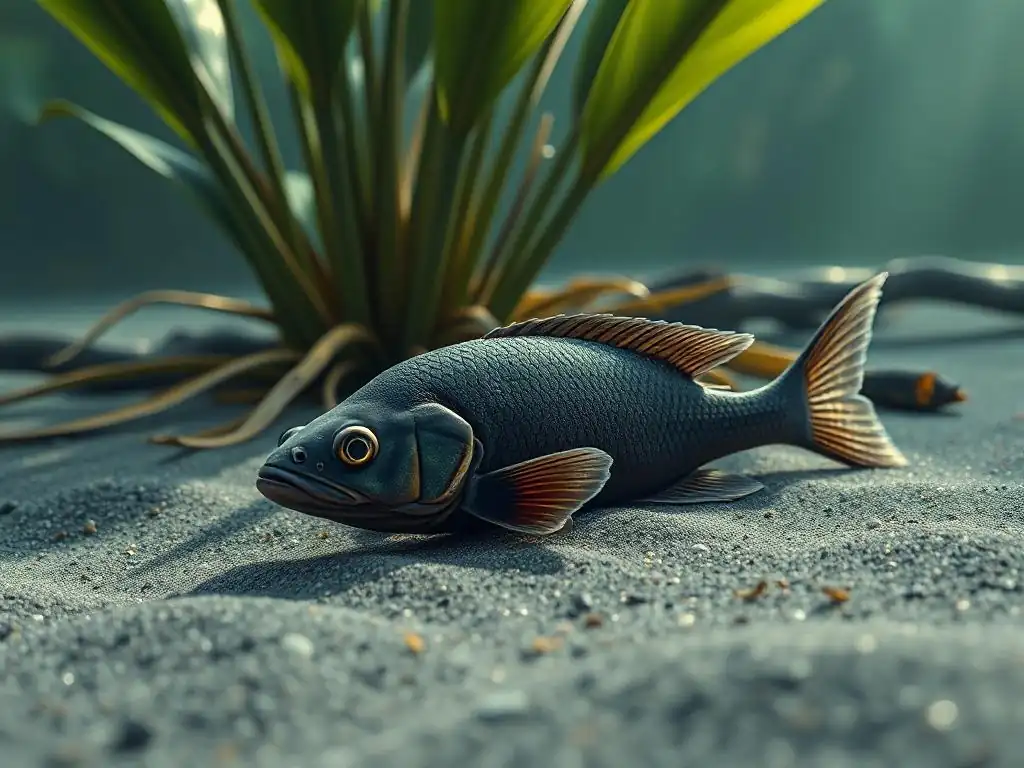
The size of your South American catfish biotope aquarium is a foundational decision that directly impacts the health, growth, and compatibility of your chosen species. It is crucial to select a tank that not only accommodates the adult size of your catfish but also provides ample space for their natural behaviors and territorial needs. For instance, a small group of pygmy Corydoras species, such as Corydoras pygmaeus or Corydoras hastatus, can thrive in a well-planted 10-gallon (approximately 38 liters) South American catfish biotope, as they are relatively small, reaching only about 1 inch (2.5 cm) in length.
However, for larger species like the common Bristlenose Pleco ( Ancistrus sp. ), which can grow up to 5-6 inches (13-15 cm), a minimum of a 20-gallon long (approximately 75 liters) tank is recommended to provide sufficient swimming and foraging area, especially if kept with tankmates.
For significantly larger Loricariids or medium-sized Pterygoplichthys species, such as the Sailfin Pleco ( Pterygoplichthys gibbiceps) which can reach over 18 inches (45 cm) in captivity, an aquarium of 125 gallons (approximately 473 liters) or more is often necessary. Housing multiple large catfish or combining them with other South American species will naturally demand an even larger footprint.
Overcrowding in a South American catfish biotope aquarium leads to stunted growth, increased aggression, poor water quality, and higher susceptibility to disease. Therefore, thorough research into the adult size and territorial requirements of your target catfish species is paramount before purchasing an aquarium, ensuring a comfortable and suitable long-term home.
Selecting Compatible South American Catfish Species for a Biotope Tank
Selecting compatible species is a critical step in planning a harmonious South American catfish biotope aquarium. Not all South American catfish are suitable tankmates, even if they share a geographic origin, due to differences in adult size, temperament, and specific environmental needs. The goal is to create a community where all inhabitants can thrive without undue stress or aggression.
For instance, highly territorial Loricariids like some Panaque or larger Hypancistrus species may not be ideal companions for smaller, more timid Corydoras if the tank is not sufficiently large with ample hiding spots. It's often best to select species that occupy different strata of the aquarium and have similar water parameter preferences.
Consider the typical behavior of the species. Many Corydoras are schooling fish and should be kept in groups of at least six individuals to exhibit their natural behaviors and reduce stress, making them excellent candidates for a peaceful South American catfish biotope aquarium. Similarly, Otocinclus catfish are social and do best in groups of 5-7 or more.
Avoid mixing species that have vastly different dietary needs or those that might compete excessively for food or territory. Researching the specific social dynamics and growth rates of each potential inhabitant is essential to ensure long-term compatibility and to prevent future issues within your carefully planned South American catfish biotope.
Corydoras and Peaceful Loricariids: Ideal Tankmates
For a South American catfish biotope aquarium focused on peaceful community living, Corydoras species and various peaceful Loricariids represent an ideal pairing. Corydoras catfish, known for their charming bottom-dwelling antics, are schooling fish that thrive in groups of six or more of their own species. Popular choices include Corydoras panda, Corydoras julii, and Corydoras trilineatus, all of which are relatively small (1.5-2.5 inches or 4-6 cm), peaceful, and active during the day.
They prefer fine sand substrates, which protect their delicate barbels as they forage for food. Their gentle nature makes them excellent companions for other similarly sized, non-aggressive fish.
Complementing Corydoras are many peaceful Loricariids, often referred to as "Plecos," which primarily graze on algae and biofilm. The Bristlenose Pleco ( Ancistrus sp.) is a ubiquitous and highly recommended choice due to its manageable size (typically 4-6 inches or 10-15 cm), effective algae control, and relatively peaceful demeanor.
Otocinclus catfish ( Otocinclus affinis or Otocinclus macrospilus) are another excellent option; these tiny, social grazers rarely exceed 2 inches (5 cm) and are highly effective at consuming soft algae, making them perfect for smaller South American catfish biotope aquarium setups. These species occupy different niches within the tank, minimizing competition, and their collective activity creates a dynamic and natural display, truly enhancing the biotope experience.
Essential Equipment for a South American Catfish Biotope
Setting up a functional and thriving South American catfish biotope aquarium requires more than just a tank and fish; it necessitates specific equipment to replicate natural conditions effectively. Beyond the aquarium itself, key components include a robust filtration system, appropriate heating and lighting, and the correct substrate. Each piece of equipment plays a vital role in maintaining stable water parameters, supporting biological processes, and ensuring the comfort and health of your catfish. Selecting high-quality, reliable equipment from reputable brands is a worthwhile investment that prevents common pitfalls and reduces maintenance headaches in the long run.
For instance, the choice of filter directly impacts water clarity and biological filtration, while a precise heater ensures stable temperatures crucial for tropical fish. Lighting, often overlooked for nocturnal catfish, is still important for plant growth and can influence overall tank aesthetics. The substrate, though seemingly simple, is fundamental for bottom-dwelling species. Careful consideration of each equipment choice, tailored to the specific needs of your chosen South American catfish species and the biotope you aim to replicate, is paramount for the long-term success and stability of your South American catfish biotope aquarium.
Filtration Systems for Maintaining Water Quality
Maintaining pristine water quality is non-negotiable for a healthy South American catfish biotope aquarium, and a robust filtration system is the cornerstone of this effort. The ideal filtration setup should provide mechanical, chemical (if needed), and, most importantly, biological filtration. For most medium to large South American catfish biotope tanks (30 gallons/113 liters and up), canister filters are often preferred.
Brands like Eheim, Fluval, or AquaClear offer excellent flow rates and media capacity, allowing for extensive biological media (e.g., bio-rings, ceramic noodles) to host beneficial nitrifying bacteria. These bacteria convert toxic ammonia and nitrite into less harmful nitrate, a process vital for the nitrogen cycle. A good canister filter can turn over the tank's water volume 5-10 times per hour, ensuring adequate oxygenation and removal of particulate matter.
For smaller South American catfish biotope aquarium setups (under 20 gallons/75 liters) or for supplemental filtration, sponge filters powered by an air pump are highly effective and gentle. They provide excellent biological filtration and are safe for fry and delicate species like Otocinclus or small Corydoras.
Hang-on-back (HOB) filters can also be used, but ensure they have adjustable flow rates to prevent excessive current, which can stress certain catfish species accustomed to calmer waters. Regardless of the type, regular maintenance of the filter—rinsing mechanical media and ensuring biological media isn't excessively cleaned—is crucial to prevent ammonia spikes and maintain the stability of your South American catfish biotope.
Heating and Lighting for Replicating Natural Conditions
Accurate heating and appropriate lighting are vital for replicating the stable environmental conditions found in a natural South American catfish biotope aquarium. Most South American catfish originate from tropical regions where water temperatures remain consistently warm, typically between 23-28°C (73-82°F). A high-quality, submersible aquarium heater with an accurate thermostat is essential to maintain this stability.
For tanks under 50 gallons (190 liters), a single heater usually suffices, but for larger tanks, two smaller heaters placed at opposite ends can provide more even heat distribution and a safety net if one fails. Fluctuations of more than 1-2°C (2-4°F) can stress fish and weaken their immune systems, making a reliable heater a crucial investment for any South American catfish biotope.
Regarding lighting, the requirements vary based on the specific biotope being replicated and the presence of live plants. Many South American catfish are nocturnal or crepuscular, meaning they are most active during dawn, dusk, or night. Therefore, intense lighting is often unnecessary and can even cause stress by overexposing them.
For a blackwater South American catfish biotope aquarium with minimal plants, very dim, subdued lighting (e.g., 6500K LED lights on a low setting or with a dimmer) that mimics filtered sunlight through dense canopy is ideal. If live plants are included, moderate lighting (20-30 PAR at the substrate) for 8-10 hours a day is typically sufficient for species like Echinodorus (Amazon Swords) or Sagittaria subulata, which are common in South American aquatic environments. A timer is highly recommended for consistent light cycles.
Substrate Selection: Sand, Gravel, and Leaf Litter
The choice of substrate is paramount in a South American catfish biotope aquarium, directly influencing the comfort, health, and natural behaviors of bottom-dwelling species. For many Corydoras species, a fine, soft sand substrate (e.g., silica sand, pool filter sand, or specialized aquarium sand with a grain size of 0.5-1.5 mm) is absolutely essential.
These catfish use their delicate barbels to sift through the substrate in search of food, and coarse gravel can damage these sensitive sensory organs, leading to infections and stress. A 1-2 inch (2.5-5 cm) layer of fine sand allows them to exhibit natural digging and foraging behaviors, crucial for their well-being in a South American catfish biotope.
While sand is ideal for many, some larger Loricariids may tolerate smooth, rounded gravel, though fine sand is still often preferred. However, regardless of the primary substrate, the inclusion of natural leaf litter is a hallmark of an authentic South American catfish biotope.
Dried leaves such as Indian almond leaves (Catappa leaves), oak leaves, or even dried magnolia leaves, when added to the tank, slowly decompose, releasing beneficial tannins that stain the water a natural tea color and lower pH, mimicking blackwater conditions. This leaf litter also provides ample surface area for biofilm and detritus to accumulate, serving as a natural food source for many omnivorous and detritivorous catfish, including Otocinclus and various Plecos.
Approximately 5-10 medium-sized Indian almond leaves per 10 gallons (38 liters) can be a good starting point, replaced as they fully decompose, typically every 3-4 weeks. This layered substrate approach creates a truly dynamic and biologically rich South American catfish biotope aquarium.
Setting Up Your South American Catfish Biotope Aquarium: A Step-by-Step Guide
Step 1: Preparing the Aquarium and Substrate
The initial preparation of your South American catfish biotope aquarium sets the stage for a healthy and stable environment. Begin by thoroughly cleaning the empty aquarium. Use only plain water and a clean, dedicated sponge or cloth; avoid soaps, detergents, or chemical cleaners, as residues can be highly toxic to fish. Rinse the tank multiple times to ensure no dust or manufacturing residues remain. Once the tank is clean, place it on a sturdy, level stand capable of supporting the significant weight of a filled aquarium.
Next, prepare your chosen substrate. If using sand, it is crucial to rinse it extensively until the water runs clear. This removes fine dust and debris that can cloud your water for days or weeks after filling.
Place the sand gently into the bottom of the tank, creating a layer of approximately 1-3 inches (2.5-7.5 cm), depending on the desired depth and the type of catfish. For Corydoras species, a deeper sand bed (at least 2 inches) allows for more natural burrowing. If you're incorporating a planted section, you might consider a thin layer of specialized aquatic plant substrate beneath the sand in those areas, though many South American plants do well simply in rich sand.
Once the substrate is in place, you can lightly mist it to prevent it from floating when water is added later. This careful preparation is fundamental to the long-term clarity and biological health of your South American catfish biotope aquarium.
Step 2: Adding Hardscape Elements: Rocks, Wood, and Roots
Once the substrate is in place, the next crucial step in setting up your South American catfish biotope aquarium is the strategic addition of hardscape elements, primarily rocks, wood, and roots. These elements are not merely decorative; they are fundamental for creating hiding spots, establishing territories, and providing surfaces for biofilm growth, all of which are essential for the well-being of South American catfish.
When selecting hardscape, prioritize materials that are inert and won't leach harmful substances into the water. Smooth river stones, slate, and various types of aquarium-safe driftwood (such as Malaysian driftwood, Mopani wood, or Manzanita wood) are excellent choices that authentically mimic natural South American riverbeds.
Before adding hardscape to the tank, all wood should be thoroughly pre-soaked for several days to weeks to leach out excess tannins (unless a blackwater setup is desired) and ensure it becomes waterlogged and sinks. Rocks should be scrubbed clean and, if collected from nature, boiled or bleached and rinsed thoroughly to sterilize them. When arranging these elements in your South American catfish biotope aquarium, aim to create a sense of depth and natural flow.
Incorporate caves, crevices, and overhangs using stacked rocks or strategically placed driftwood, providing vital shelter for shy species like Hypancistrus or Panaque Plecos. Ensure all structures are stable and won't collapse, especially if large catfish might dislodge them. This thoughtful arrangement enhances both the aesthetic appeal and the functional value of your biotope.
Selecting Safe and Authentic Hardscape Materials
Selecting safe and authentic hardscape materials is paramount for the long-term success and natural appearance of your South American catfish biotope aquarium. The primary materials used are various types of wood and rocks. For wood, popular choices that are safe and visually appropriate include Malaysian driftwood, Mopani wood, Manzanita, and Cholla wood. Malaysian driftwood is dense and sinks readily, often releasing tannins that contribute to a natural blackwater look, which is beneficial for many South American catfish species.
Mopani wood is also dense and features a two-tone coloration, providing excellent visual contrast. Manzanita offers intricate branching structures, perfect for creating complex hiding spots. Always ensure any wood is specifically sold for aquarium use or has been properly prepared (boiled and soaked) to remove sap, tannins, and potential contaminants.
For rocks, inert options like river stones, slate, quartz, and basalt are excellent choices. Avoid rocks that contain metals or are known to alter water chemistry significantly, such as limestone or marble, which can raise pH and hardness—undesirable for most South American catfish biotopes. Prioritize smooth, rounded stones over sharp, jagged ones to prevent injury to your fish, especially bottom-dwelling species.
When arranging, focus on creating natural-looking formations that provide shelter, visual barriers, and foraging surfaces. For instance, creating small caves with flat pieces of slate or stacking river stones can mimic the rocky crevices where many Loricariids, like Ancistrus, naturally reside. The careful selection and placement of these authentic materials are key to creating a truly immersive and beneficial South American catfish biotope aquarium.
Arranging Hardscape to Mimic Natural Environments
Arranging hardscape elements in your South American catfish biotope aquarium is an art form that transforms a glass box into a living representation of a natural habitat. The primary goal is to mimic the chaotic yet functional beauty of real South American riverbeds, floodplains, or stream banks. Start by envisioning the specific microhabitat you're replicating.
For a blackwater stream biotope, emphasize large, gnarled pieces of driftwood and numerous scattered leaves, creating a dense, root-like network at the bottom. For a clearwater rocky river, focus on smooth, water-worn stones and larger boulders, interspersed with sand, providing numerous crevices and caves for species like Hypancistrus zebra (Zebra Pleco) or Panaque nigrolineatus (Royal Pleco) that prefer such environments.
When placing wood, ensure some pieces extend from the substrate towards the surface, mimicking fallen branches. Create multiple hiding spots and visual barriers using both wood and rocks; this reduces aggression among territorial catfish and provides security. For example, a large piece of driftwood with several natural hollows can serve as an ideal breeding cave for Ancistrus. Avoid symmetrical arrangements, as nature is rarely perfectly balanced.
Instead, aim for an asymmetrical, dynamic layout that appears organic. Ensure all structures are stable and cannot be toppled by active fish. The careful and deliberate arrangement of hardscape is not just about aesthetics; it profoundly impacts the behavior, stress levels, and overall well-being of your South American catfish, making the South American catfish biotope aquarium a truly enriching environment.
Step 3: Introducing Aquatic Plants and Leaf Litter
The introduction of aquatic plants and leaf litter is a vital step in enhancing the authenticity and ecological balance of your South American catfish biotope aquarium. While some catfish biotopes, particularly those mimicking fast-flowing, rocky rivers, might be sparsely planted, many others benefit greatly from the inclusion of specific South American plant species that provide cover, consume nitrates, and contribute to the overall ecosystem. Leaf litter, in particular, is a hallmark of many South American aquatic environments and offers numerous benefits beyond aesthetics.
When selecting plants, consider species that naturally occur in South America and can tolerate the specific water parameters of your biotope (e.g., soft, acidic water for blackwater setups). The strategic placement of both plants and leaf litter will further enhance the natural feel and functionality of your South American catfish biotope aquarium, providing shelter and foraging grounds for your catfish.
South American Plant Species Suitable for Catfish Biotopes
While many South American catfish biotope aquarium setups emphasize hardscape and leaf litter, several native aquatic plant species can significantly enhance the natural feel and ecological balance of the tank. The genus Echinodorus, commonly known as Amazon Swords, is perhaps the most iconic South American aquatic plant.
Species like Echinodorus bleheri (Amazon Sword) or Echinodorus parviflorus (Black Amazon Sword) are robust, relatively easy to care for, and provide excellent broad leaves for cover and foraging surfaces for catfish. They thrive in moderate lighting and benefit from a nutrient-rich substrate, making them suitable for the background or mid-ground of larger tanks.
Other suitable South American plant species include Sagittaria subulata (Dwarf Sagittaria), a foreground plant that spreads via runners, creating a lush carpet or dense patches ideal for smaller Corydoras to navigate. Cabomba caroliniana (Carolina Fanwort), while requiring moderate to high light, can add delicate texture and provide cover.
For a more natural, rooted look, Hydrocotyle leucocephala (Brazilian Pennywort) is a versatile floating or rooted stem plant that can offer shade and surface cover. When incorporating plants into a South American catfish biotope aquarium, ensure they are compatible with your chosen catfish species; for instance, large, wood-eating Plecos might uproot delicate plants, so robust species or those attached to hardscape (like Anubias or Java Fern, though not South American, are often used for their hardiness) are often preferred.
Using Leaf Litter to Create a Natural Environment and Promote Catfish Health
The incorporation of leaf litter is one of the most effective and authentic ways to recreate a natural South American catfish biotope aquarium and significantly promote the health of its inhabitants. In their natural habitats, many South American rivers and streams are blanketed by layers of decaying leaves from riparian vegetation.
When these leaves are added to the aquarium, they slowly decompose, releasing beneficial humic substances and tannins that tint the water a natural tea color, mimicking blackwater conditions. This not only creates a visually stunning and authentic South American catfish biotope but also provides a range of ecological benefits.
The tannins released by leaves like Indian almond leaves ( Terminalia catappa) have mild antiseptic and antifungal properties, which can help boost the immune system of catfish and prevent common ailments such as fin rot. Furthermore, the decomposing leaves provide a rich substrate for the growth of biofilm and micro-organisms, which serve as a vital food source for many detritivorous catfish species, including Otocinclus and various Corydoras. These fish will spend hours sifting through the leaf litter, exhibiting natural foraging behaviors.
Approximately 5-10 medium-sized Indian almond leaves per 10 gallons (38 liters) is a good starting point, with new leaves added as old ones completely break down, typically every 3-4 weeks. This continuous cycle ensures a stable, beneficial environment in your South American catfish biotope aquarium, mirroring the very conditions that these fish have evolved to thrive in.
Step 4: Cycling the Aquarium and Establishing Biological Filtration
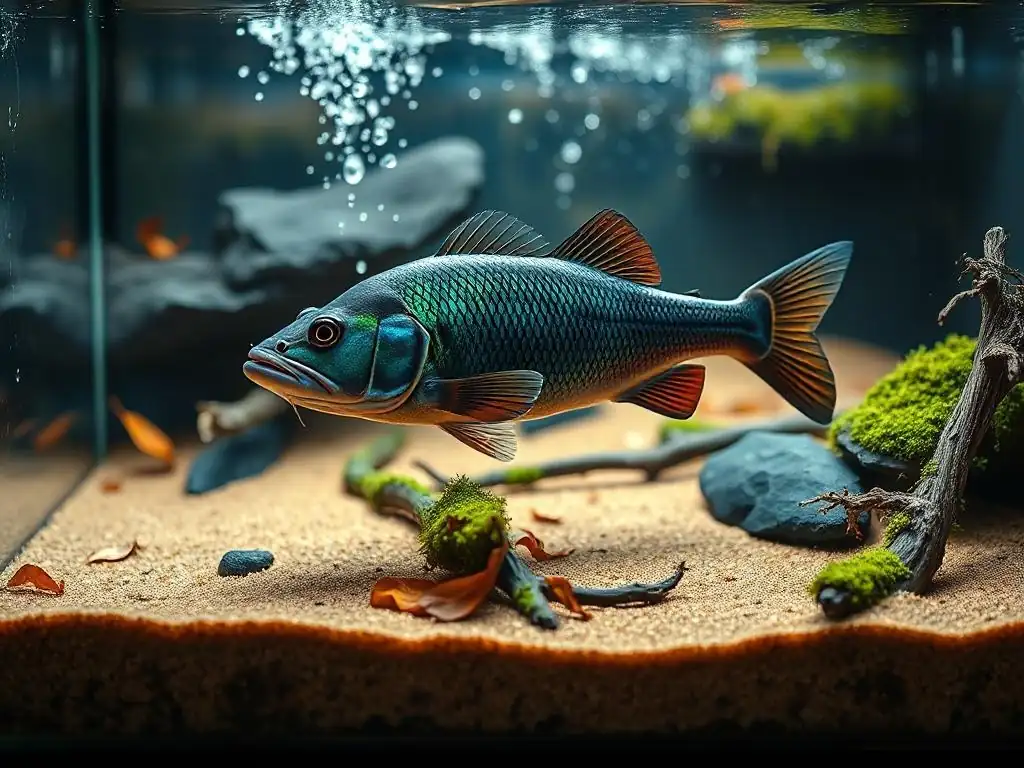
Cycling your South American catfish biotope aquarium is a non-negotiable and critical step before introducing any fish. This process, known as the nitrogen cycle, establishes the beneficial bacteria colonies that convert toxic fish waste (ammonia) into less harmful substances. Without a proper cycle, ammonia and nitrite levels will spike, leading to fish illness or death. The cycle typically takes 4-8 weeks, depending on various factors like temperature and the method used.
There are two primary methods for cycling:
- Fishless Cycling: This is the preferred and most humane method for a South American catfish biotope aquarium. You add a pure ammonia source (e.g., ammonium chloride) to the tank, aiming for a concentration of 2-4 ppm. Test daily for ammonia, nitrite, and nitrate. Ammonia will initially spike, then nitrites will rise as bacteria convert ammonia. Finally, nitrates will appear as nitrites are converted. The cycle is complete when both ammonia and nitrite consistently read 0 ppm within 24 hours after adding ammonia, and nitrates are present.
- Fish-in Cycling (Not recommended for beginners or sensitive species): This involves adding a few hardy fish to the tank to produce ammonia. However, it exposes fish to toxic levels of ammonia and nitrite, causing immense stress and potential harm. Daily water changes (25-50%) are necessary to keep toxins diluted, making it more challenging and stressful for both the fish and the aquarist.
During the cycling process, ensure your filter is running continuously, your heater maintains the target temperature (24-28°C or 75-82°F), and any air stones or powerheads provide adequate oxygenation. Once the cycle is complete and your South American catfish biotope aquarium shows stable parameters (0 ppm ammonia, 0 ppm nitrite, detectable nitrates), you are ready to slowly begin introducing your catfish.
Step 5: Acclimating Your South American Catfish to Their New Biotope
Acclimating your South American catfish to their new South American catfish biotope aquarium is a delicate yet crucial step that minimizes stress and helps prevent shock and disease. Fish are highly sensitive to sudden changes in water parameters such as temperature, pH, and hardness. A proper acclimation process allows them to gradually adjust to their new environment, significantly increasing their chances of survival and long-term health.
The drip acclimation method is highly recommended, especially for sensitive species like Otocinclus or wild-caught Corydoras. Here’s how to do it:
- Dim the Lights: Turn off the aquarium lights and dim the room lights to reduce stress on the new fish.
- Float the Bag: Place the sealed bag containing the fish into your South American catfish biotope aquarium for 15-20 minutes. This allows the water temperature in the bag to slowly equalize with the tank water.
- Transfer to a Container: After temperature equalization, carefully open the bag and pour the fish and their water into a clean, dedicated bucket or container. Discard about half of the bag water.
- Drip Acclimation: Using airline tubing, create a siphon from your main aquarium into the bucket. Tie a loose knot in the tubing or use an airline valve to regulate the drip rate to approximately 1-2 drips per second.
- Monitor and Add Water: Allow water from your South American catfish biotope aquarium to slowly drip into the bucket. Continue this process until the volume of water in the bucket has quadrupled (this typically takes 45-60 minutes).
- Transfer Fish: Once acclimation is complete, carefully net the fish from the bucket and place them gently into your South American catfish biotope aquarium. Discard the water in the bucket; never add this water to your main tank, as it may contain parasites or undesirable chemicals.
- Observe: Keep the lights dim for a few hours after introduction and observe your new catfish for signs of stress. Avoid feeding for the first 24 hours to allow them to settle in. This careful acclimation process is vital for the successful integration of your catfish into their new biotope.
Maintaining Your South American Catfish Biotope Aquarium
Regular Water Changes and Water Quality Monitoring
Regular water changes and diligent water quality monitoring are the cornerstones of maintaining a healthy and stable South American catfish biotope aquarium. Even with robust filtration, nitrates—the end product of the nitrogen cycle—will accumulate over time, and essential trace elements can become depleted. Performing consistent partial water changes helps dilute nitrates, replenish beneficial minerals, and remove other accumulated organic pollutants that filtration alone cannot handle.
For most established South American catfish biotope tanks, a weekly water change of 25-30% of the tank volume is a good standard. For heavily stocked tanks or those with larger, messier catfish, increasing the frequency or volume of changes might be necessary.
Beyond water changes, consistent monitoring of key water parameters is crucial. Use reliable liquid-based test kits (API Freshwater Master Test Kit is a popular choice) to regularly check:
- Ammonia (NH3/NH4+): Should always be 0 ppm. Any detectable ammonia indicates a problem with biological filtration or overfeeding.
- Nitrite (NO2-): Should always be 0 ppm. Like ammonia, its presence indicates an incomplete nitrogen cycle or an issue.
- Nitrate (NO3-): Should ideally be below 20 ppm, though some aquarists aim for 10 ppm or less, especially for sensitive species. High nitrates warrant larger or more frequent water changes.
- pH: Monitor for stability within your target range (e.g., 6.0-7.5 for most South American catfish).
- GH (General Hardness) and KH (Carbonate Hardness): Track these to ensure they remain within the preferred range for your species (e.g., 2-10 dGH).
Keeping a log of your test results helps identify trends and potential issues before they become critical. This proactive approach to water quality management is vital for the long-term success and thriving inhabitants of your South American catfish biotope aquarium.
Feeding Your South American Catfish a Biotope-Appropriate Diet
Providing a biotope-appropriate diet is essential for the health, coloration, and longevity of your South American catfish. While many catfish are often labeled as "algae eaters" or "scavengers," this is an oversimplification; most require a varied diet that reflects their natural foraging habits. In their native South American catfish biotope, they consume a mix of detritus, algae, biofilm, small invertebrates, and plant matter. Replicating this diversity in the aquarium is crucial.
For species like Corydoras, which are omnivorous bottom-feeders, a diet consisting of high-quality sinking pellets or wafers specifically formulated for catfish should be the staple. Supplement this with small, frozen foods such as bloodworms, brine shrimp, and daphnia 2-3 times a week. These provide essential protein and fats. Otocinclus catfish are primarily herbivores and excellent biofilm grazers; they benefit from blanched vegetables like zucchini, cucumber slices, or spinach, in addition to specialized algae wafers.
For Plecos, especially those from the Ancistrus or Pterygoplichthys genera, a significant portion of their diet should be vegetable-based. Sinking algae wafers, blanched zucchini, cucumber, and occasionally driftwood (for wood-eating species like Panaque) are vital. Feed small amounts once or twice daily, ensuring the food reaches the bottom where catfish can access it, and remove any uneaten food after a few hours to prevent water quality issues in your South American catfish biotope aquarium.
Sinking Pellets and Frozen Foods: A Balanced Diet
A balanced diet for South American catfish in a biotope aquarium should primarily consist of high-quality sinking pellets or wafers, supplemented with various frozen foods to meet their diverse nutritional needs. Sinking pellets are crucial because most catfish are bottom-dwellers, and floating foods often go uneaten or cause bloating if fish must surface to feed. Look for pellets or wafers that list fish meal, spirulina, or other high-quality proteins and vegetable matter as primary ingredients.
Brands like Hikari, Omega One, or Repashy offer excellent formulations specifically designed for bottom-feeders, ensuring they receive essential vitamins and minerals. These serve as the daily staple, providing consistent nutrition for species ranging from Corydoras to larger Loricariids.
To truly replicate a natural diet and provide a full spectrum of nutrients, supplementing sinking pellets with frozen foods 2-3 times a week is highly beneficial for any South American catfish biotope aquarium. Popular choices include:
- Bloodworms: Rich in protein, excellent for carnivorous or omnivorous catfish.
- Brine Shrimp: A good source of protein and essential fatty acids.
- Daphnia: Acts as a natural laxative and provides fiber, aiding digestion.
- Mysis Shrimp: Larger option, suitable for bigger catfish, offering significant protein.
- Spirulina Brine Shrimp: Combines protein with plant matter.
Always thaw frozen foods before feeding and introduce them in small portions to avoid overfeeding and polluting the water. This varied feeding regimen ensures your South American catfish receive all the necessary nutrients for vibrant colors, strong immune systems, and active behavior in their South American catfish biotope.
Managing Algae Growth in a South American Catfish Biotope
Managing algae growth is a common aspect of maintaining any South American catfish biotope aquarium, and while some algae is natural and beneficial (providing grazing surfaces for species like Otocinclus), excessive growth can indicate an imbalance and become unsightly. The key to algae control is not eradication, but rather balance and understanding the root causes. The most common culprits for excessive algae are too much light, too many nutrients (from overfeeding or infrequent water changes), or a combination of both.
Here are strategies for managing algae in your South American catfish biotope:
- Lighting Control: Limit the photoperiod to 8-10 hours per day. If using high-intensity lights, consider reducing their intensity or raising the light fixture. Direct sunlight hitting the tank should be avoided.
- Nutrient Export: Perform regular water changes (25-30% weekly) to dilute nitrates and phosphates, which are primary algae nutrients. Avoid overfeeding your catfish; only feed what they can consume within a few minutes, removing any uneaten food promptly.
- Algae-Eating Catfish: Introduce natural grazers. Otocinclus catfish are excellent for consuming soft green algae and diatoms from plant leaves and hardscape without disturbing the South American catfish biotope. Bristlenose Plecos ( Ancistrus sp.) are also highly effective at controlling tougher algae types from glass and hard surfaces.
- Manual Removal: Physically scrape algae from the glass using an algae magnet or scraper. For algae on plants or decor, gently rub it off during water changes.
- Plant Competition: A healthy growth of live plants will outcompete algae for available nutrients, naturally reducing algae blooms. Ensure your plants are thriving by providing adequate light, CO2 (if necessary), and nutrients.
By addressing the underlying causes and utilizing a combination of these methods, you can effectively manage algae and maintain a clean, balanced, and aesthetically pleasing South American catfish biotope aquarium.
Observing Your Catfish for Signs of Health Issues and Disease
Regular observation of your South American catfish is paramount for early detection of health issues and diseases, allowing for timely intervention that can prevent minor problems from becoming fatal. Healthy catfish in a well-maintained South American catfish biotope aquarium will exhibit natural behaviors: Corydoras will actively sift through the substrate and school, Otocinclus will diligently graze on surfaces, and Plecos will be seen clinging to wood or rocks, often being more active at dawn or dusk. Any deviation from these normal behaviors should prompt closer inspection.
Key signs to look for include:
- Behavioral Changes: Lethargy, hiding more than usual, rapid breathing (gilling), erratic swimming, rubbing against decor (flashing), or loss of appetite.
- Physical Symptoms:
- Fin Rot: Frayed, ragged, or disintegrating fins, often with white or red edges.
- Ich (White Spot Disease): Small, white, salt-like spots on the body and fins.
- Fungal Infections: Cottony growths on the body or fins.
- Bacterial Infections: Red streaks, ulcers, open sores, or bloated appearance.
- Parasites: Visible worms (e.g., anchor worms), rapid weight loss despite eating, or stringy white feces.
- Eye Issues: Cloudy eyes or pop-eye.
- Color Changes: Fading colors or unusual dark patches.
If any of these symptoms are observed, immediately test your South American catfish biotope aquarium water parameters (ammonia, nitrite, nitrate, pH, temperature) as poor water quality is a leading cause of fish stress and disease. Isolate affected fish in a quarantine tank if possible to prevent spread and administer appropriate medication. Early detection and prompt action are crucial for successful treatment and maintaining a thriving biotope.
Troubleshooting Common Issues in South American Catfish Biotopes
Identifying and Addressing Water Quality Problems
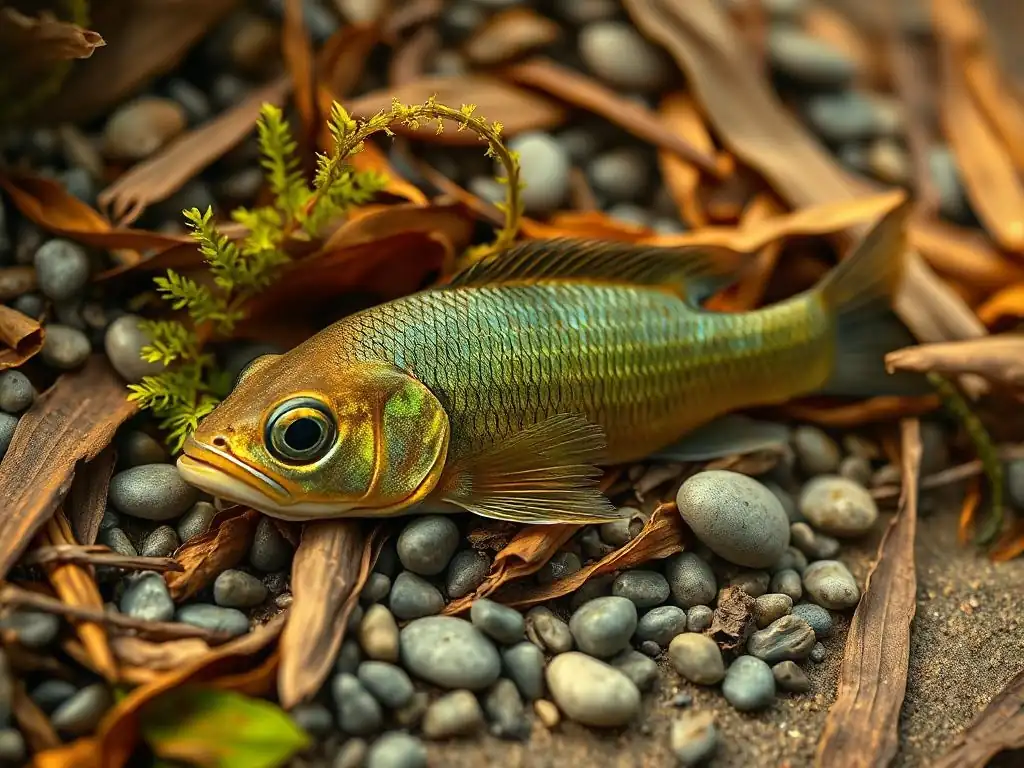
Water quality problems are arguably the most common and critical issues faced in any South American catfish biotope aquarium, directly impacting the health and survival of your fish. High levels of ammonia, nitrite, or nitrate, as well as unstable pH or temperature fluctuations, can quickly lead to stress, disease, and even death. Identifying the specific problem is the first step towards an effective solution.
Common Water Quality Issues and Their Solutions:
- High Ammonia (NH3/NH4+) or Nitrite (NO2-): These are highly toxic and indicate a problem with your biological filtration or an overstocked tank.
- Identification: Ammonia >0 ppm, Nitrite >0 ppm (using liquid test kits). Fish may gasp at the surface, show rapid gilling, lethargy, or red streaks on fins.
- Addressing:
- Perform an immediate, large water change (50-75%) using dechlorinated, temperature-matched water.
- Add a liquid ammonia detoxifier (e.g., Seachem Prime).
- Reduce feeding significantly or stop altogether for a few days.
- Ensure your filter is running properly and not clogged. Check filter media; avoid over-cleaning biological media.
- Consider adding beneficial bacteria supplements.
- Do not add more fish.
- High Nitrate (NO3-): While less toxic than ammonia or nitrite, chronically high nitrates (above 20-40 ppm) can stress fish and promote algae growth.
- Identification: Nitrate test kit reads high.
- Addressing:
- Increase the frequency or volume of partial water changes (e.g., 50% weekly instead of 25%).
- Reduce feeding.
- Ensure no decaying organic matter (dead plants, uneaten food) is present.
- Consider adding more fast-growing live plants to absorb nitrates.
- Unstable pH: Sudden or drastic pH swings are highly stressful.
- Identification: pH readings fluctuate significantly over days.
- Addressing:
- Identify the cause: Is your tap water unstable? Are you adding products that alter pH? Is there insufficient KH (carbonate hardness) to buffer the pH?
- Use RO/DI water remineralized to target parameters, or mix with tap water.
- Ensure sufficient KH (carbonate hardness) for buffering; aim for 2-4 dKH for most South American setups.
- Avoid chasing specific pH numbers with chemicals; stability is key.
- Temperature Fluctuations: Inconsistent temperatures stress fish.
- Identification: Thermometer shows wide swings.
- Addressing:
- Ensure your heater is appropriately sized and functioning correctly.
- Use two smaller heaters in larger tanks for better distribution and redundancy.
- Avoid placing the tank near windows, vents, or external doors.
Regular testing and proactive measures are essential for maintaining the delicate balance of a South American catfish biotope aquarium and preventing water quality issues.
Treating Common Catfish Diseases and Parasites
Despite best efforts, South American catfish in a biotope aquarium can sometimes fall victim to diseases and parasites. Early detection and prompt treatment are vital for recovery. It is highly recommended to have a separate quarantine/hospital tank (at least 10 gallons) to treat sick fish, preventing the spread of disease to the main South American catfish biotope aquarium and allowing for precise medication dosages without harming beneficial bacteria or sensitive invertebrates.
Common Diseases and Treatment Approaches:
- Ich (Ichthyophthirius multifiliis - White Spot Disease):
- Symptoms: Small, white, salt-like spots on body and fins, flashing (rubbing against objects), rapid breathing, lethargy.
- Treatment:
- Gradually raise water temperature to 28-30°C (82-86°F) over 24 hours (if fish can tolerate it; not for all species). This speeds up the parasite's life cycle.
- Add aquarium salt (1 tablespoon per 5 gallons) slowly, or use an Ich-specific medication (e.g., malachite green or formalin-based treatments). Follow product instructions carefully.
- Continue treatment for at least 3-5 days after last visible spot, as cysts can remain in the substrate.
- Fin Rot/Body Ulcers (Bacterial Infections):
- Symptoms: Frayed, ragged, or disintegrating fins; red streaks; open sores; cloudy eyes; fuzzy patches. Often caused by poor water quality.
- Treatment:
- Perform large water changes (50% daily) in the hospital tank.
- Treat with broad-spectrum antibacterial medications (e.g., Furan-2, Maracyn 2, or kanamycin).
- Address underlying water quality issues in the main tank.
- Fungal Infections:
- Symptoms: White, cottony growths on body, fins, or mouth. Often secondary to injury or stress.
- Treatment:
- Improve water quality immediately.
- Use antifungal medications (e.g., methylene blue, phenoxyethanol-based treatments).
- Internal Parasites:
- Symptoms: Emaciation despite eating, stringy white feces, lethargy, loss of color.
- Treatment:
- Medicated foods containing praziquantel or metronidazole are often effective.
- Treat the entire main South American catfish biotope aquarium if multiple fish are affected.
Always remove activated carbon from the filter before medicating, as it will absorb the medication. Follow dosage instructions precisely, and complete the full course of treatment even if symptoms disappear early. Maintaining excellent water quality and a stable South American catfish biotope environment is the best preventative measure against most diseases.
Dealing with Aggression or Compatibility Issues Between Catfish
Even in a carefully planned South American catfish biotope aquarium, aggression or compatibility issues can arise between catfish species or within groups of the same species. These problems are typically rooted in insufficient space, inadequate hiding spots, or inherent territoriality of certain species. Addressing these issues promptly is crucial to prevent stress, injury, or even death among your fish.
Strategies for Managing Aggression and Compatibility Issues:
- Insufficient Space:
- Problem: The most common cause. Catfish, especially Plecos, need significant territory. If a tank is too small, or if there are too many individuals for the available space, aggression will increase.
- Solution: The best long-term solution is to upgrade to a larger South American catfish biotope aquarium. If not feasible, consider rehoming some of the fish to reduce stocking density.
- Lack of Hiding Spots:
- Problem: Without adequate caves, crevices, and visual barriers created by driftwood, rocks, or dense planting, subdominant fish will be constantly stressed by dominant ones.
- Solution: Add more hardscape elements to create numerous distinct hiding spots and break up lines of sight. Ensure each territorial catfish has its own "home base." For example, provide multiple caves for Ancistrus or Hypancistrus species.
- Incompatible Species:
- Problem: Some catfish species are simply too aggressive or have vastly different temperaments to be housed together. For example, some larger Panaque or Pseudacanthicus species can be highly territorial and may bully smaller, more docile catfish.
- Solution: Research species compatibility thoroughly before purchasing. If a severe incompatibility issue arises, the only solution may be to rehome one or more of the aggressive or bullied fish.
- Intraspecies Aggression:
- Problem: While many Corydoras are schooling fish, some male Loricariids (like Bristlenose Plecos) can become territorial towards other males, especially during breeding.
- Solution: Provide ample individual hiding spots. If keeping multiple males of a territorial species, a much larger tank is required. Consider keeping a single male with multiple females or a single specimen if space is limited.
By understanding the root causes of aggression and taking proactive measures, you can maintain a peaceful and thriving South American catfish biotope aquarium where all inhabitants can coexist harmoniously.
Advanced Considerations for South American Catfish Biotope Aquariums
Breeding South American Catfish in a Biotope Setup
Breeding South American catfish in a biotope setup can be a highly rewarding experience, allowing aquarists to observe natural spawning behaviors and contribute to the hobby by raising fry. While some species, like the Bristlenose Pleco ( Ancistrus dolichopterus), are relatively straightforward to breed, others, such as many wild-caught Corydoras or more specialized Loricariids, require specific environmental cues to trigger spawning. A well-established South American catfish biotope aquarium already provides many of the essential elements for successful breeding, including appropriate water parameters, ample hiding spots, and a natural diet.
To encourage breeding in a South American catfish biotope, specific triggers often need to be simulated:
- Water Changes: For many Corydoras species, large, cool water changes (simulating rainy season runoff) can be a powerful trigger. Performing a 50% water change with water that is 2-4°C (4-7°F) cooler than the tank temperature can often induce spawning within 24-48 hours.
- Diet: Conditioning the breeding pair or group with high-protein live or frozen foods (e.g., bloodworms, blackworms, brine shrimp) for several weeks prior to attempting breeding can significantly increase success rates.
- Spawning Sites: Provide specific spawning sites. For Ancistrus, ceramic breeding caves or hollow logs are essential. Corydoras often lay eggs on broad-leafed plants, tank glass, or even hardscape.
- Water Parameters: Ensure parameters are within the optimal breeding range for the specific species. For many South American catfish, this means soft, slightly acidic water (pH 6.0-7.0, GH 2-8 dGH).
- Water Flow: Increased water flow, especially in areas with spawning sites, can also stimulate some species.
Once eggs are laid, deciding whether to leave them in the main South American catfish biotope aquarium or move them to a separate breeding tank depends on the species and the presence of egg-eating tankmates. For prolific breeders like Ancistrus, fry can often survive in the main tank if there are ample hiding spots. For more delicate fry, or if egg predation is high, moving eggs to a dedicated grow-out tank with an air stone and sponge filter is advisable.
Creating Specialized Biotopes for Specific South American Catfish Species
Moving beyond general South American catfish biotope aquarium setups, creating specialized biotopes caters to the precise environmental needs of particular catfish species, maximizing their health, natural behaviors, and breeding potential. This involves meticulous replication of a very specific microhabitat, often down to minute details of water chemistry, substrate, and hardscape. For instance, a biotope for a rare Hypancistrus species from a specific clearwater river in Brazil would differ significantly from a biotope for a Corydoras species found in a blackwater tributary of the Rio Negro.
Examples of specialized South American catfish biotope setups include:
- Fast-Flowing Rocky River Biotope: Ideal for many specialized Loricariids like Panaque or certain Hypancistrus species that originate from highly oxygenated, turbulent waters. This biotope emphasizes strong powerheads for high flow, smooth river stones, large boulders, and minimal substrate. Temperatures are typically 24-27°C (75-80°F) with neutral to slightly acidic pH (6.5-7.2) and soft to moderately hard water.
- Sandy Bottom, Slow-Moving Stream Biotope: Perfect for large schools of Corydoras and other sand-sifting catfish. This setup features a deep bed of fine sand, abundant leaf litter, scattered driftwood branches, and gentle water flow. Water parameters are typically soft and acidic (pH 5.5-6.8, GH 0-5 dGH), with temperatures around 25-28°C (77-82°F). This allows Corydoras to exhibit natural sifting behaviors.
- Wood-Dominated Biotope: Designed for wood-eating Plecos like Panaque or Cochliodon. This type of South American catfish biotope aquarium is characterized by numerous large pieces of soft, decaying driftwood, which serve as both food and shelter. Filtration must be robust to handle the bioload and potential tannins released by the wood.
By focusing on the precise requirements of a single or a closely related group of species, specialized biotopes offer the ultimate environment for your South American catfish, promoting behaviors rarely seen in more general setups.
Blackwater Biotope for Apistogramma and Small Catfish
A blackwater biotope is a highly specialized and captivating South American catfish biotope aquarium that replicates the tannin-stained, acidic, and incredibly soft waters found in regions like the Rio Negro basin. This environment is particularly well-suited for a variety of dwarf cichlids like Apistogramma species, as well as many smaller South American catfish, including certain Corydoras species (e.g., Corydoras adolfoi, Corydoras panda) and tiny Otocinclus. The defining characteristic is the dark, tea-colored water, a result of humic acids and tannins released from decaying organic matter.
Setting up a blackwater South American catfish biotope involves several key elements:
- Water Parameters: The most crucial aspect. Aim for extremely soft water (0-3 dGH) and acidic pH (4.5-6.5). This is often achieved using reverse osmosis (RO) or deionized (DI) water, remineralized with products designed for soft, acidic conditions, or by adding significant amounts of peat, Indian almond leaves, and specific types of driftwood.
- Substrate: Fine, inert sand is ideal, allowing bottom-dwellers to forage naturally.
- Hardscape: Abundant use of driftwood (e.g., Malaysian, Mopani) that releases tannins is essential. Submerged roots and branches create a dense, naturalistic environment.
- Leaf Litter: A thick layer of Indian almond leaves, oak leaves, or other dried, aquarium-safe leaves is fundamental. These continuously release tannins, provide biofilm for foraging, and offer hiding spots. Replenish as they decompose.
- Lighting: Very dim, subdued lighting is preferred, mimicking the low light penetration in dense forest canopies. This further enhances the blackwater effect and reduces stress on light-sensitive species.
- Filtration: Gentle filtration, such as sponge filters or canister filters with low flow, is recommended to maintain biological filtration without creating excessive current.
A blackwater South American catfish biotope aquarium not only looks stunningly natural but also provides an optimal environment for the health, coloration, and even breeding of its specialized inhabitants, particularly the smaller, more delicate South American catfish that thrive in these unique conditions.
Frequently Asked Questions
How do I choose the right South American catfish species for a biotope aquarium?
Consider their adult size, temperament, and specific environmental needs. Research species native to the same region to ensure compatibility and a truly authentic biotope.
What are the key elements of a South American catfish biotope in terms of substrate and hardscape?
Use a substrate resembling the riverbed composition of their natural habitat, such as sand or fine gravel. Incorporate driftwood, rocks, and leaf litter to provide hiding places and mimic their environment.
What water parameters are crucial for maintaining a healthy South American catfish biotope aquarium?
Maintain a stable pH (typically slightly acidic), appropriate temperature based on the chosen species, and low levels of nitrates. Regular water testing is essential to ensure optimal conditions.
How important is plant selection when setting up a South American catfish biotope aquarium?
Choose plant species native to the same region as your catfish. Consider plants that provide cover and contribute to the natural look of the biotope, such as Echinodorus or Cabomba.
What are some common troubleshooting issues to watch out for in a South American catfish biotope aquarium?
Be aware of potential issues such as poor water quality, aggressive tank mates, or diseases specific to catfish. Regular observation and proactive water changes are key to prevention.
Final Reflection: Embracing the Amazon in Our Homes
The journey of creating a South American catfish biotope aquarium is more than just setting up a tank; it's about understanding and respecting the delicate ecosystems these fascinating creatures call home. Today, as we face increasing environmental challenges, the act of recreating a piece of the Amazon within our own living spaces serves as a powerful reminder of the biodiversity we must strive to protect and the interconnectedness of all life.
This exploration into biotope aquariums has profoundly influenced my perspective on aquascaping, shifting it from mere decoration to a form of immersive learning and conservation. By meticulously researching and replicating the natural conditions of South American catfish habitats, we not only provide optimal environments for these fish but also cultivate a deeper appreciation for the intricate beauty of the Amazonian ecosystem. In the end, we will conserve only what we love; we will love only what we understand; and we will understand only what we are taught.
- Baba Dioum
As you consider the possibilities of creating your own South American catfish biotope aquarium, I invite you to reflect on the profound impact even a small ecosystem can have. Let this endeavor be a catalyst for further learning, a commitment to responsible aquascaping practices, and, most importantly, a celebration of the natural world that inspires us all. Let's transform our aquariums into living classrooms, fostering a greater understanding and appreciation for the incredible biodiversity of South America.
Design Your Own Underwater Paradise
Thank you for delving into the fascinating world of biotope aquariums and South American catfish! We hope you’ve gained valuable insights into recreating their natural habitat. Now it's time to translate that knowledge into action and create a thriving environment for your aquatic companions.
Here’s how to get started:
- Begin by designing a biotope aquarium specific to the catfish species you keep or plan to keep. Research their natural habitat thoroughly and assemble suitable plants, substrate, and hardscape.
- Share your biotope aquarium plans or current setup on social media using #AquariumMasteryBiotopes to inspire fellow aquarists and gather advice.
- Document the progress of your biotope setup with photos and videos, tracking plant growth and catfish behavior to learn and refine your approach.
What unique hardscape feature are you most excited to incorporate into your South American catfish biotope aquarium?