
Unlocking the Breeding Code of the Silvertip Tetra: An Aquarium Mastery Exclusive

Welcome to Aquarium Mastery!
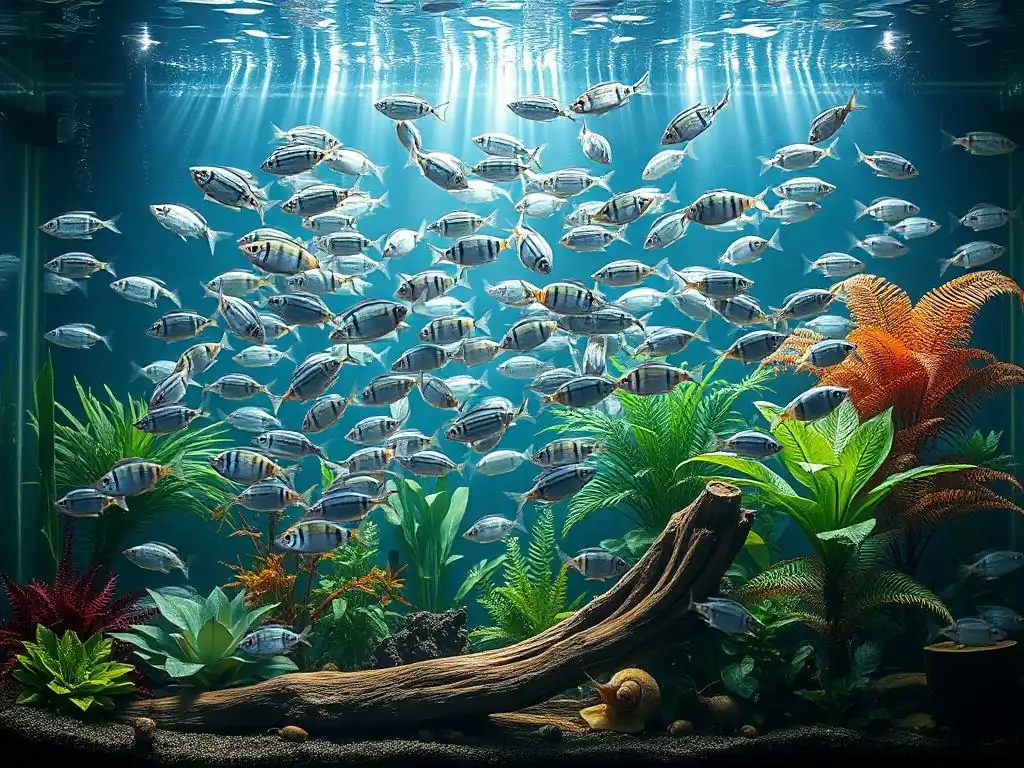
Ever wondered how to unlock the secrets of breeding those dazzling Silvertip Tetras? You're in the right place! Dive into our comprehensive Silvertip Tetra Breeding Guide and discover the tips and tricks to successfully breed these captivating creatures in your own aquarium. Get ready to witness the miracle of life firsthand – let's unlock the breeding code together!
- Introduction to Silvertip Tetra Breeding: A Comprehensive Guide
- Setting Up the Ideal Breeding Tank for Silvertip Tetras
- Preparing Your Silvertip Tetras for Breeding
- The Spawning Process: A Step-by-Step Guide to Silvertip Tetra Reproduction
- Caring for Silvertip Tetra Eggs and Fry
- Raising Silvertip Tetra Fry to Adulthood
- Troubleshooting Common Silvertip Tetra Breeding Problems
- Advanced Techniques for Silvertip Tetra Breeding
- Conclusion: Mastering Silvertip Tetra Breeding for the Discerning Aquarist
-
Frequently Asked Questions
- How difficult is it to breed Silvertip Tetras in a home aquarium?
- What are the ideal water parameters for Silvertip Tetra breeding?
- What kind of spawning substrate should I provide for Silvertip Tetras?
- How can I tell if my Silvertip Tetras are ready to breed?
- What should I do with the Silvertip Tetra eggs after spawning?
- Final Reflection: The Enduring Allure of Creation
- Ignite Your Aquarium: Breed the Elusive Silvertip Tetra!
Introduction to Silvertip Tetra Breeding: A Comprehensive Guide
Why Breed Silvertip Tetras? Benefits and Rewards
Breeding Silvertip Tetras ( Moenkhausia sanctaefilomenae) offers a deeply satisfying and educational experience for any aquarist. Beyond the personal fulfillment of witnessing the entire life cycle of these vibrant fish, successfully breeding them contributes significantly to the aquarium hobby by providing healthy, captive-bred specimens. This practice can reduce the demand for wild-caught fish, which often face collection stress and potential disease transmission, thereby promoting more sustainable aquaculture practices within the community.
Furthermore, breeding Silvertip Tetras allows aquarists to produce fish that are already acclimated to aquarium conditions, typically resulting in hardier and less stressed individuals compared to those sourced from unknown origins. For those seeking a practical Silvertip tetra breeding guide, understanding these benefits underscores the value of the effort. With a typical lifespan of 3-5 years and their popularity in community tanks, breeding these fish can also be a way to share your passion with other hobbyists or even recoup some costs by selling excess fry to local fish stores or fellow enthusiasts.
Understanding Silvertip Tetra Behavior for Successful Breeding
A key aspect of a successful Silvertip tetra breeding guide involves a deep understanding of their natural behaviors. Silvertip Tetras are schooling fish, typically found in groups in the wild. While generally peaceful, males can display increased territoriality and chasing behavior, especially during courtship, which is a natural part of their spawning ritual. Providing a spacious environment, even in a dedicated breeding tank, helps mitigate potential aggression and encourages natural interactions.
During courtship, males will often display more intense coloration, particularly in their distinctive silver tips and red fins, and engage in vigorous chasing and fin-nipping of the females. Observing these behaviors closely is crucial, as they serve as indicators of readiness to spawn. Females, when gravid with eggs, will appear noticeably plumper. Creating a calm, undisturbed environment mimicking their natural habitat—dense with fine-leaved plants—is paramount to encouraging these natural behaviors and facilitating successful reproduction.
Setting Up the Ideal Breeding Tank for Silvertip Tetras
Tank Size and Dimensions for Silvertip Tetra Spawning
For a dedicated Silvertip tetra breeding guide, selecting the appropriate tank size is crucial for maximizing spawning success and fry survival. For a single breeding pair or a trio (one female and two males), a 5-gallon (approximately 19 liters) to 10-gallon (approximately 38 liters) aquarium is generally sufficient. These smaller tanks provide a controlled environment, making it easier to monitor the fish, observe spawning, and collect eggs efficiently.
If you plan to attempt a group spawn with multiple individuals, a 20-gallon long (approximately 76 liters) tank is often more suitable. The "long" dimension provides a larger footprint and more swimming space, which can reduce stress among multiple breeding fish and offer more surface area for egg scattering. Regardless of the chosen size, the tank's dimensions should prioritize horizontal swimming space over vertical height, as Silvertip Tetras are active swimmers and scatter their eggs widely.
Water Parameters: Creating the Perfect Breeding Environment for Silvertip Tetras
Precise water parameters are arguably the most critical factor in any effective Silvertip tetra breeding guide, significantly influencing egg viability and hatch rates. While Silvertip Tetras are relatively adaptable in a community tank, specific conditions are necessary to trigger spawning and ensure the health of the eggs and fry.
Temperature, pH, and Water Hardness for Optimal Breeding
For optimal Silvertip Tetra breeding, the water temperature should be maintained consistently between 78-82°F (25.5-27.8°C). This warmer temperature stimulates their metabolism and encourages spawning activity. The pH level should be slightly acidic to neutral, ideally within a range of 6.0-7.0.
Water hardness (GH/KH) is also vital; Silvertip Tetras prefer soft to moderately soft water, typically 4-8 dGH (approximately 70-140 ppm). Some experienced breeders report slightly higher hatch rates with even softer water, around 2-4 dGH (35-70 ppm). These specific parameters closely mimic their natural Amazonian habitat, signaling to the fish that conditions are ideal for reproduction and ensuring the delicate eggs are not stressed by unsuitable water chemistry.
Substrate and Decorations: Mimicking the Natural Habitat of Silvertip Tetras
When setting up a breeding tank for Silvertip Tetras, the choice of substrate and decorations plays a pivotal role in encouraging spawning and protecting the eggs. Many breeders opt for a bare-bottom tank, which simplifies the collection of eggs and maintains superior hygiene, crucial for preventing fungal growth. However, if a substrate is desired, a thin layer of fine, dark gravel or sand can be used, as the darker background can help highlight the eggs.
Crucially, the tank must include ample spawning sites. Fine-leaved plants such as Java Moss ( Taxiphyllum barbieri), Hornwort ( Ceratophyllum demersum), or Anacharis ( Egeria densa) are excellent choices, providing a dense matrix where eggs can be scattered and adhere, offering some protection from parental predation.
Alternatively, spawning mops made from yarn can be strategically placed to mimic dense vegetation, offering an easily removable medium for egg collection. Driftwood or smooth, inert rocks can also be added to provide hiding spots and a sense of security for the breeding fish, contributing to a stress-free environment conducive to the Silvertip tetra breeding guide process.
Filtration and Aeration: Maintaining Water Quality in the Breeding Tank
Maintaining pristine water quality is paramount in a Silvertip Tetra breeding tank, yet the filtration system must be chosen carefully to avoid harming delicate eggs and newly hatched fry. A gentle sponge filter is widely considered the ideal choice for this setup. It provides effective biological filtration, which is essential for breaking down ammonia and nitrites, without creating strong currents that could sweep away or damage the tiny eggs and fry. Unlike hang-on-back or power filters, sponge filters pose no risk of sucking in the vulnerable fry.
In addition to filtration, adequate aeration is critical, especially given the slightly warmer temperatures often used to induce spawning. A gentle air stone, connected to an air pump, can provide the necessary oxygenation without creating excessive turbulence. This ensures a healthy, oxygen-rich environment for the developing eggs and fry, while also aiding in water circulation to prevent stagnant areas where harmful bacteria might proliferate. The aim is to create a stable, clean, and oxygenated environment that supports the entire breeding cycle outlined in this Silvertip tetra breeding guide.
Preparing Your Silvertip Tetras for Breeding
Selecting Healthy Breeding Stock: Identifying Male and Female Silvertip Tetras
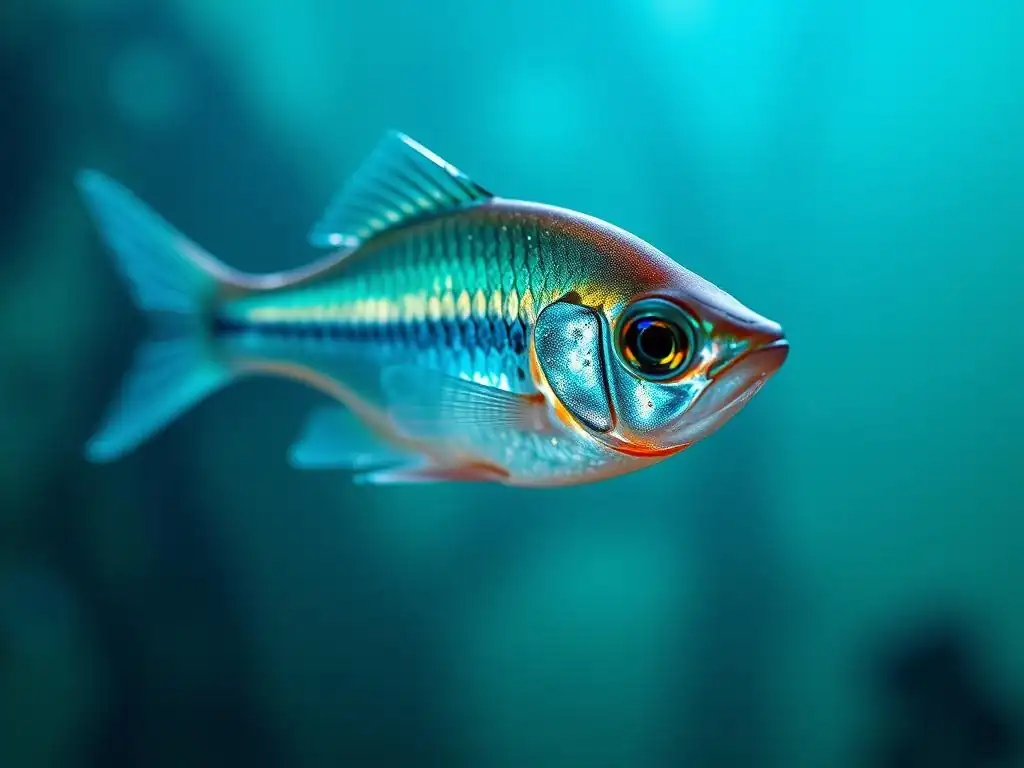
The foundation of any successful Silvertip tetra breeding guide begins with selecting robust, healthy breeding stock. Choose fish that are actively swimming, exhibit vibrant coloration, and show no signs of disease such as clamped fins, faded colors, or unusual growths. Ideally, fish should be mature adults, typically between 6 to 12 months of age, as they are at their prime for reproduction. Younger fish may not be sexually mature, while older fish might have reduced fertility.
Distinguishing between male and female Silvertip Tetras becomes clearer as they mature and during conditioning. Males are generally more streamlined and slender, often displaying more intense red coloration in their fins and a brighter silver tip. Females, particularly when gravid (full of eggs), will have a noticeably plumper, rounder belly compared to the males. Observing these subtle differences is key to forming effective breeding pairs or trios, ensuring both sexes are ready for the spawning process.
Conditioning Silvertip Tetras for Spawning: Diet and Tank Maintenance
Proper conditioning is a critical step in any Silvertip tetra breeding guide, directly influencing the health and quantity of eggs produced. For approximately one to two weeks prior to introducing them to the breeding tank, feed your selected Silvertip Tetras a high-quality, varied diet several times a day. This diet should be rich in protein and include live foods such as bloodworms, daphnia, and newly hatched brine shrimp.
Frozen versions of these foods, along with high-quality flake or pellet foods, can also be incorporated to ensure a comprehensive nutritional intake. This intensive feeding regimen, often referred to as "protein loading," encourages the female to develop a full complement of healthy eggs and boosts the male's sperm production.
Alongside dietary conditioning, maintaining pristine water quality in their conditioning tank is essential. Perform regular, small water changes (e.g., 20-30% twice a week) to keep nitrate levels low and provide fresh water. A slight increase in temperature within their normal range (e.g., 78°F or 25.5°C) in the conditioning tank can also help stimulate their readiness to breed. This meticulous care prepares their bodies for the energy-intensive process of spawning, significantly increasing the likelihood of successful reproduction.
Recognizing Signs of Readiness for Breeding in Silvertip Tetras
Identifying when your Silvertip Tetras are ready to breed is a crucial observation skill for any aquarist following a Silvertip tetra breeding guide. After a period of intensive conditioning, several behavioral and physical cues will indicate their readiness to spawn. The most obvious physical sign in females is a significantly plumper, rounder abdomen, indicating they are gravid with eggs. This fullness will be much more pronounced than their normal appearance.
Behaviorally, males will become more active and assertive, often engaging in vigorous chasing and "shimmying" displays towards the females. You might observe males attempting to herd females into dense plant thickets or spawning mops. While some fin-nipping can occur, it's typically part of the courtship and not harmful if adequate space and hiding spots are provided. These intensified courtship behaviors, combined with the female's physical appearance, signal that the fish are primed for spawning and should be introduced to the prepared breeding tank.
The Spawning Process: A Step-by-Step Guide to Silvertip Tetra Reproduction
Introducing the Breeding Pair to the Spawning Tank
Once your Silvertip Tetras are conditioned and show clear signs of readiness, the next step in this Silvertip tetra breeding guide is to carefully introduce them to the prepared spawning tank. It is often recommended to introduce the fish in the late evening or after the main lights have been turned off for the day.
This allows them to acclimate to their new environment in a low-stress setting and often encourages spawning to occur the following morning, which is a common pattern for many tetra species. For optimal results, a single well-conditioned female and one or two robust males are typically used, with a trio sometimes stimulating more competitive spawning behavior.
Ensure the breeding tank is quiet and undisturbed, with dim lighting. Gently net the chosen fish and transfer them to the spawning tank, taking care to minimize stress during the transfer. Observe their initial interactions; some chasing is normal courtship behavior, but if excessive aggression is noted, consider separating them briefly or providing more hiding spots. A calm, secure environment is paramount to encourage natural spawning.
Observing the Spawning Behavior of Silvertip Tetras
The actual spawning process of Silvertip Tetras is a fascinating display, typically occurring in the early morning hours, often at dawn. The male will actively chase the female, nudging her towards the chosen spawning site, which is usually a dense clump of fine-leaved plants like Java Moss or a spawning mop. The female will then release her eggs, usually in small batches, while the male simultaneously releases milt to fertilize them. This process involves the male pressing against the female's side as they quiver together.
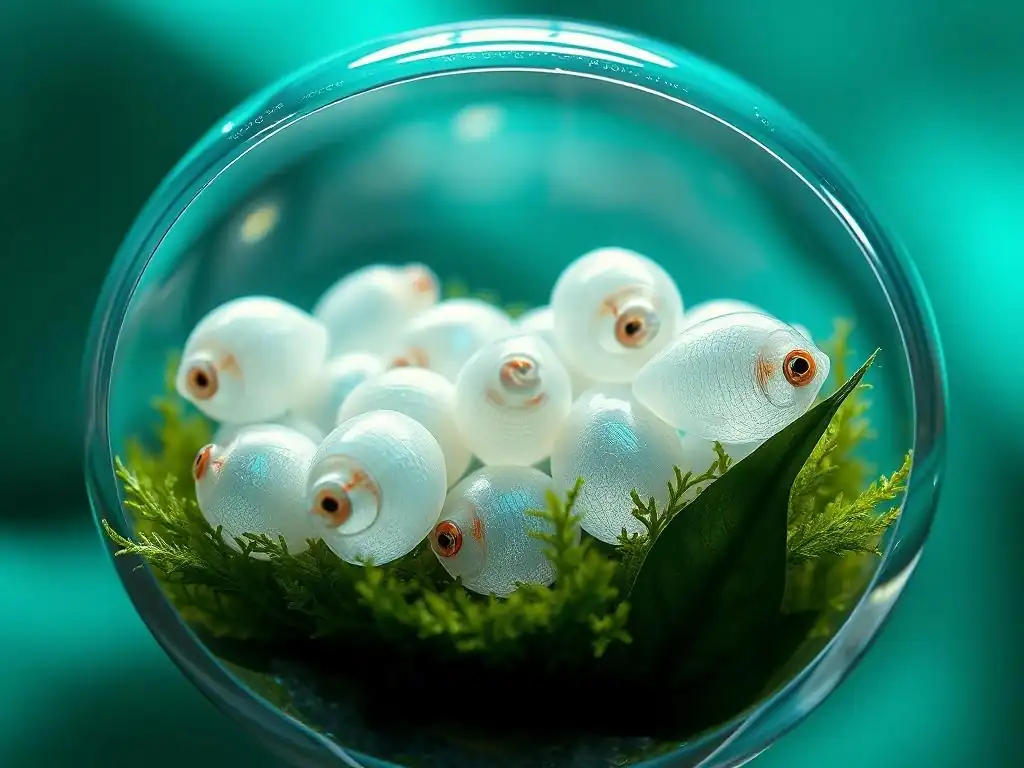
The eggs of the Silvertip Tetra are tiny, clear, and slightly adhesive, often sticking to the plants or falling to the bottom. A healthy, well-conditioned female can lay a significant number of eggs, sometimes ranging from 100 to 300, over a period of several hours. It is important to note that not all eggs will be viable or fertilized. Observing this intricate dance is a highlight of any Silvertip tetra breeding guide, confirming the success of your preparatory efforts.
Removing the Parent Fish After Spawning
A critical step in maximizing the survival rate of Silvertip Tetra eggs and fry, and a vital component of any Silvertip tetra breeding guide, is the prompt removal of the parent fish immediately after spawning is complete. Silvertip Tetras, like many other egg-scattering species, have no parental instincts and will readily consume their own eggs. This egg-eating behavior can quickly decimate an entire spawn if the parents are left in the tank.
Spawning is usually indicated by the female appearing significantly slimmer and less rounded than before, and the fish generally settling down from their active courtship and egg-laying. Once these signs are observed, carefully and gently net the parent fish and return them to their main conditioning tank. This swift action ensures that the delicate eggs are left undisturbed and protected, allowing them to develop and hatch without the threat of predation from their own parents.
Caring for Silvertip Tetra Eggs and Fry
Protecting the Eggs from Fungus and Predators
After the parent fish have been removed, the focus shifts to protecting the delicate Silvertip Tetra eggs, a crucial phase in this Silvertip tetra breeding guide. The primary threats to eggs are fungal infections and, if present, microscopic predators. Fungus typically appears as a white, fuzzy growth on the egg surface and can quickly spread to healthy eggs.
To prevent this, some aquarists add a very small amount of antifungal medication, such as methylene blue, to the water, although this should be used cautiously. A more natural alternative is to add a few drops of Indian almond leaf extract, which has mild antifungal and antibacterial properties and also slightly lowers pH.
It is also vital to remove any unfertilized or fungused eggs daily using a pipette or small baster. These eggs will appear opaque white, unlike the healthy, clear, and translucent fertilized eggs. Keeping the tank in dim light or even darkness for the first 24-48 hours can further discourage fungal growth. Maintaining stable water parameters and ensuring no uneaten food or debris is present will also contribute significantly to a healthy environment for the developing eggs, maximizing the hatch rate.
Hatching Silvertip Tetra Eggs: What to Expect
The hatching of Silvertip Tetra eggs is a pivotal moment in the breeding process, typically occurring within a relatively short timeframe under optimal conditions. At a consistent temperature of around 80°F (26.7°C), Silvertip Tetra eggs usually hatch within 24 to 48 hours after spawning. In slightly cooler temperatures, this period might extend up to 72 hours. The newly hatched fry are incredibly tiny, almost transparent, and will initially be immobile, often seen clinging to the tank glass, plants, or spawning mop.
These newly hatched fry, often referred to as "wigglers," are still absorbing their yolk sacs, which provide their initial nourishment. This yolk sac stage typically lasts for about 2 to 3 days. During this period, they do not require external feeding. It is crucial not to disturb them during this fragile stage. Once their yolk sacs are fully absorbed, they will become free-swimming, at which point they will actively seek food and begin their rapid growth phase, signaling the next critical stage in your Silvertip tetra breeding guide.
First Foods for Silvertip Tetra Fry: Infusoria and Beyond
Once Silvertip Tetra fry become free-swimming, typically 2-3 days after hatching, they require their first food, and their incredibly small size dictates the type of nourishment. For the first few days, infusoria—microscopic organisms found in aged aquarium water or cultured specifically for fry—are the ideal food source. Their minute size makes them perfectly digestible for the tiny fry. Some aquarists also use liquid fry food specifically designed for egg-laying fish or finely powdered spirulina, which can be dispersed in the water column.
After approximately 3 to 5 days on infusoria, the fry will have grown sufficiently to accept slightly larger food items. This is when newly hatched brine shrimp nauplii or microworms become an excellent next step. These live foods provide superior nutritional value and are still small enough for the growing fry to consume. Feeding small amounts multiple times a day (e.g., 3-5 times) is crucial to ensure a constant supply of food for their rapid growth and high metabolic rate, a key recommendation in any comprehensive Silvertip tetra breeding guide.
Maintaining Water Quality for Growing Fry
Maintaining impeccable water quality is absolutely paramount for the survival and healthy development of Silvertip Tetra fry, as they are extremely sensitive to fluctuations and pollutants. Unlike adult fish, fry cannot tolerate significant water changes in their initial stages. Therefore, daily maintenance should involve using a small airline tube to gently siphon out any uneaten food and detritus from the tank bottom. This meticulous cleaning prevents the buildup of ammonia and nitrites, which are highly toxic to delicate fry.
After the first week, once the fry have grown a bit larger, you can begin performing very small, slow water changes, typically 10% daily or every other day. Always use aged, dechlorinated water that precisely matches the temperature and parameters of the fry tank to avoid osmotic shock. Gradual and consistent water changes are critical to dilute accumulating nitrates and provide fresh minerals, ensuring a stable and healthy environment as outlined in this Silvertip tetra breeding guide.
Raising Silvertip Tetra Fry to Adulthood
Gradually Increasing Food Size for Maturing Fry
As Silvertip Tetra fry grow, their dietary needs evolve, requiring a gradual increase in food size and variety. After they have been consistently feeding on newly hatched brine shrimp or microworms for about 2-3 weeks, they will be large enough to accept slightly larger food items. At this stage, you can begin to introduce finely crushed, high-quality flake food or very small pellets. Continue to supplement with live foods like microworms, baby brine shrimp, and even finely chopped bloodworms or daphnia as they mature.
Variety is crucial for providing a complete nutritional profile necessary for robust growth and vibrant coloration. Feed small portions several times a day (e.g., 3-4 times) rather than one large meal. This ensures that food is consistently available to the rapidly growing fry and minimizes waste, which helps maintain water quality. This systematic progression of food size is a vital aspect of any effective Silvertip tetra breeding guide aimed at raising healthy adult fish.
Regular Water Changes and Tank Maintenance
As Silvertip Tetra fry grow into juveniles, their bioload on the aquarium system significantly increases, making regular water changes and diligent tank maintenance even more critical. Once the fry are approximately 3-4 weeks old and actively consuming larger foods, their waste production escalates, leading to a quicker accumulation of nitrates and other pollutants. To counteract this, increase the frequency and volume of water changes.
It is generally recommended to perform 20-25% water changes every 2-3 days, using aged or conditioned water that matches the tank's temperature and parameters precisely. During these changes, carefully siphon any detritus from the bottom of the tank, taking extreme care not to accidentally suck up any small fry.
Regularly clean the sponge filter by gently squeezing it in a bucket of old tank water to avoid disrupting beneficial bacterial colonies. Consistent adherence to this maintenance schedule is paramount for preventing disease and ensuring the healthy development of your growing Silvertip Tetras, a cornerstone of this Silvertip tetra breeding guide.
Identifying and Addressing Common Fry Health Issues
Even with meticulous care, Silvertip Tetra fry can be susceptible to various health issues, making early identification and prompt action crucial for their survival. Common problems include "fry rot," a bacterial infection that manifests as eroded fins or tails, often caused by poor water quality. Swim bladder disorders, leading to difficulty swimming or buoyancy issues, can result from improper feeding, rapid temperature changes, or bacterial infections. General weakness or "fading" can be attributed to insufficient nutrition or genetic factors.
Prevention is always the best approach: maintain pristine water quality through regular small water changes, provide a consistent and high-quality diet, and ensure stable water parameters and temperature. If health issues arise, isolate affected fry if possible to prevent spread. While some mild broad-spectrum antibiotics or antifungals can be considered, fry are extremely sensitive to medication, and treatments should be approached with extreme caution and diluted dosages. Consulting experienced aquarists or veterinarian resources is often advisable, reinforcing the comprehensive nature of a Silvertip tetra breeding guide.
Troubleshooting Common Silvertip Tetra Breeding Problems
Infertile Eggs: Causes and Solutions
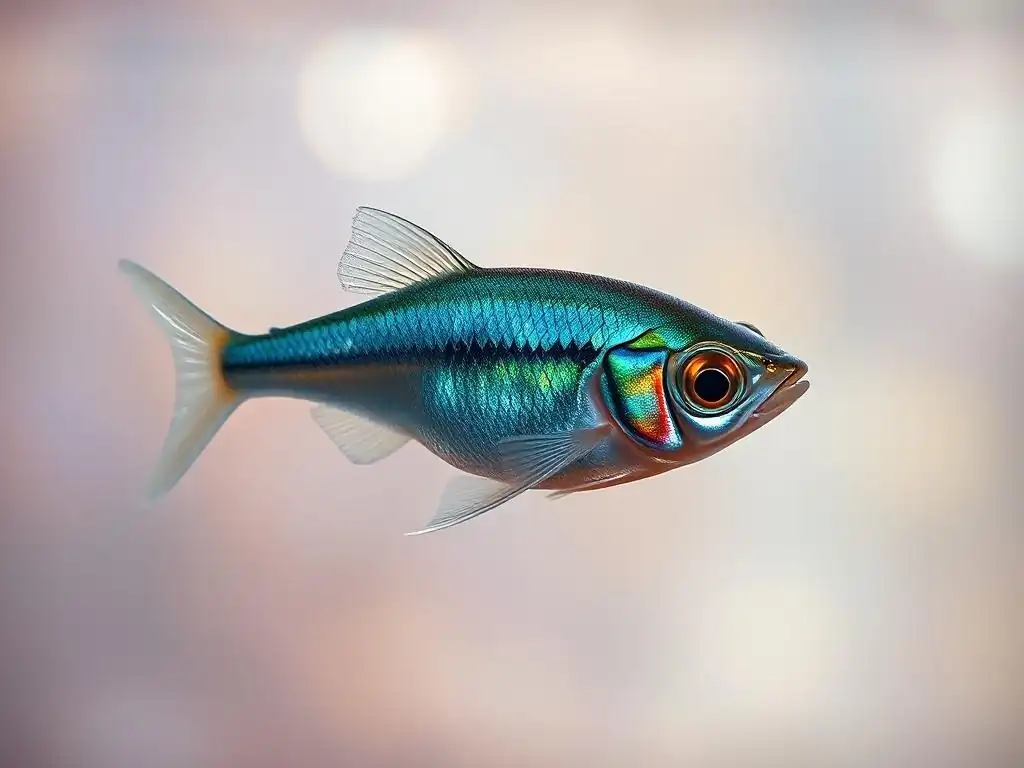
One of the most common frustrations in a Silvertip tetra breeding guide is encountering infertile eggs after a successful spawn. These eggs typically appear opaque white or develop a fuzzy fungal growth within 24-48 hours, unlike viable eggs which remain clear and translucent. Several factors can contribute to infertility. The breeding stock itself might be too young or too old, impacting their reproductive viability. Inadequate conditioning, leading to insufficient egg or milt production, is another frequent cause. Suboptimal water parameters, particularly incorrect hardness or pH, can also hinder fertilization. Lastly, an unhealthy or infertile male could be the culprit.
To address infertile eggs, first, re-evaluate the age and overall health of your breeding pair. Ensure they are mature adults in their prime. Intensify their conditioning regimen with a rich diet of live and high-protein foods for a longer period. Meticulously re-test and adjust your breeding tank's water parameters to the optimal ranges for temperature, pH, and hardness, as detailed in this guide. If a specific male consistently produces infertile eggs, consider replacing him with a different, robust male from your conditioned stock to improve future spawning success.
Failure to Spawn: Identifying and Correcting the Issues
Despite seemingly ideal conditions and a well-conditioned pair, Silvertip Tetras may sometimes fail to spawn, a common challenge addressed in any comprehensive Silvertip tetra breeding guide. Several underlying issues could contribute to this lack of activity. Stress is a significant factor; a breeding tank that is too busy, too brightly lit, or located in a high-traffic area can make the fish feel insecure and inhibit natural spawning behavior.
Incorrect water parameters, even slightly off the optimal range for breeding, might not actively harm the fish but can fail to trigger their reproductive instincts. Insufficient conditioning, or an incompatible pair that simply doesn't bond, are also possibilities.
To troubleshoot a failure to spawn, first, ensure the breeding tank is in a quiet, dimly lit location, free from disturbances. Double-check all water parameters—temperature, pH, and hardness—and make any necessary adjustments to ensure they are precisely within the optimal breeding range. Extend the conditioning period, focusing on a high-protein, varied diet for an additional week or two.
If a specific pair consistently fails to spawn after multiple attempts, consider swapping one or both fish with other healthy, conditioned individuals from your stock. Sometimes, introducing a slightly higher ratio of males to females (e.g., two males per female) can stimulate competitive spawning and encourage the female to lay eggs.
Fry Mortality: Prevention and Treatment
High fry mortality is a disheartening problem for any aquarist attempting a Silvertip tetra breeding guide, and it often stems from a few critical factors. The most common causes include poor water quality, which can rapidly become toxic to delicate fry due to accumulating waste. Insufficient or inappropriate food, leading to starvation or nutritional deficiencies, is another major contributor. Sudden fluctuations in temperature or water parameters, and in some cases, genetic weaknesses or unaddressed diseases, can also lead to significant losses.
Prevention is the most effective strategy. Maintain impeccable water quality in the fry tank through daily, meticulous siphoning of uneaten food and detritus, and perform small, frequent water changes (e.g., 10% daily) with aged, temperature-matched water. Ensure a continuous supply of the correct size and type of food (infusoria initially, then newly hatched brine shrimp) and feed small amounts multiple times throughout the day.
Keep the tank's temperature stable and within the optimal range. If a specific disease outbreak is suspected, it’s crucial to identify the underlying cause promptly. While medication can be used, fry are extremely sensitive, and prevention remains the best course of action for raising healthy Silvertip Tetra fry to adulthood.
Advanced Techniques for Silvertip Tetra Breeding
Selective Breeding for Desired Traits
For the dedicated aquarist looking to advance beyond basic reproduction, selective breeding offers an exciting opportunity within the Silvertip tetra breeding guide. This technique involves carefully choosing individuals from a spawn that exhibit specific desirable traits—such as exceptionally vibrant coloration, robust health, a particular fin shape, or even increased disease resistance—to become the parents of the next generation. By consistently breeding fish with these enhanced characteristics over several generations, you can gradually improve the genetic quality of your Silvertip Tetra line.
The process requires meticulous record-keeping, tracking the parentage of each spawn and the traits of their offspring. For example, if a particular male consistently produces offspring with brighter red fins, he would be a prime candidate for future breeding. This long-term commitment to selective breeding can lead to the development of a unique, stable, and visually striking strain of Silvertip Tetras, contributing significantly to the diversity and quality of captive-bred fish in the hobby.
Optimizing Water Chemistry for Higher Hatch Rates
While a general range for water parameters is provided in any Silvertip tetra breeding guide, experienced breeders often fine-tune water chemistry to achieve even higher hatch rates and stronger fry. For Silvertip Tetras, this often means pushing towards the softer and more acidic end of their preferred spectrum. For instance, maintaining a GH of 2-4 dGH (approximately 35-70 ppm) and a pH of 6.2-6.5, rather than simply within the 6.0-7.0 range, can sometimes significantly improve egg viability and hatching success.
Achieving these precise conditions often involves using reverse osmosis (RO) water, which is essentially pure H2O, and then remineralizing it with specific salts to the desired hardness and buffering capacity. This method allows for complete control over the water chemistry, eliminating unwanted minerals or contaminants that might be present in tap water. Ensuring the water is also completely free of chlorine, chloramines, and heavy metals through proper conditioning is equally important for the delicate eggs and fry, leading to a more consistent and successful breeding outcome.
Using Spawning Mops for Increased Egg Collection
An advanced technique highly recommended for streamlining the Silvertip tetra breeding guide process, especially for egg-scattering species like Silvertip Tetras, is the strategic use of spawning mops. Spawning mops are artificial structures, typically made from acrylic yarn or similar materials, designed to mimic dense, fine-leaved aquatic plants. They provide an ideal substrate for fish to lay their adhesive eggs, offering a safe and accessible place for deposition.
The primary benefit of using spawning mops is their ease of removal after spawning. Once the Silvertip Tetras have completed their egg-laying, the mops, laden with eggs, can be gently lifted from the breeding tank and transferred to a separate, dedicated hatching tank. This technique significantly minimizes egg predation by the parent fish, which is a common issue with egg-scattering species. It also centralizes the eggs, making it much easier to monitor their development, remove fungused eggs, and later manage the newly hatched fry, leading to a higher yield of healthy offspring.
Conclusion: Mastering Silvertip Tetra Breeding for the Discerning Aquarist
The Rewards of Breeding Silvertip Tetras: Contributing to the Hobby
Mastering the art of Silvertip Tetra breeding is an incredibly rewarding endeavor for any aquarist, moving beyond simple tank maintenance to a deeper engagement with the aquatic world. The journey, meticulously detailed in this Silvertip tetra breeding guide, from conditioning parents to raising fry to adulthood, offers a profound sense of accomplishment and a unique insight into the life cycles of these captivating fish. Beyond personal satisfaction, successfully breeding Silvertip Tetras allows you to contribute directly to the aquarium hobby by providing healthy, captive-bred specimens.
This contribution helps reduce the demand for wild-caught fish, promoting more sustainable and ethical practices within the community. You become a part of a network of dedicated aquarists who share knowledge and resources, fostering a more informed and responsible approach to fishkeeping. The vibrant, hardy fish you produce are a testament to your skill and dedication, enriching your own tanks and potentially those of fellow enthusiasts.
Further Resources for Advanced Tetra Care and Breeding Techniques at Aquarium Mastery
For aquarists eager to delve deeper into the nuanced world of tetra care and breeding, Aquarium Mastery offers a wealth of additional resources. Our platform provides comprehensive articles and guides on advanced topics, designed to elevate your expertise beyond this Silvertip tetra breeding guide. Explore detailed profiles on various tetra species, uncovering their specific environmental needs, dietary requirements, and unique breeding challenges.
Our extensive library covers intricate aspects of water chemistry optimization, including guides on using reverse osmosis water and precisely remineralizing it for delicate species. You'll find in-depth discussions on advanced filtration techniques, disease prevention and treatment strategies for fry and adults, and insights into selective breeding for genetic improvement. Whether you're looking to breed other challenging tetra species or simply refine your existing practices, Aquarium Mastery is your ultimate resource for mastering advanced tetra care and breeding techniques.
Frequently Asked Questions
How difficult is it to breed Silvertip Tetras in a home aquarium?
Breeding Silvertip Tetras can be moderately challenging compared to some other aquarium fish. Success depends on maintaining optimal water parameters and providing the right environment for spawning.
What are the ideal water parameters for Silvertip Tetra breeding?
Silvertip Tetras require soft, slightly acidic water for successful breeding. Aim for a pH of 6.0-7.0 and a water hardness of under 10 dGH. The temperature should be around 78-82°F (25-28°C).
What kind of spawning substrate should I provide for Silvertip Tetras?
Fine-leaved plants like Java moss or spawning mops are ideal. These provide a safe place for the tetras to deposit their eggs and offer protection from the parents, who may eat the eggs.
How can I tell if my Silvertip Tetras are ready to breed?
Females will appear noticeably plumper with eggs, and males will display more intense coloration and courtship behavior, such as chasing and displaying around the female.
What should I do with the Silvertip Tetra eggs after spawning?
Remove the parents immediately after spawning to prevent them from eating the eggs. The eggs should hatch in about 24-36 hours. Feed the fry infusoria or liquid fry food until they are large enough to eat newly hatched brine shrimp.
Final Reflection: The Enduring Allure of Creation
The journey into unlocking the breeding code of the Silvertip Tetra, as explored in this guide, highlights the enduring power of dedication and observation in the natural world. While the specifics focus on a small, shimmering fish, the principles of patience, meticulous record-keeping, and a deep respect for life resonate far beyond the aquarium walls, offering a microcosm of the larger mysteries of creation.
This exploration of the Silvertip Tetra's reproductive cycle has not only provided practical guidance but also underscored the profound connection we share with all living things. The act of nurturing life, whether in a vast ocean or a humble tank, fosters a sense of responsibility and wonder that enriches our own existence. In every walk with nature, one receives far more than he seeks.
- John Muir. This quote encapsulates the spirit of this endeavor, reminding us that the rewards of understanding and participating in the natural world are immeasurable.
Now, armed with this knowledge and a newfound appreciation for the intricacies of life, I invite you to reflect on your own relationship with the natural world. Consider how you can apply the principles of patience, observation, and respect, not only to the care of aquatic life but also to the cultivation of your own passions and the nurturing of your own communities. Let the shimmering dance of the Silvertip Tetra inspire you to unlock the potential within yourself and to contribute to the beauty and wonder of the world around you.
Ignite Your Aquarium: Breed the Elusive Silvertip Tetra!
Thank you for diving deep into the fascinating world of Silvertip Tetra breeding with Aquarium Mastery! We hope you've gained valuable insights and feel inspired to take on this rewarding challenge. Now, let's put that knowledge into action!
Here are some next steps to elevate your aquarium game:
- Begin your Silvertip Tetra breeding project: Establish a dedicated breeding tank based on the strategies outlined. This is where the magic begins!
- Dive deeper: Explore Aquarium Mastery's forums and discover real time tips from hobbyists who successfully breed Silvertip Tetras.
- Share Your Insights: Post your own experience, challenges, and observations on the Aquarium Mastery community board to help other enthusiasts.
Ready to transform your aquarium into a haven for these stunning fish? What steps will you take today to prepare for breeding your Silvertip Tetras?