
Biotope Aquariums for WildType Swordtails & Variatus: An Authentic Approach

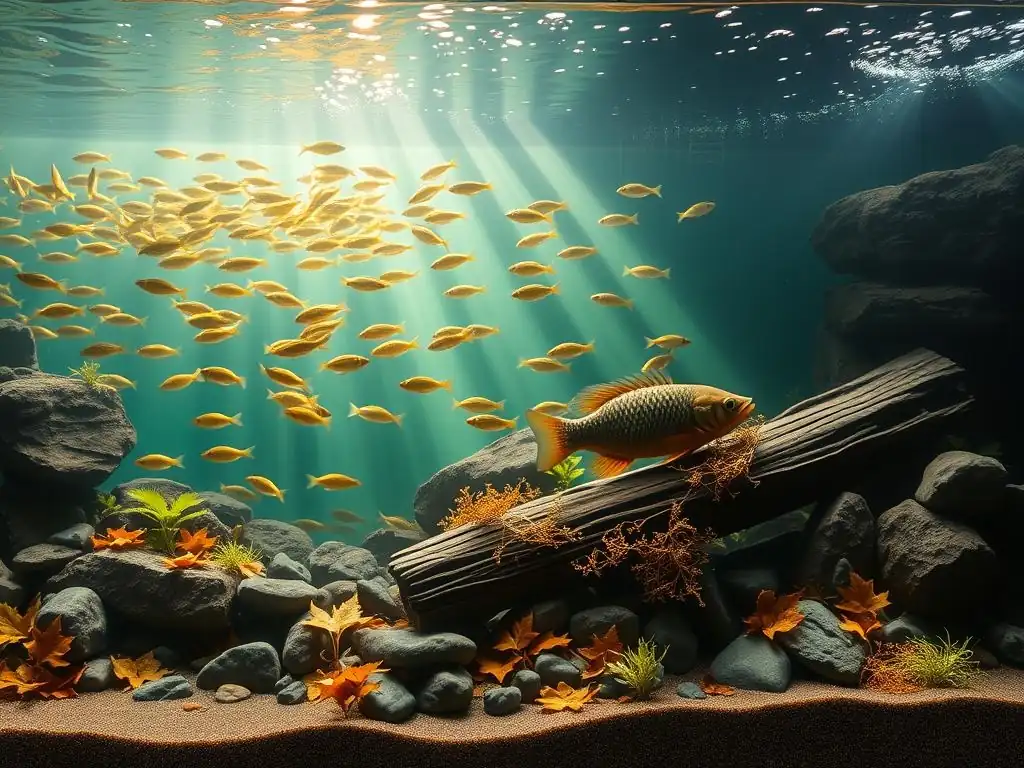
Welcome to Aquarium Mastery!
Ever wondered how to recreate the exact natural habitat for your fish, right in your own home? Dive into our guide on building a Wildtype Swordtail biotope aquarium, where we unlock the secrets to creating an authentic and thriving ecosystem. Discover the essential elements, from water parameters to plant selection, needed to bring your swordtails' wild origins to life and ensure their optimal health and happiness. Curious to learn more? Keep reading to embark on your biotope journey!
- Understanding the Wildtype Swordtail and Variatus Natural Habitat
- Recreating the Biotope: Key Environmental Parameters
- Selecting Substrate, Hardscape, and Plants for Your Biotope
- Stocking Your Biotope: Selecting Compatible Species
- Feeding Your Wildtype Swordtails and Variatus
- Maintaining Your Swordtail and Variatus Biotope Aquarium
- Troubleshooting Common Issues in Wildtype Swordtail Biotopes
- The Benefits of a Biotope Aquarium for Swordtails and Variatus
-
Frequently Asked Questions
- How does a biotope aquarium differ from a regular aquarium setup?
- What are the key considerations when setting up a Wildtype Swordtail biotope aquarium?
- What types of plants are commonly used in a Wildtype Swordtail biotope aquarium?
- Why is it important to replicate the water chemistry of a Wildtype Swordtail's natural habitat?
- What are some common mistakes to avoid when setting up a Wildtype Swordtail biotope aquarium?
- Final Reflection: Embracing Authenticity in the Aquarium
- Dive Deeper into Authentic Aquascaping!
Understanding the Wildtype Swordtail and Variatus Natural Habitat
Origins and Distribution of Wild Swordtails (Xiphophorus hellerii)
Wildtype swordtails, scientifically known as Xiphophorus hellerii, originate from a broad geographical range spanning Central America. Their natural distribution extends from southern Mexico, through Guatemala and Belize, and into Honduras. These vibrant fish are typically found in clear, fast-flowing rivers and streams, often with abundant vegetation along the banks and submerged. Their habitats are characterized by clean, oxygen-rich water, gravelly or sandy substrates, and a mix of sunny and shaded areas.
The specific characteristics of these native waterways—such as the presence of submerged roots, fallen branches, and dense aquatic plant life—play a crucial role in the swordtail's survival and behavior. Understanding these environmental nuances is fundamental for anyone aiming to replicate a truly authentic wildtype swordtail biotope aquarium, ensuring the fish thrive by mirroring their ancestral homes rather than just surviving.
Natural Habitat of Variatus Platies (Xiphophorus variatus)
Xiphophorus variatus, commonly known as the Variatus Platy, hails from the eastern regions of Mexico, primarily in the states of Veracruz, Puebla, and Oaxaca. Unlike their swordtail cousins that prefer more dynamic streams, Variatus Platies are often found in slower-moving waters, including ditches, swamps, and the calmer sections of rivers. Their habitats are typically shallow, heavily vegetated, and can be quite turbid due to organic decomposition.
These environments often feature dense stands of aquatic plants, floating vegetation, and plenty of leaf litter on the substrate. The water might be slightly stained with tannins from decaying organic matter, contributing to a softer, slightly acidic to neutral pH. Recreating this specific environment in a Variatus biotope is key to observing their natural foraging and breeding behaviors, distinct from the more open water preferences of swordtails.
Why Create a Biotope Aquarium for Swordtails and Variatus?
Creating a biotope aquarium for wildtype swordtails and variatus goes beyond mere aesthetics; it's about providing an environment that caters to their inherent needs and behaviors. By meticulously replicating their natural habitat, aquarists can significantly reduce stress, promote robust health, and witness the full spectrum of their species-specific behaviors, such as intricate courtship rituals, natural schooling patterns, and foraging instincts. This authentic approach allows the fish to express their true wild nature, which is often suppressed in generic community tanks.
Furthermore, a wildtype swordtail biotope aquarium serves as a living educational display. It offers a unique opportunity to understand the delicate balance of an ecosystem and the specific adaptations of these fish to their environment. For the dedicated aquarist, the satisfaction of seeing swordtails and variatus flourish in a setup that truly mimics their origins is immense, transforming a simple tank into a vibrant, dynamic piece of nature.
Recreating the Biotope: Key Environmental Parameters
Water Chemistry: Achieving Authentic Water Parameters for Swordtails and Variatus
Achieving authentic water parameters is paramount for a successful wildtype swordtail biotope aquarium. While swordtails and variatus are often touted as hardy, their optimal health and vibrant coloration are directly linked to water chemistry that closely mirrors their natural environments. This involves carefully managing pH, hardness, and overall water quality, understanding that even slight, consistent deviations can lead to chronic stress or susceptibility to disease.
Regular and accurate testing of water parameters is non-negotiable. Aim for stability rather than chasing exact numbers, as fluctuating conditions are far more detrimental than a slightly off but consistent parameter. For a thriving wildtype swordtail biotope, the goal is to provide a consistent and clean aquatic environment that mimics the pristine conditions found in their native Central American streams and rivers.
Ideal pH Levels for Wildtype Swordtail Biotope Aquariums
Wildtype swordtails generally thrive in water that is neutral to slightly alkaline, with a typical pH range of 7.0 to 8.0. In their native Central American rivers, the pH is often buffered by limestone deposits, keeping it stable within this range. While they can tolerate a broader spectrum, maintaining a pH within this specific window minimizes stress and supports their metabolic functions, including nutrient absorption and waste excretion.
For Variatus Platies, their natural habitats can sometimes lean slightly more towards neutral or even slightly acidic (pH 6.5-7.5), especially in areas with significant leaf litter. However, a pH range of 7.0-7.8 is generally suitable for both species in a mixed biotope setup. The key is to ensure pH stability; rapid or significant fluctuations can be far more damaging than a slightly higher or lower consistent value. Using inert substrates and decorations helps maintain this balance in a wildtype swordtail biotope.
Water Hardness (GH and KH) Considerations for Swordtails and Variatus
Both wildtype swordtails and variatus platies naturally inhabit moderately hard to hard water. For General Hardness (GH), a range of 10-20 dGH (degrees of General Hardness), equivalent to approximately 180-360 ppm, is ideal. This hardness provides essential minerals like calcium and magnesium, which are vital for bone development, osmoregulation, and overall fish health. Many municipal tap water sources naturally fall within this range, making it easier for aquarists.
Carbonate Hardness (KH), which indicates the water's buffering capacity against pH swings, is also crucial. A KH of 5-15 dKH (approximately 90-270 ppm) is recommended. This level of alkalinity helps stabilize the pH, preventing dangerous drops in acidity that can occur as organic matter breaks down. Achieving and maintaining these parameters is fundamental for a stable wildtype swordtail biotope aquarium, supporting robust health and natural behaviors.
Temperature and Lighting for a Natural Swordtail and Variatus Environment
Temperature is a critical environmental parameter for a wildtype swordtail biotope aquarium, directly influencing the metabolism, activity levels, and overall well-being of the fish. Maintaining a consistent and appropriate temperature range is essential to prevent stress and promote natural behaviors. Similarly, lighting plays a vital role, not only for the growth of aquatic plants but also for signaling day-night cycles to the fish, influencing their circadian rhythms and reproductive cues.
The interplay between temperature and lighting helps to truly replicate the environmental conditions of their native habitats. Proper management of these factors contributes significantly to the long-term health and success of your swordtail and variatus biotope, fostering an environment where these fish can thrive as they would in the wild.
Mimicking Seasonal Temperature Variations in the Biotope
Wildtype swordtails and variatus thrive in tropical and subtropical waters, with an ideal temperature range typically between 72-82°F (22-28°C). While stability is generally preferred in home aquariums, a slight seasonal variation within this range can actually stimulate natural behaviors, including breeding. For instance, a gradual decrease to the lower end of the range during a "cooler" period, followed by a rise, can mimic natural seasonal shifts and encourage spawning.
However, any temperature adjustments should be gradual, typically no more than 1-2 degrees Fahrenheit per day, to avoid stressing the fish. Maintaining a reliable aquarium heater is crucial to prevent drastic drops, especially during colder months. The goal for a wildtype swordtail biotope is to provide warmth and consistency that mirrors their tropical origins, allowing for robust metabolic function and activity.
Lighting Requirements for Plant Growth and Fish Well-being
Appropriate lighting is essential for a wildtype swordtail biotope aquarium, serving both the needs of the plants and the fish. For the typically robust, fast-growing plants suitable for these biotopes (e.g., Vallisneria, Echinodorus), moderate light intensity is usually sufficient, ranging from 20-40 PAR (Photosynthetically Active Radiation) at the substrate level. A consistent photoperiod of 8-10 hours per day is recommended to support healthy plant growth and to establish a stable day-night cycle for the fish.
Excessive lighting can lead to rampant algae growth, which, while natural in some contexts, can quickly overwhelm a home aquarium. Insufficient light, conversely, will stunt plant growth and may leave fish feeling exposed. Choosing full-spectrum LED lighting allows for control over intensity and duration, providing the ideal conditions for both the lush vegetation and the vibrant coloration and activity of your wildtype swordtail and variatus.
Selecting Substrate, Hardscape, and Plants for Your Biotope
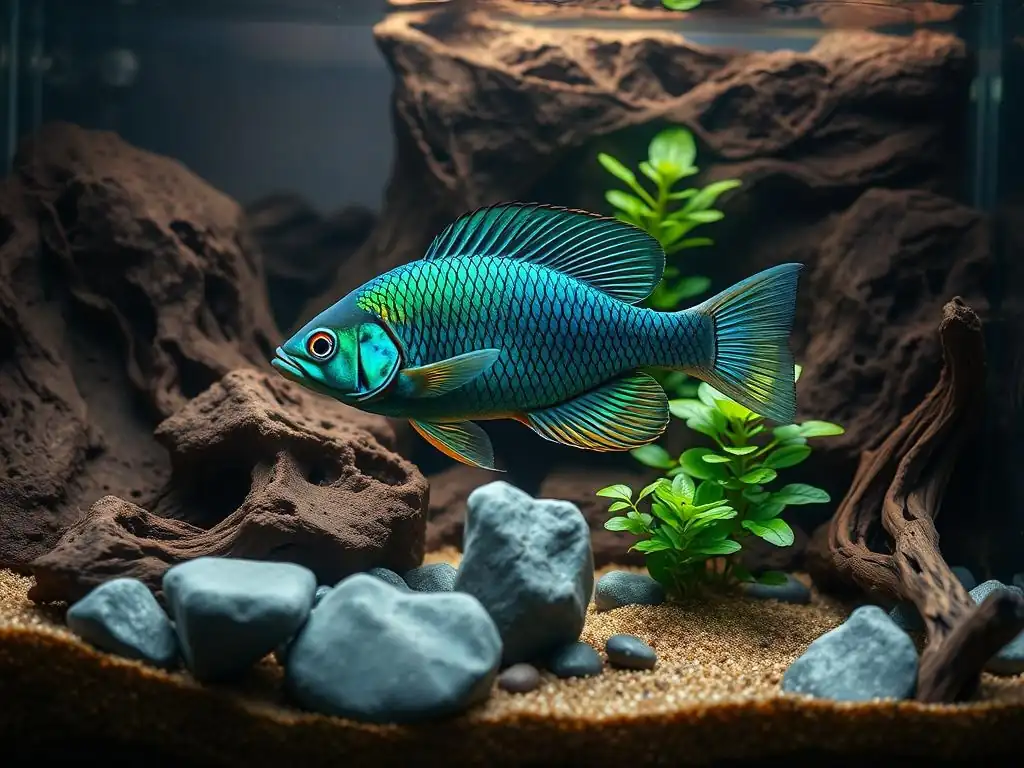
Choosing the Right Substrate for an Authentic Biotope
The substrate is more than just a decorative layer in a wildtype swordtail biotope aquarium; it forms the foundation of the ecosystem, influencing water chemistry, providing a rooting medium for plants, and serving as a habitat for beneficial bacteria. Selecting the correct substrate is crucial for mirroring the natural environment of Xiphophorus hellerii and Xiphophorus variatus and ensuring the long-term health of the aquarium. An inappropriate substrate can leach unwanted chemicals, alter water parameters detrimentally, or fail to support the desired plant life, undermining the biotope's authenticity.
Therefore, careful consideration must be given to the material, grain size, and inertness of the chosen substrate. The goal is to replicate the riverbeds and stream bottoms found in their native Central American habitats, which typically consist of specific types of sand and gravel. This foundational choice sets the stage for a truly authentic and thriving wildtype swordtail biotope.
River Sand and Gravel Mixes for Swordtail Aquariums
For an authentic wildtype swordtail biotope aquarium, a substrate composed of fine to medium-sized river sand or a mix of sand and smooth, small gravel (typically 1-3 mm in diameter) is ideal. This type of substrate closely mimics the natural stream beds where Xiphophorus hellerii are found. It provides an excellent rooting medium for plants such as Vallisneria and Echinodorus species, which are often found in similar Central American waterways.
Furthermore, a sandy or fine gravel substrate is safe for any bottom-dwelling tank mates, such as Corydoras species, allowing them to sift through without damaging their delicate barbels. Ensure the sand is thoroughly rinsed before adding it to the tank to prevent cloudiness and remove any fine dust or impurities. This foundational layer is key to establishing a visually and functionally accurate wildtype swordtail biotope.
Avoiding Substrates That Alter Water Chemistry
When setting up a wildtype swordtail biotope, it is crucial to select substrates that are inert and will not significantly alter the water chemistry. Materials like crushed coral, aragonite sand, or certain types of limestone gravel are designed to buffer pH and increase water hardness, which might be suitable for marine or African cichlid tanks but are generally not ideal for replicating the specific conditions of a Central American river. While swordtails prefer moderately hard water, these substrates can elevate hardness excessively or unpredictably.
Instead, opt for silica sand, natural river gravel, or specialized aquarium sands that are explicitly labeled as inert. Always perform a simple acid test (using a few drops of vinegar or muriatic acid) on any new substrate to check for fizzing, which indicates the presence of calcium carbonate and would undesirably increase hardness in your wildtype swordtail biotope.
Hardscape Elements: Rocks, Wood, and Leaf Litter
Hardscape elements are fundamental to creating a visually appealing and functionally accurate wildtype swordtail biotope aquarium. Rocks, driftwood, and leaf litter not only provide structural complexity and aesthetic interest but also offer essential hiding spots, territories, and foraging surfaces for fish. In their natural habitats, swordtails and variatus utilize submerged branches, root systems, and rock formations for shelter from predators, rest, and as staging areas for courtship displays.
The careful selection and arrangement of these elements are crucial for mimicking the chaotic yet harmonious beauty of a natural stream or river. They contribute to the overall authenticity of the wildtype swordtail biotope, making it a more enriching environment for its inhabitants.
Sourcing Safe and Authentic Hardscape Materials
When selecting hardscape for a wildtype swordtail biotope, prioritize natural and inert materials. Smooth river stones, slate, or lava rock are excellent choices for rocks, as they generally do not leach chemicals into the water. For driftwood, Mopani wood, Manzanita, or Cholla wood are popular and safe options. Ensure any driftwood is thoroughly pre-soaked or boiled for several hours to release tannins (which can stain the water, though this is natural in some biotopes) and to ensure it sinks.
If sourcing materials from the wild, such as local river stones or branches, it is imperative to clean them meticulously. Scrub off any dirt, algae, or organic matter, and consider boiling or baking them to sterilize and eliminate potential pathogens or unwanted pests. This meticulous preparation ensures that your hardscape contributes positively to the health and stability of your wildtype swordtail biotope.
Arranging Hardscape to Mimic Natural Environments
The arrangement of hardscape in a wildtype swordtail biotope should aim to replicate the natural flow and structure of a Central American stream or river. Consider creating a dynamic layout with varying depths and current patterns. Large pieces of driftwood can be positioned to suggest fallen branches or root systems, providing ample hiding spots and visual breaks. Rocks can form small caves or define territories.
Incorporate leaf litter, such as dried Indian almond leaves or oak leaves, to add a natural aesthetic and release beneficial tannins, which can slightly lower pH and provide antibacterial properties, mimicking the conditions in a Variatus Platy's habitat. Distribute elements unevenly, creating both open swimming areas and densely structured zones. This thoughtful arrangement enhances the authenticity of the wildtype swordtail biotope and encourages natural behaviors.
Plant Selection: Native and Biologically Appropriate Plants
Plant selection is a cornerstone of a truly authentic wildtype swordtail biotope aquarium. Plants not only contribute significantly to the visual appeal but also play vital roles in the ecosystem by oxygenating the water, absorbing nitrates, and providing crucial hiding spots and foraging areas for fish. Choosing plants that are native to Central America or are at least biologically appropriate for the region's aquatic environments is essential for maintaining the integrity of the biotope.
The right plant choices will thrive under the biotope's specific water parameters and lighting conditions, creating a self-sustaining and vibrant environment that closely mirrors the natural homes of Xiphophorus hellerii and Xiphophorus variatus. This meticulous selection process ensures the long-term success and authenticity of your wildtype swordtail biotope.
Popular Plant Choices for Swordtail and Variatus Biotopes
For a wildtype swordtail biotope, selecting robust and adaptable plants is key. While truly strict Central American native plants can be challenging to source, several widely available species effectively mimic the lush vegetation of their habitats. Good choices include various Echinodorus species (Amazon Swords), which provide large leaves for cover and are native to the Americas. Vallisneria species (e.g., Jungle Val, Corkscrew Val) are excellent background plants, forming dense stands similar to natural grass beds.
Other suitable options that thrive in similar conditions include Anubias barteri (though African, its hardiness and broad leaves fit well aesthetically) and Java Fern ( Microsorum pteropus), which can be attached to driftwood or rocks. Floating plants like Frogbit ( Limnobium laevigatum) or Salvinia natans can also be introduced to provide surface cover and mimic the dense top layers found in Variatus Platy habitats, enhancing the authenticity of the wildtype swordtail biotope.
Avoiding Invasive or Non-Native Plant Species
While many aquatic plants are beautiful, it's crucial for a biotope aquarium to select species that are either native to the specific region (Central America for swordtails and variatus) or are at least non-invasive and ecologically compatible. Avoid introducing aggressive, fast-growing species that are not indigenous to the region, as they can quickly outcompete more appropriate plants and disrupt the intended natural balance. For example, some common aquarium plants like Cabomba caroliniana or Egeria densa, while sometimes found in the trade, are not ideal for strict Central American biotopes and can become overly dominant.
Thorough research into the geographical origin and growth habits of each plant is recommended. The goal is to create a harmonious and stable ecosystem that authentically represents a wildtype swordtail biotope, rather than a mixed-species botanical garden. Prioritizing native or biotope-appropriate plants ensures the integrity and health of your setup.
Stocking Your Biotope: Selecting Compatible Species
Swordtails and Variatus: Population Density and Group Dynamics
When stocking a wildtype swordtail biotope aquarium, understanding the appropriate population density and the social dynamics of Xiphophorus hellerii and Xiphophorus variatus is crucial. Wildtype swordtails are active, robust fish that require ample swimming space. A minimum tank size of 20-30 gallons is recommended for a small group, with larger tanks (40+ gallons) being ideal for established colonies. They are known for their lively interactions, and males can be territorial.
To mitigate aggression among males and reduce stress on females from constant breeding attempts, it's advisable to maintain a ratio of at least two to three females per male. Variatus Platies are slightly smaller and generally more peaceful, but still benefit from group living and adequate space. Overstocking not only leads to increased stress and aggression but also rapidly deteriorates water quality, compromising the health and stability of your wildtype swordtail biotope.
Tank Mates: Choosing Compatible Fish and Invertebrates
Selecting compatible tank mates is a vital step in establishing a harmonious wildtype swordtail biotope. The primary considerations are temperament, size, and shared water parameter requirements. Introducing species that are too aggressive, too timid, or require vastly different conditions can lead to stress, injury, or even death for the swordtails and variatus. The goal is to create a peaceful community that coexists naturally, mirroring the biodiversity found in their native Central American waters.
Careful research into the natural behaviors and needs of potential tank mates is essential to ensure they complement the primary inhabitants without causing undue competition for space or resources. This thoughtful approach enhances the overall health and authenticity of your wildtype swordtail biotope.
Avoiding Aggressive or Predatory Species
To maintain a peaceful and thriving wildtype swordtail biotope, it is imperative to avoid introducing aggressive or predatory fish. Large cichlids, such as certain species of Cichlasoma or Amphilophus, can view swordtails and variatus as prey or competitors for territory, leading to constant harassment, fin nipping, or outright predation. Even moderately aggressive species, like some barbs or larger tetras with a known tendency for fin nipping, can cause chronic stress to the more active swordtails and variatus, leading to weakened immune systems and susceptibility to disease.
Furthermore, fish that are significantly larger than swordtails or variatus, even if not overtly aggressive, can intimidate them and prevent them from feeding or exploring the tank naturally. The integrity of your wildtype swordtail biotope relies on creating a safe and stress-free environment for its primary inhabitants.
Suitable Tank Mates for a Peaceful Biotope Environment
For a peaceful wildtype swordtail biotope, compatible tank mates include other peaceful, similarly sized fish that share similar water parameter requirements. Good choices can include other non-hybridized livebearers such as Poecilia sphenops (Mollies) or peaceful Poecilia reticulata (Guppies), though care should be taken to prevent unwanted hybridization with Variatus Platies. Smaller, peaceful schooling fish like Corydoras catfish species (e.g., Corydoras aeneus or Corydoras paleatus) are excellent bottom dwellers that help keep the substrate clean.
Other compatible options might include certain peaceful tetras, such as Black Skirt Tetras or Serpae Tetras, though their origins are typically South American. Small, non-aggressive invertebrates like Amano Shrimp ( Caridina multidentata) or Nerite Snails ( Neritina natalensis) can also be excellent additions for algae control and contribute to the biotope's natural ecosystem, enhancing the overall health and balance of the wildtype swordtail biotope.
Feeding Your Wildtype Swordtails and Variatus
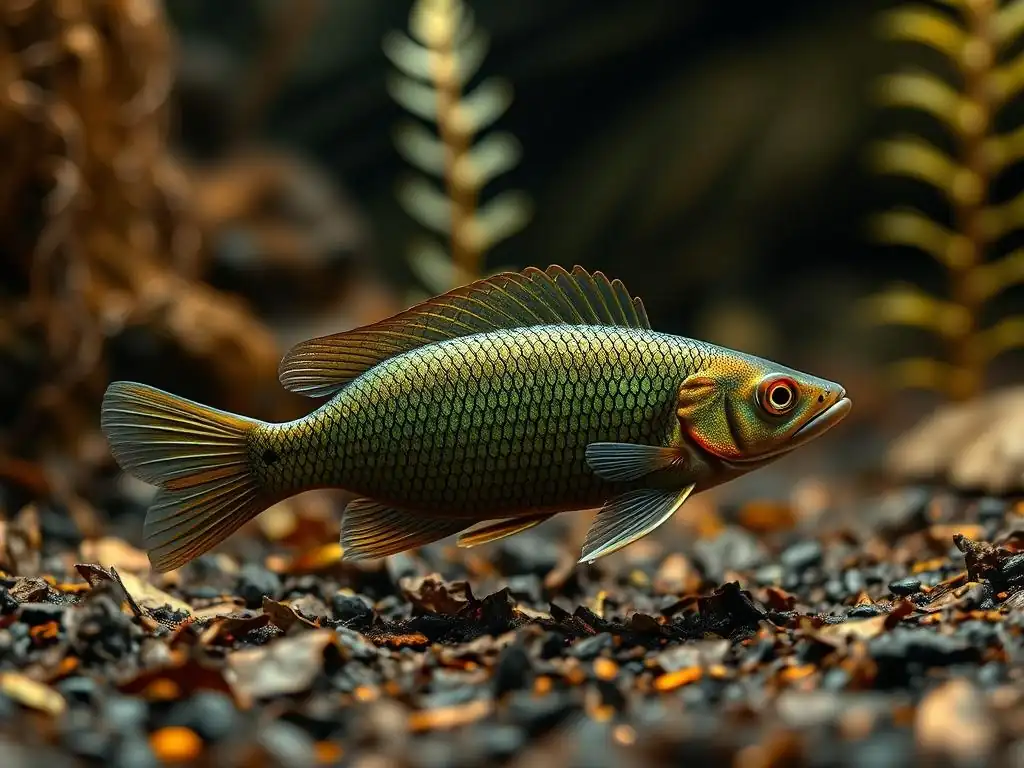
Replicating the Natural Diet of Swordtails and Variatus
Replicating the natural diet of wildtype swordtails and variatus is fundamental to their long-term health, coloration, and breeding success in a biotope aquarium. In their natural Central American habitats, these omnivorous fish consume a varied diet consisting of algae, detritus, small insects, insect larvae, and plant matter. A diet confined solely to a single type of flake food, while convenient, often falls short of providing the complete nutritional profile they require.
Therefore, a diverse feeding regimen that includes a mix of high-quality dry foods, along with regular supplements of live or frozen options, is crucial. This approach not only provides comprehensive nutrition but also stimulates their natural foraging behaviors, contributing to a more active and engaging wildtype swordtail biotope.
Live and Frozen Foods for Optimal Health
To truly replicate the natural diet of swordtails and variatus, incorporating live and frozen foods is essential. Live foods such as daphnia, brine shrimp, and small bloodworms offer superior nutritional value and stimulate the fish's natural hunting instincts. Daphnia, for instance, are rich in protein and carotenoids, which can enhance the vibrant coloration of your wildtype swordtail. Brine shrimp, while less nutritious, are excellent for encouraging active feeding behaviors.
Frozen varieties of these foods, like frozen bloodworms, mysis shrimp, or spirulina-enriched brine shrimp, are convenient alternatives that retain much of their nutritional content. Offering these diverse options 2-3 times per week, in addition to dry foods, significantly boosts the overall health, vitality, and breeding readiness of your fish in a wildtype swordtail biotope.
Supplementing with High-Quality Flake or Pellet Food
While live and frozen foods are excellent supplements, a high-quality flake or pellet food should form the staple of the diet for your wildtype swordtails and variatus. Choose a brand that is specifically formulated for omnivorous fish, with a good balance of protein (typically 35-45%), fats, and a significant percentage of vegetable matter, such as spirulina or algae. Look for ingredients lists that prioritize whole proteins and natural color enhancers.
Feeding a complete and balanced dry food ensures that your fish receive all necessary vitamins, minerals, and trace elements that might be difficult to provide consistently through live or frozen foods alone. This balanced approach is critical for maintaining the long-term health and immune system strength of your fish in a thriving wildtype swordtail biotope.
Feeding Frequency and Quantity
Proper feeding frequency and quantity are crucial for both the health of your fish and the water quality of your wildtype swordtail biotope. Overfeeding is a common mistake that leads to excess waste, nutrient buildup, and poor water quality, which can quickly compromise the delicate balance of the biotope and stress the fish. Conversely, underfeeding can lead to stunted growth, weakened immune systems, and increased aggression among tank inhabitants.
A balanced approach ensures that your fish receive adequate nutrition without polluting their environment. Observing your fish's behavior and their consumption rate is key to fine-tuning your feeding regimen.
Small meals offered 2-3 times a day are generally more beneficial than a single large feeding. This mimics their natural foraging behavior in the wild, where they would graze throughout the day. Only feed an amount that your swordtails and variatus can completely consume within 2-3 minutes. Any uneaten food should be promptly removed to prevent decomposition and the release of ammonia and nitrates into the water. Adjust feeding amounts based on the number of fish, their size, and their activity levels. A well-managed feeding schedule is a cornerstone of a healthy and stable wildtype swordtail biotope.
Maintaining Your Swordtail and Variatus Biotope Aquarium
Regular Water Changes and Filtration
Regular partial water changes are the single most important maintenance task for a wildtype swordtail biotope aquarium. They are essential for removing accumulated nitrates, phosphates, and other dissolved organic compounds that filtration alone cannot fully eliminate. Performing a 25-30% water change weekly is a good general guideline, but the frequency and volume may need to be adjusted based on tank size, stocking density, and feeding habits. Always use dechlorinated water that matches the tank's temperature and pH as closely as possible to avoid shocking the fish.
Effective filtration is equally critical. A good filtration system—whether a hang-on-back, canister, or sponge filter—should provide mechanical filtration to remove particulate matter, biological filtration to convert ammonia and nitrite, and potentially chemical filtration (e.g., activated carbon) to remove odors and discoloration. Ensure the filter provides adequate flow without creating excessive turbulence, which can stress swordtails, in your wildtype swordtail biotope.
Monitoring Water Parameters and Adjusting as Needed
Consistent monitoring of water parameters is fundamental to the long-term success of any wildtype swordtail biotope. Regular testing for pH, ammonia, nitrite, and nitrate is paramount. Weekly or bi-weekly tests are recommended, especially during the initial cycling phase and whenever issues arise. Ammonia and nitrite should always read zero, as even small amounts are highly toxic to fish. Nitrates should be kept below 20 ppm through regular water changes.
If parameters deviate significantly from the ideal ranges (e.g., pH drops, nitrates spike), immediate action is required. This might involve increasing the frequency or volume of water changes, checking filter media for clogging, or assessing feeding habits. Maintaining stable and appropriate water chemistry is the bedrock of a healthy wildtype swordtail biotope, preventing stress-related diseases and promoting overall fish vitality.
Plant Maintenance and Pruning
In a thriving wildtype swordtail biotope, plants play a crucial role in maintaining water quality and providing a natural environment. Regular plant maintenance is therefore essential. Fast-growing species like Vallisneria or stem plants will require periodic pruning to prevent them from overrunning the tank, shading out other plants, or blocking light to lower areas. Remove any yellowing, decaying, or melting leaves promptly, as their decomposition can add to the bioload and release nutrients that fuel algae growth.
For heavily planted tanks, supplementing with liquid fertilizers or root tabs might be necessary to ensure plants receive adequate macro and micronutrients. However, caution should be exercised to avoid over-fertilization, which can contribute to algae issues. A healthy, well-maintained plant ecosystem actively contributes to the stability and aesthetic appeal of your wildtype swordtail biotope.
Preventing and Treating Common Fish Diseases
Preventing common fish diseases in a wildtype swordtail biotope hinges primarily on excellent husbandry. Maintaining stable water parameters, providing a balanced and varied diet, avoiding overstocking, and minimizing stress are the most effective prophylactic measures. A crucial step is always quarantining new fish for at least 2-4 weeks in a separate tank before introducing them to the main biotope. This allows for observation and treatment of any latent diseases without jeopardizing your established community.
Should a disease arise, early detection is key. Common ailments in livebearers like swordtails include Ich (white spot disease), fin rot, or fungal infections. Observe your fish daily for any changes in behavior, appetite, coloration, or the appearance of spots, lesions, or frayed fins. Promptly identify the symptoms and consult reliable resources for appropriate treatment, which often involves specific medications and adjustments to water quality. Addressing issues quickly protects the entire population of your wildtype swordtail biotope.
Troubleshooting Common Issues in Wildtype Swordtail Biotopes
Algae Control in a Planted Aquarium
Algae growth is a common issue in any aquarium, including a wildtype swordtail biotope, and while a small amount is natural, excessive growth can be unsightly and indicate an imbalance. The primary culprits are typically too much light, excess nutrients (from overfeeding or insufficient water changes), or an imbalance in CO2 and nutrient levels for plants. For instance, if lighting is too intense or lasts too long (e.g., over 10 hours daily), algae will proliferate rapidly.
To control algae, first, address the root cause. Reduce light duration or intensity. Cut back on feeding to prevent excess nutrients. Increase the frequency or volume of water changes to lower nitrates and phosphates. Introduce algae-eating invertebrates like Nerite snails or Amano shrimp, which are compatible with a wildtype swordtail biotope. Manual removal of algae during maintenance sessions is also crucial to keep it in check and allow your desired plants to thrive.
Addressing Water Quality Problems
Water quality problems, such as persistent cloudiness, high ammonia or nitrite levels, or extreme pH fluctuations, are critical issues that can quickly jeopardize a wildtype swordtail biotope. Cloudy water often indicates a bacterial bloom (often due to overfeeding or inadequate filtration) or suspended particulates. Ammonia and nitrite spikes are usually signs of an immature filter, overstocking, or a decaying organic load.
To address these, perform immediate, significant water changes (e.g., 50% or more) to dilute toxins. Check and clean filter media to ensure proper flow and biological activity. Reduce feeding temporarily. If the tank is newly set up, be patient with the nitrogen cycle. For persistent issues, assess stocking levels and consider upgrading filtration. Consistent monitoring and proactive maintenance are essential to prevent and quickly remedy water quality issues in your wildtype swordtail biotope.
Managing Fish Health and Behavior
Even in a well-maintained wildtype swordtail biotope, fish health and behavioral issues can arise, indicating underlying problems. Lethargy, clamped fins, loss of appetite, or abnormal swimming are often signs of stress or illness. Aggression among swordtails, particularly between males, can indicate overstocking or insufficient hiding places. If a fish is constantly hiding, it may be stressed, sick, or being bullied.
To manage these issues, first, re-evaluate water parameters; poor water quality is a leading cause of stress and disease. Ensure the male-to-female ratio is appropriate for swordtails (e.g., 1 male to 2-3 females) to disperse aggression. Provide ample hiding spots through dense planting and hardscape. If a specific fish appears ill, consider quarantining it for observation and treatment. A healthy wildtype swordtail biotope fosters natural, vibrant behaviors, so any deviation warrants immediate investigation.
The Benefits of a Biotope Aquarium for Swordtails and Variatus
Promoting Natural Behaviors and Breeding
Creating a wildtype swordtail biotope aquarium offers unparalleled benefits in promoting the natural behaviors of Xiphophorus hellerii and Xiphophorus variatus. In an environment that closely mimics their native streams and rivers, these fish exhibit a full range of their inherent instincts. You'll observe more natural schooling patterns, intricate courtship displays, and dedicated foraging behaviors, which are often suppressed in less specialized setups. The provision of specific hardscape and plant elements encourages exploration and the establishment of territories, leading to more engaging interactions.
This naturalistic setting significantly reduces stress, allowing the fish to feel secure and behave as they would in the wild. As a direct result, breeding success often increases dramatically. The fish are more comfortable, healthier, and more inclined to reproduce, allowing aquarists to witness the full life cycle of these captivating species within their authentic wildtype swordtail biotope.
Enhancing Fish Health and Longevity
One of the most significant advantages of a wildtype swordtail biotope aquarium is the profound positive impact on fish health and longevity. By meticulously replicating their natural water parameters, temperature, and environmental enrichment, the fish experience significantly reduced stress levels. Chronic stress is a leading cause of weakened immune systems and susceptibility to diseases in aquarium fish. In a biotope, the stable and appropriate conditions minimize these stressors.
Furthermore, the naturalistic environment encourages active behavior and foraging, contributing to better physical condition. Fish in a well-executed wildtype swordtail biotope are less prone to stress-related ailments, display more vibrant coloration, and generally live longer, healthier lives compared to those kept in environments that do not cater to their specific ecological needs.
Creating a Visually Stunning and Educational Display
Beyond the benefits to the fish, a wildtype swordtail biotope aquarium is an exceptionally rewarding project for the aquarist, creating a visually stunning and deeply educational display. Unlike generic community tanks, a biotope offers a cohesive and harmonious aesthetic, presenting a living snapshot of a specific natural ecosystem. The careful arrangement of native-appropriate plants, substrate, and hardscape elements culminates in a breathtaking underwater landscape that captivates observers.
Moreover, such a setup serves as a powerful educational tool. It deepens the aquarist's understanding of aquatic ecology, the specific needs of species like the wildtype swordtail, and the importance of conservation. It becomes a dynamic, evolving exhibit that not only provides immense personal satisfaction but also inspires curiosity and appreciation for the natural world, making the wildtype swordtail biotope aquarium a truly enriching endeavor.
Frequently Asked Questions
How does a biotope aquarium differ from a regular aquarium setup?
A biotope aquarium specifically replicates a natural ecosystem, focusing on matching the water parameters, substrate, plants, and inhabitants of a particular geographic location, unlike a general aquarium that may mix species from different regions. This creates a more realistic and natural environment.
What are the key considerations when setting up a Wildtype Swordtail biotope aquarium?
Key considerations include accurately replicating the native waters of Wildtype Swordtails, using appropriate substrate and plants found in their natural habitat, and maintaining the correct water parameters like pH and hardness for optimal fish health.
What types of plants are commonly used in a Wildtype Swordtail biotope aquarium?
Plants commonly found in Wildtype Swordtail biotopes include Najas guadalupensis, Cabomba caroliniana, and various Echinodorus species, mimicking the vegetation found in their natural river and stream habitats.
Why is it important to replicate the water chemistry of a Wildtype Swordtail's natural habitat?
Replicating the water chemistry, including pH, hardness, and temperature, is crucial for the health and well-being of Wildtype Swordtails, as they are adapted to specific water conditions in their native environment. This minimizes stress and disease.
What are some common mistakes to avoid when setting up a Wildtype Swordtail biotope aquarium?
Common mistakes include introducing non-native species, using inappropriate substrate or lighting, and failing to maintain proper water parameters, all of which can negatively impact the health and balance of the biotope.
Final Reflection: Embracing Authenticity in the Aquarium
The journey into creating authentic biotope aquariums for wildtype swordtails and variatus reveals more than just the intricacies of replicating a natural environment; it highlights our responsibility to understand and preserve the delicate ecosystems that these fish call home. In a world increasingly disconnected from nature, these miniature ecosystems serve as vital reminders of the beauty and fragility of the wild, urging us to consider the impact of our actions on the planet.
This exploration has deeply influenced my perspective on aquarium keeping, shifting it from a purely aesthetic pursuit to one rooted in conservation and education. Understanding the specific needs and habitats of these fish has fostered a profound respect for their wild counterparts and the challenges they face. In the end, we will conserve only what we love; we will love only what we understand; and we will understand only what we are taught.
- Baba Dioum's words resonate deeply, reminding us of the power of knowledge and connection in fostering conservation efforts.
Now, I invite you to consider how you can bring a piece of the wild into your own life, not just in your aquarium, but in your everyday choices. Let the lessons learned from creating a wildtype swordtail biotope aquarium inspire you to become a more conscious and responsible steward of our planet, appreciating the intricate web of life that connects us all.
Dive Deeper into Authentic Aquascaping!
Thanks for exploring the world of biotope aquariums with us! We hope you’ve found inspiration to create a slice of paradise for your WildType Swordtails and Variatus. Ready to take the next step?
- Embark on the ultimate challenge:Recreate a specific known biotope for Xiphophorus hellerii using documented parameters and locally sourced materials!
- Share your biotope aquarium journey! Document your progress on social media using #AquariumMasteryBiotopes and inspire others.
- Explore similar biotope setups for other Central American fish – perhaps Heterandria formosa is your next adventure?
What unique native plant will you incorporate into your WildType Swordtail biotope?