
Why is My Oscar Not Eating? Troubleshooting Appetite Loss

Welcome to Aquarium Mastery!
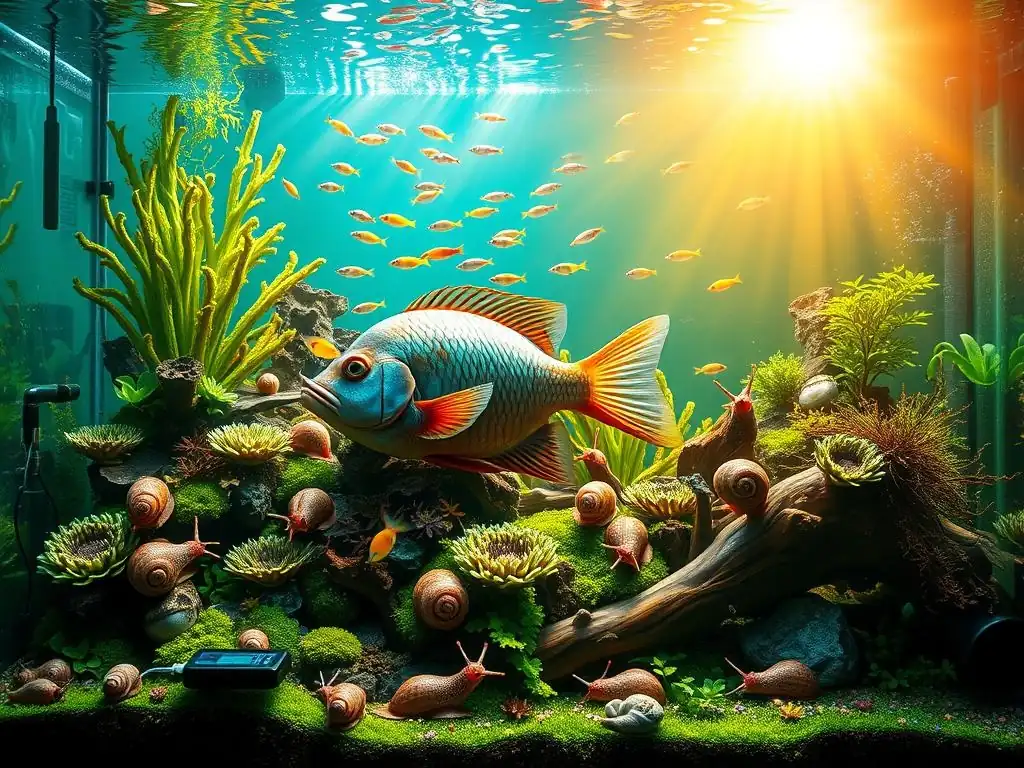
Is your Oscar fish refusing to eat? Don't panic! Understanding why your majestic Oscar has lost its appetite can be tricky, but we're here to help. Dive into our detailed guide on " Oscar fish not eating solution" and unlock the secrets to restoring your finned friend's healthy appetite. Let's get started!
- Understanding Oscar Fish Appetite and Behavior
- Common Reasons for Loss of Appetite in Oscar Fish
- Diagnosing the Cause of Appetite Loss in Your Oscar
- Oscar Fish Not Eating Solution: Treatment and Prevention
- When to Seek Professional Help for Your Oscar Fish
- Preventing Future Appetite Problems in Oscar Fish
-
Frequently Asked Questions
- Why is my Oscar suddenly refusing to eat?
- What water parameters are most critical for an Oscar's appetite?
- Could my Oscar's tank mates be causing the problem?
- How can I tell if my Oscar has an internal parasite?
- What are some common, easily accessible foods I can try to entice my Oscar to eat again?
- Final Reflection: Understanding the Oscar's Silent Plea
- Ignite Your Oscar's Appetite!
Understanding Oscar Fish Appetite and Behavior
Normal Eating Habits of Oscar Fish
Healthy Oscar fish (Astronotus ocellatus) are renowned for their voracious appetites and enthusiastic feeding behaviors. Typically, a thriving Oscar will eagerly rush to the surface or feeding area when food is introduced, often gulping it down rapidly. Adult Oscars are usually fed once or twice daily, consuming a quantity of food that they can finish within 2-3 minutes. Juveniles, due to their rapid growth rate, may require more frequent feedings, up to three times a day.
In their natural South American habitats, Oscars are opportunistic omnivores with a strong predatory instinct, feeding on insects, small fish, crustaceans, and even some plant matter. This translates to a high caloric demand in the aquarium, and a strong, consistent feeding response is a key indicator of their well-being. A sudden disinterest in food is often the first and most critical sign that something is amiss, prompting the need for an Oscar fish not eating solution.
Recognizing Signs of Appetite Loss in Oscars
The most obvious sign of appetite loss in an Oscar is a complete refusal to eat, or a lack of interest when food is offered. This might manifest as the fish ignoring food as it floats by, approaching it only to turn away, or taking food into its mouth and then spitting it out repeatedly. Beyond the direct feeding behavior, secondary signs often accompany a loss of appetite.
These secondary indicators can include lethargy, spending more time hiding than usual, clamped fins, faded coloration, or rapid, labored breathing. In some cases, physical changes like bloating, emaciation, or visible lesions may also be present. Observing these concomitant symptoms is crucial for diagnosing the underlying problem and finding an effective Oscar fish not eating solution.
Common Reasons for Loss of Appetite in Oscar Fish
Water Quality Issues Affecting Oscar Feeding
Ammonia and Nitrite Poisoning: Impact on Oscar Appetite
Ammonia and nitrite are highly toxic compounds that accumulate in aquariums from fish waste and decaying organic matter. Even at low concentrations, such as 0.25 ppm (parts per million) of ammonia or nitrite, these substances can cause significant stress, lethargy, and a noticeable reduction in an Oscar's appetite. Higher levels, exceeding 0.5 ppm, can lead to severe gill damage, internal organ failure, and can quickly become fatal if not addressed.
These toxins directly irritate the fish's gills, making it difficult to breathe, and enter the bloodstream, poisoning the fish from within. A fish suffering from ammonia or nitrite poisoning will feel unwell, leading to a complete loss of desire to feed. Therefore, the immediate testing of water parameters is a fundamental step in finding an Oscar fish not eating solution when appetite loss occurs.
Inadequate Water Temperature and Oscar Feeding
Oscar fish are tropical cichlids that thrive in specific temperature ranges, ideally between 74-80°F (23.5-26.5°C). Temperatures outside this optimal range can significantly impact their metabolism and overall health. If the water temperature drops too low, for example, below 72°F (22°C) for an extended period, an Oscar's metabolic rate will slow down drastically, making them sluggish and less interested in food. Their digestive system also becomes less efficient at colder temperatures.
Conversely, excessively high temperatures, consistently above 82°F (28°C), can reduce the dissolved oxygen levels in the water and increase the fish's metabolic demands, leading to stress. This stress can also manifest as a decreased appetite. Maintaining a stable and appropriate water temperature is therefore crucial for ensuring consistent and healthy feeding behavior in your Oscar.
pH Imbalance and Its Effect on Oscar's Eating Habits
Oscars prefer a slightly acidic to neutral pH range, typically between 6.5 and 7.5. Fluctuations or extreme deviations from this range can cause significant physiological stress, impacting their ability to regulate internal bodily functions, including digestion and nutrient absorption. A sudden pH crash (e.g., below 6.0) or a sharp spike (e.g., above 8.0) can lead to conditions like acidosis or alkalosis, which are highly detrimental to their health.
When an Oscar is subjected to a severe pH imbalance, its body is under immense strain trying to adapt, diverting energy away from normal activities like feeding. This can result in a complete refusal of food, lethargy, and even erratic swimming. Addressing pH imbalances promptly and carefully is a vital component of any Oscar fish not eating solution.
Oscar Fish Diseases and Infections
Internal Parasites Causing Appetite Loss in Oscars
Internal parasites, such as flagellates (like Hexamita), nematodes (roundworms like Capillaria), or cestodes (tapeworms), can infest an Oscar's digestive tract, leading to a range of symptoms including severe appetite loss. These parasites compete with the host for nutrients, cause internal damage, and can significantly impair the fish's ability to digest food properly. Infected Oscars may appear emaciated despite a continued, albeit often weak, interest in food, or they might completely refuse to eat.
Other signs of internal parasites can include stringy white feces, bloating, or a general decline in body condition. If an Oscar is not eating and exhibiting these symptoms, a parasitic infection should be strongly considered. An effective Oscar fish not eating solution in such cases often involves specific anti-parasitic medications, frequently administered through medicated food to ensure direct delivery to the digestive system.
Bacterial Infections and Reduced Feeding
Bacterial infections, both external (e.g., fin rot, body ulcers, columnaris) and internal (e.g., systemic infections like dropsy), are common causes of appetite loss in Oscar fish. These infections often arise when water quality is poor or the fish's immune system is compromised by stress. Infected fish typically become lethargic, may show visible signs of illness such as reddened areas, cloudy eyes, clamped fins, or swelling, and will lose interest in food as their body fights the infection.
Internal bacterial infections can affect organs vital for digestion and metabolism, making feeding difficult or painful. When an Oscar's body is battling a bacterial pathogen, its energy reserves are primarily directed towards its immune response, making the act of eating a low priority. Identifying and treating the specific bacterial infection with appropriate antibiotics is a critical step in restoring the Oscar's appetite.
Hexamita (Hole-in-the-Head Disease) and Its Impact on Appetite
Hexamita, a flagellate parasite, is particularly infamous for causing "Hole-in-the-Head" disease in cichlids, including Oscars. While the characteristic pitting and lesions on the head and lateral line are hallmark signs, one of the earliest and most consistent symptoms is a significant reduction in appetite, often progressing to a complete refusal of food. The parasite primarily affects the digestive tract first, leading to internal lesions and nutrient malabsorption before external signs become apparent.
The internal damage caused by Hexamita makes digestion painful and inefficient, causing the fish to become emaciated and highly lethargic. This directly impacts their desire to eat and ability to process food. An effective Oscar fish not eating solution for Hexamita typically involves prompt treatment with metronidazole, often combined with improved water quality and a nutritious diet to support recovery.
Stress Factors Affecting Oscar Fish Appetite
Overcrowding and Tank Size Considerations
Oscars are large, active, and territorial fish that can grow up to 12-14 inches (30-35 cm) or more in length. A single adult Oscar requires a minimum tank size of 75 gallons (approximately 280 liters) to thrive, with larger tanks being necessary for multiple Oscars or community setups. Insufficient tank space leads to chronic stress, inhibits natural behaviors, and exacerbates aggression among tank inhabitants.
In overcrowded conditions, Oscars experience constant stress due to limited territory and poor water quality (resulting from a high bioload in a small volume). This chronic stress can suppress their immune system and digestive functions, directly leading to a loss of appetite. Ensuring adequate space is foundational to an Oscar fish not eating solution when tank size is a contributing factor.
Aggressive Tank Mates and Their Impact on Oscar Feeding
While Oscars are known for their assertive nature, they can also be subjected to bullying by equally aggressive or larger tank mates, or even by dominant Oscars within a group if the social hierarchy is unstable. Constant harassment, chasing, or fin nipping prevents the Oscar from feeling secure enough to feed comfortably. This can lead to the Oscar hiding, becoming withdrawn, or being too stressed to approach food during feeding times.
Even subtle forms of intimidation can cause significant stress over time, making the Oscar feel unsafe in its own environment. This chronic anxiety is a common underlying reason for an Oscar fish not eating solution being sought, as the fish's primary instinct becomes survival and evasion rather than feeding. Careful selection of compatible tank mates is crucial for a peaceful and well-fed Oscar.
Sudden Changes in the Tank Environment
Oscar fish are highly sensitive to sudden or drastic changes in their aquarium environment. This includes large, unacclimated water changes, significant fluctuations in temperature or pH, the sudden introduction of new tank mates without proper quarantine, moving the tank, or even abrupt changes in lighting cycles. Such disruptions can trigger a profound stress response in these fish.
When an Oscar is subjected to environmental upheaval, its natural instinct is often to become withdrawn, hide, and cease feeding until it feels secure and the environment stabilizes. This period of appetite loss can range from a few hours to several days, depending on the severity of the change. Gradual acclimatization and maintaining stability are key to preventing stress-induced appetite issues.
Dietary Issues and Picky Eating Habits
Offering a Varied and Balanced Diet for Oscars
Oscars, like all fish, require a varied and balanced diet to ensure they receive all necessary nutrients for optimal health. Relying solely on one type of food, especially low-quality flakes or pellets, can lead to nutritional deficiencies over time, which may manifest as poor health, faded colors, and a gradual loss of interest in food. A high-quality diet for Oscars should include premium cichlid pellets as a staple, supplemented with a variety of frozen foods like bloodworms, brine shrimp, krill, and occasional feeder insects.
Lack of dietary diversity can result in specific vitamin or mineral deficiencies, such as a lack of Vitamin C, leading to a weakened immune system, or insufficient essential amino acids, resulting in overall weakness and reduced vitality. A fish that is not receiving adequate nutrition will eventually lose its appetite.
Food Size and Presentation Preferences
The size of the food offered can significantly impact an Oscar's willingness to eat. Food that is too small might be ignored, as it doesn't represent a substantial meal for a large fish, or it might be difficult for them to perceive. Conversely, food that is too large can be challenging to swallow, leading to the Oscar attempting to eat it and then spitting it out repeatedly, or simply refusing it altogether. For an adult Oscar, pellets typically ranging from 5-8mm are often ideal.
Beyond size, the presentation of food also plays a role. Some Oscars prefer floating pellets, while others prefer sinking foods. Their natural predatory instincts mean they are often attracted to movement, so food that wiggles or drifts naturally in the current can be more enticing than static, unmoving pieces. Experimenting with different presentations can be a simple Oscar fish not eating solution for a picky eater.
Overfeeding and Its Consequences
Overfeeding is a common mistake in aquarium keeping, and it can directly contribute to an Oscar's loss of appetite. When a fish is consistently fed too much food, it may simply not be hungry for subsequent meals. More critically, uneaten food rapidly decays in the aquarium, leading to a rapid decline in water quality, including dangerous spikes in ammonia and nitrite, which then cause stress and illness.
Chronic overfeeding can also lead to internal health issues for the Oscar itself, such as fatty liver disease or digestive problems, as their bodies struggle to process the excess nutrients. These internal issues inevitably result in a significant reduction in appetite and overall vitality. It is always better to feed small amounts multiple times a day than one large meal to prevent these problems.
Diagnosing the Cause of Appetite Loss in Your Oscar
Observing Your Oscar's Behavior and Symptoms
When your Oscar is not eating, the first crucial step is to meticulously observe its behavior and any accompanying symptoms for at least 24-48 hours. Pay close attention to its swimming patterns – is it lethargic, swimming erratically, or constantly hiding? Note any changes in its physical appearance, such as clamped fins, faded or darkened coloration, bloating, emaciation, cloudy eyes, or any visible lesions, spots, or growths on its body or fins.
During feeding time, observe its reaction to food. Does it completely ignore the food? Does it approach the food only to turn away? Or does it attempt to eat but repeatedly spit the food out? These specific observations provide invaluable clues that can narrow down the potential causes and guide you toward the most appropriate Oscar fish not eating solution.
Testing Your Aquarium Water Parameters
After observing your Oscar, the next immediate and critical step is to test your aquarium water parameters thoroughly. Use a reliable liquid-based test kit (these are generally more accurate than test strips) to measure ammonia, nitrite, nitrate, pH, and water temperature. Record these readings accurately for comparison and future reference.
Compare your test results to the ideal parameters for Oscar fish: Ammonia 0 ppm, Nitrite 0 ppm, Nitrate below 20 ppm, pH between 6.5 and 7.5, and a temperature range of 74-80°F (23.5-26.5°C). Any significant deviation from these optimal ranges, particularly the presence of ammonia or nitrite, strongly indicates that water quality issues are a primary suspect for your Oscar's appetite loss, making water parameter adjustment the priority for an Oscar fish not eating solution.
Identifying Potential Dietary Issues
If water parameters appear to be within healthy ranges and there are no obvious signs of disease, consider your Oscar's diet. Review your current feeding regimen: What specific foods are you offering? How often do you feed? How much food is given at each feeding? Is the food fresh, or has it been open for a long time (which can reduce nutritional value and palatability)? Is the food size appropriate for your Oscar?
Try offering a small amount of a highly palatable treat, such as a thawed frozen bloodworm, a piece of high-quality krill, or a different brand of premium sinking pellet, to see if there is any interest. This can help determine if the Oscar is genuinely unwell or simply being a picky eater due to a monotonous or unappealing diet.
Oscar Fish Not Eating Solution: Treatment and Prevention
Improving Water Quality for Oscar Fish
Performing Regular Water Changes
For immediate relief from poor water quality, especially if ammonia or nitrite are detected, perform a large partial water change of 30-50%, ensuring the new water is temperature-matched and thoroughly dechlorinated. For routine maintenance and prevention, consistent weekly water changes of 25-30% are highly recommended for an Oscar tank. This dilutes accumulated nitrates and other pollutants, replenishing essential minerals.
Regular water changes are arguably the most effective and fundamental Oscar fish not eating solution, as they directly address the leading cause of stress and illness in most aquarium fish. They help maintain a clean and stable environment, crucial for an Oscar's health and appetite.
Optimizing Filtration and Aeration
Ensure your aquarium filtration system is robust and adequately sized for an Oscar's substantial bioload. Canister filters or large hang-on-back filters with strong mechanical (sponge/filter floss), chemical (activated carbon, if needed), and biological (ceramic rings, bio-balls) media are essential. Clean filter media regularly to prevent blockages and maintain efficiency, but avoid cleaning all media at once to preserve beneficial bacteria colonies.
Adequate aeration, provided by an air stone, sponge filter, or simply the strong surface agitation from the filter output, ensures sufficient dissolved oxygen levels in the water. High oxygen levels are vital for a fish's metabolism, respiratory health, and, consequently, a healthy appetite, especially in warmer water.
Adjusting Water Parameters
If your water tests reveal imbalanced pH, make gradual adjustments using pH buffers specifically designed for aquariums, or by incorporating reverse osmosis (RO) water mixed with tap water to achieve the desired range. Avoid rapid pH changes, as these can be more detrimental than stable, slightly off parameters. Use a reliable aquarium heater to maintain the water temperature consistently within the ideal 74-80°F (23.5-26.5°C) range, checking it daily for stability.
Consistent and stable water parameters are key to preventing stress and supporting an Oscar's overall well-being. A stable environment helps the fish feel secure and encourages regular feeding, forming a foundational Oscar fish not eating solution.
Treating Oscar Fish Diseases and Infections
Using Medications for Parasitic Infections
If internal parasites are suspected, specific medications such as praziquantel (for tapeworms and flukes) or metronidazole (for flagellates like Hexamita) are often effective. These treatments are most potent when administered through medicated food, ensuring the medication reaches the parasite directly within the digestive tract. Medicated flakes or pellets can often be purchased, or you can soak your Oscar's regular food in a liquid medication.
Always follow the manufacturer's dosage instructions precisely and complete the entire course of treatment, even if your Oscar's appetite returns quickly. This prevents recurrence and ensures all parasites are eradicated. Quarantining new fish before introduction to the main tank can also prevent parasitic outbreaks.
Treating Bacterial Infections with Antibiotics
For suspected bacterial infections, broad-spectrum antibiotics like erythromycin, furan-2, or oxytetracycline may be necessary. It is advisable to consult with an aquatic veterinarian if possible, as they can accurately diagnose and recommend the most effective treatment. Antibiotics can be dosed directly into the water, or, preferably for internal infections, administered via medicated food.
Alongside medication, it is paramount to simultaneously improve water quality, as poor conditions often contribute to bacterial issues. Remember to remove activated carbon from your filter during treatment, as it will absorb the medication, rendering it ineffective. A clean environment and targeted medication are crucial for an Oscar fish not eating solution related to bacterial infections.
Addressing Hexamita with Appropriate Treatment
Hexamita is primarily treated with metronidazole. This medication can be administered orally through medicated food, which is the preferred method for internal parasites, or as a water treatment. A common dosage might be 250 mg per 10 gallons of water, with treatments repeated every 24-48 hours after a partial water change. The duration of treatment typically spans 5-10 days, depending on the severity.
In addition to medication, improving water quality, slightly increasing the water temperature to 82-84°F (28-29°C) to boost the fish's metabolism and immune response, and providing a high-quality, varied diet are crucial supportive measures. This multi-faceted approach offers the most comprehensive Oscar fish not eating solution for Hexamita.
Reducing Stress and Improving Tank Conditions
Providing Adequate Space for Your Oscar
To mitigate stress-related appetite loss, ensure your Oscar has ample space. A single adult Oscar requires a minimum tank size of 75 gallons (approx. 280 liters), with 125 gallons (approx. 470 liters) or more being ideal for a pair or a community setup. Ample space reduces territorial aggression, allows for natural swimming patterns, and helps maintain stable water parameters by diluting the bioload.
Consider incorporating appropriate hiding spots, such as large caves, driftwood, or sturdy rock formations, into the tank decor. These provide the Oscar with a sense of security and a place to retreat when feeling stressed or needing a break from tank mates, contributing to a more relaxed and appetite-friendly environment.
Choosing Compatible Tank Mates
Careful selection of tank mates is crucial for an Oscar's well-being and appetite. Avoid overly aggressive species that might bully your Oscar, and equally, avoid very small fish that could be perceived as food. Good compatible choices often include other large, robust cichlids of similar temperament (if the tank is sufficiently massive), large plecos, or silver dollars.
When introducing new tank mates, do so gradually and monitor interactions closely for several days or weeks. Be prepared to separate fish if persistent aggression or bullying occurs, as chronic stress from incompatible tank mates is a common reason why an Oscar fish not eating solution might be necessary.
Creating a Stable Tank Environment
Oscars thrive in a stable environment. Avoid sudden, drastic changes to water parameters, lighting schedules, or tank decor. Maintain consistent lighting for 10-12 hours per day using a timer, and ensure that water temperature and pH remain stable within their ideal ranges. Any major tank maintenance or re-arranging should be done calmly and efficiently to minimize disruption.
A stable and predictable environment helps the Oscar feel secure, reduces stress levels, and promotes consistent, healthy feeding behavior. This proactive approach is a vital part of preventing stress-induced appetite loss in the first place.
Addressing Dietary Issues and Picky Eating
Experimenting with Different Food Types and Sizes
To stimulate a picky Oscar's appetite, experiment with a variety of high-quality foods. Offer different types of cichlid pellets (both floating and sinking), and supplement with a range of frozen foods such as bloodworms, brine shrimp, krill, and mysis shrimp. You can also try occasional gut-loaded feeder insects like crickets. Avoid feeding only one type of food.
Adjust the food size to match your Oscar's mouth. For an adult Oscar, pellets approximately 5-8mm are often ideal, while smaller sizes are appropriate for juveniles. Sometimes, simply changing the brand or texture of the primary pellet can re-engage a reluctant eater.
Soaking Food in Garlic to Stimulate Appetite
Garlic extract, specifically formulated for aquarium use (e.g., Seachem GarlicGuard), can be an effective appetite stimulant. A few drops can be used to soak pellets or frozen foods for 10-15 minutes before feeding. Garlic is known to enhance the palatability of food for many fish species, making otherwise unappealing food more enticing.
This method is a safe and commonly used Oscar fish not eating solution for picky eaters or fish recovering from illness who need an extra push to start eating again. It can significantly increase the chances of your Oscar taking a bite.
Establishing a Regular Feeding Schedule
Establishing and adhering to a regular feeding schedule can greatly benefit an Oscar's appetite and overall well-being. Feed your Oscar 1-2 times daily, at consistent times each day. This routine helps them anticipate feeding, reduces stress, and can encourage a more robust feeding response.
Always feed only what your Oscar can consume within 2-3 minutes to prevent overfeeding and subsequent water pollution. Promptly remove any uneaten food from the tank to maintain water quality. A consistent schedule promotes healthy digestive function and a reliable appetite.
When to Seek Professional Help for Your Oscar Fish
Recognizing Signs of Severe Illness
If your Oscar's appetite loss persists for more than 3-5 days despite diligent efforts to address water quality, diet, and stress factors, or if it is accompanied by severe and worsening symptoms, professional help is warranted. These severe signs include extreme lethargy, rapid and labored breathing, significant bloating or dropsy, open sores or ulcers that are spreading, rapid weight loss despite attempts to feed, or any unusual growths or deformities.
These symptoms often indicate an advanced stage of illness that may require specialized diagnostic tests and treatments beyond the scope of general aquarium keeping knowledge. Delaying professional intervention can severely reduce the chances of recovery for your Oscar.
Consulting with a Veterinarian or Experienced Aquarist
An aquatic veterinarian is the ideal professional to consult for severe or undiagnosed illnesses. They can perform specific diagnostic procedures such as skin scrapes, gill biopsies, fecal examinations, or even necropsies to pinpoint the exact cause of the illness. Based on their findings, they can prescribe targeted medications, including prescription-strength antibiotics or anti-parasitics, that are not available to the general public.
If an aquatic veterinarian is not accessible in your area, seek advice from highly experienced aquarists at a reputable local fish store or through online forums with verified experts. While they cannot prescribe medication, their extensive experience with Oscar fish health issues can often provide valuable insights and guidance for an Oscar fish not eating solution.
Preventing Future Appetite Problems in Oscar Fish
Maintaining Optimal Water Quality
The cornerstone of preventing future appetite problems in Oscar fish is the consistent maintenance of optimal water quality. This involves performing weekly 25-30% partial water changes without fail. Utilize a powerful and appropriately sized filtration system for your Oscar's heavy bioload, and ensure filter media is cleaned regularly to prevent clogs and maintain efficiency.
Regularly test your water parameters (ammonia, nitrite, nitrate, pH, temperature) at least weekly to catch any fluctuations before they become problematic. Proactive water management significantly reduces stress and the risk of disease, thereby safeguarding your Oscar's appetite and overall health. This commitment is the ultimate long-term Oscar fish not eating solution.
Providing a Balanced Diet
To ensure your Oscar maintains a healthy appetite and receives all necessary nutrients, offer a diverse and balanced diet. Make high-quality cichlid pellets the staple, but supplement them regularly (2-3 times a week) with a variety of frozen foods such as krill, bloodworms, brine shrimp, and mysis shrimp. Avoid relying solely on cheap flake food, which often lacks essential nutrients.
Feed small amounts, 1-2 times daily, ensuring that all food is consumed within 2-3 minutes to prevent overfeeding and water pollution. Rotating food types not only provides comprehensive nutrition but also keeps your Oscar interested in its meals, preventing boredom-induced pickiness.
Monitoring Your Oscar's Behavior and Health
Dedicate a few minutes each day to observing your Oscar closely, especially during feeding times. Learn its normal behavior patterns, including its typical activity level, swimming style, coloration, and reaction to food. Pay close attention to any subtle changes in appetite, energy levels, fin clamping, or any visible physical abnormalities.
Early detection of any deviations from its normal behavior or appearance allows for prompt intervention. Addressing minor issues quickly can prevent them from escalating into severe illnesses that lead to complete appetite loss, making daily observation a powerful preventive measure for an Oscar fish not eating solution.
Regular Tank Maintenance and Cleaning
Beyond routine water changes, regular tank maintenance and cleaning are crucial for a healthy Oscar. Use an aquarium gravel vacuum to remove uneaten food, fish waste, and other detritus from the substrate, which are major contributors to poor water quality. Clean tank decorations and the aquarium glass as needed to prevent algae buildup and maintain a clear view of your fish.
Ensure all aquarium equipment, including the heater, filter, and air pump, is functioning correctly and efficiently. A consistently well-maintained and clean environment significantly reduces stress on your Oscar, promotes robust immune function, and directly contributes to a consistent and healthy appetite, serving as a comprehensive long-term Oscar fish not eating solution.
Frequently Asked Questions
Why is my Oscar suddenly refusing to eat?
There are several reasons why your Oscar might stop eating. Common causes include poor water quality, stress from tank mates, or internal parasites. Check your water parameters and observe your Oscar for other signs of illness.
What water parameters are most critical for an Oscar's appetite?
Maintaining pristine water conditions is crucial. Pay close attention to ammonia and nitrite levels, which should be at zero. Also, ensure a stable and appropriate pH level for your Oscar.
Could my Oscar's tank mates be causing the problem?
Yes, aggressive or bullying tank mates can severely stress an Oscar, leading to appetite loss. Ensure your Oscar has adequate space and isn't being harassed. Consider separating the Oscar to a quarantine tank.
How can I tell if my Oscar has an internal parasite?
Signs of internal parasites can include white, stringy feces, a bloated abdomen, and lethargy. If you suspect parasites, consult a veterinarian or research appropriate medications.
What are some common, easily accessible foods I can try to entice my Oscar to eat again?
Try offering live foods like bloodworms or earthworms, as these are often irresistible to Oscars. You can also try soaking their usual food in garlic juice, which can stimulate their appetite.
Final Reflection: Understanding the Oscar's Silent Plea
The challenges faced by Oscar fish keepers, as explored in this article, are not merely about maintaining a pet; they are about understanding and responding to a silent language of distress. The reasons behind an Oscar fish refusing to eat are multifaceted, mirroring the complexities of any living creature's well-being, and demand a proactive and informed approach from the aquarist.
The experience of caring for an Oscar, and indeed any animal, profoundly shapes our understanding of responsibility and empathy. Witnessing an animal's distress, especially when it manifests as a loss of appetite, compels us to look beyond the surface and delve into the underlying causes. This journey of discovery, of learning to interpret subtle cues and adjust our care accordingly, is a testament to the deep connection we can forge with the creatures we share our lives with. The greatness of a nation and its moral progress can be judged by the way its animals are treated.
- Mahatma Gandhi. This quote resonates deeply, reminding us that our compassion extends beyond our own species and reflects our own humanity.
Now, armed with the knowledge and insights shared in this article, I encourage you to reflect on your own approach to animal care. Are you truly listening to the needs of your Oscar, or any other pet you may have? Take the time to observe, to learn, and to adapt. By doing so, you not only ensure the health and happiness of your aquatic companion but also enrich your own life with the profound rewards of responsible and compassionate stewardship.
Ignite Your Oscar's Appetite!
Thanks for diving into the world of Oscar health! Hopefully, you now have a clearer understanding of why your finned friend might be turning its nose up at dinner. Now, let's get that appetite roaring back!
Here's how you can take action:
- Immediately try a different high-quality food. Oscars can be picky, and a simple change might be all it takes. Consider live foods (responsibly sourced, of course!) as a tempting treat.
- Observe your Oscar closely for any signs of illness beyond just appetite loss. Note any unusual behavior or physical symptoms.
- Share your Oscar's story in the Aquarium Mastery community forum. Other Oscar enthusiasts might have encountered similar issues and offer valuable insights.
What's the first delicious new food you're going to offer your Oscar tonight?