
Breeding Ember Tetras: Igniting a Shoal of Miniature Fiery Jewels

Welcome to Aquarium Mastery!
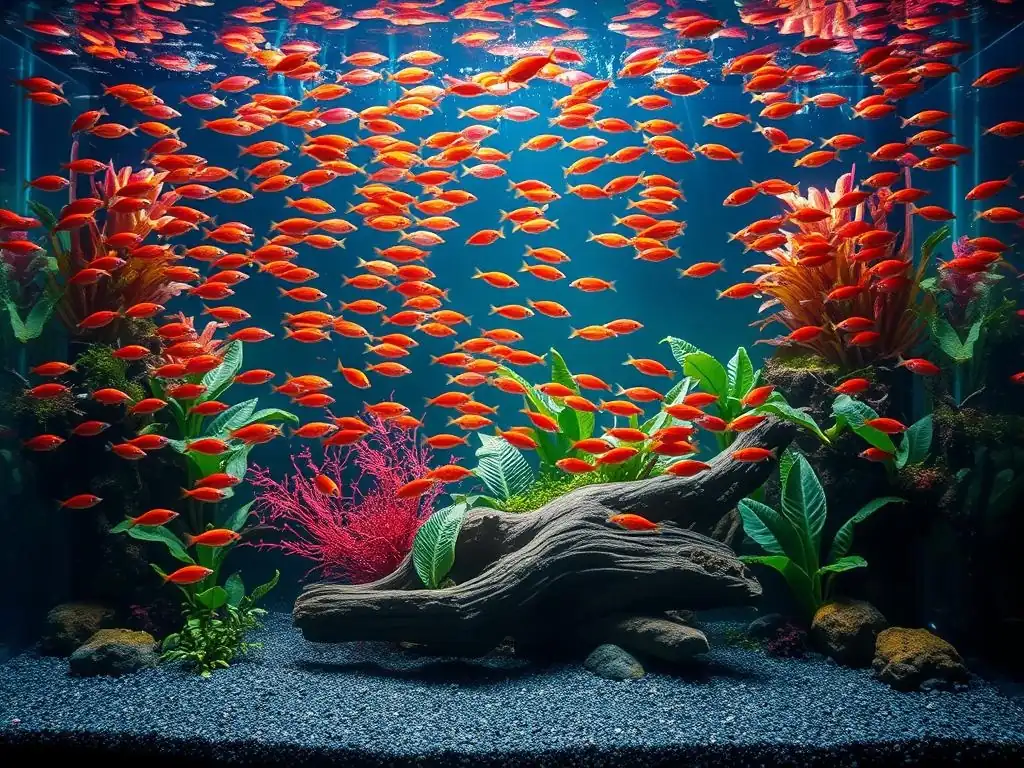
Ever dreamt of seeing tiny, fiery jewels shimmering in your freshwater tank? Our Ember Tetra breeding guide unlocks the secrets to successfully raising these captivating little fish. Dive in and discover how to create the perfect conditions, identify breeding pairs, and nurture a new generation of these vibrant beauties. Ready to ignite your own shoal? Let's get started!
- Introduction to Ember Tetra Breeding: A Comprehensive Guide
- Preparing for Ember Tetra Spawning: Creating the Ideal Environment
- The Ember Tetra Spawning Process: A Step-by-Step Guide
- Raising Ember Tetra Fry: From Hatching to Juvenile
- Troubleshooting Ember Tetra Breeding: Common Problems and Solutions
- Conclusion: Mastering Ember Tetra Breeding for Aquarium Mastery
-
Frequently Asked Questions
- How difficult is it to breed Ember Tetras?
- What are the ideal water conditions for Ember Tetra breeding?
- What do Ember Tetras eat during breeding and what should I feed the fry?
- How can I prevent adult Ember Tetras from eating their eggs or fry?
- How long does it take for Ember Tetra eggs to hatch and for the fry to become free-swimming?
- Final Reflection: Igniting the Spark of Life
- Ignite Your Aquarium: Breed Your Own Ember Tetras!
Introduction to Ember Tetra Breeding: A Comprehensive Guide
Why Breed Ember Tetras? Unveiling the Joys of Reproduction
Breeding Ember Tetras (Hyphessobrycon amandae) offers a uniquely rewarding experience for aquarists. These diminutive, vibrant fish, renowned for their fiery orange coloration and peaceful schooling behavior, provide an intimate glimpse into the aquatic life cycle. Successfully raising a shoal of these miniature jewels from egg to fry to juvenile is not only a testament to an aquarist's dedication but also a deeply satisfying contribution to the freshwater aquarium hobby. It allows enthusiasts to observe intricate spawning rituals and the delicate early stages of fish development up close.
Beyond the personal satisfaction, breeding Ember Tetras can contribute positively to the hobby by reducing reliance on wild-caught specimens, promoting sustainable practices. For instance, a single successful spawn can yield dozens, sometimes even over a hundred, fry. This can offset the demand for imported fish, which often undergo stressful transit. Furthermore, it serves as an excellent educational project, particularly for those new to fish breeding, offering practical lessons in water chemistry, nutrition, and lifecycle management. A well-executed Ember tetra breeding guide provides the blueprint for this rewarding endeavor.
Understanding Ember Tetra Biology for Successful Breeding
To embark on a successful Ember tetra breeding journey, understanding their natural biology is paramount. Originating from the Araguaia River basin in Brazil, these tetras thrive in slow-moving, heavily vegetated blackwater streams and tributaries. Their small size, typically reaching only about 0.8 inches (2 cm) in length, allows them to navigate dense plant thickets, which also serve as their spawning grounds in the wild. Ember Tetras are micropredators, feeding on tiny invertebrates and zooplankton, a dietary preference that becomes crucial during conditioning for breeding.
In terms of reproduction, Ember Tetras are classic egg scatterers, meaning they release their adhesive eggs freely into the water column, often among fine-leaved plants or spawning mops, without any parental care. Females can lay between 50 to 150 eggs per spawn, depending on their size and conditioning. Sexual maturity is typically reached around 6 to 8 months of age, though some individuals may be ready sooner. This lack of parental investment necessitates the removal of adult fish post-spawning to protect the vulnerable eggs and fry, a critical step often highlighted in any comprehensive Ember tetra breeding guide.
Preparing for Ember Tetra Spawning: Creating the Ideal Environment
Setting Up a Dedicated Ember Tetra Breeding Tank
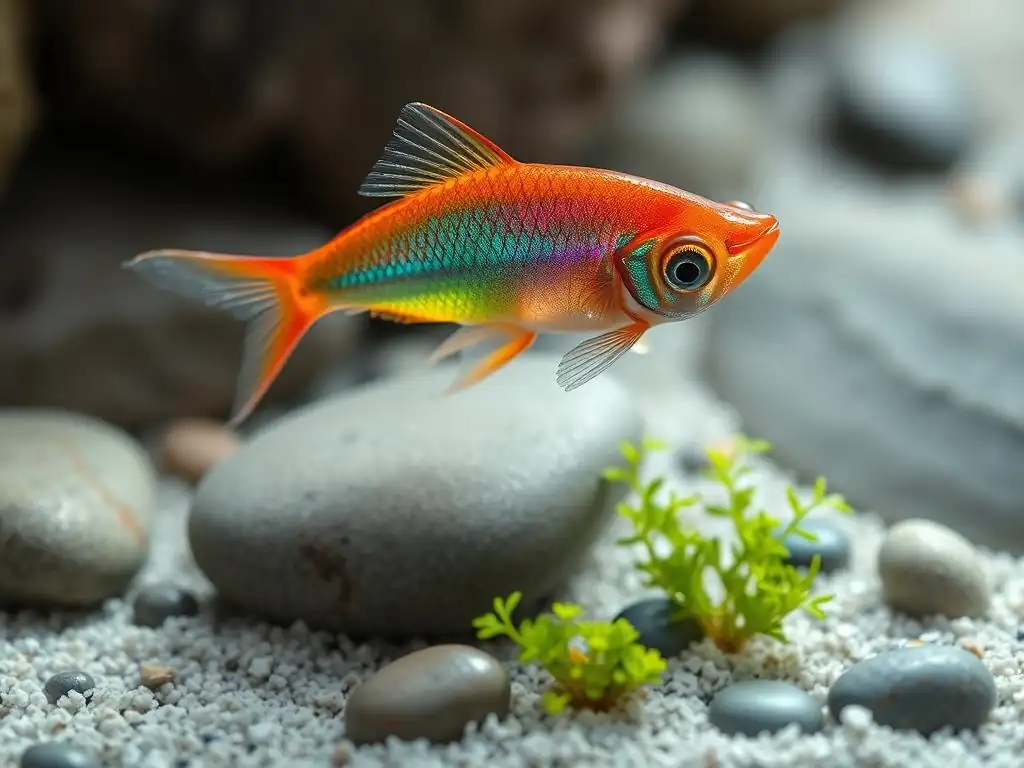
Establishing a separate, dedicated breeding tank is a cornerstone of successful Ember tetra breeding. This isolated environment provides precise control over water parameters, minimizes disturbances, and, most importantly, protects the delicate eggs and fry from predation by adult fish or other tank inhabitants. A clean, sterile setup is essential to prevent fungal infections on the eggs. Prior to use, the tank should be thoroughly cleaned with hot water (no soap or detergents) and allowed to air dry.
Once cleaned, the breeding tank needs to be cycled and established, just like any other aquarium, to ensure stable water chemistry. While a full nitrogen cycle isn't always necessary if water changes are frequent and meticulous, using established filter media from a healthy tank can significantly accelerate the process. This pre-preparation is vital, as sudden parameter swings can stress the breeding pair and reduce spawning success.
Tank Size and Dimensions for Optimal Breeding
For Ember tetra breeding, a smaller tank is generally preferred over a large one. A 5-gallon (approximately 19-liter) to 10-gallon (approximately 38-liter) aquarium is perfectly adequate for a single breeding pair or a small group (e.g., two males and one female). The modest size makes it easier to monitor the fish, observe spawning behavior, and later, locate and manage the incredibly tiny fry.
Crucially, the depth of the water in the breeding tank should be kept relatively shallow, around 6 to 8 inches (15-20 cm). This mimics their natural shallow water habitats and encourages the fish to spawn closer to the substrate or spawning medium, making it easier for the eggs to settle and be collected. A shallower depth also reduces the vertical distance fry need to travel to reach the surface for their first gulp of air, which is vital for developing their swim bladder.
Substrate and Decor: Mimicking the Ember Tetra's Natural Habitat
The choice of substrate and decor is critical for egg collection and protection in Ember tetra breeding. Since Ember Tetras are egg scatterers with no parental care, their eggs need a place to settle safely away from hungry adults. Spawning mops, made from synthetic yarn, are an excellent choice as they provide numerous strands for eggs to adhere to and fall into, making collection simple. Alternatively, a dense mat of fine-leaved plants like Java Moss (Taxiphyllum barbieri), Hornwort (Ceratophyllum demersum), or Water Sprite (Ceratopteris thalictroides) can serve the same purpose, mimicking their natural spawning sites.
For added protection and to prevent eggs from being eaten immediately, some aquarists opt for a bare-bottom tank covered with a layer of glass marbles or a plastic mesh (e.g., egg crate light diffuser) raised slightly off the bottom. The eggs fall through the gaps, becoming inaccessible to the adults. Whichever method is chosen, ensuring ample hiding spots and a sense of security for the fish, perhaps with a small piece of driftwood or a few smooth pebbles, can encourage spawning behavior.
Essential Equipment: Filtration, Heating, and Lighting for Breeding Success
The right equipment ensures a stable and conducive environment for Ember tetra breeding. For filtration, a gentle air-driven sponge filter is highly recommended. Its soft current prevents delicate eggs and newly hatched fry from being sucked up or buffeted, while still providing essential mechanical and biological filtration. Power filters, even hang-on-back types, are generally too strong and should be avoided in a breeding setup.
Maintaining a stable temperature is vital for triggering spawning and ensuring proper egg development. A reliable heater set to a consistent temperature between 76-82°F (24-28°C) is ideal for Ember tetra breeding. Fluctuations can stress the fish and hinder reproduction. Lighting should be dim and subdued, mimicking their natural blackwater habitat. A standard aquarium light on a timer set for 8-10 hours a day is usually sufficient, or even ambient room light, as excessive brightness can deter spawning and harm sensitive fry.
Water Parameters for Triggering Ember Tetra Spawning
Precise water parameters are paramount for successful Ember tetra breeding, as these fish are highly sensitive to their environment. Replicating the soft, acidic conditions of their native Amazonian streams is key to encouraging spawning and ensuring egg viability. Ignoring these parameters is a common pitfall in many breeding attempts.
Before introducing the breeding pair, the water in the breeding tank should be meticulously prepared and tested. Regular monitoring with reliable test kits for pH, GH (General Hardness), KH (Carbonate Hardness), ammonia, nitrite, and nitrate is indispensable. Consistency is more important than hitting exact numbers, but aiming for the ideal range significantly increases the chances of a successful spawn. This focus on water chemistry is a core component of any effective Ember tetra breeding guide.
Achieving the Perfect Water Chemistry for Breeding
To trigger spawning in Ember Tetras, the water needs to be soft and acidic. The ideal pH range is between 5.5 and 6.5, with some success reported even down to 5.0. For hardness, aim for very soft water: a General Hardness (GH) of 1-5 dGH (17.9-89.5 ppm) and a Carbonate Hardness (KH) of 0-2 dKH (0-35.8 ppm). This low KH is crucial as it indicates very little buffering capacity, allowing the pH to drop more easily.
Achieving these parameters often requires using reverse osmosis (RO) water mixed with a small amount of tap water or remineralization salts to achieve the target GH. Peat filtration (e.g., peat moss in a filter bag or liquid peat extract) can naturally lower pH and soften water while adding beneficial humic substances, mimicking blackwater conditions. Tannins released from Indian Almond Leaves (Terminalia catappa) or small pieces of driftwood can also contribute to the desired soft, acidic, and slightly stained water, further stimulating the Ember tetra breeding process.
Maintaining Water Quality During the Breeding Process
Maintaining pristine water quality is as crucial as achieving the initial parameters during Ember tetra breeding. Even slight elevations in ammonia, nitrite, or nitrate can stress the delicate breeding pair and harm developing eggs or newly hatched fry. Daily, small water changes of 10-20% are highly recommended, especially after spawning and during the fry-rearing phase.
When performing water changes, use aged, conditioned water that matches the temperature and parameters of the breeding tank precisely. Drip acclimation for the new water can be beneficial, minimizing shock. Siphon any uneaten food or waste carefully from the bottom of the tank, as decaying organic matter rapidly degrades water quality. Consistent monitoring and proactive maintenance are non-negotiable for a healthy environment conducive to successful Ember tetra breeding.
Conditioning Ember Tetras for Breeding: Diet and Care
Proper conditioning is the process of preparing adult Ember Tetras for spawning by providing optimal nutrition and care, thereby maximizing their health, fertility, and egg production. This phase is critical and can take anywhere from one to two weeks. A well-conditioned pair will be more vibrant, active, and significantly more likely to spawn successfully.
During conditioning, the focus is on a high-quality, varied diet that mimics their natural food sources and ensures they are in peak physical condition. It's also important to ensure the fish are stress-free, housed in a stable environment, and free from any signs of disease. Healthy, robust parents are the foundation for healthy, robust fry, making this an indispensable part of any Ember tetra breeding guide.
The Importance of Live and Frozen Foods
For optimal conditioning, a diet rich in live and frozen foods is indispensable for Ember tetra breeding. These foods provide essential proteins, fats, and micronutrients that are often lacking in dry flake or pellet foods. Excellent choices include live or frozen bloodworms (chopped finely if too large), daphnia, cyclops, and especially baby brine shrimp (Artemia nauplii). These highly nutritious foods stimulate gonad development and increase egg viability.
Feed the conditioning pair small amounts multiple times a day, perhaps three to four times, ensuring all food is consumed within a few minutes to prevent water fouling. Overfeeding can lead to digestive issues and water quality problems, counteracting the benefits of conditioning. A varied diet not only boosts fertility but also enhances the fish's natural coloration, making it easier to distinguish between males and females ready for spawning.
Monitoring Ember Tetra Health and Readiness
Throughout the conditioning period, closely monitor the Ember tetras for signs of health and readiness to breed. Healthy fish will exhibit vibrant colors, active swimming, and clear eyes. Look for any signs of illness such as clamped fins, lethargy, or faded coloration, and address them immediately before attempting to breed.
Females ready to spawn will become noticeably plumper and rounder in the belly area due to the development of eggs (gravid). Males, on the other hand, will often display more intense coloration and increased activity, sometimes engaging in subtle chasing behavior even in the community tank. Once the female appears gravid and both sexes are showing vibrant colors and active behavior, they are likely ready to be introduced to the dedicated Ember tetra breeding tank.
The Ember Tetra Spawning Process: A Step-by-Step Guide
Identifying Male and Female Ember Tetras
Accurately identifying male and female Ember Tetras is a crucial first step in any Ember tetra breeding guide. While subtle, there are distinct differences that become more pronounced as the fish mature and especially when they are conditioned for breeding. Generally, males are slimmer, more torpedo-shaped, and display more intense, vibrant orange or reddish coloration, particularly during courtship. Their anal fin might also appear slightly more pointed.
Females, in contrast, tend to have a rounder, fuller belly, especially when they are gravid (full of eggs). Their coloration might be a slightly duller orange compared to the males, though still attractive. When viewed from above, a gravid female will appear noticeably wider than a male of similar size. Observing these distinctions helps in selecting a healthy, ready breeding pair or group, which is fundamental for successful Ember tetra breeding.
Introducing Ember Tetras to the Breeding Tank
Once the dedicated Ember tetra breeding tank is perfectly set up and the chosen pair or group (typically one female to two males, or a small group of 3-4 fish) has been thoroughly conditioned, it's time to introduce them. The best time to introduce the fish is in the evening, allowing them to acclimate to their new surroundings overnight without the immediate pressure of spawning.
Careful acclimation is essential to minimize stress. Drip acclimation is the preferred method for sensitive fish like Ember Tetras. Slowly drip water from the breeding tank into the bag containing the fish over a period of 1-2 hours until the water parameters in the bag match those of the breeding tank. Gently net the fish into the breeding tank, discarding the water from the bag. This gradual introduction helps them adjust to the specific soft, acidic conditions and reduces the likelihood of shock, setting the stage for successful Ember tetra breeding.
Observing Spawning Behavior: Recognizing the Signs of Reproduction
Ember Tetra spawning typically occurs in the early morning, often within an hour or two of the aquarium lights coming on or with the first natural light of the day. The male will begin to actively chase the female, quivering his body and displaying his most vibrant colors. This courtship dance often takes place among the fine-leaved plants or spawning mops.
The actual spawning is a quick, often erratic affair. The male will nudge the female, and they may press their bodies together, quivering as tiny, clear, adhesive eggs are scattered. These eggs will stick to the spawning medium or fall to the bottom. Spawning can last for several hours, with eggs being released in small batches. A keen eye and patience are required to observe this delicate process. Once you observe eggs, or if the female appears noticeably thinner, it's a strong indication that spawning has occurred, and the next critical step for Ember tetra breeding must be taken.
Protecting Ember Tetra Eggs from Predation
Ember Tetras, like many other small tetras, are notorious egg eaters. As soon as spawning is observed, or within a few hours of the fish being introduced to the breeding tank if spawning is suspected but not directly seen, the adult fish must be removed. If left in the tank, they will quickly consume all the eggs, rendering the entire Ember tetra breeding effort futile.
Carefully net the adult fish and return them to their main display tank. Be gentle to avoid stressing them. The eggs, being tiny and nearly transparent, will be scattered among the spawning mop, plants, or on the bottom if a mesh or marbles were used. At this stage, ensure the breeding tank remains dark or dimly lit, as light can be detrimental to developing eggs. A successful Ember tetra breeding guide always emphasizes this immediate post-spawning removal for egg protection.
Raising Ember Tetra Fry: From Hatching to Juvenile
Hatching and Initial Care of Ember Tetra Fry
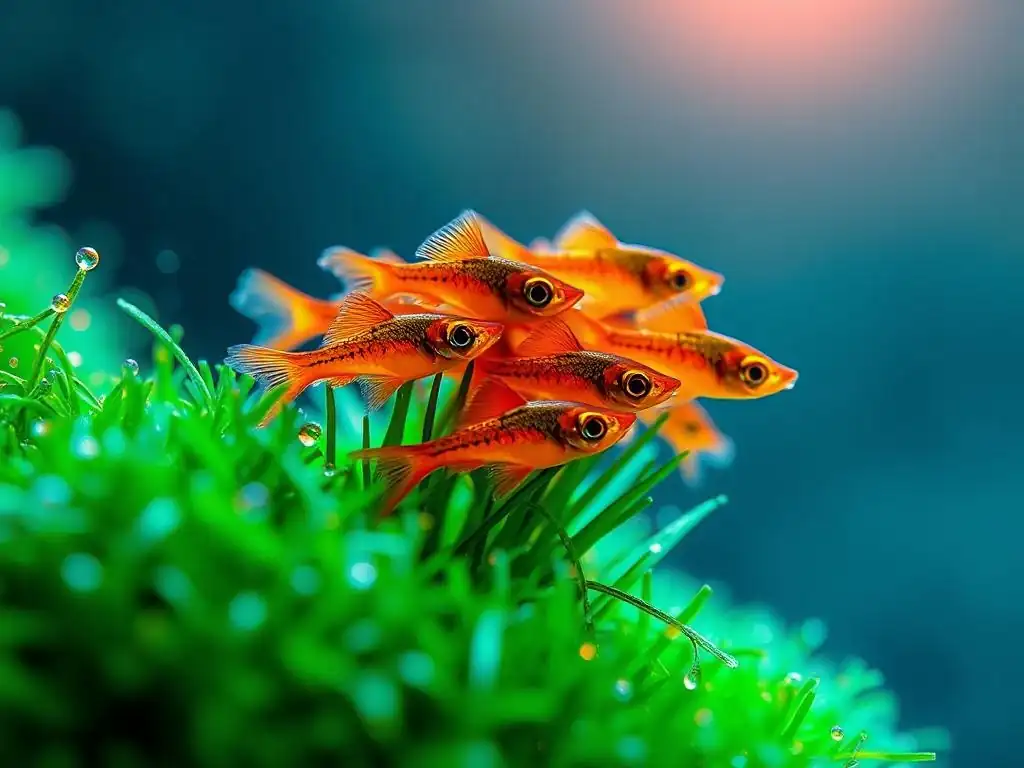
After the adults are removed, the tiny Ember Tetra eggs will typically hatch within 24 to 48 hours, depending on the water temperature. At 78°F (25.5°C), hatching usually occurs closer to the 24-hour mark. The newly hatched fry are incredibly small, often appearing as little more than slivers of glass or tiny eyelashes. They will initially cling to surfaces like the tank walls, plants, or substrate, absorbing their yolk sac for nourishment.
This critical initial phase lasts for about 2 to 3 days. During this time, the fry are largely immobile and do not require external feeding. It is crucial to maintain pristine water quality, as they are extremely sensitive to pollutants. Avoid any strong currents that could dislodge or harm them. Once their yolk sacs are fully absorbed, usually indicated by them becoming free-swimming, the real challenge of feeding them begins, marking a new phase in the Ember tetra breeding guide.
The Critical First Few Days: Infusoria and Liquid Fry Food
The first food for free-swimming Ember Tetra fry is arguably the most critical aspect of their survival. Their mouths are microscopic, and they require similarly microscopic food sources. Infusoria, which are microscopic protozoa and other microorganisms, are the ideal first food. These can be cultured at home by placing decaying plant matter (like lettuce leaves or banana peels) in a jar of aquarium water a few days in advance.
If infusoria culture is not feasible, commercial liquid fry foods or powdered fry foods designed for egg-laying fish can be used as alternatives. These typically contain finely ground particles or cultured microorganisms. Feed tiny amounts multiple times a day (e.g., 3-5 times), ensuring the food is evenly dispersed throughout the tank. Overfeeding can quickly foul the water, leading to mass fry mortality, a common pitfall in Ember tetra breeding.
Maintaining Optimal Water Quality for Fry Development
Maintaining impeccable water quality is paramount for the healthy development of Ember Tetra fry. Their tiny size and underdeveloped organs make them extremely vulnerable to even minute fluctuations in parameters or the presence of ammonia, nitrite, or nitrate. Daily, small water changes are essential.
Perform 10-20% water changes each day or every other day, using aged, temperature-matched water that mirrors the breeding tank's parameters. Use an air line tubing to gently siphon any uneaten food, detritus, and waste from the bottom of the tank, being extremely careful not to suck up any fry. A gentle sponge filter should remain operational to provide biological filtration without creating harmful currents. Consistent water quality is a non-negotiable factor for successful Ember tetra breeding and fry survival.
Feeding Ember Tetra Fry: A Nutritional Guide
As Ember Tetra fry grow, their nutritional requirements change, and they gradually become capable of consuming larger food items. The transition from microscopic foods to more substantial fare is a gradual process that requires careful observation and timing to ensure continuous healthy growth and development. A varied diet promotes overall health and vibrant coloration.
Consistency in feeding is key; young fry have high metabolic rates and need frequent, small meals to fuel their rapid growth. Skipping meals or providing insufficient food can lead to stunted growth or increased mortality. This meticulous feeding regimen is a cornerstone of a successful Ember tetra breeding guide.
Transitioning to Larger Food Sources: Micro Worms and Baby Brine Shrimp
After approximately 5-7 days of feeding infusoria, Ember Tetra fry will have grown enough to accept slightly larger foods. Microworms (Panagrellus redivivus) are an excellent next step. These small nematodes are easy to culture at home and provide a nutritious, wiggling food source that stimulates the fry's hunting instincts.
Around 7-10 days post-hatch, or when the fry are visibly larger and more active, newly hatched baby brine shrimp (Artemia nauplii) can be introduced. These are highly nutritious, live food sources that further promote rapid growth and development. Continue to offer infusoria or liquid fry food alongside microworms and baby brine shrimp for the smaller, slower-growing fry. Ensure the baby brine shrimp are truly "newly hatched" as they lose nutritional value quickly.
Promoting Healthy Growth and Coloration in Fry
To promote healthy growth and vibrant coloration in Ember Tetra fry, a diverse and nutrient-rich diet is crucial. Beyond microworms and baby brine shrimp, as the fry grow larger, finely crushed high-quality flake food or specialized micro-pellets can be introduced. Small amounts of finely chopped frozen daphnia or cyclops can also be offered.
In addition to diet, stable water parameters, especially consistent temperature, contribute significantly to growth rate. Slightly warmer temperatures (e.g., 78-80°F / 25.5-26.5°C) can accelerate metabolism and growth. Ensure adequate, but not excessive, lighting to help fry locate food and develop properly. Good water circulation from the sponge filter, without being too strong, also helps distribute food and oxygen, fostering a thriving environment for your Ember tetra breeding success.
Growing Out Ember Tetra Fry: Preparing for the Main Tank
Once Ember Tetra fry reach a size of approximately 0.5 inches (1.2 cm) or more, typically after 4-6 weeks, they are generally robust enough to be considered juveniles. At this stage, they can usually be introduced to a community tank, provided it is well-established, has no aggressive tank mates, and offers plenty of hiding spots. However, a gradual transition is key to prevent stress and ensure their survival.
Before moving them, ensure the main tank's water parameters are within a healthy range for Ember Tetras and are as close as possible to the fry's current environment. Rushing this process can lead to shock and fatalities. Patience during the grow-out phase ensures the juveniles are strong and resilient enough for their new home, completing a vital stage of the Ember tetra breeding guide.
Gradual Acclimation to Main Tank Water Parameters
Acclimating Ember Tetra juveniles to the main tank environment requires a slow and careful process. Drip acclimation is highly recommended. Place the juveniles in a container with water from their grow-out tank, then slowly drip water from the main display tank into the container using an air line tubing. This process should take several hours (e.g., 2-4 hours) to allow the fish to gradually adjust to differences in pH, temperature, and hardness.
Once the parameters in the container closely match those of the main tank, gently net the juveniles and release them into their new home. Avoid pouring the water from the container into the main tank to prevent introducing any potential pollutants. Monitor them closely for the first few days to ensure they are settling in well, feeding, and not being harassed by existing tank inhabitants.
Preventing Common Fry Diseases and Issues
Preventing diseases and issues in Ember Tetra fry primarily revolves around maintaining impeccable water quality and providing optimal nutrition. The most common cause of fry mortality is poor water conditions, often due to overfeeding or insufficient water changes, leading to bacterial infections or fungal outbreaks. Stunted growth is another common issue, usually a direct result of inadequate feeding or inconsistent water parameters.
To prevent these problems, adhere strictly to the feeding schedule, ensuring all food is consumed, and perform daily small water changes. Keep the grow-out tank meticulously clean. Observe the fry daily for any signs of distress, such as gasping at the surface, lethargy, or visible lesions. Addressing issues promptly by improving water quality or adjusting feeding can often prevent widespread losses and ensure the success of your Ember tetra breeding efforts.
Troubleshooting Ember Tetra Breeding: Common Problems and Solutions
Infertility Issues: Causes and Remedies
When Ember Tetras fail to spawn or produce infertile eggs, several factors could be at play. One common cause is inadequate conditioning; if the fish are not fed a high-quality, protein-rich diet, they may not develop viable eggs or sperm. Another significant factor is incorrect water parameters.
If the water is too hard, too alkaline, or the temperature is not in the optimal range (76-82°F / 24-28°C), spawning may not be triggered. Stress, perhaps from bright lights, strong currents, or an unsuitable breeding environment, can also inhibit reproduction. Finally, the age of the fish can be a factor; very young or very old fish may have reduced fertility.
To remedy infertility, first re-evaluate your conditioning diet, ensuring a consistent supply of live or frozen foods. Double-check all water parameters (pH 5.5-6.5, GH 1-5 dGH, KH 0-2 dKH) and adjust them slowly and precisely using RO water and peat if necessary. Ensure the breeding tank is calm, dimly lit, and has ample spawning media. If a specific pair isn't spawning, try rotating in different males or females from your conditioned group, as individual compatibility can sometimes play a role in successful Ember tetra breeding.
Egg Predation: Preventing Loss of Eggs
Egg predation by the adult Ember Tetras themselves is arguably the most common and frustrating problem in Ember tetra breeding. As soon as the eggs are laid, the parents will often turn around and consume them. This behavior is natural as they exhibit no parental care in the wild. If eggs are disappearing shortly after spawning, it's almost certainly due to the adults.
The primary solution is prompt removal of the adult fish immediately after spawning is observed. This means keeping a close eye on the breeding tank in the morning hours. If you're using a spawning mop or dense plant mass, ensure it's thick enough for the eggs to fall deep into it, making them harder for the adults to reach.
Alternatively, a bare-bottom tank with a raised mesh or a layer of marbles allows eggs to fall through to a safe zone. If eggs are still being eaten, consider removing the adults even if spawning hasn't been definitively observed, perhaps after just a few hours in the breeding tank, as they can sometimes spawn discreetly.
Fry Mortality: Identifying and Addressing Causes of Death
High fry mortality rates are a disheartening challenge in Ember tetra breeding. The most frequent cause of death in the first few days post-hatch is starvation, often because the fry are too small to consume the offered food, or the food isn't available in sufficient quantities. Another major factor is poor water quality; ammonia, nitrite, or nitrate spikes, or even drastic pH/temperature swings, are lethal to delicate fry. Strong filter currents can also exhaust and kill tiny fry. Diseases, often secondary to poor water conditions, can also decimate a batch.
To combat fry mortality, ensure you are feeding the correct size food (infusoria or liquid fry food) from the moment they become free-swimming, and feed frequently (3-5 times daily). Implement daily, small water changes (10-20%) using aged, temperature-matched water, and carefully siphon out any uneaten food or waste. Use only a gentle air-driven sponge filter to avoid strong currents. If a disease outbreak occurs, first address water quality, then consider very mild, fry-safe medications if absolutely necessary, though prevention through cleanliness is always the best approach for a successful Ember tetra breeding guide.
Maintaining a Healthy and Thriving Ember Tetra Colony
Maintaining a healthy and thriving Ember Tetra colony, whether the original breeding stock or the growing juveniles, is an ongoing commitment essential for sustained breeding success. Regular health checks are paramount. Observe your fish daily for any changes in behavior, coloration, appetite, or physical appearance. Early detection of issues allows for prompt intervention, minimizing the risk of disease spreading or impacting future breeding attempts.
A consistent and high-quality diet, even outside of active conditioning, is vital for long-term health. Provide a varied diet of quality flakes, micro-pellets, and occasional live or frozen treats. Most importantly, rigorous water maintenance, including regular partial water changes (e.g., 25% weekly for adults) and consistent monitoring of parameters, prevents stress and disease. A stable, clean, and appropriately furnished environment allows Ember Tetras to thrive, ensuring they remain healthy, vibrant, and ready for future successful Ember tetra breeding cycles.
Conclusion: Mastering Ember Tetra Breeding for Aquarium Mastery
Frequently Asked Questions
How difficult is it to breed Ember Tetras?
Breeding Ember Tetras is considered moderately difficult. It requires a separate breeding tank and careful attention to water parameters and diet.
What are the ideal water conditions for Ember Tetra breeding?
The ideal water conditions include soft, acidic water with a pH of around 6.0-6.5 and a temperature of 78-82°F. Soft water is crucial for successful hatching.
What do Ember Tetras eat during breeding and what should I feed the fry?
During breeding, offer a varied diet of small, live foods like daphnia and baby brine shrimp. Fry should be fed infusoria or commercially available fry food.
How can I prevent adult Ember Tetras from eating their eggs or fry?
Use a breeding mop or marble substrate to provide hiding places for the eggs and fry. Remove the adults after spawning to ensure the fry's survival.
How long does it take for Ember Tetra eggs to hatch and for the fry to become free-swimming?
Ember Tetra eggs typically hatch in 24-36 hours. Fry become free-swimming after about 3-5 days, at which point they need to be fed.
Okay, here's a final reflection tailored for your "Ember Tetra Breeding Guide" article, designed to be inspiring and reflective, while also incorporating the requested Markdown formatting and keyword relevance:
Final Reflection: Igniting the Spark of Life
The journey of breeding Ember Tetras, as we've explored, is more than just a technical process; it's a testament to the delicate beauty and resilience of life itself. The meticulous care, the patient observation, and the ultimate reward of witnessing tiny sparks of life emerge from seemingly nothing – all underscore the profound connection we can forge with the natural world.
This connection, in a world increasingly disconnected from nature, is perhaps the most valuable takeaway from mastering the art of Ember Tetra breeding. It's a reminder that even in the smallest of creatures, there exists a universe of wonder waiting to be unlocked.
The impact of successfully breeding these miniature fiery jewels extends beyond the confines of our aquariums. It's about contributing to the sustainability of the species, fostering a deeper appreciation for biodiversity, and experiencing the profound satisfaction of nurturing life. It's a hobby that teaches patience, responsibility, and the interconnectedness of all living things. As the renowned naturalist John Muir once said: In every walk with nature one receives far more than he seeks.
This holds especially true when we actively participate in the cycle of life, as we do when breeding Ember Tetras.
Now, as you embark on your own Ember Tetra breeding adventure, I encourage you to remember the lessons we've learned together. More than just following a guide, embrace the spirit of discovery, the joy of observation, and the profound responsibility of nurturing life.
Let the vibrant glow of these miniature jewels inspire you to cultivate a deeper connection with the natural world, and to share the beauty and wonder of Ember Tetras with others. Go forth and ignite your own shoal of fiery jewels, and in doing so, ignite a spark of appreciation for the delicate balance of life within us all.
Ignite Your Aquarium: Breed Your Own Ember Tetras!
Thank you for diving deep into the captivating world of Ember Tetra breeding! We hope you found valuable insights to spark your own aquatic adventure. Now, let's turn knowledge into action and bring a blaze of color to your tank.
- Dedicate a small, heavily planted breeding tank – This is your primary mission to successfully breed these amazing fish!
- Share your experiences! Join the Aquarium Mastery community forums and contribute your own tips and tricks for breeding Ember Tetras. Let's learn from each other.
- Surprise your friends! Capture the mesmerizing moments of your Ember Tetra fry hatching and share the time-lapse videos on social media using #EmberTetraBreeding.
Ready to watch your aquarium shimmer with a new generation of Ember Tetras?