
Buenos Aires Tetra: Hardy & Active, But Will It Devour Your Plants? Full Guide

Welcome to Aquarium Mastery!
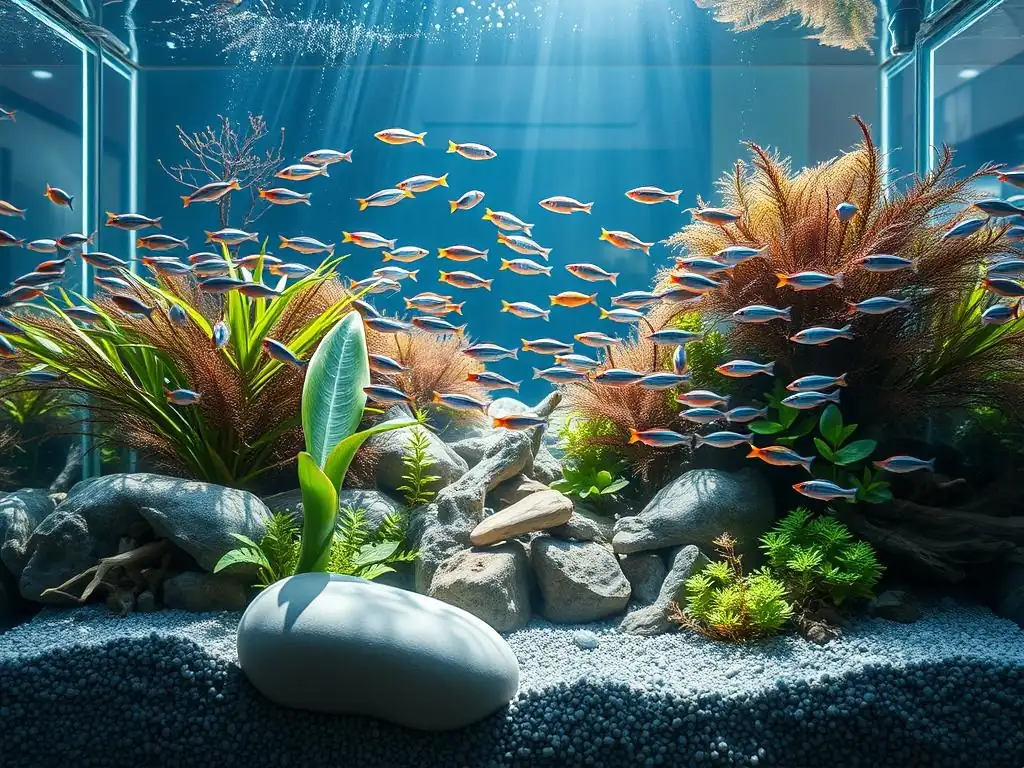
Ever wondered if that shimmering Buenos Aires Tetra is the perfect addition to your freshwater aquarium? These hardy and active fish are captivating, but their appetite can sometimes surprise aquarists. Dive into our comprehensive Buenos Aires Tetra care guide to discover everything you need to know about their temperament, tank requirements, and how to keep your plants safe from their nibbling tendencies! Ready to unlock the secrets to a thriving Tetra tank? Let's get started!
- Understanding the Buenos Aires Tetra: An Introduction to Astyanax fasciatus
- Buenos Aires Tetra Care: Essential Guidelines for a Thriving School
- Buenos Aires Tetra Temperament and Tank Mates: Compatibility Considerations
- Buenos Aires Tetra and Plants: The Plant-Eating Dilemma
- Buenos Aires Tetra Breeding: A Step-by-Step Guide
- Common Buenos Aires Tetra Diseases and Health Issues
- Maintaining a Healthy Buenos Aires Tetra Aquarium: A Checklist
- Buenos Aires Tetra: Is This Fish Right for Your Aquarium?
- Conclusion: Mastering Buenos Aires Tetra Care for a Beautiful Aquarium
- Frequently Asked Questions
- Final Reflection: The Delicate Balance of Nature
- Ignite Your Aquarium: Transform Your Tank Today!
Understanding the Buenos Aires Tetra: An Introduction to Astyanax fasciatus
What Makes the Buenos Aires Tetra Unique?
The Buenos Aires Tetra ( Astyanax fasciatus) stands out in the aquarium hobby for its remarkable hardiness and high energy levels, making it a robust choice for aquarists. Unlike some more delicate tetra species, it tolerates a wider range of water parameters, which can be forgiving for those new to freshwater fish keeping, provided they follow a comprehensive Buenos Aires Tetra care guide. This adaptability contributes to its popularity, allowing it to thrive in various tank setups.
However, its unique nature also includes a notorious reputation: its tendency to nibble on live aquarium plants. This characteristic requires careful consideration during tank setup and plant selection. Despite this, their lively schooling behavior and vibrant flashes of color make them a captivating addition to a community aquarium, often living for 5 to 7 years with proper Buenos Aires Tetra care.
Buenos Aires Tetra Appearance: Identifying Characteristics
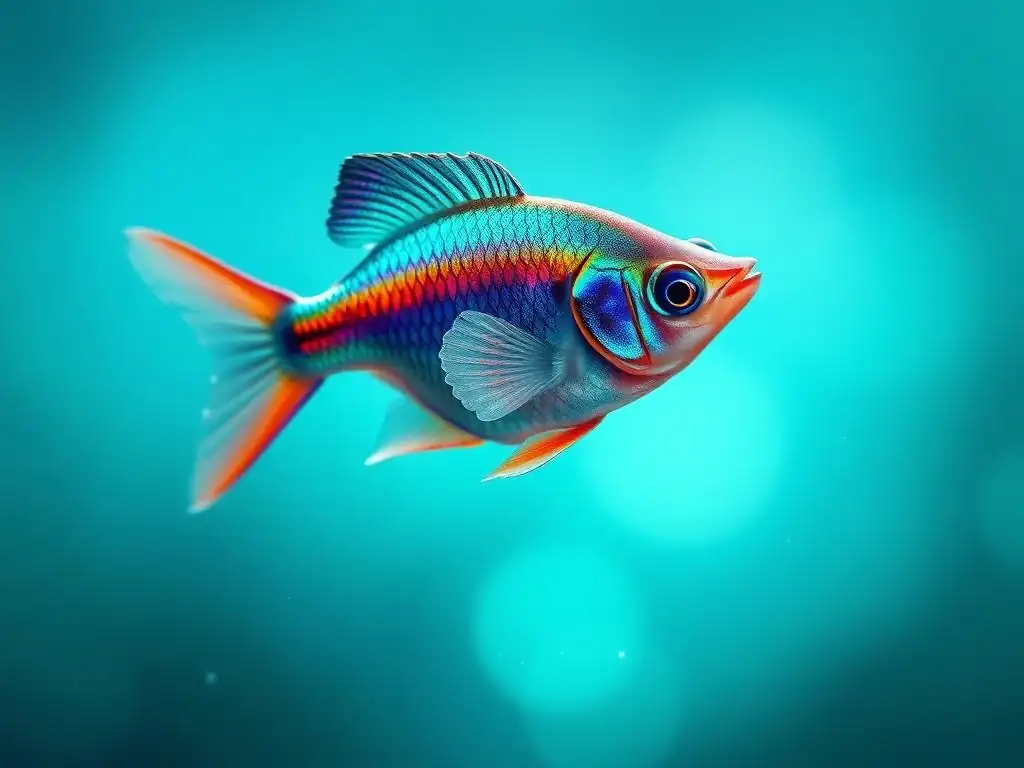
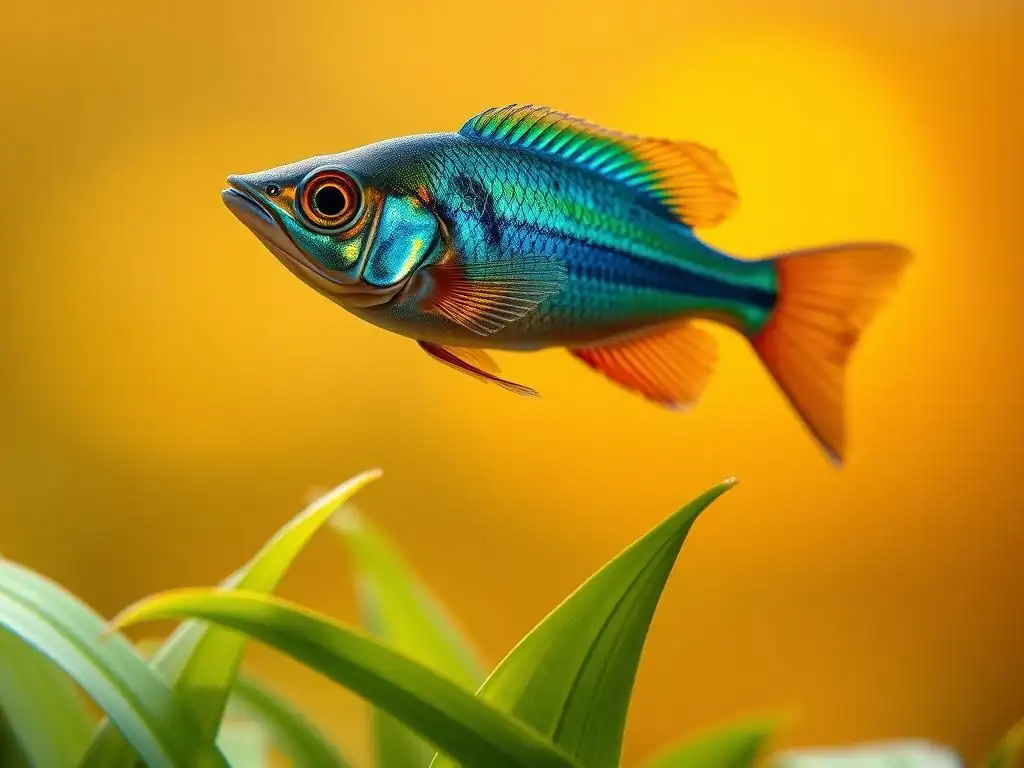
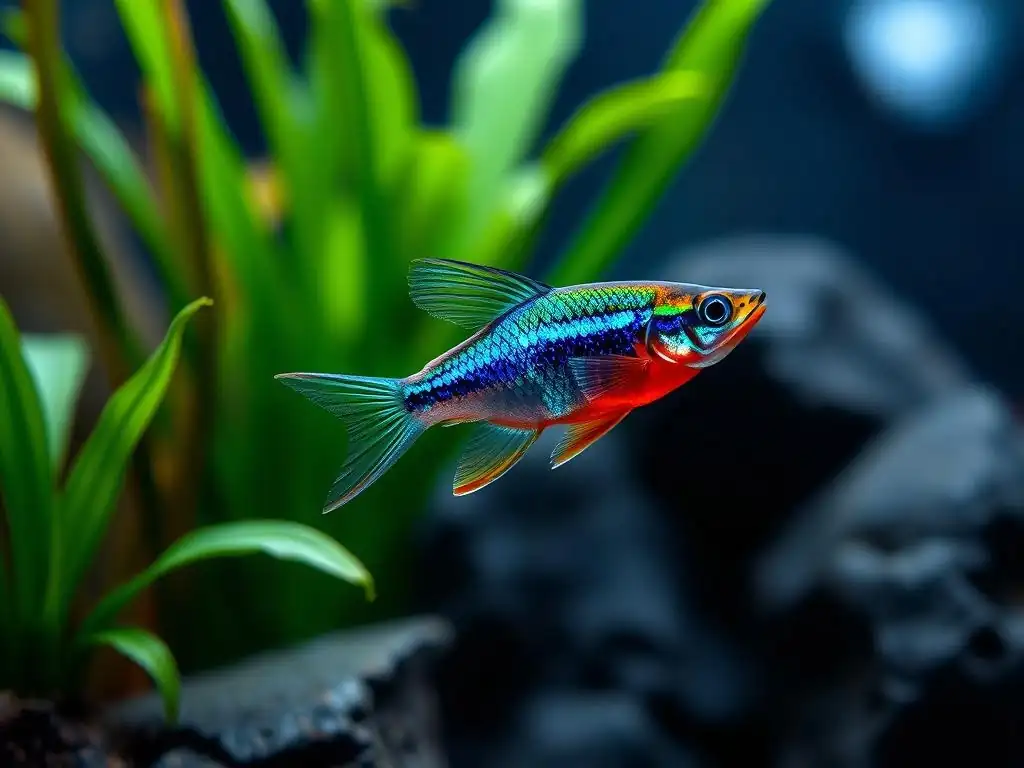
The Buenos Aires Tetra is easily identifiable by its streamlined, torpedo-shaped body, typically reaching an adult size of about 2.5 to 3 inches (approximately 6.5 to 7.5 cm). Their base coloration is a striking silvery-white, which shimmers under aquarium lighting. A distinctive feature is the prominent black spot located near the base of the caudal (tail) fin, often accompanied by a faint, iridescent line running horizontally along their flanks.
Perhaps their most attractive characteristic is the vibrant red or orange coloration on their fins, particularly the caudal, anal, and sometimes dorsal fins. This splash of color contrasts beautifully with their silvery bodies. The intensity of this red can vary based on the fish's health, diet, and water quality, with well-cared-for specimens exhibiting the most brilliant hues, which is a key indicator of successful Buenos Aires Tetra care.
Origin and Natural Habitat of the Buenos Aires Tetra
The Buenos Aires Tetra is native to various river systems across South America, primarily found in the basins of the Paraná and Uruguay Rivers. Their natural range extends through Argentina, Uruguay, Paraguay, and parts of Brazil. These fish inhabit a diverse array of freshwater environments, including slow-moving rivers, streams, lakes, and even some floodplains.
Their natural habitats often feature dense vegetation, submerged roots, and varying substrates, from sandy to silty bottoms. This wide distribution and adaptability to different environmental conditions explain their hardiness in captivity. Understanding their wild origins provides valuable insight into their preferences for water movement, open swimming spaces, and their omnivorous diet, all crucial aspects of developing an effective Buenos Aires Tetra care guide.
Buenos Aires Tetra Care: Essential Guidelines for a Thriving School
Tank Size Requirements for Buenos Aires Tetras
When considering a Buenos Aires Tetra care guide, tank size is a critical factor due to their active and schooling nature. For a small school of 6 to 8 Buenos Aires Tetras, a minimum tank size of 20 gallons (approximately 75 liters) is recommended. This provides adequate horizontal swimming space, which is essential for these energetic fish.
However, larger tanks are always preferable. A 30-gallon (around 113 liters) or even 40-gallon (150 liters) tank allows for a larger school, which reduces fin-nipping tendencies and promotes more natural schooling behavior. The increased volume also contributes to greater water parameter stability, simplifying the overall Buenos Aires Tetra care process and reducing stress for the fish.
Ideal Water Parameters for Buenos Aires Tetras: Temperature, pH, and Hardness
Maintaining stable and appropriate water parameters is fundamental to a successful Buenos Aires Tetra care guide. These fish thrive in temperatures ranging from 68°F to 78°F (20°C to 25.5°C). While they are adaptable, fluctuations outside this range can cause stress and compromise their immune system.
Their preferred pH range is quite broad, from 6.0 to 8.0, and they can tolerate water hardness between 5 and 20 dGH (degrees of General Hardness). The key emphasis for Buenos Aires Tetra care is consistency; rapid changes in pH or hardness are more detrimental than maintaining a parameter at the edge of their acceptable range. Regular testing with a reliable aquarium test kit is vital to monitor these parameters and ensure a healthy environment.
Setting Up the Buenos Aires Tetra Aquarium: Substrate, Décor, and Filtration
Choosing the Right Substrate for Buenos Aires Tetras
For Buenos Aires Tetra care, the choice of substrate is fairly flexible, as these fish primarily inhabit the middle and upper levels of the water column. Both sand and fine-to-medium gravel are suitable options. A dark-colored substrate can often enhance the vibrant red coloration of the tetras' fins, making their colors pop more visibly.
If you plan to include live plants (even hardy ones), a nutrient-rich substrate or one that supports root growth would be beneficial. However, given their tendency to uproot or consume plants, the substrate choice might be more dictated by other tank inhabitants or aesthetic preference than by the specific needs of the Buenos Aires Tetra itself. Smooth gravel is always preferred over sharp-edged options to prevent injury to the fish or any bottom-dwelling tank mates.
Decorating a Buenos Aires Tetra Tank: Plants vs. No Plants?
Decorating a Buenos Aires Tetra tank presents a unique challenge due to their infamous plant-eating habits. While it's possible to keep them in a heavily planted tank, it often requires selecting very specific, hardy plant species or accepting that some damage will occur. Many aquarists opt for a more minimalist approach to planting, focusing instead on driftwood, rocks, and artificial plants.
The primary goal in decorating for Buenos Aires Tetra care is to provide ample open swimming space, as these are highly active fish. Driftwood and rocks can offer visual breaks and some hiding spots, reducing stress. If live plants are desired, prioritize tough-leaved options like Anubias species or Java Fern, which are often less palatable. Floating plants can also be considered, as they offer shade and may be grazed upon, potentially diverting attention from rooted plants.
Buenos Aires Tetra Diet and Feeding: What to Feed Your Tetra School
Recommended Feeding Schedule for Buenos Aires Tetras
A consistent and appropriate feeding schedule is paramount for effective Buenos Aires Tetra care, promoting their health and potentially mitigating their plant-eating tendencies. It is best to feed Buenos Aires Tetras small meals two to three times a day. This approach ensures they receive adequate nutrition without overfeeding, which can lead to water quality issues.
Each feeding session should last no more than 2 to 3 minutes, with all food consumed within this timeframe. Any uneaten food should be promptly removed to prevent it from decaying and polluting the water. Overfeeding is a common mistake that can lead to digestive issues for the fish and an increase in harmful ammonia and nitrite levels, undermining even the best Buenos Aires Tetra care guide practices.
Best Food Options for Buenos Aires Tetras: Flakes, Live, and Frozen
Buenos Aires Tetras are omnivores with a hearty appetite, requiring a varied diet to thrive. A high-quality flake or pellet food should form the staple of their diet, providing essential vitamins and minerals. Look for brands that list fish meal or spirulina as primary ingredients.
To supplement their diet and provide necessary protein and roughage, offer a variety of live and frozen foods. Excellent choices include frozen bloodworms, brine shrimp, and daphnia, which can be fed several times a week. Additionally, incorporating blanched vegetables like spinach, zucchini, or spirulina flakes can help satisfy their need for plant matter, potentially reducing their interest in your aquarium plants. This diverse approach is a cornerstone of comprehensive Buenos Aires Tetra care.
Buenos Aires Tetra Temperament and Tank Mates: Compatibility Considerations
Are Buenos Aires Tetras Fin Nippers? Understanding Their Behavior
Yes, Buenos Aires Tetras can indeed be fin nippers, a crucial aspect to understand when developing a Buenos Aires Tetra care guide. This behavior is more pronounced when they are not kept in sufficiently large schools, typically fewer than six individuals. When their schooling instincts are suppressed, or if they are stressed, they may direct their excess energy and natural curiosity towards the fins of other fish.
However, when kept in a robust school of eight or more, their nipping behavior is usually redirected towards each other within the group, establishing a pecking order. This internal social dynamic helps to distribute any aggression and minimizes the impact on other tank mates. Therefore, providing ample space and a large school is a key strategy in Buenos Aires Tetra care to mitigate fin-nipping tendencies.
Suitable Tank Mates for Buenos Aires Tetras: Community Tank Options
Selecting appropriate tank mates is vital for a harmonious community aquarium featuring Buenos Aires Tetras. The best companions are other active, similarly sized, and robust fish that can hold their own. Good choices include other hardy tetra species such as Black Skirt Tetras, Serpae Tetras, or Congo Tetras, provided tank size allows.
Other suitable options for a Buenos Aires Tetra care setup include various species of Danios (e.g., Zebra Danios, Giant Danios), Rainbowfish, and certain larger Rasboras. Bottom-dwelling fish like Corydoras catfish and Otocinclus catfish also make excellent tank mates, as they occupy a different water column and are generally peaceful. Ensure all chosen species can thrive in similar water parameters to the Buenos Aires Tetra.
Unsuitable Tank Mates for Buenos Aires Tetras: Fish to Avoid
When planning your aquarium, it's equally important to know which fish to avoid as tank mates for Buenos Aires Tetras. Due to their potential for fin nipping and high activity levels, slow-moving fish or those with long, flowing fins are generally poor choices. Examples include Betta fish, Angelfish, Guppies with elaborate tails, and some Gourami species. These delicate-finned fish are highly susceptible to fin damage and stress.
Additionally, very small or timid species might be outcompeted for food or intimidated by the energetic nature of Buenos Aires Tetras. Aggressive or overly large predatory fish should also be avoided, as they could view the tetras as a food source. Adhering to these guidelines is a critical part of a successful Buenos Aires Tetra care guide, ensuring the well-being of all inhabitants.
Buenos Aires Tetra and Plants: The Plant-Eating Dilemma
Why Do Buenos Aires Tetras Eat Plants?
The notorious plant-eating habit of Buenos Aires Tetras stems primarily from their omnivorous diet and high metabolic rate. In their natural habitat, they consume a variety of foods, including detritus, insects, small crustaceans, and plant matter. When kept in an aquarium, if their diet lacks sufficient vegetable content or if they are underfed, they will naturally seek out alternative food sources, and aquarium plants become an easy target.
Their active lifestyle also contributes to this behavior; they require a constant intake of energy, and grazing on plants is a way to supplement their diet. Some aquarists observe that younger, smaller plants or those with softer leaves are particularly vulnerable. Understanding this innate behavior is key to managing it effectively within a Buenos Aires Tetra care guide framework.
Plant Species Resistant to Buenos Aires Tetras
While no plant is entirely "tetra-proof" if the fish are determined, certain species are significantly more resistant to the grazing habits of Buenos Aires Tetras due to their tough leaves or rapid growth. Excellent choices include Anubias species (e.g., Anubias barteri, Anubias nana), which possess thick, leathery leaves that are generally unpalatable to most fish. Java Fern ( Microsorum pteropus) is another robust option, known for its hardy nature and bitter taste.
Other potentially suitable plants include Amazon Sword plants ( Echinodorus bleheri), especially mature specimens with tougher leaves, and Cryptocoryne species, though some soft-leaved varieties might still be nibbled. Fast-growing plants like Hornwort ( Ceratophyllum demersum) can also sometimes outpace the tetras' consumption, providing some green while still allowing them to graze without destroying the entire plant.
Protecting Your Plants from Buenos Aires Tetras: Strategies and Solutions
Providing Ample Food to Deter Plant Consumption
One of the most effective strategies for protecting your plants in a Buenos Aires Tetra care setup is to ensure your fish are consistently and adequately fed. A well-fed Buenos Aires Tetra is less likely to resort to grazing on live plants out of hunger or nutritional deficiency. This means adhering to a feeding schedule of 2-3 small meals daily, ensuring all fish get enough to eat.
Crucially, their diet should include a significant portion of vegetable matter. Supplementing high-quality flakes with spirulina flakes, blanched spinach, zucchini, or other leafy greens a few times a week can greatly reduce their desire to munch on aquarium plants. This proactive dietary management is a cornerstone of successful Buenos Aires Tetra care when plants are present.
Distracting Buenos Aires Tetras from Plants: Driftwood and Rocks
Beyond dietary adjustments, providing alternative distractions within the aquarium can help divert Buenos Aires Tetras from your plants. Incorporating plenty of driftwood and rocks offers surfaces where biofilm and algae can grow, providing natural grazing opportunities that are more appealing than live plants for some fish. These elements also create visual interest and structure, giving the active tetras something to explore.
Arranging décor to create distinct swimming lanes or open areas can also help. By providing ample open space for their energetic swimming, the tetras may spend less time in densely planted areas. This combination of proper nutrition and environmental enrichment is key to a holistic Buenos Aires Tetra care guide, allowing you to enjoy both your fish and your aquascape.
Buenos Aires Tetra Breeding: A Step-by-Step Guide
Setting Up a Breeding Tank for Buenos Aires Tetras
To successfully breed Buenos Aires Tetras, setting up a dedicated breeding tank is highly recommended. A small, 5 to 10-gallon (19-38 liter) tank is typically sufficient for a single breeding pair or a small group. The water in this tank should be soft (4-8 dGH) and slightly acidic (pH 6.0-6.5) to encourage spawning.
The breeding tank should be equipped with a sponge filter to provide gentle filtration without sucking up delicate eggs or fry. Fine-leaved plants, such as Java Moss, or artificial spawning mops should be generously placed to provide a substrate for egg deposition. Dim lighting is also preferred, as the eggs are light-sensitive. This specialized setup significantly increases the chances of successful Buenos Aires Tetra breeding.
Identifying Male and Female Buenos Aires Tetras
Distinguishing between male and female Buenos Aires Tetras can be challenging outside of breeding season, but there are subtle differences to look for in a Buenos Aires Tetra care context. Males are typically more slender and streamlined, particularly noticeable when viewed from above. During breeding periods, male coloration, especially the red on their fins, tends to intensify, becoming more vibrant and striking.
Females, on the other hand, are generally plumper and rounder in the body, especially when they are gravid (carrying eggs). Their belly will appear noticeably fuller. While these distinctions are not always absolute, observing a group of healthy, well-fed Buenos Aires Tetras often allows for the identification of a few likely pairs based on these characteristics.
Spawning and Raising Buenos Aires Tetra Fry
Once the breeding tank is set up and conditioned, introduce a well-conditioned pair (or a group of 2 males to 1 female) in the evening. Spawning typically occurs the following morning, often at dawn, with the male chasing the female through the spawning mop or plants, where she will scatter adhesive eggs. Buenos Aires Tetras are egg-scatterers and will readily consume their own eggs once spawning is complete.
After spawning, the adult fish must be immediately removed from the breeding tank to prevent egg predation. The eggs are tiny and translucent, hatching within 24 to 36 hours. The newly hatched fry will be incredibly small and remain attached to surfaces for a few days, absorbing their yolk sacs. Once they become free-swimming, typically within 3 to 5 days, they require microscopic food such as infusoria for the first few days, followed by newly hatched brine shrimp or high-quality liquid fry food. This meticulous approach is essential for successful Buenos Aires Tetra care during breeding.
Common Buenos Aires Tetra Diseases and Health Issues
Recognizing Signs of Illness in Buenos Aires Tetras
Early detection of illness is crucial for effective Buenos Aires Tetra care and preventing widespread disease in your aquarium. Healthy Buenos Aires Tetras are active, have vibrant coloration, and display a good appetite. Signs of illness can include lethargy, spending unusual amounts of time at the surface or bottom, clamped fins held close to the body, or rapid breathing.
Other indicators might be a loss of appetite, changes in coloration (e.g., dullness, dark spots), or visible physical symptoms such as white spots (Ich), fuzzy growths (fungus), ragged or frayed fins (fin rot), or bloating. Any deviation from their normal behavior or appearance warrants immediate investigation and, often, isolation in a quarantine tank to prevent contagion and begin treatment.
Treating Common Buenos Aires Tetra Diseases: Ich, Fin Rot
Buenos Aires Tetras, while hardy, are susceptible to common freshwater fish diseases like Ich (White Spot Disease) and Fin Rot. For Ich, which presents as small white spots resembling salt grains on the body and fins, treatment often involves slowly raising the aquarium temperature to 82-84°F (28-29°C) over 24 hours (if compatible with tank mates), combined with specific Ich medications containing malachite green or formalin. Salt baths can also be effective.
Fin Rot, characterized by frayed, discolored, or disintegrating fins, is often caused by poor water quality. The primary treatment for fin rot in a Buenos Aires Tetra care scenario is to improve water conditions through large, frequent water changes. If the infection is severe, broad-spectrum antibacterial medications may be necessary. Always follow medication instructions precisely and remove carbon filtration during treatment.
Preventing Diseases in Buenos Aires Tetras: Water Quality and Quarantine
Prevention is the cornerstone of excellent Buenos Aires Tetra care, significantly reducing the likelihood of disease outbreaks. The most critical factor is maintaining pristine and stable water quality. This involves regular water changes (25-30% weekly) to keep nitrate levels low and prevent the buildup of toxins. Consistent monitoring of water parameters (ammonia, nitrite, nitrate, pH) is also essential.
Another vital preventive measure is quarantining all new fish for 2 to 4 weeks before introducing them to the main display tank. This allows you to observe new arrivals for signs of illness without risking the health of your established fish. Avoiding overfeeding, providing a balanced diet, and ensuring adequate tank space also contribute to a strong immune system and overall fish health, making your Buenos Aires Tetra care efforts more successful.
Maintaining a Healthy Buenos Aires Tetra Aquarium: A Checklist
Regular Water Changes: How Often and How Much?
Regular water changes are arguably the most crucial aspect of maintaining a healthy Buenos Aires Tetra aquarium. For most setups, a weekly water change of 25-30% of the tank's volume is ideal. This frequency helps to dilute nitrates, replenish essential trace elements, and remove accumulated organic waste that filtration alone cannot handle.
When performing water changes, always use a gravel vacuum to siphon out detritus from the substrate, which is a major source of nitrates. Ensure that the new water is dechlorinated or decloraminated to remove harmful chemicals found in tap water. Matching the temperature of the new water to the tank water is also important to prevent temperature shock, a key part of diligent Buenos Aires Tetra care.
Monitoring Water Parameters: Testing and Adjustments
Consistent monitoring of water parameters is indispensable for effective Buenos Aires Tetra care. Invest in reliable liquid-based test kits for ammonia, nitrite, nitrate, and pH. Ammonia and nitrite levels should always be zero, indicating a fully cycled and healthy biological filter. Nitrate levels should ideally be kept below 20 ppm (parts per million).
Test your water weekly, especially before and after water changes. If parameters are off, make small, gradual adjustments. For instance, if pH is too low, you might use a buffer, or if nitrates are high, increase water change frequency. Sudden, drastic changes to water chemistry can be more harmful than slightly suboptimal but stable conditions for your Buenos Aires Tetras.
Observing Your Buenos Aires Tetras for Signs of Stress or Illness
Daily observation of your Buenos Aires Tetras is a simple yet powerful tool for maintaining their health. Take a few minutes each day to watch their behavior. Are they swimming actively and schooling naturally? Are their fins extended normally? Do they have a healthy appetite? These are all indicators of well-being.
Any change in behavior, such as hiding, gasping at the surface, unusual swimming patterns, or refusing food, should immediately raise a red flag. Visible signs like spots, growths, or fin damage also require prompt attention. Early detection allows for quicker intervention, often preventing minor issues from escalating into major health crises, which is a hallmark of excellent Buenos Aires Tetra care.
Buenos Aires Tetra: Is This Fish Right for Your Aquarium?
Pros and Cons of Keeping Buenos Aires Tetras
Keeping Buenos Aires Tetras offers a distinct set of advantages and disadvantages for aquarists. On the positive side, they are exceptionally hardy and adaptable, tolerating a wider range of water parameters than many other tetra species, making them relatively forgiving for beginners. Their active schooling behavior and vibrant red fins add dynamic beauty to any adequately sized aquarium. They are also readily available and generally affordable.
However, their downsides include their well-known propensity to nip fins, especially if not kept in large schools (8+ individuals), which limits their compatibility with slow-moving or long-finned tank mates. Their most significant drawback is their tendency to eat live plants, which can be frustrating for aquascaping enthusiasts. Their high activity also means they require larger tanks than their size might suggest, demanding significant swimming space.
Alternatives to Buenos Aires Tetras: Similar Fish with Different Plant-Eating Habits
For aquarists who appreciate the active schooling nature of tetras but wish to avoid the plant-eating dilemma, several excellent alternatives exist. Neon Tetras and Cardinal Tetras offer similar vibrant schooling behavior and are generally peaceful with plants, though they require softer, more acidic water. Rummy Nose Tetras are another great choice, known for their tight schooling and peaceful demeanor, and they rarely bother plants.
If a higher activity level is desired without the plant risk, Zebra Danios are a fantastic option. They are incredibly hardy, active, and generally ignore plants. White Cloud Mountain Minnows are also active and peaceful, suitable for cooler water setups. These alternatives allow aquarists to enjoy the dynamic beauty of schooling fish without the specific plant-related challenges often associated with Buenos Aires Tetra care.
Conclusion: Mastering Buenos Aires Tetra Care for a Beautiful Aquarium
The Buenos Aires Tetra, with its striking appearance and energetic disposition, can be a truly rewarding addition to a freshwater aquarium. While its reputation for plant-eating and occasional fin-nipping precedes it, mastering Buenos Aires Tetra care involves understanding these unique traits and proactively managing them. By providing a sufficiently large tank with ample swimming space, maintaining stable and pristine water parameters, and offering a diverse, plant-inclusive diet, aquarists can mitigate many of these challenges.
Successful Buenos Aires Tetra care hinges on housing them in a robust school of eight or more individuals to encourage natural behavior and redirect any nipping tendencies internally. Selecting compatible, robust tank mates and hardy plant species (or opting for a plant-free setup) further contributes to a harmonious environment. With diligent attention to their specific needs, these hardy and active fish will thrive, showcasing their vibrant colors and dynamic schooling, creating a truly beautiful and engaging aquatic display for years to come.
Frequently Asked Questions
What is the ideal tank size for Buenos Aires Tetras?
Buenos Aires Tetras are active swimmers and should be kept in groups. A minimum tank size of 20 gallons is recommended to accommodate their activity level and social needs. Larger tanks are always preferable.
Are Buenos Aires Tetras compatible with other fish species?
While generally peaceful with larger fish, Buenos Aires Tetras can be fin nippers, especially if kept in small groups. Avoid keeping them with slow-moving or long-finned fish.
What do Buenos Aires Tetras eat?
They are omnivores and readily accept a variety of foods. A balanced diet of high-quality flake food, supplemented with live or frozen foods like brine shrimp and bloodworms, is ideal.
How do I prevent Buenos Aires Tetras from eating my aquarium plants?
Providing them with plenty of vegetable matter in their diet can help deter them from eating plants. Also, choosing hardy plant species that are less palatable to them is a good strategy.
What are the key water parameters for Buenos Aires Tetras?
They are relatively hardy but thrive in stable conditions. Aim for a temperature of 68-82°F (20-28°C), a pH of 6.0-8.0, and a general hardness (GH) between 5-20 dGH.
Final Reflection: The Delicate Balance of Nature
The journey through understanding the Buenos Aires Tetra, as highlighted in this guide, underscores a critical truth: even seemingly small decisions in our aquariums reflect larger ecological principles. The balance between beauty and responsibility, activity and potential disruption, is a constant negotiation, not just in the confines of a glass tank, but in our broader interactions with the natural world. Understanding the nuances of species like the Buenos Aires Tetra allows us to appreciate the interconnectedness of ecosystems, both miniature and vast.
The enduring popularity of the Buenos Aires Tetra, despite its plant-eating tendencies, speaks volumes about our fascination with vibrant life and the compromises we are willing to make. This guide, I hope, has illuminated the importance of informed choices and responsible pet ownership, reminding us that every creature, even a small fish, has a profound impact on its environment. In nature, nothing exists alone.
- Rachel Carson. This quote perfectly encapsulates the interconnectedness we must consider when introducing any species into a controlled environment, or indeed, any environment at all.
Now, armed with this knowledge, I invite you to reflect on your own role in maintaining ecological harmony. Whether you are a seasoned aquarist or a curious beginner, consider the impact of your choices. Strive to create environments that are not only beautiful but also sustainable and respectful of the delicate balance of nature. Let the lessons learned from the Buenos Aires Tetra guide you towards a deeper understanding and appreciation for the intricate web of life that surrounds us.
Ignite Your Aquarium: Transform Your Tank Today!
Thank you for diving into the world of Buenos Aires Tetras with us. We hope you now have a clearer picture of whether these energetic fish are the right fit for your aquarium. Now, it's time to put that knowledge into action and create the perfect aquatic environment!
Here are a few ways to get started:
- Consider a school of 6 or more Buenos Aires Tetras for an energetic and captivating display, but carefully monitor them for plant nipping. This is your primary action – decide if they fit your aquascape vision!
- Explore alternative, plant-safe tetra species, such as the Ember Tetra or Cardinal Tetra, if you're determined to keep a lush, planted tank.
- Share your own experiences with Buenos Aires Tetras in the comments below! Have you found any plant varieties they leave alone?
Ready to design the aquarium of your dreams? What plants are you considering pairing (or avoiding pairing) with your new Buenos Aires Tetras?