
Common Mistakes in Angelfish Keeping and How to Avoid Them

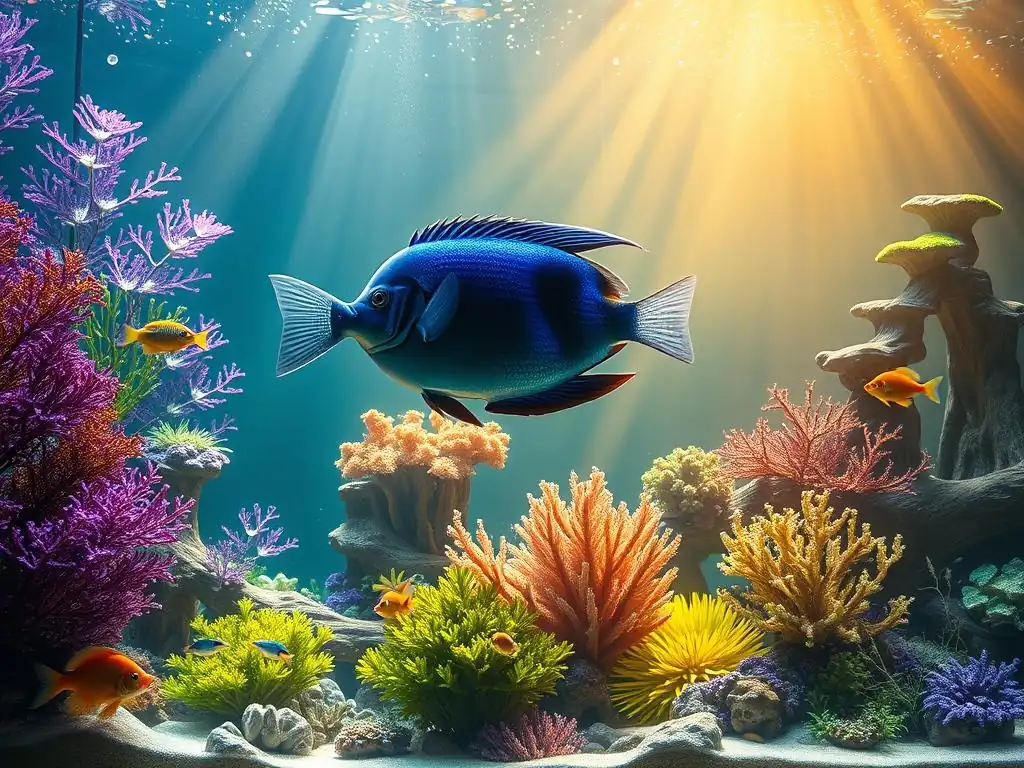
Welcome to Aquarium Mastery, where your underwater dreams become reality!
Curious about keeping those elegant Angelfish thriving? Many aquarists stumble on seemingly small details that can make or break their success. Dive into our article on "Angelfish Care: Common Mistakes" and unlock the secrets to a flourishing Angelfish aquarium. Discover the pitfalls to avoid and the expert tips that will transform you from a novice to a true Angelfish Master! Get ready to explore the Freshwater Fish category further and learn more!
Understanding Angelfish Space Requirements
Angelfish, with their majestic, disc-shaped bodies and flowing fins, are undeniably beautiful additions to a freshwater aquarium. However, one of the most significant angelfish care common mistakes is underestimating their space requirements. Unlike many smaller community fish, adult angelfish (Pterophyllum scalare) can reach impressive sizes, often growing up to 6 inches (15 cm) in height and 8 inches (20 cm) in length, including their fins.
This considerable vertical and horizontal dimension necessitates a spacious environment, not just for physical comfort but also to mitigate their naturally territorial behavior. Confined spaces lead to heightened stress, stunted growth, and increased aggression among tank mates, especially within their own species, which can result in fin nipping or even fatalities.
Beyond their physical size, angelfish also exhibit a complex social structure that demands ample room. While juvenile angelfish may appear to coexist peacefully in smaller groups, as they mature, they often form pairs and establish territories. In an overcrowded tank, this territoriality intensifies, leading to constant skirmishes over limited space and resources.
This chronic stress weakens their immune systems, making them highly susceptible to diseases. For instance, a common angelfish care mistake involves keeping a group of six juvenile angelfish in a 20-gallon tank, only to find severe aggression and health issues arising once they reach half their adult size, typically around 6-8 months old. Providing sufficient room from the outset is crucial for their long-term well-being and to avoid this frequent angelfish care common mistake.
- What are some common mistakes new aquarists make when setting up a tank for Angelfish?
- What are the ideal water parameters for Angelfish, and why are they so important?
- What are some signs of an unhealthy Angelfish, and what should I do if I notice them?
- What are some suitable tank mates for Angelfish, and which fish should I avoid keeping with them?
- How often should I feed my Angelfish, and what types of food are best for them?
Frequently Asked Questions
What are some common mistakes new aquarists make when setting up a tank for Angelfish?
New aquarists often make mistakes by not providing a large enough tank or failing to maintain proper water parameters. Angelfish need plenty of space and stable water conditions to thrive.
What are the ideal water parameters for Angelfish, and why are they so important?
Angelfish prefer a water temperature between 78-84°F, a pH of 6.8-7.8, and soft to moderately hard water. Maintaining these parameters is crucial for preventing stress and disease outbreaks.
What are some signs of an unhealthy Angelfish, and what should I do if I notice them?
Signs of an unhealthy Angelfish include fin clamping, loss of appetite, and erratic swimming. If you notice these symptoms, immediately test your water parameters and consider quarantining the fish.
What are some suitable tank mates for Angelfish, and which fish should I avoid keeping with them?
Good tank mates include peaceful community fish like tetras, rasboras, and corydoras. Avoid aggressive or fin-nipping fish like tiger barbs, as they can stress or injure your Angelfish.
How often should I feed my Angelfish, and what types of food are best for them?
Angelfish should be fed 2-3 times daily with a varied diet of flake food, frozen food, and live food. Ensure the food is high-quality and appropriate for their omnivorous diet to support optimal health and growth.
Final Reflection: Nurturing the Majesty of Angelfish
The journey of angelfish keeping, as we've explored, is paved with potential pitfalls, but also brimming with immense reward. Understanding and avoiding these common mistakes in angelfish care is not just about keeping fish alive; it's about fostering a thriving aquatic ecosystem that mirrors the beauty and complexity of their natural habitat. Ignoring these crucial aspects ultimately diminishes the majestic presence these creatures bring to our homes.
This exploration into angelfish care has underscored the profound responsibility we undertake when welcoming these fish into our lives. It's a reminder that responsible pet ownership extends beyond mere provision of food and water; it demands a commitment to understanding their specific needs and replicating their natural environment as closely as possible. The greatness of a nation and its moral progress can be judged by the way its animals are treated.
- Mahatma Gandhi. This quote, while broad, resonates deeply with the dedication required for ethical angelfish keeping.
Now, armed with this knowledge, I invite you to reflect on your own practices and consider how you can elevate your angelfish care. Let this article be a catalyst for continuous learning and improvement, ensuring that these magnificent creatures thrive under your care, bringing joy and wonder to your life for years to come. Embrace the challenge, and witness the unparalleled beauty that responsible angelfish keeping can unlock.
Ignite Your Angelfish Aquarium Journey!
Thanks for diving into the world of angelfish keeping! We hope you've gained valuable insights to create a thriving underwater haven for these majestic creatures. Now, let's put that knowledge into action.
Here are a few steps you can take right now:
- Commit to regularly testing your water parameters. This is the single most crucial step for angelfish health!
- Explore unusual tank decorations to enrich their environment—think driftwood structures or caves.
- Share your angelfish keeping experiences and photos with other hobbyists on Aquarium Mastery's forum!
What's the first change you'll make to your angelfish tank setup based on what you've learned today?