
Corydoras, Brochis & Aspidoras: Unveiling the Charm of Armored Catfish

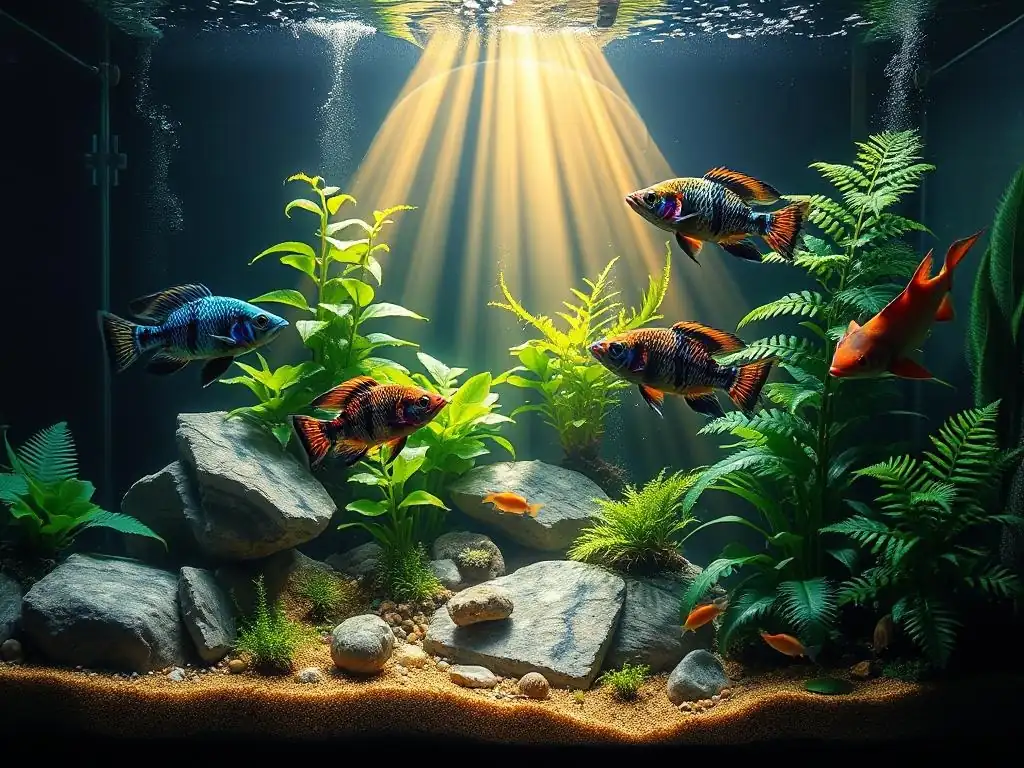
Welcome to Aquarium Mastery!
Dive into the fascinating world of armored catfish! Ever wondered how to keep those adorable Corydoras, Brochis, and Aspidoras thriving in your freshwater aquarium? This article unveils essential armored catfish care tips to ensure a happy and healthy underwater life for these charming bottom-dwellers. Get ready to unlock the secrets to their unique needs and create the perfect environment for them to flourish. Ready to become an Armored Catfish Master? Let's explore!
- Introduction to Armored Catfish: Corydoras, Brochis, and Aspidoras
- Armored Catfish Care Tips: Essential Guidelines for a Healthy Aquarium
-
Frequently Asked Questions
- What are some key considerations when choosing armored catfish for my aquarium?
- What are the ideal water parameters for most armored catfish species?
- What type of substrate is best for armored catfish, and why?
- What should I feed my armored catfish, and how often?
- What are some common health issues that affect armored catfish, and how can I prevent them?
- Final Reflection: Appreciating the Armored Wonders
- Dive Deeper into the Corydoras Craze!
Introduction to Armored Catfish: Corydoras, Brochis, and Aspidoras
Understanding the Armored Catfish Family
The term "armored catfish" broadly encompasses a fascinating group of freshwater fish primarily belonging to the Callichthyidae family, with Corydoras, Brochis, and Aspidoras being among the most popular genera for home aquarists. These species are characterized by rows of bony plates, or "armor," covering their bodies, providing a natural defense against predators. Unlike many other catfish, they lack scales, relying on these overlapping plates for protection. They are predominantly bottom-dwelling fish, known for their peaceful demeanor and distinctive foraging behaviors, making them a captivating addition to a community aquarium.
While sharing the armored characteristic, these three genera exhibit distinct differences in size, body shape, and preferred habitats within their native South American rivers and streams. Corydoras are the most diverse, with over 160 described species, typically reaching 1.5 to 3 inches (3.8 to 7.6 cm) in length. Brochis, conversely, are generally larger, with species like Brochis splendens often exceeding 4 inches (10 cm) and possessing a more elongated body. Aspidoras are the smallest, rarely growing beyond 1.5 inches (3.8 cm), and often have a more slender profile, making them suitable for nano aquariums.
Why Choose Corydoras, Brochis, or Aspidoras for Your Freshwater Aquarium?
Choosing Corydoras, Brochis, or Aspidoras for your freshwater aquarium offers numerous benefits, making them a top choice for both novice and experienced aquarists. Their peaceful nature ensures they coexist harmoniously with most non-aggressive community fish, reducing stress in the tank environment. As active bottom dwellers, they constantly sift through the substrate in search of food particles, helping to keep the tank floor clean and preventing the buildup of detritus. This natural scavenging behavior contributes to overall tank hygiene, which is a vital aspect of effective armored catfish care tips.
Beyond their practical contributions, these armored catfish are incredibly engaging to observe. Their social behavior, particularly the schooling tendencies of Corydoras, adds dynamic movement and visual interest to the lower levels of the aquarium. For instance, a group of six or more Corydoras panda darting around together presents a delightful spectacle. Their relatively hardy nature, when provided with appropriate armored catfish care tips, makes them forgiving for beginners, yet their diverse species offer endless opportunities for advanced hobbyists to explore specific breeding projects or rare species acquisition, enriching the aquarium experience significantly.
Armored Catfish Care Tips: Essential Guidelines for a Healthy Aquarium
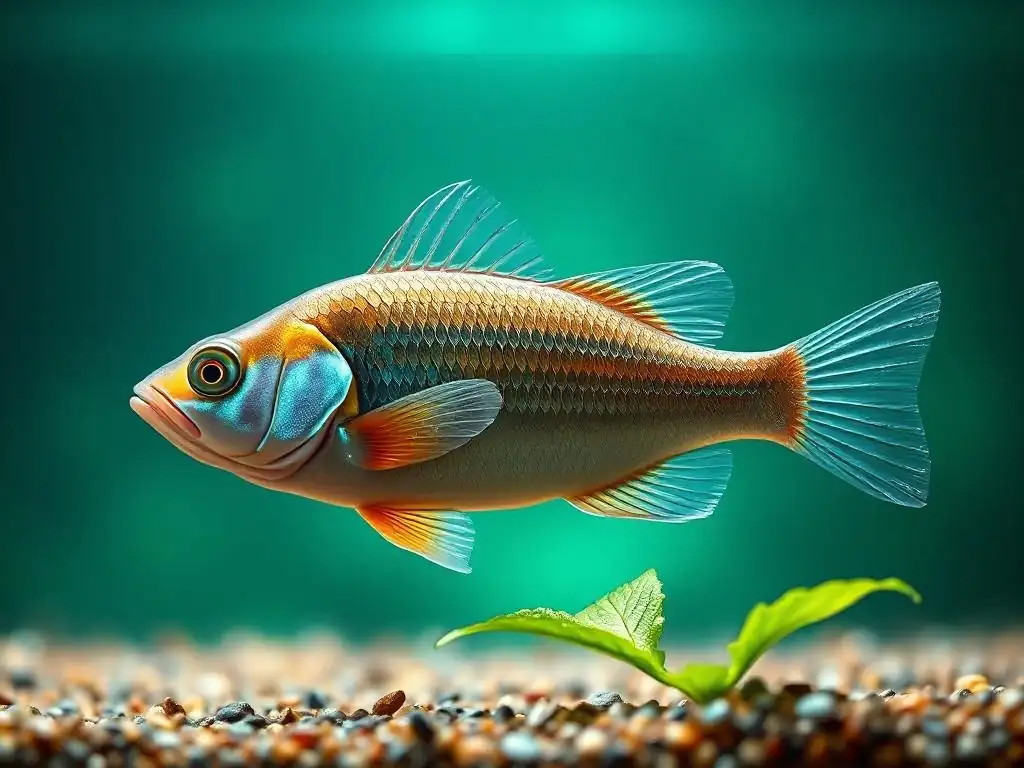
Water Parameters for Optimal Armored Catfish Health
Maintaining stable and appropriate water parameters is paramount for the health and longevity of Corydoras, Brochis, and Aspidoras. These armored catfish thrive in well-oxygenated, clean water with consistent temperatures and minimal fluctuations in pH and hardness. Sudden changes in water chemistry can cause significant stress, leading to weakened immune systems and susceptibility to disease. Regular water changes, typically 25-30% weekly, are crucial for diluting nitrates and replenishing essential minerals. Understanding these fundamental armored catfish care tips regarding water quality forms the bedrock of successful keeping.
While general ranges apply to the family, subtle variations in preferred water chemistry exist among the genera and even specific species, reflecting their diverse natural habitats across South America. For instance, many species originate from soft, acidic blackwater environments, while others come from more neutral to slightly alkaline waters. Utilizing a reliable liquid test kit to monitor pH, ammonia, nitrite, and nitrate levels is non-negotiable. Aim for ammonia and nitrite at 0 ppm, and nitrates below 20 ppm to ensure a pristine environment.
Maintaining Ideal Water Conditions for Corydoras
Corydoras species are generally adaptable but flourish within specific parameters. An ideal temperature range for most Corydoras is between 72°F and 79°F (22°C-26°C). The pH level should ideally be kept between 6.0 and 7.5, though some species may prefer slightly more acidic conditions, around 5.5. Water hardness, measured in dGH, should typically be soft to medium, ranging from 2 to 15 dGH. For example, the popular Corydoras sterbai prefers slightly warmer water, often thriving at the higher end of this temperature spectrum, around 77°F-79°F (25°C-26°C), showcasing the need for species-specific armored catfish care tips.
Beyond the numbers, water stability is key. Avoid rapid temperature swings or drastic pH adjustments. A well-filtered aquarium with gentle circulation is essential, as Corydoras appreciate good water flow and oxygenation. Performing consistent, small water changes rather than infrequent large ones helps maintain this stability. Ensuring that replacement water is declorinated and temperature-matched to the aquarium water prevents shock to these sensitive bottom dwellers.
Brochis Specific Water Chemistry Needs
Brochis species, particularly Brochis splendens, generally prefer slightly cooler and often more oxygen-rich water compared to many Corydoras. Their ideal temperature range typically falls between 70°F and 77°F (21°C-25°C). The pH preference for Brochis is usually in the neutral to slightly acidic range, from 6.0 to 7.2. They can tolerate a broader range of hardness, but soft to moderately hard water (3-18 dGH) is generally preferred, mimicking their larger riverine habitats.
Due to their larger size and more active nature, Brochis produce more waste, necessitating robust filtration and consistent water quality management. High levels of dissolved oxygen are crucial for their well-being, especially in warmer conditions. Ensuring adequate surface agitation and potentially incorporating an air stone can help meet their oxygen demands. These armored catfish care tips are vital for larger species that require more stringent environmental control.
Aspidoras and Water Quality
Aspidoras, being the smallest of the armored catfish, are often more sensitive to fluctuations and poor water quality. They generally thrive in slightly cooler and softer, more acidic water, reflecting their natural origins in small, slow-moving streams and pools. An optimal temperature range for Aspidoras is typically 70°F to 75°F (21°C-24°C). Their preferred pH is usually on the acidic side, ranging from 5.5 to 7.0, and they appreciate very soft water, ideally 1-10 dGH.
Given their delicate nature, pristine water conditions are absolutely essential. Ammonia and nitrite must always be at 0 ppm, and nitrates kept as low as possible, ideally below 10 ppm. Overfeeding, which can quickly degrade water quality in smaller tanks, should be strictly avoided. Consistent, small daily or every-other-day water changes of 10-15% can be more beneficial for Aspidoras in smaller setups than larger weekly changes, providing continuous fresh water without drastic shifts.
Diet and Feeding Habits of Armored Catfish
Armored catfish are primarily omnivorous scavengers, meaning they will consume a variety of foods found on the substrate. In their natural habitats, their diet consists of small invertebrates, insect larvae, plant detritus, and algae. In the aquarium, replicating this varied diet is crucial for their health, vibrant coloration, and active behavior. Relying solely on leftover flakes from surface feeders is insufficient and can lead to malnutrition, making proper feeding a cornerstone of effective armored catfish care tips.
It is important to offer a varied diet consisting of high-quality sinking foods specifically designed for bottom feeders, supplemented with live or frozen options. Feeding should occur once or twice a day, preferably after the main tank lights have been dimmed or turned off, as many armored catfish are more active foragers in lower light conditions. Ensure that food reaches the bottom quickly and that all individuals in the group have access to it, as larger or faster fish can outcompete them for food.
What to Feed Your Corydoras for Optimal Nutrition
For Corydoras, a balanced diet should primarily consist of high-quality sinking pellets or wafers formulated for catfish. These provide essential proteins, fats, and vitamins. Supplement this staple with a variety of live or frozen foods such as bloodworms, brine shrimp, daphnia, and micro-worms two to three times a week. For example, a group of six Corydoras aeneus can be fed 1-2 small sinking wafers in the evening, followed by a pinch of frozen bloodworms every other day.
Vegetable matter can also be offered occasionally, such as blanched zucchini or spirulina wafers, though their primary diet should be protein-rich. Avoid flake foods that float, as Corydoras may not get enough to eat. Always ensure that the food is small enough for their mouths and that it sinks quickly to the substrate where they can easily access it. Overfeeding should be avoided as it can lead to water quality issues and health problems.
Brochis Feeding Strategies
Brochis, being larger than most Corydoras, require more substantial food items. While they will still readily consume sinking pellets and wafers, choose larger sizes appropriate for their mouths. High-protein sinking granules or sticks are excellent staples. Frozen bloodworms, Mysis shrimp, and chopped earthworms are highly appreciated and should be offered regularly to meet their higher caloric demands. A mature Brochis splendens might consume 2-3 large sinking pellets and a cube of frozen brine shrimp daily.
Due to their size, Brochis can be more competitive feeders. Ensure that food is distributed widely on the substrate to allow all individuals in a group to feed without excessive competition. They are still bottom dwellers, so food must sink. Their scavenging prowess means they will thoroughly clean any uneaten food from the bottom, but care must still be taken not to overfeed, which can quickly foul the water in their larger tanks.
Aspidoras Dietary Requirements
Aspidoras, given their diminutive size, have very small mouths, necessitating finely crushed or very small food particles. High-quality micro-pellets or finely ground sinking flakes should form their staple diet. They particularly relish live foods such as micro-worms, vinegar eels, and newly hatched brine shrimp, which are excellent for conditioning them for breeding and promoting natural foraging behaviors. A small group of Aspidoras pauciradiatus might require just a few crushed pellets daily and a small portion of micro-worms every other day.
Care must be taken to ensure food reaches them and isn't consumed by larger, faster tank mates. Spot feeding with a pipette can be effective in a community tank. Due to their small size, overfeeding is a significant risk, as it can rapidly pollute the water. Feed very small amounts once or twice a day, ensuring all food is consumed within a few minutes. These specific armored catfish care tips for feeding are crucial for the well-being of these tiny fish.
Tank Setup for Armored Catfish: Creating the Perfect Habitat
A well-planned tank setup is fundamental to the long-term health and happiness of armored catfish. These bottom-dwelling fish spend most of their time sifting through the substrate and exploring their environment, so the choice of substrate, availability of hiding spots, and overall tank layout are critical. A proper habitat minimizes stress, encourages natural behaviors, and prevents physical injury, forming a key pillar of effective armored catfish care tips.
The ideal armored catfish habitat should mimic their natural riverine or stream environments, providing both open areas for foraging and densely planted or decorated zones for refuge. Good filtration is essential to maintain water quality, and a heater will ensure stable temperatures. Attention to detail in the setup will not only benefit the fish but also enhance the aesthetic appeal of the aquarium, creating a thriving ecosystem for these charming bottom dwellers.
Substrate Selection for Corydoras and Other Bottom Dwellers
The most crucial aspect of substrate selection for Corydoras, Brochis, and Aspidoras is ensuring it is soft and fine. Fine sand is universally recommended as the ideal substrate. Their delicate barbels, which they use extensively to sift through the substrate for food, can be damaged by sharp or coarse gravel. Injured barbels can lead to infections and difficulty feeding, severely impacting their health. Examples of suitable sands include pool filter sand, play sand (thoroughly washed), or specialized aquarium sands like CaribSea Super Naturals.
A depth of at least 2-3 inches (5-7.5 cm) of sand allows them to exhibit their natural sifting and digging behaviors, often seen "plowing" through the substrate. While some aquarists use smooth, rounded gravel, it is generally not ideal and can still pose a risk to their barbels over time. If gravel is absolutely necessary, ensure it is extremely smooth and pea-sized or smaller. However, for optimal armored catfish care tips, sand remains the superior choice for their comfort and health.
Plants and Decor: Enhancing the Armored Catfish Environment
Live plants are highly beneficial for armored catfish aquariums, providing essential cover, breaking up line of sight, and contributing to water quality through nutrient absorption and oxygenation. Species like Java Fern ( Microsorum pteropus), Anubias species ( Anubias barteri), and various Cryptocoryne species ( Cryptocoryne wendtii) are excellent choices as they can be attached to driftwood or rocks, or planted in the sand without disturbing the catfish's digging activities. Floating plants can also provide diffused lighting, which many armored catfish appreciate.
Beyond plants, smooth driftwood, ceramic caves, and smooth rocks offer vital hiding spots and territories. These elements reduce stress, allowing the fish to retreat when they feel threatened or simply to rest. Ensure all decor items have no sharp edges or rough surfaces that could injure the fish. When arranging decor, leave open sandy areas for foraging, balancing cover with open space. A well-decorated tank not only looks appealing but also provides a stimulating and secure environment.
Tank Size Considerations for Different Armored Catfish Species
The appropriate tank size varies significantly depending on the specific species of armored catfish and the number of individuals. All Corydoras, Brochis, and Aspidoras are schooling fish and should be kept in groups of at least six, preferably more, of their own kind to thrive. A small group of six common Corydoras species, such as Corydoras paleatus (Peppered Cory), requires a minimum of a 10-gallon (38-liter) tank, though a 20-gallon (76-liter) long tank is often recommended for more swimming space and better water stability.
For larger species like Brochis, a minimum tank size of 30 gallons (114 liters) is advisable for a group of six, with 40-55 gallons (150-200 liters) being more suitable for their adult size and active nature. Aspidoras, being the smallest, can potentially be kept in a 5-10 gallon (19-38 liter) nano tank for a small group of 6-8, provided water quality is meticulously maintained. Always consider the adult size of the species and the number of fish when planning, as these armored catfish care tips are vital for preventing overcrowding and ensuring long-term well-being.
Frequently Asked Questions
What are some key considerations when choosing armored catfish for my aquarium?
When choosing armored catfish, consider their mature size and temperament to ensure they are compatible with your other fish. Also, be aware of their specific water parameter needs to maintain a healthy environment.
What are the ideal water parameters for most armored catfish species?
Most armored catfish prefer slightly acidic to neutral water, typically with a pH between 6.0 and 7.5. Maintain a stable temperature between 72°F and 78°F and ensure excellent water quality through regular water changes.
What type of substrate is best for armored catfish, and why?
A smooth substrate, such as sand or fine gravel, is best for armored catfish. This protects their delicate barbels from damage as they forage for food on the tank bottom.
What should I feed my armored catfish, and how often?
Armored catfish are primarily bottom feeders, so offer sinking pellets, wafers, and frozen foods like bloodworms or daphnia. Feed them once or twice a day, providing only what they can consume within a few minutes to avoid overfeeding.
What are some common health issues that affect armored catfish, and how can I prevent them?
Common issues include barbel erosion (due to poor substrate or water quality) and bacterial infections. Prevent these by maintaining pristine water conditions, using a suitable substrate, and providing a varied and nutritious diet.
Final Reflection: Appreciating the Armored Wonders
The journey through the world of Corydoras, Brochis, and Aspidoras has revealed not just practical armored catfish care tips, but also the captivating beauty and unique personalities of these often-overlooked aquarium inhabitants. Understanding their specific needs, from water parameters to social dynamics, is more relevant than ever as responsible aquarists seek to create thriving and enriching environments for their aquatic companions. These small acts of care contribute to the larger picture of preserving biodiversity and appreciating the intricate web of life within our aquariums.
The enduring appeal of armored catfish lies not only in their practical role as scavengers but also in their endearing behaviors and fascinating evolutionary adaptations. My own fascination with these creatures began with a single Corydoras aeneus, and it quickly blossomed into a deep appreciation for the entire family. Their presence in the aquarium is a constant reminder of the delicate balance of nature and the responsibility we bear as custodians of these miniature ecosystems. In the end, we will conserve only what we love; we will love only what we understand; and we will understand only what we are taught.
- Baba Dioum. This quote perfectly encapsulates the importance of sharing knowledge and fostering a deeper connection with the natural world, starting with the humble armored catfish.
Now, armed with a deeper understanding of armored catfish care, I invite you to reflect on your own role in the aquarium hobby. Consider the impact of your choices on the well-being of these fascinating creatures and strive to create environments that allow them to thrive.
Embrace the joy of observing their unique behaviors, and share your knowledge with others, fostering a community of responsible aquarists dedicated to the long-term health and appreciation of these armored wonders. Let's continue to learn, adapt, and celebrate the charm of Corydoras, Brochis, and Aspidoras, ensuring their continued presence in our aquariums and our hearts.
Dive Deeper into the Corydoras Craze!
Thank you for exploring the fascinating world of Corydoras, Brochis, and Aspidoras with us! We hope you’ve gained a newfound appreciation for these charming armored catfish. Now, let's translate that knowledge into action!
- Set up a species-only tank of Corydoras paleatus! This active species shows its best behaviour in larger groups.
- Share your favorite Corydoras fact on social media – spread the Corydoras love!
- Explore the fascinating world of fishkeeping even more by leaving a comment on our latest YouTube video.
Ready to create the ultimate Corydoras haven?