
Corydoras gossei: The Pale Spotted Cory A Gentle Giant

Welcome to Aquarium Mastery!
Intrigued by the gentle beauty of the Corydoras gossei, also known as the Pale Spotted Cory? You've come to the right place! Discover the secrets to thriving Pale Spotted Corydoras care in our in-depth guide. Prepare to unlock the knowledge needed to create the perfect environment for these fascinating freshwater companions and unravel the mysteries of their captivating behaviors. Ready to dive in?
- Understanding the Pale Spotted Corydoras: An Introduction to Corydoras gossei
- Pale Spotted Corydoras Care: Essential Guidelines for a Healthy Aquarium
- Maintaining a Healthy Pale Spotted Corydoras Aquarium
- Breeding Corydoras gossei: A Step-by-Step Guide
- The Benefits of Keeping Pale Spotted Corydoras in Your Aquarium
- Purchasing Corydoras gossei: Finding Healthy Specimens
- Addressing Potential Issues with Corydoras gossei
-
Frequently Asked Questions
- What are the ideal water parameters for a Pale Spotted Corydoras (Corydoras gossei) tank?
- What type of substrate is best for Pale Spotted Corydoras?
- What is the typical diet of a Pale Spotted Corydoras?
- Are Pale Spotted Corydoras suitable for a community aquarium?
- How often should I perform water changes in a Pale Spotted Corydoras aquarium?
- Final Reflection: Appreciating the Gentle Giants
- Unleash the Cory Cat Charm!
Understanding the Pale Spotted Corydoras: An Introduction to Corydoras gossei
What is Corydoras gossei? Identifying the Pale Spotted Cory
Corydoras gossei, commonly known as the Pale Spotted Corydoras, is a charming and somewhat larger member of the Corydoras genus, originating from the clear waters of the Rio Jaru and Rio Purus basin in Brazil. These peaceful bottom-dwelling catfish typically reach an adult size of approximately 2.5 to 3 inches (6.5-7.5 cm), making them one of the more substantial Corydoras species.
Their most striking feature is their distinctive coloration: a light, often pale yellowish or beige body adorned with numerous small, dark spots that are more concentrated on the upper half of their body and dorsal fin. They possess the characteristic two pairs of barbels used for foraging in the substrate.
As with all Corydoras, C. gossei are armored catfish, meaning their bodies are protected by overlapping bony plates rather than scales. They are obligate air-breathers, often seen darting to the surface for a quick gulp of atmospheric air, a natural behavior that should not be mistaken for distress unless it becomes excessive. Their calm demeanor and constant activity searching for food at the bottom of the tank make them an engaging addition to a community aquarium, provided their specific Pale spotted corydoras care requirements are met.
Distinguishing Corydoras gossei from Other Corydoras Species
While many Corydoras species share similar body shapes and behaviors, Corydoras gossei possesses unique characteristics that help distinguish it. Its larger size, reaching up to 3 inches, sets it apart from many of the more common, smaller Corydoras like C. paleatus (Peppered Cory) or C. aeneus (Bronze Cory), which typically max out around 2.5 inches.
The most prominent distinguishing feature is its specific spotting pattern: numerous fine, dark spots scattered across a pale body, with a noticeable concentration of these spots on the dorsal fin and the upper flank. Some individuals may also exhibit a subtle, darker blotch or band near the dorsal fin, though this is less defined than in species like Corydoras adolfoi.
Another key differentiator for the Pale Spotted Corydoras is the absence of a strong, continuous black band or stripe that runs through the eye or along the lateral line, which is characteristic of many other Corydoras species such as C. duplicareus or C. panda. While C. duplicareus can sometimes be confused due to similar body patterns, C. gossei's spots are generally finer and more widespread, lacking the distinct "double" black stripe of C. duplicareus. Understanding these subtle visual cues is crucial for accurate identification, especially when seeking specific Pale spotted corydoras for your aquarium.
Pale Spotted Corydoras Care: Essential Guidelines for a Healthy Aquarium
Ideal Tank Setup for Pale Spotted Corydoras: Creating the Perfect Environment
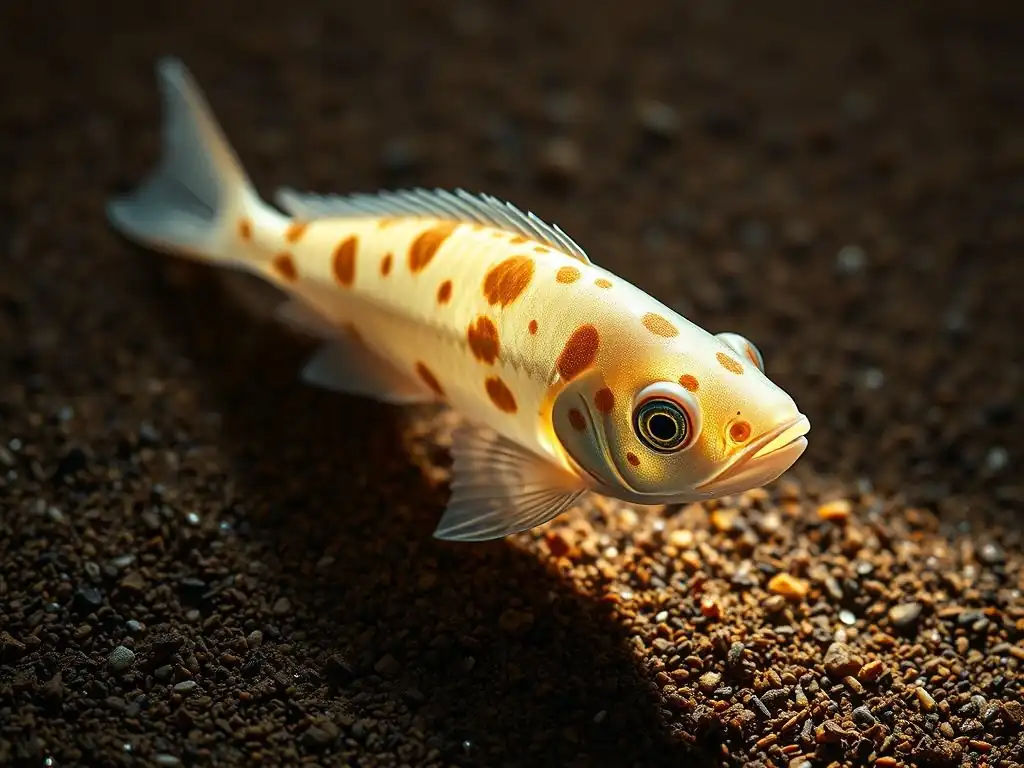
Providing an appropriate tank setup is fundamental to successful Pale spotted corydoras care. These active bottom-dwellers thrive in aquariums that offer ample space for foraging and exploration. A minimum tank size of 20 gallons (approximately 75 liters) is recommended for a small group of 6-8 Corydoras gossei, as they are schooling fish and feel most secure and exhibit natural behaviors when kept in sufficient numbers.
The substrate is a critical element: fine sand or very smooth, small gravel is essential to protect their delicate barbels, which they use extensively for sifting through the substrate to find food. Coarse or sharp gravel can cause barbels erosion, leading to infections and feeding difficulties.
To further enhance their environment, incorporate plenty of hiding spots and visual breaks using smooth river rocks, driftwood, and live plants. Densely planted areas, especially with broad-leafed plants like Anubias or Java Fern, provide shade and security. Floating plants can also help to diffuse lighting, which Corydoras gossei appreciate, as they prefer subdued illumination. A gentle filtration system, such as a sponge filter or a hang-on-back filter with a baffled output, is ideal to maintain water quality without creating strong currents that can stress these fish. Optimizing these environmental factors is a cornerstone of effective Pale spotted corydoras care.
Water Parameters for Corydoras gossei: Maintaining Optimal Water Quality
Maintaining precise and stable water parameters is paramount for the health and longevity of Corydoras gossei. These fish originate from soft, acidic to neutral waters, and mimicking these conditions in the aquarium is key to their Pale spotted corydoras care. The ideal temperature range is between 72-79°F (22-26°C), with a pH level of 6.0 to 7.5. Water hardness should be kept soft to moderately hard, specifically within 2-12 dGH (35-210 ppm). Sudden fluctuations in temperature or pH can cause significant stress, weakening their immune system and making them susceptible to disease.
Regular water changes are non-negotiable for superior Pale spotted corydoras care. A weekly water change of 25-30% is recommended to remove nitrates and replenish essential minerals. Always use a reliable water test kit to monitor ammonia, nitrite, and nitrate levels, ensuring they remain at 0 ppm, 0 ppm, and below 20 ppm respectively. Ammonia and nitrite are highly toxic to Corydoras and can quickly lead to gill damage and death. Furthermore, ensuring proper aeration through gentle filtration or an air stone helps maintain dissolved oxygen levels, which is vital for these bottom-dwellers, especially in warmer temperatures.
Pale Spotted Corydoras Diet and Feeding: Ensuring Proper Nutrition
Providing a varied and nutritious diet is essential for the robust health and vibrant coloration of Corydoras gossei. As omnivorous bottom-feeders, their diet should consist primarily of high-quality sinking foods that reach the substrate where they forage. It's crucial to understand that while they are excellent scavengers, they should not rely solely on leftover flakes or pellets from surface feeders; they need their own dedicated food source.
Recommended Foods for Corydoras gossei: A Balanced Diet
A balanced diet for Pale Spotted Corydoras includes a variety of sinking foods. High-quality sinking pellets or wafers specifically designed for catfish or bottom-feeders should form the staple of their diet. Look for options rich in protein and spirulina. Supplementing their diet with frozen or live foods is highly beneficial and encourages natural foraging behaviors. Excellent choices include:
- Frozen Foods: Bloodworms, brine shrimp, daphnia, and tubifex worms. These provide essential proteins and fats.
- Live Foods: Cultured microworms, grindal worms, or small earthworms can be offered occasionally as a treat and to stimulate natural hunting instincts.
- Vegetable Matter: While primarily carnivorous, they benefit from occasional blanched vegetables like zucchini, spinach, or shelled peas, which can provide fiber and additional nutrients.
Feeding Frequency and Amounts for Pale Spotted Corydoras
When it comes to feeding Corydoras gossei, consistency and moderation are key to effective Pale spotted corydoras care. They should be fed once or twice daily, offering only an amount they can consume within 5-10 minutes. Overfeeding can quickly lead to a deterioration in water quality, contributing to high nitrate levels and potentially ammonia spikes, which are detrimental to all aquarium inhabitants, especially sensitive bottom-dwellers.
It is better to underfeed slightly than to overfeed. Observe your fish during feeding to ensure all Corydoras gossei are getting enough food, as they can be shy or outcompeted by more aggressive tank mates. If you notice food remaining on the substrate after 10 minutes, reduce the amount at the next feeding. A healthy feeding regimen, combined with regular water changes, forms a crucial part of comprehensive Pale spotted corydoras care.
Choosing appropriate tank mates is a critical aspect of Pale spotted corydoras care, as their peaceful nature makes them susceptible to bullying or stress from aggressive species. Corydoras gossei are highly social and thrive in groups; a minimum of 6 individuals is recommended for them to feel secure and exhibit their natural schooling behaviors. Keeping them in isolation or in very small groups can lead to stress, shyness, and a weakened immune system.
Suitable Tank Companions for Pale Spotted Corydoras in a Community Tank
When selecting companions for Pale Spotted Corydoras in a community tank, prioritize species that are equally peaceful, occupy different levels of the water column, and have similar water parameter requirements. Excellent choices include:
- Small Tetras: Neon Tetras, Cardinal Tetras, Ember Tetras, Rummy-nose Tetras, and Black Skirt Tetras. These are active mid-water swimmers that won't interfere with the corys' bottom-dwelling activities.
- Rasboras: Harlequin Rasboras, Chili Rasboras, or Lambchop Rasboras are peaceful and visually appealing.
- Livebearers: Guppies, Platies, and Mollies (provided water parameters are suitable for all).
- Dwarf Gouramis: Peaceful, solitary top/mid-level fish that add color without aggression.
- Other Peaceful Bottom Dwellers: Other small, peaceful Corydoras species (like C. panda or C. habrosus), or small, non-aggressive loaches like Kuhli Loaches, can coexist happily, provided the tank is sufficiently large.
Fish to Avoid Keeping with Pale Spotted Corydoras
To ensure the well-being and longevity of your Corydoras gossei, certain fish species should be avoided as tank mates. Any fish that is large enough to consume a Corydoras, or that exhibits aggressive or fin-nipping tendencies, poses a threat. Species to steer clear of include:
- Large, Predatory Cichlids: Such as Oscars, Flowerhorns, or larger African Cichlids. These fish will view Corydoras as a food source.
- Aggressive Barbs: Tiger Barbs, while sometimes kept with Corydoras, can be notorious fin-nippers, especially in smaller groups, potentially damaging the delicate fins and barbels of the corys.
- Large or Boisterous Catfish: Some larger catfish species can outcompete Corydoras for food or simply stress them with their size and activity.
- Fin-Nippers: Any fish known for nipping fins, such as some types of Danios if not kept in large enough schools, should be avoided to prevent injury to the Corydoras' fins.
Maintaining a Healthy Pale Spotted Corydoras Aquarium
Preventing Common Diseases in Corydoras gossei
Preventing diseases in Corydoras gossei largely revolves around maintaining optimal water quality and providing a stress-free environment, crucial elements of Pale spotted corydoras care. The most common ailments, such as fin rot, bacterial infections, and Ich (white spot disease), are often triggered by poor water conditions, sudden temperature fluctuations, or inadequate nutrition. Regular and consistent water changes (25-30% weekly) are the first line of defense, as they keep nitrate levels low and replenish essential minerals. Using a fine, soft substrate is vital to prevent barbel erosion, which can lead to secondary bacterial infections.
Beyond water parameters, a balanced diet rich in protein and varied foods strengthens their immune system. Overfeeding should be avoided, as uneaten food decomposes and fouls the water. Quarantining all new fish for at least 2-4 weeks in a separate tank before introducing them to the main aquarium is a critical preventive measure, preventing the introduction of pathogens. Lastly, ensuring a stable environment with appropriate tank mates and ample hiding spots reduces stress, making your Corydoras gossei more resilient to potential health issues.
Recognizing Symptoms of Illness in Pale Spotted Corydoras
Early detection of illness is key to successful treatment and is an important part of Pale spotted corydoras care. Healthy Corydoras gossei are typically active, constantly foraging on the bottom, and show a uniform coloration. Any deviation from these normal behaviors or appearances should raise a red flag. Common symptoms of illness include:
- Lethargy or Inactivity: Hiding excessively, staying motionless for prolonged periods, or failing to respond to food.
- Abnormal Swimming: Erratic movements, difficulty swimming, listing to one side, or gasping at the surface more than usual.
- Physical Changes:
- White Spots (Ich): Small, salt-like white spots on the body and fins.
- Fin Rot: Frayed, clamped, or decaying fins.
- Red Spots or Sores: Indicative of bacterial infections or ammonia burns.
- Fungal Growth: Cotton-like growths on the body or fins.
- Barbel Erosion: Shortened, reddened, or absent barbels, often due to rough substrate or poor water quality.
- Loss of Appetite: Refusing food or spitting it out.
- Changes in Coloration: Dullness, darkening, or unusual patches of discoloration.
Treating Common Corydoras Diseases: A Practical Guide
When an illness is detected in your Corydoras gossei, prompt and careful action is required. The first step in treating any disease is to review and rectify water parameters, as poor water quality is often the root cause. Perform a significant water change (50% or more) and ensure ammonia, nitrite, and nitrate levels are optimal. If possible, move the affected fish to a dedicated hospital tank to prevent the spread of disease and allow for precise medication dosing without harming beneficial bacteria in the main tank or sensitive invertebrates.
For common ailments:
- Ich (White Spot Disease): Gradually raise the water temperature to 82-84°F (28-29°C) over 24 hours, if suitable for all tank inhabitants, and add aquarium salt (1 tablespoon per 5 gallons) or use an Ich-specific medication containing malachite green or formalin. Follow product instructions carefully.
- Bacterial Infections (Fin Rot, Body Ulcers): Improve water quality immediately. Treat with broad-spectrum antibacterial medications like Furan-2 or API Melafix, following dosage instructions precisely. Ensure the substrate is clean and soft.
- Fungal Infections: Often secondary to bacterial infections or injury. Treat with antifungal medications like API Fungus Cure or methylene blue dips.
- Barbel Erosion: Primarily addressed by correcting the substrate (switch to fine sand) and drastically improving water quality. Antibiotics may be necessary if secondary infection is present.
Always remove carbon from your filter when medicating, as it will absorb the medication. Monitor the fish closely during treatment and continue water quality maintenance even in the hospital tank. Complete the full course of medication, even if symptoms improve, to prevent recurrence.
Breeding Corydoras gossei: A Step-by-Step Guide
Setting Up a Breeding Tank for Pale Spotted Corydoras
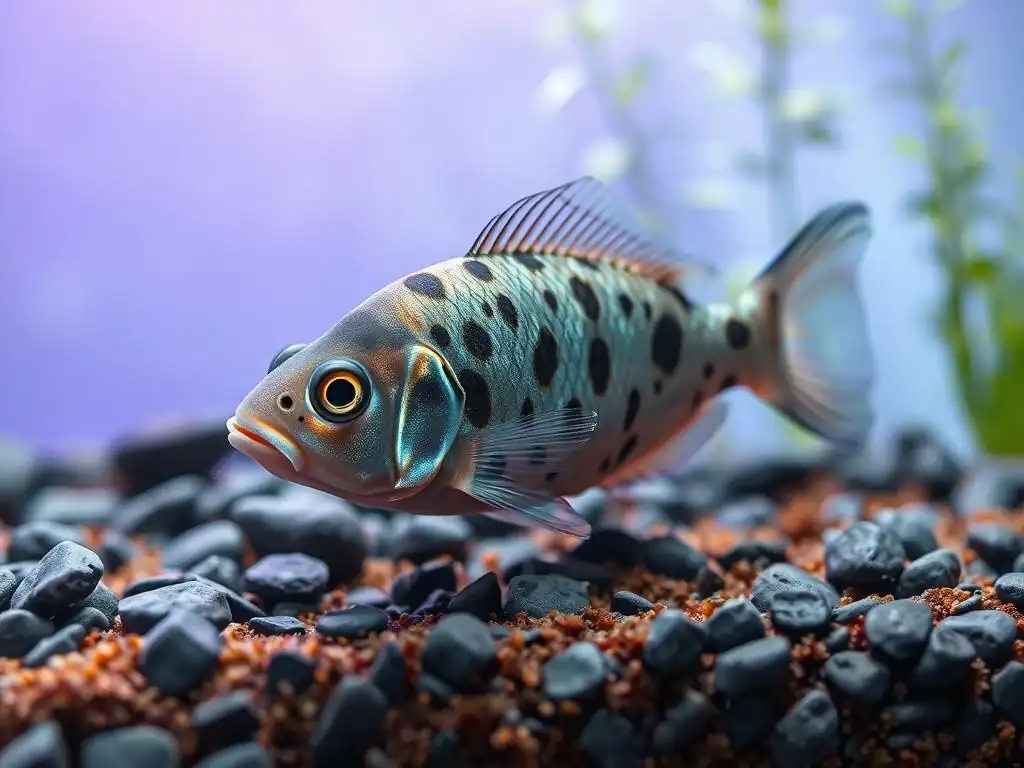
Breeding Corydoras gossei can be a rewarding experience, and setting up a dedicated breeding tank significantly increases success rates. A 10-20 gallon (approx. 38-75 liter) aquarium is sufficient for a breeding group of 3-5 individuals (ideally 1 female to 2-3 males). The tank should be bare-bottomed or have a very thin layer of fine sand for easy cleaning and egg collection. Provide spawning mops, Java Moss, or broad-leafed plants (like Anubias) for the fish to deposit their adhesive eggs on.
Filtration should be gentle, such as an air-driven sponge filter, to prevent fry from being sucked up. Maintain excellent water quality with parameters similar to their ideal living conditions: temperature around 72-75°F (22-24°C), pH 6.5-7.0, and soft water (2-8 dGH). Conditioning the prospective breeders with high-protein foods like live or frozen bloodworms, brine shrimp, and daphnia for several weeks prior to attempting to trigger spawning is crucial for their readiness.
Triggering Spawning in Corydoras gossei
Once the breeding tank is set up and the Corydoras gossei are well-conditioned, specific environmental cues can trigger spawning. The most effective method simulates the conditions of the rainy season in their natural habitat:
- Large, Cool Water Changes: Perform a large water change, about 50-70% of the tank volume, with water that is 5-10°F (2-5°C) cooler than the tank water. Repeat this process daily or every other day. This mimics the influx of cooler, fresh rainwater.
- Increased Aeration: Increase air stone output or filter flow slightly to simulate the increased water movement of a rainy season.
- Feeding: Continue to feed high-protein foods during this period to fuel egg production.
- Lighting: Keep the lighting subdued.
- Patience: Spawning may not occur immediately and might take several days or even weeks of consistent water changes.
When ready, the Corydoras gossei will exhibit classic spawning behavior, often referred to as the "T-position," where the male's head is pressed against the female's side, and she releases eggs into a pouch formed by her pelvic fins. These eggs are then fertilized and typically deposited on tank glass, plants, or spawning mops. After spawning, it's advisable to remove the adult fish to prevent them from eating the eggs.
Raising Corydoras gossei Fry: From Eggs to Juveniles
After the Corydoras gossei have laid their eggs, the crucial phase of raising the fry begins. The eggs, typically small and adhesive, will hatch within 3-5 days, depending on temperature. To prevent fungal growth on the eggs, adding a few drops of methylene blue solution or Indian almond leaves can be beneficial. Once hatched, the fry will absorb their yolk sacs for the first 2-3 days, during which they don't require external feeding.
Once the yolk sac is absorbed, the fry become free-swimming and need extremely fine foods. Initial foods include infusoria, liquid fry food, or finely powdered spirulina. After about a week, they can graduate to newly hatched baby brine shrimp, microworms, or finely crushed high-quality flake food.
Feed small amounts several times a day to ensure constant availability of food. Maintaining pristine water quality is paramount for fry survival; perform small, daily water changes (10-15%) using a siphon with a very small diameter to avoid sucking up fry. As they grow, gradually transition them to finely crushed sinking pellets until they are large enough to consume adult Corydoras foods.
The Benefits of Keeping Pale Spotted Corydoras in Your Aquarium
Corydoras gossei as a Scavenger: Keeping Your Tank Clean
One of the most practical benefits of incorporating Corydoras gossei into your freshwater aquarium is their role as efficient scavengers. These industrious bottom-dwellers spend a significant portion of their day sifting through the substrate with their sensitive barbels, actively searching for uneaten food particles and detritus. This constant foraging behavior helps to prevent the buildup of excess food, which can quickly decompose and contribute to harmful ammonia and nitrite spikes in the water column.
While they are excellent at cleaning up leftover food, it's important to clarify that Corydoras gossei are not primarily algae eaters like some other catfish species. Their scavenging primarily focuses on protein-rich detritus and sinking foods. By effectively removing these organic wastes, they contribute significantly to maintaining cleaner substrate and improving overall water quality, thereby reducing the burden on your filtration system and making your Pale spotted corydoras care routine more manageable.
The Peaceful Nature of Corydoras gossei: Enhancing Tank Harmony
Beyond their utility as tank cleaners, the peaceful disposition of Corydoras gossei makes them an exceptional choice for almost any community aquarium. Unlike some more aggressive or boisterous bottom-dwellers, these Pale Spotted Corydoras are known for their calm and non-confrontational temperament. They rarely bother other fish species, regardless of size, and are not prone to territorial disputes, making them ideal companions for a wide range of peaceful mid- and upper-water column inhabitants.
Their schooling behavior further enhances tank harmony. When kept in groups of six or more, Corydoras gossei exhibit lively and synchronized movements, adding dynamic visual interest to the aquarium without causing stress to other residents. Their gentle nature means they can coexist safely with delicate species like dwarf shrimp (though very small shrimp fry might occasionally be consumed) and slow-moving fish, contributing to a tranquil and balanced aquatic environment. This harmonious integration is a significant advantage in Pale spotted corydoras care.
Purchasing Corydoras gossei: Finding Healthy Specimens
Selecting Healthy Pale Spotted Corydoras for Your Aquarium
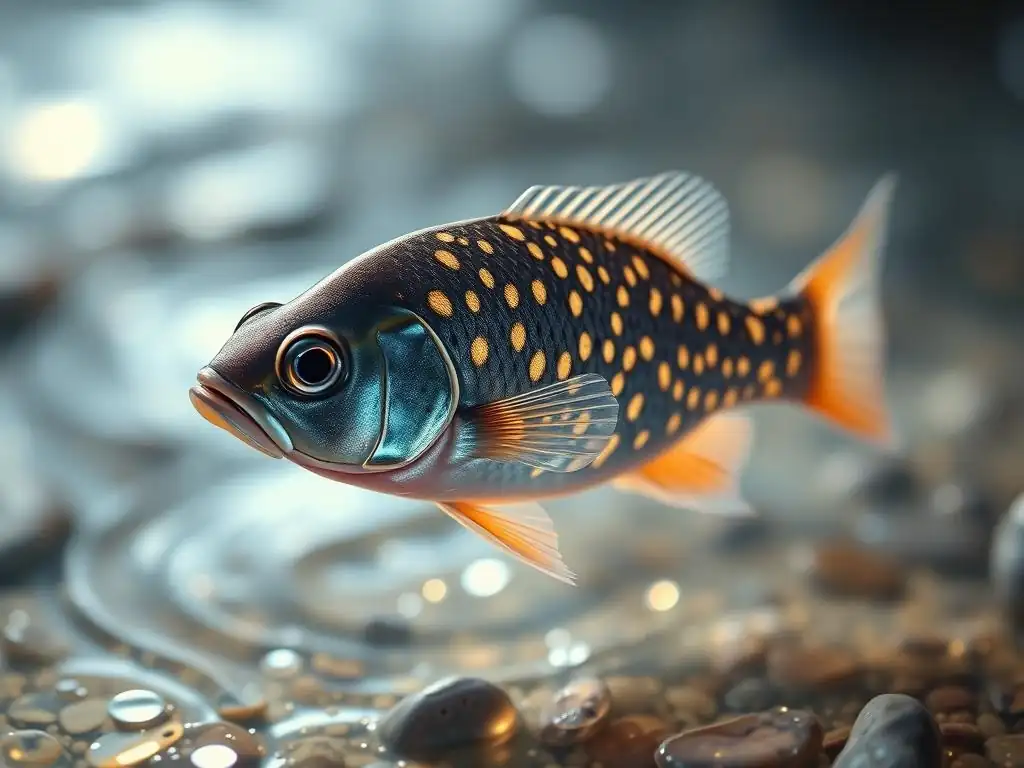
When acquiring new Corydoras gossei, careful selection is crucial for ensuring their successful transition and long-term health in your aquarium. Begin by observing the fish in the store tank for at least 10-15 minutes. Look for individuals that are active, constantly foraging, and exhibiting natural schooling behavior. Healthy Pale Spotted Corydoras should have clear eyes, intact and full barbels (a sign of proper substrate in their previous environment), and no visible signs of injury or disease.
Avoid fish that are lethargic, have clamped fins, show any white spots (Ich), red sores, or cotton-like growths. Their bodies should be well-rounded, not sunken, indicating they have been well-fed. Examine their fins for any signs of fraying or rot. Inquire about the water parameters of the store's tank, as this can give you an idea of how well they've been cared for. Choosing robust, healthy specimens is the first step in providing excellent Pale spotted corydoras care.
Quarantine Procedures for New Corydoras gossei
Implementing a strict quarantine procedure for all new Corydoras gossei is an indispensable part of responsible Pale spotted corydoras care. A dedicated quarantine tank, typically a 5-10 gallon (19-38 liter) setup with a sponge filter and a heater, should be used for this purpose. This isolation period, usually lasting 2-4 weeks, allows you to observe the new fish for any signs of illness without risking the health of your established main tank inhabitants.
During quarantine, maintain pristine water quality and feed a high-quality diet. Observe the fish daily for any changes in behavior, appetite, or appearance. If any signs of disease appear, treat them in the quarantine tank. This prevents the introduction of pathogens like Ich, Velvet, or bacterial infections into your main display tank, which can be devastating. Even if the fish appear healthy, a gradual acclimation process to your main tank's water parameters over several days is recommended after the quarantine period is complete, ensuring a smooth transition for your new Pale spotted corydoras.
Addressing Potential Issues with Corydoras gossei
Understanding and Addressing Barbels Erosion in Corydoras gossei
Barbel erosion is a common and concerning issue encountered in Corydoras gossei and other Corydoras species, directly impacting their ability to forage for food. This condition manifests as shortened, blunted, or even completely missing barbels. The primary cause is consistently rough or sharp substrate, such as coarse gravel, which abrades their delicate sensory organs as they sift for food. However, poor water quality, specifically elevated levels of ammonia, nitrite, or nitrate, can also contribute by causing chemical burns or fostering bacterial infections that lead to erosion.
Addressing barbel erosion involves a two-pronged approach. First, immediately rectify the substrate if it is unsuitable; replace coarse gravel with fine sand or very smooth, small pebbles. Second, and equally important for effective Pale spotted corydoras care, drastically improve water quality through frequent and substantial water changes. If the erosion is severe or accompanied by redness or fuzziness, a bacterial infection is likely present. In such cases, a mild broad-spectrum antibiotic designed for aquarium use, administered in a hospital tank, may be necessary to promote healing and prevent further damage to these vital sensory organs.
Common Behavioral Issues in Corydoras gossei and Solutions
While generally robust, Corydoras gossei can exhibit certain behavioral issues that indicate underlying problems with their environment or care. One common concern is excessive hiding or lethargy. If your Pale Spotted Corydoras are constantly hiding, staying motionless, or not actively foraging, it often points to stress. This stress can be caused by an insufficient group size (they need groups of 6+ to feel secure), overly bright lighting (they prefer subdued light), aggressive tank mates, or simply a lack of adequate hiding spots in the aquarium.
Another behavioral issue might be rapid, darting movements to the surface for air, which, while normal in moderation, can become excessive. This often indicates insufficient dissolved oxygen in the water or high levels of toxins like ammonia or nitrite. To address these issues, ensure your Corydoras gossei are kept in appropriate group sizes, provide ample cover and dimmer lighting, and verify tank mates are peaceful.
Most critically, rigorously test and maintain optimal water parameters, ensuring excellent filtration and aeration. Regular water changes are paramount to prevent water quality issues that manifest as behavioral distress, ensuring comprehensive Pale spotted corydoras care.
Frequently Asked Questions
What are the ideal water parameters for a Pale Spotted Corydoras (Corydoras gossei) tank?
Corydoras gossei prefer slightly acidic to neutral water. Aim for a pH between 6.0 and 7.5, and a temperature range of 72-79°F (22-26°C). Maintaining good water quality is crucial for their health.
What type of substrate is best for Pale Spotted Corydoras?
A soft, sandy substrate is highly recommended. This helps to protect their delicate barbels as they sift through the bottom for food. Avoid sharp gravel that could damage them.
What is the typical diet of a Pale Spotted Corydoras?
They are omnivorous bottom-feeders, so offer a varied diet. This includes sinking pellets, flake food, and live or frozen foods like bloodworms and daphnia. Supplement their diet with vegetable matter for optimal health.
Are Pale Spotted Corydoras suitable for a community aquarium?
Yes, they are peaceful fish that do well in a community tank with other non-aggressive species. Avoid housing them with large or boisterous fish that might outcompete them for food or harass them.
How often should I perform water changes in a Pale Spotted Corydoras aquarium?
Regular water changes are essential for maintaining water quality. Perform 25-50% water changes every 1-2 weeks, depending on the tank size and bioload. Always use a dechlorinator when adding new water.
Final Reflection: Appreciating the Gentle Giants
The journey into understanding the Pale Spotted Corydoras' unique needs underscores a broader appreciation for the delicate balance within our aquariums and the responsibility we bear as caretakers. These gentle giants, often overlooked in favor of flashier species, remind us that true beauty lies in the subtle nuances of nature and the quiet joy of providing a thriving environment for all creatures, great and small.
This exploration of Corydoras gossei has profoundly deepened my understanding of the interconnectedness within the aquatic ecosystem. It's not just about keeping fish alive; it's about fostering an environment where they can truly flourish, exhibiting their natural behaviors and contributing to a harmonious community. In the end, we will conserve only what we love; we will love only what we understand; and we will understand only what we are taught.
- Baba Dioum. This quote perfectly encapsulates the importance of continued learning and sharing knowledge about these fascinating creatures.
Now, as you close this article, I urge you to reflect on your own role in the aquarium hobby. Consider how you can further enhance the lives of your aquatic companions, not just through proper care, but through a deeper understanding and appreciation of their unique needs. Let the gentle nature of the Pale Spotted Corydoras inspire you to create a more compassionate and enriching environment for all your aquatic friends, fostering a world where both you and your fish can thrive.
Unleash the Cory Cat Charm!
Thanks for diving into the world of Corydoras gossei! We hope you've discovered a newfound appreciation for these gentle giants and their unique needs. Now, let's put that knowledge into action:
- Immediately assess your aquarium's compatibility: Is it large enough? Does it have a sandy substrate and plenty of hiding places? Prioritize adapting your tank to their needs, not the other way around.
- Explore local aquarium societies or online forums dedicated to Corydoras. Sharing experiences and learning from other enthusiasts is invaluable.
- Surprise a friend with newfound Cory knowledge! Share this article to spread awareness about these captivating fish and responsible care.
What's one small change you'll make today to ensure a happier, healthier life for your Corydoras (or future Corydoras)?