
Costello Tetra (January Tetra): The GreenLined Jewel – Care & Tank Setup

Welcome to Aquarium Mastery!
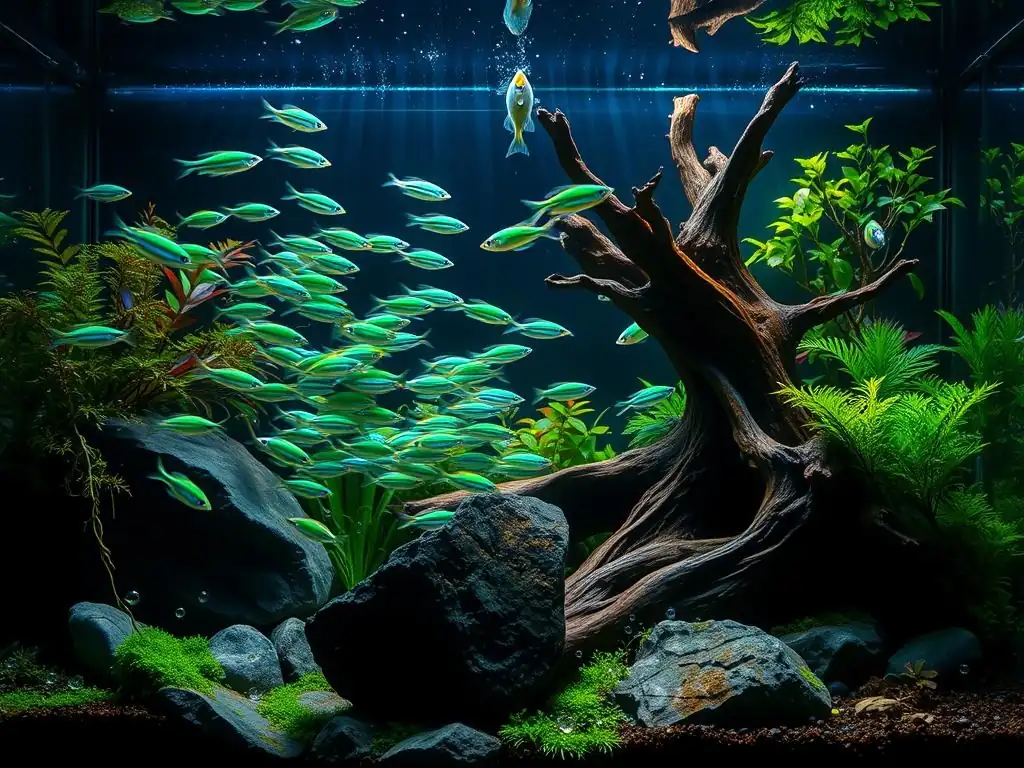
Intrigued by the shimmering, emerald beauty of the Costello Tetra? You've come to the right place! Dive in to discover everything you need to know about successfully creating a thriving Costello tetra tank setup, from optimal water parameters to perfect tank mates. Uncover the secrets to unlocking their vibrant potential and transforming your aquarium into a captivating underwater oasis. Ready to embark on your journey to Aquarium Mastery? Let's begin!
- Understanding the Allure of the Costello Tetra (January Tetra)
- Optimal Costello Tetra Tank Setup: Creating the Perfect Habitat
- Costello Tetra Care Guide: Ensuring a Healthy and Vibrant Life
- Choosing Tank Mates for Costello Tetras: Compatibility and Harmony
- Breeding Costello Tetras: A Step-by-Step Guide
- Costello Tetra Behavior and Schooling Dynamics
- Troubleshooting Common Costello Tetra Issues
- Where to Buy Costello Tetras and Selecting Healthy Specimens
- Costello Tetra: A Comprehensive Care Summary
-
Frequently Asked Questions
- What is a Costello Tetra (January Tetra) and why is it called "GreenLined Jewel"?
- What is the ideal tank size for a Costello Tetra tank setup?
- What are the key water parameters to maintain for a healthy Costello Tetra tank setup?
- What types of plants and decorations are recommended for a Costello Tetra tank setup?
- What should I feed my Costello Tetras in their tank setup?
- Final Reflection: Embracing the Delicate Balance
- Unleash the Jewel: Start Your Costello Tetra Adventure!
Understanding the Allure of the Costello Tetra (January Tetra)
Why Choose the Green-Lined Jewel for Your Aquarium?
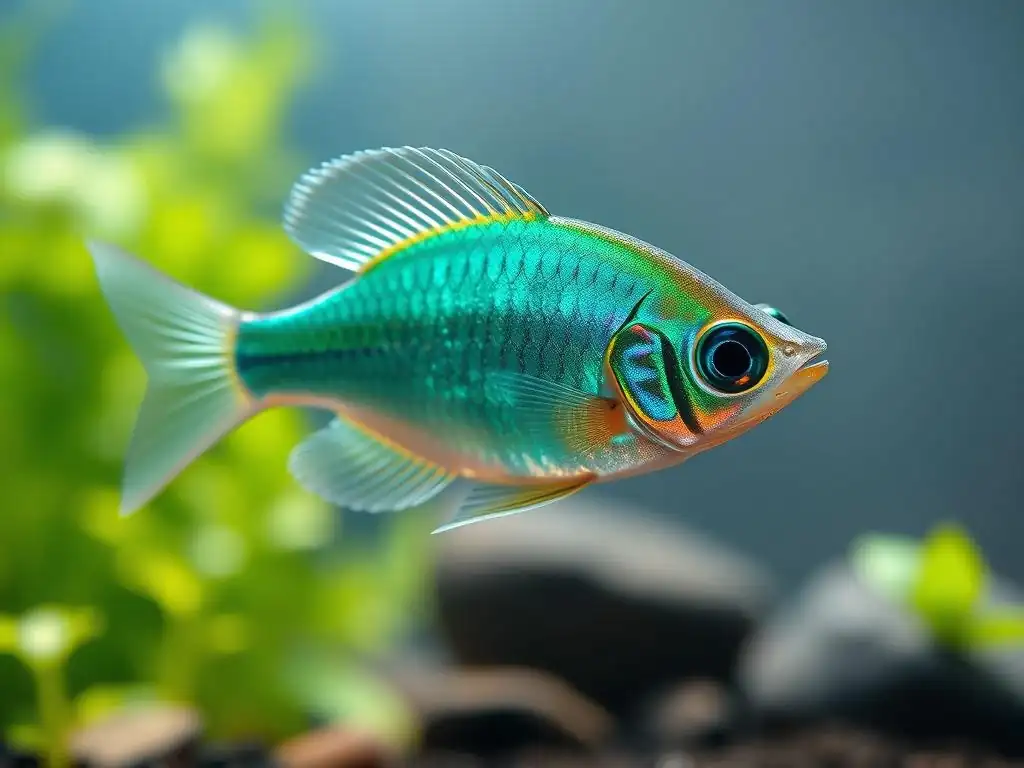
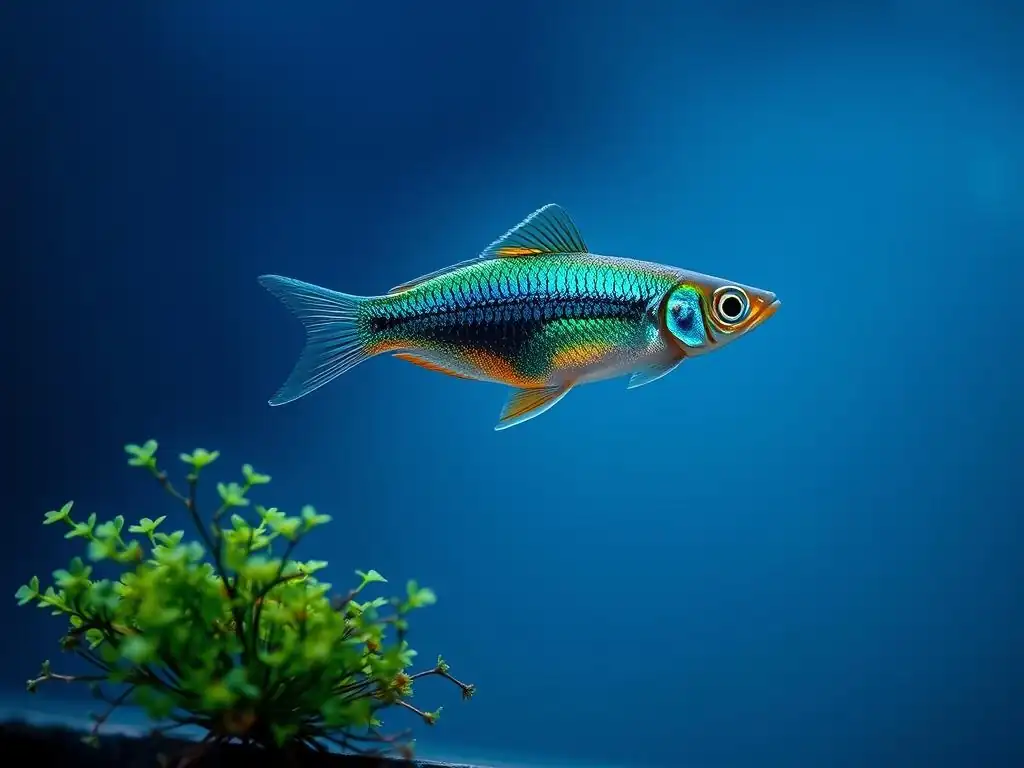
The Costello Tetra, also widely known as the January Tetra ( Hemigrammus hyanuary), is a captivating freshwater fish that brings a subtle yet striking beauty to any community aquarium. Its most distinguishing feature is a vibrant, iridescent green line that runs horizontally along its silvery body, shimmering under the right light and earning it the nickname "Green-Lined Jewel." Beyond its aesthetic appeal, these tetras are highly valued for their peaceful temperament, making them ideal inhabitants for a diverse range of community tank setups.
Choosing the Costello Tetra means introducing a dynamic element to your aquatic display. These fish are natural schooling species, and when kept in appropriate numbers (typically a minimum of 6-8 individuals), they exhibit fascinating synchronized swimming patterns that add constant movement and visual interest. Their relatively small size, generally reaching about 1.5 to 2 inches (3.8-5 cm) in adulthood, makes them suitable for medium-sized aquariums, and their adaptable nature regarding water parameters makes them a rewarding choice for aquarists looking to enhance their freshwater collection.
Costello Tetra: Quick Facts & Overview
The Costello Tetra ( Hemigrammus hyanuary) originates from the Amazon River basin in South America, particularly found in the clear and blackwater tributaries of the Rio Negro in Brazil. This geographical origin informs many of their preferred tank conditions, including a preference for softer, slightly acidic water. They are a relatively hardy species when kept in a well-maintained environment, offering a lifespan of 3 to 5 years, with some individuals living up to 6 years under optimal care.
These omnivorous fish thrive on a varied diet and are generally considered easy to moderate in terms of care level, making them accessible to aquarists beyond the beginner stage. A successful Costello tetra tank setup hinges on providing a stable environment that mimics their natural habitat, focusing on clean water, appropriate tank mates, and ample space for schooling. Below is a quick overview of their key characteristics:
- Scientific Name: Hemigrammus hyanuary
- Common Names: Costello Tetra, January Tetra, Green-Lined Tetra
- Origin: South America (Amazon Basin, Brazil)
- Adult Size: Approximately 1.5 - 2 inches (3.8 - 5 cm)
- Lifespan: 3-5 years (up to 6 years)
- Temperament: Peaceful, Schooling
- Diet: Omnivore
- Minimum Tank Size: 15-20 gallons for a small school
- Water Parameters:
- pH: 5.5 - 7.5
- GH: 2 - 15 dGH
- Temperature: 72 - 79°F (22 - 26°C)
- Care Level: Easy to Moderate
Optimal Costello Tetra Tank Setup: Creating the Perfect Habitat
Tank Size Requirements for Costello Tetras: Schooling Considerations
Providing adequate tank size is paramount for the health and well-being of Costello Tetras, primarily due to their strong schooling instincts. While a 10-gallon tank might seem sufficient for a few small fish, it is generally considered too small for a thriving school of Costello Tetras. A minimum tank size of 15 gallons is recommended for a small group of 6-8 individuals, allowing them enough horizontal swimming space to exhibit their natural schooling behaviors without feeling cramped.
However, to truly see these "Green-Lined Jewels" flourish and display their most impressive schooling dynamics, a 20-gallon long or a 30-gallon tank offers a significantly better Costello tetra tank setup. Larger tanks provide increased water volume, which contributes to greater water parameter stability, reducing stress on the fish. Furthermore, a bigger footprint allows for more intricate aquascaping with plants and decor, creating additional hiding spots and visual barriers that can enhance their sense of security and encourage more natural exploration within the school.
Essential Equipment for a Thriving Costello Tetra Tank
A successful Costello tetra tank setup relies on a few key pieces of equipment that ensure a stable and healthy environment. Beyond the aquarium itself, proper filtration, heating, and lighting are non-negotiable components for maintaining the specific conditions these tetras need to thrive. Investing in reliable equipment from the outset will prevent many common issues and create a more enjoyable experience for both the fish and the aquarist.
These essential components work in concert to replicate the stable conditions found in their natural Amazonian habitats. Regular maintenance and monitoring of this equipment are just as important as their initial setup. A well-equipped and diligently maintained tank forms the foundation for a vibrant and long-lived school of Costello Tetras.
Filtration for Clear and Healthy Water
Effective filtration is critical for any aquarium, and a Costello tetra tank setup is no exception. A good filtration system performs three essential functions: mechanical filtration to remove physical debris, chemical filtration to absorb dissolved impurities, and biological filtration to convert toxic ammonia and nitrite into less harmful nitrates. For Costello Tetras, which prefer clean, stable water, robust biological filtration is particularly important.
For tanks up to 20 gallons, a reliable hang-on-back (HOB) filter or an internal power filter with a gentle flow is often sufficient, provided it is adequately sized for the tank volume. For larger tanks, or if you plan to keep a denser school, a canister filter offers superior filtration capacity and media versatility. Aim for a filter that can process the entire tank volume at least 3-5 times per hour; for example, a 20-gallon tank would benefit from a filter rated at 60-100 gallons per hour (GPH) to ensure optimal water clarity and biological cycling.
Heating and Lighting for Costello Tetras
Maintaining a stable temperature is vital for the health of Costello Tetras. These tropical fish thrive in water temperatures ranging from 72 to 79°F (22 to 26°C). A submersible aquarium heater with an adjustable thermostat is essential to keep the water within this optimal range, especially in cooler climates or rooms with fluctuating temperatures. A good rule of thumb for heater wattage is approximately 5 watts per gallon of water; thus, a 20-gallon tank would typically require a 100-watt heater. Always use a reliable thermometer to monitor the water temperature regularly and ensure the heater is functioning correctly.
Regarding lighting, Costello Tetras originate from areas with dense overhead vegetation, preferring subdued or moderate light conditions. Harsh, bright lighting can stress these fish, causing them to lose color and become reclusive. A standard LED aquarium light that provides a gentle, even illumination for 8-10 hours per day is ideal. If you plan on keeping live plants, select an LED fixture that offers the appropriate spectrum and intensity for your chosen plant species, ensuring it doesn't overwhelm the fish.
Substrate and Decor: Replicating the Costello Tetra's Natural Environment
The choice of substrate and decor plays a significant role in creating a naturalistic and comfortable environment for Costello Tetras, directly influencing their behavior and overall well-being within the Costello tetra tank setup. Replicating aspects of their native Amazonian blackwater or clearwater habitats helps these fish feel secure and display their most vibrant colors and natural schooling patterns.
A dark-colored substrate, such as fine-grained sand or small, smooth gravel, is often recommended as it helps highlight the fish's colors and reduces reflections that can cause stress. Beyond the substrate, incorporating various forms of decor that offer hiding spots and visual breaks is crucial. This not only enhances the aesthetic appeal of the aquarium but also provides essential refuges for the fish, making them feel safer and more inclined to explore their surroundings.
Plant Choices for a Costello Tetra Tank
Live plants are an excellent addition to any Costello tetra tank setup, providing numerous benefits that mimic their natural environment. Plants offer natural hiding spots, which help reduce stress and encourage the fish to display more natural behaviors. They also contribute to water quality by absorbing nitrates and other waste products, and some species can even provide gentle shade, which Costello Tetras appreciate.
When selecting plants, consider hardy, low-to-moderate light species that can thrive in the preferred water parameters of these tetras. Good choices include Java Fern ( Microsorum pteropus), Anubias species ( Anubias barteri nana), and Cryptocoryne varieties ( Cryptocoryne wendtii), which can be attached to driftwood or rocks. For background planting, consider Vallisneria or Amazon Sword plants (if your tank is large enough). Floating plants like Dwarf Water Lettuce ( Pistia stratiotes) or Amazon Frogbit ( Limnobium laevigatum) are also excellent for diffusing light and creating a more subdued environment, further enhancing the natural feel of the tank.
Hardscape Ideas: Driftwood and Rockwork
Incorporating driftwood and smooth, inert rocks into your Costello tetra tank setup is key to creating a naturalistic aquascape that resembles their native riverine habitats. Driftwood, such as Malaysian or Mopani wood, not only adds visual interest but also slowly releases beneficial tannins into the water. These tannins can slightly lower the pH and create a "blackwater" effect, which is highly appreciated by Costello Tetras and can enhance their coloration. Driftwood also provides surfaces for beneficial biofilm to grow, offering a supplemental food source for the fish.
When choosing rocks, opt for smooth, non-porous types like river stones or basalt that won't leach minerals and alter water chemistry. Avoid sharp-edged rocks that could injure the fish. Arrange driftwood and rocks to create caves, crevices, and visual barriers, offering additional hiding spots and breaking up lines of sight, which can reduce aggression if any arises among schooling members. A well-designed hardscape, combined with lush planting, provides a complex and enriching environment for your Costello Tetras.
Costello Tetra Care Guide: Ensuring a Healthy and Vibrant Life
Water Parameters: Maintaining Ideal Conditions for January Tetras
Maintaining stable and appropriate water parameters is the cornerstone of a successful Costello tetra tank setup and crucial for the long-term health of these fish. Costello Tetras thrive in conditions that mimic their soft, slightly acidic waters of the Amazon basin. While they are somewhat adaptable, consistency is more important than hitting exact numbers; sudden fluctuations in pH or temperature can be highly stressful and detrimental to their health.
Regular testing of your aquarium water is non-negotiable. Using a reliable liquid test kit for pH, ammonia, nitrite, and nitrate is recommended over test strips for accuracy. Ammonia and nitrite should always be at 0 ppm, while nitrates should be kept below 20 ppm, ideally below 10 ppm, through regular water changes. Being proactive about water quality will prevent most common health issues and ensure your Costello Tetras remain vibrant and active.
pH, Temperature, and Water Hardness
For Costello Tetras, the ideal pH range is between 5.5 and 7.5, with a slightly acidic to neutral environment being preferred. Temperatures should be maintained consistently between 72 and 79°F (22 and 26°C). Fluctuations of more than a couple of degrees within a 24-hour period should be avoided, as this can severely stress the fish and weaken their immune systems. A reliable heater and thermometer are indispensable tools for maintaining this stability.
Water hardness is also a key factor. Costello Tetras prefer soft to moderately hard water, with a general hardness (GH) ranging from 2 to 15 dGH (approximately 35-260 ppm). Carbonate hardness (KH), which buffers pH, should ideally be between 2 and 8 dKH to ensure pH stability. If your tap water is naturally hard, you may need to consider methods like diluting with RO (reverse osmosis) water or using peat filtration to achieve the desired softness and acidity for an optimal Costello tetra tank setup.
Feeding Your Costello Tetras: A Balanced Diet
Providing a varied and nutritious diet is essential for the health, coloration, and longevity of Costello Tetras. As omnivores, they require a balanced mix of both plant and animal matter to thrive. Relying solely on one type of food can lead to nutritional deficiencies and a weakened immune system, making them more susceptible to disease.
A diverse feeding regimen will ensure your Costello Tetras receive all necessary vitamins, minerals, and proteins. Observe their feeding habits closely; if food is left uneaten after a few minutes, you are likely overfeeding, which can quickly degrade water quality. A consistent, appropriate feeding schedule is a simple yet effective way to maintain the vitality of your fish in your Costello tetra tank setup.
Recommended Food Types and Feeding Schedule
The staple diet for Costello Tetras should consist of high-quality flake food or micro-pellets formulated for tropical omnivores. Look for products that list fish meal, spirulina, and various vitamins as primary ingredients. Supplementing this staple with a variety of live or frozen foods is highly beneficial. Live foods such as newly hatched brine shrimp, daphnia, or micro worms are excellent for conditioning breeding pairs and providing natural hunting stimulation.
Frozen foods like bloodworms (chopped for smaller mouths), brine shrimp, and daphnia are also readily accepted and offer concentrated nutrition. For added plant matter, spirulina flakes can be offered occasionally. Feed your Costello Tetras small amounts 2-3 times a day, only what they can consume within 2-3 minutes. This approach prevents overfeeding, which can lead to uneaten food rotting in the tank, causing ammonia spikes and other water quality issues.
Maintaining Water Quality: Regular Water Changes and Testing
Consistent water quality is arguably the most critical aspect of a successful Costello tetra tank setup. Even with excellent filtration, nitrates accumulate over time, and essential minerals can be depleted. Regular water changes are the primary method to remove dissolved pollutants and replenish vital elements, directly contributing to the fish's health and vibrant appearance.
Beyond routine water changes, diligent monitoring of water parameters through testing is crucial. This proactive approach allows you to identify potential issues before they become serious problems. Maintaining impeccable water quality not only prevents disease but also reduces stress, allowing your Costello Tetras to display their full natural beauty and behavior.
Common Costello Tetra Diseases and Prevention
Like all aquarium fish, Costello Tetras can be susceptible to various diseases, often when their immune systems are compromised by poor water quality, stress, or inadequate nutrition. Understanding common ailments and, more importantly, focusing on prevention, is key to keeping your Costello Tetras healthy in their Costello tetra tank setup.
The best defense against disease is a strong offense: maintaining pristine water conditions, providing a balanced diet, avoiding overcrowding, and ensuring compatible tank mates. Always quarantine new fish for at least 2-4 weeks in a separate tank before introducing them to your main display to prevent the spread of pathogens. Early detection and prompt treatment are essential if a disease does occur, as many fish diseases progress rapidly.
Choosing Tank Mates for Costello Tetras: Compatibility and Harmony
Best Tank Mates for a Peaceful Community Aquarium
Costello Tetras are peaceful, schooling fish that thrive in a community aquarium with similarly sized and temperamentally compatible species. Their docile nature means they are unlikely to harass other fish, but they can become stressed or shy if housed with overly aggressive or boisterous tank mates. The ideal companions for a Costello tetra tank setup are other peaceful fish that prefer similar water parameters (soft, slightly acidic to neutral water and tropical temperatures).
Excellent choices for tank mates include other small, peaceful tetra species such as Neon Tetras, Cardinal Tetras, Ember Tetras, and Rummy-Nose Tetras, which will often school together or alongside the Costello Tetras. Small rasboras like Harlequin Rasboras or Chili Rasboras are also great options. Bottom-dwelling fish like Corydoras catfish (e.g., Panda Cory, Pygmy Cory) and Otocinclus catfish are perfect as they occupy a different water column and are entirely non-aggressive. Dwarf gouramis (like Honey Gouramis) can also be suitable, provided there is ample space and hiding spots.
Fish to Avoid: Incompatible Tank Mates
While Costello Tetras are generally adaptable, certain fish are definitively unsuitable as tank mates in a Costello tetra tank setup. Any large, predatory fish should be avoided, as Costello Tetras would simply become food. This includes most larger cichlids (e.g., Oscars, Jack Dempseys) and some larger gourami species.
Fish known for fin-nipping or aggressive behavior are also poor choices. Species like Tiger Barbs, while sometimes kept in community tanks, are notorious fin-nippers and can stress or injure the delicate fins of Costello Tetras. Similarly, some individual Betta fish can be aggressive, although others might be peaceful. It's always best to err on the side of caution. Lastly, avoid fish that require significantly different water parameters, such as very hard or alkaline water, as this would compromise the health of either the tetras or the incompatible species.
Breeding Costello Tetras: A Step-by-Step Guide
Setting Up a Breeding Tank for Costello Tetras
Breeding Costello Tetras can be a rewarding experience, though it requires specific conditions to encourage spawning and ensure the survival of the fry. These fish are egg scatterers, meaning they will disperse their eggs without parental care, and will readily eat their own eggs and fry if not separated. Therefore, a dedicated breeding tank is essential for a successful Costello tetra tank setup for breeding purposes.
A small 5-10 gallon tank is sufficient for breeding. It should be kept bare-bottomed or have a layer of marbles, a spawning mop, or a dense bed of fine-leaved plants (like Java Moss) to provide a safe place for the eggs to fall and prevent the parents from consuming them. The water in the breeding tank should be soft (GH 1-5 dGH) and slightly acidic (pH 5.5-6.5), often achieved by using RO water or filtered rainwater.
A gentle sponge filter is ideal for filtration, as it provides biological filtration without creating strong currents that could harm eggs or fry. Keep the lighting very dim, as eggs are light-sensitive.
Spawning and Raising Fry
To encourage spawning, condition your adult Costello Tetras with a high-protein diet of live or frozen foods (e.g., brine shrimp, bloodworms) for one to two weeks. Select a healthy, plump female and one or two well-conditioned males. Introduce them to the breeding tank in the evening. Spawning typically occurs in the early morning hours, often at dawn, with the female scattering hundreds of tiny, clear eggs among the substrate or spawning mop.
Once spawning is observed (usually indicated by a noticeable reduction in the female's girth and visible eggs), remove the adult fish immediately to prevent them from eating the eggs. The eggs will hatch in approximately 24-36 hours at a temperature of around 77°F (25°C). The fry are incredibly tiny and will absorb their yolk sacs over the next 3-5 days, becoming free-swimming.
Their first foods should be infusoria or a high-quality liquid fry food, followed by newly hatched brine shrimp nauplii and finely crushed flake food as they grow. Small, frequent water changes (10-15% daily or every other day) are crucial for fry development, as they are highly sensitive to water quality.
Costello Tetra Behavior and Schooling Dynamics
Costello Tetras are quintessential schooling fish, meaning they exhibit a strong natural instinct to group together for safety and social interaction. In their natural habitat, this behavior is a defense mechanism against predators. In the aquarium, it translates into beautiful, synchronized movements that are a joy to observe. A minimum school size of 6-8 individuals is recommended for a Costello tetra tank setup to allow them to feel secure and display their natural social dynamics.
When kept in insufficient numbers, Costello Tetras can become stressed, shy, and reclusive, often hiding or exhibiting nipping behavior towards other tank mates due to anxiety. Within a healthy school, they are generally peaceful and rarely show aggression towards each other. They will often explore the middle and upper levels of the tank together, darting in unison when startled, showcasing their vibrant green line. This social cohesion is a hallmark of their species and a key aspect of their appeal.
Encouraging Natural Schooling Behavior
To encourage the most natural and robust schooling behavior in your Costello Tetras, several factors within your Costello tetra tank setup are crucial. Firstly, ensure the tank is large enough (20 gallons or more for a good school) to provide ample swimming space. Overcrowding can lead to stress, even among schooling fish, inhibiting their natural movements.
Secondly, maintain a school size of at least 8-12 individuals. A larger school provides a greater sense of security and encourages more pronounced and impressive schooling patterns. Thirdly, provide appropriate tank mates that are peaceful and do not stress the tetras. Finally, a well-aquascaped tank with plenty of plants and driftwood offers hiding spots. When fish feel secure, they are more likely to venture out and engage in natural schooling behavior rather than constantly seeking refuge.
Troubleshooting Common Costello Tetra Issues
Diagnosing and Treating Health Problems
Even in a well-maintained Costello tetra tank setup, health issues can occasionally arise. Early diagnosis is key to successful treatment. Regularly observe your Costello Tetras for any changes in behavior, appearance, or appetite. Signs of illness include clamped fins, faded coloration, erratic swimming, labored breathing, visible spots (white, black, or fuzzy), bloating, or refusal to eat.
If you notice any of these symptoms, the first step is always to test your water parameters (ammonia, nitrite, nitrate, pH, temperature). Poor water quality is the leading cause of stress and disease in aquarium fish. Perform a significant water change (30-50%) and ensure all parameters are within optimal ranges.
If water quality is good, research the specific symptoms to identify the potential disease (e.g., Ich, Fin Rot, Velvet). Isolate the affected fish in a quarantine tank if possible, and administer appropriate medication following the manufacturer's instructions carefully. Always remove activated carbon from your filter during medication, as it will absorb the treatment.
Addressing Aggression or Stress
While Costello Tetras are generally peaceful, instances of aggression or chronic stress can occur, usually stemming from environmental factors within the Costello tetra tank setup. If you observe nipping or unusual aggression among your Costello Tetras, the most common cause is an insufficient school size. When kept in numbers fewer than 6-8, they can become stressed and direct their anxiety towards each other or other tank mates. The solution is to increase the school size to at least 8-12 individuals.
Chronic stress is indicated by faded colors, constant hiding, lack of appetite, or rapid gill movement. Common stressors include poor water quality (high nitrates, ammonia/nitrite presence), inappropriate tank mates (too large, too aggressive, or too boisterous), insufficient hiding spots, or sudden changes in water parameters or lighting. Address these issues by rectifying water parameters, ensuring compatible tank mates, adding more plants or decor to provide cover, and maintaining a consistent environment. A stable, secure environment will allow your Costello Tetras to thrive and display their natural, peaceful demeanor.
Where to Buy Costello Tetras and Selecting Healthy Specimens
Choosing a Reputable Source
When you're ready to add Costello Tetras to your aquarium, selecting a reputable source is paramount to ensuring you bring home healthy fish and support responsible practices. Avoid impulse purchases from stores with dirty tanks, visibly sick or dead fish, or overcrowded conditions, as these are red flags for poor husbandry and potential disease. A good Costello tetra tank setup starts with healthy fish.
Look for a local fish store (LFS) that maintains clean, well-organized tanks, has knowledgeable staff who can answer your questions about the fish's origin and care, and ideally, practices a quarantine protocol for their incoming stock. If purchasing online, research the retailer's reputation thoroughly. Check reviews for consistent positive feedback on fish health, packaging, and live arrival guarantees. Reputable online suppliers often have robust quarantine procedures and careful shipping methods to minimize stress on the fish during transit.
Identifying Healthy Costello Tetras
Once you've found a reputable source, it's crucial to know how to identify healthy Costello Tetras before making a purchase. A careful visual inspection of the fish and their tank can reveal much about their health. Healthy Costello Tetras should display vibrant coloration, with their distinctive green line being prominent and iridescent. Their fins should be fully extended, not clamped against their body, torn, or frayed.
Observe their behavior: healthy Costello Tetras will be active, swimming together in a cohesive school, and will not be hiding excessively, gasping at the surface, or exhibiting erratic movements. Check their bodies for any visible spots (like white spots from Ich), lesions, growths, or signs of bloating or emaciation. Their gills should not be moving rapidly. By taking the time to carefully select healthy specimens, you set your Costello tetra tank setup up for long-term success and enjoyment.
Costello Tetra: A Comprehensive Care Summary
Key Takeaways for a Successful Costello Tetra Tank Setup
The Costello Tetra ( Hemigrammus hyanuary), or January Tetra, is a beautiful and peaceful schooling fish that can thrive in a well-planned freshwater aquarium. Their distinctive green line and active schooling behavior make them a captivating addition to any community setup. Achieving a successful Costello tetra tank setup hinges on understanding and meeting their specific needs.
Here are the key takeaways for ensuring a healthy and vibrant life for your "Green-Lined Jewels":
- Tank Size: A minimum of 20 gallons is recommended for a school of 6-8 Costello Tetras, providing ample swimming space for their schooling behavior. Larger tanks are always better for stability and a more impressive display.
- Water Parameters: Maintain stable water conditions within the range of pH 5.5-7.5, GH 2-15 dGH, and a temperature of 72-79°F (22-26°C). Consistency is paramount.
- Filtration: Utilize a reliable filter that provides excellent biological, mechanical, and chemical filtration, ensuring clean and clear water. A gentle flow is preferred.
- Aquascaping: Create a naturalistic environment with a dark substrate, plenty of live plants (especially fine-leaved and floating varieties), and natural hardscape like driftwood and smooth rocks to provide hiding spots and diffuse light.
- Diet: Offer a high-quality, varied diet of flakes or micro-pellets supplemented with live or frozen foods (e.g., brine shrimp, daphnia) to ensure complete nutrition. Feed small amounts 2-3 times daily.
- Water Quality Maintenance: Perform regular weekly or bi-weekly water changes (25-30% of tank volume) and conduct routine water parameter testing to keep nitrates low and maintain overall water quality.
- Tank Mates: Choose only peaceful, similarly sized fish that share similar water parameter preferences. Avoid aggressive or predatory species.
- Schooling: Always keep Costello Tetras in a school of at least 6-8 individuals (ideally 8-12) to ensure their well-being, reduce stress, and encourage their natural schooling behavior.
- Observation: Regularly observe your fish for any signs of disease or stress, addressing issues promptly through water changes or appropriate treatments.
By adhering to these guidelines, you can create a thriving and aesthetically pleasing environment for your Costello Tetras, allowing them to display their full beauty and natural behaviors for years to come.
Frequently Asked Questions
What is a Costello Tetra (January Tetra) and why is it called "GreenLined Jewel"?
The Costello Tetra is a small, active freshwater fish known for its vibrant green iridescent stripe along its body. It's nicknamed "GreenLined Jewel" due to this attractive coloration. They are also known as January Tetras, likely referencing their first import or discovery.
What is the ideal tank size for a Costello Tetra tank setup?
For a small school (6-8) of Costello Tetras, a 10-gallon tank is generally considered the minimum. A larger tank, like a 20-gallon long, would be even better to provide more swimming space and stability.
What are the key water parameters to maintain for a healthy Costello Tetra tank setup?
Costello Tetras thrive in slightly acidic to neutral water, with a pH between 6.0 and 7.0. Maintain a temperature between 72°F and 78°F (22°C - 26°C) and ensure good water quality through regular water changes.
What types of plants and decorations are recommended for a Costello Tetra tank setup?
Live plants are highly recommended as they help maintain water quality and provide hiding places. Consider using dense vegetation like Java Moss, Anubias, and Amazon Swords. A dark substrate will enhance their coloration.
What should I feed my Costello Tetras in their tank setup?
Costello Tetras are omnivores, so offer a varied diet. High-quality flake food should be the staple, supplemented with small live or frozen foods like daphnia, brine shrimp, and bloodworms for optimal health and coloration.
Final Reflection: Embracing the Delicate Balance
The journey of understanding and caring for the Costello Tetra, as we've explored, is more than just setting up a tank; it's about cultivating a miniature ecosystem. The principles of careful planning, attentive observation, and responsible maintenance we've discussed are not just applicable to aquariums, but resonate deeply with our broader relationship with the natural world, reminding us of the interconnectedness of all living things.
The allure of the Costello Tetra, with its vibrant green line, lies in its fragility and beauty, a reflection of the delicate balance we strive for in our own lives. This pursuit of harmony, both within our aquariums and within ourselves, is a constant learning process, demanding patience and a willingness to adapt. The best way to observe a fish is to become a fish.
- Jacques Cousteau. This quote encapsulates the empathy and understanding required to truly appreciate and care for these creatures, and by extension, the world around us.
Now, as you consider your own Costello Tetra tank setup, I encourage you to see it not just as a project, but as an opportunity. An opportunity to connect with nature, to learn about responsibility, and to create a small haven of beauty and tranquility. Let the principles of balance and care guide you, not only in your aquarium, but in all aspects of your life, fostering a deeper appreciation for the delicate ecosystems we are all a part of.
Unleash the Jewel: Start Your Costello Tetra Adventure!
Thank you for diving into the world of Costello Tetras! We hope you've discovered the beauty and joy these GreenLined Jewels can bring to your aquarium. Now, let's translate that knowledge into action!
Here are some exciting next steps you can take:
- Embark on your Costello Tetra journey: Set up your dream tank and introduce these stunning fish to their new home.
- Dive deeper: Share your newfound knowledge with other aquarists on forums or social media, inspiring them with the beauty of Costello Tetras.
- Get creative: Experiment with different tank decorations and plant combinations to create the ultimate Costello Tetra paradise.
Ready to transform your aquarium into a GreenLined Jewel haven?